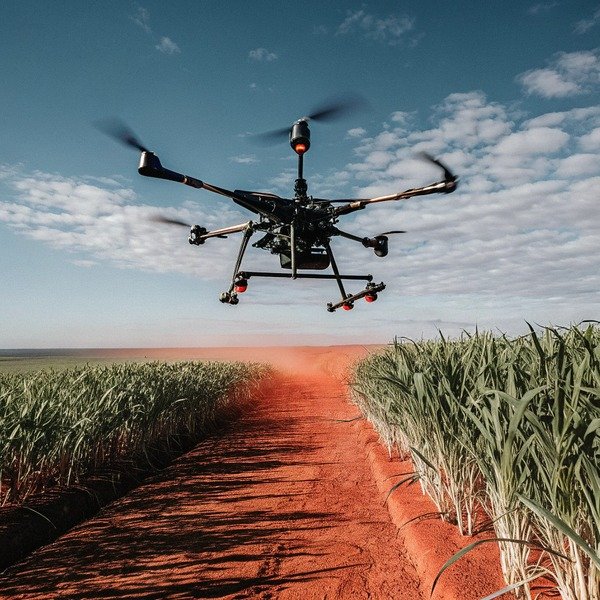
We often see clients struggle with tight budgets while needing heavy-lift capabilities on our assembly floor. It is frustrating to choose between cost and quality when your operations depend on reliable equipment.
To balance performance and price, prioritize modular industrial frames with brushless motors and open-protocol radio systems. This approach reduces long-term costs by 30% compared to proprietary ecosystems. Focus your budget on critical payload sensors rather than airframe aesthetics to maximize operational ROI.
Let’s look at how to make these tough decisions without sacrificing reliability.
Which technical specifications should I prioritize to maximize my ROI?
When we test prototypes in Xi’an, we notice that flashy features often drain budgets without adding value. You need tools that work efficiently, not toys that look good on paper.
Prioritize flight endurance and payload capacity over high-resolution cosmetic cameras. Selecting drones with high-efficiency brushless motors and reliable GPS modules ensures a longer operational lifespan and lower cost per flight minute, directly improving your return on investment.

When you are working with a limited budget, you cannot afford to pay for specifications that do not generate revenue. In our engineering department, we often advise clients to look past the marketing hype of "8K video" or "10-mile range" if their primary job is agricultural spraying or local cargo delivery. The Return on Investment (ROI) comes from how long the machine stays in the air Return on Investment (ROI) 1 and how little maintenance it requires.
The Importance of Motor Type
The first specification you must check is the motor type. Many budget drones cut costs by using brushed motors. These are cheaper to make but wear out very quickly because of physical friction inside the motor. In contrast, brushless motors are standard brushless motors 2 in our industrial lines. brushless motors 3 They provide better power efficiency, handle wind much better, and last significantly longer. Although they cost slightly more upfront, they save you money within the first month of heavy use because you are not constantly replacing burnt-out parts.
Flight Time Economics
In industrial applications, flight time is money. flight time 4 If you buy a cheaper drone that only flies for 15 minutes, you will spend half your day landing, swapping batteries, and taking off again. A slightly more expensive unit that flies for 35 or 40 minutes allows you to cover more acres in a single flight. This efficiency reduces the number of batteries you need to buy and keeps your crew working rather than waiting.
Sensor vs. Camera
Finally, distinguish between "sensors" and "cameras." For a filmmaker, a gimbal with perfect stabilization is vital. For an agricultural manager, a multispectral sensor or a reliable flow rate sensor for the spray tank is what matters. Do not spend your limited budget on cinematic stabilization if your goal is crop analysis. Allocating funds to the right sensor ensures the drone actually performs the job you bought it for.
| Característica | Consumer/Hobby Focus | Industrial/ROI Focus | Recommendation for Budget ROI |
|---|---|---|---|
| Motor Type | Brushed or Small Brushless | Large Brushless | Always Brushless (Longer life) |
| Battery Life | 15-25 Minutes | 30-45+ Minutes | Max Flight Time (Reduces downtime) |
| Camera | 4K/8K Cinematic | Thermal / Multispectral | Function over Resolution |
| Structure | Foldable Plastic | Rigid Carbon Fiber | Durability over Portability |
How do I determine if a lower-priced drone will survive my rugged work environment?
Our durability tests in Chengdu expose weak designs immediately, often destroying lesser frames in minutes. A cheap drone that cracks after one hard landing is a wasted investment for your fleet.
Evaluate the Ingress Protection (IP) rating and material composition before purchasing. A lower-priced drone can survive rugged environments if it features a carbon fiber frame and sealed electronics, whereas plastic consumer models often fail under industrial stress.

Durability is the biggest hidden factor in the price of a drone. When we design frames for export to the US, we assume the user will not land gently on a soft grass field every time. Industrial work environments are harsh. There is dust, moisture, and rough handling. A budget drone that looks sleek on a website might be made of brittle plastic that snaps the moment it tips over.
Material Science: Plastic vs. Carbon Fiber
The primary indicator of survival is the material. Consumer drones usually use injection-molded plastic. It is cheap and lightweight, but it vibrates heavily and cracks easily. For a rugged work environment, look for carbon fiber plates or composite arms. carbon fiber 5 Carbon fiber is incredibly stiff and strong. Even if the drone is affordable, if the main structural arms are carbon fiber, it can take a beating. We often see clients successfully repair a carbon fiber arm with a simple replacement tube, whereas a cracked plastic shell often totals the entire aircraft.
Understanding IP Ratings
Water and dust are the enemies of electronics. You need to look for an Ingress Protection (IP) rating Ingress Protection (IP) rating 6. Ingress Protection (IP) rating 7 Many budget drones have no IP rating at all, meaning a sudden rain shower or heavy dust from a construction site will short-circuit the main board. A rating like IP54 or higher means the drone is sealed against dust and splashing water. This does not always cost a fortune; it just requires a manufacturer who cares about sealants and port covers.
Modular Repairability
Another key to survival is modularity. In a rugged environment, crashes happen. If your budget drone is a single molded piece, one broken motor mount means the whole drone is trash. If the drone is modular—meaning motors, arms, and landing gear are bolted on rather than glued or molded—you can keep it alive for years. You can simply unbolt the broken part and screw in a new one. This specific design philosophy is what separates a disposable toy from a budget-friendly industrial tool.
Can working directly with a manufacturer reduce my overall procurement costs?
We handle custom orders daily and see how middlemen inflate prices to cover their own overhead. Buying through layers of distribution eats into your budget and slows down critical support.
Direct collaboration with manufacturers cuts out distributor markups, often saving 20-30% on upfront costs. Additionally, factories can customize loadouts to remove unnecessary features, ensuring you only pay for the specific performance capabilities your operations actually require.

Many procurement managers assume that buying from a local dealer is the only safe option, but this often adds a significant premium to the price. When you buy from a distributor, you are paying for their warehousing, their marketing, and their profit margin. By going directly to the source, you can stretch your budget much further.
Cutting the Middleman Markup
The math is simple. A drone that leaves our factory floor at a certain price might be sold for double that amount by the time it reaches a retailer's shelf. By contacting the manufacturer directly, you access "ex-works" or FOB pricing FOB pricing 8 FOB pricing 9. This immediate savings can be reinvested into spare batteries or better sensors. For a limited budget, this is the most effective way to step up into a higher class of hardware without spending more money.
Customization Capability
Manufacturers offer something distributors cannot: customization. If you buy a retail box, you pay for everything inside, whether you need it or not. Maybe the standard package comes with a fancy carrying case and a 4K camera you do not need. When we work with direct clients, we can strip those items out. We can ship the drone with a basic controller if you already have compatible radios, or we can install a specific mount for your existing equipment. You only pay for the exact configuration that fits your mission.
Direct Support Channels
There is also a hidden cost benefit to direct communication. When technical issues arise, talking to the engineers who built the system is faster than going through a sales rep who has to send an email to the factory anyway. This reduces downtime. In the industrial world, downtime is expensive. Having a direct line to the factory for troubleshooting or firmware updates ensures your affordable drone keeps working, maximizing the value of your initial purchase.
| Cost Factor | Buying via Distributor/Retailer | Buying Direct from Manufacturer | Potential Savings |
|---|---|---|---|
| Base Price | Includes 25-40% markup | Factory direct pricing | Alto |
| Configuration | Fixed bundles (paying for extras) | Custom (pay only for needs) | Medio |
| Shipping | Usually included (hidden in price) | Paid separately | Variable |
| Support | Tier 1 support (slow) | Engineering support (fast) | Time/Efficiency |
Our service team often receives “bargain” drones that cost more to fix than to buy initially. Hidden fees can quickly destroy your initial budget savings if you are not careful.
Budget drones often utilize proprietary batteries and non-modular parts, leading to high replacement costs. You must anticipate frequent motor replacements and expensive shipping for repairs if the manufacturer does not offer local support or standardized open-source components.

The purchase price is just the tip of the iceberg. We often warn our clients that a drone costing $1,000 upfront might cost another $2,000 over two years if you do not account for consumables and maintenance. Budget-friendly drones sometimes use the "razor and blade" business model, where the drone is cheap, but the parts you need to keep it flying are expensive.
The Proprietary Battery Trap
The biggest hidden cost is usually the battery system. Some manufacturers design drones that only accept their specific, chipped batteries. These batteries can cost three to four times more than standard industrial LiPo batteries LiPo batteries 10. If you are flying agricultural missions, you might need 10 or 12 batteries to cycle through a full day. If each proprietary battery costs $200 instead of a standard $80, your operating budget is ruined. Always check if the drone can accept standard battery connectors or if you are locked into a proprietary ecosystem.
Shipping and Downtime
Maintenance is inevitable. Propellers break, motors wear out, and landing gear snaps. If your budget drone requires you to ship the entire unit back to a service center for every minor repair, you are paying for shipping and losing revenue while the drone is away. High-end industrial drones are designed to be repaired in the field. Budget models often require specialized tools or software resets that only the factory can perform. You need to calculate the cost of lost work days.
Software Licensing and Updates
Be wary of software costs. Some "affordable" hardware comes with software that requires a monthly subscription to unlock autonomous features or mapping capabilities. You might buy the drone for a low price, only to find out that the flight planning software costs $50 a month. Always ask if the software is a one-time purchase or a recurring fee. In our view, true budget balance comes from owning your equipment and software outright, avoiding these creeping costs that bleed your budget over time.
Maintenance Cost Comparison Table
| Expense Category | Proprietary "Budget" Drone | Open-Spec Industrial Drone |
|---|---|---|
| Battery Replacement | High ($150-$300 per unit) | Low ($50-$100 generic) |
| Hélices | Specialized, expensive | Standard sizes, cheap |
| Minor Repairs | Must ship to service center | User-replaceable in field |
| Software | Subscription-based (SaaS) | One-time purchase or Open Source |
Conclusión
To successfully balance performance and price, you must look beyond the initial price tag. Prioritize rugged materials like carbon fiber, insist on brushless motors for longevity, and consider buying directly from manufacturers to avoid retail markups. By avoiding proprietary batteries and focusing on modular repairability, you protect your budget from hidden long-term costs.
Notas al pie
1. Defines the financial metric used to evaluate the efficiency of an investment. ↩︎
2. authoritative technical overview of brushless motor mechanics and efficiency. ↩︎
3. Provides technical background on the efficiency and longevity of brushless motor technology. ↩︎
4. Manufacturer guide on factors affecting industrial drone battery life and flight duration. ↩︎
5. Technical specifications from a leading manufacturer regarding the strength-to-weight ratio of carbon fiber. ↩︎
6. Official definition of IP ratings by the International Electrotechnical Commission. ↩︎
7. Explains the international standard for sealing effectiveness against moisture and dust. ↩︎
8. Official definition of Incoterms trade terms by the International Chamber of Commerce. ↩︎
9. Official explanation of Free On Board (FOB) terms for international procurement. ↩︎
10. FAA regulations and safety guidelines regarding lithium batteries in aviation. ↩︎

 English
  Spanish
  German
  French
  Dutch
Dutch  Arabic
