
Every week, our export team receives inquiries from US buyers who have been burned by suppliers lacking proper documentation for American imports. The frustration is real. Customs holds, rejected shipments, and compliance nightmares cost buyers thousands of dollars and months of delays.
To assess firefighting drone suppliers for US DaaS export experience, verify their ECCN classification status, request evidence of previous successful US shipments, confirm FCC certifications, evaluate their understanding of EAR and ITAR regulations, and check their supply chain transparency for US-origin components.
The following sections break down each critical assessment area. You will learn exactly what to ask suppliers, what documents to request, and what red flags to avoid.
How do I verify if a firefighting drone supplier has the specific certifications required for US DaaS imports?
Our engineering team spent three years navigating US certification requirements. Many buyers assume any CE-marked drone can enter the American market. This assumption leads to seized shipments and frustrated customers.
To verify supplier certifications for US DaaS imports, request their Export Control Classification Number (ECCN) documentation, FCC approval certificates for radio frequency components, and written confirmation of EAR or ITAR classification status. Cross-reference these documents with the BIS Commerce Control List.
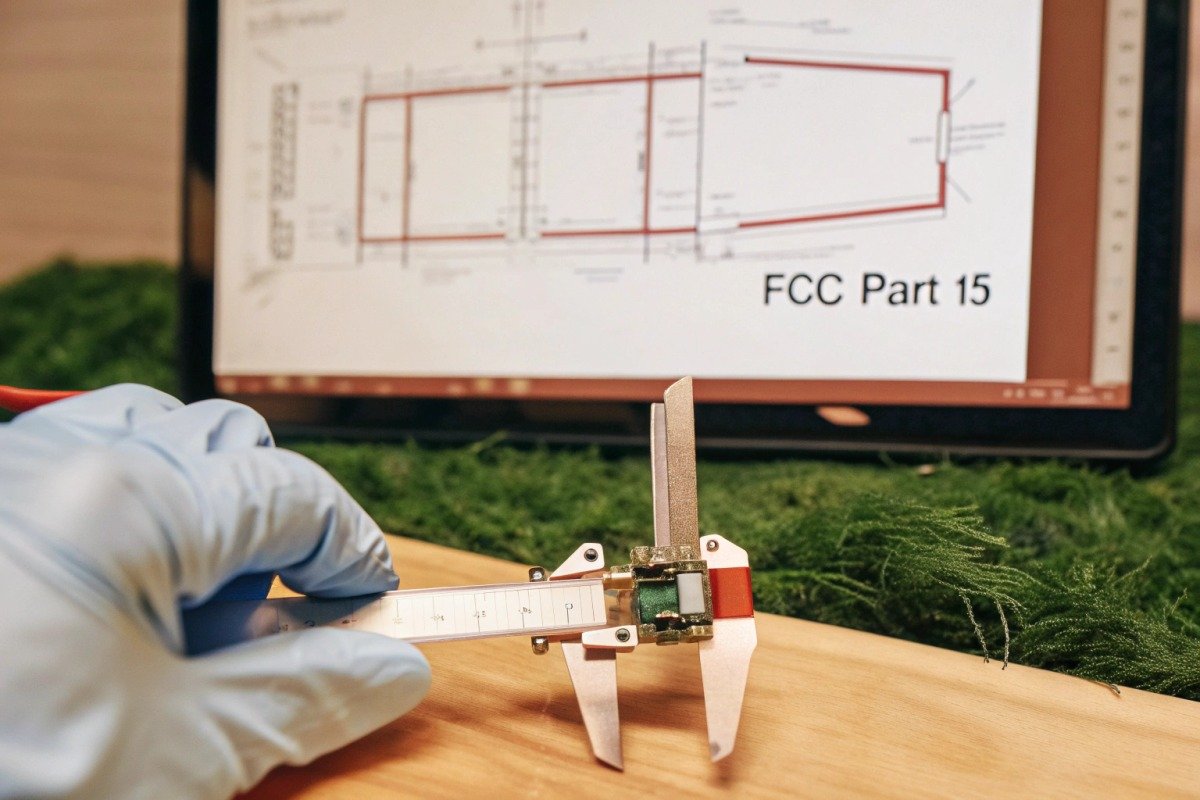
Understanding ECCN Classification for Firefighting Drones
El Export Control Classification Number 1 determines how your drone can legally enter the United States. Firefighting drones typically fall under ECCN 9A012.a.1, which controls unmanned aerial vehicles capable of beyond-visual-line-of-sight operations.
Recent BIS rules effective January 2026 changed the landscape significantly. Commercial drones with less than one hour of endurance now fall under less restrictive NS2 controls. This means license-free export to over 50 Wassenaar Arrangement countries 2 in Country Group A:1.
When we prepare export documentation, our compliance team verifies each component's classification. A single misclassified part can trigger a full license requirement.
Key Certifications to Request
| Certificación | Issuing Body | Por qué es importante |
|---|---|---|
| ECCN Classification | Bureau of Industry and Security | Determines export license requirements |
| FCC Part 15/Part 107 | Federal Communications Commission 3 | Required for all RF-emitting devices |
| ITAR Status Letter | State Department (if applicable) | Confirms non-military classification |
| STA Eligibility | BIS | Enables license-free export to allied nations |
| Blue UAS Compliance | Department of Defense | Preferred for government contracts |
Red Flags in Certification Documents
Watch for suppliers who cannot provide written ECCN self-classification. Any reputable manufacturer maintains these records. Also question suppliers who claim exemption from all export controls. Firefighting drones with cameras and sensors rarely qualify for blanket exemptions.
Our quality control process includes third-party verification of all certification claims. We recommend buyers request the same from any potential supplier.
The FCC Approval Process
Radio frequency components require FCC approval before US import. This includes the drone's telemetry system, remote controller, and any onboard communication modules. Without proper FCC certification, US Customs can legally seize your entire shipment.
Ask suppliers for FCC ID numbers. You can verify these directly on the FCC website. Legitimate suppliers provide this information within 24 hours of request.
What should I look for in a supplier's engineering team to ensure they can support my custom software development?
When we onboard new DaaS clients, the first question our project managers ask concerns software integration. A drone is only as valuable as its ability to communicate with your existing systems. Our Xi'an headquarters employs 15 software engineers dedicated to client customization projects.
Evaluate a supplier's engineering capability by requesting their software development portfolio, API documentation, technical team credentials, and examples of previous custom integrations. A capable team should demonstrate experience with thermal imaging systems, AI analytics, and emergency management platform connectivity.

Assessing Technical Team Composition
A well-rounded drone engineering team includes embedded systems programmers, flight controller specialists, and application developers. For firefighting applications, you also need engineers familiar with thermal imaging processing 4 and real-time data transmission.
During supplier evaluation, request an organizational chart of their technical department. Ask how many engineers hold relevant certifications. Our team includes certified PX4 developers and DJI SDK specialists.
Software Development Capabilities Checklist
| Capability | Preguntas que hay que hacer | Acceptable Response |
|---|---|---|
| API Development | Do you provide documented APIs? | Yes, with SDK and sample code |
| Custom Firmware | Can you modify flight controller behavior? | Yes, with safety certification |
| Data Integration | Can feeds integrate with CAD systems? | Yes, with protocol documentation |
| AI/ML Support | Do you support custom AI models? | Yes, with training dataset guidance |
| Mobile Apps | Can you white-label companion apps? | Yes, with source code access options |
Communication Protocol Standards
Firefighting drones must seamlessly connect with incident command systems. This requires support for standard protocols like MAVLink 5 for flight data, RTSP for video streaming, and REST APIs for analytics platforms.
Our engineering team tests every custom integration against real emergency management systems before deployment. We maintain partnerships with major CAD software providers to ensure compatibility.
Ongoing Development Support
Custom software requires ongoing maintenance. Ask suppliers about their update release schedule, bug fix response times, and version control practices. A professional supplier maintains detailed changelogs and provides advance notice of breaking changes.
We assign dedicated project managers to each custom development client. This ensures continuity and faster issue resolution throughout the product lifecycle.
Intellectual Property Considerations
Discuss IP ownership before any custom development begins. Some suppliers retain ownership of custom code. Others transfer full rights to clients. Clarify these terms in writing before making deposits.
How can I confirm that my drone manufacturer has a proven track record of secure door-to-door delivery to the United States?
Our logistics department has shipped over 2,000 industrial drones to US addresses in the past three years. Each shipment taught us something new about avoiding delays and protecting cargo. The difference between a experienced shipper and a novice shows up in customs clearance times and damage rates.
Confirm a supplier's US delivery track record by requesting redacted Bills of Lading from previous shipments, customs clearance documentation, client references from US buyers, insurance certificates, and details about their freight forwarding partnerships. Proven suppliers maintain documented procedures for lithium battery shipping compliance.
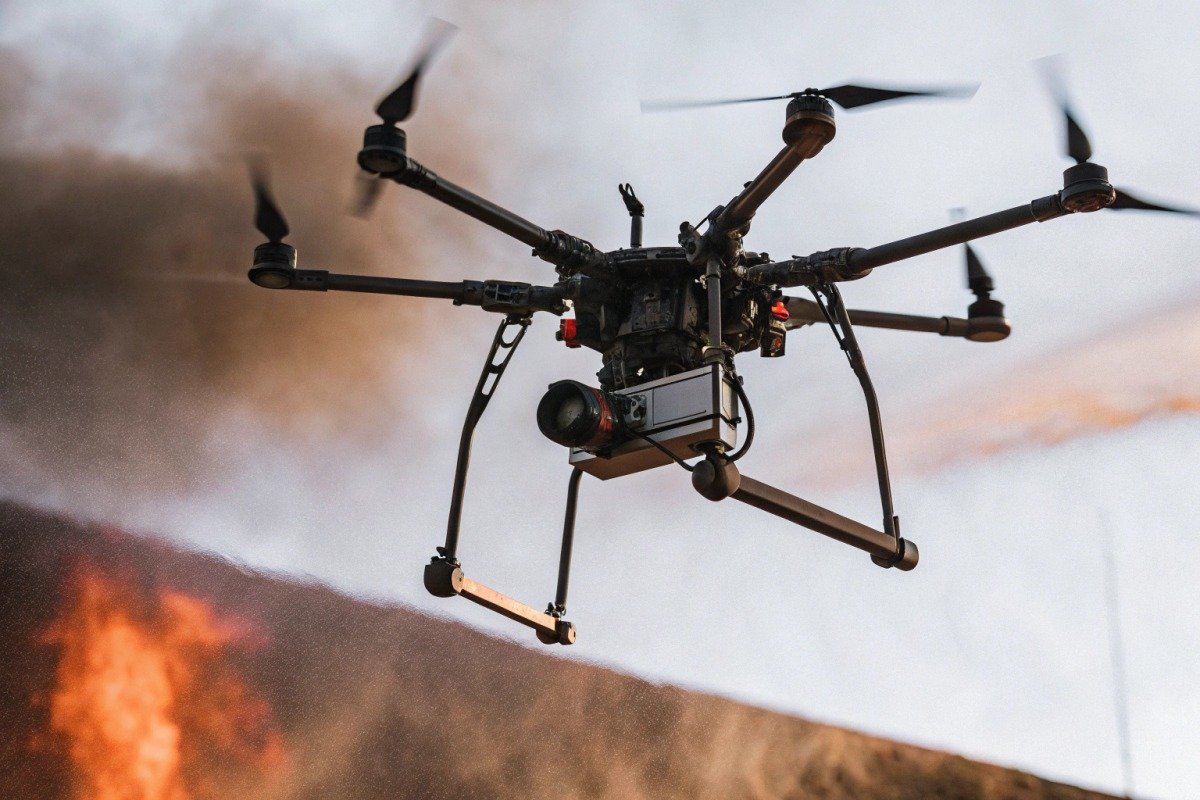
Documentation to Request
Every legitimate export shipment generates paperwork. A supplier with real US export experience can produce these documents within days of request:
| Tipo de documento | Lo que demuestra | Red Flag If Missing |
|---|---|---|
| Factura comercial | Transaction details and value declaration | Cannot verify pricing history |
| Lista de empaque | Accurate inventory management | Poor quality control |
| Conocimiento de embarque | Successful carrier acceptance | No shipping experience |
| Customs Entry Form 6 | US CBP clearance success | Possible compliance issues |
| Certificado de origen | Manufacturing location verification | Supply chain opacity |
Lithium Battery Shipping Compliance
Firefighting drones contain high-capacity lithium batteries. These fall under strict IATA Dangerous Goods regulations 7 for air transport. Non-compliant shipments get rejected at origin airports or seized upon US arrival.
Our shipping team maintains IATA DGR certification. We use UN-tested packaging for all battery shipments. Ask potential suppliers about their dangerous goods training and packaging certifications.
Freight Forwarding Partnerships
Experienced exporters maintain relationships with reliable freight forwarders. These partnerships ensure priority handling during peak seasons and faster customs clearance through established channels.
We work with three vetted forwarders who specialize in drone equipment. Each has dedicated customs brokers in Los Angeles, Chicago, and New York. This redundancy protects against single-point failures.
Insurance and Damage Claims
Ask suppliers about their cargo insurance coverage. Door-to-door delivery means multiple handling points. A single drop can damage sensitive gimbal systems or crack carbon fiber frames.
Professional suppliers carry all-risk cargo insurance covering full replacement value. They also maintain clear damage claim procedures with documented timelines.
Tracking and Communication
Modern logistics demands real-time visibility. Your supplier should provide tracking numbers, estimated arrival dates, and proactive communication about delays. Our clients receive automated updates at each shipping milestone.
What steps can I take to evaluate a supplier's ability to provide long-term technical support and replacement parts for my fleet?
After selling thousands of drones, we learned that the sale is just the beginning. Our customer service team handles support tickets daily from clients who purchased equipment years ago. Long-term support capability separates professional manufacturers from fly-by-night operations.
Evaluate long-term support capability by requesting the supplier's spare parts catalog with pricing, average repair turnaround times, technical support availability hours, warranty terms, and references from clients who have used post-sale services. Confirm they maintain US-based inventory or can guarantee rapid international shipping.
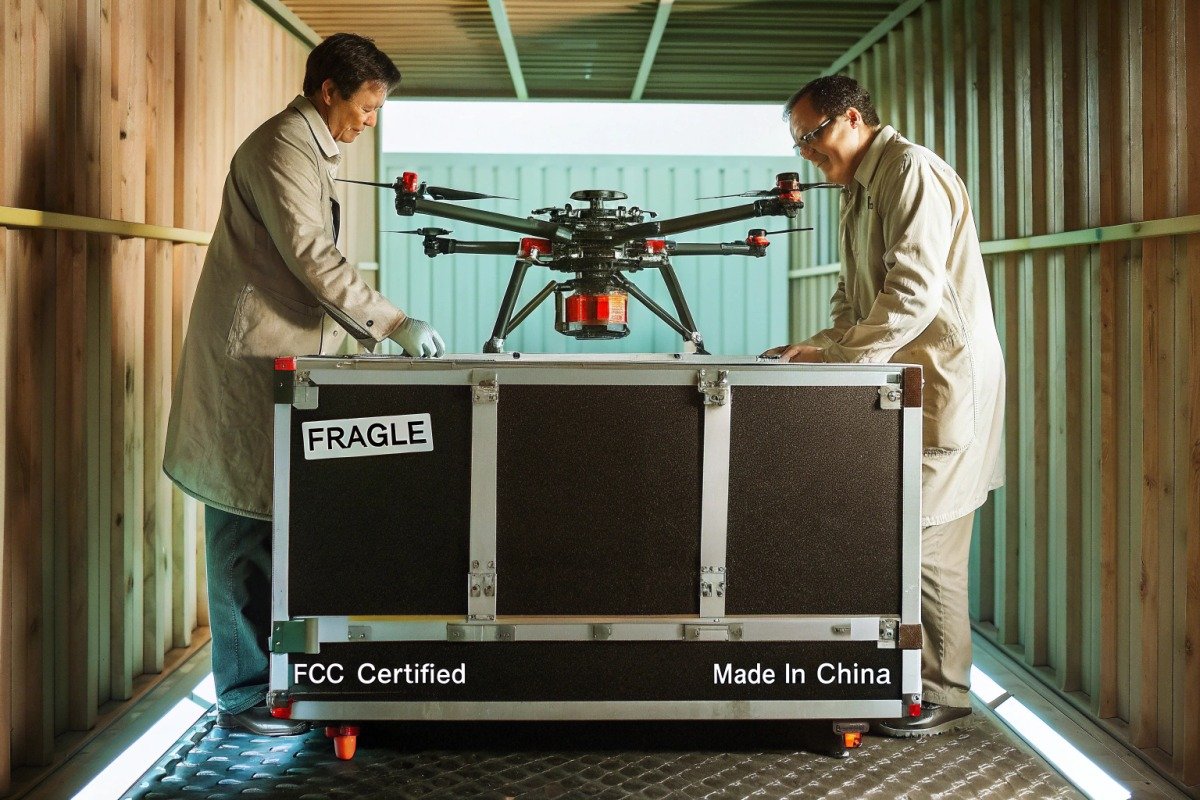
Spare Parts Availability Assessment
A firefighting drone fleet requires consistent access to replacement components. Motors wear out. Propellers break. Sensors need calibration or replacement. Your supplier must stock these parts and ship them quickly.
Request a complete spare parts catalog with current pricing. Compare prices to market rates. Inflated parts pricing signals a supplier planning to profit from your captive maintenance needs.
Critical Spare Parts Inventory Checklist
| Categoría de componentes | Esperanza de vida | Stock Requirement |
|---|---|---|
| Motores | 200-500 flight hours | Minimum 2 per aircraft |
| Hélices | 50-100 flight hours | Minimum 8 per aircraft |
| Baterías | 300-500 cycles | Minimum 3 per aircraft |
| Gimbal Motors | 500+ hours | Minimum 1 per fleet |
| Células madre embrionarias | 500+ hours | Minimum 2 per fleet |
| Tren de aterrizaje | Varies by use | Minimum 1 set per aircraft |
Estructura de soporte técnico
Different support models suit different operational needs. Some buyers need 24/7 phone support. Others prefer email-based assistance with detailed documentation. Understand what level of support you need and verify the supplier can deliver.
Our support team operates in multiple time zones. US clients reach English-speaking technicians during American business hours. We maintain average response times under four hours for critical issues.
Warranty Terms Comparison
Standard drone warranties range from one to three years. Read the fine print carefully. Many warranties exclude crash damage, water damage, and normal wear items. Some suppliers void warranties for firmware modifications or third-party repairs.
We offer a two-year comprehensive warranty covering manufacturing defects. Extended warranty options are available for fleet buyers. All warranty claims process through our US-based returns facility.
Training and Documentation
Long-term support includes training resources. Ask suppliers for pilot training materials, maintenance manuals, and troubleshooting guides. These resources reduce support ticket volume and speed up field repairs.
Our technical documentation library includes video tutorials, illustrated repair guides, and searchable knowledge bases. Fleet managers receive annual training updates covering new features and maintenance procedures.
Establishing Service Level Agreements
For DaaS operations, formal SLAs protect your business. Service Level Agreements 8 Define acceptable response times, spare parts delivery windows, and escalation procedures in writing. Professional suppliers welcome these agreements because they demonstrate commitment to partnership.
Conclusión
Selecting the right firefighting drone supplier for US DaaS exports requires thorough evaluation across certifications, engineering capability, logistics experience, and long-term support. Use the checklists and tables provided to structure your supplier assessment conversations.
Notas al pie
1. Official U.S. government resource for ECCN classification. ↩︎
2. Official website of the multilateral export control regime. ↩︎
3. Official U.S. government agency regulating communications. ↩︎
4. Replaced with an academic page from TU Chemnitz explaining thermal image processing as a research area, adhering to the preference for authoritative academic sources. ↩︎
5. Official developer guide for the MAVLink communication protocol. ↩︎
6. Official U.S. Customs and Border Protection form for goods entry. ↩︎
7. Official source for international air transport dangerous goods regulations. ↩︎
8. Provides a comprehensive overview of Service Level Agreements. ↩︎

 English
  Spanish
  German
  French
  Dutch
Dutch  Arabic
