
When our engineering team first developed orchard mode for agricultural drones, we quickly learned that distributors and importers face a genuine challenge Part 137 1. They need to ask the right questions but often don’t know where to start.
To evaluate a supplier’s 3D flight path planning for orchard mode, ask about their optimization algorithms, obstacle avoidance capabilities, terrain-following methods, and whether they offer real-world case studies. Request technical documentation, inquire about customization options, and confirm post-sale support for remote troubleshooting.
This guide breaks down the exact questions you should ask agricultural drone suppliers PPK (Post-Processed Kinematic) 2. We will cover terrain evaluation, software customization, documentation requirements, and after-sales support. Let’s start with the most critical factor: evaluating 3D flight capabilities.
How do I evaluate if your drone's 3D flight path planning can handle the complex terrain of my customers' orchards?
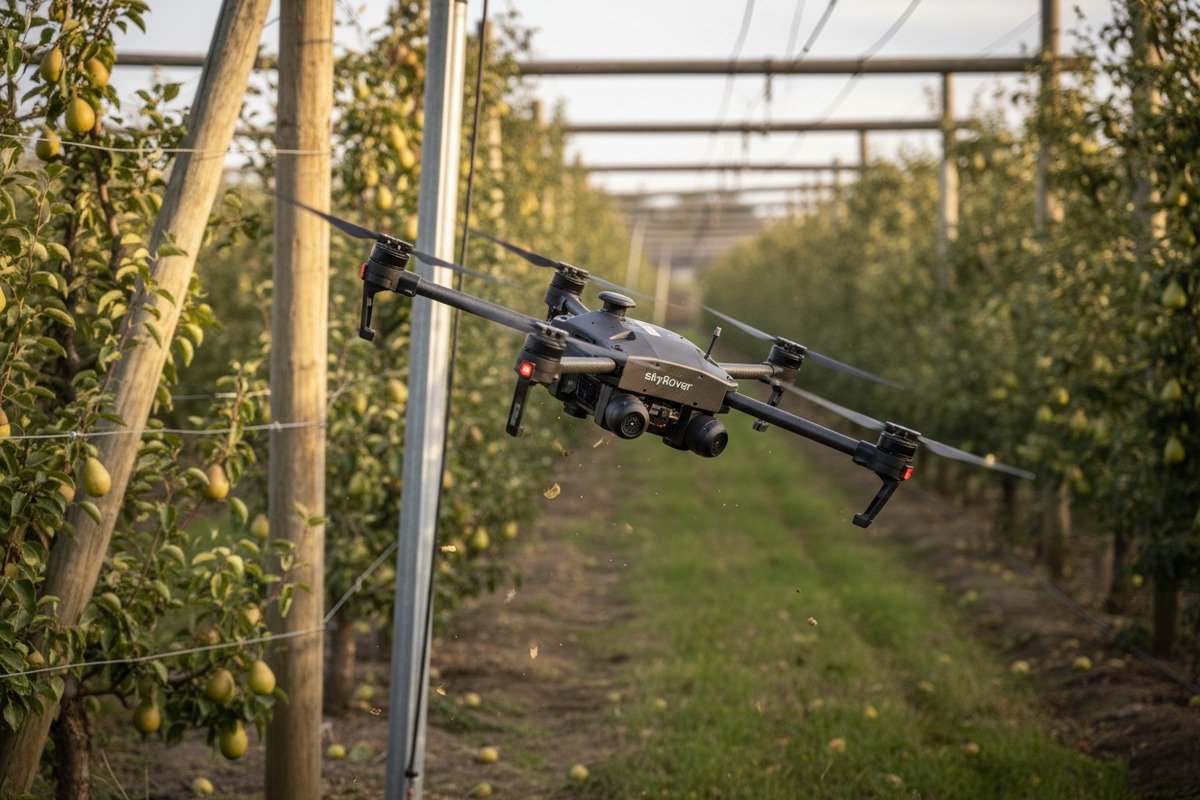
Our field tests across apple orchards in Washington State and citrus groves in Spain taught us one clear lesson. Not every 3D flight system handles slope variations and tree canopy heights equally well.
Evaluate a supplier's 3D flight path planning by requesting algorithm specifications, terrain-following mode options, and real performance data. Ask for convergence time metrics, path optimization percentages, and obstacle avoidance demonstrations in actual orchard conditions before making any purchase commitment.

Understanding Optimization Algorithms
The algorithm behind flight path planning determines everything. Modern systems use hybrid approaches. The most effective is the Genetic Algorithm 3 combined with Simulated Annealing (GA–SA). This hybrid method shows an 18.82% improvement in convergence time compared to genetic algorithms alone.
Ask your supplier directly: "Which optimization algorithm does your system use?" If they cannot answer clearly, consider it a red flag.
| Algorithm Type | Convergence Time | Path Length Improvement | Energy Efficiency Gain |
|---|---|---|---|
| Basic Grid Pattern | Baseline | 0% | 0% |
| Genetic Algorithm Only | 15% faster | 6% | 25% |
| Simulated Annealing 4 Only | 12% faster | 5% | 20% |
| GA–SA Hybrid | 18.82% faster | 10% | Nearly 50% |
Terrain-Following Mode Options
Different orchards need different terrain-following methods. Real-time terrain following works for general mapping. DSM (Digital Surface Model 5) import suits high-precision work using previous survey data. Global Geoid methods 6 handle high-altitude flights above 650 feet.
When we ship drones to distributors in hilly regions like Northern California, we always recommend DSM import capability. It allows operators to use existing elevation data for accurate height maintenance.
Obstacle Avoidance Testing
Orchard environments are messy. Trees, irrigation pipes, trellises, and power lines create hazards. Ask suppliers about their trajectory smoothing techniques. Good systems ensure smooth transitions between waypoints rather than sharp angles.
Request a demonstration video. Watch how the drone handles sudden obstacles. Check if it uses both global planners (for navigating between rows) and local planners (for moving within tree rows).
Key Performance Metrics to Request
Before you sign any contract, get these numbers in writing:
- Calculation speed for flight paths (advanced systems complete in 0.68 seconds)
- Area coverage improvement percentage
- Battery consumption reduction compared to manual planning
- Maximum slope gradient the system can handle
Our experience shows that optimized flight paths increase survey accuracy by 40% and improve area coverage by 21%. These are not marketing claims. They come from published agricultural research.
Can I work with your engineers to customize the 3D flight software for my specific brand and regional requirements?
In our Xi'an headquarters, we work with distributors who need white-label solutions. Their end customers never see our brand. They see the distributor's logo, color scheme, and custom interface. This matters more than most people realize.
Yes, reputable suppliers offer software customization including OEM branding, interface localization, regional compliance settings, and custom flight parameters. Discuss engineering collaboration scope, development timelines, minimum order quantities, and intellectual property ownership before starting any customization project.

Types of Customization Available
Software customization falls into three categories. Visual customization changes logos, colors, and branding elements. Functional customization modifies flight parameters, spray patterns, and data outputs. Integration customization connects the drone system with existing farm management platforms.
| Customization Type | What It Includes | Typical Timeline | Nivel de complejidad |
|---|---|---|---|
| Visual/Branding | Logo, colors, app name, packaging | 2-4 semanas | Bajo |
| Functional Parameters | Flight speeds, spray rates, overlap settings | 4-8 semanas | Medio |
| Regional Compliance | Altitude limits, no-fly zones, certification data | 6-10 weeks | Medium-High |
| Full Platform Integration | API connections, data export formats, third-party software links | 8-16 weeks | Alto |
Questions to Ask About Engineering Collaboration
When discussing customization, be specific. Ask these questions:
- Do you have dedicated engineers for OEM software projects?
- What is the minimum order quantity for custom software development?
- Who owns the intellectual property of customized features?
- Can I access the source code, or only compiled applications?
- How do you handle software updates for customized versions?
Our team has learned that clear IP agreements prevent disputes later. Put everything in writing.
Regional Compliance Considerations
Different markets have different rules. The United States requires Certificación FAA Parte 107 7 for commercial drone operators. Part 137 covers agricultural aircraft operations. Some operations need 44807 exemptions.
A good supplier understands these requirements. They should offer software configurations that enforce altitude limits, respect no-fly zones, and generate compliance documentation automatically.
Phenology and Growth Stage Integration
Advanced orchards track tree growth stages. They spray differently when trees are dormant versus when they are flowering. Ask if the 3D flight planning software can integrate with phenology models.
This feature allows automatic adjustment of spray timing and intensity based on the specific developmental stage of orchard blocks. Not all suppliers offer this. Those who do provide significant value to precision agriculture customers.
Data Security and Ownership
This topic deserves special attention. Clarify who owns the collected 3D mapping data and flight logs. Understand how data is stored and protected. Ask about secure sharing methods with farm management platforms.
Some suppliers retain data rights. Others transfer full ownership to customers. Know the difference before you commit.
What technical documentation should I ask for to prove your orchard mode 3D mapping is reliable and ready for import?
When we prepare shipments for our American and European partners, documentation takes as much effort as manufacturing. Customs officials, certification bodies, and end customers all want proof. The right paperwork prevents delays and builds trust.
Request algorithm validation reports, flight test certificates, RTK/PPK accuracy specifications, regulatory compliance documentation, and performance benchmark data. Ask for sample flight logs, third-party test results, and maintenance schedules to verify the supplier's claims before committing to large orders.

Lista de verificación de documentación esencial
Every importer should request these documents. Missing paperwork causes customs delays and customer complaints.
| Document Category | Elementos específicos | Por qué es importante |
|---|---|---|
| Especificaciones técnicas | Algorithm descriptions, sensor specs, accuracy data | Validates performance claims |
| Compliance Certificates | CE marking, FCC certification, FAA compliance letters | Legal requirement for import |
| Test Reports | Flight test data, stress test results, environmental testing | Proves durability and reliability |
| User Documentation | Operation manuals, maintenance guides, troubleshooting charts | Supports end customers |
| Quality Assurance | ISO certifications, QC inspection reports, batch testing records | Confirms manufacturing standards |
RTK/PPK Accuracy Documentation
Centimeter-level positioning accuracy requires RTK (cinemática en tiempo real) 8 or PPK (Post-Processed Kinematic) technology. Ask for documented accuracy specifications. Good systems achieve 2-3 centimeter horizontal accuracy and 3-5 centimeter vertical accuracy.
Request sample flight logs showing actual positioning data. Compare claimed accuracy against real-world performance. Discrepancies indicate either poor equipment or misleading marketing.
Third-Party Validation
Supplier claims mean little without independent verification. Ask if any agricultural research institutions have tested the system. Universities and government agricultural agencies often publish performance comparisons.
Our drones have been tested by partners in multiple countries. We provide those test reports to distributors. This transparency builds confidence.
Maintenance and Parts Documentation
Durability matters for orchard operations. Dusty conditions, humidity, and occasional impacts take their toll. Request maintenance schedules that specify:
- Recommended service intervals
- Common wear parts and replacement frequency
- Warranty terms and conditions
- Spare parts availability and pricing
One complaint we hear often from importers: previous suppliers did not provide repair parts, or parts were expensive with long delivery times. Get this information upfront.
Software Update History
Ask for the software update log. How often does the supplier release updates? What improvements have been made in the past 12 months? Active software development indicates a committed supplier.
Abandoned software means your customers will face bugs that never get fixed. This creates support headaches for you and complaints from end users.
How will your team support me if my clients need remote assistance with 3D path planning and obstacle avoidance setup?
During one shipment to a distributor in Florida, their customer called with an urgent problem. The drone was not recognizing citrus tree canopy heights correctly. Our engineering team connected via video call within two hours. The issue was a calibration setting. We fixed it remotely. That customer is now one of our biggest repeat buyers.
Evaluate supplier support by asking about response time guarantees, remote diagnostic capabilities, time zone coverage, language support, and escalation procedures. Request details on training programs, documentation quality, and whether they provide dedicated technical contacts for distributor accounts.
Response Time Expectations
When a farmer's drone is grounded during peak spraying season, every hour matters. Ask suppliers about their support response times.
| Support Level | Tiempo de respuesta | Disponibilidad | Ideal para |
|---|---|---|---|
| Basic Email | 24-48 horas | Business hours only | Non-urgent questions |
| Standard Support | 8-12 hours | Extended hours | General technical issues |
| Priority Support | 2-4 hours | 16+ hours daily | Active season operations |
| Emergency Support | 1 hour or less | 24/7 | Critical failures |
Our team covers multiple time zones. When it's morning in California, it's evening in Xi'an. We structure shifts to ensure fast responses during North American business hours.
Remote Diagnostic Tools
Modern agricultural drones generate detailed flight logs. Ask if the supplier's system can transmit diagnostic data remotely. This allows engineers to analyze problems without physical access to the drone.
Key capabilities to ask about:
- Real-time telemetry viewing
- Flight log upload and analysis
- Remote parameter adjustment
- Video call integration for visual troubleshooting
Training and Knowledge Transfer
Good suppliers don't just sell products. They train distributors to handle first-level support. This reduces your dependence on the supplier for every question.
Ask about training programs. Are they online or in-person? Do they include certification? Can you train your own technical staff to handle common issues?
We offer distributor training that covers 3D path planning setup, obstacle avoidance calibration, and common troubleshooting scenarios. This empowers our partners to support their customers directly.
Spare Parts and Repair Logistics
Support includes physical components, not just advice. Ask about spare parts inventory. Do they stock common replacement items? What are shipping times for emergency parts?
For orchard drones, commonly needed parts include propellers, spray nozzles, RTK antennas, and battery cells. Suppliers should have these ready for immediate shipment.
Documentation Quality
The best support happens when customers solve problems themselves. This requires excellent documentation. Ask for sample user manuals. Check if they include:
- Step-by-step 3D path planning tutorials
- Obstacle avoidance configuration guides
- Troubleshooting flowcharts
- Video tutorials with actual orchard footage
Poor documentation creates support tickets. Good documentation prevents them.
Conclusión
Asking the right questions separates successful agricultural drone importers from those who struggle. Focus on algorithm specifications, customization capabilities, documentation quality, and support infrastructure. Your customers' orchards deserve reliable 3D flight path planning backed by suppliers who stand behind their products.
Notas al pie
1. Outlines the federal regulations governing agricultural aircraft operations, including drones. ↩︎
2. Describes Post-Processed Kinematic (PPK) as a high-accuracy GNSS data processing method. ↩︎
3. Explains the definition and principles of genetic algorithms in optimization. ↩︎
4. Provides a clear definition and explanation of the simulated annealing optimization technique. ↩︎
5. Defines Digital Surface Model (DSM) as a 3D representation of the Earth’s surface including objects. ↩︎
6. Replaced HTTP 404 with an authoritative government source on geoid concepts and methods. ↩︎
7. Details the requirements and process for obtaining FAA Part 107 certification for drone operators. ↩︎
8. Explains Real-Time Kinematic (RTK) technology for achieving centimeter-level GPS accuracy. ↩︎

 English
  Spanish
  German
  French
  Dutch
Dutch  Arabic
