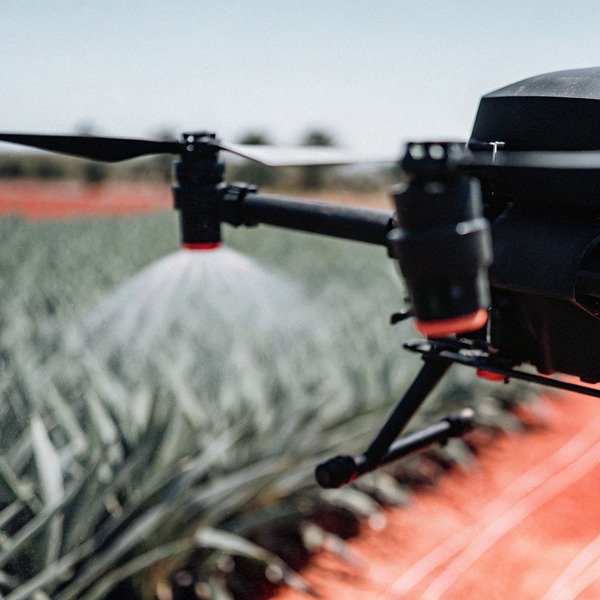
You have just invested in a high-tech agricultural drone, but staring at the complex controller feels overwhelming. When we test our latest models in Chengdu, we see firsthand how vital proper documentation is for confident flying and preventing costly accidents.
You should request a comprehensive digital training bundle including FAA Part 107 and 137 compliance guides, model-specific flight operation manuals, maintenance schedules for motors and pumps, and chemical compatibility charts. Essential materials also cover emergency response protocols, battery management logs, and access to proprietary flight simulation software.
Let’s break down exactly what documents and tools you need to ensure a smooth start.
Which specific user manuals and flight operation guides are essential for my first agricultural drone?
Without clear instructions, even our most durable frames risk damage during the initial setup phase. durable frames 1 We pack every SkyRover crate with detailed guides to prevent costly mistakes before the propellers even spin.
Essential manuals include a detailed assembly guide, a flight controller configuration handbook, and a chemical spraying system calibration manual. You must also request regulatory compliance documents for local airspace rules and emergency procedures to handle signal loss or hardware failures safely.

When you first receive your drone, the sheer volume of hardware can be intimidating. From our experience assisting clients in the United States and Europe, we find that a generic "User Manual" is never enough. You need to demand specific, segmented guides that address the distinct systems of the aircraft. A single booklet often skims over critical details, so you should look for a suite of documentation.
The Assembly and Hardware Setup Guide
This is your first line of defense against hardware failure. Agricultural drones often arrive partially disassembled to save on shipping costs. You need a manual that explicitly details how to unfold the arms, secure the locking mechanisms, and mount the propellers. Note that propellers are directional (Clockwise and Counter-Clockwise); installing them incorrectly will cause the drone to flip instantly upon takeoff. The guide must also cover the installation of the GNSS antennas (RTK modules), which are crucial for the centimeter-level precision required in crop spraying. centimeter-level precision 2 centimeter-level precision 3
Flight Controller and Software Configuration
The brain of the drone is the flight controller. flight controller 4 You need a dedicated guide for the mobile app or ground station software. This manual should teach you how to set the "Return-to-Home" (RTH) altitude. If you are spraying a field with 20-foot trees, and your RTH is set to 15 feet, the drone will crash into the trees if it loses signal. This guide must also explain how to set "No-Fly Zones" (Geofencing) to keep the drone within your property lines, ensuring you comply with local regulations. comply with local regulations 5 comply with local regulations 6
Spraying System Calibration
This is unique to agricultural drones and is arguably the most critical for your business ROI. If the pump is not calibrated, you might over-spray (wasting expensive chemicals) or under-spray (failing to kill pests). The manual must explain how to calibrate the flow meter and how to choose the right nozzle for different liquids. For example, a fungicide might require a different droplet size than a liquid fertilizer.
Table 1: Essential Documentation Checklist
| Tipo de documento | Primary Purpose | Criticality Level |
|---|---|---|
| Assembly Guide | Ensures structural integrity and correct propeller orientation. | Alto (Pre-flight) |
| App/Software Manual | Teaches mission planning planning the mission 7, boundary setting, and automation. | Alto (Operational) |
| Calibration Guide | Ensures accurate chemical application rates per acre. | Critical (Economic) |
| Regulatory Compliance | Helps with FAA Part 107/137 or local aviation authority rules. | Medio (Legal) |
By securing these specific documents, you move beyond simple "flying" and start "operating" a precision agricultural tool.
Should I ask for video tutorials or simulation software to assist with my pilot training?
Crashing a real drone is an expensive lesson, which is why our R&D team spends weeks developing accurate flight physics for our simulators. We believe beginners should crash digitally before risking physical hardware.
Yes, requesting flight simulation software and step-by-step video tutorials is highly recommended for beginners to build muscle memory without risk. These tools allow you to practice mission planning, obstacle avoidance, and emergency landings in a virtual environment before operating the actual expensive hardware in the field.

The transition from theory to practice is where most accidents happen. In the drone industry, we often say that "muscle memory saves lives." When a drone behaves unexpectedly due to wind or interference, you have split seconds to react. Reading a manual does not train your fingers to react; simulation does.
The Value of Flight Simulation
You should ask your supplier if they provide a PC-based simulator that connects to the actual drone remote controller. This is a game-changer. It allows you to feel the sensitivity of the joysticks without the risk. In a simulator, you can practice difficult scenarios, such as flying when the GPS fails (switching to "Attitude Mode") or landing in high crosswinds. If you are planning to spray intricate fields with obstacles like power lines or barns, you can often upload a map to the simulator and practice the mission virtually first.
Video Tutorials for Mechanical Tasks
While manuals are great for reference, video tutorials are superior for maintenance and assembly. Ask the supplier for a video library covering:
- System Flushing: Seeing exactly how to flush the pump system with clean water prevents corrosion.
- Nozzle Maintenance: Watching a technician disassemble a clogged nozzle is much clearer than looking at an exploded-view diagram.
- Battery Charging: Lithium-polymer batteries can be dangerous. A video on the correct connection sequence for high-voltage chargers ensures safety.
Mission Planning Software Training
Modern agricultural drones fly autonomously 90% of the time. The skill lies in planning the mission, not moving the sticks. You need tutorials on how to use the mapping software (like setting waypoints). You need to learn how to draw the field boundary, exclude obstacles (like a water trough), and set the flight spacing. If you set the spacing too wide, you get gaps in coverage; too narrow, and you waste battery and chemical.
Table 2: Training Method Comparison
| Training Method | Best Used For | Pros | Cons |
|---|---|---|---|
| Written Manuals | Reference on the field, legal compliance, specs. | Always accessible, no battery needed. | Hard to visualize dynamic movements. |
| Simulation Software | Emergency maneuvers, muscle memory, mission testing. | Zero risk, unlimited retries. | Requires PC hardware, lacks "fear" factor. |
| Video Tutorials | Maintenance steps, software UI walkthroughs. | Visual clarity, step-by-step pacing. | Hard to use while wearing gloves in the field. |
Requesting these digital assets ensures that when you finally head to the crop field, you have already flown the mission a dozen times in your office.
How detailed should the maintenance schedule and spare parts list be for daily upkeep?
We know that downtime during harvest season costs money, so we design our parts lists to help you stock exactly what wears out first. A vague maintenance advice list is useless when your pump fails mid-job.
Your maintenance schedule must outline daily, weekly, and seasonal tasks, focusing on nozzle cleaning, motor bearing lubrication, and hull integrity checks. The spare parts list should identify high-wear items like propellers, spray nozzles, and landing gear skids to ensure you have an immediate inventory for quick field repairs.

Agricultural drones operate in harsh environments. They fly through dust, moisture, and corrosive chemicals. If you treat an agricultural drone like a consumer camera drone, it will fail within a month. The maintenance documentation you request is your roadmap to longevity.
The "Field-Ready" Spare Parts Inventory
Do not wait for a part to break before ordering a replacement. Shipping from manufacturers (even efficient ones like ours) takes time. You should ask the supplier for a "Critical Spares List." This list should differentiate between "Consumables" (things you replace often) and "Repair Parts" (things you replace after a crash).
- Must-Have Consumables: Propellers (plastic wears down from dust/sand), spray nozzles (clog or wear out), and nozzle gaskets.
- Critical Spares: One extra landing gear leg (often damaged in hard landings) and an extra pump or flow meter if you have a large fleet.
Structured Maintenance Intervals
You need a schedule that tells you when to check things, not just how.
- Daily (Pre/Post Flight): The schedule should mandate cleaning the spray tank and hoses. Leaving chemicals in the system overnight can swell seals and ruin pumps. It should also cover a visual check of the propellers for cracks.
- Weekly (Every 20-30 Flights): Check all screws and bolts. Vibration from heavy-lift motors loosens fasteners over time. Check the motor bearings for grit or noise.
- Seasonal (Storage): If the drone sits for winter, the battery maintenance protocol is vital. Storing batteries at 100% or 0% charge will destroy them. The guide must specify the "Storage Voltage" (usually 3.85V per cell).
Environmental Considerations
Ask for a guide on cleaning the drone body. Since these machines are often water-resistant (IP67 or similar), you can usually wash them water-resistant (IP67 or similar) 8, but you need to know which ports must be capped before spraying water on the electronics. Corrosion is the silent killer of agricultural electronics.
Table 3: Recommended Maintenance Timeline
| Interval | Componente | Se requiere acción | Risk of Neglect |
|---|---|---|---|
| Daily | Sistema de rociado | Flush with fresh water. | Clogged nozzles, corroded pump seals. |
| Daily | Hélices | Inspect for chips/cracks. | Vibration, motor failure, crash. |
| Semanal | Frame Arms | Check locking sleeves/joints. | Arm folding mid-flight, catastrophic crash. |
| Mensual | Baterías | Check cell voltage balance. | Reduced flight time, fire risk. |
| Yearly | Motores | Check bearings/spin freely. | Overheating, loss of lift. |
By adhering to a strict schedule provided by the supplier, you protect your investment and ensure the drone is ready to work whenever the weather clears.
What troubleshooting protocols and safety checklists do I need to minimize downtime?
When technical support emails flood our inbox, 90% of issues could have been solved instantly with the right onboard troubleshooting guide. We want to empower you to solve minor alerts right there in the field.
You need a comprehensive troubleshooting protocol that covers error code interpretations, GPS signal loss recovery, and pump pressure irregularities. Additionally, a pre-flight safety checklist is mandatory to verify battery voltage, propeller tightness, and airspace clearance, ensuring every mission begins within safe operational parameters.

In the middle of a spraying job, time is money. You cannot afford to wait 24 hours for an email reply from tech support just to understand what a flashing yellow light means. You need immediate answers in the form of clear protocols.
Decoding Error Messages
Modern drones are smart; they will tell you what is wrong. However, they often use codes or short phrases like "Compass Error" or "ESC Error." You should request a "Troubleshooting Key" or a "Fault Code List."
- Compass Interference: This is common near metal structures (trucks, barns). The guide should explain how to perform a "Compass Calibration" dance to reset the sensors.
- Pump Overload: If the pump stops working, is it a blockage or an electrical issue? A good guide offers a decision tree: Check filter -> Check nozzle -> Check cable.
- Signal Lost: The guide must explain the difference between losing the video feed (you can still fly) and losing the control link (the drone will RTH).
The Pre-Flight Safety Checklist
This is not optional; it is a requirement for safe aviation. Ask the supplier for a laminated or digital checklist. This list forces you to slow down and verify safety.
- Physical: Are the arms locked? Are the props tight? Is the battery fully clicked in?
- System: Is the Home Point recorded correctly on the map? Is the battery voltage above 95%? Do you have at least 10 satellites locked?
- Area: Are there people or livestock in the spray zone? Is the wind speed below the drift threshold (usually 10-15 mph)?
Emergency Procedures
What do you do if the drone starts drifting uncontrollably? The manual must explain how to switch to "Manual Mode" (or Attitude Mode) to regain control without GPS assistance. It must also cover "Kill Switch" procedures—when is it better to crash the drone intentionally than to let it fly away into a road? These are dark scenarios, but being prepared for them distinguishes a professional operator from a hobbyist. being prepared for them 9
Chemical Safety Protocols
Since you are handling pesticides, the troubleshooting guide should also cover leaks. handling pesticides 10 If a hose bursts, how do you safely depressurize the system without getting covered in chemicals? The supplier should provide diagrams of the pressure relief valves.
Table 4: Common Troubleshooting Scenarios
| Symptom | Causa probable | Immediate Action |
|---|---|---|
| Drifting / Unstable Hover | Compass error or IMU needs calibration. | Land immediately. Perform calibration away from metal. |
| Weak Spray Pressure | Clogged filter or air in the line. | Land. Clean the intake filter. Run "air purge" function. |
| "RTH" Triggered | Signal loss or low battery. | Do not panic. Allow automation to work. Monitor line of sight. |
| Motor Won't Start | ESC error or stick command error. | Check app for error codes. Restart drone and controller. |
Having these protocols on hand minimizes panic and maximizes your ability to get back in the air quickly and safely.
Conclusión
Purchasing an agricultural drone is not just buying a machine; it is adopting a new system of farming. The hardware is only as good as the pilot's ability to operate and maintain it. By demanding comprehensive manuals, simulation tools, detailed maintenance schedules, and clear troubleshooting guides from your supplier, you protect your investment and ensure your operations run smoothly. Do not settle for a box of parts—insist on the knowledge to use them.
Notas al pie
1. International standard for the structural design and testing of unmanned aircraft. ↩︎
2. Technical background on Real-Time Kinematic positioning for high-accuracy navigation. ↩︎
3. Authoritative USDA page defining precision agriculture and its technological benefits. ↩︎
4. Technical specifications for industrial-grade flight control systems. ↩︎
5. Official government resource for commercial drone laws and operational compliance. ↩︎
6. Official FAA guidelines for commercial drone operations and regulatory compliance. ↩︎
7. General overview of flight planning concepts and procedures in aviation. ↩︎
8. Official IEC standards for ingress protection against dust and water. ↩︎
9. International aviation safety standards and emergency preparedness for unmanned aircraft. ↩︎
10. Federal safety standards for agricultural workers handling pesticides. ↩︎

 English
  Spanish
  German
  French
  Dutch
Dutch  Arabic
