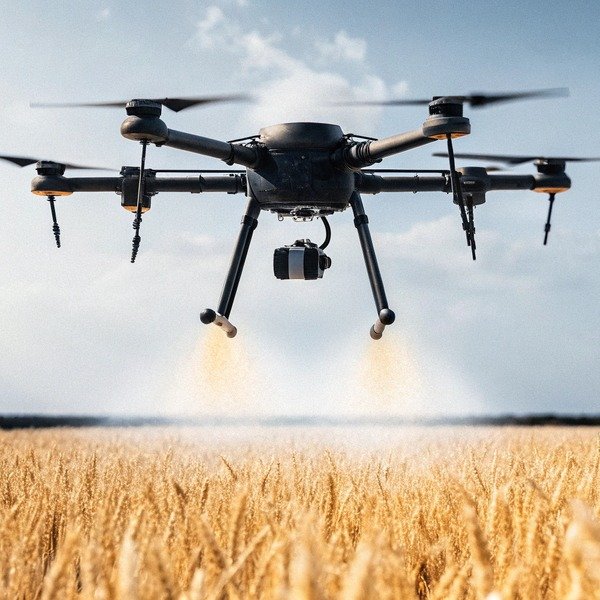
Caminar con los clientes por nuestras instalaciones de Xi'an a menudo revela una cruda realidad: muchos compradores han pagado en exceso a intermediarios que afirmaban ser dueños de la fábrica pero que en realidad carecían de conocimientos técnicos básicos.
Para distinguir a un fabricante de un comerciante, verifique si su licencia comercial incluye “Producción” en lugar de solo “Ventas”. Los fabricantes reales pueden organizar inspecciones por video en vivo de las líneas de ensamblaje activas, proporcionar garantías de BOM para los sistemas de propulsión y demostrar control sobre los SDK de los controladores de vuelo, a diferencia de los intermediarios que carecen de estas capacidades técnicas.
Aquí están los pasos de verificación específicos que debe seguir para asegurar su cadena de suministro.
¿Qué documentos específicos debo solicitar para confirmar que un proveedor fabrica sus propios drones agrícolas?
Nuestro equipo de cumplimiento prepara documentación a diario, sin embargo, descubrimos que muchos compradores internacionales pasan por alto los certificados críticos en chino que demuestran de manera concluyente que poseemos la maquinaria que produce sus pedidos.
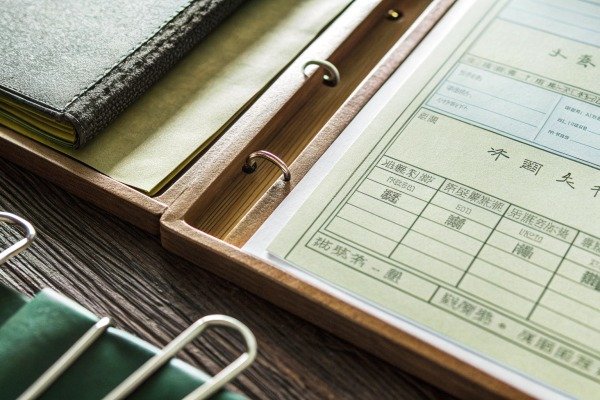
Solicite la licencia comercial china del proveedor y busque el término específico “Producción” (生产) o “Procesamiento” (加工) en el Alcance del Negocio. Además, solicite un certificado ISO 9001 donde el alcance cubra explícitamente Certificado ISO 9001 1 “Diseño y Fabricación” en lugar de actividades comerciales generales, verificando que la dirección coincida con la ubicación de su fábrica.

La trampa del "Alcance del Negocio"
La forma más confiable de verificar la identidad de un proveedor es a menudo la más pasada por alto: la Licencia Comercial China. Licencia Comercial China 2 Cada empresa legalmente registrada en China posee una. Si bien el documento está en chino, puede usar fácilmente herramientas de traducción para inspeccionar la sección "Alcance del Negocio".
Las empresas comerciales normalmente incluirán términos como "Venta al por mayor", "Distribución" o "Importación y Exportación" en su alcance. En contraste, una fábrica legítima debe incluir legalmente términos como "Producción" (生产), "Fabricación" (制造) o "Procesamiento" (加工). Si un proveedor afirma ser una fábrica pero su licencia solo enumera "Venta de productos electrónicos", está tratando con un intermediario.
Además, siempre recomendamos verificar la dirección registrada en la licencia. Los fabricantes requieren grandes espacios para líneas de ensamblaje, jaulas de prueba y almacenamiento. Si busca la dirección en un mapa satelital y apunta a un edificio de oficinas de gran altura en un distrito comercial central, es muy poco probable que estén fabricando drones agrícolas allí. Las fábricas auténticas suelen estar ubicadas en parques industriales o zonas de desarrollo suburbanas.
Alcance y Alineación de ISO 9001
Muchos proveedores proporcionarán con gusto un certificado ISO 9001 para demostrar la gestión de calidad. Certificado ISO 9001 3 Sin embargo, la mera existencia de este certificado no es suficiente. Debe examinar el "Alcance de la Certificación" impreso en el documento.
Una empresa comercial puede obtener la certificación ISO 9001 para sus procesos de venta. Su certificado dirá: "Ventas y Comercio de Maquinaria Agrícola". El certificado de un fabricante real dirá: "Diseño, Fabricación y Ventas de Vehículos Aéreos No Tripulados"."
Además, verifique que el nombre de la empresa en el certificado ISO coincida exactamente con la licencia comercial. Los comerciantes a menudo proporcionan un certificado de fabricante, esperando que usted no note la diferencia de nombre. Si afirman que el nombre diferente es su "fábrica asociada" o "subsidiaria", proceda con extrema precaución. Esto generalmente admite que son una entidad comercial separada.
La Prueba de la Factura de IVA del 13%
En China, el sistema fiscal proporciona una clara distinción entre los tipos de negocio. Las transacciones de fabricación nacionales generalmente implican una factura de IVA del 13% (Fapiao). Si tiene un contacto o un agente de inspección externo en China, pregunte al proveedor si pueden emitir una factura de IVA del 13% para la compra de una muestra nacional.
Las empresas comerciales extraterritoriales registradas en Hong Kong o los intermediarios de exportación estrictos a menudo tienen dificultades con esta solicitud o ofrecerán un simple recibo comercial en su lugar. Un fabricante legítimo en China continental no tendrá problemas para proporcionar una factura de IVA formal, ya que este es el procedimiento estándar para la adquisición de materias primas y las ventas nacionales.
Lista de verificación de verificación de documentos
Utilice la siguiente tabla para evaluar rápidamente los documentos proporcionados por su proveedor potencial.
| Tipo de documento | Indicador de Fabricante | Indicador de Empresa Comercial |
|---|---|---|
| Alcance de la Licencia Comercial | Contiene "Producción" (生产), "Fabricación" (制造) o "Procesamiento" (加工). | Contiene "Venta al por mayor" (批发), "Ventas" (销售) o "Comercio" (贸易). |
| Dirección Registrada | Ubicado en una Zona Industrial, Parque Tecnológico o área suburbana. | Ubicado en una torre de oficinas o edificio residencial del CBD. |
| Alcance ISO 9001 | "Diseño y Fabricación de UAVs." | "Venta y Comercio de UAVs" o "Servicios de Importación/Exportación." |
| Certificación de Producto | El titular del certificado coincide con el nombre de la empresa. | El titular del certificado es una empresa diferente (la fábrica real). |
¿Cómo puedo utilizar inspecciones por video en vivo para verificar la planta de producción sin viajar a China?
Durante las visitas virtuales en video en vivo de nuestras líneas de ensamblaje, animamos a los clientes a dirigir al operador de la cámara, lo que demuestra que lo que están viendo está sucediendo en tiempo real en lugar de un video de marketing pregrabado.
Realice una videollamada en tiempo real durante el horario laboral chino y exija ver áreas específicas como el inventario de materias primas, las estaciones de ensamblaje activas y las pruebas de control de calidad. Pida al anfitrión que interactúe con el personal de la línea de producción o que recoja componentes específicos a pedido para demostrar que las imágenes son en vivo y no pregrabadas.
Más allá de la sala de exposición
Las empresas comerciales son muy buenas para montar espectáculos. Pueden alquilar una sala de exposición o visitar una fábrica con la que tienen una relación para hacer una llamada. Para evitar este engaño, debe dirigir usted mismo la inspección por video. No les permita darle un "recorrido guiado" donde controlan el camino.
Cuando comience la videollamada, pida saltarse la sala de reuniones y vaya directamente al almacén. Una empresa comercial puede tener algunos drones terminados en un estante, pero rara vez almacenan materias primas. Un fabricante real tendrá estantes de tubos de fibra de carbono, cajas de motores fibra de carbono 4, pilas de controladores de vuelo y montones de carcasas de plástico sin terminar.
Pida al vendedor que abra una caja de motores al azar. Verifique las etiquetas. Si tienen dificultades para encontrar materias primas o si el "almacén" parece un pequeño armario de almacenamiento, es probable que no esté hablando con el fabricante.
El Método de Verificación Interactiva
La forma más efectiva de exponer a un comerciante durante una videollamada es solicitar interacciones que requieran autoridad sobre las instalaciones y el personal. Los comerciantes son invitados en las fábricas que visitan; no pueden dar órdenes a los trabajadores ni tocar equipos libremente.
Intenta estas solicitudes específicas:
- La prueba "Escribe mi nombre": Pídele al vendedor que escriba tu nombre y la fecha actual en un trozo de papel y lo pegue al armazón de un dron que se esté ensamblando.
- Habla con un trabajador: Pídele al vendedor que le entregue el teléfono a un trabajador de la línea de montaje. Hazle preguntas sencillas al trabajador (a través de la traducción del vendedor) como: "¿Qué componente estás instalando ahora mismo?". Un comerciante a menudo dudará en interrumpir a los trabajadores porque en realidad no trabajan allí.
- Inspecciona la estación de control de calidad: Pide ver la jaula de pruebas de vuelo o el área de prueba de pulverización de agua. Pídeles que enciendan un dron y hagan girar los motores. Los comerciantes a menudo no tienen las baterías cargadas ni el permiso para operar el equipo en el lugar.
Evaluación del entorno de producción
Presta atención al ruido de fondo y a la actividad. Una fábrica real es ruidosa. Deberías oír destornilladores neumáticos, zumbadores de prueba y gente moviendo objetos pesados. Si el fondo está en silencio o parece una oficina impecable con algunos drones en soportes de exhibición, sé escéptico.
Además, busca la coherencia de la marca. En nuestra fábrica, el personal usa uniformes con nuestro logo, y la señalización en las paredes coincide con el nombre de nuestra empresa. Si ves trabajadores con ropa normal o uniformes con un logo diferente al de la tarjeta de presentación del vendedor, pregunta por qué.
Comparación: Videollamada Fabricante vs. Comerciante
| Característica | Fabricante directo | Empresa Comercial |
|---|---|---|
| Inventario | Amplio stock de materias primas (motores, ESC, armazones). | Solo productos terminados o cajas vacías. |
| Interacción | Puede tocar piezas, interrumpir a los trabajadores, operar máquinas. | Tímido para tocar objetos; permanece en las zonas designadas para "visitantes". |
| Ubicación | Entorno industrial, líneas de montaje, ruido. | Entorno de oficina, sala de exposición o fondo silencioso. |
| Flexibilidad | Irá a donde usted pida (Control de Calidad, almacén, I+D). | Se apega a un guion ensayado o a una ruta preplanificada. |
¿Estará un fabricante directo mejor equipado para manejar mis requisitos personalizados de diseño OEM y software?
Nuestros ingenieros a menudo ajustan los algoritmos de vuelo para acomodar cargas útiles únicas para los clientes, un nivel de personalización intrincada que es prácticamente imposible cuando se trabaja con intermediarios que no pueden acceder al código fuente del dron.
Sí, los fabricantes directos controlan el código fuente y los esquemas de ingeniería, lo que permite una personalización profunda como la integración de SDK, lógica de firmware específica o modificaciones del marco estructural. Los comerciantes suelen vender unidades “bloqueadas” listas para usar y carecen de los equipos de ingeniería necesarios para alterar los parámetros de vuelo o rediseñar el hardware para cargas útiles agrícolas específicas.

Acceso a la "Caja Negra"
En la industria de los drones agrícolas, el software es tan importante como el hardware. Muchos compradores profesionales necesitan acceso al SDK del Controlador de Vuelo (Kit de Desarrollo de Software) SDK del Controlador de Vuelo 5 para integrar su propio software de mapeo o ajustar los comportamientos de vuelo para cultivos específicos.
Las empresas comerciales suelen vender soluciones de "caja negra". Compran drones terminados con firmware bloqueado. Si le pide a un comerciante que cambie la velocidad máxima de ascenso o que integre una cámara espectral de terceros, tienen que preguntar cámara espectral 6 a la fábrica. La respuesta suele ser "no", o tarda semanas en obtener una respuesta.
Como fabricantes, tenemos acceso directo a los protocolos de control de vuelo. Podemos modificar la configuración PID (Proporcional-Integral-Derivativa) para garantizar la estabilidad con tanques de líquido más pesados PID (Proporcional-Integral-Derivativa) 7 PID (Proporcional-Integral-Derivativa) 8 o esparcidores de semillas personalizados. Podemos abrir puertos API para su equipo de desarrollo. Si un proveedor no puede responder inmediatamente a preguntas técnicas sobre el protocolo de comunicación (por ejemplo, CAN bus vs. UART), es probable que no posea la tecnología.
La Garantía de la Lista de Materiales (BOM)
La consistencia del hardware es fundamental para la gestión de flotas. Cuando compra a un comerciante, a menudo está comprando en el mercado al contado. El dron que compre en enero podría usar sistemas de propulsión T-Motor, pero el lote de junio T-Motor 9 podría cambiar a una marca genérica más barata porque el comerciante encontró un precio más bajo. Rara vez informan al cliente de estos cambios internos.
Los fabricantes directos pueden ofrecer una garantía de BOM. Podemos fijar componentes críticos específicos (motores, ESC (Controladores Electrónicos de Velocidad) y controladores de vuelo), asegurando que cada unidad que reciba sea idéntica. Esto es vital para el mantenimiento. No se puede reparar eficazmente una flota si cada dron tiene componentes internos ligeramente diferentes.
Personalización Estructural y de Moldes
Los servicios OEM (Fabricante de Equipos Originales) van más allá de simplemente imprimir su logotipo en la cubierta. El verdadero OEM implica modificaciones estructurales. Quizás necesite una abertura de tanque más grande para facilitar el rellenado, o un tren de aterrizaje reforzado para terrenos irregulares.
Realizar estos cambios requiere modificar moldes de inyección o archivos de mecanizado CNC. Las empresas comerciales no poseen los moldes. No pueden autorizar un cambio en la estructura física del dron sin convencer a la fábrica para que invierta en nuevas herramientas, lo cual es costoso y raro para pedidos pequeños. Los fabricantes poseen las herramientas y tienen ingenieros mecánicos internos para rediseñar un brazo de marco o un soporte de tanque según sus especificaciones.
Evaluación de Capacidad OEM
| Requisito | Capacidad del Fabricante | Capacidad de la Empresa Comercial |
|---|---|---|
| Impresión de logotipo | Sí | Sí (a menudo externalizado) |
| Modificación de Firmware | Sí, acceso directo al código. | No, o muy difícil/lento. |
| Bloqueo de Componentes | Sí, BOM garantizado. | No, los componentes pueden variar según el lote. |
| Diseño Estructural | Sí, se pueden modificar moldes/archivos CNC. | No, limitado a modelos existentes en el mercado. |
¿Por qué comprar directamente de fábrica es más seguro para garantizar el soporte técnico a largo plazo y las piezas de repuesto?
Mantenemos un almacén de repuestos para los modelos que lanzamos hace más de cinco años, asegurando que nuestros socios nunca tengan que desechar un dron funcional solo porque una junta patentada ya no esté de moda en el mercado de reventa.
Las fábricas mantienen amplios inventarios de componentes individuales como juntas de brazo, ESC y soportes de tren de aterrizaje para reparaciones, mientras que los comerciantes suelen reemplazar solo unidades completas. El abastecimiento directo garantiza la disponibilidad a largo plazo de repuestos específicos y el acceso a ingenieros que pueden solucionar problemas técnicos complejos de forma remota o in situ.

La Realidad de los Repuestos
Los drones agrícolas son herramientas, no juguetes. Se estrellan, se mojan y se desgastan. La diferencia entre una inversión rentable y una pérdida total a menudo depende de la disponibilidad de un repuesto de $10.
A las empresas comerciales generalmente no les gusta almacenar piezas. Atan capital y ocupan espacio. Si necesita una hebilla de plástico específica o un soporte de motor único, un comerciante a menudo intentará venderle un ensamblaje de brazo de reemplazo completo o, peor aún, le dirá que la pieza está agotada.
Los fabricantes producen las piezas. No solo ensamblamos drones; tenemos contenedores de cada tornillo, soporte y cable que va en ellos. Podemos enviar componentes estructurales específicos que le permiten reparar un dron de forma económica en lugar de reemplazar subconjuntos importantes.
Cadenas de Solución de Problemas Técnicos
Cuando surge un problema técnico, por ejemplo, el dron se desvía durante el vuelo autónomo, la velocidad de resolución depende de la longitud de la cadena de comunicación.
Con una empresa comercial, la cadena se ve así:
- Usted -> Comerciante -> Agente de Compras del Comerciante -> Representante de Ventas de la Fábrica -> Ingeniero de la Fábrica.
Este juego del "teléfono descompuesto" resulta en retrasos y mala comunicación. Los registros de vuelo detallados y los códigos de error a menudo se pierden o se malinterpretan. registros de vuelo 10
Cuando trabajas con un fabricante directo, la cadena es significativamente más corta:
- Tú -> Gerente de Cuenta del Fabricante -> Ingeniero del Fabricante.
En muchos casos, podemos poner a nuestros ingenieros directamente en una videollamada con tu equipo de campo para diagnosticar el problema utilizando los registros de vuelo. Entendemos la lógica dentro del controlador de vuelo porque lo programamos. Un comerciante solo puede reenviar tus correos electrónicos y esperar una respuesta.
Continuidad y Estabilidad del Negocio
La barrera de entrada para una empresa comercial es baja. Pueden crear un sitio web y una cuenta de Alibaba en unos pocos días. Si los márgenes de beneficio de los drones disminuyen, pueden cambiar fácilmente a vender bicicletas eléctricas o electrónica de consumo el próximo año. Si tu proveedor cambia a una nueva industria, tu fuente de piezas y soporte desaparece.
Los fabricantes tienen activos pesados: fábricas, maquinaria, moldes y personal. Estamos comprometidos con la industria por necesidad. No podemos simplemente "cambiar" de industria de la noche a la mañana. Comprar directamente a un fabricante te da un socio con un interés creado en la viabilidad a largo plazo del mercado de drones agrícolas. Esta estabilidad es crucial para los compradores que planean operar sus flotas durante varios años.
Conclusión
Comprar directamente asegura tu cadena de suministro. Al verificar licencias y realizar auditorías por video, te aseguras de que tu socio ofrezca la profundidad de ingeniería requerida para el éxito agrícola a largo plazo.
Notas al pie
1. Organismo oficial estándar que define la certificación de gestión de calidad citada en el texto. ↩︎
2. Orientación oficial del gobierno de EE. UU. sobre la verificación de entidades comerciales chinas. ↩︎
3. Organismo oficial estándar que define los requisitos del Sistema de Gestión de Calidad. ↩︎
4. Información general sobre el material principal utilizado para los marcos de los drones. ↩︎
5. Documentación técnica de un fabricante importante que ilustra las capacidades del SDK. ↩︎
6. Laboratorio de investigación gubernamental especializado en tecnología de análisis espectral. ↩︎
7. Definición del mecanismo de bucle de control utilizado en la estabilidad de vuelo. ↩︎
8. Proporciona información técnica sobre el mecanismo de bucle de control utilizado para la estabilidad de vuelo. ↩︎
9. Sitio web oficial del fabricante específico del sistema de propulsión mencionado. ↩︎
10. Documentación autorizada que explica el análisis de datos de vuelo de drones y el registro de errores. ↩︎
 English
  Español de México
  Deutsch
  Français
  Русский
  العربية
Comments
No comments yet. Be the first to share your thoughts!
Leave a Comment