

Cuando nuestro equipo de ingeniería desarrolla drones contra incendios 1, vemos que muchos compradores luchan con una pregunta: ¿cómo sabe si un proveedor tiene experiencia real? Los videos parecen impresionantes. Las especificaciones suenan avanzadas. Pero sin pruebas de campo reales, esas afirmaciones significan poco.
Para verificar la experiencia en simulacros de un proveedor chino de drones contra incendios, solicite estudios de caso documentados de departamentos de bomberos gubernamentales, pida informes de rendimiento técnico de escenarios reales de alta temperatura, contacte directamente a sus referencias y observe demostraciones en vivo. Los proveedores genuinos proporcionarán esta evidencia fácilmente.
Esta guía le guía a través de métodos de verificación prácticos informes de prueba de resistencia térmica 2. Cubriremos la autenticación de video, la documentación técnica, las referencias gubernamentales y cómo la experiencia en simulacros afecta la confiabilidad del OEM. Comencemos con la preocupación más común.
¿Cómo puedo verificar que los videos de simulacros de extinción de incendios proporcionados por mi proveedor chino son auténticos y no están escenificados?
Los videos inundan los sitios web de los proveedores. Algunos muestran una supresión dramática de incendios. Otros muestran escenarios de rescate complejos. En nuestra experiencia exportando a EE. UU. y Europa, los compradores a menudo no pueden distinguir el metraje real de las producciones de marketing. Esta incertidumbre cuesta tiempo a los equipos de adquisiciones y crea riesgos.
Los videos auténticos de simulacros contienen detalles verificables: fechas específicas, marcadores de ubicación, marca visible del departamento de bomberos y personal con uniformes oficiales. Solicite metraje sin procesar con metadatos, pida información de contacto de los departamentos de bomberos participantes y cruce referencias con informes de noticias locales o anuncios gubernamentales sobre el simulacro.

¿Qué hace que un video sea auténtico?
El metraje real de los simulacros tiene imperfecciones. La cámara tiembla ligeramente. El humo oscurece parcialmente el dron. El personal de bomberos grita órdenes al fondo. Los videos escenificados se ven demasiado limpios. La iluminación es perfecta. Los movimientos del dron son fluidos. Todo sale según lo planeado.
Nuestro equipo de control de calidad revisa regularmente las grabaciones de pruebas de campo. Notamos que los videos auténticos muestran al dron ajustándose a las ráfagas de viento. Capturan momentos en que los operadores se comunican con los equipos terrestres. Estos detalles no se pueden falsificar fácilmente.
Elementos clave para verificar en los videos de los proveedores
| Elemento | Indicadores auténticos | Indicadores escenificados |
|---|---|---|
| Entorno | Estaciones de bomberos reales, edificios reales, variaciones climáticas | Escenarios de estudio, entornos controlados, clima perfecto |
| Personal | Uniformes oficiales con parches del departamento, movimientos naturales | Ropa genérica, acciones guionizadas |
| Equipo | Camiones de bomberos con números de registro visibles, equipo estándar | Vehículos limpios sin distintivos, equipo nuevo |
| Audio | Murmullos de radio de fondo, ruido del viento, sirenas de emergencia | Audio limpio, música de fondo, solo voz en off |
| Comportamiento del dron | Ajustes por viento, correcciones menores de posición | Vuelo estacionario perfecto, movimientos impecables |
Solicitar metadatos y archivos sin procesar
Metadatos de video 3 contiene fechas de creación, información de la cámara y coordenadas GPS. Cuando documentamos nuestras pruebas de campo, los metadatos registran automáticamente estos datos. Pida a su proveedor los archivos de video originales. Si solo le proporcionan versiones de marketing comprimidas, esto plantea preguntas.
Las grabaciones sin procesar son más largas. Incluyen tiempo de configuración, intentos fallidos y discusiones de resumen. Los proveedores con experiencia real tienen horas de material sin editar. Pueden proporcionar segmentos específicos que muestren su equipo en acción.
Cotejar con fuentes externas
Departamentos de bomberos gubernamentales 4 a menudo anuncian simulacros importantes públicamente. Busque en sitios de noticias chinos informes sobre el simulacro que se muestra en el video. Busque comunicados de prensa del departamento de bomberos participante. Las oficinas provinciales de bomberos a veces publican resúmenes de ejercicios de entrenamiento en sus sitios web oficiales.
Si un proveedor afirma haber participado en un simulacro importante, debería ser posible una verificación independiente. La ausencia de cualquier confirmación externa es una señal de advertencia.
¿Qué informes técnicos específicos debo solicitar para probar el rendimiento de su dron en escenarios reales de incendios a alta temperatura?
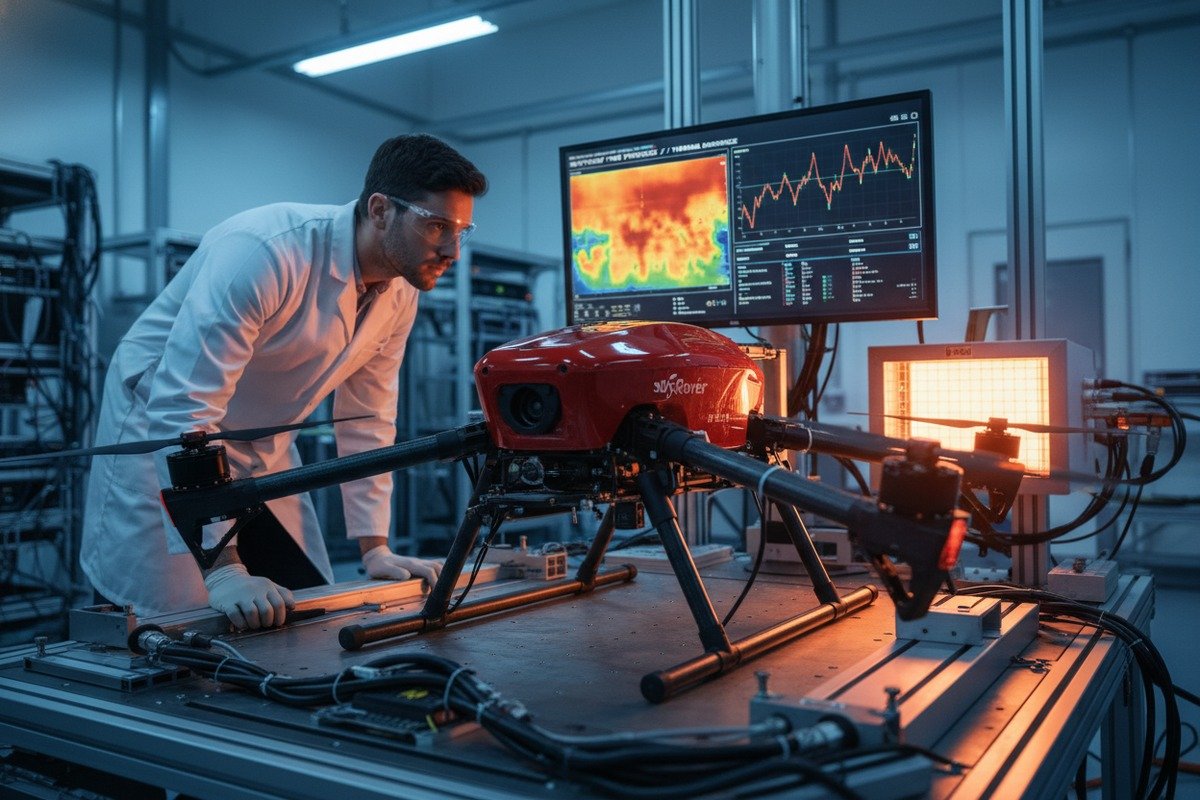
Las especificaciones técnicas en las hojas de datos solo cuentan una parte de la historia. Cuando nuestros ingenieros prueban drones cerca de incendios activos, el calor afecta los motores, las baterías y la electrónica de manera diferente a lo que predicen las condiciones de laboratorio. Los proveedores sin exposición real al fuego no pueden proporcionar estos datos.
Solicitar informes de prueba de resistencia térmica que muestren el rendimiento de los componentes a temperaturas superiores a 60 °C, datos de degradación de la batería de ciclos repetidos de alto calor, curvas de eficiencia del motor bajo estrés térmico y registros de estabilidad de vuelo en corrientes de aire convectivas cerca de fuentes de fuego. Estos documentos específicos revelan la experiencia real en extinción de incendios.
Por qué las especificaciones estándar son insuficientes
Los fabricantes suelen indicar temperaturas máximas de funcionamiento entre 40 y 50 °C. Cerca de un incendio en una estructura, el calor radiante puede superar los 200 °C a corta distancia. Las corrientes ascendentes térmicas crean columnas de aire turbulentas. Las especificaciones estándar no abordan estas condiciones.
Nuestros protocolos de prueba incluyen la colocación de drones a varias distancias de incendios controlados. Medimos las temperaturas de los componentes internos, las tasas de descarga de la batería y el consumo de corriente del motor. Esto genera datos que las pruebas de laboratorio estándar no capturan.
Informes técnicos esenciales a solicitar
| Tipo de informe | Lo que muestra | Por qué es importante |
|---|---|---|
| Prueba de resistencia térmica | Temperaturas de los componentes durante la exposición sostenida al calor | Revela si la electrónica sobrevive a condiciones cercanas al fuego |
| Análisis de degradación de la batería 5 | Pérdida de capacidad después de ciclos repetidos de alta temperatura | Predice la frecuencia de reemplazo de la batería y los costos operativos |
| Curvas de eficiencia del motor 6 | Consumo de energía bajo estrés térmico | Indica la reducción del tiempo de vuelo en escenarios de incendios reales |
| Registros de estabilidad de vuelo | Variación de posición en corrientes de aire convectivas | Muestra si el dron mantiene la precisión cerca de los incendios |
| Prueba de penetración de humo | Rendimiento del sensor en entornos de partículas densas | Confirma la fiabilidad de la cámara térmica y la detección de obstáculos |
Cómo evaluar la autenticidad del informe
Los informes de prueba legítimos incluyen puntos de datos específicos, no solo declaraciones de aprobación/rechazo. Busque gráficos que muestren curvas de temperatura a lo largo del tiempo. Verifique las fechas de prueba, la información de la instalación de prueba y las firmas de los ingenieros responsables.
Nuestra documentación técnica incluye fotos de las sesiones de prueba, registros de condiciones ambientales y certificados de calibración de equipos. Los informes completos demuestran que las pruebas se realizaron sistemáticamente.
Parámetros Críticos de Rendimiento
La duración del vuelo bajo carga cae significativamente cerca de los incendios. Un dron clasificado para 20 minutos puede lograr solo 12-14 minutos cuando opera en aire caliente. Pregunte específicamente sobre el rendimiento del tiempo de vuelo en entornos térmicos.
La precisión de la entrega de carga útil también cambia. Las corrientes convectivas desvían los drones de su curso. Los drones de extinción de incendios efectivos compensan automáticamente. Solicite datos que muestren la precisión de la orientación a varias distancias de las fuentes de calor.
Opciones de pruebas de terceros
Para adquisiciones de alto valor, considere exigir pruebas independientes. Varias instalaciones de pruebas en China se especializan en la evaluación del rendimiento de drones. Los resultados independientes eliminan el sesgo del proveedor. La inversión en pruebas de terceros a menudo previene errores costosos.
¿Puedo solicitar referencias o estudios de caso de departamentos de bomberos gubernamentales que hayan participado en sus pruebas de campo?
Las solicitudes de referencias parecen sencillas. En la práctica, muchos proveedores dudan o brindan respuestas vagas. Cuando trabajamos con departamentos de bomberos en toda China, documentamos estas asociaciones específicamente porque los compradores necesitan verificación.
Sí, puede y debe solicitar referencias de los departamentos de bomberos del gobierno. Pida nombres de contacto específicos, direcciones del departamento, fechas de simulacros y permiso para verificar directamente. Los proveedores legítimos mantienen estas relaciones y facilitarán las presentaciones. La reticencia a proporcionar referencias verificables indica una experiencia genuina limitada.

Por qué las referencias gubernamentales son las más importantes.
Los testimonios de empresas privadas son más fáciles de organizar. Los departamentos de bomberos del gobierno no tienen incentivos para proporcionar avales falsos. Su reputación depende de equipos que funcionen. Los oficiales de adquisiciones enfrentan responsabilidad por sus recomendaciones.
Los departamentos de bomberos también realizan evaluaciones estructuradas. Comparan múltiples proveedores. Prueban equipos en condiciones realistas. Sus comentarios reflejan los requisitos operativos en lugar de las consideraciones de marketing.
Qué solicitar a los proveedores.
| Elemento de referencia. | Qué pedir | Cómo verificar |
|---|---|---|
| Nombre del departamento. | Nombre oficial completo en chino e inglés. | Buscar en el sitio web del gobierno la existencia del departamento. |
| Persona de contacto. | Nombre, título, teléfono, correo electrónico. | Llamar directamente para confirmar la participación |
| Fechas de simulacro | Fechas específicas de prueba de equipos | Cotejar con anuncios públicos de simulacros |
| Equipo utilizado | Números de modelo, números de serie | Confirmar que el proveedor proporcionó estas unidades específicas |
| Comentarios de rendimiento | Evaluación escrita o carta de testimonio | Solicitar en papel oficial del departamento |
Cómo realizar la verificación de referencias
Contacte directamente al departamento de bomberos. No confíe únicamente en los números de teléfono proporcionados por el proveedor. Busque el sitio web oficial del departamento. Encuentre su información de contacto pública. Esto asegura que se comunique con la organización real.
Prepare preguntas específicas. Pregunte sobre la fiabilidad del equipo durante los simulacros. Pregunte sobre cualquier mal funcionamiento o limitación observada. Solicite información sobre relaciones continuas o compras de seguimiento. Estos detalles revelan la verdadera naturaleza de la asociación.
Obstáculos comunes y soluciones
Las barreras del idioma complican la verificación. El personal del departamento de bomberos chino puede no hablar inglés con fluidez. Considere contratar a un traductor para las llamadas telefónicas. Las preguntas escritas en chino a menudo reciben respuestas más detalladas.
Algunos departamentos tienen políticas que restringen las comunicaciones externas sobre evaluaciones de equipos. Si una referencia no puede hablar con usted directamente, pregunte si pueden proporcionar confirmación por escrito a través de canales oficiales.
Señales de alerta en la provisión de referencias
Los proveedores que afirman tener amplias relaciones gubernamentales pero no pueden proporcionar contactos verificables están tergiversando su experiencia. Referencias vagas como "múltiples departamentos de bomberos en la provincia de Sichuan" sin detalles específicos deberían generar preocupación.
Los proveedores legítimos suelen tener documentación: cartas de agradecimiento, fotos con líderes del departamento de bomberos o certificados de participación. Estos materiales complementan las referencias directas.
¿Cómo se traduce la experiencia real del proveedor en simulacros en la fiabilidad de las características OEM personalizadas que necesito para mis clientes?
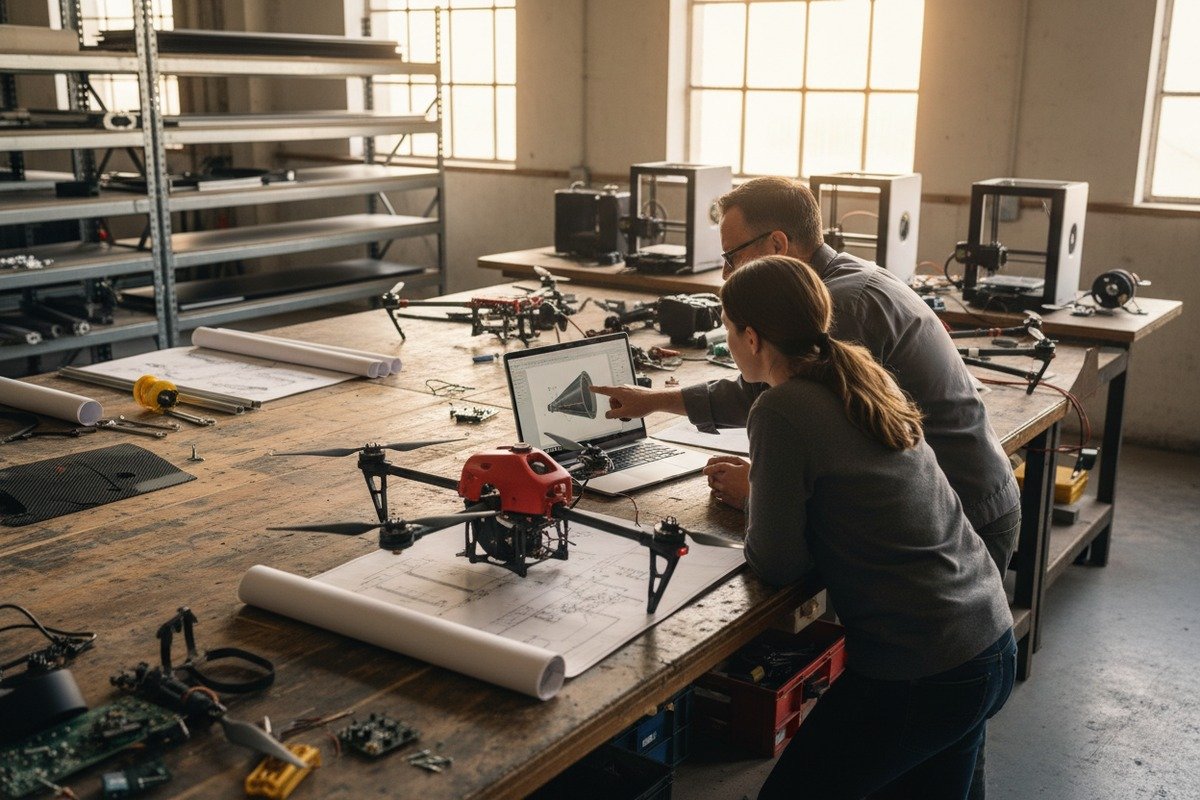
Proyectos OEM personalizados 7 conllevan un mayor riesgo que las compras estándar. Si el proveedor carece de experiencia, su personalización puede fallar en el campo. Nuestro equipo de desarrollo ha refinado diseños a través de docenas de iteraciones basadas en comentarios de despliegue reales. Este proceso da forma a todo lo que construimos.
La experiencia real en simulacros mejora directamente la fiabilidad del OEM a través del refinamiento iterativo del diseño. Los proveedores que han probado equipos en escenarios reales de lucha contra incendios comprenden los modos de fallo, las tensiones ambientales y los requisitos del operador. Este conocimiento previene errores de diseño, reduce el tiempo de desarrollo y produce características personalizadas que funcionan en condiciones reales.
De problemas de campo a soluciones de diseño
Cada simulacro revela algo. Los motores se sobrecalientan en ciertas posiciones. Los conectores de la batería se aflojan después de la vibración. Las interfaces de control confunden a los operadores bajo estrés. Los proveedores sin experiencia en el campo no pueden anticipar estos problemas.
Nuestros registros de ingeniería muestran cientos de modificaciones de diseño originadas en observaciones de campo. Un departamento de bomberos en Guangdong informó que el chapoteo del tanque de agua afectó la estabilidad del vuelo. Rediseñamos los deflectores internos. Este cambio ahora beneficia a todos los clientes que piden configuraciones de tanque personalizadas.
Cómo la experiencia reduce el riesgo de desarrollo
| Fase de desarrollo | Con experiencia en el campo | Sin experiencia de campo |
|---|---|---|
| Definición de requisitos | Basado en necesidades operativas documentadas | Basado en suposiciones y especificaciones |
| Pruebas de prototipo | Probado contra modos de falla conocidos | Protocolos de prueba genéricos |
| Ciclos de iteración | Mejoras específicas | Solución de problemas aleatoria |
| Validación final | Comparación con puntos de referencia probados en campo | Pruebas de laboratorio únicamente |
| Soporte post-entrega | Problemas predecibles, soluciones preparadas | Resolución de problemas reactiva |
Evaluación de la capacidad de desarrollo del proveedor
Pregunte sobre proyectos personalizados anteriores. Solicite estudios de caso que muestren el proceso de desarrollo. Pregunte sobre los problemas encontrados y cómo se resolvieron. Los proveedores con experiencia genuina discuten los desafíos abiertamente. Han aprendido de sus errores.
Revise la composición de su equipo de ingeniería. ¿Tienen personal con experiencia en extinción de incendios o respuesta a emergencias? La experiencia técnica por sí sola no es suficiente. Comprender los contextos operativos mejora las decisiones de diseño.
Áreas de personalización que se benefician de la experiencia en simulacros
Sistemas de carga útil 8 requieren una optimización cuidadosa. La capacidad de agua, los mecanismos de liberación y los patrones de pulverización afectan la efectividad de la extinción de incendios. Los proveedores que han observado sus drones en acción entienden lo que funciona.
Las interfaces de control deben ser intuitivas bajo estrés. Las escenas de incendios son caóticas. Los operadores no pueden estudiar menús complejos mientras gestionan emergencias. La experiencia de campo revela qué diseños de interfaz funcionan bajo presión.
Los sistemas de comunicación necesitan fiabilidad en entornos de RF difíciles. Las estructuras metálicas, la pulverización de agua y la electrónica de los vehículos de emergencia crean interferencias. Los proveedores experimentados han identificado y resuelto estos problemas.
Consideraciones de fiabilidad a largo plazo
Las características personalizadas requieren soporte continuo. Los proveedores con experiencia de campo mantienen inventarios de repuestos basados en patrones de fallos reales. Saben qué componentes se desgastan primero. Los almacenan en consecuencia.
Los programas de formación de proveedores experimentados abordan escenarios operativos reales. Incluyen la resolución de problemas que realmente ocurren. Esta preparación reduce el tiempo de inactividad para sus clientes.
Conclusión
Verificar la experiencia en simulacros de un proveedor chino de drones contra incendios requiere una investigación directa. Solicite estudios de caso documentados. Póngase en contacto con referencias gubernamentales. Evalúe los informes técnicos de forma crítica. Los proveedores auténticos dan la bienvenida al escrutinio porque su experiencia es real.
Notas al pie
1. Proporciona una visión general completa de los drones utilizados en la gestión de incendios forestales y la extinción de incendios. ↩︎
2. Describe el método de prueba estándar para evaluar la resistencia térmica de los materiales aislantes eléctricos rígidos. ↩︎
3. Explica qué son los metadatos de video, sus tipos y su importancia para la gestión de activos digitales. ↩︎
4. Reemplazado con el sitio web de una agencia del gobierno federal para la administración de incendios, proporcionando una fuente autorizada y accesible de información sobre los departamentos de bomberos del gobierno. ↩︎
5. Proporciona un análisis detallado de la degradación de las baterías de iones de litio durante el envejecimiento térmico. ↩︎
6. Explica cómo se utilizan las curvas de eficiencia de los motores en ingeniería para seleccionar motores y optimizar el rendimiento. ↩︎
7. Discute los elementos clave y las consideraciones para soluciones y asociaciones personalizadas de OEM. ↩︎
8. Explica qué son los sistemas de carga útil de drones y sus diversos requisitos de misión en todas las industrias. ↩︎
 English
  Español de México
  Deutsch
  Français
  Русский
  العربية
Comments
No comments yet. Be the first to share your thoughts!
Leave a Comment