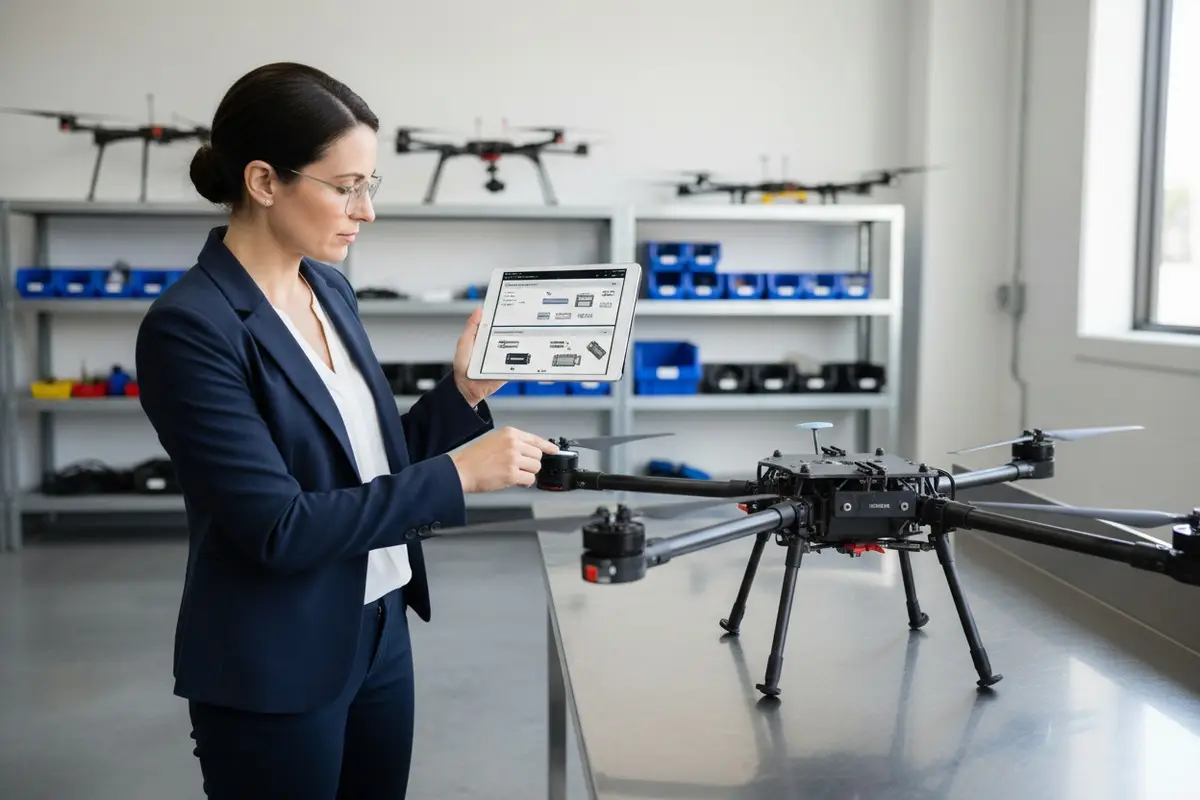
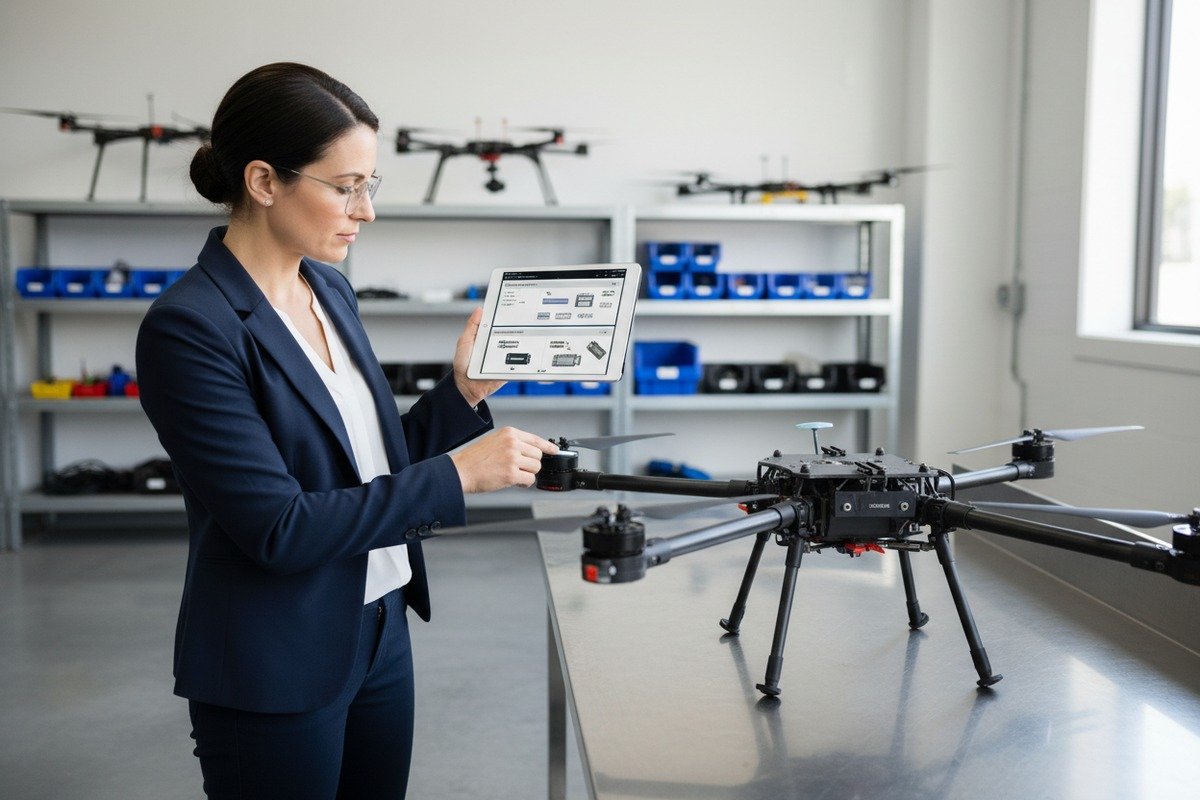
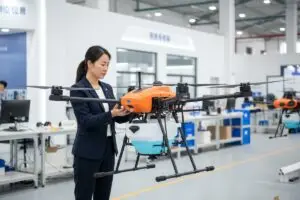
Cuando nuestro equipo de producción ensambla cada hexacóptero agrícola 1, vemos de primera mano cómo un solo componente inadecuado puede paralizar toda una flota. Los agricultores pierden dinero. Los cultivos pierden el momento óptimo para el tratamiento. La frustración crece rápidamente.
Para preguntar a los proveedores sobre la compatibilidad de las piezas, especifique el modelo exacto y el número de serie de su dron, solicite especificaciones técnicas detalladas, incluyendo voltajes nominales y tipos de conectores, verifique la compatibilidad del firmware y exija una confirmación por escrito de las fuentes de piezas OEM frente a las del mercado de repuestos. Solicite siempre las curvas de empuje y la documentación de instalación antes de realizar la compra.
Las preguntas que te hagas antes de comprar determinarán tu éxito operativo durante años. especificaciones técnicas detalladas 2. Permítame explicarle exactamente qué decir y qué documentos solicitar a cualquier proveedor.
¿Cómo puedo verificar si los componentes principales del dron son compatibles con piezas de repuesto universales o de terceros?
Nuestros ingenieros dedican innumerables horas a probar combinaciones de componentes en nuestras instalaciones de Xi'an. relaciones empuje-peso 3. Hemos visto fallar motores, quemarse ESC y estrellarse controladores de vuelo, todo ello debido a incompatibilidades que, sobre el papel, parecían insignificantes.
Verifique la compatibilidad solicitando las hojas de especificaciones técnicas del proveedor, comparando los tipos de conectores y los requisitos de voltaje, verificando la compatibilidad de la versión del firmware y probando las relaciones empuje-peso. Solicite resultados de pruebas documentados que demuestren el rendimiento de la pieza de terceros con su modelo específico de dron en condiciones de carga.
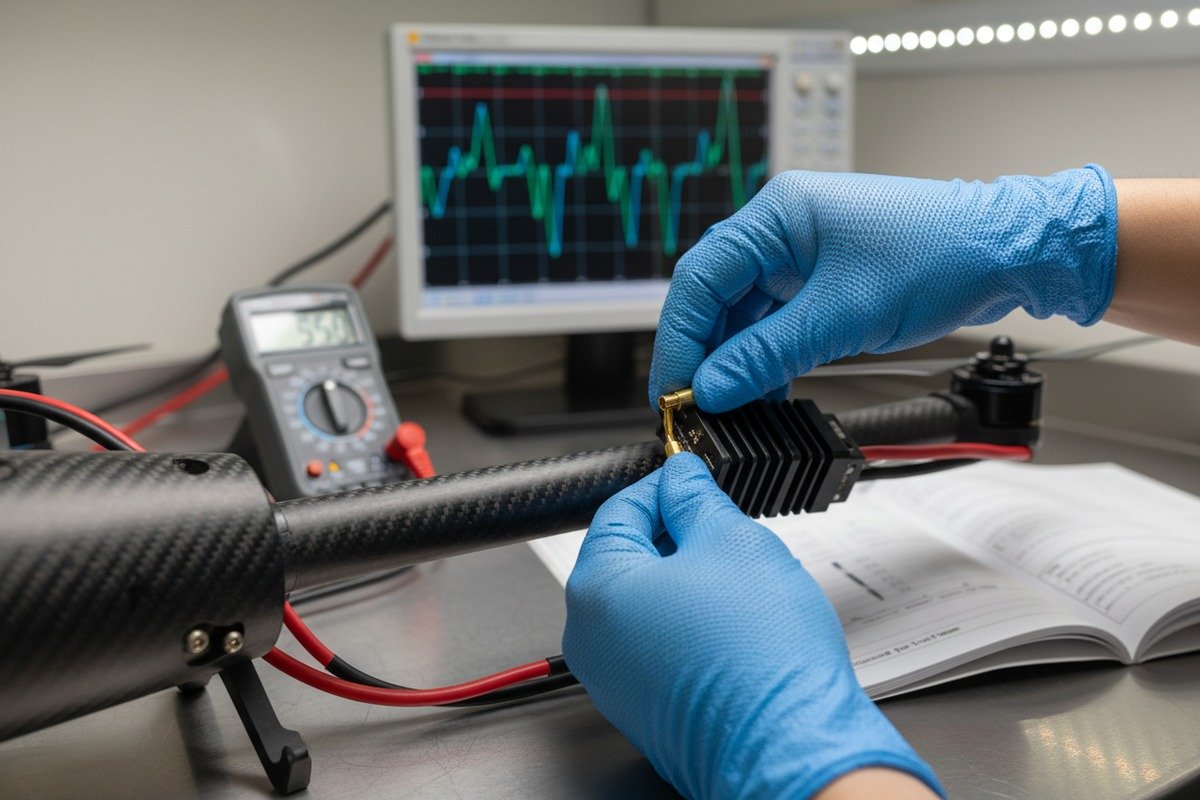
Comience con la identificación exacta del modelo
Nunca des por sentado que dos drones con nombres similares comparten piezas. Un DJI Agras T30 utiliza conectores diferentes a los de un XAG Y100. Es posible que un controlador de vuelo JIYI K++ V2 no se sincronice con el firmware del motor más antiguo. compatibilidad del firmware 4
Al ponerse en contacto con cualquier proveedor, proporcione:
- Nombre completo del modelo y número de versión
- Número de serie de tu dron
- Versión actual del firmware instalado
- Fecha de fabricación, si se conoce.
Esta información evita 80% de errores de compatibilidad que observamos en las piezas devueltas.
Categorías de piezas críticas que se deben verificar
No todas las piezas conllevan el mismo riesgo de compatibilidad. Así es como las clasificamos:
| Categoría de pieza | Riesgo de compatibilidad | Prioridad de verificación |
|---|---|---|
| Controladores de vuelo | Muy alto | Verifique siempre la sincronización del firmware. |
| Motores y ESC | Alto | Hacer coincidir las clasificaciones KV y la corriente |
| Hélices | Medio | Compruebe el diámetro y el paso. |
| Baterías | Alto | Verifique el voltaje y el conector. |
| Boquillas pulverizadoras | Bajo | Por lo general, ajuste universal. |
| Módulos GPS/RTK | Muy alto | El protocolo debe coincidir. |
| Marcos | Medio | El peso afecta al equilibrio. |
La pregunta sobre el conector y el voltaje
Pregunte directamente a su proveedor: "¿Qué tipo de conector utiliza esta pieza y qué rango de voltaje admite?"."
Un motor clasificado para 48 V dañará los sistemas diseñados para 24 V. Un ESC con conectores XT90 no se puede enchufar en una toma AS150 sin adaptadores, y los adaptadores introducen puntos de fallo.
Recomendamos solicitar una foto del conector físico antes de realizar el pedido. Muchos proveedores incluyen piezas "compatibles" que requieren modificaciones.
La sincronización del firmware es importante
Los drones agrícolas modernos funcionan con software sofisticado. Cuando actualizamos el firmware del controlador de vuelo en nuestra línea de producción, los ESC más antiguos a veces pierden la comunicación.
Haga estas preguntas específicas:
- "¿Esta pieza es compatible con la versión de firmware [tu versión]?"
- "¿La instalación de esta pieza requerirá una actualización del firmware?"
- "Si se necesitan actualizaciones, ¿las proporcionan ustedes?"
Algunas piezas de recambio funcionan perfectamente con el firmware actual, pero dejan de hacerlo tras las actualizaciones del fabricante. Obtenga una confirmación por escrito del soporte técnico continuo para el software.
Marco de decisión entre OEM y mercado de repuestos
| Factor | Piezas OEM 5 | Piezas de recambio |
|---|---|---|
| Costo | Más alto (línea de base) | 20-50% inferior |
| Impacto en la garantía | Conservado | Puede anular la garantía. |
| Fiabilidad | Partido garantizado | Calidad variable |
| Disponibilidad | Proveedores limitados | Fuentes más amplias |
| Mejor caso de uso | Sistemas críticos | Artículos de consumo |
Para los controladores de vuelo y los motores, recomendamos encarecidamente utilizar piezas OEM. En cuanto a las hélices y las boquillas, las opciones de recambio homologadas permiten ahorrar dinero sin riesgos significativos.
¿Qué preguntas específicas debo hacer para asegurarme de que el proveedor mantenga un inventario constante de piezas de repuesto para mi flota?
Según nuestra experiencia en la exportación a los mercados de EE. UU. y Europa, las mayores pérdidas de los operadores de flotas no se deben a fallas en las piezas, sino a la espera de los repuestos. Un dron fuera de servicio durante la temporada alta de fumigación supone miles de dólares en pérdidas de ingresos.
Pregunte a los proveedores cuáles son sus niveles actuales de inventario para su modelo específico, los tiempos medios de reposición, las cantidades mínimas de pedido para compras al por mayor, la ubicación de los almacenes en relación con su operación y si ofrecen acuerdos de cumplimiento prioritario. Solicite datos históricos sobre su tasa de cumplimiento y acuerdos de abastecimiento de respaldo.

Preguntas sobre la profundidad del inventario
No aceptes respuestas vagas como "tenemos mucho en inventario". Insiste en que te den detalles:
- "¿Cuántas unidades de [pieza específica] tiene actualmente?"
- "¿Cuál es su volumen de ventas mensual promedio para esta pieza?"
- "Con las tasas de ventas actuales, ¿cuántos meses de inventario tiene?"."
Un proveedor que vende 50 motores al mes, pero solo tiene 30 en inventario, retrasará su pedido urgente.
Transparencia en los plazos de entrega y la reposición de existencias
Cuando nos quedamos sin componentes en nuestra fábrica, nos comunicamos de inmediato con los clientes. Espere la misma transparencia de sus proveedores.
Pregunta:
- "¿Cuál es el plazo de entrega habitual si esta pieza no está disponible?"
- "¿Tienen relaciones directas con los fabricantes o compran a través de distribuidores?"
- "¿Pueden avisarme cuando el inventario baje de cierto nivel?"
Las relaciones directas con los fabricantes permiten reponer las existencias más rápidamente. El abastecimiento a través de terceros añade semanas.
Consideraciones geográficas
| Ubicación del proveedor | Tiempo de envío habitual a EE. UU. | Prima de emergencia disponible |
|---|---|---|
| Nacional de EE. UU. | 2-5 días | Sí, opciones de 1-2 días. |
| Almacén europeo | 5-10 días | A veces |
| China Directo | 15-30 días | Transporte aéreo caro |
| Distribuidor regional | 3-7 días | Normalmente disponible |
Para las piezas críticas, establezca relaciones con al menos un proveedor nacional, aunque los costos sean más elevados. La ventaja de la rapidez en situaciones de emergencia compensa el costo.
Acuerdos de compra a granel
Los operadores de flotas deben negociar la reserva de inventario. A continuación se muestra un ejemplo de estructura de conversación:
"Operamos 15 drones y esperamos necesitar aproximadamente [X] motores, [Y] juegos de hélices y [Z] boquillas al año. ¿Podemos establecer un calendario de pedidos trimestrales con asignación garantizada?"
Muchos proveedores ofrecen descuentos del 5 al 15 % por volumen comprometido con patrones de pedido predecibles.
Verificación de fuentes de respaldo
Los administradores de flotas inteligentes nunca dependen de un solo proveedor. Pregunte a cada proveedor potencial:
- "Si no puede cumplir con un pedido, ¿tiene proveedores asociados?"
- "¿Puede proporcionarme contactos de fuentes alternativas en las que confíe?"
- "¿Qué pasa con mi pedido si experimentan interrupción de la cadena de suministro 6?"
Los proveedores honestos reconocen sus limitaciones y le ayudan a crear redundancia.
¿Puedo personalizar el hardware o el software del dron para que funcione con mis sistemas de fumigación agrícola actuales?
Cuando calibramos nuestros controladores de vuelo para diferentes configuraciones de pulverización, vemos cómo pequeños cambios en el software generan grandes diferencias en el rendimiento sobre el terreno. Su equipo actual representa una inversión significativa, por lo que la integración es importante.
Sí, la personalización es posible mediante la integración de API para el software, la fabricación de adaptadores físicos para las conexiones de hardware y los ajustes de los parámetros del firmware. Pregunte a los proveedores sobre sus capacidades de soporte técnico, los SDK disponibles, los servicios de adaptación de conectores y si ofrecen asociaciones de desarrollo personalizadas para requisitos de integración únicos.

Vías de integración de hardware
Es probable que su sistema de pulverización actual utilice controladores de bomba, sensores de tanque y conjuntos de boquillas específicos. Conectarlos a una nueva plataforma de drones requiere una planificación cuidadosa.
Preguntas clave para los proveedores:
- "¿Qué protocolos de comunicación admite el controlador de vuelo?"
- "¿Hay puntos de montaje disponibles para equipos de terceros?"
- "¿Pueden proporcionar diagramas de cableado para la integración de sensores personalizados?"
- "¿Cuál es la capacidad máxima de carga útil incluyendo mi equipo actual?"
Compatibilidad del software y del sistema de datos
Moderno agricultura de precisión 7 se basa en el flujo de datos entre drones, software de gestión agrícola y plataformas de análisis. Cuando nuestro equipo de desarrollo crea funciones de integración, damos prioridad a los estándares abiertos.
| Tipo de integración | Protocolos comunes | Preguntas que hay que hacer |
|---|---|---|
| Exportación de datos de vuelo | MAVLink, SDK de DJI | "¿Puedo exportar los registros de vuelo en [formato]?" |
| Mapeo por pulverización | Archivos Shapefile, KML | "¿Su sistema genera mapas de prescripciones?" |
| Sincronización de software agrícola | API, Importación directa | "¿Tienen integración con [nombre del software]?" |
| Datos del sensor | Bus CAN, serie | "¿Qué datos se pueden obtener?" |
Alianzas para el desarrollo personalizado
Algunas necesidades de integración superan las opciones estándar. Pregunte a los proveedores:
- "¿Ofrecen desarrollo de firmware personalizado?"
- "¿Cuál es la capacidad de su equipo de ingeniería para proyectos especiales?"
- "¿Pueden modificar las configuraciones de hardware para nuestras necesidades específicas?"
- "¿Cuáles son los plazos y costos habituales para el desarrollo personalizado?"
En nuestras instalaciones, colaboramos regularmente con los clientes en funciones especializadas. Los proveedores dispuestos a invertir recursos de ingeniería demuestran su compromiso con una colaboración a largo plazo.
Montaje físico y equilibrio
Añadir tu equipo actual cambia la distribución del peso del dron. Cada gramo afecta a la estabilidad del vuelo y al consumo de batería.
Solicitud a los proveedores:
- Especificaciones detalladas del centro de gravedad
- Tolerancia máxima de desplazamiento para equipos montados
- Ubicaciones y métodos de montaje recomendados
- Cálculos de impacto para el peso específico de su equipo
Un sensor de 500 gramos montado a 10 cm del centro crea características de vuelo muy diferentes a las de uno montado en el centro del dron.
Cumplimiento normativo tras la modificación
Los drones modificados pueden requerir una nueva certificación dependiendo de su jurisdicción. Pregunte:
- "¿Afectará esta modificación a Certificación de tipo de la FAA 8?"
- "¿Proporcionan documentación que respalde las configuraciones modificadas?"
- "¿Hay otros clientes que hayan certificado con éxito modificaciones similares?"
Los proveedores con experiencia en exportación comprenden estos requisitos y pueden proporcionar la documentación necesaria.
¿Cómo puedo confirmar que el proveedor ofrece una garantía de disponibilidad a largo plazo para los componentes de mantenimiento críticos?
Nuestro equipo de planeación de producción piensa en ciclos de cinco años. Sabemos que los drones agrícolas representan importantes inversiones de capital que deben generar rendimientos a lo largo de muchas temporadas. Los clientes se preocupan, con razón, por la desaparición de piezas.
Confirme la disponibilidad a largo plazo solicitando por escrito las políticas de fin de vida útil, preguntando por los compromisos mínimos de producción, verificando si el proveedor fabrica o simplemente distribuye piezas, negociando garantías contractuales de disponibilidad y estableciendo acuerdos de depósito en garantía para los componentes críticos si es necesario.
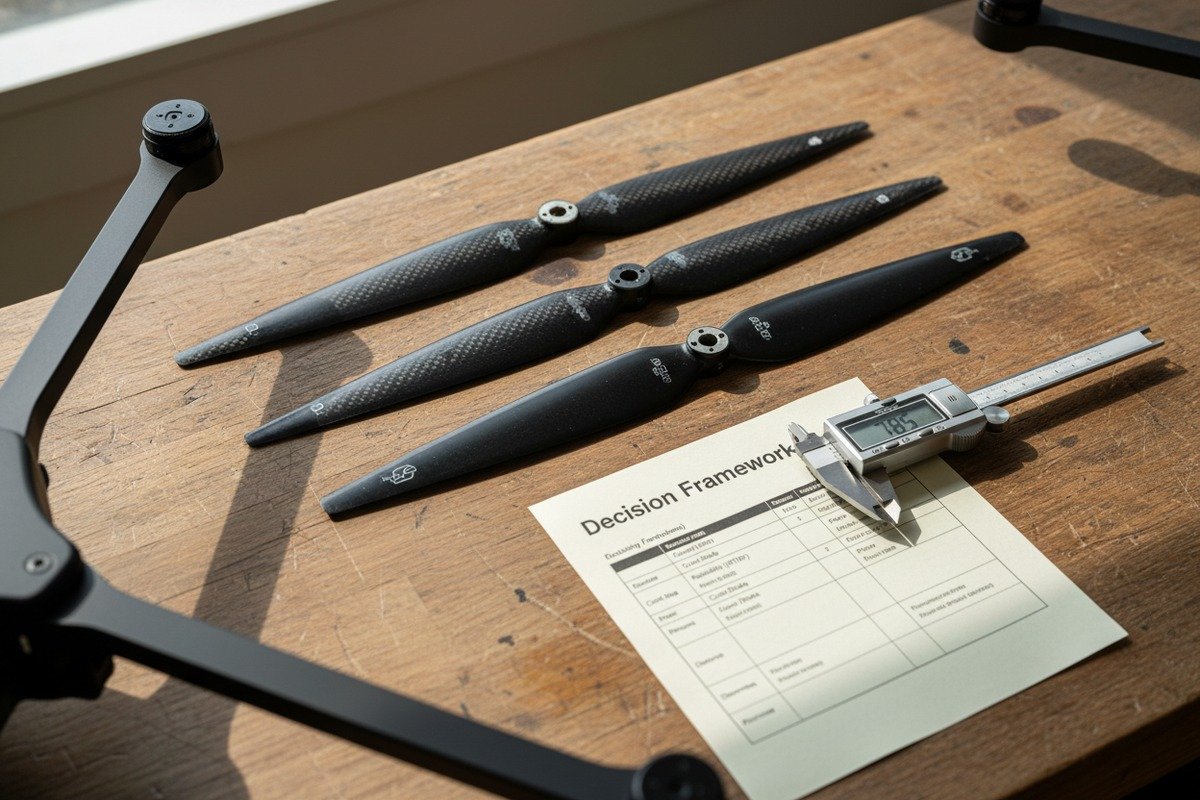
Documentación sobre la política de fin de vida útil
Todos los productos acaban quedando obsoletos. Los proveedores profesionales planifican esta transición.
Pregunta directamente:
- "¿Cuál es el periodo de soporte técnico al final de la vida útil que se ofrece para este modelo?"
- "¿Con cuánto tiempo de anticipación avisan antes de dejar de fabricar piezas?"
- "¿Ofrecen oportunidades de última compra antes de la discontinuación?"
- "¿Podría compartir su política de fin de vida útil por escrito?"
Los fabricantes de renombre se comprometen a ofrecer un mínimo de 5 a 7 años de asistencia técnica para las piezas. Cualquier cosa por debajo de eso debería ser motivo de preocupación para las inversiones en flotas.
Distinción entre fabricante y distribuidor
Esto es muy importante para la seguridad del suministro a largo plazo.
| Tipo de proveedor | Control de disponibilidad | Riesgo a largo plazo |
|---|---|---|
| Fabricante original | Alto: lo hacen. | Más bajo |
| Distribuidor autorizado | Medio – suministro contratado | Moderado |
| Distribuidor independiente | Bajo: depende del mercado | Más alto |
| Corredor/Operador | Muy bajo – mercado al contado | Más alto |
Cuando hable con los proveedores, pregunte: "¿Fabrican ustedes estas piezas o las obtienen de otra empresa?". A continuación, pregunte: "¿Cuál es su relación contractual con el fabricante?"."
Estrategias de protección contractual
Para compras de flotas, negocie disposiciones específicas:
- Requisitos mínimos de almacenamientoEl proveedor se compromete a mantener X unidades de piezas críticas.
- Aviso previo de interrupción: Aviso con 12-24 meses de antelación antes de la falta de disponibilidad de piezas.
- Protección de precios: Tasas fijas durante períodos específicos.
- Derechos de abastecimiento alternativosPermiso para buscar otros proveedores si el principal falla.
- Depósito de documentación técnica: Acceso a las especificaciones si el proveedor sale del mercado.
Solicitar estas disposiciones no tiene ningún costo y brindan una protección significativa.
Estrategia de inventario de piezas críticas
Cree su propio stock de reserva para las piezas que podrían dejar su flota fuera de servicio. Calcule en función de:
| Tipo de pieza | Nivel de existencias recomendado | Razonamiento |
|---|---|---|
| Hélices | 2 juegos por dron | Alto desgaste, fácil almacenamiento |
| Motores | 1 por cada 3 drones | Tasa de fallos media, caro. |
| Células madre embrionarias | 1 por cada 4 drones | Menor tasa de fallos |
| Boquillas | 4 juegos por dron | Muy alto desgaste, barato |
| Controlador de vuelo | 1 por cada 10 drones | Fallo poco frecuente, función crítica |
Evaluación de la estabilidad financiera de los proveedores
La salud financiera de un proveedor afecta su capacidad para cumplir con los compromisos a largo plazo.
Preguntas de investigación:
- "¿Cuánto tiempo lleva su empresa en el mercado?"
- "¿Son rentables y autosuficientes?"
- "¿Cuál es la tendencia de sus ingresos anuales?"
- "¿Cuentas con el respaldo de inversionistas estables?"
También puede consultar las bases de datos de registro de empresas, solicitar referencias comerciales y revisar las capacidades de sus instalaciones. Cuando recibimos visitas de clientes en nuestra sede central de Xi'an, les mostramos directamente nuestra capacidad de fabricación; los proveedores genuinos agradecen este escrutinio.
Documentación y transferencia técnica
Incluso con los compromisos de los proveedores, protéjase con documentación:
- Obtenga las especificaciones técnicas completas de todas las piezas críticas.
- Solicite archivos CAD o planos dimensionales cuando estén disponibles.
- Guarde copias de todos los procedimientos de calibración y ajustes de software.
- Documente detalladamente cualquier configuración personalizada.
Si su proveedor principal falla, esta información ayuda a fuentes alternativas a producir reemplazos compatibles.
Conclusión
Las preguntas sobre la compatibilidad de las piezas protegen su inversión en drones agrícolas durante años. Pregunte por las especificaciones exactas del modelo, verifique la disponibilidad de existencias del proveedor, explore las opciones de personalización y exija compromisos de disponibilidad a largo plazo por escrito. El tiempo de actividad de su flota depende de estas conversaciones.
Notas al pie
1. Define este tipo específico de dron utilizado en la agricultura. ↩︎
2. Explica por qué las especificaciones técnicas exhaustivas son fundamentales para el éxito del proyecto. ↩︎
3. Explica la definición y la importancia de la relación empuje-peso para el rendimiento de los drones. ↩︎
4. Aborda problemas comunes derivados de incompatibilidades de firmware y sus soluciones. ↩︎
5. Fuente autorizada que ofrece una definición clara de las piezas OEM y su comparación con las piezas de recambio. ↩︎
6. Explica los acontecimientos inesperados que interrumpen el flujo de bienes y servicios. ↩︎
7. Define el enfoque de agricultura basada en datos que optimiza el uso de los recursos. ↩︎
8. Explica el proceso normativo para la certificación de tipo de los sistemas aéreos no tripulados. ↩︎
9. Define las políticas de fin de vida útil de los productos y su importancia en la gestión de productos. ↩︎

 English
  Español de México
  Deutsch
  Français
  Русский
  العربية
Comments
No comments yet. Be the first to share your thoughts!
Leave a Comment