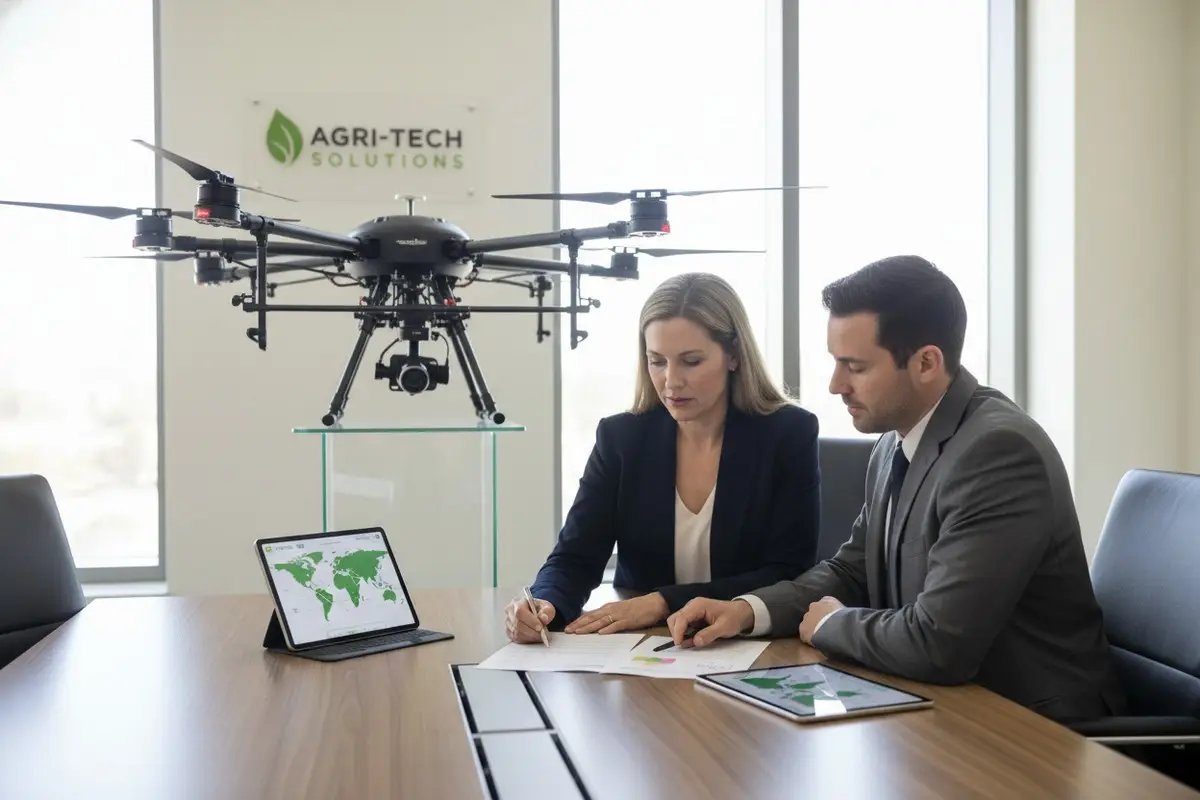

Cuando nuestro equipo de producción envía drones a granjas de todo el mundo, sabemos una cosa: el equipo falla en los peores momentos. asistencia técnica remota 1. La inmovilización de un dron pulverizador durante la temporada alta puede costar miles en pérdidas de rendimiento. La pregunta no es si ocurren problemas, sino cómo responde su proveedor.
Para evaluar la gestión de crisis de los proveedores, verifique su disponibilidad de soporte técnico remoto, evalúe la velocidad de envío de piezas de repuesto, revise los planes de contingencia para defectos masivos y solicite documentación que demuestre que pueden manejar cambios en las regulaciones de exportación. Los proveedores sólidos mantienen equipos de soporte 24/7, almacenes de piezas regionales y departamentos de cumplimiento listos para cambios repentinos de políticas.
Esta guía le muestra los pasos exactos que siguen nuestros socios para evaluar a los proveedores de drones. Cadena de Suministro de Repuestos 2. Cubriremos listas de verificación prácticas, señales de advertencia a tener en cuenta y preguntas que separan a los fabricantes confiables de los riesgosos.
¿Cómo puedo verificar que mi proveedor de drones ofrece soporte técnico remoto confiable cuando mi equipo falla en el campo?
Nuestros ingenieros reciben llamadas de auxilio de granjas a todas horas. Un dron averiado durante la cosecha no es solo una inconveniencia. Puede significar pérdida de cultivos, ventanas de fumigación perdidas y clientes enfadados. La calidad del soporte remoto separa a los buenos proveedores de los excelentes.
Verifique el soporte técnico remoto solicitando garantías de tiempo de respuesta documentadas, probando sus canales de soporte antes de la compra, confirmando las capacidades multilingües y solicitando referencias de clientes existentes en su región. Los proveedores confiables ofrecen diagnósticos por videollamada 24/7, acceso remoto al firmware y procedimientos de escalada claros.
Por qué el tiempo de respuesta importa más de lo que crees
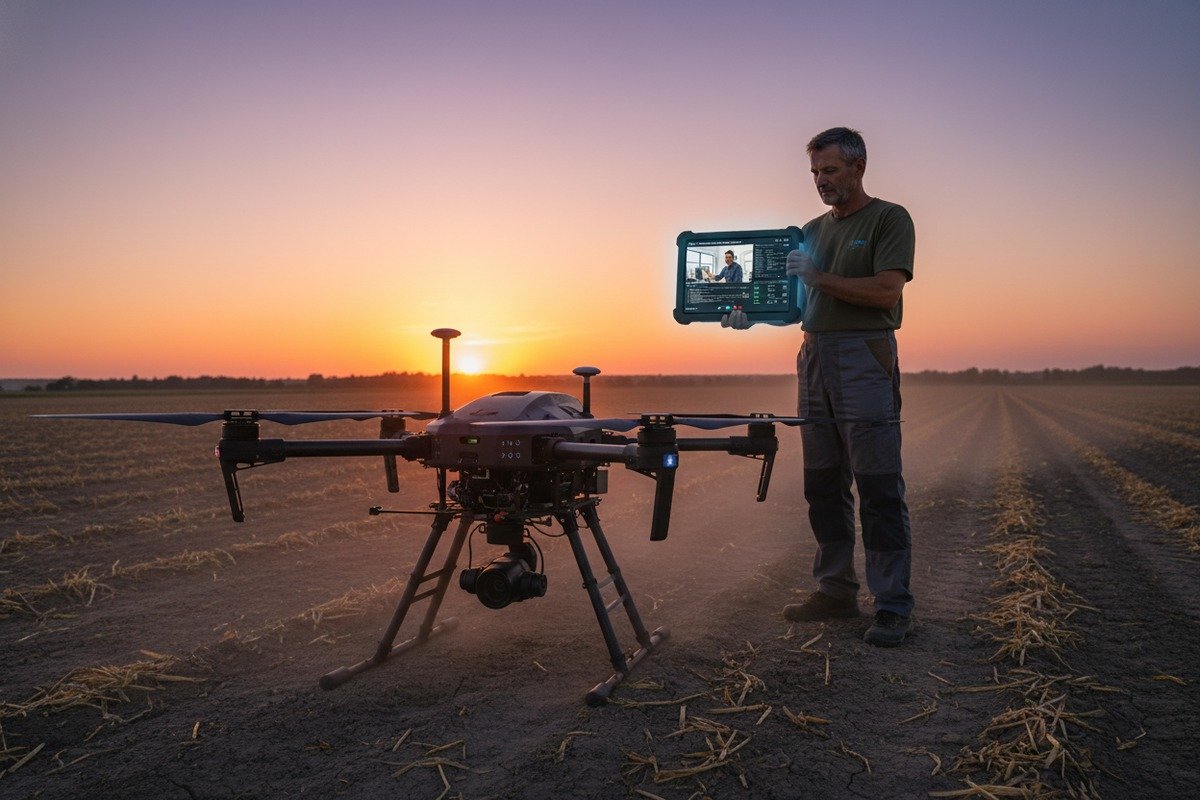
Cuando un hexacóptero falla en medio del campo, cada hora cuenta. Los cultivos no esperan el horario comercial. Nuestro equipo de soporte en Xi'an opera en diferentes zonas horarias porque aprendimos desde el principio que los agricultores estadounidenses necesitan ayuda a las 3 AM hora de China.
Haga estas preguntas directas a los proveedores potenciales:
- ¿Cuál es su tiempo de respuesta inicial garantizado?
- ¿Ofrecen diagnósticos por videollamada?
- ¿Puede su equipo acceder de forma remota al controlador de vuelo de mi dron?
- ¿Qué idiomas habla su equipo de soporte?
Testing Support Before You Commit
Los compradores inteligentes prueban la calidad del soporte antes de firmar contratos. Envíe una pregunta técnica al correo electrónico de soporte. Llame a su línea directa. Mida el tiempo de respuesta. Un proveedor que tarda tres días en responder una pregunta de preventa tardará más cuando ya sea un cliente.
| Indicador de Calidad de Soporte | Bandera verde | Bandera Roja |
|---|---|---|
| Tiempo de primera respuesta | Menos de 4 horas | Más de 24 horas |
| Disponibilidad de videollamada | 24/7 o horario comercial de su zona horaria | Solo correo electrónico |
| Diagnóstico remoto | Puede acceder a los registros de vuelo de forma remota | Requiere que envíe el dron de vuelta |
| Soporte de idiomas | Hablantes nativos en su idioma | Solo traducción automática |
| Ruta de escalamiento | Sistema de niveles claro con ingenieros | Punto de contacto único |
Creación de su lista de verificación de verificación
Solicite estos documentos a cualquier proveedor:
- SLA escrito (Acuerdo de Nivel de Servicio 3) con garantías de tiempo de respuesta
- Organigrama del equipo de soporte que muestre las horas de cobertura
- Estudios de caso de resoluciones de crisis pasadas
- Información de contacto de al menos tres clientes actuales
Cuando incorporamos nuevos distribuidores, proporcionamos contactos directos de ingenieros. Esto evita las colas de soporte general durante emergencias. Pregunte si su proveedor ofrece canales VIP similares.
El costo oculto del soporte deficiente
Un dron en tierra durante una semana en temporada alta de fumigación puede costar a un operador comercial entre 5.000 y 15.000 dólares en ingresos perdidos. Compare esto con la diferencia de costo entre proveedores. El dron más barato a menudo viene con las brechas de soporte más caras.
¿Qué pasos debo seguir para evaluar la capacidad de un fabricante para enviar piezas de reparación de emergencia sin largas demoras?
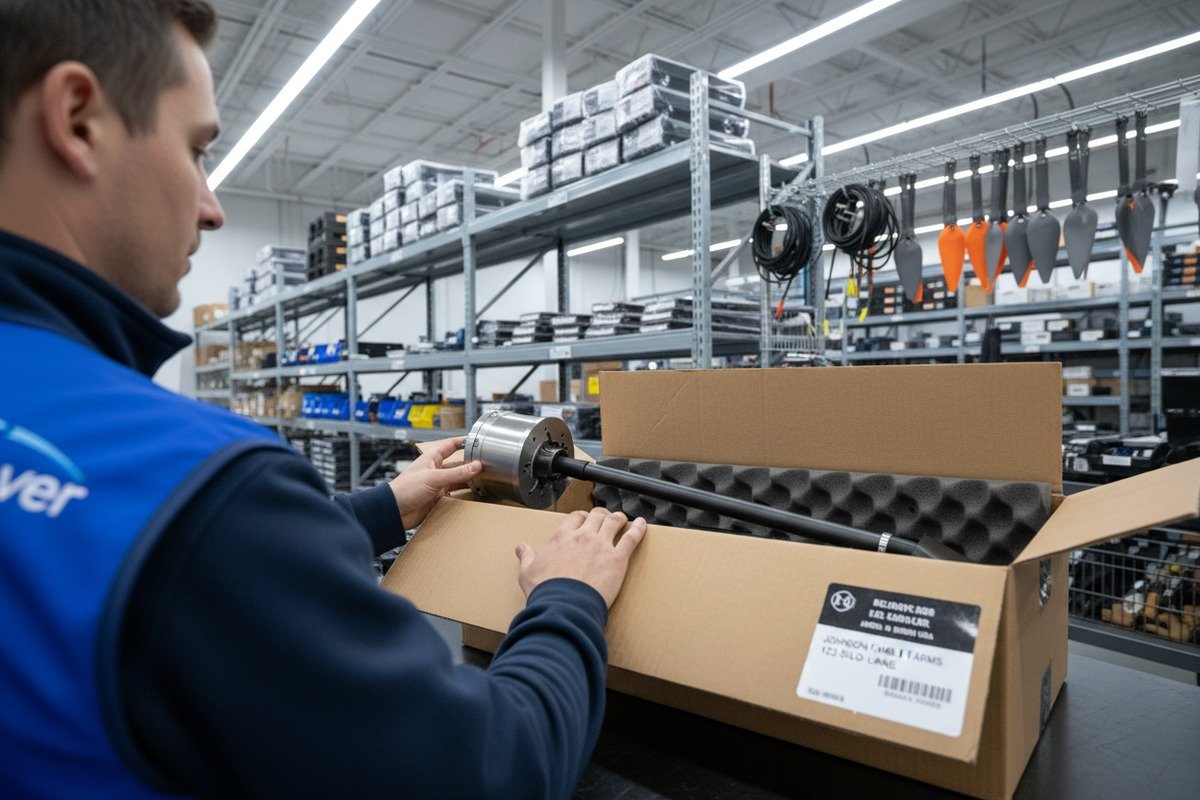
En nuestras líneas de montaje, rastreamos cada componente, desde las baterías hasta los soportes del motor. Sabemos qué piezas fallan con más frecuencia y las tenemos en stock en consecuencia. Pero no todos los fabricantes piensan de esta manera. La disponibilidad de piezas puede hacer o deshacer su operación.
Evalúe el envío de piezas de emergencia confirmando las ubicaciones de los almacenes regionales, solicitando informes de inventario actuales de artículos de falla común, verificando las asociaciones de transportistas y confirmando los tiempos promedio de entrega a su ubicación. Los proveedores principales mantienen existencias de seguridad en múltiples regiones y ofrecen opciones de envío acelerado con seguimiento.
Comprensión de la cadena de suministro de piezas
Drones agrícolas 4 contienen componentes de múltiples fuentes. Las baterías provienen de fabricantes especializados. Los sensores requieren chips semiconductores. Los motores necesitan imanes de tierras raras. En 2026, las presiones geopolíticas han interrumpido muchas de estas cadenas de suministro.
Pregunte a los proveedores sobre su estrategia de abastecimiento:
- ¿Fabrican componentes internamente o los obtienen externamente?
- ¿Dónde se encuentran sus proveedores de respaldo?
- ¿Cuál es su nivel de inventario actual para piezas críticas?
Partes críticas a revisar
No todas las piezas importan por igual. Centre su evaluación en los componentes que fallan con frecuencia o tienen largos plazos de entrega.
| Componente | Tasa de falla típica | Riesgo de plazo de entrega | Prioridad de stock |
|---|---|---|---|
| Baterías | Alto (vida útil de 2-3 años) | Medio | Crítico |
| Hélices | Alto (daños por escombros) | Bajo | Alto |
| Motores | Medio | Alto | Crítico |
| Controladores de vuelo 5 | Bajo | Muy alto | Crítico |
| Boquillas pulverizadoras | Alto | Bajo | Alto |
| Sensores (multiespectrales) | Bajo | Muy alto | Medio |
| Módulos GPS | Bajo | Alto | Medio |
Estrategia de almacén regional
El envío de China a los Estados Unidos tarda de 5 a 15 días para el transporte aéreo estándar. Durante las emergencias de cosecha, esto es demasiado tiempo. Nuestros socios de distribución en mercados clave mantienen stock local por esta razón.
Preguntas a hacer sobre las ubicaciones de los almacenes:
- ¿Tienen almacenes fuera de su país de origen?
- ¿Puedo ver los niveles de inventario actuales en cada ubicación?
- ¿Cuál es la opción de envío más rápida a mi región?
- ¿Ofrecen acuerdos de stock en consignación?
Evaluación de socios de envío y despacho de aduanas
Los envíos de piezas se enfrentan al mismo escrutinio aduanero que los drones completos. Algunos componentes, como ciertas baterías, requieren documentación de manejo especial.
Solicitar prueba de:
- Relaciones establecidas con los principales transportistas (DHL, FedEx, UPS)
- Experiencia con códigos aduaneros de equipos agrícolas
- Certificaciones de envío de baterías (UN38.3)
- Historial de envíos urgentes exitosos
Incorporación de contingencias en su contrato
Los gerentes de adquisiciones inteligentes negocian los términos de las piezas en su acuerdo de compra inicial. Incluir cláusulas que cubran:
- Tiempo máximo de entrega garantizado para piezas críticas
- Precios fijos para piezas de repuesto por un período definido
- Niveles mínimos de inventario que el proveedor debe mantener
- Cláusulas de penalización por retrasos en los envíos
Nuestros contratos estándar incluyen estos términos porque entendemos el costo del tiempo de inactividad.
¿Cómo evalúo el plan de contingencia de un proveedor para manejar defectos masivos de productos o crisis de control de calidad?
Nuestro equipo de control de calidad detecta problemas antes de que los drones salgan de la fábrica. Pero incluso los mejores sistemas a veces pasan por alto problemas. Lo que importa es cómo responde un proveedor cuando aparecen defectos en múltiples unidades. Esto revela su verdadero carácter.
Evalúe los planes de contingencia solicitando procedimientos de retirada documentados, revisando informes pasados de incidentes de calidad, verificando la cobertura del seguro para responsabilidad del producto y confirmando que cuentan con equipos dedicados a crisis de calidad. Los proveedores confiables mantienen sistemas de trazabilidad de lotes, realizan protocolos de análisis de causa raíz y ofrecen garantías de reemplazo o reembolso por defectos sistemáticos.

Por qué ocurren defectos masivos
Incluso los fabricantes cuidadosos se enfrentan a fallos sistemáticos. Un lote defectuoso de condensadores de un subproveedor puede afectar a cientos de unidades. Los errores de firmware solo pueden aparecer en condiciones específicas de campo. Las presiones de la cadena de suministro de 2026 han aumentado la varianza en la calidad de los componentes en toda la industria.
Las causas comunes de defectos masivos incluyen:
- Fallos de componentes de subproveedores
- Cambios en el proceso de fabricación
- Errores de firmware o software
- Defectos de diseño descubiertos después del lanzamiento
- Factores ambientales (humedad, temperaturas extremas)
Evaluación de sistemas de trazabilidad
Cuando aparecen defectos, los proveedores deben identificar qué unidades están afectadas. Esto requiere un seguimiento robusto de lotes.
| Nivel de trazabilidad | Qué rastrea | Velocidad de respuesta ante crisis |
|---|---|---|
| Básico | Solo número de serie | Lento (registros manuales) |
| Intermedio | Serie + fecha de fabricación | Moderado |
| Avanzado | Serie + lote de componentes + línea de ensamblaje + operador | Rápido |
| Premium | Todo lo anterior + números de lote del proveedor + resultados de pruebas | Muy rápido |
Pida ver su sistema de trazabilidad en acción. Solicite una demostración que muestre cómo identificarían todas las unidades que contienen un lote de componentes específico.
Preguntas para revelar la preparación
Las preguntas directas exponen si los proveedores tienen planes reales o solo afirmaciones de marketing:
- Describa su crisis de calidad más reciente y cómo la manejó.
- ¿Cuál es su proceso para el análisis de causa raíz?
- ¿Cómo se comunica con los clientes afectados?
- ¿Qué compensación ofrece por defectos confirmados?
- ¿Usted tiene seguro de responsabilidad de producto 6?
Los proveedores que dudan o dan respuestas vagas probablemente carecen de planes de contingencia reales.
Documentación a solicitar
Before purchase, ask for:
- Quality management system certification (ISO 9001 or equivalent)
- Certificado de seguro de responsabilidad civil del producto
- Written recall procedure document
- History of past recalls and resolutions
- Customer references who experienced quality issues
Our factory maintains Certificación ISO 9001 7 and carries comprehensive liability coverage specifically because our international partners require this assurance.
The Financial Side of Quality Crises
Mass defects cost money. Someone pays. Make sure your contract clarifies who bears these costs.
| Categoría de costos | Responsabilidad del proveedor | Responsabilidad del comprador |
|---|---|---|
| Replacement Units | Full coverage expected | Ninguno |
| Gastos de envío | Should be covered | Sometimes shared |
| Field Service Labor | Negotiate coverage | Often buyer's cost |
| Pérdida de Cosecha/Ingresos | Raramente cubierto | Generalmente riesgo del comprador |
| Daño a la reputación | No se puede recuperar | No se puede recuperar |
Los proveedores fuertes aceptan la responsabilidad de las unidades de reemplazo y el envío. Los más débiles intentan trasladar los costos a los compradores.
Cuando enviamos nuestros hexacópteros a los Estados Unidos o Europa, navegamos por un laberinto de regulaciones. Requisitos de identificación remota, controles de exportación, certificaciones de baterías, estándares de equipos agrícolas. En 2026, estas reglas cambian más rápido que nunca. Los proveedores sin experiencia en cumplimiento se convierten en pasivos.
Solicite pruebas de experiencia regulatoria pidiendo licencias de exportación actuales, tasas de éxito en el despacho de aduanas, credenciales del equipo de cumplimiento y documentación de desafíos regulatorios pasados que hayan resuelto. Los proveedores sólidos mantienen departamentos de cumplimiento dedicados, poseen las certificaciones necesarias (CE, FCC, UN38.3) y proporcionan paquetes completos de documentación de importación.

El panorama regulatorio de 2026
Las presiones geopolíticas han remodelado las reglas de exportación de drones este año. Los nuevos mandatos de identificación remota requieren que los drones transmitan identificación, ubicación, altitud y velocidad. Algunas regiones ahora requieren documentación de diversificación de proveedores. Las tensiones comerciales han creado nuevos requisitos de aranceles y licencias.
Regulaciones clave que afectan las importaciones de drones agrícolas:
- Cumplimiento de FAA Remote ID 8 (Estados Unidos)
- Regulaciones de EASA (Unión Europea)
- Certificaciones de radiofrecuencia de la FCC
- Certificación de transporte de baterías UN38.3
- Permisos de aplicación de productos químicos agrícolas
- Licencias de importación específicas del país
Lista de verificación de documentación de cumplimiento
Solicite estos documentos antes de realizar pedidos:
| Tipo de documento | Objetivo | Bandera roja si falta |
|---|---|---|
| Licencia de exportación | Permiso legal para exportar | Mayor |
| Certificación FCC/CE | Cumplimiento de radio y seguridad | Mayor |
| Certificado de batería UN38.3 9 | Transporte seguro de baterías | Mayor |
| Certificado de origen | Determinación de aranceles | Moderado |
| Declaración de cumplimiento de identificación remota | Operación en el espacio aéreo de EE. UU. | Principal para ventas en EE. UU. |
| Certificación de equipos agrícolas | Uso legal en campo | Varía según la región |
Evaluación de la capacidad del equipo de cumplimiento
La capacidad de cumplimiento de un proveedor se refleja en la estructura de su equipo y su historial.
Haz estas preguntas:
- ¿Tiene un equipo dedicado de cumplimiento o regulatorio?
- ¿Cuántos empleados trabajan en la documentación de exportación?
- ¿A qué cambios regulatorios se ha adaptado en el último año?
- ¿Puede proporcionar referencias de clientes que importaron con éxito?
- ¿Cómo monitorea los próximos cambios regulatorios?
Nuestro equipo de cumplimiento monitorea las actualizaciones regulatorias semanalmente. Cuando las reglas de Identificación Remota se finalizaron, actualizamos el firmware meses antes de las fechas límite. Este enfoque proactivo protegió a nuestros socios de las prisas de último minuto.
Historial de despacho de aduanas
El rendimiento pasado predice resultados futuros. Pida a los proveedores:
- Porcentaje de envíos despachados sin demoras (objetivo: 95%+)
- Tiempo promedio de despacho de aduanas a su país
- Ejemplos de problemas aduaneros que resolvieron
- Nombres de los agentes de aduanas con los que se asocian
Incorporación de flexibilidad regulatoria en los contratos
Las regulaciones cambian. Los contratos inteligentes anticipan esta realidad.
Incluir cláusulas que cubran:
- Responsabilidad del proveedor para mantener las certificaciones actuales
- Requisitos de notificación para cambios regulatorios que afecten a los productos
- Compromiso de proporcionar documentación actualizada dentro de plazos definidos
- Procedimientos de ajuste de precios si se aplican nuevos aranceles
El costo de los fallos de cumplimiento
Cuando los envíos se retienen en aduanas, los costos se multiplican. Las tarifas de almacenamiento se acumulan diariamente. Las ventanas estacionales se cierran. Los clientes pierden la confianza. Un envío fallido puede dañar una relación comercial de forma permanente.
Nuestra inversión en infraestructura de cumplimiento refleja esta realidad. Mantenemos relaciones con intermediarios aduaneros en los principales mercados y actualizamos nuestra documentación de forma proactiva.
Conclusión
Evaluar la gestión de crisis de los proveedores protege su inversión en drones agrícolas de desastres prevenibles. Los proveedores sólidos demuestran su confiabilidad a través de sistemas de soporte documentados, inventario de piezas regional, planes de contingencia de calidad y experiencia regulatoria. Haga preguntas difíciles, solicite pruebas y pruebe las respuestas antes de comprometerse. Su cosecha depende de ello.
Notas al pie
1. Proporciona una definición general y una descripción general del soporte técnico, incluidos los métodos de entrega comunes. ↩︎
2. Proporciona una guía gubernamental sobre cómo mejorar la resiliencia de la cadena de suministro, crucial para gestionar la disponibilidad de piezas. ↩︎
3. Reemplazado con una definición autorizada de Acuerdo de Nivel de Servicio de IBM. ↩︎
4. Reemplazado con la página oficial de la FAA para Sistemas de Aeronaves no Tripuladas, que incluye información sobre aplicaciones agrícolas. ↩︎
5. Explica cómo los controladores de vuelo de drones funcionan como el cerebro del UAV, procesando datos y comandos para un vuelo estable. ↩︎
6. Reemplazado con una definición autorizada de seguro de responsabilidad de producto de IRMI. ↩︎
7. Fuente oficial que define la ISO 9001, sus requisitos para sistemas de gestión de calidad y beneficios. ↩︎
8. Reemplazado con la página oficial y funcional de la FAA dedicada a la Identificación Remota para drones. ↩︎
9. Detalla los requisitos de prueba UN 38.3 para el transporte seguro de baterías de litio. ↩︎

 English
  Español de México
  Deutsch
  Français
  Русский
  العربية
Comments
No comments yet. Be the first to share your thoughts!
Leave a Comment