
Cuando nuestro equipo de producción revisa los comentarios de los clientes, una preocupación aparece repetidamente: los costos de las baterías merman las ganancias operativas. Las baterías de repuesto para drones agrícolas 1 pueden variar desde $18 al por mayor hasta más de $3,000 al por menor. Esta brecha de precios crea tanto un problema como una oportunidad para los compradores inteligentes.
Para negociar descuentos en paquetes de baterías de repuesto, aproveche las cantidades de pedidos a granel, solicite paquetes de equipos combinados, establezca asociaciones a largo plazo con OEM y utilice datos de precios competitivos de plataformas mayoristas. La combinación de estas tácticas puede asegurar ahorros del 20-50% en baterías de repuesto al comprar drones agrícolas.
Las siguientes secciones detallan estrategias de negociación específicas. Cada enfoque se dirige a diferentes situaciones de compra, desde compras de unidades individuales hasta despliegues de flotas grandes.
¿Cómo puedo aprovechar mi pedido de drones agrícolas a granel para conseguir un mejor descuento en los paquetes de baterías de repuesto?
Nuestro equipo de ventas procesa pedidos a granel a diario. Notamos que los compradores que entienden la economía de volumen 2 obtienen consistentemente mejores ofertas de baterías. La clave reside en conocer sus puntos de influencia antes de entrar en negociaciones.
Aproveche los pedidos masivos de drones solicitando precios escalonados de baterías, proponiendo cantidades mínimas de pedido de 4 a 6 paquetes de repuesto por dron y presentando cotizaciones competitivas al por mayor como anclas de precios. Este enfoque generalmente produce descuentos del 25-40% en los paquetes de baterías al pedir 5 o más drones agrícolas.

Comprensión de las estructuras de precios por volumen
La fijación de precios de las baterías sigue patrones predecibles. Las unidades minoristas individuales tienen los márgenes más altos. Las compras a granel reducen significativamente los costos porque los proveedores ahorran en embalaje, envío y procesamiento de transacciones.
Nuestra experiencia enviando a distribuidores de EE. UU. muestra que los márgenes de las baterías pueden superar el 60% al por menor. Esto da a los proveedores margen para negociar. Cuando pide varios drones, crea una oportunidad para capturar parte de ese margen.
Considere esta realidad de precios de los datos actuales del mercado:
| Tipo de Batería | Precio por unidad individual | Precio por 5 unidades | Precio por 10 unidades | Ahorro en 10 unidades |
|---|---|---|---|---|
| LiPo estándar de 22000 mAh 3 | $180 | $155 cada una | $135 cada | 25% |
| Batería Inteligente 30Ah | $650 | $540 cada | $480 cada | 26% |
| DJI-Compatible DB1560 | $3,065 | $2.750 cada | $2.450 cada | 20% |
| High-Cycle 6S 12600mAh | $152 | $128 cada | $112 cada | 26% |
Cómo Presentar Tu Caso de Volumen
Comienza las negociaciones declarando el valor total de tu compra. Un pedido de cinco drones a $15.000 cada uno representa $75.000 en negocio. Este contexto hace que las solicitudes de baterías parezcan razonables en lugar de exigentes.
A continuación, calcula tus necesidades operativas de baterías. Cada dron que cubre 40-45 acres por hora necesita cambios de batería cada 15-20 minutos de vuelo. Para una cobertura diaria de 300 acres, necesitas 4-6 baterías de repuesto por dron. Presenta estos cálculos a los proveedores.
Cuando nuestros clientes se acercan a nosotros con datos operativos claros, respondemos de manera más favorable. Solicitudes vagas como "¿puedes hacerme un descuento?" producen respuestas vagas. Solicitudes específicas como "Necesito 24 baterías de repuesto para mi flota de 4 drones, ¿cuál es tu mejor precio de paquete?" producen ofertas específicas.
Ancla los Precios con Datos Mayoristas
Investigación plataformas mayoristas 4 antes de negociar. Alibaba y Global Sources enumeran baterías de drones agrícolas a partir de 18 USD para unidades básicas de 22000 mAh. Si bien la calidad varía, estos precios establecen mínimos de mercado.
Utilice estos datos estratégicamente. Demuestre a los proveedores que comprende el rango de precios. Cite ejemplos específicos: "He visto paquetes de 22000 mAh a 18 USD en Alibaba. Sus paquetes de 25000 mAh son de mejor calidad, pero necesito precios que reflejen mi volumen"."
Este enfoque funciona porque demuestra conocimiento del mercado sin ser conflictivo. Usted reconoce las diferencias de calidad mientras solicita precios justos.
¿Qué tácticas de negociación debo usar para obtener baterías con descuento como parte de mi asociación OEM a largo plazo?
Nuestros asociaciones OEM 5 a menudo comienzan con pedidos pequeños. Se convierten en relaciones de varios años por valor de cientos de miles de dólares. Los socios inteligentes negocian los términos de las baterías desde el principio, integrando los ahorros en la base de nuestra colaboración.
Para asociaciones OEM, negocie descuentos en baterías a través de compromisos de volumen anuales, acuerdos de distribución exclusiva, desarrollo de baterías de marca compartida y estructuras de reembolso basadas en el rendimiento. Estas tácticas aseguran ahorros del 30-50% al tiempo que construyen relaciones con proveedores que benefician a ambas partes con el tiempo.

Creación de propuestas de valor a largo plazo
Las relaciones OEM difieren de las compras transaccionales. Usted aporta ingresos recurrentes, expansión de mercado y oportunidades de creación de marca. Estos beneficios tienen un valor real para los fabricantes.
Al negociar, cuantifique su potencial a largo plazo. Proyecte sus compras anuales de drones durante tres años. Calcule las necesidades totales de baterías a lo largo del ciclo de vida de su flota. Presente este caso de negocio junto con su solicitud de descuento.
Nuestros socios OEM más exitosos presentan proyecciones de crecimiento. Nos muestran cómo se está expandiendo su mercado. Explican cómo nuestra asociación les ayuda a capturar ese crecimiento. Este contexto hace que los precios agresivos de las baterías se sientan como una inversión en lugar de una concesión.
Estructuración de descuentos basados en el rendimiento
Considere estructuras de descuento escalonadas vinculadas a hitos de compra. Comience con un descuento base, luego obtenga ahorros más profundos a medida que alcance objetivos de volumen.
| Volumen de compra anual | Descuento de batería base | Reembolso adicional | Ahorro total |
|---|---|---|---|
| 10-25 drones | 20% | 0% | 20% |
| 26-50 drones | 25% | Reembolso del 51% | 30% |
| 51-100 drones | 30% | Reembolso del 81% | 38% |
| Más de 100 drones | 35% | Reembolso del 101% | 45% |
Esta estructura beneficia a ambas partes. Los proveedores obtienen compromisos de volumen. Los compradores obtienen ahorros crecientes a medida que crecen. El mecanismo de reembolso garantiza la responsabilidad en ambos lados.
Negociación de oportunidades de codesarrollo
La tecnología de baterías evoluciona rápidamente. Capacidades de carga rápida, mayor densidad energética 6, y funciones inteligentes de BMS impulsan la ventaja competitiva. Los socios OEM pueden negociar el acceso a nuevas tecnologías de baterías en condiciones favorables.
Proponga acuerdos de codesarrollo. Ofrézcase a probar nuevos diseños de baterías en su mercado. Proporcione datos de campo sobre la vida útil del ciclo, el rendimiento de carga y la durabilidad ambiental. Esta retroalimentación tiene un valor real para los fabricantes que desarrollan productos de próxima generación.
A cambio, solicite acceso prioritario a las nuevas baterías a precios de lanzamiento. Negocie una cobertura de garantía extendida para productos beta. Construya su asociación en torno al crecimiento mutuo en lugar de la simple extracción de precios.
Documentación y Términos del Contrato
Formalice los precios de las baterías en su acuerdo OEM. Los compromisos verbales desaparecen cuando cambian los representantes de ventas. Los términos escritos sobreviven a las transiciones de personal.
Incluya disposiciones específicas: precios base de las baterías, programas de descuentos por volumen, métodos de cálculo de reembolsos y períodos de protección de precios 7. Especifique cómo se ajustan los precios cuando cambian los modelos de baterías o se lanzan nuevos productos.
Nuestros contratos con distribuidores de EE. UU. incluyen 12 meses de protección de precios en los modelos de baterías actuales. Esta disposición protege a los socios de aumentos de costos inesperados y al mismo tiempo permite ajustes de precios para nuevas tecnologías.
¿Puedo solicitar un paquete de equipo combinado que incluya baterías adicionales a un precio más bajo?
Cuando configuramos paquetes de drones agrícolas, las baterías representan tanto un centro de costos como una oportunidad de valor agregado. Los compradores que comprenden la dinámica de los paquetes pueden obtener ahorros significativos al tiempo que simplifican su proceso de adquisición.
Sí, los paquetes de equipos combinados suelen incluir baterías adicionales a un 15-35% por debajo de los precios independientes. Solicite paquetes de drones y cargadores de baterías, negocie baterías de repuesto adicionales como incentivos de pedido y compare los costos totales del paquete con los precios de los componentes para verificar los ahorros reales.

Cómo la agrupación crea valor
La agrupación reduce los costos del proveedor de varias maneras. Los envíos únicos cuestan menos que las entregas múltiples. La facturación combinada reduce los gastos generales administrativos. Los paquetes simplifican la gestión de inventario.
Estos ahorros crean margen de negociación. Los compradores inteligentes capturan este valor solicitando paquetes integrales en lugar de comprar componentes por separado.
Considere la economía de un despliegue típico de drones agrícolas:
| Componente | Precio independiente | Precio del paquete | Ahorro del paquete |
|---|---|---|---|
| Dron agrícola | $12,500 | $12,500 | – |
| Batería inteligente (se incluyen 2) | $1,300 cada uno | Incluido | – |
| Batería de repuesto adicional x2 | $1,300 cada uno | $1,000 cada uno | 23% |
| Cargador rápido | $850 | $650 | 24% |
| Estuche de transporte | $350 | $250 | 29% |
| Total | $17,600 | $15,400 | 12.5% |
Estructuración de solicitudes de paquetes efectivos
Comience por identificar sus necesidades completas de equipo. Enumere cada componente requerido para las operaciones de campo: drones, baterías, cargadores, estuches, hélices de repuesto y herramientas de mantenimiento.
Presente esta lista a los proveedores como una única oportunidad de adquisición. Solicite precios de paquete para el conjunto completo. Los proveedores prefieren pedidos integrales porque capturan más negocio y reducen la exposición competitiva.
Cuando nuestros clientes de EE. UU. solicitan paquetes completos para el campo, respondemos con precios de paquete que reflejan ahorros genuinos. La clave es presentarse como un comprador serio que busca soluciones operativas, no como un comprador que compara precios de componentes individuales.
Negociación de inclusiones adicionales
Utilice las negociaciones de paquetes para solicitar extras. Los proveedores tienen más flexibilidad en los accesorios que en los productos principales. Un juego de hélices de $50 le cuesta al proveedor $12. Incluirlo en un paquete de $15,000 cuesta poco pero genera buena voluntad.
Aplique este principio a las baterías. Solicite una batería de repuesto adicional como incentivo del paquete. Enmárquelo como un gesto para generar lealtad en lugar de una demanda de descuento: "Si puede incluir una batería adicional en este paquete, finalizaré el pedido hoy"."
Este enfoque funciona porque les da a los proveedores una forma de salvar las apariencias para agregar valor. No están reduciendo precios, están construyendo una relación.
Verificación del valor del paquete
No todos los paquetes ofrecen ahorros reales. Algunos proveedores inflan los precios de los componentes antes de aplicar descuentos por paquete. Siempre verifique el valor del paquete comparándolo con los precios de mercado independientes.
Solicite precios desglosados junto con las cotizaciones de paquetes. Calcule el costo real por componente dentro del paquete. Compare con los precios publicados y las ofertas de la competencia.
Nuestros clientes transparentes aprecian las cotizaciones desglosadas. Pueden ver exactamente de dónde provienen los ahorros. Esta transparencia genera confianza que apoya las asociaciones a largo plazo.
¿Cómo puedo negociar descuentos en baterías de repuesto para ayudar a compensar mis costos de envío internacional y aduanas?
Nuestro departamento de envíos se encarga de las entregas internacionales a diario. Comprendemos las presiones de costos que enfrentan nuestros clientes con el flete, los aranceles aduaneros y el cumplimiento de importación. Estos costos pueden agregar un 15-25% a los precios de los productos puestos en destino. Los descuentos en baterías pueden compensar gran parte de esta carga.
Negociar descuentos en baterías para compensar los costos internacionales solicitando precios que incluyan el flete, proponiendo envíos consolidados con asignaciones de baterías y solicitando ayuda para la clasificación de baterías exentas de impuestos. Las negociaciones exitosas suelen recuperar el 40-60% de los gastos de envío y aduanas internacionales a través de ajustes en los precios de las baterías.
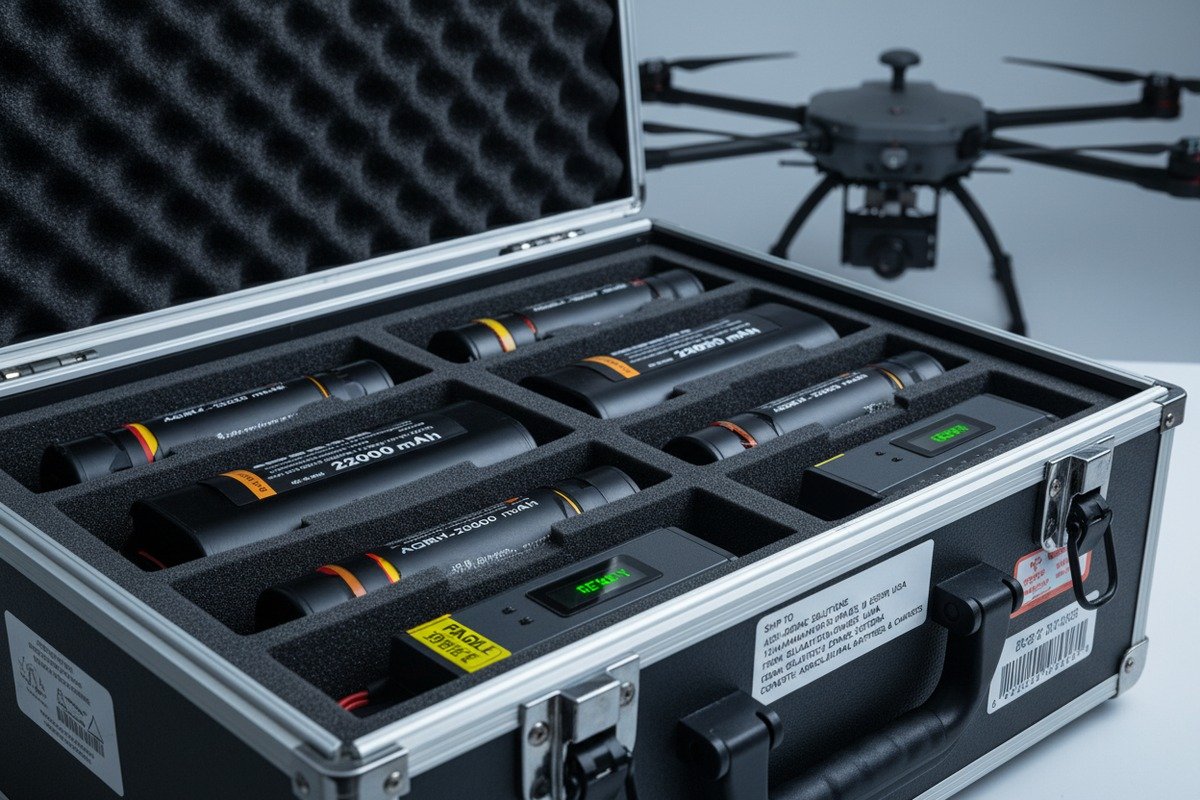
Comprensión de los componentes de costos internacionales
Los envíos internacionales implican múltiples capas de costos. Cada capa presenta oportunidades de negociación:
| Componente de costo | Rango típico | Oportunidad de negociación |
|---|---|---|
| Transporte marítimo | 800-1,500 USD/CBM | Envío consolidado |
| Transporte aéreo | 4-8 USD/kg | Asignación de peso de la batería |
| Arancel aduanero | 0-6% en drones | Optimización del código HS |
| Manejo de la batería | $50-150/envío | Exento con volumen |
| Cumplimiento de importación | $200-500/pedido | Soporte de documentación del proveedor |
Las baterías de litio añaden complejidad. Requieren embalaje especial, certificaciones de manipulación y documentación de envío. Los proveedores con experiencia en el envío internacional de baterías pueden agilizar estos requisitos.
Negociación de precios con flete incluido
Solicitar DDP (Entrega con derechos pagados) 8 o precios DDU (Delivered Duty Unpaid) en lugar de términos FOB o CIF. Bajo DDP/DDU, los proveedores gestionan la logística de flete y pueden optimizar los costos de envío en múltiples pedidos.
Cuando cotizamos precios DDP, asignamos los envíos de manera eficiente en nuestra base de clientes. Un cliente que pide cinco drones puede compartir espacio en el contenedor con otros tres pedidos. Esta consolidación reduce los costos de flete por unidad.
Pida a los proveedores que incluyan descuentos en baterías en los precios con flete incluido. La solicitud: "Necesito precios DDP a California. ¿Puede incluir dos baterías de repuesto adicionales a costo para compensar mis tarifas de aduana y manipulación?"
Aprovechamiento de la clasificación de baterías
Las baterías se enfrentan a un tratamiento aduanero variable dependiendo de la clasificación y la documentación. Las baterías integradas enviadas con drones a menudo reciben un tratamiento arancelario diferente al de las baterías de repuesto independientes.
Trabaje con proveedores que comprendan estas distinciones. Solicite la clasificación adecuada del código HS. Pida facturas comerciales que separen claramente los valores de las baterías de los valores de los drones cuando sea beneficioso para los cálculos de aranceles.
Nuestro equipo de cumplimiento ayuda a los clientes de EE. UU. a navegar por estas complejidades. Proporcionamos certificados de origen, certificaciones de seguridad de baterías (UN38.3) 9, y listas de empaque detalladas que simplifican el despacho de aduanas.
Construyendo asociaciones logísticas
Los clientes a largo plazo obtienen ventajas logísticas. Aprendemos sus requisitos de importación. Entendemos sus preferencias de agente de aduanas. Esta familiaridad reduce errores y retrasos.
Negocie beneficios logísticos junto con el precio de las baterías. Solicite asignaciones de transportistas preferidos. Solicite avisos de envío anticipados que den tiempo de preparación a su agente de aduanas. Estas mejoras operativas tienen un valor real más allá de los descuentos de precios directos.
Algunos clientes negocian el cumplimiento de importación gestionado por el proveedor. Bajo estos acuerdos, manejamos toda la documentación y coordinamos directamente con sus agentes de aduanas. El costo del servicio a menudo se compensa con retrasos reducidos y menos problemas de cumplimiento.
Programación estratégica de envíos
Los costos de envío fluctúan estacionalmente. El flete marítimo alcanza su punto máximo durante el envío navideño del cuarto trimestre. Los costos del flete aéreo se disparan durante las temporadas altas agrícolas cuando la demanda de drones aumenta.
Programe sus pedidos de baterías para evitar los períodos de envío pico. Los pedidos previos a la temporada enviados por flete marítimo cuestan significativamente menos que los envíos aéreos urgentes durante la temporada de siembra.
Negocie la retención de inventario cuando sea apropiado. Algunos proveedores comprarán y almacenarán baterías para envíos programados, fijando tarifas de flete más bajas fuera de temporada.
Conclusión
Negociar descuentos en baterías de repuesto requiere preparación, conocimiento del mercado y una sincronización estratégica. Utilice pedidos a granel, asociaciones OEM, solicitudes de paquetes y compensaciones de costos internacionales como puntos de apalancamiento. Documente todos los acuerdos por escrito para proteger sus términos negociados a lo largo del tiempo.
Notas al pie
1. Se reemplazó HTTP 404 con una página autorizada de Wikipedia sobre drones agrícolas. ↩︎
2. Se reemplazó HTTP 404 con una página autorizada de Wikipedia sobre economías de escala. ↩︎
3. Detalla las especificaciones y características de una batería LiPo común para drones. ↩︎
4. Identifica las principales plataformas para obtener componentes electrónicos al por mayor y sus características. ↩︎
5. Se reemplazó HTTP 410 con una página autorizada de Wikipedia que define Fabricante de Equipos Originales. ↩︎
6. Se reemplazó HTTP desconocido con una explicación clara de la densidad de energía de la batería. ↩︎
7. Se reemplazó HTTP 404 con una página de Wikipedia que define protección de precios. ↩︎
8. Aclara las responsabilidades de vendedores y compradores bajo los Incoterms DDP para envíos internacionales. ↩︎
9. Describe la certificación de seguridad esencial para el transporte seguro de baterías de litio. ↩︎

 English
  Español de México
  Deutsch
  Français
  Русский
  العربية
