
Cada año, nuestro equipo de atención al cliente recibe llamadas de compradores frustrados Estándares MIL-STD-810 1. Sus sensores térmicos 2 se han desviado. Sus baterías se degradaron durante el envío. ¿El culpable? Control deficiente de la temperatura en los estuches de transporte.
Para verificar el control de temperatura en los estuches de transporte de drones de extinción de incendios, solicite informes de pruebas térmicas, examine los materiales de aislamiento y los valores R, verifique el cumplimiento de los estándares MIL-STD-810 y realice pruebas independientes de registro de temperatura en condiciones de envío simuladas antes de comprometerse con pedidos al por mayor.
Esta guía le guiará a través de los pasos exactos de verificación. Aprenderá qué preguntar a los proveedores, qué pruebas son más importantes y cómo personalizar los estuches para su clima. Sumerjámonos en cada área crítica.
¿Cómo evalúo la calidad del aislamiento de un estuche de transporte para drones de extinción de incendios antes de realizar un pedido al por mayor?
Nuestro equipo de ingeniería ha probado cientos de estuches de transporte a lo largo de los años. La diferencia entre un aislamiento de calidad y un aislamiento deficiente puede significar la diferencia entre drones listos para la misión y costosos pisapapeles.
Evalúe la calidad del aislamiento comprobando el tipo de material (se prefieren espuma de poliuretano o aerogel), midiendo el valor R, inspeccionando la integridad del sellado alrededor de los cierres y solicitando informes de pruebas de conductividad térmica de terceros que muestren las tasas de transferencia de calor en condiciones controladas.

Comprensión de los materiales de aislamiento
No todo el aislamiento funciona por igual. El material dentro de su estuche de transporte determina qué tan bien protege los componentes sensibles como las cámaras térmicas y las baterías de iones de litio.
Espuma de poliuretano 3 sigue siendo el estándar de la industria para estuches de gama media. Ofrece buena resistencia térmica a un costo razonable. Sin embargo, para entornos extremos, los compuestos de aerogel brindan una protección superior. Clasificación de valor R 4 El aerogel puede ser tres veces más efectivo que la espuma tradicional y, al mismo tiempo, agregar un peso mínimo.
Cuando diseñamos estuches para clientes en regiones desérticas, a menudo recomendamos sistemas de aislamiento multicapa. Estos combinan barreras reflectantes con núcleos de espuma. La capa reflectante desvía el calor radiante. El núcleo de espuma ralentiza la transferencia de calor conductivo.
Métricas clave para solicitar a los proveedores
| Métrica | Buen rango | Excelente Rango | Por qué es importante |
|---|---|---|---|
| Valor R | 4-6 por pulgada | 7+ por pulgada | Valores más altos significan mejor aislamiento |
| Conductividad térmica 5 | 0.03-0.04 W/mK | Por debajo de 0.025 W/mK | Valores más bajos ralentizan la transferencia de calor |
| Compresión del Sello | 20-30% | 15-20% | La compresión adecuada previene huecos de aire |
| Rango de temperatura | -20°C a 50°C | -30°C a 60°C | Debe superar sus condiciones de envío |
Pruebas Prácticas Antes de Pedidos a Granel
Antes de realizar un pedido grande, solicite cajas de muestra. Realice sus propias pruebas. Coloque registradores de datos de temperatura dentro de la caja. Coloque la caja en un congelador a -20°C durante 24 horas. Registre la rapidez con la que descienden las temperaturas internas.
Luego, invierta la prueba. Coloque la caja bajo la luz solar directa o en un ambiente calentado a 45°C. Supervise cuánto tiempo la caja mantiene temperaturas internas seguras. Las cajas de calidad deben mantener las temperaturas internas dentro de rangos seguros durante al menos 8-12 horas en condiciones extremas.
Nuestro equipo de control de calidad utiliza este protocolo exacto. Rechazamos cualquier diseño de caja que permita que las temperaturas internas superen los rangos seguros para baterías dentro de las 6 horas de exposición.
Señales de alerta a las que hay que prestar atención
Esté atento a los proveedores que no pueden proporcionar especificaciones de aislamiento específicas. Las afirmaciones vagas como "materiales de alta calidad" no significan nada. Exija números. Pida datos de prueba.
Inspeccione también las muestras físicas para detectar huecos en la cobertura de espuma. Mire las esquinas y alrededor de los puntos de montaje del hardware. Estas áreas a menudo tienen puntos delgados. Los huecos de aire destruyen la efectividad del aislamiento.
¿Qué informes de pruebas térmicas debo solicitar a mi proveedor para garantizar la seguridad de la batería de mi dron?
Cuando los compradores se ponen en contacto con nuestro equipo de ventas, la seguridad de la batería es su principal preocupación. Las baterías de iones de litio en drones de extinción de incendios pueden fallar catastróficamente si se exponen a temperaturas extremas. La documentación adecuada protege tanto su inversión como su reputación.
Solicitar informes de prueba de choque térmico y ciclado de temperatura MIL-STD-810, certificados de cumplimiento de transporte de baterías UN38.3, mediciones de conductividad térmica de laboratorio independiente y datos de simulación de envío en el mundo real que muestren las temperaturas internas de la carcasa durante escenarios de tránsito de 72 horas.

Certificaciones y Estándares Esenciales
MIL-STD-810 es el estándar de oro para las pruebas ambientales. Esta especificación militar incluye procedimientos específicos para pruebas de temperatura. El método 501.7 cubre la exposición a altas temperaturas. El método 502.7 cubre las pruebas a bajas temperaturas. El método 503.7 aborda el choque térmico.
Pida a su proveedor informes de prueba que muestren que sus cajas pasaron estos métodos. Los informes deben incluir rangos de temperatura específicos probados, duraciones de exposición y criterios de aprobación/fallo.
Certificación UN38.3 7 es obligatorio para el envío internacional de baterías de litio. Si bien esta norma se centra en las baterías en sí, su caja de transporte debe cumplir con la normativa UN38.3. La caja debe evitar daños en la batería que puedan comprometer esta certificación.
Informes de Prueba Críticos a Solicitar
| Tipo de informe | Lo que muestra | Por qué lo necesita |
|---|---|---|
| MIL-STD-810 Método 501.7 | Rendimiento a alta temperatura hasta 71°C | Valida la protección en climas cálidos |
| MIL-STD-810 Método 502.7 | Rendimiento a baja temperatura hasta -51°C | Valida la protección en climas fríos |
| Prueba de Ciclo Térmico | Efectos de la exposición repetida al calor/frío | Muestra durabilidad a largo plazo |
| Simulación de Tránsito | Rendimiento en condiciones reales de envío | Prueba la efectividad en el mundo real |
| Resistencia a la Humedad | Prevención de intrusión de humedad | Protege contra daños por condensación |
Comprensión de la Metodología de Pruebas Térmicas
Los proveedores de calidad realizan pruebas térmicas en cámaras controladas. Colocan sensores de temperatura en varios puntos dentro de la caja. Registran datos continuamente durante los períodos de exposición.
Solicite los datos brutos, no solo resúmenes de aprobado/fallido. Observe las curvas de temperatura. ¿Qué tan rápido respondieron las temperaturas internas a los cambios externos? ¿Se desarrollaron puntos calientes cerca de los compartimentos de la batería?
Nuestras instalaciones de prueba realizan simulaciones de envío de 72 horas. Replicamos las condiciones reales de envío, incluyendo fluctuaciones de temperatura desde el almacén hasta el camión y la bodega de carga del avión. Este enfoque del mundo real detecta problemas que las pruebas de laboratorio pasan por alto.
Requisitos de temperatura específicos para baterías
Las baterías de drones de extinción de incendios tienen requisitos específicos de temperatura de almacenamiento. La mayoría de las celdas de iones de litio prefieren el almacenamiento entre 15 °C y 25 °C. Pueden tolerar la exposición a corto plazo de -20 °C a 45 °C. La exposición prolongada fuera de estos rangos causa una pérdida de capacidad permanente.
| Condición de la batería | Impacto de la temperatura | ¿Recuperación posible? |
|---|---|---|
| Breve exposición al frío (-20 °C, <24 horas) | Reducción temporal de la capacidad | Sí, recuperación completa |
| Exposición prolongada al frío (-20 °C, >72 horas) | Daño del electrolito | Recuperación parcial |
| Breve exposición al calor (45 °C, <24 horas) | Envejecimiento acelerado | No, daño permanente |
| Exposición prolongada al calor (45 °C, >72 horas) | Degradación severa | No, pérdida significativa de capacidad |
Su estuche de transporte debe mantener las temperaturas internas dentro de rangos seguros durante toda la duración del envío. Para envíos internacionales, esto a menudo significa de 5 a 7 días en entornos no controlados.
Verificación de la autenticidad del informe
Desafortunadamente, algunos proveedores proporcionan informes de prueba falsos o manipulados. Verifique la autenticidad contactando directamente al laboratorio de pruebas que figura en la lista. Los laboratorios de buena reputación mantienen registros y confirmarán si probaron productos específicos.
Busque la acreditación ISO 17025 en la documentación del laboratorio de pruebas. Esta norma internacional garantiza que el laboratorio sigue los procedimientos de prueba adecuados y mantiene equipos calibrados.
¿Puedo personalizar las funciones de control de temperatura de las carcasas de mi dron para satisfacer las demandas climáticas locales específicas?
Nuestro equipo de diseño trabaja con clientes desde los desiertos de Arizona hasta la naturaleza salvaje de Alaska. Cada región exige soluciones diferentes. Lo que funciona en climas templados falla en entornos extremos.
Sí, los fabricantes de renombre ofrecen características personalizables de control de temperatura que incluyen materiales de aislamiento mejorados, sistemas activos de calefacción o refrigeración, revestimientos térmicos especializados, módulos de control de humedad y sistemas integrados de monitoreo de temperatura adaptados a sus desafíos climáticos específicos y requisitos operativos.

Opciones de personalización pasiva
Los sistemas pasivos no requieren energía. Son más simples, más ligeros y más confiables que los sistemas activos. Para la mayoría de los climas, los sistemas pasivos bien diseñados brindan protección adecuada.
Las mejoras de aislamiento son la personalización más común. Podemos reemplazar el poliuretano estándar por espuma de celda cerrada con valores R más altos. Para regiones de frío extremo, agregamos barreras térmicas reflectantes que atrapan el calor corporal del equipo.
Las placas de masa térmica ayudan a moderar los cambios de temperatura. Estos materiales densos absorben calor durante los períodos calurosos y lo liberan durante los períodos fríos. Suavizan los picos de temperatura que dañan la electrónica sensible.
Materiales de cambio de fase 8 ofrecen protección pasiva avanzada. Estas sustancias absorben grandes cantidades de energía al fundirse y la liberan al solidificarse. Mantienen rangos de temperatura específicos sin ninguna fuente de energía.
Sistemas de Control de Temperatura Activo
Para entornos extremos, pueden ser necesarios sistemas activos. Estos incluyen elementos calefactores alimentados por batería para climas fríos y sistemas de refrigeración compactos para climas cálidos.
Cuando construimos estuches para clientes en mercados de Oriente Medio, a menudo integramos pequeños enfriadores termoeléctricos. Estos dispositivos de efecto Peltier pueden reducir las temperaturas internas entre 10 y 15 °C por debajo de la temperatura ambiente. La contrapartida es el consumo de energía y el peso añadido.
Para clientes de climas fríos, instalamos almohadillas térmicas flexibles conectadas a pequeños paquetes de baterías. Estas mantienen las temperaturas de la batería por encima del punto de congelación durante el transporte invernal. Los paneles solares en el exterior del estuche pueden complementar la energía de la batería durante el almacenamiento prolongado.
Enfoques de Diseño Modular
Los compradores inteligentes solicitan sistemas modulares. En lugar de configuraciones fijas, los estuches modulares le permiten intercambiar componentes térmicos según los requisitos de la misión.
Nuestro diseño modular más popular utiliza insertos de revestimiento térmico intercambiables. Las operaciones de verano utilizan revestimientos optimizados para la disipación de calor. Las operaciones de invierno cambian a revestimientos diseñados para la retención de calor. El mismo estuche base satisface las necesidades durante todo el año.
| Zona Climática | Características Pasivas Recomendadas | Características Activas Recomendadas |
|---|---|---|
| Desierto/Cálido Árido | Exterior reflectante, diseño ventilado | Enfriador termoeléctrico, energía solar |
| Tropical/Húmedo | Barreras de vapor, sistemas desecantes | Deshumidificador, diseño sellado |
| Frío/Ártico | Aislamiento multicapa, masa térmica | Calentadores, paquete de baterías aislado |
| Templado | Espuma de celda cerrada estándar | Solo monitoreo opcional |
Integración con Gestión de Flotas
La personalización avanzada incluye monitoreo de temperatura que se conecta al software de gestión de flotas. Los sensores dentro del estuche transmiten datos en tiempo real. Usted sabe exactamente qué condiciones experimentó su equipo durante el tránsito.
Esta integración de datos sirve para múltiples propósitos. Documenta el manejo adecuado para reclamaciones de garantía. Le alerta sobre problemas de envío antes de que llegue el equipo. Crea datos históricos que muestran qué rutas de envío causan el mayor estrés de temperatura.
Cuando trabajamos con contratistas gubernamentales, a menudo construimos estuches con registro de temperatura a prueba de manipulaciones. El sistema registra cualquier excursión de temperatura y no se puede restablecer. Esto crea una cadena de custodia de documentación ininterrumpida.
¿Cómo puedo estar seguro de que el estuche de transporte mantendrá un ambiente interno estable durante el envío de larga distancia a mi almacén?
Los contenedores de envío se asientan en pistas calientes. Las bodegas de carga se congelan en altitud. Los camiones se cuecen al sol de verano. Nuestro equipo de exportación ha visto equipos dañados por todos los escenarios imaginables. La verificación antes del envío evita sorpresas costosas.
Asegurar entornos internos estables exigiendo la colocación de registradores de temperatura antes del envío, estableciendo umbrales máximos de variación de temperatura en los contratos de compra, solicitando análisis térmicos de las rutas de envío e implementando el seguimiento de temperatura GPS en tiempo real para envíos de alto valor.
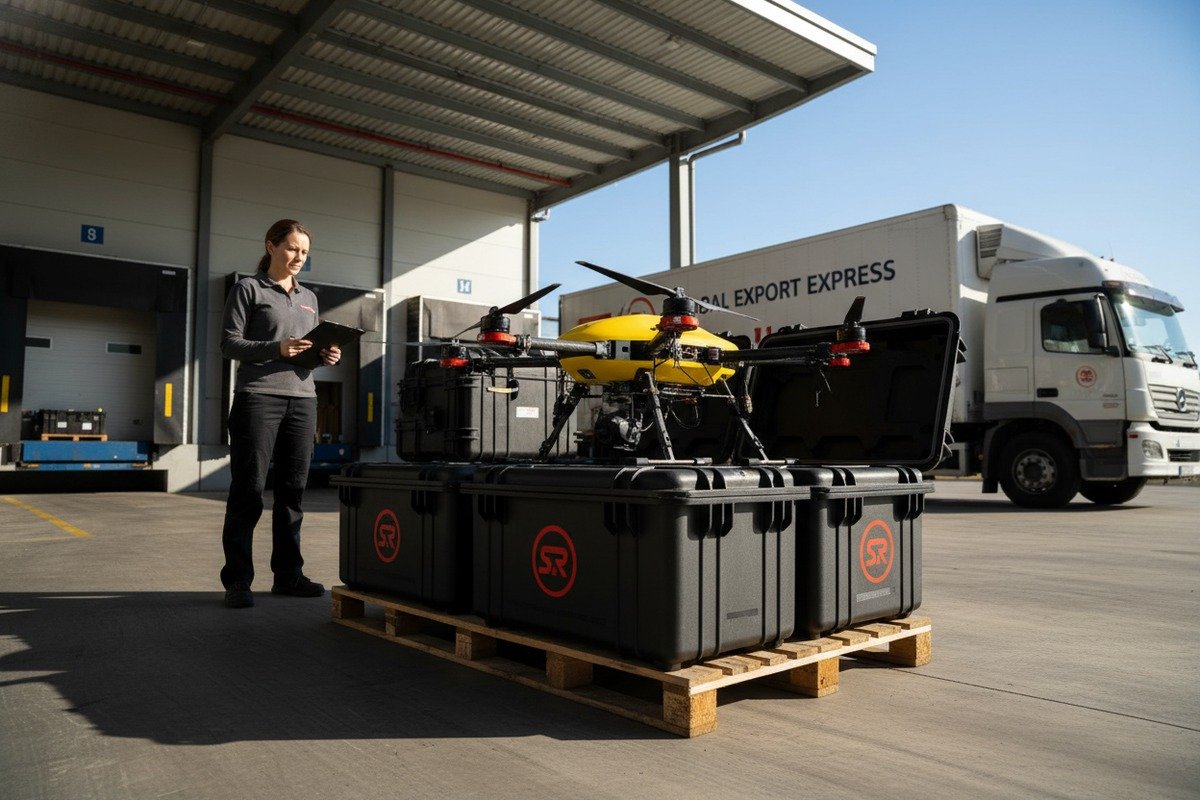
Protocolo de Verificación Pre-Envío
Antes de que cualquier envío a granel salga de nuestras instalaciones, ofrecemos a los compradores la opción de colocar sus propios registradores de temperatura dentro de las cajas. Estos registradores independientes registran las temperaturas durante el tránsito. Cuando llegan los envíos, los compradores pueden verificar que las condiciones cumplieron con las especificaciones.
Este protocolo de verificación debe incluirse en su contrato de compra. Especifique los rangos de temperatura aceptables. Defina qué sucede si las temperaturas exceden los límites. Deje claro quién asume la responsabilidad por los daños relacionados con la temperatura.
Comprensión de los Riesgos de la Ruta de Envío
Las diferentes rutas de envío presentan diferentes desafíos térmicos. El transporte aéreo implica cambios rápidos de altitud que causan condensación. El transporte marítimo significa una exposición prolongada al calor tropical en los contenedores de envío. El transporte terrestre varía enormemente según la estación y la geografía.
Trabaje con su proveedor para analizar su ruta de envío específica. Mapee dónde es más probable que ocurran temperaturas extremas. Planifique la protección en consecuencia.
| Modo de transporte | Riesgo Térmico Primario | Duración típica | Prioridad de protección |
|---|---|---|---|
| Transporte aéreo | Cambios rápidos de temperatura, condensación | 1-3 días | Control de humedad, aislamiento |
| Transporte marítimo | Calor sostenido en contenedores | 2-6 semanas | Aislamiento máximo, masa térmica |
| Camión Terrestre | Variable según ruta/estación | 1-7 días | Personalización específica de la ruta |
| Multimodal | Riesgos combinados | Variable | Protección integral |
Soluciones de monitoreo en tiempo real
Para envíos de alto valor, el monitoreo en tiempo real brinda tranquilidad. Los registradores de temperatura con GPS transmiten datos durante el tránsito. Usted ve las condiciones a medida que ocurren, no después de que ocurra el daño.
Varios servicios de terceros ofrecen este monitoreo. Los dispositivos se adjuntan a las cajas e informan a través de redes celulares. Las alertas le notifican inmediatamente si las temperaturas exceden los límites seguros. Algunos servicios incluso se coordinan con los transportistas para redirigir envíos que muestran problemas.
Nuestro equipo utiliza este monitoreo para envíos a regiones de clima extremo. Hemos intervenido varias veces cuando el monitoreo mostró problemas en desarrollo. Una simple llamada al transportista puede trasladar la carga a almacenamiento con control de temperatura antes de que ocurra el daño.
Protecciones contractuales
Su acuerdo de compra debe incluir disposiciones específicas de control de temperatura. Defina los rangos de temperatura interna aceptables durante el tránsito. Especifique los requisitos de monitoreo. Establezca la responsabilidad por daños relacionados con la temperatura.
Considere exigir al proveedor que mantenga un seguro de carga que cubra los daños por temperatura. El seguro de flete estándar a menudo excluye esta cobertura. Hay cláusulas adicionales disponibles, pero deben solicitarse específicamente.
La documentación es importante para las reclamaciones. Cuando enviamos a clientes con requisitos estrictos, fotografiamos la colocación del registrador de temperatura, registramos las temperaturas iniciales de la caja y proporcionamos documentación de cadena de custodia. Esta evidencia respalda las reclamaciones de garantía si ocurren problemas.
Procedimientos de inspección a la llegada
Establezca un procedimiento de inspección estándar cuando lleguen los envíos. Verifique los datos del registrador de temperatura de inmediato. Abra las cajas en entornos con control de temperatura. Permita que el equipo se estabilice a temperatura ambiente antes de encenderlo.
Los sensores térmicos y las baterías pueden parecer bien, pero tienen daños ocultos por la exposición a la temperatura. Las baterías pueden mostrar un voltaje normal pero tener una capacidad reducida. Las cámaras térmicas pueden encenderse pero salirse de calibración. Una inspección adecuada detecta estos problemas durante los períodos de garantía.
Conclusión
La verificación del control de temperatura protege su inversión y sus operaciones. Solicite la documentación adecuada, pruebe las muestras de forma independiente y personalice las soluciones para su clima. Sus drones de extinción de incendios dependen de ello.
Notas al pie
1. Proporciona información sobre el estándar de prueba ambiental MIL-STD-810. ↩︎
2. Explica la función y los tipos de sensores térmicos para la medición de temperatura. ↩︎
3. Detalla las propiedades y usos de la espuma de poliuretano como material aislante. ↩︎
4. Reemplazó HTTP 404 con una página autorizada del Departamento de Energía que define y explica el valor R para el aislamiento. ↩︎
5. Reemplazó HTTP 404 con una página de Wikipedia que proporciona una definición y explicación completa de la conductividad térmica. ↩︎
6. Explica el concepto de conductividad térmica y su medición. ↩︎
7. Reemplazó HTTP 403 con una página autorizada de la FAA que detalla las regulaciones y los requisitos de prueba de seguridad para el transporte de baterías de litio, que incluye UN38.3. ↩︎
8. Reemplazó HTTP 404 con una página de Wikipedia que ofrece una descripción general y autorizada de los materiales de cambio de fase. ↩︎
9. Describe cómo funcionan los materiales de cambio de fase para la regulación de la temperatura. ↩︎

 English
  Español de México
  Deutsch
  Français
  Русский
  العربية
