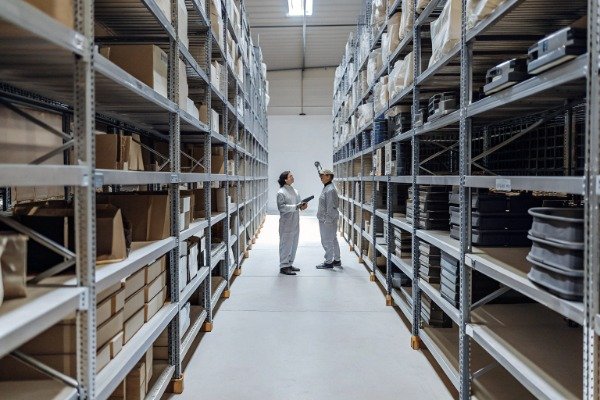
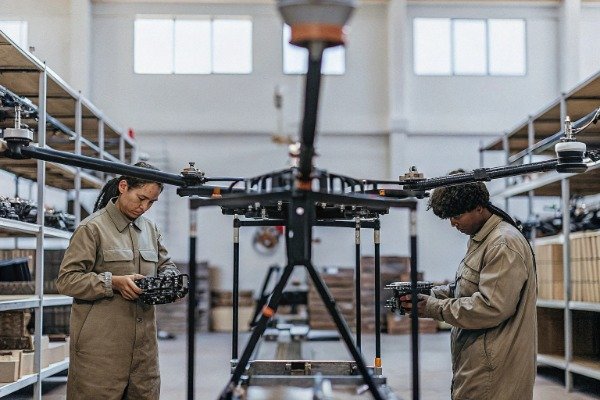
En nuestra fábrica de Chengdu, vemos de primera mano cómo un solo microchip faltante puede detener toda una línea de producción. Cuando hay vidas en juego durante la temporada de incendios, necesita entregas confiables, no excusas sobre logística.
Para evaluar la resiliencia, verifique si el proveedor mantiene existencias de seguridad de componentes críticos como sensores térmicos y controladores de vuelo. Verifique la diversificación geográfica en su cadena de suministro para evitar la dependencia de un solo país. Solicite pruebas de proveedores alternativos para motores y baterías para garantizar la producción continua durante las interrupciones globales.
Veamos las preguntas específicas que debe hacer para asegurarse de que su flota permanezca en el aire cuando más la necesite.
¿El proveedor mantiene un stock de seguridad de componentes críticos?
Cuando planificamos nuestro inventario, sabemos que los modelos de entrega justo a tiempo a menudo fallan durante las crisis. No puede permitirse esperar meses por una cámara térmica mientras los incendios forestales se propagan por su región.
modelos de entrega justo a tiempo 1
Un proveedor resiliente debe mantener al menos seis meses de stock de seguridad para artículos de larga entrega como semiconductores y sensores. Pregunte por sus niveles de inventario actuales de piezas patentadas y verifique si utilizan análisis predictivos para pronosticar escaseces antes de que afecten su plazo de entrega.
La realidad de la disponibilidad de componentes
En la industria de drones industriales, la cadena de suministro es tan fuerte como su eslabón más débil. Hemos aprendido que los "componentes críticos" no son solo los controladores de vuelo de alta tecnología o las cámaras de imagen térmica; también son los conectores específicos y los chips de administración de energía que unen el sistema. Al evaluar a un proveedor, debe mirar más allá de su inventario de productos terminados. Debe comprender su estrategia de materias primas.
Muchos fabricantes operan con un modelo "lean" para ahorrar costos. Sin embargo, en el sector de lucha contra incendios, esto es una desventaja. Un proveedor robusto debe tener una "reserva estratégica" de componentes que históricamente tienen largos plazos de entrega. Por ejemplo, durante la escasez global de semiconductores, las empresas sin un stock de chips MCU no pudieron enviar unidades durante más de un año.
escasez global de semiconductores 2
H3 – Identificación de Componentes de Alto Riesgo
Debe pedirle al proveedor un desglose de qué componentes se consideran "de alto riesgo" y cuál es su stock de seguridad específico para cada uno. Una respuesta vaga como "tenemos mucho stock" es una señal de alerta. Quiere números o plazos específicos.
| Categoría de componentes | Nivel de riesgo | Stock de seguridad recomendado | Por qué es importante |
|---|---|---|---|
| Thermal Sensors | Alto | 6-9 Meses | producción especializada; pocos proveedores globales. |
| Controladores de vuelo | Alto | 6 Meses | Requiere chips específicos; el rediseño lleva meses. |
| Motores y ESC | Medio | 3-4 Meses | Los bobinados personalizados llevan tiempo; fluctuación del precio de las materias primas. |
| Armazones de fibra de carbono | Bajo | 1-2 Meses | Más fácil de obtener localmente o fabricar internamente. |
H3 – El Papel del Análisis Predictivo
La gestión moderna de la cadena de suministro va más allá de contar cajas en un estante. Los fabricantes líderes ahora utilizan IA y análisis predictivo para anticipar interrupciones. Al analizar puntos de datos como tensiones geopolíticas, índices de precios de materias primas y congestión de rutas de envío, podemos ajustar nuestras adquisiciones con meses de antelación.
análisis predictivo 3
Cuando hable con un proveedor potencial, pregúntele cómo pronostica la demanda. ¿Se basan únicamente en las ventas del año pasado o introducen factores de riesgo globales? Es mucho más probable que un proveedor que utiliza herramientas digitales para modelar escenarios de interrupción entregue sus drones de extinción de incendios a tiempo, incluso cuando el resto del mercado está paralizado.
¿Tienen proveedores alternativos para motores y baterías?
Nuestro equipo de ingeniería dedica meses a validar opciones de segunda fuente para los sistemas de propulsión porque sabemos que depender de un solo socio es peligroso. Depender de un solo proveedor de baterías es una apuesta que pone en riesgo la preparación de su misión.
Debe confirmar que el fabricante ha validado al menos dos proveedores alternativos para componentes de alto riesgo como baterías y motores. Esta redundancia garantiza que si un proveedor se enfrenta a un cierre de fábrica o a una prohibición de exportación, su pedido de drones aún se puede cumplir sin retrasos significativos.
La necesidad de redundancia
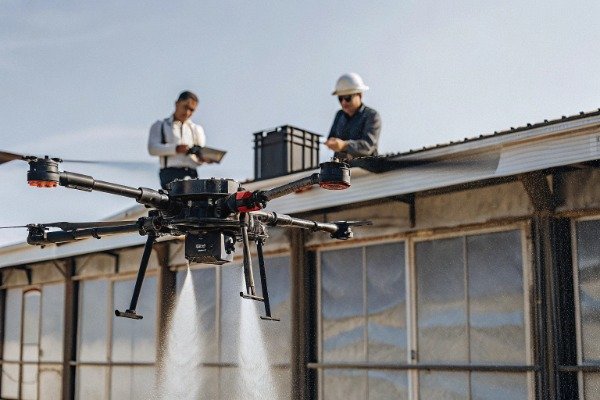
Tener un "proveedor alternativo" en papel no es suficiente. En nuestra experiencia, simplemente enumerar un proveedor de respaldo no garantiza la resiliencia. Los componentes de respaldo deben estar completamente integrados y probados con la plataforma del dron. antes de golpea una crisis. Si falla un proveedor de motores principal, el fabricante no puede simplemente reemplazar un motor diferente sin recalibrar el software de control de vuelo y realizar pruebas de resistencia.
Cuando audite a un proveedor, pida ver su "Lista de proveedores aprobados" (AVL). Para cada componente crítico, debe haber una fuente principal y al menos una fuente secundaria activa. Si afirman que su producto es único y que solo una fábrica en el mundo fabrica la pieza, ese es un punto único de falla que debe evitar.
H3 – Diversificación Geográfica
Las interrupciones en la cadena de suministro a menudo son localizadas. Un cierre en una ciudad, una huelga portuaria en un país o la aplicación de un arancel comercial pueden cortar el acceso a una región específica. Por lo tanto, una cadena de suministro verdaderamente resiliente es geográficamente diversa.
Si obtenemos nuestras baterías de una fábrica de primer nivel en Shenzhen, nuestro proveedor alternativo podría estar ubicado en una provincia diferente o incluso en un país diferente como Corea del Sur o Vietnam. Esto asegura que un evento regional no detenga toda su flota. Para los compradores estadounidenses preocupados por el cumplimiento de la NDAA o las guerras comerciales, comprender el país de origen de estos subcomponentes es vital.
Cumplimiento de la NDAA 4
H3 – Validación de las alternativas
Debe verificar que las piezas alternativas mantengan los mismos estándares de rendimiento. Un dron de extinción de incendios que transporta una carga pesada necesita una potencia de salida constante.
| Paso de validación | Descripción | Pregunta del comprador |
|---|---|---|
| Pruebas de Integración | Asegurar que la pieza de respaldo funcione con el software existente. | "¿Han probado en vuelo los motores de respaldo con el firmware actual?" |
| Certificación | Asegurar que la pieza de respaldo cumpla con los estándares de seguridad (por ejemplo, UN38.3 para baterías). | "¿Las baterías alternativas tienen las mismas certificaciones de seguridad?" |
| Verificación de capacidad | Asegurar que el proveedor de respaldo pueda manejar el volumen. | "¿Puede el proveedor secundario aumentar la producción si falla el principal?" |
Al profundizar en estos detalles, usted separa a los fabricantes que simplemente esperan que nada salga mal de aquellos que han planificado para cuando las cosas inevitablemente suceden.
¿Cómo manejaron los retrasos en la producción durante las escaseces globales anteriores?
Durante la pandemia, trabajamos horas extras para asegurar los canales logísticos para nuestros clientes, a menudo pagando primas para garantizar la entrega. El historial de un proveedor revela si entran en pánico o se adaptan cuando las cadenas de suministro globales se rompen.
Investigue el rendimiento de entrega del proveedor durante interrupciones pasadas como la pandemia de COVID-19 o la escasez de chips. Solicite estudios de caso o referencias que demuestren su capacidad para navegar por los cuellos de botella logísticos y mantener los plazos de entrega cuando los competidores obligaban a los clientes a esperar indefinidamente.
Las acciones hablan más que las promesas
El mejor predictor del comportamiento futuro es el rendimiento pasado. Cada fabricante afirma ser confiable cuando los mares están en calma. La verdadera prueba llega cuando golpea la tormenta. El período entre 2020 y 2022 proporcionó una prueba de estrés perfecta para toda la industria de drones industriales.
Algunos fabricantes se quedaron en silencio, extendiendo los plazos de entrega de 4 semanas a 40 semanas sin explicación. Otros, que habían invertido en existencias de seguridad y diversificado la logística, lograron mantener los envíos en movimiento, aunque a un costo mayor. Necesita averiguar en qué categoría cae su proveedor potencial.
H3 – Preguntas para Verificaciones de Referencias
Cuando contacte a clientes existentes del proveedor (lo cual absolutamente debe hacer), no pregunte solo si les gusta el dron. Pregunte específicamente sobre los momentos difíciles.
- "¿Cumplió el proveedor sus fechas de entrega durante la última crisis de la cadena de suministro?"
- "¿Intentaron trasladarle aumentos repentinos de precios de materias primas después de firmar el contrato?"
- "¿Cómo manejaron la logística cuando se redujo la capacidad de carga aérea?"
H3 – La Cláusula de "Fuerza Mayor"
Revise los términos del contrato con respecto a "Fuerza Mayor". Si bien estas cláusulas protegen a los fabricantes de eventos incontrolables, también pueden usarse como un escudo para una mala planificación. Un proveedor centrado en la resiliencia tendrá cláusulas que describan los pasos específicos que tomará antes de al declarar Fuerza Mayor.
Por ejemplo, un contrato centrado en el cliente podría indicar que, en caso de escasez de suministro, el fabricante se compromete a priorizar los pedidos de servicios de emergencia (como extinción de incendios) sobre los pedidos comerciales o recreativos. Este nivel de compromiso demuestra que comprenden la naturaleza crítica de su trabajo.
H3 – Análisis de caso de estudio
Solicite al proveedor un caso de estudio que detalle un desafío específico de la cadena de suministro que superó.
- Escenario: Una escasez repentina de aleación de magnesio para fuselajes.
- Proveedor Reactivo: Retrasa el pedido en 3 meses.
- Proveedor Resiliente: Activa un proveedor secundario, absorbe el aumento de costo de 10% para mantener el cronograma e informa al cliente de inmediato.
Si no pueden proporcionar un ejemplo de un problema que resolvieron, implica que o bien no han estado en el negocio el tiempo suficiente o carecen de la transparencia para discutir sus desafíos.
¿Cuál es su política para notificar a los clientes sobre posibles problemas?
Creemos en decirles la verdad a los clientes de inmediato, incluso cuando son malas noticias sobre un envío. El silencio durante un retraso destruye la confianza y le impide hacer planes de contingencia necesarios para su departamento de bomberos.
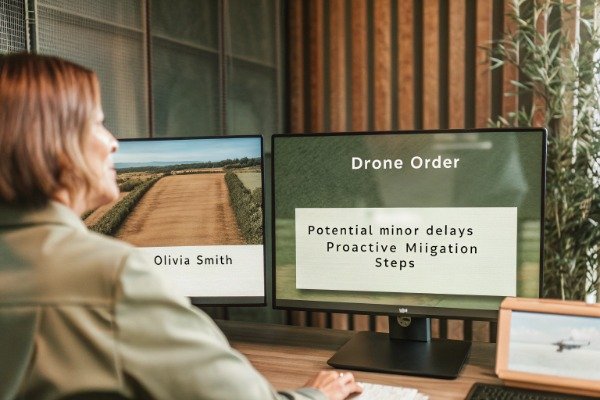
Asegúrese de que el proveedor tenga un protocolo de comunicación claro para las alertas de la cadena de suministro, idealmente notificándole con semanas de anticipación sobre posibles retrasos. Busque transparencia en sus informes y la voluntad de compartir actualizaciones de producción en tiempo real en lugar de esconderse detrás de promesas vagas hasta la fecha de entrega.
La importancia de la transparencia radical
En la adquisición de equipos industriales, las malas noticias entregadas a tiempo son manejables; las malas noticias entregadas tarde son un desastre. Si su departamento espera que una flota de drones de extinción de incendios esté operativa al comienzo de la temporada de incendios de verano, enterarse de un retraso una semana antes de la entrega es inaceptable.
Un proveedor confiable lo trata como un socio. Esto significa compartir visibilidad en su cronograma de producción. En nuestras instalaciones, proporcionamos actualizaciones en hitos clave: cuando llegan las materias primas, cuando comienza el ensamblaje y cuando se concluyen las pruebas finales. Esto permite a nuestros clientes ver el progreso y, lo que es más importante, detectar posibles estancamientos.
H3 – Protocolos de Comunicación
Debes establecer un protocolo de comunicación antes de firmar el contrato. Esto define quién llama a quién y cuándo.
- Informes de Estado Semanales: Para pedidos grandes, un resumen semanal por correo electrónico del estado de la producción es estándar.
- Sistema de Alerta Temprana: El proveedor debe acordar notificarte dentro de las 48 horas posteriores a la identificación de cualquier riesgo que pueda retrasar la entrega en más de un margen específico (por ejemplo, 5 días).
- Punto Único de Contacto: Necesitas un gerente de cuenta dedicado, no una dirección de correo electrónico genérica de "soporte@".
H3 – Herramientas de Seguimiento Digital
Estamos viendo una tendencia hacia la transformación digital en la gestión de la cadena de suministro. Los proveedores avanzados brindan acceso a un portal para clientes donde puedes rastrear tu pedido en tiempo real, similar a cómo rastreas un paquete de consumidor, pero con más granularidad.
| Característica | Proveedor básico | Proveedor Avanzado |
|---|---|---|
| Estado del Pedido | "Procesando" o "Enviado" | Materia Prima, Ensamblaje, Control de Calidad, Empaque, Aduanas |
| Notificación de Retraso | Correo electrónico después de que pasó la fecha límite | Alerta automatizada ante desviación del cronograma |
| Visibilidad del inventario | Ninguno | Visibilidad de la disponibilidad de repuestos |
H3 – Gestión de expectativas vs. realidad
Desconfíe de los proveedores que prometen "cero demoras". En el comercio internacional, especialmente cuando se trata de electrónica compleja como drones, las demoras menores son inevitables. Un proveedor que promete la perfección probablemente esté ocultando algo.
En su lugar, busque un proveedor que diga: "Actualmente tenemos un margen de 2 semanas en nuestro cronograma para tener en cuenta posibles demoras en aduanas". Esto demuestra que son realistas y han incluido tiempo de contingencia en su fecha de entrega prometida. La comunicación honesta sobre los riesgos es un sello distintivo de una empresa madura y resiliente.
¿Están los drones diseñados para reparación modular y mantenimiento local?
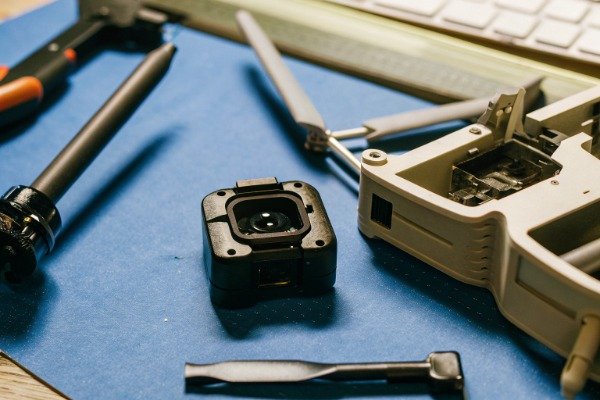
Diseñamos nuestros chasis SkyRover para que sean modulares, de modo que pueda cambiar piezas fácilmente sin tener que devolver la unidad. Si un proveedor lo encierra en un ecosistema cerrado, una rotura menor lo dejará inoperativo durante semanas.
Evalúe si el dron presenta un diseño modular que admita reparaciones locales utilizando piezas estándar o impresas en 3D. Los proveedores que ofrecen kits de reparación y manuales de mantenimiento abiertos le permiten evitar demoras de envío y mantener su flota operativa durante las interrupciones de la cadena de suministro.

El "derecho a reparar" como estrategia de cadena de suministro
La resiliencia de la cadena de suministro no se trata solo de entregar el dron; se trata de mantenerlo volando durante años. El mayor punto de dolor que escuchamos de los clientes es que un dron de $20,000 está inoperativo porque se rompió un soporte de plástico de $5 y la pieza de repuesto está en espera de envío desde el extranjero.
Para mitigar esto, debe evaluar la "reparabilidad" del dron. Una estrategia de cadena de suministro resiliente incluye empoderar al usuario final. ¿El fabricante le permite reparar el dron usted mismo? ¿Venden "kits de choque" o "kits de mantenimiento" que pueda almacenar localmente?
H3 – Modularidad y estandarización
Busque drones que utilicen componentes industriales estándar siempre que sea posible. Si un dron utiliza un soporte de hélice propietario que solo se puede comprar en una fábrica, usted es vulnerable. Si utiliza patrones de montaje estándar, es posible que pueda obtener piezas compatibles de varios proveedores.
Piezas impresas en 3D 5
Además, el diseño debe ser modular. La carga útil de la cámara debe ser desmontable. Los brazos deben ser reemplazables individualmente en lugar de requerir un chasis completamente nuevo. Esta modularidad significa que solo necesita almacenar piezas más pequeñas y económicas para garantizar la continuidad.
Fuerza Mayor 6
H3 – Impresión 3D y fabricación local
Una tendencia emergente en la resiliencia de la cadena de suministro es la distribución de archivos digitales en lugar de piezas físicas. Algunos fabricantes con visión de futuro ahora proporcionan archivos STL para piezas de plástico no críticas (como patines de tren de aterrizaje o soportes de antena).
UN38.3 para baterías 7
Esto permite que su equipo de mantenimiento imprima en 3D una pieza de repuesto in situ. Si bien esto no se aplica a la electrónica compleja, resuelve una gran cantidad de problemas mecánicos menores que normalmente causan tiempo de inactividad.
cámaras de imagen térmica 8
| Capacidad de reparación | Ecosistema cerrado | Ecosistema abierto/modular |
|---|---|---|
| Reemplazo de hélice | Propietario, debe pedir al OEM | Montaje estándar, varias marcas disponibles |
| Piezas de plástico pequeñas | Pedir y esperar 2 semanas | Imprimir en 3D in situ en 4 horas |
| Cambio de batería | Solo baterías con bloqueo DRM | Baterías inteligentes estándar u opciones desbloqueadas |
| Documentación | Secreto / Solo centro de servicio | Se proporcionan esquemas completos y manuales de reparación |
Al priorizar la modularidad y las capacidades de reparación local, acorta eficazmente su cadena de suministro de miles de kilómetros a cero.
Chips MCU 9
Conclusión
Para garantizar que su flota de extinción de incendios nunca falle, evalúe a los proveedores en busca de existencias de seguridad profundas, proveedores alternativos verificados y un historial probado de manejo de crisis. Priorice los diseños modulares y la comunicación transparente para garantizar la preparación para la misión.
existencias de seguridad 10
Notas al pie
1. Explica la estrategia de inventario ajustado que se contrasta con las prácticas resilientes. ↩︎
2. Proporciona contexto sobre la crisis específica de la cadena de suministro histórica mencionada. ↩︎
3. Explica el método de análisis de datos utilizado para anticipar las interrupciones de la cadena de suministro. ↩︎
4. Proporciona antecedentes sobre la legislación estadounidense que afecta la adquisición de drones. ↩︎
5. Explica la tecnología de fabricación sugerida para reparaciones locales. ↩︎
6. Definición legal de la cláusula contractual sobre eventos incontrolables. ↩︎
7. Fuente autorizada sobre las normas de seguridad para el transporte de baterías de litio. ↩︎
8. Detalla la tecnología detrás de los sensores críticos discutidos. ↩︎
9. Define el componente electrónico específico citado como un cuello de botella. ↩︎
10. Define la estrategia de gestión de inventario recomendada para componentes críticos. ↩︎

 English
  Español de México
  Deutsch
  Français
  Русский
  العربية
Comments
No comments yet. Be the first to share your thoughts!
Leave a Comment