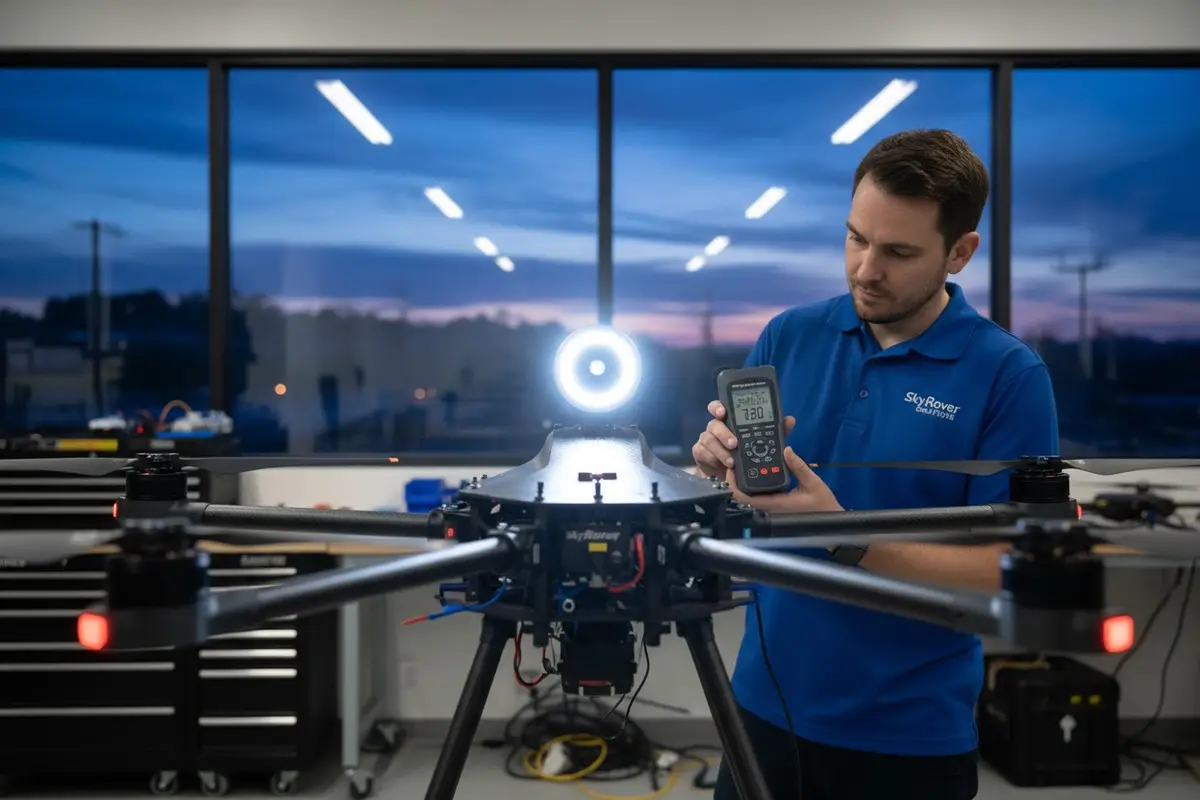

El mes pasado, nuestro equipo de control de calidad 1 capturó un lote de luces estroboscópicas LED que parpadeaban a solo 35 veces por minuto. Esa única omisión podría haber inmovilizado docenas de drones agrícolas 2 en todo el mundo. Cuando los agricultores dependen de las operaciones nocturnas para el control de plagas y el monitoreo de cultivos, la iluminación no conforme no es solo un dolor de cabeza regulatorio, es una crisis de seguridad esperando suceder.
Para garantizar que las luces LED de los drones agrícolas cumplan con las regulaciones de seguridad de la aviación, verifique que las luces anticolisión sean visibles a tres millas náuticas, parpadeen entre 40 y 100 veces por minuto, utilicen colores rojo o blanco y se monten en la parte superior de la aeronave. Solicite la documentación de cumplimiento de la FAA o EASA a su proveedor antes de la compra.
Comprender estos requisitos protege su inversión y mantiene sus operaciones legales Estándares FAA Parte 107 3. Permítame guiarlo a través de cada aspecto crítico del cumplimiento de la iluminación de drones agrícolas.
¿Qué normas específicas de seguridad aeronáutica debo buscar en los sistemas de iluminación LED para drones agrícolas?
Nuestro equipo de ingeniería revisa cientos de especificaciones de LED anualmente hojas de datos de seguridad de materiales 4. Hemos visto a demasiados operadores enfrentar multas porque confiaron en descripciones vagas de productos. La brecha entre "suficientemente brillante" y "legalmente conforme" puede costarle 75.000 $ por infracción.
Busque sistemas LED que cumplan con los estándares de la Parte 107 de la FAA: visibilidad de tres millas náuticas, frecuencia de destello de 40 a 100 destellos por minuto, salida de color rojo o blanco y cobertura de 360 grados. Para fumigación agrícola, verifique también el cumplimiento de la Parte 137 para operaciones con materiales peligrosos.
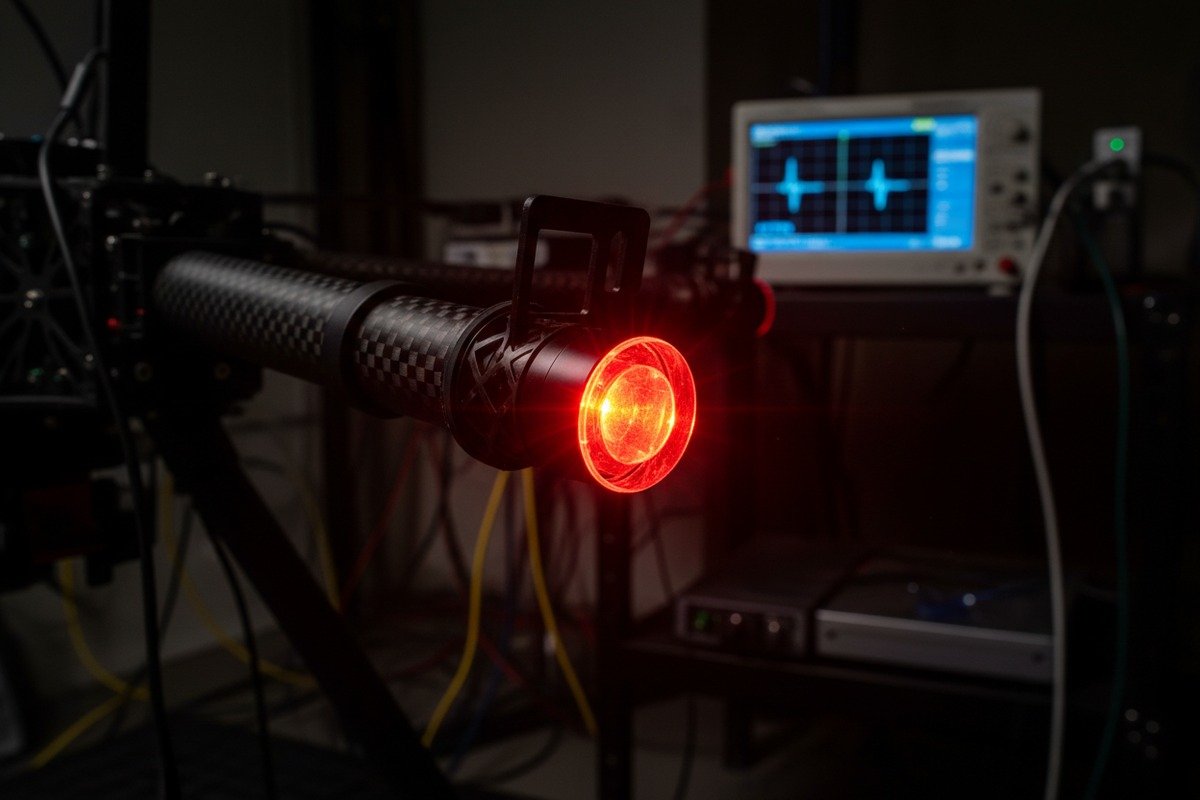
Requisitos básicos de la FAA Parte 107
La FAA Parte 107 rige todas las operaciones comerciales de UAS pequeños de menos de 55 libras. Esto incluye la mayoría de los drones agrícolas utilizados para fumigación, monitoreo y mapeo. La regulación exige una iluminación específica para cualquier vuelo realizado durante el crepúsculo civil 5 o las horas nocturnas.
El crepúsculo civil se extiende desde 30 minutos antes del amanecer oficial hasta 30 minutos después del atardecer oficial. Durante estos períodos y por la noche, su dron debe tener iluminación anticolisión que cumpla con estrictos criterios de rendimiento.
Especificaciones técnicas clave
| Especificaciones | Requisito de la FAA | Productos comunes no conformes |
|---|---|---|
| Rango de visibilidad | Mínimo de 3 millas náuticas | A menudo solo 1-2 millas |
| Tasa de destello | 40-100 veces por minuto | Luces sólidas o <40 destellos |
| Colores aprobados | Rojo o blanco (preferiblemente blanco) | Verde, azul o multicolor |
| Posición de montaje | Se recomienda la parte superior del avión | Montaje lateral o inferior |
| Cobertura | Visibilidad de 360 grados | Solo hacia adelante |
Al calibrar nuestros controladores de vuelo, siempre integramos las comprobaciones del sistema de iluminación en la secuencia previa al vuelo. Esto asegura que los pilotos detecten cualquier mal funcionamiento antes del despegue.
Parte 137 Requisitos para Aeronaves Agrícolas
Las operaciones de fumigación agrícola añaden otra capa de cumplimiento. Certificación Parte 137 6 cubre la aplicación aérea de pesticidas, fertilizantes y otros materiales considerados peligrosos. Si su dron transporta estas sustancias, necesita tanto la certificación de la Parte 107 como un Certificado de Operador de Aeronaves Agrícolas.
Los drones de menos de 55 libras suelen requerir exenciones de ciertas reglas de carga peligrosa de la Parte 107. Estas exenciones abordan específicamente los requisitos de iluminación para operaciones agrícolas nocturnas.
Más allá del Cumplimiento Básico
Los operadores inteligentes van más allá de los requisitos mínimos. Considere estos factores adicionales:
- Duración de la batería: Las luces estroboscópicas de calidad deben funcionar más de 5 horas sin recargar
- Resistencia a la intemperie: Calificación IP65 como mínimo para entornos agrícolas
- Impacto del peso: La iluminación pesada afecta la capacidad de carga útil y el tiempo de vuelo
- Integración: Los sistemas plug-and-play reducen los errores de instalación
¿Cómo puedo verificar que mi fabricante de drones cumple con los requisitos internacionales de visibilidad para vuelos nocturnos?
En nuestra experiencia exportando a EE. UU. y Europa, hemos aprendido que el papeleo importa tanto como la calidad del producto. Los compradores a menudo nos piden pruebas de cumplimiento solo después de que la aduana retiene su envío. Para entonces, los retrasos cuestan más que los propios drones.
Verifique el cumplimiento del fabricante solicitando informes de prueba que muestren la verificación de visibilidad de 3 millas náuticas, certificados de calibración de la tasa de destello, hojas de datos de seguridad de materiales para componentes LED y declaraciones escritas de conformidad con la Parte 107 de la FAA o las regulaciones de la EASA con citas de secciones específicas.

Documentación que debe solicitar
Antes de realizar cualquier pedido, solicite a su proveedor documentación específica. Un fabricante de buena reputación proporcionará esto sin dudarlo.
| Tipo de documento | Lo que demuestra | Bandera roja si falta |
|---|---|---|
| Informe de prueba | Visibilidad y frecuencia de destello verificadas | Productos no probados |
| Certificado de conformidad | Normas reglamentarias cumplidas | Declaraciones no verificadas |
| Hoja de datos de seguridad del material | Los componentes LED son seguros | Posibles problemas de materiales peligrosos |
| Registros de control de calidad | Estándares de producción consistentes | Calidad variable |
| Certificados de calibración | Precisión del equipo de medición | Resultados de prueba poco fiables |
Pasos de verificación para compradores
Primero, verifique si el fabricante tiene procedimientos de prueba documentados. Nuestra línea de producción utiliza fotómetros calibrados para verificar que cada luz estroboscópica alcance el umbral de visibilidad de 3 millas. Probamos en múltiples ángulos para confirmar la cobertura de 360 grados.
Segundo, pregunte sobre la verificación por parte de terceros. Los laboratorios de pruebas independientes brindan una confirmación imparcial de las afirmaciones del fabricante. Busque informes de instalaciones de pruebas de aviación reconocidas.
Tercero, verifique que el fabricante comprenda las regulaciones del país de destino. Un proveedor que solo conoce los estándares chinos puede no comprender los requisitos de la FAA o la EASA. Haga preguntas específicas sobre los requisitos de tasa de destello de la Parte 107 o las reglas específicas de la EASA.
Diferencias en estándares internacionales
Las diferentes regiones tienen requisitos ligeramente diferentes. Comprenderlos le ayuda a verificar el cumplimiento adecuado.
La FAA se enfoca en gran medida en el estándar de visibilidad de 3 millas náuticas. La EASA enfatiza las evaluaciones de riesgo operativo y puede requerir documentación adicional para aplicaciones agrícolas específicas.
Opciones de verificación in situ
Para pedidos grandes, considere visitar al fabricante. Durante las visitas a la fábrica, nuestros clientes a menudo observan:
- Pruebas en vivo del rango de visibilidad de los LED
- Verificación de la tasa de destello con equipo calibrado
- Procedimientos de inspección de control de calidad
- Sistemas de gestión de documentación
Esta verificación de primera mano evita sorpresas después de la entrega. Alentamos a los clientes a traer su propio equipo de prueba para una confirmación independiente.
Verificación posterior a la compra
Después de recibir sus drones, realice sus propias comprobaciones funcionales. Utilice una aplicación de teléfono inteligente o un dispositivo dedicado para verificar que la tasa de destello se encuentre entre 40 y 100 por minuto. Pruebe la visibilidad a distancias medidas en condiciones similares a su entorno operativo.
¿Qué colores de luz LED y patrones de parpadeo son obligatorios para que mi dron agrícola se mantenga legal?
Cuando diseñamos nuestros sistemas de iluminación, la selección del color parece simple, hasta que te das cuenta de que el tono incorrecto de blanco puede fallar la inspección. Nuestros ingenieros ópticos han pasado meses perfeccionando temperaturas de color que cumplen con la aprobación regulatoria en múltiples jurisdicciones.
Para el cumplimiento de la FAA, utilice luces anticolisión rojas o blancas, prefiriéndose el blanco para una mejor visibilidad. Las luces deben parpadear entre 40 y 100 veces por minuto; las luces fijas están prohibidas. Las operaciones con múltiples drones requieren luces de identificación únicas que coincidan con los colores de la estación de control en tierra para cada aeronave.

Requisitos obligatorios de color
La FAA aprueba específicamente el rojo y el blanco para la iluminación anticolisión. Se prefiere el blanco porque proporciona una mejor visibilidad contra la mayoría de los fondos del cielo y el terreno. El rojo sigue siendo aceptable, pero ofrece una visibilidad ligeramente reducida en ciertas condiciones.
Evite estos errores comunes:
- Luces verdes (reservadas para la navegación de estribor en aeronaves tripuladas)
- Luces azules (a menudo asociadas con vehículos de emergencia)
- Patrones de ciclos multicolores (confusos para los pilotos de aeronaves tripuladas)
- Ámbar o amarillo (estándares de visibilidad insuficientes)
Especificaciones del patrón de destello
| Tipo de patrón | Estado de la FAA | Notas |
|---|---|---|
| Estroboscópico 40-100/min | Cumple | Estándar requerido |
| Sólido/Constante | No conforme | Nunca aceptable para anticolisión |
| Destello <40/min | No conforme | Demasiado lento para la visibilidad |
| Destello >100/min | No conforme | Puede causar confusión |
| Patrones irregulares | No conforme | Debe ser consistente |
Por qué las luces sólidas no cumplen
Muchos sistemas LED económicos ofrecen solo iluminación sólida. Si bien las luces sólidas y brillantes no cumplen con los requisitos anticolisión por una razón crítica: la percepción visual humana.
Las luces estroboscópicas captan la atención de manera más efectiva que la iluminación constante. Los pilotos de aeronaves tripuladas que escanean el cielo pueden detectar una luz intermitente más rápidamente que una luz fija. Esta ventaja perceptual se traduce directamente en tiempo de evasión de colisiones.
Consideraciones de flotas de drones múltiples
Las operaciones agrícolas utilizan cada vez más varios drones simultáneamente. Las operaciones nocturnas con enjambres de drones requieren consideraciones de iluminación adicionales.
Cada dron en una operación de aeronaves múltiples necesita luces de identificación que coincidan con la asignación de su estación de control terrestre. Esto permite a los operadores y observadores identificar qué dron es cuál durante operaciones complejas.
Nuestros sistemas multirona integran luces de identificación codificadas por colores con el software de gestión de vuelo. Cada dron muestra su color asignado, correspondiente a su icono en la interfaz de control.
Identificación de Tareas Agrícolas
Los estándares emergentes de la industria sugieren que las futuras regulaciones pueden requerir colores o patrones específicos que indiquen la tarea agrícola que se está realizando. Aunque aún no es obligatorio, los operadores con visión de futuro consideran:
- Patrones distintos para operaciones de fumigación
- Diferentes colores para misiones de reconocimiento/mapeo
- Indicadores visuales del estado de la carga útil (llena, vacía o dispensando)
Consejos prácticos de instalación
Al instalar sistemas LED, la ubicación afecta el cumplimiento tanto como las propias luces. El montaje superior garantiza la máxima visibilidad para aeronaves tripuladas, que suelen volar por encima de las altitudes de operación de los drones.
Asegúrese de que su instalación proporcione:
- Visibilidad horizontal de 360 grados sin obstrucciones
- Sin sombras de las hélices durante la rotación
- Montaje seguro que resista vibraciones y condiciones climáticas
- Fácil acceso para el reemplazo de la batería o el mantenimiento
¿Qué documentación debo solicitar a mi proveedor para demostrar que la iluminación de mi dron cumple con las regulaciones de la FAA o la EASA?
Nuestro equipo de documentación de exportación procesa cientos de paquetes de cumplimiento cada año. La diferencia entre un despacho de aduana sin problemas y un retraso de un mes a menudo se reduce a un certificado faltante. Saber exactamente qué solicitar ahorra tiempo y dinero.
Solicite estos documentos a su proveedor: Declaración de Conformidad que cite la Parte 107.29 de la FAA o las regulaciones de la EASA, informes de pruebas fotométricas independientes, certificados de calibración de la tasa de destello, hojas de especificaciones del producto con datos de rango de visibilidad y certificaciones del sistema de gestión de calidad como ISO 9001.
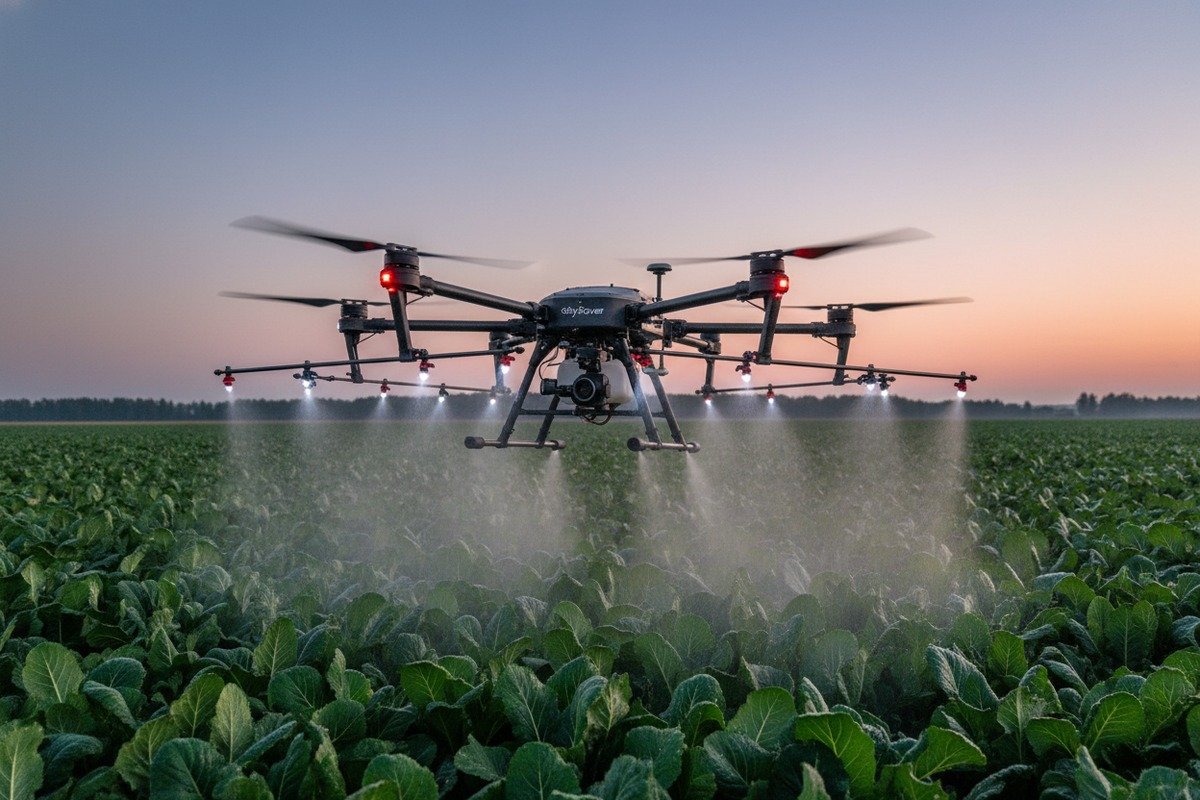
Lista de verificación de documentación esencial
| Documento | Objetivo | Quién lo emite |
|---|---|---|
| Declaración de conformidad | Cumplimiento regulatorio de los estados | Fabricante |
| Informe de prueba fotométrica | Demuestra las especificaciones de visibilidad | Laboratorio independiente o fabricante |
| Certificado de tasa de destello | Verifica el tiempo de las luces estroboscópicas | Instalación de calibración |
| Especificaciones técnicas | Detalla todos los parámetros de rendimiento | Fabricante |
| Certificado ISO 9001 | Confirma la gestión de calidad | Organismo de certificación |
| Manual del usuario | Proporciona orientación de instalación y operación | Fabricante |
Detalles de la Declaración de Conformidad
Una Declaración de Conformidad adecuada debe citar específicamente las regulaciones que cumple su dron. Para el cumplimiento de la FAA, busque una referencia explícita a:
- 14 CFR Parte 107.29 (requisitos de iluminación anticolisión)
- 14 CFR Parte 137 (si es capaz de fumigación agrícola)
- Estándares específicos de visibilidad, tasa de destello y color
Declaraciones vagas como "cumple con los estándares internacionales" sin citas específicas sugieren una verificación de cumplimiento incompleta.
Requisitos del Informe de Prueba
Los informes de prueba fotométrica legítimos incluyen:
- Fecha y condiciones de la prueba
- Equipo utilizado con estado de calibración
- Metodología de medición
- Resultados en múltiples ángulos (0°, 45°, 90°, etc.)
- Determinación de aprobación/fallo frente a los umbrales regulatorios
- Identificación y firma del técnico
Nuestros informes de prueba incluyen fotografías de la configuración de prueba y archivos de datos sin procesar. Esta transparencia ayuda a los clientes a verificar nuestras afirmaciones de forma independiente.
Verificación de Gestión de Calidad
Certificación ISO 9001 7 indica que el fabricante mantiene procesos de control de calidad consistentes. Si bien no es estrictamente necesario para el cumplimiento de la iluminación, demuestra el compromiso organizacional con la consistencia del producto.
Pregunte si el sistema de gestión de calidad cubre específicamente la inspección de componentes LED y las pruebas del producto final. Un sistema certificado que no incluya la verificación de iluminación proporciona una garantía limitada.
Requisitos Específicos de EASA
Las operaciones europeas pueden requerir documentación adicional:
- Declaración de cumplimiento del Manual de Operaciones de EASA
- Documentación de evaluación de riesgos para operaciones nocturnas
- Registros de verificación de competencia del operador
- Plantillas de registro de mantenimiento de equipos
Qué hacer si la documentación está incompleta
Si su proveedor no puede proporcionar la documentación completa, tiene varias opciones:
Primero, solicite que obtengan las pruebas y certificaciones adecuadas. Los fabricantes de renombre invertirán en documentación de cumplimiento para pedidos importantes.
Segundo, realice su propia verificación utilizando instalaciones de prueba independientes. Esto añade costo pero proporciona una prueba definitiva de cumplimiento.
Tercero, considere proveedores alternativos. Nuestra experiencia demuestra que los fabricantes que se resisten a las solicitudes de documentación a menudo tienen productos que fallan en las pruebas independientes.
Mantenimiento de la documentación
Mantenga toda la documentación de cumplimiento organizada y accesible. Las autoridades de aviación pueden solicitar pruebas durante:
- Inspecciones de rutina
- Investigaciones de incidentes
- Renovaciones de certificados
- Solicitudes de autorización de espacio aéreo
Ofrecemos a nuestros clientes paquetes de documentación digital que se mantienen válidos durante la vida útil operativa del producto. Las actualizaciones se emiten cada vez que cambian las regulaciones.
Conclusión
Asegurar que las luces LED de su dron agrícola cumplan con las regulaciones de seguridad de la aviación 8 requiere atención a los estándares de visibilidad, patrones de destello, requisitos de color y documentación adecuada. Trabaje con fabricantes que proporcionen evidencia completa de cumplimiento y pruebe sus sistemas antes de que comiencen las operaciones. La iluminación adecuada mantiene sus operaciones legales y sus cielos seguros.
Notas al pie
1. Se reemplazó HTTP 403 con un recurso educativo accesible y autorizado que define el papel de un inspector de control de calidad y su equipo. ↩︎
2. Proporciona información sobre los usos y beneficios de los drones en la agricultura. ↩︎
3. Texto legal directo para las regulaciones de sistemas de aeronaves no tripuladas pequeñas. ↩︎
4. Guía oficial de OSHA sobre Hojas de Datos de Seguridad (SDS), anteriormente MSDS. ↩︎
5. Define el crepúsculo civil en relación con la iluminación atmosférica. ↩︎
6. Regulaciones oficiales para operaciones de aeronaves agrícolas. ↩︎
7. Se reemplazó HTTP 403 con la página oficial y autorizada del sitio web de la ISO que detalla los sistemas de gestión de calidad y la certificación ISO 9001. ↩︎
8. Fuente oficial de las regulaciones de seguridad de la aviación de la Unión Europea. ↩︎
 English
  Español de México
  Deutsch
  Français
  Русский
  العربية
Comments
No comments yet. Be the first to share your thoughts!
Leave a Comment