
Cada mes, nuestro equipo de exportación recibe docenas de llamadas de distribuidores de la UE confundidos sobre la evolución de las regulaciones de drones Reglamento Delegado de la EASA (UE) 2019/945 1. El laberinto de papeleo frustra a los compradores. Perder un certificado puede retener su envío en aduanas durante semanas.
Al adquirir drones agrícolas de China para los mercados de la UE, debe cumplir con el Reglamento Delegado de la EASA (UE) 2019/945 y el Reglamento de Ejecución (UE) 2019/947. Estas normas exigen el marcado de clase C, sistemas de identificación remota, certificación CE, registro adecuado del operador y documentación específica de la categoría basada en el peso de su dron y el nivel de riesgo operativo.
Las secciones a continuación desglosan cada área de cumplimiento Reglamento de Ejecución (UE) 2019/947 2. Aprenderá exactamente qué preguntar a su proveedor, qué documentos preparar y cómo evitar costosos retrasos en las fronteras de la UE.
¿Cómo me aseguro de que los drones agrícolas que importo de China cumplan con los últimos requisitos de marcado de clase C de EASA?
Nuestros ingenieros de control de calidad dedican un tiempo considerable a verificar que cada unidad que sale de nuestras instalaciones lleve las marcas correctas Sistemas de identificación remota 3. Muchos compradores subestiman lo críticos que son estas pequeñas etiquetas. Sin la identificación adecuada de clase C, su dron agrícola no puede operar legalmente en la mayoría de los escenarios de la UE.
Para cumplir con los requisitos de la clase C de la EASA, su proveedor chino debe proporcionar drones con la etiqueta de clase C0-C6 apropiada, una Declaración de Conformidad (DoC) válida de la UE, marcado CE y manuales de usuario en los idiomas requeridos de la UE. La clase depende del peso, los sensores y el tipo de operación prevista.

Comprender el sistema de clases C
La EASA creó siete clases de drones: C0 a C6. Cada clase establece límites específicos en peso, velocidad, ruido y características de seguridad. Los drones agrícolas rara vez califican para C0 porque superan los 250 gramos y transportan sensores o equipos de fumigación.
La mayoría de los drones fumigadores agrícolas entran en las categorías C2, C3 o C4. Aquí hay un desglose:
| Clase C | Peso Máximo | Características Clave | Uso Típico de Drones Agrícolas |
|---|---|---|---|
| C0 | <250g | No se requiere identificación remota | Raramente aplicable |
| C1 | <900g | ID remoto, velocidad <19m/s | Drones de reconocimiento ligeros |
| C2 | <4kg | ID remoto, modo de baja velocidad | Pulverizadores pequeños, mapeo |
| C3 | <25kg | Identificación remota, conocimiento geográfico | Pulverizadores medianos |
| C4 | <25kg | Sin modos automáticos, solo VLOS | Pulverizadores grandes, operaciones manuales |
| C5/C6 | <25kg | Cumple con STS-01/STS-02 | Operaciones especializadas |
Lo que su proveedor debe proporcionar
Cuando enviamos a distribuidores de la UE, nuestro paquete de documentación incluye varios artículos. Debe exigir lo mismo a cualquier proveedor chino:
-
Declaración de Conformidad de la UE (DoC): Este documento establece que el dron cumple con todas las directivas de la UE aplicables. Declaración de Conformidad de la UE (DoC) 4 Debe enumerar el fabricante, el modelo del producto y las normas pertinentes.
-
Marcado CE: La etiqueta física CE debe aparecer en el cuerpo del dron. Esto no es opcional.
-
Etiqueta Clase C: La clase específica (C1, C2, C3, etc.) debe ser visible en la aeronave.
-
Manual del usuario: Traducido a los idiomas oficiales de sus mercados objetivo de la UE.
-
Expediente Técnico: Contiene especificaciones de diseño, evaluaciones de riesgos e informes de pruebas.
Errores comunes a evitar
Algunos importadores asumen que las certificaciones domésticas chinas se transfieren a la UE. No es así. Un certificado CAAC de China no tiene peso legal en Europa.
Otro error implica comprar drones etiquetados para el mercado estadounidense. Los requisitos de la FAA difieren significativamente de las normas de EASA. Un dron que cumple en Estados Unidos puede carecer del hardware de identificación remota que cumple con las especificaciones de la UE.
Nuestro equipo de ingeniería siempre recomienda solicitar unidades de muestra antes de realizar pedidos grandes. Pruebe la transmisión de identificación remota. Verifique que las etiquetas coincidan con su documentación. Compruebe que el firmware incluya las funciones de geoconciencia requeridas para el espacio aéreo de la UE.
¿Bajo qué categoría operativa de EASA caerán mis drones agrícolas de carga pesada?
En nuestra experiencia exportando drones agrícolas a distribuidores europeos, el peso de la carga útil crea la mayor confusión. Los compradores a menudo piensan que más pesado significa más regulación. La realidad es más matizada. EASA se centra en el riesgo, no solo en los kilogramos.
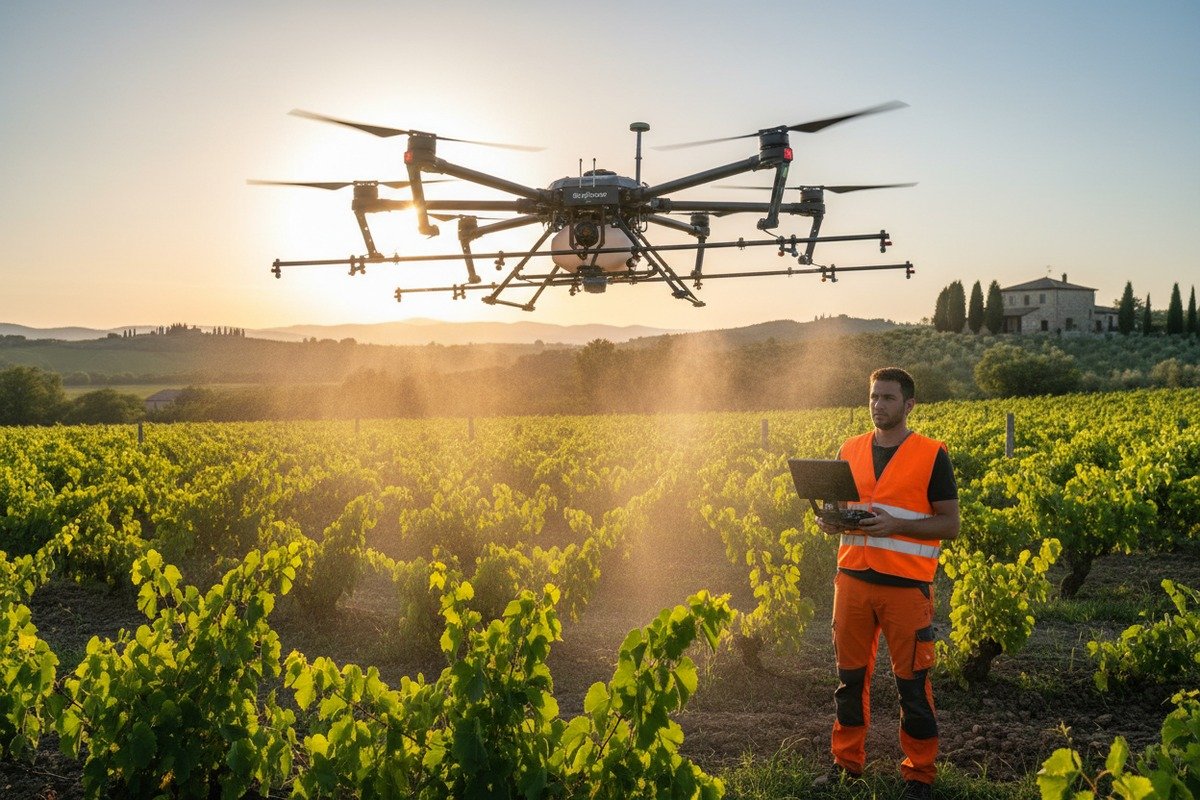
Los drones agrícolas de carga pesada suelen caer en la categoría Específica de la EASA debido a operaciones sobre cultivos cerca de personas, vuelos BVLOS o cargas útiles que superan el peso total de los límites de la categoría Abierta. Los operadores deben presentar evaluaciones de riesgos a través de las metodologías PDRA o SORA a las autoridades nacionales de aviación.
Las Tres Categorías de EASA Explicadas
EASA divide todas las operaciones de drones en tres categorías basadas en el riesgo:
| Categoría | Nivel de riesgo | Operaciones Típicas | Autorización Requerida |
|---|---|---|---|
| Abrir | Bajo | Recreativo, comercial ligero, VLOS, <25 kg | Solo autodeclaración |
| Específico | Medio | BVLOS, sobre personas, comercial de mayor riesgo | Evaluación de riesgos + aprobación de la autoridad |
| Certificado | Alto | Transporte de pasajeros, mercancías peligrosas, movilidad aérea urbana | Certificación de tipo completa |
Los drones de fumigación agrícola casi nunca operan en la categoría Abierta. Aquí está el porqué:
- Peso: Los pulverizadores con tanques llenos a menudo superan los 25 kg en total.
- Sobrevuelo: Los cultivos cercanos a trabajadores o áreas públicas activan reglas específicas.
- BVLOS: La fumigación eficiente requiere operaciones más allá de la línea de visión visual.
- Liberación de carga útil: La liberación de productos químicos añade riesgo operativo.
Navegando la Categoría Específica
Cuando nuestros clientes planifican operaciones agrícolas en la UE, los guiamos hacia la categoría Específica 5 vía. Esto requiere uno de tres enfoques:
Escenarios Estándar (STS): EASA publica escenarios operativos preaprobados. STS-01 cubre VLOS sobre áreas controladas. STS-02 aborda operaciones BVLOS. Si su pulverización coincide con estos escenarios, la aprobación es más rápida.
Evaluación de Riesgos Predefinida (PDRA): Para operaciones que no encajan en STS pero siguen patrones establecidos, las autoridades nacionales aceptan presentaciones de PDRA. Esta opción intermedia ahorra tiempo en comparación con SORA completo.
Evaluación de Riesgos de Operaciones Específicas (SORA): Las operaciones complejas requieren un análisis de riesgos detallado. SORA examina el riesgo terrestre, el riesgo aéreo y las medidas de mitigación. Nuestro equipo técnico ha ayudado a los clientes a preparar la documentación SORA para operaciones especializadas de pulverización de viñedos en Francia.
Variaciones de los Estados Miembros
Cada país de la UE tiene una autoridad de aviación nacional que implementa las reglas de EASA. Los tiempos de procesamiento y los detalles de interpretación varían. El LBA de Alemania opera de manera diferente a la DGAC de Francia.
| País | Autoridad | Tiempo de procesamiento habitual | Notas |
|---|---|---|---|
| Alemania | LBA | 4-8 semanas | Revisión estricta de la documentación |
| Francia | DGAC | 3-6 semanas | Fuerte sector de drones agrícolas |
| España | AESA | 4-6 semanas | Mercado en crecimiento |
| Países Bajos | ILT | 3-5 semanas | Sistemas digitales eficientes |
| Italia | ENAC | 6-10 semanas | Procesamiento más largo |
Recomendamos que los importadores trabajen con consultores de aviación locales al ingresar a nuevos mercados de la UE. Los requisitos nacionales cambian con frecuencia.
¿Qué documentación técnica debe proporcionar mi proveedor chino para cumplir con la normativa de la EASA durante el despacho de aduanas de la UE?
Cuando calibramos nuestros controladores de vuelo y finalizamos la documentación de exportación, la precisión de la documentación es primordial. Nuestro equipo de logística ha visto envíos retenidos en los puertos de Róterdam y Hamburgo debido a archivos incompletos. Un certificado faltante puede costarle a su negocio semanas de retraso y miles en tarifas de almacenamiento.
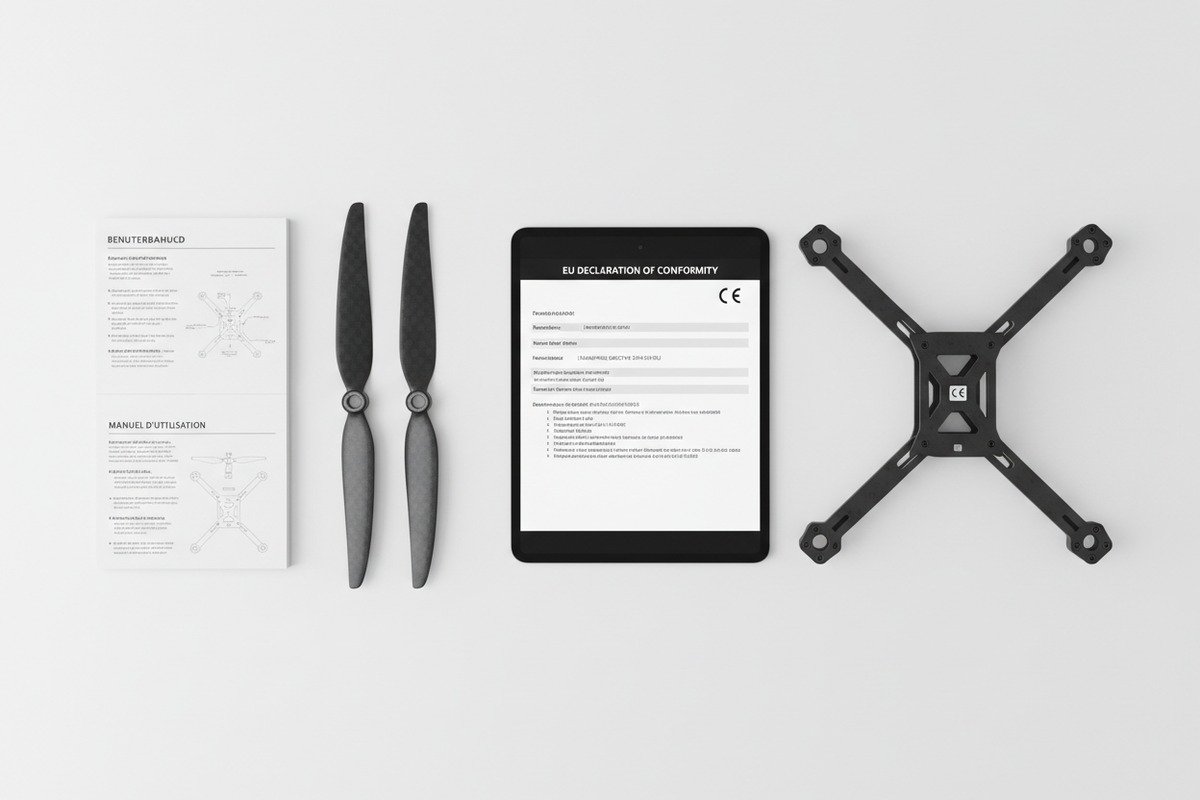
Su proveedor chino debe proporcionar una Declaración de Conformidad (DoC) de la UE, certificados de marcado CE, documentos de identificación de clase C, prueba de cumplimiento de Remote ID, manuales de usuario en idiomas de la UE, informes de prueba de baterías UN38.3 y archivos técnicos que contengan especificaciones de diseño, resultados de pruebas y evaluaciones de riesgos.
Lista de verificación de documentación esencial
Cada envío de drones agrícolas que ingresa a la UE necesita un paquete de documentación completo. A continuación, se incluye lo que incluimos con cada pedido de exportación:
Declaración de Conformidad de la UE (DoC): Este es su documento más crítico. Declara que el producto cumple con todos los estándares armonizados aplicables de la UE. El DoC debe incluir:
- Nombre y dirección del fabricante
- Identificación del producto (modelo, números de serie)
- Referencia a las directivas aplicables
- Firma del representante autorizado
- Fecha de emisión
Certificado de Marcado CE: Las etiquetas físicas CE aparecen en el dron. Los certificados de respaldo demuestran que el marcado es legítimo.
Documentación de cumplimiento de identificación remota: Desde enero de 2024, los drones de más de 250 g necesitan identificación remota activa. Su proveedor debe demostrar que el sistema transmite los datos requeridos: posición, altitud, velocidad, ubicación del piloto e identificador único.
Cumplimiento de baterías y componentes
Los drones agrícolas utilizan baterías de litio grandes. Estos requieren cumplimiento por separado:
| Documento | Objetivo | Quién lo emite |
|---|---|---|
| Resumen de la prueba UN38.3 | Demuestra que la batería es segura para el transporte aéreo/marítimo | Laboratorio de pruebas acreditado |
| MSDS (Hoja de datos de seguridad del material) | Información sobre peligros químicos | Fabricante |
| IEC 62133 Certificate | Cumplimiento de las normas de seguridad de las baterías | Organismo notificado |
| Declaración de mercancías peligrosas | Clasificación de transporte | Expedidor/agente de carga |
Nuestros proveedores de baterías proporcionan todos estos documentos. Los compilamos en el paquete de exportación. Los informes UN38.3 faltantes causan las retenciones aduaneras más frecuentes.
Requisitos del archivo técnico
Más allá de los certificados, las autoridades de la UE pueden solicitar su archivo técnico. Este dossier detallado contiene:
- Documentación de diseño: Dibujos CAD, listas de componentes, esquemas eléctricos
- Evaluación de Riesgos: Análisis de peligros potenciales y medidas de mitigación
- Informes de prueba: Compatibilidad electromagnética (CEM), niveles de ruido, seguridad funcional
- Registros de calidad de producción: Certificados ISO 9001, procedimientos de control de calidad
- Documentación de software: Versión del firmware, procedimientos de actualización, medidas de ciberseguridad
En nuestras instalaciones, mantenemos archivos técnicos para cada línea de productos. Cuando los clientes solicitan esta documentación para sus presentaciones regulatorias, proporcionamos paquetes completos en un plazo de 48 horas.
Consejos para el despacho de aduanas
Trabaje con transitarios con experiencia en importaciones de drones. Ellos entienden qué documentos priorizan los funcionarios de aduanas.
Pre-despache su envío electrónicamente utilizando el Sistema de Control de Importaciones (ICS2) de la UE 6. Cargue la documentación antes de la llegada física.
Conserve copias duplicadas. Guarde los originales por separado del envío. Si se pierde un juego, tendrá copias de seguridad.
Incluya facturas comerciales con códigos HS precisos. Los drones agrícolas suelen clasificarse en 8806.10 (aeronaves no tripuladas). Las baterías pueden tener códigos separados.
¿Puedo personalizar el software y el hardware de mi dron manteniendo los estándares de seguridad de EASA para mi flota?
Nuestro equipo de ingeniería colabora regularmente con socios europeos en proyectos de desarrollo personalizados. Los clientes desean interfaces de marca, patrones de pulverización especializados y software de gestión agrícola integrado. Siempre surge la cuestión del cumplimiento. La personalización es posible, pero existen límites.
Sí, puede personalizar el software y el hardware de drones agrícolas manteniendo el cumplimiento de EASA, siempre que las modificaciones no alteren los sistemas críticos para la seguridad, invaliden la certificación original de clase C o deshabiliten funciones requeridas como Remote ID y geo-conciencia. Documente todos los cambios y verifique la conformidad continua.

Comprensión de los límites de modificación
EASA distingue entre cambios cosméticos y modificaciones críticas para la seguridad. La línea determina si su dron personalizado sigue cumpliendo.
Personalizaciones permitidas:
- Marca y esquemas de color
- Idioma y diseño de la interfaz de usuario
- Adiciones al software de planificación de misiones
- Integraciones de análisis de datos
- Accesorios de montaje no estructurales
- Configuraciones de boquillas de pulverización (dentro de las especificaciones nominales)
Modificaciones potencialmente problemáticas:
- Cambios en el firmware del controlador de vuelo
- Cambios de motor o hélice fuera de las especificaciones del fabricante
- Cambios en la química de la batería
- Alteraciones del sistema de identificación remota
- Desactivación de la función de geo-conciencia
- Modificaciones del marco estructural
Trabajar con su proveedor en desarrollo personalizado
Cuando los clientes se acercan a nosotros para proyectos OEM, seguimos un proceso de personalización estructurado:
- Definición del Alcance: Identificamos qué cambios son cosméticos frente a los relacionados con la seguridad.
- Evaluación de Impacto de Cumplimiento: Nuestros ingenieros evalúan si las modificaciones afectan la certificación.
- Actualización de Documentación: Revisamos los archivos técnicos para reflejar los cambios aprobados.
- Revalidación: Si se tocan los sistemas de seguridad, realizamos nuevas pruebas de conformidad.
- Nueva emisión de DoC: Las modificaciones significativas pueden requerir declaraciones actualizadas.
| Tipo de personalización | Compliance Impact | Documentación necesaria |
|---|---|---|
| Logotipo y marca | Ninguno | Actualización de foto solamente |
| Cambio de idioma de la interfaz de usuario | Ninguno | Revisión del manual de usuario |
| Software de patrón de pulverización | Bajo | Documentación de la versión del software |
| Ajuste del controlador de vuelo | Medio-alto | Evaluación de ingeniería, posible reevaluación |
| Mejora del motor | Alto | Revalidación completa, nuevo DoC |
| Modificación de ID remoto | Crítico | No recomendado, es probable que anule el cumplimiento |
Mejores prácticas de personalización de software
Los clientes agrícolas a menudo desean la integración con sus sistemas de gestión agrícola existentes. Esto es factible a través de conexiones API en lugar de cambios en el firmware principal.
Nuestro SDK permite a los desarrolladores crear aplicaciones complementarias que se comunican con el dron. El sistema de control de vuelo permanece intacto. Los datos fluyen entre plataformas sin afectar el código crítico para la seguridad.
Para los clientes que requieren una integración más profunda, ofrecemos ramas de firmware con módulos de seguridad bloqueados. Las funciones personalizadas operan en contenedores de software separados. Esta arquitectura preserva el cumplimiento de EASA al tiempo que permite la funcionalidad específica del negocio.
Mantenimiento del Cumplimiento de la Flota a lo Largo del Tiempo
La personalización no es una consideración única. Las reglas de EASA evolucionan. Las actualizaciones de firmware de los fabricantes pueden anular la configuración personalizada. Las nuevas regulaciones de ruido que llegarán en 2026 podrían afectar las modificaciones previamente conformes.
Recomendamos establecer un calendario de mantenimiento de cumplimiento:
- Revisión trimestral del firmware frente a las actualizaciones de EASA
- Auditoría anual de documentación
- Pruebas de vuelo previas a la temporada después de cualquier modificación
- Revisión inmediata cuando cambian las regulaciones
Nuestro equipo de soporte notifica a los clientes cuando las actualizaciones de EASA afectan sus unidades personalizadas. La comunicación proactiva previene brechas de cumplimiento que podrían inmovilizar su flota.
Conclusión
La importación de drones agrícolas de China a la UE requiere atención a Marcado de clase C 8s, categorías operativas, documentación y límites de personalización. Trabaje en estrecha colaboración con proveedores que comprendan los requisitos de EASA. Prepare su documentación a fondo. Su inversión en cumplimiento protege su negocio y a sus clientes.
Notas al pie
1. Texto legal oficial de la UE para sistemas de drones. ↩︎
2. Texto legal oficial de la UE para operaciones con drones. ↩︎
3. Información oficial de la EASA sobre identificación remota obligatoria para drones. ↩︎
4. Guía oficial de la UE sobre la Declaración de Conformidad para productos. ↩︎
5. Guía oficial de la EASA sobre la categoría operativa ‘Específica’ para drones. ↩︎
6. Información oficial de la UE sobre el Sistema de Control de Importaciones 2. ↩︎
7. Información sobre los requisitos de prueba UN 38.3 para baterías de litio. ↩︎
8. Guía oficial de la EASA sobre etiquetas de identificación de clase C para drones. ↩︎

 English
  Español de México
  Deutsch
  Français
  Русский
  العربية
