

Obtener equipos de alto riesgo como drones contra incendios de forma remota es estresante. En nuestras instalaciones, vemos cuán vitales son los controles rigurosos para garantizar la fiabilidad antes del envío, evitando fallos costosos en el campo.
Sí, se recomienda encarecidamente contratar a una empresa de inspección externa al obtener drones contra incendios. Mitiga los riesgos al verificar la capacidad física del fabricante, los procesos de control de calidad y el cumplimiento de normas críticas como ISO 9001, garantizando que el equipo sea fiable para operaciones de salvamento.
Exploremos los beneficios específicos, los costos y los puntos de control técnicos para ayudarle a tomar una decisión informada.
¿Cuáles son los beneficios de utilizar un inspector externo para los fabricantes de drones?
Cuando damos la bienvenida a los inspectores a nuestra fábrica de Chengdu, vemos de primera mano cómo validan nuestras afirmaciones. Este escrutinio objetivo protege su inversión y reputación al exponer los riesgos potenciales desde el principio.
Los inspectores externos proporcionan una validación independiente de la legitimidad de una fábrica, asegurando que no sean solo intermediarios. Verifican los protocolos de control de calidad internos, evalúan la capacidad de producción para cumplir los plazos y confirman el cumplimiento de las normas de seguridad, evitando en última instancia pérdidas financieras por productos de calidad inferior.
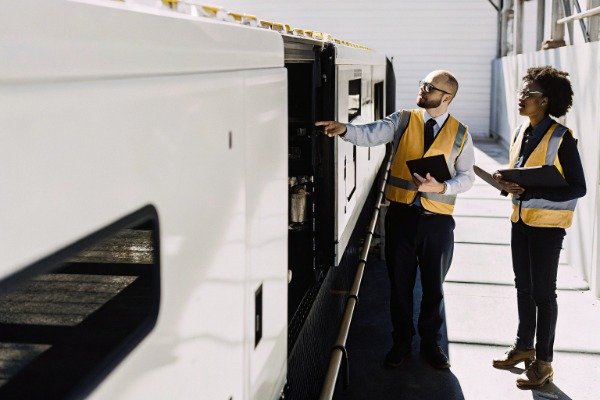
Validación de la Legitimidad y la Capacidad
En el mercado de drones industriales, las apariencias pueden ser engañosas. Un proveedor puede presentar un sitio web elegante y folletos profesionales, pero operar desde una pequeña oficina sin capacidad de fabricación, subcontratando la producción al mejor postor. Este es un riesgo crítico para los gerentes de adquisiciones.
Cuando contrata a un inspector externo (TPI), su trabajo principal es verificar la legitimidad. Confirman que la fábrica existe físicamente, que la licencia comercial coincide con la ubicación y que el tamaño de la fuerza laboral se alinea con la capacidad de producción declarada. Para productos de alta gama como nuestros drones contra incendios, que requieren un ensamblaje de precisión, saber que el proveedor controla la línea de producción es innegociable.
Además, una auditoría evalúa capacidad de producción. Si está pidiendo 50 unidades para una licitación gubernamental, necesita la seguridad de que el fabricante puede entregar a tiempo. Los inspectores calculan la tasa de producción diaria y verifican el inventario de materias primas. A menudo vemos a inspectores contando nuestro stock de cuadros de fibra de carbono y motores para asegurarnos de que podemos cumplir con los próximos pedidos sin demora.
Garantía de los estándares de control de calidad (ISO 9001 y más allá)
El beneficio más significativo es la verificación de un Sistema de Gestión de Calidad (SGC). Si bien muchos proveedores afirman estar certificados ISO 9001, una auditoría in situ revela si realmente siguen estos estándares.
Sistema de Gestión de Calidad (SGC) 1
Para los drones de extinción de incendios, la fiabilidad es una cuestión de vida y seguridad. Un inspector buscará:
- Control de Calidad de Entrada (IQC): ¿Cómo prueba la fábrica los motores y las baterías antes de que entren en el almacén?
- Control de Calidad en Proceso (IPQC): ¿Hay comprobaciones durante el montaje para detectar errores como soldaduras deficientes o cableado suelto?
- Control de Calidad Final (FQC): ¿Cada dron se somete a una prueba de vuelo y a una prueba de impermeabilidad antes del embalaje?
En nuestra fábrica, mantenemos registros detallados de estas pruebas, y los inspectores revisan estos registros para garantizar la integridad de los datos. No se limitan a creernos; presencian las pruebas en persona.
Mitigación de riesgos en la cadena de suministro
Los drones de extinción de incendios dependen de complejas cadenas de suministro. Componentes como sensores térmicos, controladores de vuelo y enlaces de datos a menudo provienen de diferentes proveedores. Una auditoría de terceros ayuda a identificar si un fabricante tiene un sistema robusto de gestión de proveedores.
Si un fabricante cambia un proveedor de baterías para reducir costos sin realizar pruebas, el tiempo de vuelo del producto final podría disminuir significativamente. Una auditoría verifica si el fabricante tiene un proceso de "Gestión de Cambios" implementado. Este nivel de escrutinio evita el escenario de "cebo y cambio" donde la unidad de muestra es perfecta, pero las unidades de producción en masa utilizan componentes inferiores.
Comparación de métodos de verificación
Para ayudarte a comprender la propuesta de valor, aquí tienes una comparación de los diferentes métodos de verificación disponibles para los compradores:
| Característica | Auditoría de fábrica de terceros | Recorrido virtual por la fábrica | Informe interno del proveedor |
|---|---|---|---|
| Objetividad | Alto (Independiente) | Bajo (Controlado por el proveedor) | Bajo (Sesgado) |
| Costo | $300 – $1,000+ | Gratis – Bajo | Gratis |
| Alcance de la verificación | Activos físicos, documentos, procesos | Solo visuales | Datos proporcionados por el proveedor |
| Detección de fraude | Alto | Bajo | Ninguno |
| Profundidad técnica | Alto (si es especializado) | Bajo | Variable |
¿Cuánto suele costar una auditoría de fábrica profesional en China?
A menudo coordinamos con agencias como SGS o Intertek para nuestros clientes. Comprender la estructura de costos le ayuda a presupuestar de manera efectiva estas verificaciones de calidad esenciales sin gastar de más.
agencias como SGS 2
Una auditoría profesional de fábrica en China suele costar entre $300 y $1,000 por día-hombre, dependiendo de la reputación de la agencia de inspección y la complejidad de la auditoría. Las auditorías técnicas integrales para productos electrónicos complejos como drones pueden requerir ingenieros especializados, lo que podría aumentar la tarifa diaria.
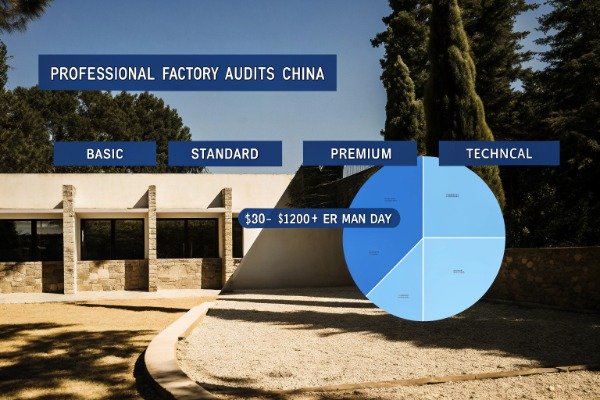
El modelo de precios "Día-Hombre"
La unidad de precios estándar en la industria de la inspección es el "día-hombre". Esto cubre a un inspector trabajando durante un día (generalmente 8 horas, incluyendo viajes e informes).
- Inspecciones Estándar ($300 – $500): Este rango generalmente se aplica a inspectores autónomos o agencias de inspección pequeñas y locales. Son rentables para verificaciones básicas (por ejemplo, "¿Existe la fábrica?", "¿Está impreso correctamente el logotipo?"). Sin embargo, pueden carecer del conocimiento de ingeniería específico requerido para auditar la aviónica compleja de drones.
- Agencias Profesionales ($600 – $1,000+): Empresas globales como SGS, Bureau Veritas (BV) o Intertek cobran tarifas más altas. Sus inspectores siguen protocolos estrictos y tienen un seguro de responsabilidad civil más elevado. Para un producto tan caro como un dron de extinción de incendios (que puede costar decenas de miles de dólares), esta prima a menudo vale la pena por la tranquilidad.
Viajes y Gastos Adicionales
China es vasta. Si bien nuestra sede está en Xi'an y nuestra fábrica en Chengdu, otros proveedores podrían estar en Shenzhen o en parques industriales remotos.
Si el inspector se encuentra en una ciudad importante como Shenzhen, pero la fábrica está en una zona rural, probablemente pagará por:
- Costos de Viaje: Billetes de tren de alta velocidad o vuelos.
- Alojamiento: Estancias en hoteles si la auditoría requiere un viaje de noche.
- Bonificaciones: Comidas y gastos incidentales.
Consejo profesional: Para ahorrar costos, busque agencias de inspección que tengan una red de inspectores distribuidos en los principales centros industriales (Chengdu, Shenzhen, Shanghái). Esto minimiza los gastos de viaje.
Recargos por complejidad para productos electrónicos
Auditar una fábrica de camisetas es muy diferente a auditar una fábrica de drones. Un inspector de calidad estándar podría no saber cómo evaluar los datos de calibración de un controlador de vuelo o la sensibilidad de una cámara térmica.
Para drones industriales, es posible que necesite una Auditoría Técnica. Esto implica un ingeniero senior que entienda los servicios de fabricación de electrónica (EMS). Verifican la protección contra descargas electrostáticas (ESD), la gestión del nivel de sensibilidad a la humedad (MSL) para los chips y los estándares de soldadura (IPC-A-610). Estos auditores especializados cobran una tarifa diaria más alta, a menudo entre un 20% y un 50% más que un inspector general.
Análisis costo-beneficio: ¿Vale la pena?
Considere la pérdida potencial. Un solo dron industrial de extinción de incendios puede costar entre 5.000 y 50.000 dólares. Si importa un lote de 10 drones y fallan debido a un problema sistémico de cableado, se enfrenta a:
- Pérdida directa: El costo de los productos.
- Pérdida de envío: El envío de devolución suele ser prohibitivamente caro debido a las regulaciones sobre baterías de litio.
- Pérdida de reputación: Si un dron falla durante una misión de extinción de incendios, su reputación como proveedor se destruye.
Gastar $800 en una auditoría representa una fracción minúscula del valor total del pedido (a menudo menos del 1-2%) pero asegura contra el 100% del riesgo.
Tabla de desglose de costos estimados
| Nivel de Servicio | Tipo de proveedor | Costo estimado (por día/hombre) | Mejor caso de uso |
|---|---|---|---|
| Auditoría básica | Freelancer / Agencia pequeña | $280 – $400 | Verificación de la existencia de la fábrica; pedidos de bajo valor. |
| Auditoría estándar | Agencia de tamaño mediano (por ejemplo, V-Trust, QIMA) | $500 – $800 | Verificaciones generales ISO 9001; electrónica estándar. |
| Auditoría premium | Gigantes globales (SGS, TUV, Intertek) | $800 – $1,200+ | Requisitos de alto cumplimiento; licitaciones gubernamentales. |
| Auditoría Técnica | Firma de ingeniería especializada | $1,000 – $1,500 | Inmersión profunda en I+D, seguridad del código fuente y calidad de la PCB. |
¿Qué puntos de control específicos deben figurar en la lista del inspector para la electrónica?
Nuestros ingenieros dedican horas a calibrar los controladores de vuelo, pero una auditoría externa debe verificarlo. Necesita una lista de verificación específica para garantizar que la electrónica sobreviva al calor y las vibraciones extremas.
Los inspectores deben verificar la calidad de la soldadura en las placas de circuito impreso (PCB), comprobar la protección contra descargas electrostáticas (ESD) en el área de ensamblaje y validar la funcionalidad de los sensores térmicos. Los puntos de control críticos también incluyen pruebas de seguridad de la batería y revisiones de estabilidad del firmware para prevenir fallos en vuelo.
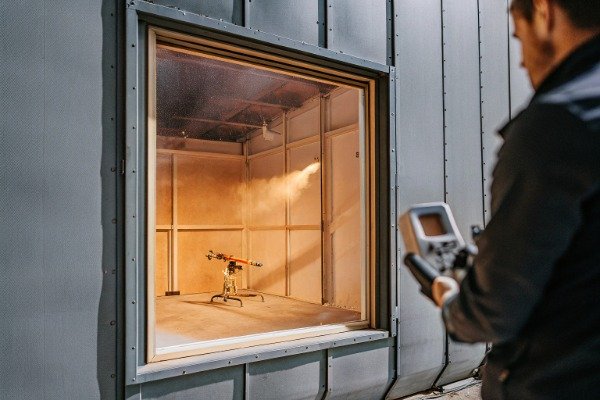
1. Protección contra descargas electrostáticas (ESD)
Los drones están repletos de microchips sensibles. La electricidad estática, que es invisible, puede dañar un componente sin causar un fallo inmediato. El dron podría volar bien durante una semana y luego caer repentinamente del cielo. Este es un "defecto latente"."
Un inspector debe comprobar la planta de fabricación en busca de:
- Suelos y alfombrillas ESD: ¿Están conectadas a tierra las mesas de trabajo?
- Pulseras antiestáticas: ¿Llevan los trabajadores pulseras antiestáticas conectadas a tierra mientras manipulan PCBs?
- Ventiladores ionizantes: ¿Se utilizan para neutralizar las cargas estáticas?
- Embalaje ESD: ¿Se almacenan los componentes en bolsas antiestáticas?
Si vemos una fábrica donde los trabajadores manipulan controladores de vuelo con las manos desnudas mientras usan suéteres de lana, eso es una gran señal de alerta.
Cumplimiento de la NDAA 3
2. Pruebas de Estrés Ambiental (ESS)
Los drones de extinción de incendios operan en entornos hostiles: alto calor cerca de las llamas, rociado de agua de las mangueras y vientos fuertes. Una prueba estándar de "encender y apagar" es insuficiente. La auditoría debe verificar que la fábrica tenga y utilice equipo de pruebas de estrés.
Pruebas de Impermeabilidad (Clasificación IP) 4
- Pruebas de Impermeabilidad (Clasificación IP): Si el dron afirma tener clasificación IP55, ¿tiene la fábrica una cámara de prueba de lluvia? El inspector debe presenciar una prueba en vivo.
- Envejecimiento a Alta/Baja Temperatura: Los drones deben colocarse en una cámara térmica (por ejemplo, de -20 °C a +60 °C) para garantizar que la batería y los sensores no fallen en condiciones climáticas extremas.
- Pruebas de Vibración: Una mesa vibratoria simula la sacudida constante de los motores. Esto asegura que los tornillos no se aflojen y las uniones de soldadura no se agrieten con el tiempo.
3. Calibración de Sensores Térmicos y Carga Útil
Para la extinción de incendios, la cámara térmica es el "ojo" de la operación. Detecta puntos calientes a través del humo.
El inspector necesita verificar:
- Calibración de Cuerpo Negro: ¿La fábrica utiliza una fuente de radiación de "cuerpo negro" para calibrar la precisión de la temperatura de la cámara térmica?
- Estabilidad del Gimbal: El gimbal debe ser probado en un equipo multieje para asegurar que el video permanezca estable incluso cuando el dron está maniobrando agresivamente.
4. Seguridad y Gestión de Baterías
Las baterías de litio son el componente más peligroso. La auditoría debe verificar la sala de envejecimiento.
- Pruebas de Ciclo: ¿Se cargan y descargan las baterías para verificar la capacidad?
- Coincidencia de Celdas: ¿Las celdas individuales dentro de un paquete de baterías coinciden en resistencia interna? Las celdas desparejadas provocan caídas de voltaje y cortes de energía en pleno vuelo.
- Seguridad de Almacenamiento: ¿Se almacenan las baterías en gabinetes ignífugos? Esto refleja la cultura de seguridad de la fábrica.
Resumen de Puntos Críticos de Verificación
| Categoría | Punto de control | Por qué es importante |
|---|---|---|
| Ensamblaje de PCB | Estándar IPC-A-610 | Asegura que las uniones de soldadura sean confiables y no se agrieten bajo vibración. |
| Entorno | Cámara de lluvia / Niebla salina | Verifica que el dron pueda soportar entornos acuáticos, costeros y húmedos. |
| Aviónica | Calibración de brújula/IMU | Previene "despegues" causados por interferencias magnéticas o deriva de sensores. |
| Propulsión | Prueba de dinamómetro de motor | Verifica la capacidad de elevación y la eficiencia (afirmaciones de tiempo de vuelo). |
| Software | Control de versión de firmware | Asegura que se flashea la versión correcta y estable del software. |
5. Seguridad de datos y firmware
Para clientes en EE. UU. y Europa, la seguridad de los datos es primordial. El inspector debe verificar Proceso de carga de software.
- ¿Quién tiene acceso al firmware?
- ¿Están cifrados los datos del registro de vuelo?
- ¿Tiene la fábrica un proceso para garantizar que no se introduzca malware durante el proceso de flasheo?
- Cumplimiento de la NDAA: Si requiere el cumplimiento de la NDAA, el inspector debe verificar visualmente que los componentes críticos (como el Sistema en Chip o el módulo Wi-Fi) no sean de fabricantes prohibidos (por ejemplo, HiSilicon).
¿Cómo interpreto el informe de auditoría para tomar una decisión de compra final?
Recibir un informe de 50 páginas puede ser abrumador. Ayudamos a los clientes a interpretar estos hallazgos para distinguir entre problemas cosméticos menores y fallas sistémicas críticas que deberían detener un trato.
Baterías de litio 5
Concéntrese en los defectos "Críticos" y "Mayores" que afectan la seguridad o la funcionalidad, como pruebas de impermeabilidad fallidas o cableado defectuoso. Evalúe el plan de acción correctiva del fabricante para estos problemas. Si la fábrica obtiene una puntuación inferior al 70% o falla las comprobaciones críticas de seguridad, reconsidere al proveedor.
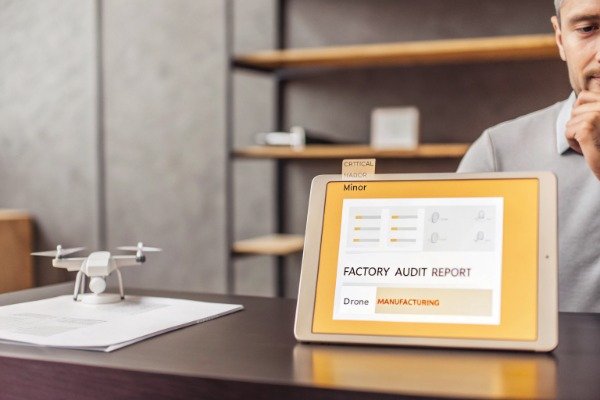
Comprensión del Sistema de Puntuación
La mayoría de los informes de auditoría utilizan un sistema de semáforo o una puntuación porcentual.
- Verde (80-100%): La fábrica tiene bajo riesgo. Pueden existir problemas menores, pero el sistema es sólido.
- Amarillo (60-79%): Riesgo medio. La fábrica tiene potencial, pero se necesitan mejoras específicas antes de la producción en masa.
- Rojo (0-59%): Alto riesgo. La fábrica carece de controles básicos. No realice un pedido sin una revisión importante.
Sin embargo, la puntuación no lo es todo. Debe observar la Clasificación de Defectos.
Distinción de Tipos de Defectos
Los inspectores clasifican los hallazgos en tres niveles. Comprender la diferencia es crucial para su decisión.
estándares de soldadura (IPC-A-610) 7
-
Defectos Críticos (Tolerancia Cero):
- Definición: Problemas que comprometen la seguridad, violan regulaciones o hacen que el producto sea totalmente inutilizable.
- Ejemplos: La batería del dron se incendia durante las pruebas; el sistema de seguridad "Regreso a Casa" no funciona; se encuentra trabajo infantil en la línea de producción; certificados CE/FCC falsos.
- Acción: Si se encuentra un defecto cualquiera crítico, la auditoría es un FALLO. automático. No continúe hasta que esto se resuelva y se vuelva a verificar.
-
Defectos Mayores (Problemas de Funcionalidad):
- Definición: Problemas que afectan la función o el rendimiento del producto pero no representan una amenaza para la seguridad. El producto podría no cumplir con sus especificaciones.
- Ejemplos: El tiempo de vuelo es de 25 minutos en lugar de los 30 prometidos; el alcance de la transmisión de video es menor de lo anunciado; la pintura de los brazos se raya fácilmente.
- Acción: Estos son negociables. Puede pedirle a la fábrica que rehaga los productos u ofrezca un descuento. Debe exigir un "Plan de Acción Correctiva" (CAP).
-
Defectos Menores (Estéticos/Proceso):
- Definición: Desviaciones leves que no afectan la función o la comercialización.
- Ejemplos: Una etiqueta está ligeramente torcida; el manual del usuario tiene un error tipográfico; el almacén está ligeramente desorganizado.
- Acción: Estos suelen ser aceptables, pero debe pedirle a la fábrica que los mejore para lotes futuros.
El Plan de Acción Correctiva (CAP)
La parte más importante del proceso posterior a la auditoría es cómo responde el fabricante.
Si recibimos un informe de auditoría con problemas, nuestro equipo redacta inmediatamente un CAP. Este documento detalla:
- Causa Raíz: ¿Por qué ocurrió el error?
- Solución Inmediata: ¿Cómo solucionaremos el lote actual?
- Prevención a Largo Plazo: ¿Cómo evitaremos que vuelva a suceder?
Guía de Decisión:
- Buen Proveedor: Reconoce los errores, proporciona un CAP detallado en 48 horas e invita a una reinspección.
- Mal Proveedor: Niega los hallazgos, culpa al inspector o se niega a solucionar los problemas. Aléjate de estos proveedores.
Buscando "Showstoppers"
Más allá de los defectos técnicos, busca "showstoppers" de negocio en el informe:
- Subcontratación: ¿Encontró el inspector que la fábrica está subcontratando su pedido a un vecino? Esto destruye su cadena de control de calidad.
- Falta de protección de propiedad intelectual: ¿Vio el inspector planos de la competencia tirados abiertamente? Esto sugiere que sus diseños personalizados no estarán seguros.
Aprovechando el informe para la negociación
Utilice el informe como una herramienta. Si la auditoría revela que la instalación de prueba de motores "interna" de la fábrica está rota, usted tiene poder de negociación. Puede exigir que reparen la instalación o que paguen pruebas de laboratorio de terceros para cada lote.
Descarga Electrostática (ESD) 8
Si el informe muestra defectos importantes, puede retrasar el pago final hasta que esos problemas específicos se rectifiquen y se verifiquen mediante video o una inspección de seguimiento. Esto convierte la auditoría de un costo en un mecanismo de ahorro.
Intertek para nuestros clientes 9
Conclusión
Auditar a su proveedor de drones es un seguro, no un gasto. Garantiza que su equipo de lucha contra incendios funcione cuando hay vidas en juego. Elija la seguridad sobre los ahorros.
Certificado ISO 9001 10
Notas al pie
1. Definición autorizada de la American Society for Quality. ↩︎
2. Sitio web oficial de la principal agencia de inspección citada. ↩︎
3. Página oficial del gobierno de EE. UU. que explica la regulación pertinente. ↩︎
4. Explica el sistema de clasificación de protección de entrada mencionado. ↩︎
5. Guía oficial de seguridad sobre los peligros de las baterías de litio. ↩︎
6. NIST es la autoridad en estándares de calibración como la radiación de cuerpo negro. ↩︎
7. Organización oficial para el estándar de ensamblaje de productos electrónicos. ↩︎
8. Definición enciclopédica oficial del fenómeno. ↩︎
9. Sitio web oficial de la principal agencia de inspección citada. ↩︎
10. Página oficial de la norma ISO 9001 mencionada en el texto. ↩︎
 English
  Español de México
  Deutsch
  Français
  Русский
  العربية
Comments
No comments yet. Be the first to share your thoughts!
Leave a Comment