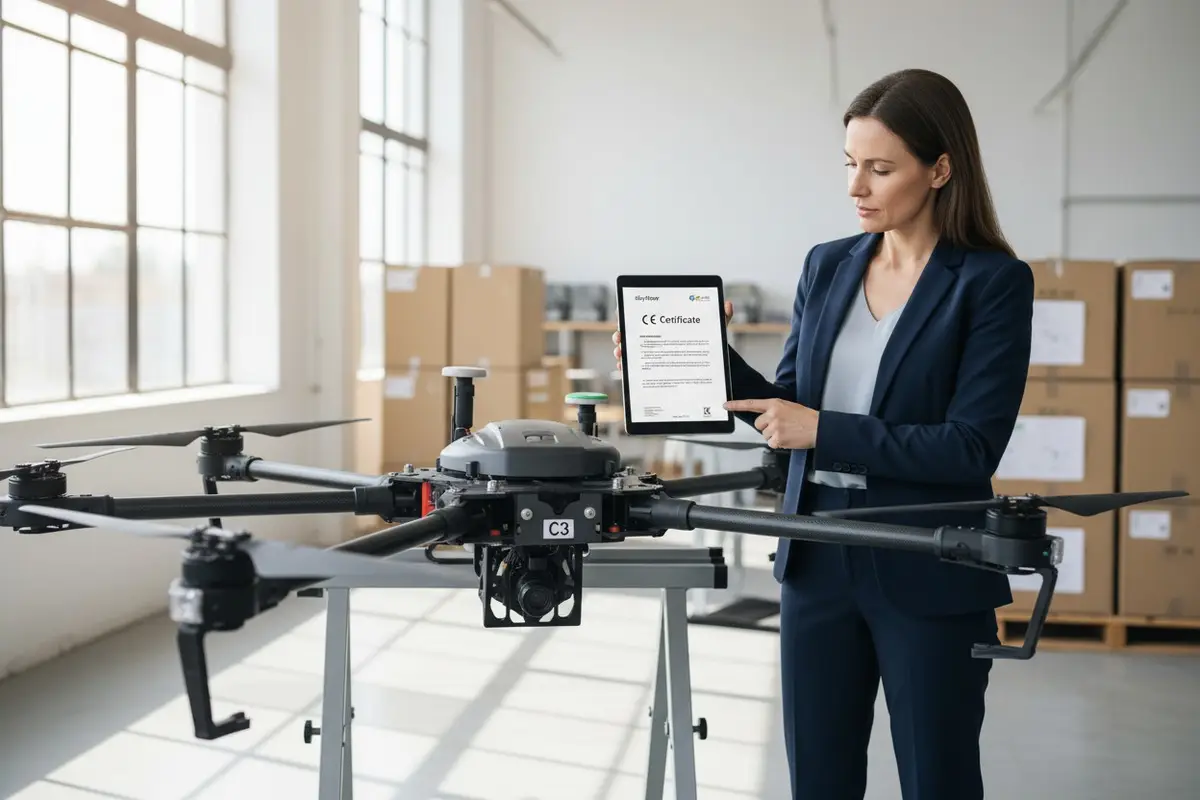
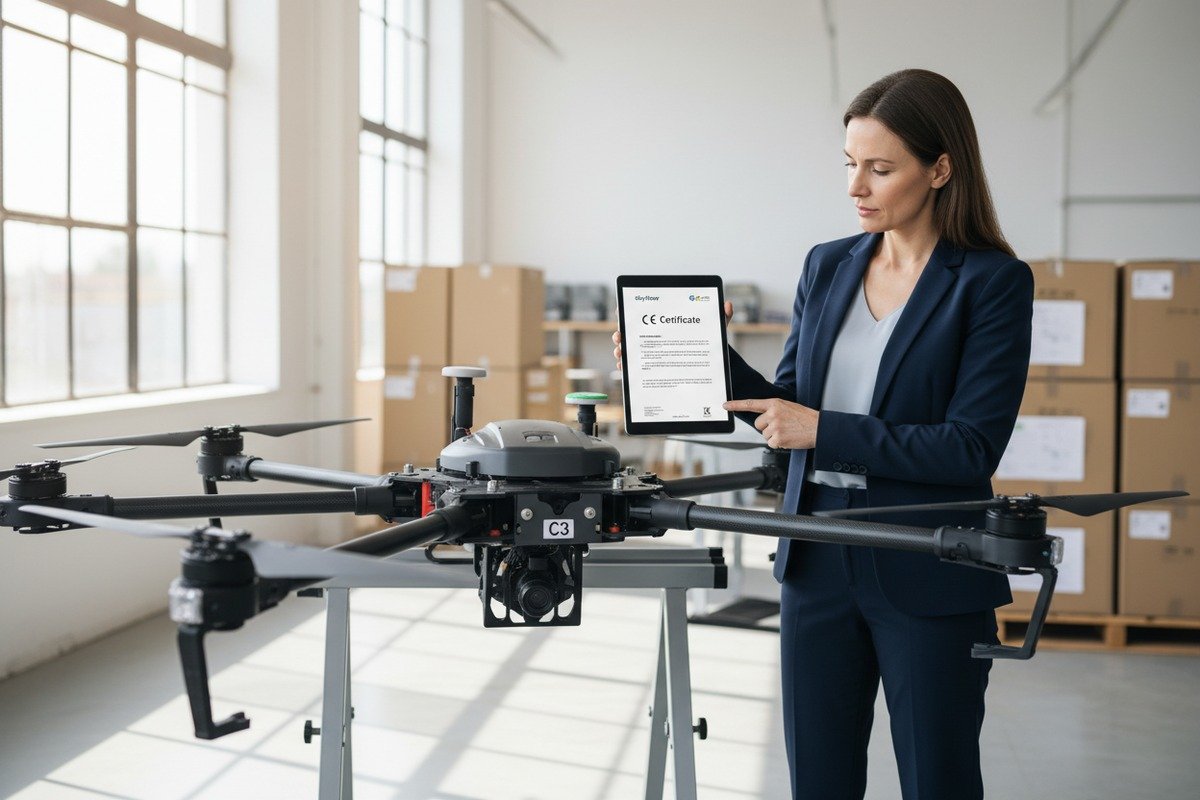
Cuando nuestro departamento de producción recibe pedidos de distribuidores europeos, surge repetidamente una pregunta: ¿cómo pueden los compradores confirmar que las marcas CE 1 son genuinas? Los certificados falsos inundan el mercado y las autoridades aduaneras rechazan envíos a diario.
Para verificar la certificación CE de la UE para drones agrícolas, los compradores deben inspeccionar el marcado CE físico y la etiqueta de identificación de clase en el propio dron, solicitar el documento de Declaración de Conformidad de la UE, validar la participación del Organismo Notificado para las clases de drones aplicables y cotejar la documentación técnica con los requisitos del Reglamento Delegado (UE) 2019/945.
Esta guía desglosa cada paso de verificación. Cubriremos la autenticación de certificados, las directivas requeridas, la documentación técnica y cómo las modificaciones del OEM afectan el cumplimiento Declaración de Conformidad de la UE 2. Empecemos por lo básico.
¿Cómo verifico que el certificado CE de mi proveedor chino para drones agrícolas es realmente auténtico?
Nuestro equipo de exportación ha visto a compradores estafados por certificados falsificados más veces de las que podemos contar Organismos Notificados (base de datos NANDO) 3. El problema es real: una marca CE falsa se ve idéntica a una genuina a primera vista. Pero las consecuencias de importar drones no conformes incluyen incautaciones aduaneras, multas y problemas de responsabilidad Directiva de Equipos de Radio 2014/53/UE 4.
Los certificados CE auténticos se pueden verificar a través de tres canales principales: inspección física de la marca CE del dron y la etiqueta de identificación de clase, validación del documento de Declaración de Conformidad de la UE con números de serie coincidentes y confirmación de la acreditación del Organismo Notificado a través de la base de datos NANDO de la UE para clases de drones de mayor riesgo.
Lista de verificación de inspección física
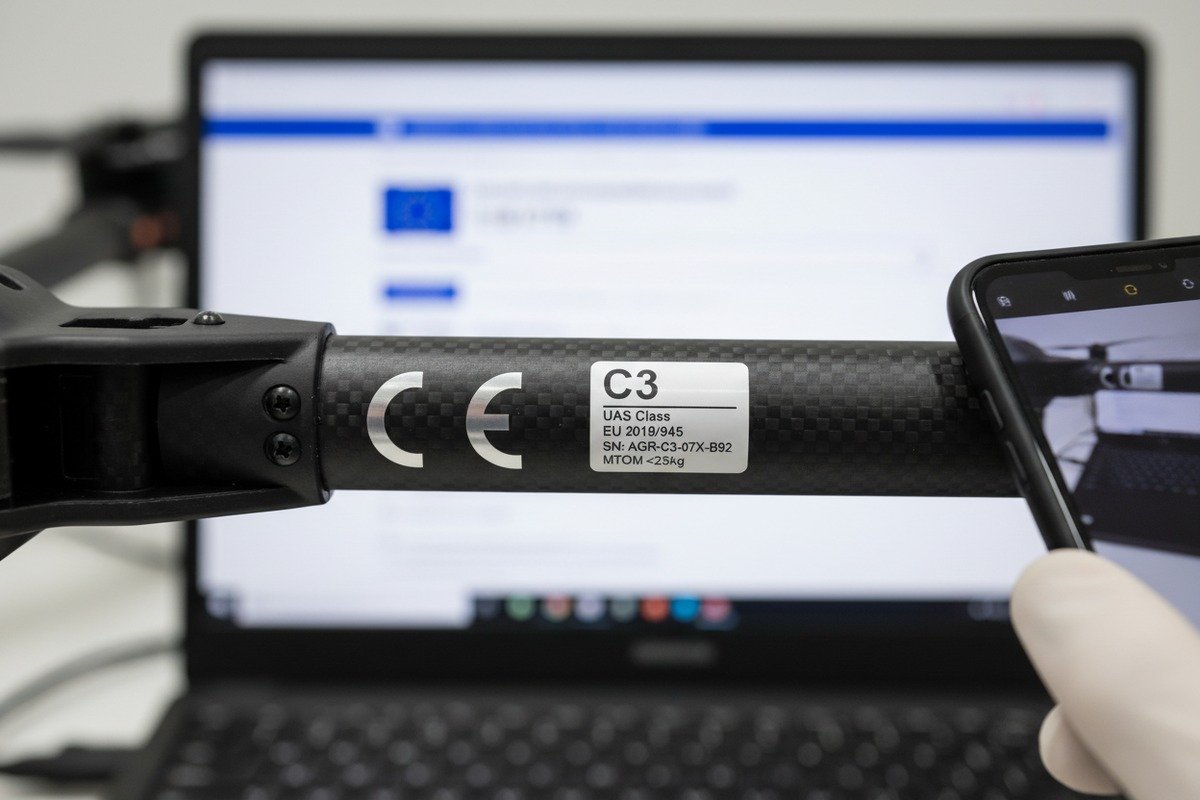
Empiece por el propio dron. Una marca CE genuina tiene requisitos específicos. Debe ser visible, legible e indeleble. La marca debe aparecer en el cuerpo del dron, no solo en el embalaje.
Para drones agrícolas, también necesita encontrar la Etiqueta de Identificación de Clase. Esta etiqueta muestra de C0 a C6 según la clase del dron. La mayoría de los drones de fumigación agrícola caen en las categorías C2, C3 o superiores debido a su peso y requisitos operativos.
| Punto de inspección | Qué buscar | Señales de alerta |
|---|---|---|
| Ubicación de la marca CE | En el cuerpo del dron, claramente visible | Solo en el embalaje, se borra fácilmente |
| Marca CE Calidad | Letras nítidas y proporcionales, altura mínima de 5 mm | Impresión borrosa, proporciones incorrectas |
| Etiqueta de Clase | Logotipo C0-C6 que coincide con las especificaciones del dron | Etiqueta faltante, clase incorrecta |
| Número de serie | Coincide con la Declaración de Conformidad | Sin número de serie, números diferentes |
| Información del fabricante | Nombre completo y dirección de la UE | Detalles de contacto faltantes |
Pasos de verificación de documentos
Solicite la Declaración de Conformidad de la UE directamente a su proveedor. Este documento no es opcional. Es un requisito legal según el Reglamento 2019/945.
La Declaración debe incluir el nombre y la dirección del fabricante, la identificación del producto con número de serie, la referencia a las directivas de la UE aplicables y las normas armonizadas, y la firma de una persona autorizada.
Using the NANDO Database
For drones requiring third-party testing (C3 and above), verify the Notified Body through the base de datos NANDO 5. This is the official EU registry of accredited testing organizations.
Go to the European Commission's NANDO website. Search for the Notified Body number listed on your certificate. Confirm they are authorized to test under Regulation 2019/945. If the number does not match, the certificate is fake.
Common Fake Certificate Indicators
In our experience working with European importers, these patterns signal fraudulent certificates:
- Certificates issued by non-existent Notified Bodies
- Declaration of Conformity dates before the drone model was manufactured
- Generic certificates covering multiple unrelated products
- Missing reference to specific EU regulations
- Test reports with inconsistent dates or missing laboratory details
¿Qué directivas y normas específicas de la UE debo buscar en la Declaración de Conformidad de mi dron agrícola?
When we prepare export documentation for our agricultural drone lines, we reference multiple EU directives. Missing even one directive can result in your shipment being held at customs. Understanding these requirements protects your investment.
Los drones agrícolas deben cumplir con el Reglamento Delegado (UE) 2019/945 para los requisitos específicos de los drones, la Directiva de Equipos de Radio 2014/53/UE para las funciones inalámbricas, la Directiva EMC 2014/30/UE para la compatibilidad electromagnética y, potencialmente, la Directiva de Máquinas 2006/42/CE para los sistemas de pulverización automatizada. La Declaración de Conformidad debe enumerar todas las directivas aplicables.

Normativa fundamental para todos los drones
Reglamento Delegado (UE) 2019/945 6 establece los requisitos de diseño y fabricación para los drones que se venden en el mercado de la UE. Este reglamento entró en vigor plenamente el 1 de enero de 2024. Define las siete clases de drones (C0-C6) y sus requisitos.
El Reglamento de Ejecución (UE) 2019/947 cubre el aspecto operativo. Si bien esto afecta principalmente a los operadores de drones, determina en qué clase debe clasificarse su dron agrícola en función del uso previsto.
Tabla de referencia de directivas
| Directiva/Regulación | Nombre completo | Se aplica cuando |
|---|---|---|
| (UE) 2019/945 | Reglamento Delegado sobre UAS | Todos los drones vendidos en la UE |
| (UE) 2019/947 | Reglamento de Ejecución sobre Normas de UAS | Todas las operaciones de drones |
| 2014/53/UE | Directiva sobre equipos de radio (RED) | Drones con radio/WiFi/GPS |
| 2014/30/UE | Directiva EMC | Todos los productos electrónicos |
| 2006/42/CE | Directiva de Máquinas | Drones con funciones automatizadas |
| 2011/65/UE | Directiva RoHS | Equipos eléctricos |
| 2014/35/UE | Directiva de Bajo Voltaje | Si la batería >75V CC |
Normas armonizadas a esperar
La serie EN 4709 proporciona las normas técnicas para el cumplimiento de los drones. Su proveedor debe hacer referencia a estas en la documentación técnica:
- EN 4709-001: Identificación e información del producto
- EN 4709-002: Requisitos para operaciones de UAS
- EN 4709-003: Requisitos de categoría específica
- EN 4709-004: Requisitos de operación de mayor riesgo
Para pruebas de equipos de radio, busque EN 300 328 (WiFi), EN 301 489 (CEM) y EN 62311 (exposición humana a campos electromagnéticos).
Consideraciones específicas para la agricultura
Los drones agrícolas a menudo transportan equipos de fumigación. Esto añade complejidad. El mecanismo de fumigación puede activar los requisitos de la Directiva de Máquinas. Los tanques de líquido y las bombas deben cumplir las normas de seguridad.
Nuestro equipo de ingeniería diseña drones agrícolas teniendo en cuenta estos requisitos duales. El sistema de vuelo cumple las regulaciones de drones. El sistema de fumigación cumple las normas de maquinaria. Ambos deben aparecer en la Declaración de Conformidad.
Requisitos de Identificación Remota
Desde 2024, los drones de clase C1 y superiores deben tener Identificación Remota Directa integrada. No puede ser un módulo adicional de posventa. La función de Identificación Remota debe estar integrada de fábrica y probada como parte del proceso de certificación CE.
¿Qué documentación técnica debo solicitar a mi fabricante de drones para garantizar un proceso de despacho de aduanas de la UE sin problemas?
Nuestro departamento de logística ha gestionado cientos de envíos a la UE. Sabemos exactamente qué buscan los funcionarios de aduanas. El paquete de documentación adecuado marca la diferencia entre un despacho de un día y una retención de un mes.
Para un despacho de aduanas de la UE sin problemas, solicite el Expediente Técnico completo que incluya planos de diseño, documentos de evaluación de riesgos, informes de pruebas de laboratorios acreditados, Declaración de Conformidad de la UE, manual de usuario con declaraciones de cumplimiento y certificación UN38.3 para baterías de litio. Todos los documentos deben hacer referencia al modelo específico del dron y al rango de números de serie.
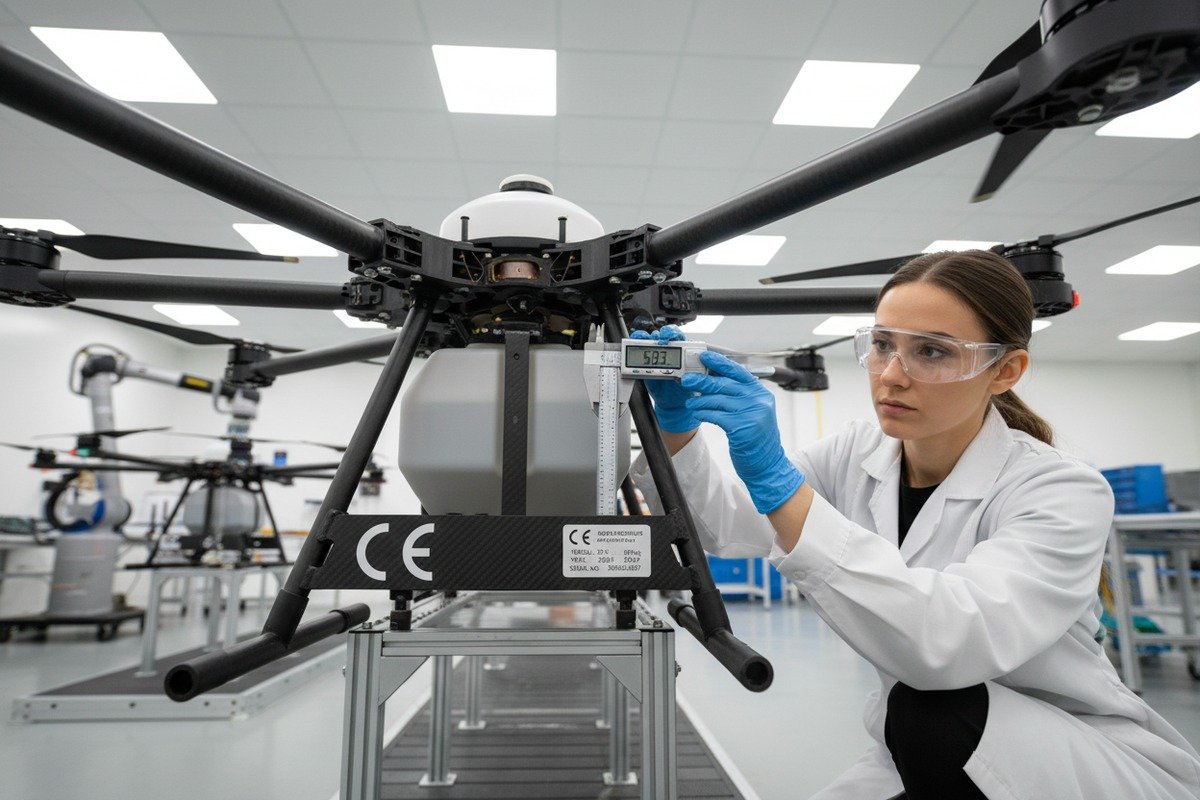
Los componentes del Expediente Técnico
El Expediente Técnico es el paquete de documentos maestro que demuestra el cumplimiento. Las autoridades de la UE pueden solicitarlo en cualquier momento. Su proveedor debe proporcionar acceso a estos documentos.
| Tipo de documento | Contenidos | Por qué es importante |
|---|---|---|
| Documentación de diseño | Dibujos CAD, esquemas, especificaciones de componentes | Demuestra que el dron coincide con el diseño probado |
| Evaluación de Riesgos | Análisis de peligros según EN ISO 12100 | Muestra el proceso de evaluación de seguridad |
| Informes de prueba | Resultados de RF, EMC, batería, durabilidad | Confirma las pruebas de cumplimiento |
| Registros de control de calidad | Procedimientos de prueba de producción | Demuestra calidad constante |
| Manual del usuario | Instrucciones de operación, advertencias | Requerido para la seguridad del usuario final |
| Declaración de conformidad | Declaración de cumplimiento legal | Declaración oficial de cumplimiento |
Elementos esenciales del informe de prueba
Los informes de prueba deben provenir de laboratorios acreditados. Busque ISO 17025 8. Los informes deben cubrir:
Pruebas de RF: Verifica que las emisiones de radio cumplen con los límites de la UE. Busque pruebas contra las normas EN 300 328 y EN 301 893. El informe debe incluir mediciones de frecuencia, niveles de potencia de salida y pruebas de emisiones espurias.
Pruebas de EMC: Confirma que el dron no interfiere con otros equipos. Las pruebas deben hacer referencia a EN 301 489-1 y EN 301 489-17. Se requieren pruebas de emisiones e inmunidad.
Seguridad de las baterías: Las baterías de litio requieren Certificación UN38.3 9. Este es un requisito de seguridad para el transporte. La prueba cubre simulación de altitud, pruebas térmicas, vibración, choque, cortocircuito, impacto, sobrecarga y descarga forzada.
Pruebas estructurales: Para C2 y superior, espere pruebas de resistencia al impacto y durabilidad de materiales. La serie EN 4709 especifica estos requisitos.
Señales de alerta en la documentación
Según nuestra experiencia de exportación, estos problemas causan problemas aduaneros:
- Informes de prueba con números de modelo diferentes a los drones enviados
- Certificados de batería UN38.3 faltantes
- Declaración de conformidad sin referencias específicas a directivas
- Manuales de usuario sin declaraciones de cumplimiento de la UE
- Documentos en idiomas no pertenecientes a la UE sin traducciones
Lista de verificación de documentación previa al envío
Antes de que su proveedor envíe, verifique que tiene:
- Declaración de Conformidad de la UE (original o copia certificada)
- Resumen del Expediente Técnico
- Informes de pruebas con números de modelo coincidentes
- Informe de prueba de batería UN38.3
- Manual de usuario con instrucciones de marcado CE
- Factura comercial con códigos HS correctos
- Lista de empaque con números de serie
Trabajando con su proveedor
Solicite muestras de documentación antes de realizar pedidos grandes. Nuestro equipo proporciona vistas previas de documentación a los importadores precisamente por esta razón. Revise los documentos con su agente de aduanas. Identifique cualquier brecha temprano.
Algunos documentos contienen información propietaria. Los proveedores pueden proporcionar resúmenes en lugar de expedientes técnicos completos. Esto es aceptable siempre que el resumen contenga detalles suficientes para la verificación aduanera.
¿Cómo afecta un diseño OEM personalizado al estado de certificación CE existente de mi dron agrícola?
Nuestro equipo de desarrollo OEM trabaja regularmente con distribuidores en configuraciones personalizadas. Aquí es donde muchos compradores cometen errores costosos. Asumen que la certificación CE original se transfiere automáticamente. No funciona de esa manera.
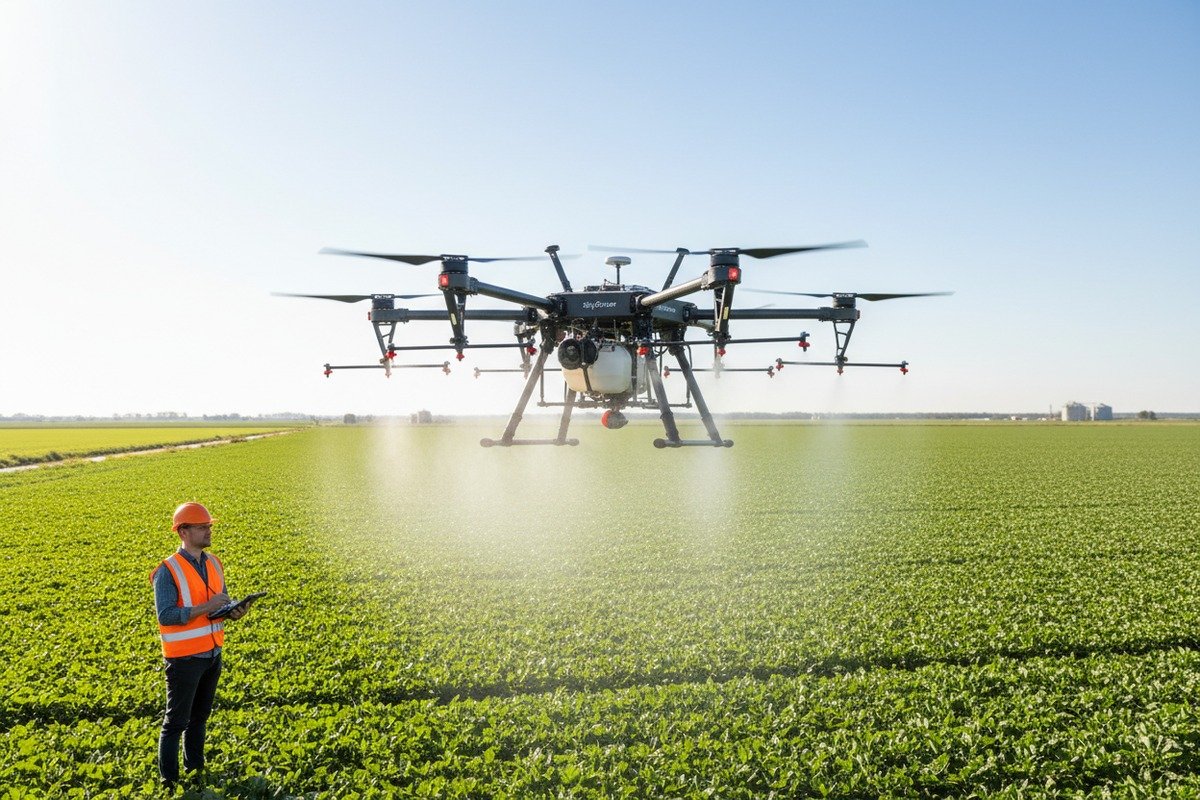
Las modificaciones OEM personalizadas en un dron agrícola suelen invalidar la certificación CE existente y requieren una recertificación parcial o completa. Los cambios en el peso, el software, los sistemas de radio o el diseño estructural activan los requisitos de reevaluación. El alcance de la recertificación depende de qué aspectos del diseño original probado por tipo se modifican.
Modificaciones que activan la recertificación
No todos los cambios son iguales. Algunas modificaciones requieren pruebas completas. Otras solo necesitan actualizaciones de documentación. Comprender esto ahorra tiempo y dinero.
| Tipo de modificación | Impacto en la certificación | Se requiere acción |
|---|---|---|
| Cosmético (colores, calcomanías) | Ninguno | Actualizar solo la documentación |
| Marca (logotipos, placas de identificación) | Mínimo | Nueva Declaración de Conformidad |
| Cambios de peso (tamaño del tanque) | Moderado a Alto | Puede cambiar la clase del dron, volver a probar |
| Cambio de módulo de radio | Alto | Re-pruebas completas de RF/EMC |
| Cambios de software/firmware | Moderado a Alto | Revisión de ciberseguridad, posible re-prueba |
| Modificaciones estructurales | Alto | Re-pruebas mecánicas completas |
| Cambio de capacidad de la batería | Moderado | Pruebas de batería, revisión del impacto del peso |
El problema del cambio de clase
Los drones agrícolas a menudo se enfrentan a cambios de clase durante la personalización OEM. Aquí hay un escenario común:
Desea un tanque de pulverización más grande para mayor eficiencia. El dron base está certificado como C2 (menos de 4 kg). La adición de un tanque de 10 litros eleva el peso total por encima de los 4 kg. El dron ahora requiere certificación C3. Este es un proceso de certificación diferente que requiere la participación de un Organismo Notificado.
Nuestro equipo de ingeniería puede ayudar a calcular los presupuestos de peso antes de que se comprometa con las modificaciones. Trazamos exactamente cómo los cambios afectan el estado de la certificación.
Personalización de software OEM
Los cambios de software presentan desafíos únicos. La UE ha introducido requisitos de ciberseguridad para drones. El software personalizado debe cumplir con estos estándares.
Las actualizaciones de firmware pueden desencadenar requisitos de reevaluación. Si su software OEM cambia los algoritmos de control de vuelo, las funciones de geoconciencia o el comportamiento de identificación remota, espere una recertificación.
Recomendamos documentar todas las versiones y cambios de software. Esto crea un rastro de auditoría para fines de cumplimiento.
Mantenimiento de la certificación durante el desarrollo OEM
El enfoque más eficiente es el desarrollo colaborativo desde el principio. Cuando nuestros socios acuden a nosotros al principio del proceso, diseñamos modificaciones dentro de los límites de certificación existentes.
Esto significa:
- Selección de componentes que mantengan la misma clase de dron
- Uso de módulos de radio preaprobados
- Mantenimiento de los cambios de software dentro de los parámetros probados
- Documentación de cada modificación para el archivo técnico
Modelo de Responsabilidad Compartida
En los acuerdos con OEM, las responsabilidades de certificación deben definirse claramente. El fabricante original posee la certificación CE. Cuando modifica el dron, la responsabilidad puede cambiar.
Si solo aplica cambios de marca y embalaje, la certificación original a menudo sigue siendo válida. Usted se convierte en importador o distribuidor según la ley de la UE.
Si realiza modificaciones técnicas, puede convertirse en el fabricante según las regulaciones de la UE. Esto traslada la responsabilidad total de cumplimiento a su empresa.
Nuestros contratos con socios OEM especifican claramente estas responsabilidades. Recomendamos a todos los compradores que establezcan la misma claridad con sus proveedores.
Consideraciones de costo y cronograma
Los costos de recertificación varían ampliamente según el alcance de la modificación:
- Solo actualizaciones de documentación: 1-2 semanas, costo mínimo
- Re-pruebas parciales (una directiva): 4-8 semanas, costo moderado
- Recertificación completa: 12-20 semanas, inversión significativa
Planificar las modificaciones al principio de su ciclo de desarrollo de productos minimiza tanto el costo como el plazo. Las modificaciones de reacondicionamiento a productos certificados existentes son casi siempre más caras que diseñar el cumplimiento desde el principio.
Conclusión
La verificación de la certificación CE de la UE para drones agrícolas requiere una inspección sistemática de las marcas, documentos y credenciales del Organismo Notificado. Solicite la documentación técnica completa antes de realizar el pedido. Planifique las modificaciones de OEM cuidadosamente para evitar costosas recertificaciones. Su diligencia debida protege su negocio y garantiza el acceso al mercado.
Notas al pie
1. Guía oficial de la UE sobre los requisitos y la importancia del marcado CE. ↩︎
2. Fuente oficial de la UE para la Declaración de Conformidad. ↩︎
3. Base de datos oficial de la UE NANDO para Organismos Notificados, mencionada en el contexto del artículo. ↩︎
4. Texto oficial de la directiva de la UE para la comercialización de equipos de radio. ↩︎
5. Base de datos oficial de la UE para buscar Organismos Notificados acreditados por legislación. ↩︎
6. Texto oficial del reglamento de la UE sobre sistemas de aeronaves no tripuladas. ↩︎
7. Texto oficial de la directiva de la UE sobre maquinaria, relevante para sistemas de pulverización. ↩︎
8. Información autorizada sobre ISO/IEC 17025 para la competencia de laboratorios. ↩︎
9. Explica la certificación UN38.3 para el transporte seguro de baterías de litio. ↩︎

 English
  Español de México
  Deutsch
  Français
  Русский
  العربية
Comments
No comments yet. Be the first to share your thoughts!
Leave a Comment