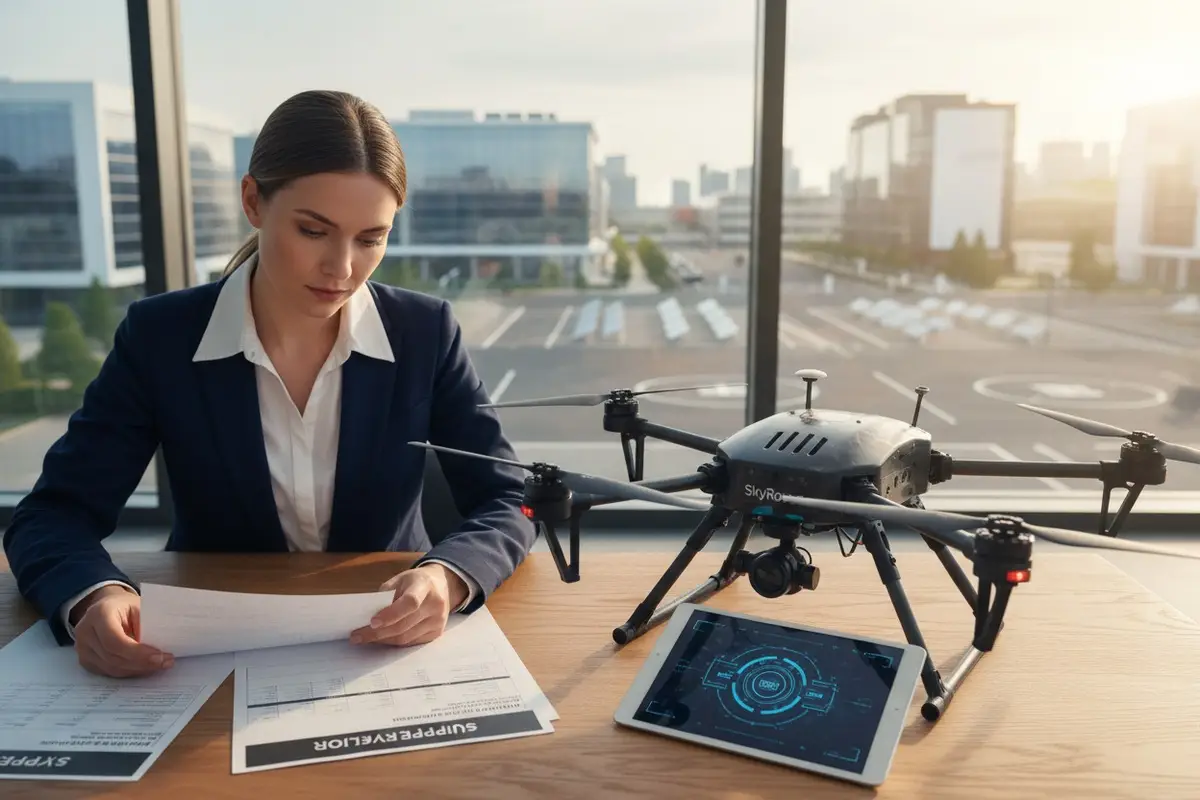

El año pasado, nuestro equipo de ingeniería recibió una llamada urgente de un distribuidor de EE. UU. Su flota de drones agrícolas no pudo arrancar durante la temporada alta de cosecha. ¿El culpable? Una pantalla de arranque personalizada mal integrada de un proveedor no verificado. Este costoso error nos enseñó lo crítico que es realmente la verificación del proveedor.
Para verificar a los proveedores de pantallas de arranque de software personalizadas, debe evaluar su experiencia en ingeniería en cadenas de arranque seguras, exigir muestras de firmas criptográficas y documentación de pruebas, confirmar acuerdos de soporte técnico a largo plazo y validar que las personalizaciones no comprometerán la estabilidad del dron a través de simulaciones de hardware en bucle.
El mercado de drones agrícolas está en auge. Solo se enviaron más de 250.000 unidades en 2025. Pero con el 70% con firmware personalizable, los incidentes de fraude de proveedores aumentaron un 15% interanual. Permítame explicarle exactamente cómo proteger su inversión.
¿Cómo puedo evaluar el equipo de ingeniería de un proveedor para asegurarme de que puedan manejar la integración de la pantalla de arranque de mi software personalizado?
Cuando evaluamos nuevos socios de firmware en nuestras instalaciones de Xi'an, hemos aprendido que las credenciales técnicas importan mucho más que las promesas de ventas. Muchos compradores se centran en el precio. Pasan por alto la profundidad de ingeniería requerida para la integración segura de la pantalla de arranque. Esta supervisión conduce a fallos de arranque y tiempo de inactividad de la flota.
Evalúe a los proveedores solicitando documentación detallada del flujo de arranque, verificando su experiencia con la arquitectura de procesador específica de su dron, comprobando sus capacidades de firma criptográfica y revisando al menos tres proyectos completados de drones agrícolas con referencias verificables.

Comprendiendo qué significa realmente la experiencia técnica
Una pantalla de arranque puede parecer simple. Es solo una imagen que aparece cuando su dron se enciende, ¿verdad? Incorrecto. Los drones agrícolas modernos utilizan cadenas de arranque seguras 1. Cada etapa verifica la siguiente a través de firmas criptográficas. Su pantalla de arranque personalizada debe integrarse en esta cadena sin romperla.
Nuestros ingenieros trabajan con procesadores basados en ARM 2 de Qualcomm. Estos chips utilizan firmas enlazadas por hardware vinculadas a identificadores de hardware específicos. Un proveedor calificado debe comprender profundamente esta arquitectura. Deben explicar cómo se firmará su imagen de arranque, qué cadena de certificados utilizarán y cómo se integra con el modelo de seguridad existente de su dron.
Preguntas clave para hacer durante la evaluación del proveedor
Solicite su diagrama de flujo de arranque. Debe mostrar la secuencia completa desde el stub de ROM hasta la carga del kernel y la visualización de su pantalla personalizada. Si no pueden producir esto, retírese.
Solicite información sobre su infraestructura de firma. ¿Utilizan hash SHA-2? ¿Firmas RSA? ¿Cómo gestionan las claves privadas? Nuestro equipo mantiene servidores de firma aislados. Su proveedor debe demostrar una conciencia de seguridad similar.
Criterios de evaluación del equipo de ingeniería del proveedor
| Criterios | Indicador fuerte | Bandera Roja |
|---|---|---|
| Documentación del flujo de arranque | Diagrama completo con todas las etapas | Documentación genérica o faltante |
| Experiencia en procesadores | Trabajo demostrado con el proveedor de su chip | Afirma compatibilidad con "cualquier procesador" |
| Infraestructura de firma | Gestión segura dedicada de claves | Utiliza firma compartida o basada en la nube |
| Referencias agrícolas | 3+ proyectos de drones verificables | Solo experiencia en electrónica de consumo |
| Tiempo de respuesta | Respuestas técnicas en 48 horas | Desvío de ventas a preguntas técnicas |
Verificación de reclamaciones mediante pruebas prácticas
No acepte solo la documentación. Solicite una demostración. Nuestro proceso de garantía de calidad incluye la ejecución de imágenes de arranque del proveedor en entornos de emulación QEMU 3 antes de cualquier prueba de hardware. Esto detecta problemas de compatibilidad de forma temprana.
Pregunte si pueden proporcionar una imagen de prueba para su modelo específico de controlador de vuelo. Un proveedor capaz atenderá esta solicitud. Entienden que la verificación genera confianza. Los proveedores que se niegan a realizar pruebas prácticas a menudo ocultan limitaciones técnicas.
¿Qué prueba de ensayo debo exigir para verificar que mi marca personalizada funciona perfectamente en el controlador de vuelo del dron?
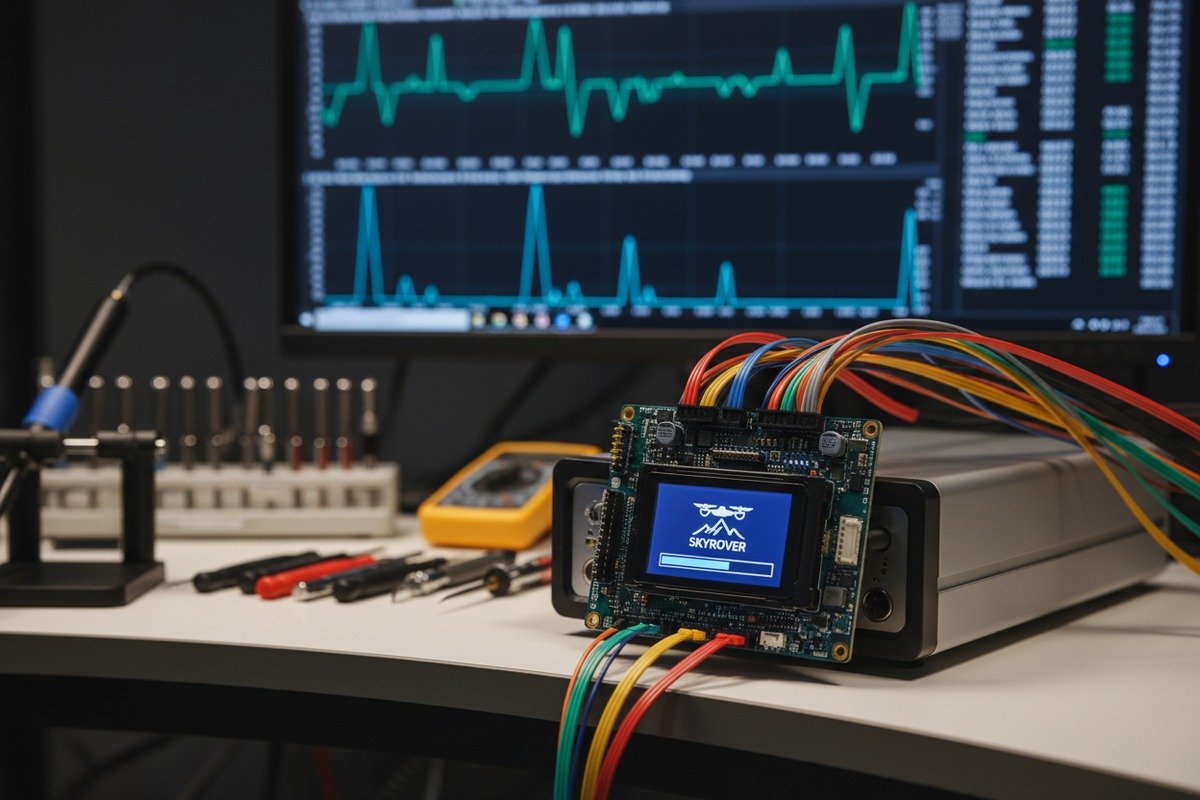
Durante nuestros ciclos de desarrollo, hemos visto pantallas de arranque hermosas fallar espectacularmente en hardware real. La imagen se veía perfecta en la simulación. Pero en el controlador de vuelo real, los colores cambiaron, el tiempo se rompió y, a veces, el dron ni siquiera arrancaba. La prueba de verificación no es opcional. Es esencial.
Solicite informes de prueba de hardware en bucle, certificados de compatibilidad del controlador de vuelo, mediciones de tiempo de arranque, datos de consumo de energía durante la secuencia de arranque y documentación en video de ciclos de arranque exitosos en su modelo de dron exacto bajo diversas condiciones de temperatura.
La diferencia entre la simulación y la realidad
Los entornos de emulación detectan muchos problemas. Pero no pueden replicar todo. Los drones agrícolas se enfrentan a condiciones extremas. Cambios de temperatura desde el amanecer hasta el mediodía. Variaciones de humedad. Vibración del transporte. Su pantalla de arranque debe funcionar de manera confiable a través de todo esto.
Nuestros protocolos de prueba requieren la verificación del arranque a -10 °C y +45 °C. Realizamos 100 ciclos de arranque consecutivos. Medimos el tiempo exacto. Una pantalla de arranque que añade dos segundos puede parecer aceptable. Pero multiplique eso por 50 drones y 10 operaciones diarias. Ha perdido un tiempo productivo significativo.
Lista de verificación de documentación de pruebas esenciales
| Tipo de documento | Qué Debería Incluir | Por qué es importante |
|---|---|---|
| Informe de Hardware en Bucle | Especificaciones del banco de pruebas, criterios de aprobación/fallo, datos brutos | Demuestra pruebas en hardware real |
| Análisis de Tiempos | Desglose de la secuencia de arranque en milisegundos | Identifica impactos en el rendimiento |
| Registro de Consumo de Energía | Consumo de corriente durante las fases de arranque | Afecta la duración de la batería y la fiabilidad |
| Resultados de Pruebas de Temperatura | Rendimiento a temperaturas extremas | Las condiciones agrícolas son duras |
| Evidencia en Video | Secuencias de arranque grabadas | Prueba visual del comportamiento real |
Entendiendo los modos de fallo de la pantalla de arranque
Cuando nuestro equipo analiza integraciones fallidas, vemos patrones. Las discrepancias en la profundidad de color causan corrupción de pantalla. Las dimensiones de imagen incorrectas activan pantallas de reserva. Las firmas faltantes detienen el arranque por completo. Los sistemas de drones basados en Android muestran pantallas de advertencia amarillas para cadenas de confianza personalizadas. Las pantallas rojas aparecen cuando no se encuentra ningún sistema operativo válido.
Pregunte a su proveedor qué estados de advertencia podrían aparecer. El sistema de arranque verificado del Proyecto de Código Abierto de Android utiliza pantallas codificadas por colores. El amarillo indica claves de firma personalizadas. El naranja significa que el gestor de arranque está desbloqueado. El rojo señala fallos críticos. Su proveedor debe explicar exactamente qué estados se aplican a su configuración.
Creando su especificación de requisitos de prueba
Escriba exactamente lo que necesita que se pruebe. Incluya su modelo específico de controlador de vuelo. Enumere las condiciones ambientales que enfrentarán sus drones. Especifique los rangos de tiempo de arranque aceptables. Defina qué constituye un aprobado o un suspenso.
Nuestros clientes de exportación reciben informes de prueba completos. Estos incluyen la verificación de cobertura de línea 100% utilizando cadenas de herramientas automatizadas similares a las metodologías de Cadence. Probamos comprobaciones de integridad dm-verity 4. Verificamos la cadena de certificados completa. Su proveedor debe cumplir o superar estos estándares.
¿Puede el fabricante proporcionar soporte técnico a largo plazo si mi interfaz de software personalizada necesita actualizaciones después de la compra?
Una de las mayores quejas que escuchamos de los compradores que cambian a nuestros productos involucra el soporte abandonado. Su proveedor anterior entregó la pantalla de arranque inicial. Luego desapareció. Cuando las actualizaciones de firmware rompieron la compatibilidad, no tuvieron recurso. Esto sucede más a menudo de lo que crees.
Sí, los fabricantes de renombre brindan soporte a largo plazo a través de acuerdos de nivel de servicio contractuales, mecanismos seguros de actualización OTA, compromisos de estabilidad de API documentados, acuerdos de depósito de código fuente y gerentes de cuentas técnicas dedicados para necesidades de personalización continuas.

Por qué el soporte a largo plazo importa más que la entrega inicial
Las pantallas de arranque no existen de forma aislada. Se integran con el firmware del controlador de vuelo. Ese firmware se actualiza regularmente. Llegan parches de seguridad. Se implementan nuevas funciones. Cada actualización afecta potencialmente a su pantalla de arranque personalizada.
Nuestro equipo lanza actualizaciones de firmware trimestralmente. Cada lanzamiento incluye pruebas de compatibilidad para integraciones personalizadas existentes. Pero no todos los proveedores hacen esto. Algunos tratan la entrega de la pantalla de arranque como una transacción única. Cuando las actualizaciones rompen su marca, usted se queda luchando.
Términos Esenciales del Acuerdo de Soporte
| Plazo | Estándar mínimo aceptable | Disposición Ideal |
|---|---|---|
| Duración del soporte | 3 años post-entrega | Vida útil de la línea de productos |
| Tiempo de respuesta | 72 horas para no críticos | 24 horas para todos los problemas |
| Compatibilidad de actualización | Notificación de cambios importantes | Compatibilidad pre-probada |
| Acceso al código fuente | Depósito para protección contra quiebra | Entrega completa del código fuente |
| Integración OTA | Capacidad básica de actualización | Soporte de cadena en cascada segura |
El Auge de las Actualizaciones Over-the-Air
Las flotas modernas de drones agrícolas necesitan Capacidades de actualización OTA 5. No puedes actualizar manualmente 50 drones dispersos en granjas de clientes. Los sistemas OTA seguros verifican cada capa de firmware antes de la ejecución. Tu pantalla de arranque debe integrarse en esta cadena de verificación en cascada.
Pregunta a los proveedores sobre su arquitectura OTA. ¿Admiten actualizaciones de la pantalla de arranque a través del mismo canal seguro? ¿Cómo manejan el retroceso si una actualización falla? Nuestros sistemas implementan autenticación capa por capa siguiendo los patrones establecidos por las cadenas de drones industriales de Promwad. Esto garantiza que tu pantalla de arranque de marca permanezca segura en cada actualización.
Protegiendo tu inversión a través de contratos
La capacidad técnica no significa nada sin compromiso contractual. Incluye términos de soporte específicos en tu acuerdo de compra. Define los requisitos de tiempo de respuesta. Especifica quién paga las actualizaciones de compatibilidad cuando cambia el firmware. Establece procedimientos de escalada.
Considera depósito de código fuente 6. Si tu proveedor se declara en quiebra o deja de dar soporte a tu producto, necesitas acceso al código fuente de la pantalla de arranque. Esto permite que otro desarrollador lo mantenga. Nuestros acuerdos incluyen disposiciones de depósito en garantía a través de terceros neutrales. Tu proveedor debería ofrecer una protección similar.
¿Cómo confirmo que mi pantalla de arranque personalizada no comprometerá la estabilidad o durabilidad del sistema operativo de mi dron agrícola?
Hemos sido testigos de integraciones de pantallas de arranque que pasaron todas las pruebas visuales pero introdujeron inestabilidades sutiles. Fugas de memoria 7 que estrellaron drones en pleno vuelo. Conflictos de temporización que causaron fallos en la inicialización del GPS. Estos problemas no aparecen de inmediato. Emergen después de semanas de uso en campo. Confirmar la estabilidad requiere una verificación rigurosa.
Confirmar la estabilidad exigiendo documentación de verificación de firma criptográfica, solicitando resultados de pruebas de estrés extendidas, revisando informes de utilización de memoria, verificando el cumplimiento de los requisitos de certificación de la FAA y la EASA, y realizando auditorías de seguridad independientes del código de arranque suministrado.

Comprendiendo cómo las pantallas de arranque pueden afectar la estabilidad del sistema
El proceso de arranque inicializa sistemas críticos de vuelo. Tu módulo GPS, sensores IMU, enlaces de comunicación y controladores de motor comienzan durante esta secuencia. Una pantalla de arranque mal diseñada puede retrasar o interferir con estas inicializaciones.
Nuestro equipo de ingeniería sigue estrictos presupuestos de tiempo. La fase de visualización de la pantalla de arranque debe completarse dentro de los milisegundos asignados. Exceder este presupuesto se propaga a las etapas de inicialización posteriores. En casos extremos, los tiempos de espera activan apagados de seguridad. Su dron no despegará.
Implicaciones de seguridad del código de arranque personalizado
Las cadenas de arranque verificadas existen por una razón. Previenen la ejecución de código malicioso. Cuando agrega código de pantalla de arranque personalizado, está insertando elementos en esta cadena de seguridad. Una integración inadecuada crea vulnerabilidades.
Los informes indican que el 30% de los exploits de arranque de IoT se dirige a dispositivos agrícolas. Su pantalla de arranque podría convertirse en un vector de ataque. Los proveedores calificados utilizan la firma criptográfica que mantiene la integridad de la cadena de confianza. No solo superponen imágenes. Integran correctamente componentes firmados que pasan las verificaciones.
Requisitos de verificación de estabilidad
| Categoría de Prueba | Método de verificación | Umbral aceptable |
|---|---|---|
| Integridad de la memoria | Análisis de heap durante el arranque | Cero fugas de memoria |
| Cumplimiento de tiempo | Perfilado a nivel de microsegundos | Dentro del 5% de la línea de base |
| Cadena de seguridad | Validación de la cadena de certificados | Cadena completa verificada |
| Pruebas de Estrés | Más de 1000 ciclos de arranque | Cero fallos |
| Simulación de campo | Operación continua de 8 horas | Sin errores relacionados con el arranque |
Consideraciones sobre el Cumplimiento Normativo
Los requisitos de certificación de la FAA y la EASA afectan las implementaciones de la pantalla de arranque. Los drones certificados deben mantener cadenas de arranque inmutables en ciertas configuraciones. Su marca personalizada podría entrar en conflicto con estos requisitos, dependiendo de su estado de certificación.
Analice las implicaciones regulatorias con su proveedor antes de finalizar los diseños. Algunas jurisdicciones requieren comportamientos de arranque específicos para operaciones agrícolas comerciales. Un proveedor con conocimientos comprende estas limitaciones. Diseñarán su pantalla de arranque para satisfacer tanto los objetivos de marca como los requisitos de cumplimiento.
Realización de verificación independiente
No confíe únicamente en los resultados de las pruebas proporcionados por el proveedor. Considere auditorías de seguridad independientes. Solicite acceso a los registros de compilación y al código fuente para su revisión por parte de terceros. Nuestros clientes pueden acceder a documentación detallada de la compilación. Esta transparencia permite la verificación independiente.
Pruebe la pantalla de arranque entregada en su propio hardware de desarrollo antes del despliegue de la flota. Ejecute pruebas de estrés prolongadas. Supervise el comportamiento del sistema durante cientos de ciclos de arranque. Documente cualquier anomalía. Esta inversión en verificación previene fallos costosos en el campo.
Conclusión
La verificación de proveedores para pantallas de arranque personalizadas protege su inversión en drones agrícolas. Concéntrese en las credenciales de ingeniería, la documentación de pruebas, los compromisos de soporte a largo plazo y la verificación de estabilidad. Estos cuatro pilares garantizan que sus drones de marca funcionen de manera confiable temporada tras temporada.
Notas al pie
1. Explica el concepto de arranque seguro y cadena de confianza en sistemas embebidos. ↩︎
2. Explica qué son los procesadores basados en ARM y sus características en la computación. ↩︎
3. El enlace original de QEMU Read the Docs para ‘QEMU emulation environments’ resultó en un HTTP 404. Este reemplazo es la documentación oficial de QEMU para la invocación de emulación de sistemas, abordando directamente el contenido original y es una fuente autorizada. ↩︎
4. Documentación del Proyecto de Código Abierto de Android sobre dm-verity para la integridad de dispositivos de bloque. ↩︎
5. El enlace original de TechTarget para ‘OTA update capabilities’ devolvió un HTTP 404. Esta página de Wikipedia proporciona una definición clara y completa de ‘Actualización por aire’ (OTA update), lo que la convierte en un reemplazo adecuado y accesible. ↩︎
6. Wikipedia proporciona una visión general completa de los acuerdos de depósito de código fuente. ↩︎
7. Wikipedia explica qué son las fugas de memoria y su impacto en el rendimiento del sistema. ↩︎
8. Proporciona una definición clara y el propósito de las firmas digitales en la autenticidad de los datos. ↩︎
 English
  Español de México
  Deutsch
  Français
  Русский
  العربية
Comments
No comments yet. Be the first to share your thoughts!
Leave a Comment