
En nuestra fábrica, vemos a los clientes luchar a diario con cotizaciones confusas. Pagar de más por el bombo o pagar de menos por equipos poco fiables pone en riesgo el éxito de su misión y su presupuesto. Creemos que la transparencia es la única forma de construir confianza.
Para evaluar la competitividad del mercado, calcule el Costo Total de Propiedad (TCO) en lugar de solo el precio de etiqueta. Compare la cotización con los estándares de la industria para la capacidad de carga útil y la sensibilidad térmica, verifique el soporte postventa incluido y asegúrese de que los costos de cumplimiento normativo se detallen de manera transparente en la propuesta final.
Desglosemos las métricas específicas y los costos ocultos que necesita analizar antes de firmar esa orden de compra.
¿Cómo comparo el precio con drones industriales similares de gama media a alta en el mercado?
Cuando calibran nuestros controladores de vuelo, sabemos que las especificaciones impulsan el costo. Sin embargo, las comparaciones vagas a menudo llevan a los gerentes de adquisiciones a comprar equipos incompatibles que fallan en el campo.
Compare precios categorizando los drones según la capacidad de carga útil, la duración del vuelo y la calidad del sensor (NETD). Una cotización competitiva para modelos de gama media a alta debe alinearse con los promedios del mercado para niveles técnicos específicos, como los multirrotores de carga pesada frente a las unidades de reconocimiento ligeras, al tiempo que se tienen en cuenta las capacidades de software propietario.
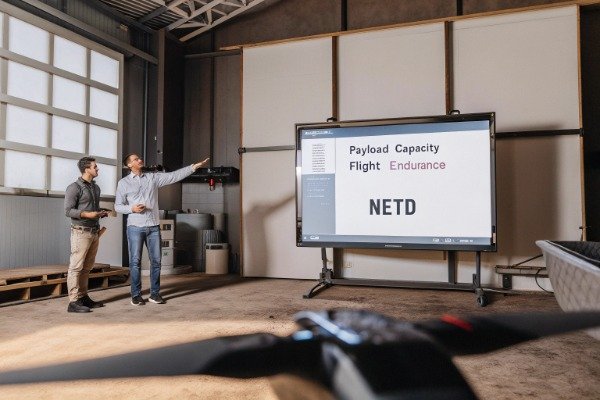
Comprensión de la segmentación del mercado y los niveles de precios
Para juzgar con precisión una cotización, primero debe comprender dónde se ubica el producto en el panorama global. Nuestros datos de la industria indican que el mercado de drones para extinción de incendios se valoró en aproximadamente 1.31 mil millones de USD recientemente y se proyecta que casi se duplique para 2030. Este rápido crecimiento, impulsado por un CAGR del 9.81%, significa que los precios están fluctuando a medida que la tecnología madura.
Cuando diseñamos nuestras unidades SkyRover, observamos los segmentos dominantes. Actualmente, los drones multirrotores tienen una participación significativa en el mercado de extinción de incendios aérea (alrededor del 17%), junto con helicópteros y aviones de ala fija tradicionales. Si está recibiendo una cotización para un dron multirrotor, no lo compare con un dron de inspección de tamaño micro. La ingeniería requerida para un dron de carga pesada capaz de transportar retardante de fuego es muy diferente de la de un dron utilizado solo para reconocimiento rápido.
drones multirrotores 1
Debe comparar la cotización con los "Cinco Grandes" actores que controlan casi el 68% del mercado. Si bien marcas como DJI o Skydio establecen una base, los fabricantes especializados como nosotros a menudo brindan un mejor valor en el sector de gama media a alta al ofrecer personalización que los productos del mercado masivo no pueden.
La relación precio-rendimiento
Una cotización solo es competitiva si el rendimiento coincide con el precio. En nuestro centro de I+D, nos centramos en gran medida en la relación "precio-carga útil". Un precio más bajo no tiene sentido si el dron no puede transportar las cámaras térmicas o las bolas extintoras necesarias.
Utilice la siguiente tabla para categorizar la cotización que recibió. Esto le ayuda a ver si el proveedor está cobrando un extra por características estándar u ofreciendo una ganga que podría ser demasiado buena para ser verdad.
Tabla 1: Niveles de precios y expectativas de drones industriales
| Categoría de nivel | Rango de precios típico (estimado) | Capacidades clave | Caso de uso objetivo |
|---|---|---|---|
| Industrial de nivel de entrada | $1,800 – $5,800 | Imágenes térmicas básicas, <30 min de tiempo de vuelo. | Exploración rápida, detección de puntos calientes. |
| Profesional de gama media | $6,000 – $15,000 | Sensores duales (visual + térmico), evasión de obstáculos, 30-45 min de vuelo. | Monitoreo activo de incendios, búsqueda y rescate. |
| Elevación pesada de gama alta | $15,000 – $50,000+ | Carga útil pesada (>10 kg), IMUs redundantes, largo alcance (>10 km), software personalizado. | Supresión de incendios directa, entrega de carga, misiones complejas. |
Variaciones Regionales de Precios
Exportamos tanto a EE. UU. como a Europa, y notamos marcadas disparidades de precios. Las cotizaciones norteamericanas a menudo conllevan una prima debido al soporte de infraestructura avanzada y los estrictos costos de cumplimiento normativo. En contraste, los centros de producción de Asia-Pacífico (donde nos encontramos) pueden ofrecer precios de hardware más competitivos debido a la proximidad de la cadena de suministro. Sin embargo, desconfíe de las cotizaciones significativamente por debajo del promedio de Asia-Pacífico; esto a menudo indica el uso de piezas de grado de consumo disfrazadas de equipo industrial.
¿Qué factores, además del precio de la unidad, contribuyen al costo total de propiedad?
Nuestro equipo de servicio a menudo recibe llamadas sobre reparaciones costosas. Ignorar los costos operativos a largo plazo crea una pesadilla presupuestaria una vez que expira el período de garantía inicial.
El Costo Total de Propiedad incluye gastos recurrentes como reemplazos de baterías, mantenimiento de hélices y certificación de capacitación de pilotos. También debe tener en cuenta las primas de seguro, las tarifas de suscripción de software para la gestión de flotas y los posibles costos de inactividad causados por respuestas lentas de la cadena de suministro para piezas de reparación críticas.
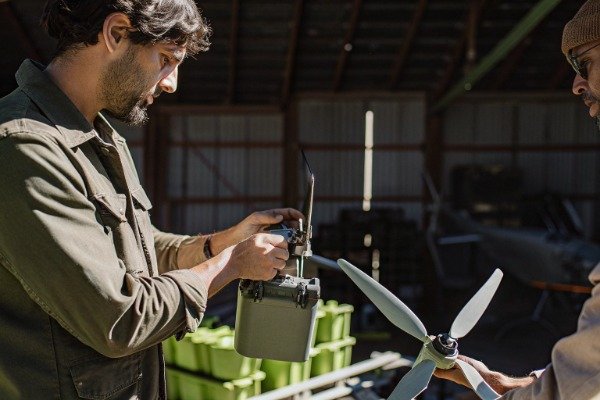
Los Costos Ocultos de los Consumibles
El precio de etiqueta es solo la punta del iceberg. Cuando modelamos el ciclo de vida de nuestros drones para los clientes, enfatizamos que la compra inicial de hardware típicamente representa solo el 60% del costo de tres años. El 40% restante proviene de operaciones y mantenimiento.
Las baterías son el mayor costo recurrente. En entornos de lucha contra incendios de alta intensidad, las baterías se degradan más rápido debido a la exposición al calor y las tasas de descarga rápidas. Si un proveedor cotiza un precio unitario bajo pero sus baterías patentadas tienen el doble de la tarifa del mercado y duran solo 100 ciclos, su TCO se disparará. Debe calcular el costo por hora de vuelo, no solo el costo por dron.
Eficiencia de Capacitación y Mano de Obra
Otro factor crítico es la "Facilidad de Capacitación". Hemos diseñado nuestro software de control terrestre para que sea intuitivo porque sabemos que la escasez de pilotos es un obstáculo importante en el mercado. Si un dron es barato pero requiere semanas de capacitación especializada para que su equipo lo opere de manera segura, está perdiendo dinero en horas facturables y tarifas de certificación.
Una cotización competitiva debería incluir idealmente algún nivel de capacitación o una interfaz intuitiva que reduzca la curva de aprendizaje. En los EE. UU., donde la mano de obra de pilotos es costosa, un dron que ofrece modos de vuelo semiautónomos puede reducir significativamente los costos de mano de obra con el tiempo, justificando un mayor costo inicial de hardware.
Ecosistema de Software y Actualizaciones
El hardware eventualmente se vuelve obsoleto, pero el software lo mantiene vivo. Al evaluar una cotización, pregunte sobre el ecosistema de software. ¿El precio incluye actualizaciones de firmware de por vida? ¿Hay una tarifa de suscripción para el panel de gestión de flotas?
Muchos proveedores lo atrapan en una trampa de "Bloqueo de Proveedor" donde el hardware es barato, pero usted paga tarifas mensuales para acceder a sus propios datos de vuelo. En SkyRover, creemos en la colaboración abierta, pero muchos competidores utilizan este modelo para recuperar los bajos márgenes de hardware.
Tabla 2: Componentes de la Calculadora del Costo Total de Propiedad (TCO)
| Componente de costo | Descripción | Impacto en el presupuesto de 3 años |
|---|---|---|
| Hardware inicial | Fuselaje, juego de baterías inicial, controlador. | Alto (único) |
| Consumibles | Baterías (reemplazadas anualmente), hélices, motores. | Medio-Alto (Recurrente) |
| Software/Datos | Licencias de gestión de flotas, software de mapeo, actualizaciones de firmware. | Bajo-Medio (Recurrente) |
| Formación y mano de obra | Certificación de pilotos, formación recurrente, horas de mano de obra por misión. | Alto (Variable) |
| Mantenimiento | Mantenimiento programado, reparaciones por accidentes, envío para servicio. | Medio (Variable) |
ROI operativo vs. Métodos tradicionales
Finalmente, compare la cotización del dron con el costo de no usar un dron. Las horas de vuelo de los helicópteros tripulados tradicionales son astronómicamente caras. Incluso un sistema de dron de alta gama que cuesta $50,000 es una fracción del costo de un solo despliegue de helicóptero. Si el dron puede reemplazar 20% de vuelos tripulados, el ROI es inmediato. Este contexto le ayuda a justificar el gasto ante su departamento de finanzas.
¿Estoy pagando por características específicas como una larga duración de vuelo que justifiquen un precio más alto?
Diseñamos sistemas de gestión de baterías personalizados para misiones extendidas. Sin embargo, pagar por un alcance innecesario agota los presupuestos que podrían financiar mejores sensores térmicos o unidades de respaldo.
Los precios más altos se justifican si el dron ofrece una autonomía de vuelo extendida superior a 30 minutos con carga útil completa, navegación autónoma avanzada o sistemas de seguridad redundantes. Evalúe si estas características resuelven directamente sus puntos débiles operativos, como cubrir grandes zonas de incendios forestales sin cambios frecuentes de batería.
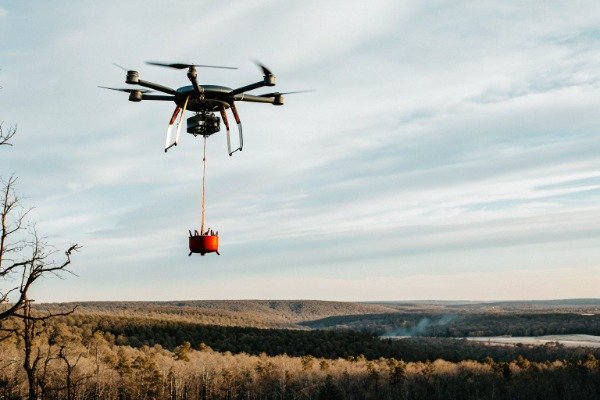
Evaluación de la prima "Autónoma"
El mercado se está desplazando rápidamente hacia la autonomía. Las investigaciones sugieren que el segmento de drones autónomos crecerá a una CAGR del 16.7% hasta 2035. Si un proveedor está cobrando una prima por funciones impulsadas por IA, como la detección automática de puntos calientes, la planificación de rutas o las capacidades de enjambre, probablemente valga la pena la inversión.
En nuestro proceso de desarrollo, integramos la IA no solo para marketing, sino para reducir la carga cognitiva del piloto. Para un comandante de bomberos, un dron que puede patrullar autónomamente un perímetro y alertar al equipo sobre focos de incendio es mucho más valioso que un dron volado manualmente que requiere atención constante. Si la cotización incluye estas capacidades de integración de "Ciudad Inteligente" o IA, el precio más alto refleja la ingeniería de software avanzada involucrada.
Sensibilidad Térmica y Calidad del Sensor
No todas las cámaras térmicas son iguales. Una parte importante del costo del dron reside en la carga útil. Cuando obtenemos sensores, la diferencia de precio entre un sensor estándar y una cámara térmica radiométrica de alta sensibilidad (con un bajo valor NETD) es enorme.
cámara térmica radiométrica 2
Si ve un precio alto, verifique la calificación NETD (Diferencia de Temperatura Equivalente de Ruido). Un número más bajo (por ejemplo, <30mK) significa que el sensor puede detectar diferencias de temperatura más pequeñas, lo cual es fundamental para encontrar personas desaparecidas o incendios latentes ocultos a través del humo. Si el proveedor cobra una prima pero proporciona un sensor genérico de baja resolución, está cobrando de más.
NETD (Diferencia de Temperatura Equivalente de Ruido) 3
Autonomía de Vuelo y Alcance
Existe una tendencia hacia drones de largo alcance (>30 km de alcance), que es el segmento de más rápido crecimiento para la gestión de incendios forestales. Lograr esto requiere costosas baterías de alta densidad o sistemas de propulsión híbridos.
Sin embargo, debe aplicar un pensamiento crítico: ¿realmente necesita un alcance de 30 km? Si sus operaciones son principalmente urbanas o dentro de la línea de visión visual (VLOS), pagar extra por sistemas de transmisión de largo alcance es un desperdicio. Adapte las especificaciones a su caso de uso real.
línea de visión visual (VLOS) 4
Tabla 3: Matriz de Valor de Características – ¿Vale la pena la prima?
| Característica | ¿Prima Justificable? | ¿Por qué? |
|---|---|---|
| Sensor Térmico <50mK | Sí | Crítico para ver a través de humo denso y localizar víctimas. |
| Tiempo de Vuelo >45 Min | Sí | Reduce el tiempo de inactividad para cambios de batería; esencial para incendios grandes. |
| Conectividad 5G / 4G | Quizás | Valioso para la transmisión en vivo a centros de comando, inútil en áreas remotas sin torres celulares. |
| Evitación de obstáculos | Sí | Previene choques en entornos urbanos o forestales complejos, ahorrando costos de hardware. |
| Cámara Visual 8K | No | Para extinción de incendios, 4K es suficiente; 8K añade costos de almacenamiento de datos sin beneficio operativo. |
¿Cómo puedo determinar si el proveedor está escatimando en calidad para ofrecer un precio más bajo?
Durante nuestras pruebas de control de calidad, rechazamos componentes que parecen estar bien pero fallan bajo calor. Las cotizaciones baratas a menudo ocultan materiales inferiores que ponen en peligro a los pilotos y espectadores.
Detecte atajos de calidad auditando la transparencia de la cadena de suministro del proveedor y solicitando pruebas de certificaciones como el cumplimiento de la NDAA. Un precio significativamente más bajo a menudo indica dependencia de componentes de grado de consumo no duraderos, falta de redundancia dual IMU o la ausencia de pruebas rigurosas de estrés ambiental requeridas para la extinción de incendios.
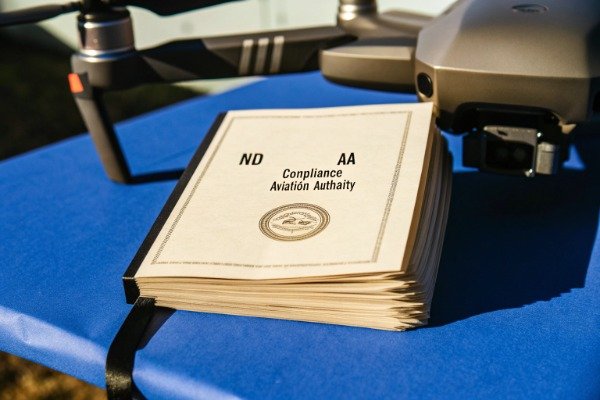
Transparencia de la Cadena de Suministro y Modularidad
Una de las mayores señales de alerta en una cotización baja es la falta de transparencia. Cuando construimos un dron SkyRover, somos transparentes sobre de dónde provienen nuestros motores, sensores y controladores de vuelo. Si un proveedor no puede decirle el origen de sus componentes críticos, es posible que estén utilizando piezas de consumo de marca blanca que no están clasificadas para entornos de alta temperatura.
Además, verifique la modularidad. Un dron barato suele ser una unidad sellada; si una pieza se rompe, reemplaza todo el dron. Un dron competitivo de grado profesional debe ser modular, lo que le permite intercambiar brazos, motores o cargas útiles. Esto evita el "bloqueo del proveedor" y garantiza que pueda reparar en lugar de reemplazar.
Acuerdo de Nivel de Servicio (SLA) 5
Certificaciones y Cumplimiento
El cumplimiento cuesta dinero. En EE. UU. y Europa, las certificaciones como el cumplimiento de la NDAA (para uso del gobierno de EE. UU.) o certificados de tipo específicos de la autoridad de aviación aumentan los gastos generales. Un proveedor que ofrece un precio sospechosamente bajo probablemente no ha invertido en estas certificaciones.
Cumplimiento de la NDAA 6
Si compra un dron no conforme, corre el riesgo de que su flota sea inmovilizada por futuras regulaciones. Siempre aconsejamos a nuestros clientes que vean el cumplimiento como una póliza de seguro para su inversión.
IMUs redundantes 7
Acuerdos de Nivel de Servicio (SLA) de Postventa
Finalmente, el mayor atajo que se toma a menudo es el soporte al cliente. Un precio bajo generalmente significa "envíalo y olvídate". En nuestra experiencia, los compradores profesionales exigen un Acuerdo de Nivel de Servicio (SLA).
Bloqueo de proveedor 8
¿La cotización incluye una garantía en los tiempos de respuesta de reparación? ¿Ofrecen aeronaves de préstamo si la suya está en el taller? Si el proveedor es solo un revendedor sin un equipo técnico, se quedará varado cuando ocurra un problema técnico durante una misión crítica. Los proveedores confiables incluyen el costo de un equipo de soporte en su precio.
evasión de obstáculos 9
Conclusión
La adquisición inteligente requiere mirar más allá del precio de etiqueta. Al analizar el TCO, verificar los puntos de referencia técnicos y exigir transparencia, se asegura de que su inversión salve vidas y presupuesto.
Costo Total de Propiedad (TCO) 10
Notas al pie
1. Proporciona contexto técnico sobre la configuración específica de la aeronave mencionada. ↩︎
2. Definición oficial de la industria de la tecnología de sensores específica requerida. ↩︎
3. Explica la unidad de medida técnica para la sensibilidad del sensor térmico. ↩︎
4. Aclara el estándar de aviación con respecto al rango operativo del piloto. ↩︎
5. Define la garantía de soporte contractual recomendada para compradores profesionales. ↩︎
6. Proporciona contexto sobre la legislación de EE. UU. que afecta a las cadenas de suministro de drones. ↩︎
7. Define el componente de navegación crítico mencionado en el nivel de gama alta. ↩︎
8. Define la práctica comercial restrictiva advertida en la sección de software. ↩︎
9. Explica la tecnología de seguridad que figura en la tabla de capacidades de gama media. ↩︎
10. Define la métrica financiera central recomendada para evaluar las cotizaciones. ↩︎

 English
  Español de México
  Deutsch
  Français
  Русский
  العربية
