
En nuestro trabajo diario con gerentes de compras internacionales, a menudo vemos repetirse el mismo problema: los compradores evalúan a los proveedores de drones industriales contra incendios basándose en especificaciones superficiales, solo para enfrentar problemas de fiabilidad, cumplimiento o soporte después del despliegue.
Por nuestra experiencia como fabricantes, el proveedor que elija importa tanto como el dron en sí. Los drones contra incendios operan en entornos extremos y de alto riesgo, y los errores cometidos durante la selección del proveedor casi siempre se manifiestan durante las misiones reales, no durante el proceso de venta.
A continuación, desglosamos los siete factores que creemos que todo comprador serio debería evaluar antes de seleccionar un proveedor de drones industriales contra incendios.
1. ¿Tiene el proveedor experiencia real en aplicaciones contra incendios?
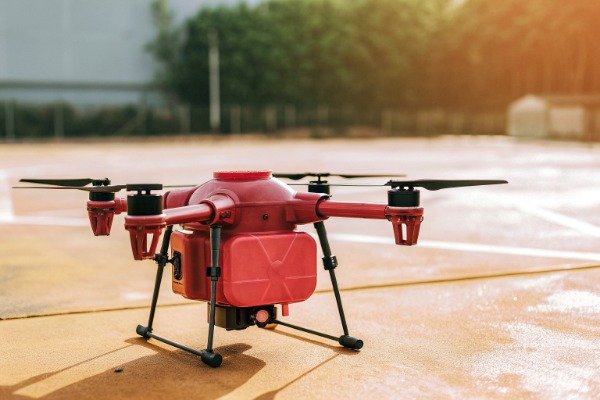
A menudo vemos proveedores que afirman poder “adaptar” un dron agrícola o de inspección para la lucha contra incendios. En realidad, las aplicaciones contra incendios requieren una filosofía de diseño completamente diferente.
En nuestra experiencia, los proveedores sin historial real de despliegue contra incendios subestiman la exposición al calor, la interferencia del humo, la turbulencia del viento y el estrés de la carga útil de emergencia. Esto conduce a un rendimiento de vuelo inestable y fallos prematuros del sistema.
Al evaluar a un proveedor, solicite casos de uso documentados que involucren a departamentos de bomberos, equipos de respuesta a incendios industriales o contratistas de emergencias. Un proveedor que ya haya resuelto estos problemas en el campo le ahorrará meses de prueba y error.
2. ¿Se comprenden y apoyan plenamente las regulaciones de aviación y seguridad contra incendios?
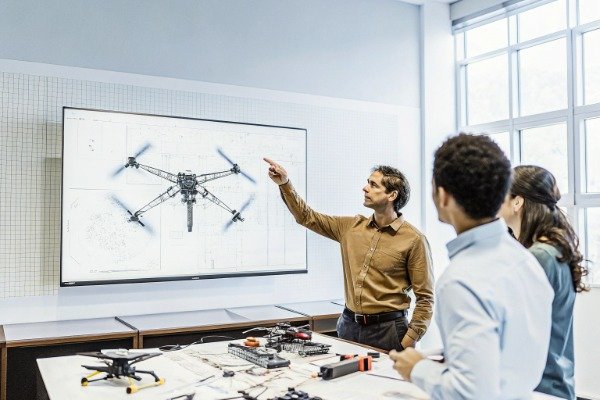
Ayudamos regularmente a compradores a recuperarse de compras en las que los drones no pueden desplegarse legalmente debido a descuidos regulatorios. Los drones contra incendios deben cumplir simultáneamente con las normas de aviación y los estándares de seguridad pública.
Un proveedor competente comprende los marcos operativos como la Parte 107 de la FAA en los EE. UU.
Regulaciones de la Parte 107 de la FAA
1{#ref-1}
Además, las operaciones de drones de seguridad pública hacen referencia cada vez más a estándares formales como las directrices de la NFPA para sistemas no tripulados.
Norma NFPA 2400
2{#ref-2}
Si un proveedor no puede explicar claramente cómo su sistema se alinea con estos marcos, eso representa un riesgo de adquisición grave.
3. ¿Está el dron diseñado para ser duradero en entornos de incendios extremos?
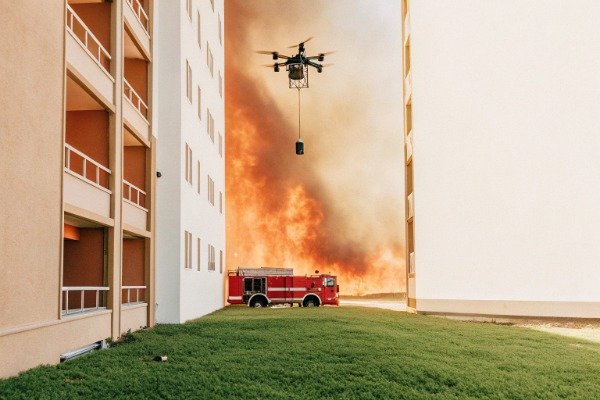
Los drones de extinción de incendios se enfrentan a radiación de calor, ingestión de cenizas, rociado de agua y cambios bruscos de viento. Diseñamos nuestras plataformas asumiendo que los componentes se degradarán más rápido que en el uso industrial normal.
Los compradores deben exigir detalles sobre la selección de materiales, la tolerancia térmica, la redundancia y las clasificaciones de protección contra la entrada. Comprender el sistema de clasificación IP ayuda a aclarar qué tan bien están protegidos los componentes electrónicos contra el polvo y la humedad.
Clasificaciones de protección de ingreso (IP)
3{#ref-3}
Es poco probable que un proveedor que no pueda explicar claramente cómo su dron sobrevive a estas condiciones ofrezca un rendimiento confiable a largo plazo.
4. ¿Ofrece el proveedor capacidad real de OEM y personalización?
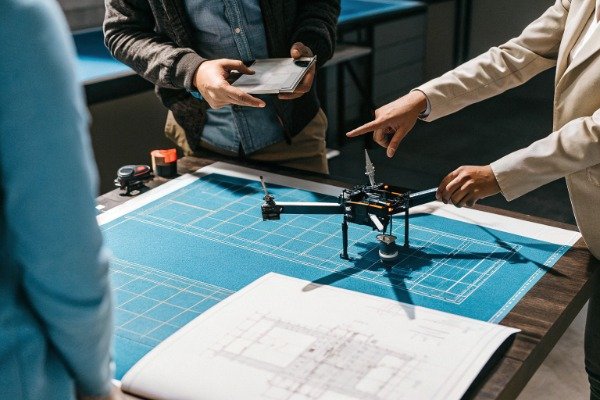
En nuestra experiencia, la mayoría de los compradores profesionales eventualmente necesitan personalización, ya sea para la integración de la carga útil, las interfaces de software o los flujos de trabajo operativos.
La verdadera capacidad OEM va más allá de la colocación del logotipo. Incluye diseño mecánico colaborativo, adaptación de software y soporte de plataforma a largo plazo.
Los proveedores con equipos de ingeniería internos pueden adaptar los sistemas para diferentes mecanismos de extinción, configuraciones de sensores o integraciones de centros de comando, en lugar de forzar a los compradores a soluciones rígidas listas para usar.
5. ¿Qué tan sólido es el soporte técnico postventa y la disponibilidad de repuestos?
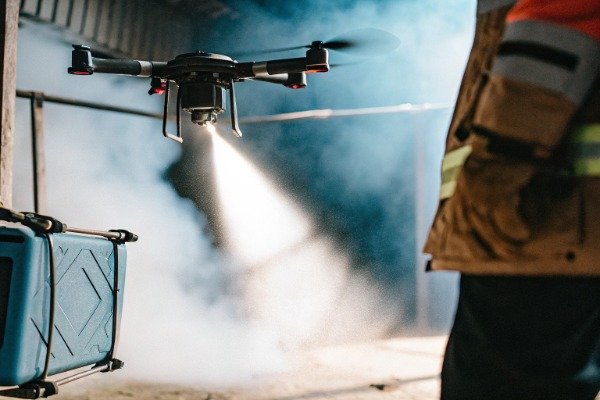
Con frecuencia escuchamos a compradores que descubren después de la entrega que las piezas de repuesto tardan semanas en llegar o que el soporte técnico no está disponible fuera del horario de ventas.
Las operaciones de extinción de incendios no pueden tolerar largos tiempos de inactividad. Los proveedores deben proporcionar procesos de soporte claros, diagnósticos remotos, recursos de capacitación y disponibilidad garantizada de piezas de repuesto.
Comprender la planificación del mantenimiento y la gestión del ciclo de vida es parte de la propiedad profesional de los activos.
Principios de ingeniería de valor
4{#ref-4}
6. ¿Puede el proveedor gestionar el cumplimiento de exportación y la entrega DDP?

Los compradores internacionales a menudo subestiman la complejidad de la exportación. Rutinariamente vemos envíos retrasados debido a documentación incompleta o problemas de transporte de baterías.
Solicitar términos de Entrega Derechos Pagados (DDP) traslada la responsabilidad logística y aduanera al proveedor. Esto incluye el manejo adecuado de aranceles y el despacho de aduanas de importación.
Requisitos de aranceles de importación de EE. UU.
5{#ref-5}
Los drones de extinción de incendios dependen de baterías de litio de alta capacidad, que requieren el manejo de mercancías peligrosas.
Normativa de transporte de baterías de litio
6{#ref-6}
Un proveedor con experiencia en entregas DDP reduce significativamente los retrasos en la frontera y los costos inesperados.
7. ¿Está el proveedor posicionado para una asociación a largo plazo y escalabilidad?
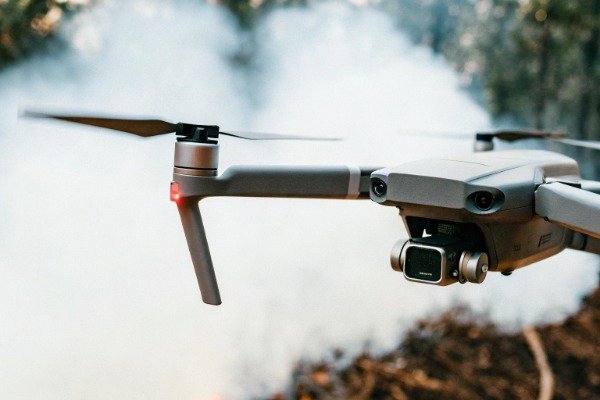
En nuestra experiencia, la adquisición de drones de extinción de incendios rara vez se limita a una sola unidad. Los programas se expanden, las flotas crecen y los requisitos operativos evolucionan.
Los compradores deben evaluar la capacidad de producción, la hoja de ruta de I+D y las políticas de soporte de software a largo plazo. Comprender las limitaciones del ciclo de vida de la batería también forma parte de la planificación futura.
Características de las baterías de polímero de litio
7{#ref-7}
Un proveedor centrado en la colaboración a largo plazo apoyará las actualizaciones, la formación y la evolución del sistema en lugar de impulsar las ventas a corto plazo.
Conclusión
Desde nuestra perspectiva como fabricante, elegir al proveedor adecuado de drones industriales de extinción de incendios se trata de control de riesgos. Cada factor anterior impacta directamente en la fiabilidad operativa, el cumplimiento y el costo total de propiedad.
Cuando los compradores evalúan a los proveedores basándose en la experiencia del mundo real, la profundidad de la ingeniería, la conciencia regulatoria y el soporte a largo plazo, reducen drásticamente el riesgo de fallo de la misión.
Comprender las opciones de materiales, como las estructuras de fibra de carbono, también ayuda a los compradores a evaluar las afirmaciones de durabilidad.
Propiedades del material de fibra de carbono
8{#ref-8}
El rendimiento de la imagen térmica es otro diferenciador crítico en las operaciones de respuesta a incendios.
Tecnología de cámara térmica radiométrica
9{#ref-9}
Finalmente, la verificación de las clasificaciones de protección ambiental ayuda a confirmar la confiabilidad del sistema a largo plazo.
Estándares de clasificación IP
10{#ref-10}
Notas al pie
- Define el marco regulatorio de aviación principal para las operaciones de drones comerciales en los Estados Unidos. ↩︎
- Establece pautas operativas para el uso de drones de seguridad pública. ↩︎
- Explica las clasificaciones de protección ambiental utilizadas para evaluar la durabilidad electrónica. ↩︎
- Describe las prácticas de optimización de costos relevantes para la propiedad de equipos a largo plazo. ↩︎
- Fuente oficial para comprender los cálculos de los aranceles de importación de EE. UU. ↩︎
- Orientación regulatoria sobre el transporte de baterías de litio por aire. ↩︎
- Proporciona antecedentes técnicos sobre el rendimiento y la vida útil de las baterías de polímero de litio. ↩︎
- Explica por qué la fibra de carbono se utiliza ampliamente en estructuras industriales de alto rendimiento. ↩︎
- Explicación de la industria de la imagen térmica radiométrica utilizada en aplicaciones de extinción de incendios. ↩︎
- Norma internacional que define los niveles de sellado ambiental para equipos. ↩︎

 English
  Español de México
  Deutsch
  Français
  Русский
  العربية
