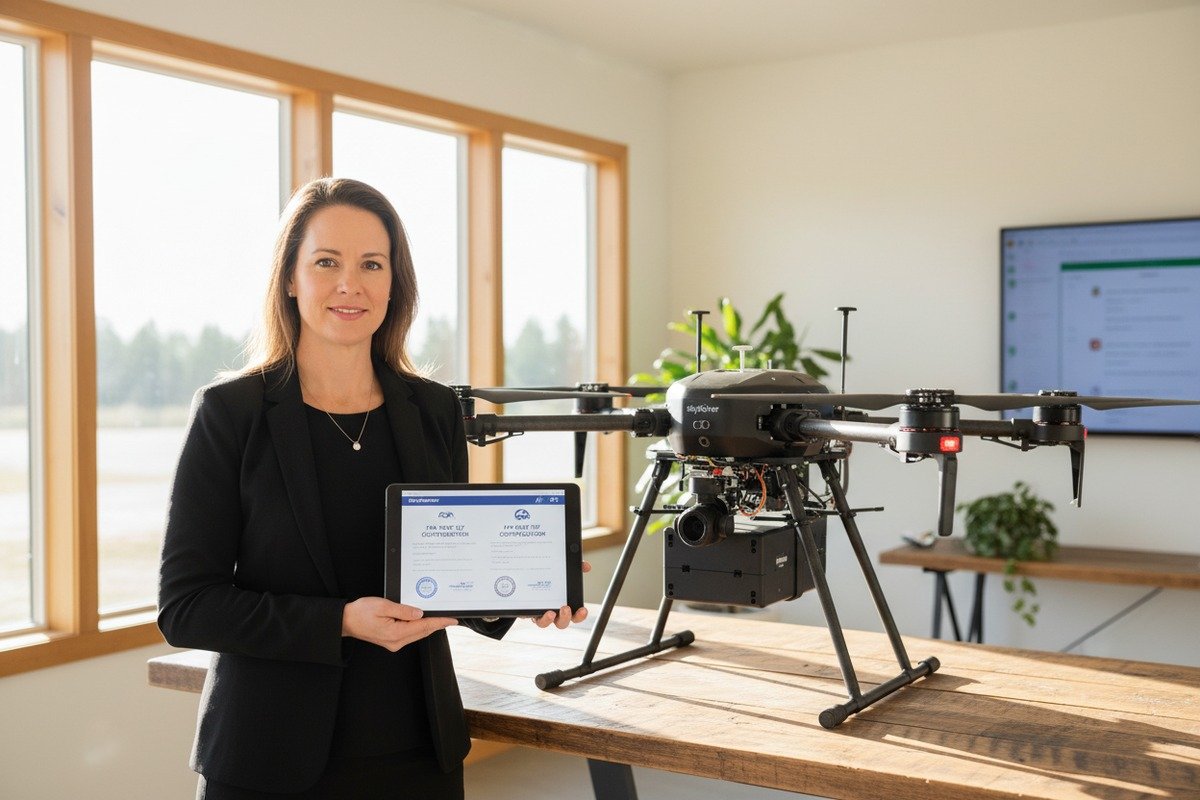
Cuando nuestro equipo de ingeniería desarrolló nuestro último hexacóptero agrícola, nos enfrentamos a una pregunta crucial de los importadores de EE. UU. Cumplimiento de la etiqueta de pesticidas de la EPA 1. Necesitaban claridad sobre el cumplimiento de las normas estadounidenses de fumigación de pesticidas. La confusión es real. Las regulaciones abarcan múltiples agencias. Los requisitos de documentación varían según el estado. Sin la verificación adecuada, su inversión queda inactiva.
Para verificar los estándares de fumigación de pesticidas de EE. UU. para drones agrícolas chinos, debe confirmar la compatibilidad de la certificación FAA Parte 107 y Parte 137, garantizar el cumplimiento de las etiquetas de pesticidas de la EPA para la aplicación aérea, validar los requisitos de licencia de aplicador a nivel estatal y obtener la documentación aduanera adecuada, incluida la clasificación de peso y la elegibilidad de registro.
Esta guía lo guiará a través de cada paso de verificación licencia de aplicador a nivel estatal 2. Cubriremos las certificaciones federales, las especificaciones técnicas, la documentación de exportación y la personalización del software. Comencemos con las certificaciones que más importan.
¿Qué certificaciones de la EPA y la FAA debo buscar al importar drones agrícolas de China?
Nuestra experiencia exportando a los Estados Unidos nos ha enseñado una cosa claramente clasificación de peso 3. Los requisitos de certificación confunden a muchos importadores primerizos. Encuentra información dispersa en línea. Los sitios web del gobierno utilizan jerga técnica. Mientras tanto, su decisión de compra queda en el limbo.
Al importar drones agrícolas de China, busque equipos compatibles con la certificación de piloto remoto FAA Parte 107, los requisitos del Certificado de Operador de Aeronaves Agrícolas FAA Parte 137 y el cumplimiento de la EPA para las etiquetas de aplicación aérea de pesticidas. Además, verifique que el dron cumpla con los requisitos de elegibilidad de registro de la FAA según la clasificación de peso.

Comprensión del Marco de Certificación de la FAA
La FAA rige todas las operaciones de drones en el espacio aéreo de EE. UU. VMD (Diámetro medio volumétrico) 4. Para la fumigación agrícola, dos certificaciones son las más importantes. La Parte 107 cubre la operación general de drones comerciales. La Parte 137 aborda específicamente la dispensación de productos químicos agrícolas.
Aquí se explica lo que cubre cada certificación:
| Certificación | Objetivo | Requisitos clave |
|---|---|---|
| Parte 107 de la FAA 5 | Operación de drones comerciales | Certificado de piloto remoto, examen de conocimientos, 16 años o más, verificación de seguridad |
| FAA Parte 137 6 | Operaciones de aeronaves agrícolas | Autorización de dispensación, limitaciones operativas, certificación de piloto |
| Registro de la FAA | Identificación de la aeronave | Asignación de número N, requisitos basados en peso, marcado visible |
La Parte 137 rige "el uso de aeronaves, incluidos drones, para dispensar o rociar sustancias". Esto incluye pesticidas, fertilizantes y desinfectantes. Sin la certificación de la Parte 137, su dron no puede rociar legalmente productos químicos comercialmente.
La clasificación por peso importa
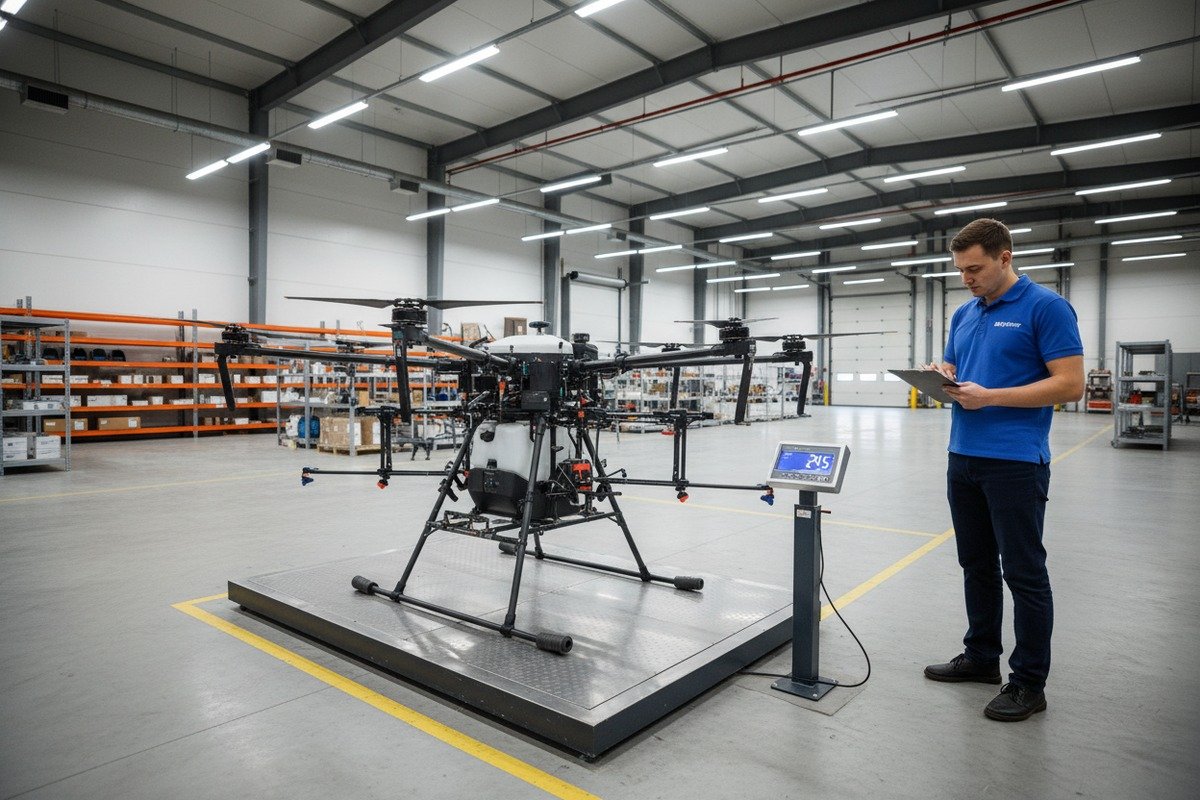
El peso de su dron determina la vía regulatoria. Esto incluye el dron en sí más la carga útil de la solución de pulverización. El umbral de 55 libras crea una división significativa.
Para drones con un peso total inferior a 55 libras:
- El registro en línea de la FAA es sencillo
- Se requiere certificación de piloto remoto de la Parte 107
- Certificación de la Parte 137 para dispensación de productos químicos
- Se necesita licencia estatal de aplicador de pesticidas
Para drones con un peso total superior a 55 libras:
- Se requiere registro notariado
- Exención de la sección 44807 7 típicamente requerido
- Proceso de aprobación más complejo
- Se aplican restricciones operativas adicionales
Nuestros modelos de hexacóptero vienen con especificaciones de peso detalladas. Proporcionamos peso vacío, carga útil máxima y peso operativo total. Estos datos le ayudan a determinar qué categoría regulatoria se aplica antes de la compra.
Requisitos de cumplimiento de la EPA
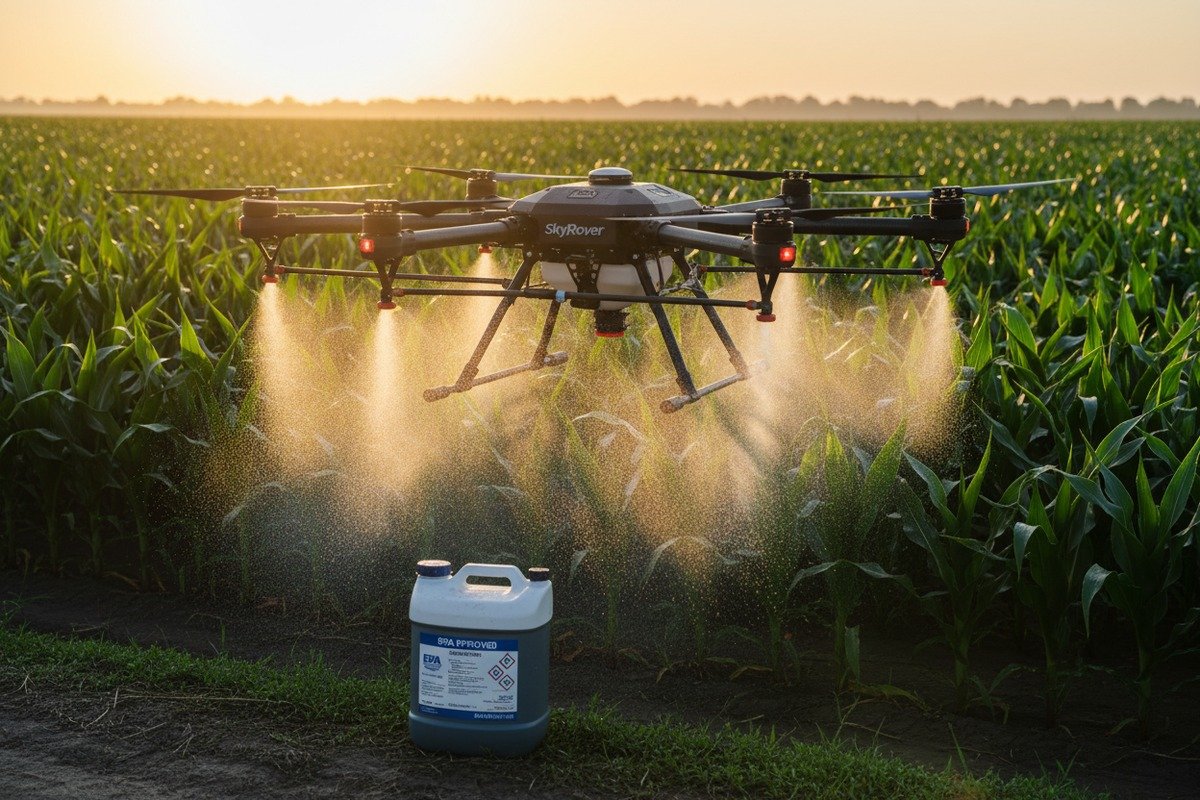
La EPA controla el uso de pesticidas en los Estados Unidos. Aquí está la regla crítica: los drones solo pueden rociar pesticidas que ya estén etiquetados para aplicación aérea convencional. Todavía no existen etiquetas específicas para drones.
Esto significa que usted debe:
- Revisar cada etiqueta de pesticida antes de su uso
- Confirmar que se permite la aplicación aérea
- Seguir todas las tasas de aplicación de la etiqueta
- Documentar el cumplimiento para las inspecciones
La EPA está desarrollando regulaciones específicas para drones. Las empresas de protección de cultivos han formado grupos de trabajo para estudiar la deriva de la pulverización y la exposición humana. Hasta que surjan nuevas directrices, los operadores siguen las reglas generales de aplicación aérea.
Qué deben proporcionar los fabricantes chinos
Al evaluar nuestros drones o los de la competencia, solicite estos documentos:
| Documento | Objetivo | Por qué es importante |
|---|---|---|
| Hoja de especificaciones de peso | Clasificación regulatoria | Determina la vía de la Parte 107 frente a la exención |
| Documentación del número de serie | Registro de la FAA | Requerido para la asignación del número N |
| Datos de limitación operativa | Verificación de cumplimiento | Confirma los límites de altitud, la capacidad de geovalla |
| Certificación CE/FCC | Despacho de aduana de importación | Demuestra el cumplimiento de las normas de seguridad |
Proporcionamos paquetes de documentación completos con cada dron agrícola. Nuestro equipo técnico prepara carpetas de cumplimiento específicas para EE. UU. bajo petición. Esto ahorra a los importadores semanas de comunicación de ida y vuelta.
¿Qué datos específicos de boquilla y tamaño de gota debo solicitar para garantizar que mis drones cumplan con las leyes de fumigación de EE. UU.?
Cuando calibran los sistemas de pulverización en nuestras instalaciones, la precisión lo es todo. La selección de la boquilla afecta la deriva. El tamaño de las gotas impacta la cobertura. Las especificaciones incorrectas conducen a violaciones regulatorias. Peor aún, desperdician productos químicos costosos y dañan los cultivos.
Solicitar especificaciones de caudal de la boquilla, datos de distribución del tamaño de las gotas que muestren el VMD (diámetro medio volumétrico), documentación del patrón de pulverización y rangos de calibración de presión. El cumplimiento de EE. UU. requiere tamaños de gota típicamente entre 200 y 400 micrones para minimizar la deriva y garantizar una cobertura adecuada según las directrices de aplicación aérea de la EPA.
Por qué el tamaño de las gotas es importante para el cumplimiento
Las etiquetas de los pesticidas especifican los parámetros de aplicación. El tamaño de las gotas afecta directamente a:
- Potencial de deriva de la pulverización
- Eficiencia de cobertura del objetivo
- Riesgo de contaminación ambiental
- Niveles de exposición humana
La EPA monitorea de cerca las quejas de deriva. Las multas por violaciones de deriva alcanzan miles de dólares. Más importante aún, la deriva daña los cultivos vecinos y contamina las fuentes de agua.
Comprensión de las clasificaciones del tamaño de las gotas
El Sociedad Americana de Ingenieros Agrícolas y Biológicos 8 clasifica los tamaños de las gotas. Aquí está la referencia estándar:
| Clasificación | Rango de VMD (micras) | Potencial de deriva | Cobertura |
|---|---|---|---|
| Muy Fina | <150 | Extremo | Excelente |
| Bien | 150-225 | Alto | Muy Bueno |
| Medio | 225-325 | Moderado | Bien |
| Grueso | 325-400 | Bajo | Moderado |
| Muy grueso | 400-500 | Muy bajo | Regular |
La mayoría de las etiquetas de pesticidas recomiendan gotas de medianas a gruesas para la aplicación aérea. Esto equilibra la reducción de la deriva con una cobertura adecuada. Nuestros sistemas de pulverización se configuran por defecto en ajustes de medio a grueso. Los operadores pueden ajustar según los requisitos específicos del pesticida.
Especificaciones Clave de las Boquillas a Solicitar
Al evaluar cualquier dron agrícola, exija estos detalles técnicos:
Datos de Caudal: Medido en litros o galones por minuto. Esto determina la capacidad de la tasa de aplicación. Nuestras boquillas estándar entregan 0.4-2.0 litros por minuto por boquilla. Caudales más altos son adecuados para cultivos densos. Caudales más bajos funcionan para aplicaciones de precisión.
Rango de Calibración de Presión: La presión de operación afecta la formación de gotas. Demasiado alta crea una niebla fina y deriva. Demasiado baja produce gotas grandes con cobertura deficiente. Solicite el rango de presión recomendado por el fabricante. Nuestros sistemas operan de manera óptima entre 2-5 bar.
Documentación del Patrón de Pulverización: La distribución uniforme es importante para la eficacia y el cumplimiento. Solicite los resultados de las pruebas del patrón de pulverización que muestren la uniformidad de la cobertura. Los datos de ancho y solapamiento ayudan a calcular los ajustes de ancho de banda.
Material y Compatibilidad de la Boquilla: La compatibilidad química previene daños al equipo. Las boquillas de acero inoxidable y cerámica resisten la corrosión. Los componentes de plástico pueden degradarse con ciertas formulaciones. Utilizamos materiales resistentes a la corrosión clasificados para productos químicos agrícolas comunes.
Tecnología de reducción de deriva
Los drones agrícolas modernos incorporan características de reducción de deriva. Pregunte a los fabricantes sobre:
- Ángulos de boquilla ajustables
- Sensores de velocidad del viento con apagado automático
- Monitoreo de tamaño de gota en tiempo real
- Aplicación de tasa variable vinculada por GPS
Nuestro último hexacóptero incluye tecnología de compensación de viento. Cuando el viento supera los umbrales seguros, el sistema alerta a los operadores. Esto previene violaciones de deriva durante condiciones cambiantes.
Documentación para Inspectores Estatales
Los departamentos agrícolas estatales realizan inspecciones. Prepare estos registros:
| Tipo de registro | Contenido | Período de Retención |
|---|---|---|
| Registros de calibración de boquillas | Fecha, presión, caudal verificados | Mínimo 3 años |
| Pruebas de patrón de pulverización | Datos de uniformidad de distribución | Mínimo 3 años |
| Registros de mantenimiento | Programas de reemplazo y limpieza de boquillas | Vida útil del equipo |
| Registros de aplicación de productos químicos | Fecha, ubicación, tarifa, condiciones climáticas | Según el requisito del estado |
Proporcionamos certificados de calibración con nuestros sistemas de pulverización. Estos documentos satisfacen la mayoría de las consultas de los inspectores estatales sobre las especificaciones del equipo.
¿Puedo obtener la documentación de exportación necesaria de un fabricante chino para cumplir con las regulaciones aduaneras y de pesticidas de EE. UU.?
Nuestro departamento de exportación maneja envíos a EE. UU. semanalmente. Entendemos los requisitos aduaneros. Sabemos qué documentos causan retrasos. Aun así, muchos importadores reciben documentación incompleta. Sus drones se quedan en almacenes aduaneros. Se acumulan las tarifas. Crece la frustración.
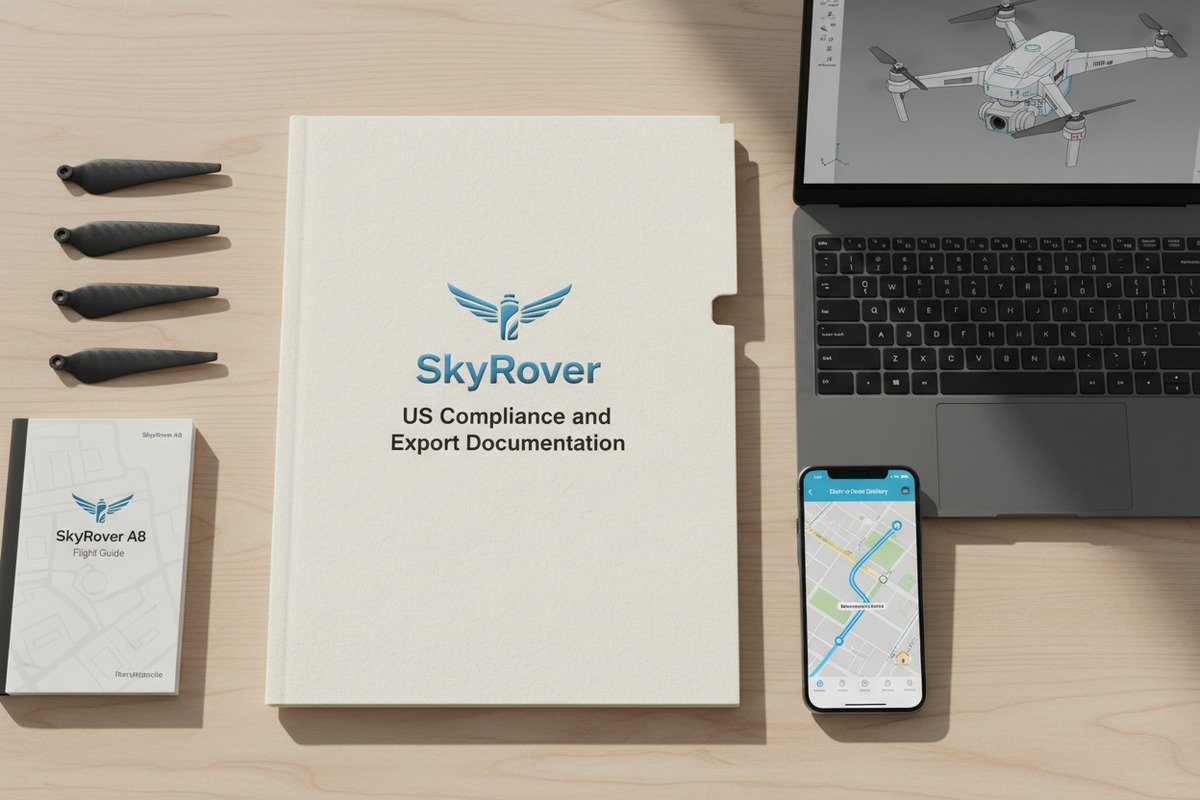
Sí, los fabricantes chinos de buena reputación pueden proporcionar documentación completa de exportación, incluyendo facturas comerciales, listas de empaque, certificados de origen, hojas de especificaciones técnicas y declaraciones de cumplimiento. Solicite la certificación FCC para equipos de radio, documentos de verificación de peso y hojas de datos de seguridad de materiales para cualquier producto químico o batería incluida.
Lista de verificación de documentos esenciales de exportación
El despacho de aduanas requiere documentación específica. La falta de documentos desencadena inspecciones y retrasos. Aquí está lo que proporcionamos para cada dron agrícola con destino a EE. UU.:
| Documento | Objetivo | Requisito aduanero |
|---|---|---|
| Factura comercial | Declaración de valor | Obligatorio para el cálculo de aranceles |
| Lista de empaque | Verificación de contenido | Requerido para inspección |
| Certificado de origen | Verificación de país | Determina las tasas arancelarias |
| Conocimiento de Embarque / Carta de Porte Aéreo | Prueba de envío | Documentación de transporte |
| Declaración FCC | Cumplimiento de las normas de radio | Requerido para equipos de RF |
Declaraciones de cumplimiento para equipos agrícolas
Los drones agrícolas se enfrentan a un escrutinio adicional. Solicite estos documentos especializados:
Hoja de especificaciones técnicas: Detalla el peso, las dimensiones, las especificaciones de la batería y los parámetros operativos. La aduana de EE. UU. utiliza esto para verificar la clasificación del producto.
Certificación FCC: Todo equipo de transmisión de radio requiere el cumplimiento de la FCC. Esto cubre los controladores remotos, los transmisores de video y los sistemas de telemetría. Nuestros productos llevan Cumplimiento de la Parte 15 de la FCC 9 para operación sin licencia.
Documentación de seguridad de la batería: Las baterías de litio requieren informes de prueba UN38.3 y MSDS (Hojas de datos de seguridad de materiales 10). El envío de baterías de litio sin la documentación adecuada viola las regulaciones de transporte internacional.
Documentación de marcado CE: Aunque no es un requisito de EE. UU., la marca CE demuestra pruebas de seguridad. Los funcionarios de aduanas de EE. UU. reconocen la CE como un indicador de calidad.
Documentación de regulación de pesticidas
Las regulaciones de pesticidas caen bajo la jurisdicción de la EPA, no de la aduana. Sin embargo, los importadores deben preparar:
Declaraciones de compatibilidad de equipos: Documentación que muestre que los materiales del sistema de pulverización son compatibles con las formulaciones de pesticidas comunes. Proporcionamos gráficos de resistencia química para todos los componentes mojados.
Certificados de calibración: Datos de calibración de fábrica para caudales, ajustes de presión y especificaciones de boquillas. Estos respaldan su solicitud de certificación de la Parte 137.
Manual técnico del sistema de pulverización: Instrucciones detalladas para el mantenimiento del equipo de aplicación de pesticidas. Los inspectores pueden solicitar documentación operativa durante las visitas al sitio.
Consideraciones de seguridad nacional
La legislación reciente genera preocupación sobre los drones agrícolas chinos. El Congreso ha propuesto restricciones a ciertos fabricantes. Esto crea incertidumbre para los importadores.
Estado actual:
- No existe una prohibición general hasta el momento de redactar este documento
- Ciertos contratos gubernamentales excluyen marcas específicas
- El uso comercial privado sigue siendo legal
- Las regulaciones pueden cambiar
Recomendamos consultar a un agente de aduanas familiarizado con las restricciones actuales. Las leyes evolucionan rápidamente en esta área. La documentación adecuada protege su inversión si las regulaciones se endurecen.
Trabajar con Agentes de Aduanas
Los agentes de aduanas experimentados agilizan las importaciones. Conocen los requisitos actuales. Anticipan problemas. Encuentre agentes que se especialicen en:
- Importaciones de equipos tecnológicos
- Maquinaria agrícola
- Productos de origen chino
- Sistemas de drones y UAV
Nos asociamos con empresas de logística con experiencia en exportaciones de drones. Nuestro equipo se coordina con su agente de aduanas para garantizar la compatibilidad de los documentos. Esto evita costosas malas interpretaciones.
Qué hacer si los documentos están incompletos
Si su fabricante no puede proporcionar la documentación completa:
- Solicite por escrito los documentos específicos que faltan
- Establecer plazos claros para la entrega
- Considerar proveedores alternativos
- Incluir los retrasos en la documentación en los plazos
Mantenemos archivos de documentación para todos los productos enviados. Los clientes pueden solicitar copias adicionales años después de la compra. Esto apoya las reclamaciones de garantía, la reventa y las auditorías regulatorias.
¿Cómo puedo personalizar el software y hardware de mi dron para que coincida con los protocolos de fumigación a nivel estatal de mi localidad en EE. UU.?
Nuestro equipo de ingeniería colabora regularmente con distribuidores de EE. UU. Cada estado tiene requisitos únicos. California difiere de Texas. Florida varía de Iowa. La configuración estándar de fábrica rara vez satisface todas las jurisdicciones. La personalización cierra esta brecha.
Personaliza tu dron mediante ajustes de parámetros de software para tasas de aplicación, actualizaciones de geovallas para restricciones de espacio aéreo local, modificaciones de hardware para configuraciones de boquillas aprobadas por el estado y sistemas de registro de datos que generan informes de cumplimiento. Trabaja con fabricantes que ofrezcan servicios OEM y desarrollo colaborativo para cumplir con los protocolos específicos del estado.
Comprensión de las variaciones a nivel estatal
Más allá de los requisitos federales de la FAA y la EPA, los estados imponen reglas adicionales. Las variaciones incluyen:
| Área de Requisito | Variaciones de ejemplo | Estados con reglas estrictas |
|---|---|---|
| Licencia de aplicador | Formatos de examen, pruebas prácticas | CA, FL, TX |
| Zonas de amortiguación | Distancia del agua, escuelas | CA, NY, WA |
| Mantenimiento de registros | Períodos de retención, formatos de datos | La mayoría de los estados |
| Requisitos de notificación | Alertas a vecinos, informes de agencias | CA, OR |
| Límites de velocidad del viento | Velocidad máxima permitida | CA, HI |
California mantiene estándares particularmente estrictos. El Departamento de Regulación de Pesticidas requiere registros detallados de aplicación. Las zonas de amortiguación cerca de áreas sensibles superan los mínimos federales. Su dron debe admitir estos requisitos de documentación.
Opciones de personalización de software
Los drones agrícolas modernos ejecutan un sofisticado software de control de vuelo. Los parámetros personalizables clave incluyen:
Configuraciones de Tasa de Aplicación: Ajuste el volumen de pulverización por acre. Diferentes cultivos y pesticidas requieren diferentes tasas. Nuestro software permite perfiles preestablecidos para aplicaciones comunes. Los operadores cambian entre perfiles sin recalibración manual.
Configuración de Geovallas: El espacio aéreo de EE. UU. incluye zonas restringidas. Se requiere evitar aeropuertos, bases militares y parques nacionales. Nuestros drones aceptan bases de datos de geovallas actualizadas. El cumplimiento automático de zonas de exclusión aérea previene infracciones.
Límites de velocidad de vuelo: La tasa de aplicación depende de la velocidad del suelo. Las velocidades más lentas aumentan la deposición. Las velocidades más rápidas reducen la cobertura. Nuestro sistema vincula la velocidad con la tasa de pulverización para una aplicación consistente independientemente del terreno.
Formatos de registro de datos: Los inspectores estatales esperan formatos de informe específicos. Nuestro software exporta tipos de archivo compatibles. Las coordenadas GPS, las marcas de tiempo y las tasas de aplicación aparecen en los formatos requeridos.
Modificaciones de hardware para el cumplimiento estatal
Algunos estados exigen características de equipo específicas:
Configuraciones de boquillas: Se pueden requerir boquillas de reducción de deriva cerca de áreas sensibles. Ofrecemos múltiples opciones de boquillas. Los sistemas de montaje de cambio rápido permiten cambios en el campo sin herramientas.
Ajustes de capacidad del tanque: Los tanques más pequeños reducen el peso total. Esto afecta la clasificación regulatoria. Fabricamos tanques en varios tamaños para optimizar los requisitos del cliente.
Integración de Sensores: Algunos operadores agregan sensores de viento, monitores de temperatura o medidores de humedad. Nuestros controladores de vuelo aceptan entradas de sensores de terceros. Estos datos se incorporan a los informes de cumplimiento.
Iluminación y señalización: La FAA requiere iluminación anticolisión para ciertas operaciones. Las regulaciones estatales pueden agregar requisitos. Pre-cableamos para actualizaciones de iluminación.
Proceso de Colaboración con OEM
Nuestros servicios OEM admiten una personalización profunda. Aquí está nuestro flujo de trabajo típico:
- Recopilación de requisitos: Usted especifica las regulaciones estatales y las necesidades operativas
- Revisión técnica: Nuestros ingenieros evalúan la viabilidad y el cronograma
- Desarrollo de Prototipos: Construimos unidades personalizadas para pruebas
- Pruebas de Validación: Usted verifica el cumplimiento de los requisitos locales
- Producción: Fabricamos su configuración personalizada
- Documentación: Proporcionamos especificaciones técnicas actualizadas
Este proceso suele tardar entre 4 y 8 semanas, dependiendo de la complejidad de la modificación. Los cambios sencillos de software se envían más rápido. Las modificaciones de hardware requieren tiempo de producción adicional.
Mantenimiento del Cumplimiento Después de la Compra
Las regulaciones cambian. Las actualizaciones de software abordan los requisitos cambiantes. Proporcionamos:
- Notificaciones de actualización de firmware
- Procedimientos de calibración revisados
- Bases de datos de geovallas actualizadas
- Boletines técnicos sobre cambios regulatorios
Nuestro portal de clientes alberga actualizaciones de documentación. Los propietarios registrados reciben alertas por correo electrónico cuando cambian las regulaciones relevantes. Este soporte continuo protege su estado de cumplimiento a lo largo del tiempo.
Trabajar con Agrónomos Locales
El cumplimiento a nivel estatal se extiende más allá de la configuración del equipo. La experiencia local importa. Asóciese con:
- Aplicadores de pesticidas con licencia familiarizados con las normas regionales
- Agentes del servicio de extensión que comprenden los cultivos locales
- Asesores de cultivos certificados que recomiendan parámetros de aplicación
- Agentes de seguros especializados en operaciones de drones agrícolas
Estos profesionales ayudan a traducir los requisitos estatales en configuraciones de equipos específicas. Cierran la brecha entre el lenguaje regulatorio y la práctica operativa.
Conclusión
La verificación de los estándares de pulverización de pesticidas de EE. UU. para drones agrícolas chinos requiere atención a múltiples capas regulatorias. Desde las certificaciones de la FAA hasta los protocolos a nivel estatal, cada requisito merece una verificación cuidadosa. Solicite documentación completa a su fabricante. Personalice el equipo para su jurisdicción específica. Asóciese con expertos locales que comprendan las reglas regionales. Su inversión en una verificación adecuada protege su operación y garantiza una pulverización agrícola compatible y eficaz.
Notas al pie
1. Información oficial de la EPA sobre los requisitos de etiquetado de pesticidas para un uso seguro. ↩︎
2. Orientación de la EPA sobre la certificación de aplicadores de pesticidas, que está regulada por el estado. ↩︎
3. Información oficial de la FAA sobre los requisitos de registro de drones según el peso. ↩︎
4. Explica el concepto técnico de Diámetro Medio de Volumen en la aplicación de pesticidas. ↩︎
5. Se reemplazó el enlace 404 con la página actual de la FAA para la certificación de pilotos remotos. ↩︎
6. Se reemplazó el enlace 404 con la regulación oficial eCFR para operaciones de aeronaves agrícolas. ↩︎
7. Página oficial de la FAA que detalla la autoridad especial para ciertos sistemas de aeronaves no tripuladas. ↩︎
8. Sitio web oficial de la sociedad profesional de estándares de ingeniería agrícola y biológica. ↩︎
9. Regulación oficial de EE. UU. para dispositivos de radiofrecuencia y autorización de equipos. ↩︎
10. Guía oficial de la OSHA sobre Hojas de Datos de Seguridad (anteriormente MSDS). ↩︎

 English
  Español de México
  Deutsch
  Français
  Русский
  العربية
