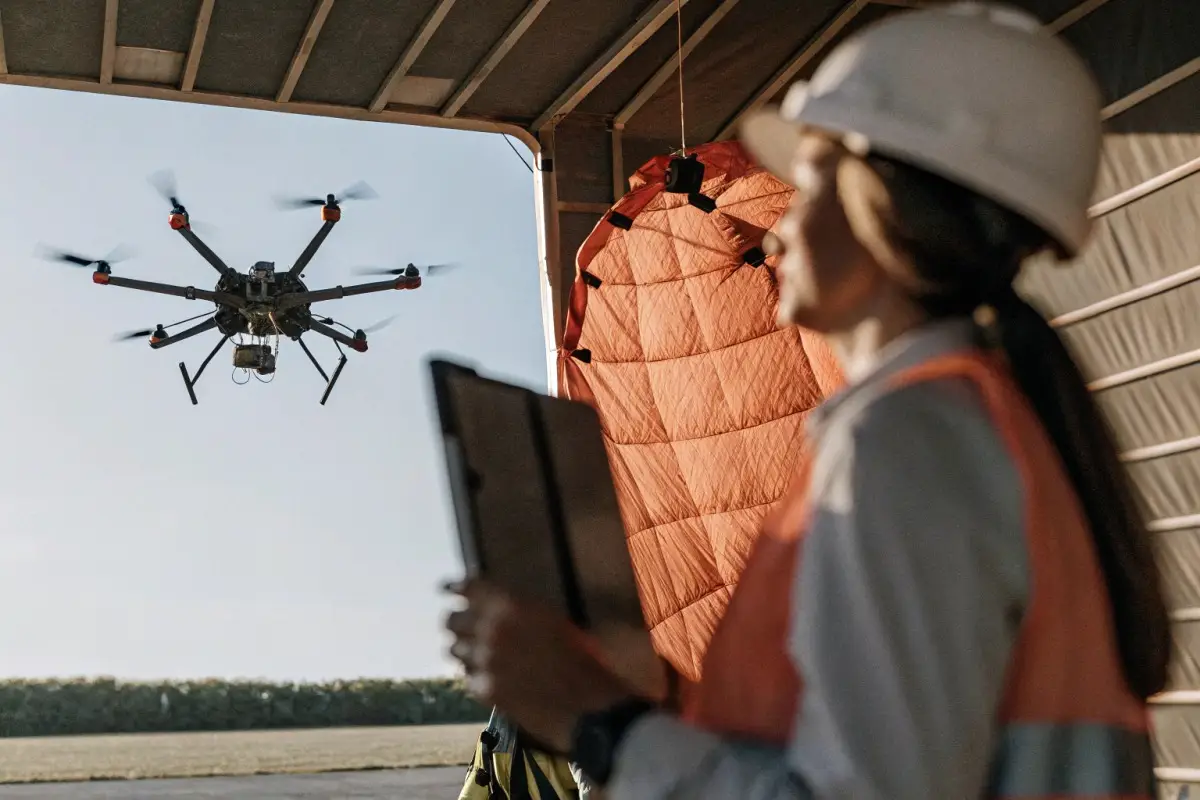
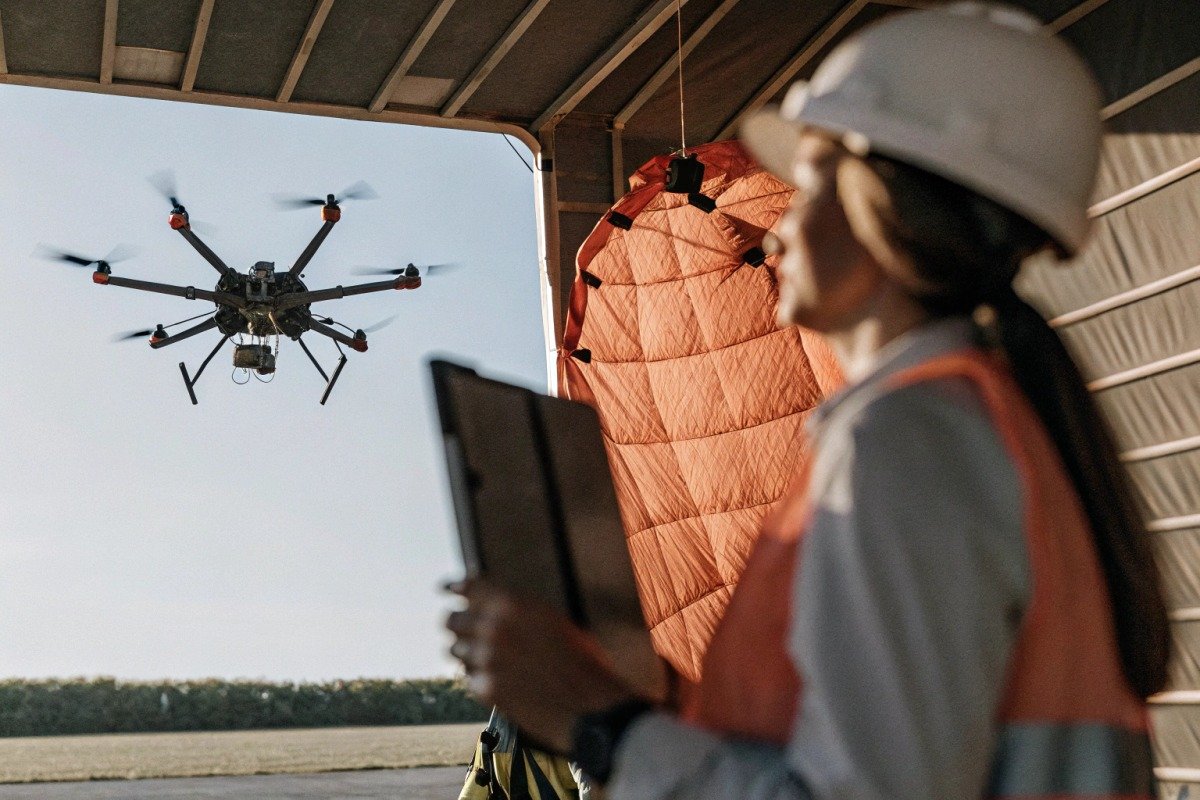
Cuando nuestro equipo de ingeniería desarrolló por primera vez la integración de paracaídas para drones de extinción de incendios de gran capacidad, fuimos testigos de una brecha crítica en los protocolos de pruebas de adquisición. Muchos compradores confían en las afirmaciones del fabricante sin verificación. Esto crea puntos ciegos peligrosos.
Para probar los sistemas de emergencia de paracaídas de drones de extinción de incendios en caso de fallo de alimentación, solicite los documentos de certificación ASTM F3322-18, realice pruebas de caída simuladas con corte de energía, verifique las fuentes de alimentación independientes del sistema de activación y lleve a cabo ejercicios de despliegue en el mundo real bajo factores estresantes ambientales como calor y viento antes de finalizar los pedidos de adquisición a granel.
Esta guía lo guiará a través de cada paso de verificación. Cubriremos pruebas de despliegue independientes, requisitos de documentación, opciones de personalización y métodos de evaluación de durabilidad.
¿Cómo puedo verificar que el sistema de despliegue del paracaídas opera de forma independiente durante una falla total de energía?
Nuestra fábrica ha probado cientos de sistemas de paracaídas a lo largo de los años. Una verdad destaca claramente. Un paracaídas atado a su controlador de vuelo principal no sirve de nada cuando fallo total de energía 1 golpea. La independencia lo es todo.
Verifique la operación independiente confirmando que el sistema de paracaídas tiene una batería dedicada, sensores separados y un Sistema de Activación Automática (ATS) que funciona sin ninguna entrada del controlador de vuelo del dron. Solicite una demostración en vivo del despliegue durante escenarios simulados de pérdida total de energía.

Comprendiendo la Verdadera Independencia en Sistemas de Emergencia
La verdadera independencia significa una separación eléctrica y lógica completa. El sistema de paracaídas debe tener su propio cerebro. Necesita sus propios ojos. Necesita su propio corazón.
El cerebro es el Sistema de Activación Automática 2. Esta unidad monitorea constantemente los parámetros de vuelo. Detecta anomalías como caídas repentinas de altitud, ángulos de balanceo excesivos o parada del motor. Cuando nuestros ingenieros calibran estos sistemas, nos aseguramos de que el ATS opere en procesadores separados del controlador de vuelo principal.
Los ojos son sensores independientes. Los sistemas de calidad incluyen acelerómetros y giroscopios dedicados. Estos sensores envían datos solo al sistema de paracaídas. No comparten vías de datos con los sensores de control de vuelo. Compartir crea puntos únicos de falla.
El corazón es la batería dedicada 3. Esta fuente de alimentación debe estar aislada de la batería principal del dron. Cuando probamos sistemas en nuestras instalaciones, desconectamos físicamente la alimentación principal. El sistema de paracaídas aún debe desplegarse en 1-2 segundos.
Protocolo de pruebas para equipos de compras
Aquí tienes lo que debes exigir durante la evaluación:
| Tipo de prueba | Qué observar | Criterios de aprobación |
|---|---|---|
| Prueba de aislamiento de energía | Desconectar completamente la batería principal | El paracaídas se despliega en menos de 2 segundos |
| Prueba de independencia de sensores | Bloquear los sensores principales del controlador de vuelo | El ATS aún detecta anomalías |
| Prueba de corte de comunicación | Deshabilitar todos los enlaces de datos al controlador de vuelo | El despliegue se activa automáticamente |
| Verificación de la salud de la batería | Verificar el monitoreo dedicado de la batería | Los indicadores de voltaje separados funcionan |
Señales de alerta durante la evaluación
Presta atención a estas señales de advertencia. Si el fabricante no puede demostrar el despliegue con la alimentación principal desconectada, retírate. Si los sensores comparten circuitos con el control de vuelo, rechaza el sistema. Si no hay un indicador de batería dedicado, el sistema carece de la independencia adecuada.
Algunos proveedores afirman la independencia del software. El software por sí solo no es suficiente. La separación del hardware es obligatoria para las operaciones de extinción de incendios. Cuando sobrevuelas estructuras en llamas, se produce un fallo total de energía sin previo aviso. El software no puede salvar un dron sin electricidad.
La cuestión de la terminación de vuelo
Los sistemas independientes también deben incluir la terminación de vuelo. Esto detiene los motores antes del despliegue del paracaídas. Sin el apagado del motor, las hélices giratorias pueden destrozar las líneas del paracaídas. Nuestras pruebas muestran que los sistemas con terminación de vuelo integrada reducen los fallos de enredo en más de un 90%.
¿Qué documentación de prueba específica debo solicitar a mi fabricante para demostrar la fiabilidad del sistema de emergencia?
Cuando preparamos la documentación de exportación para nuestros clientes de EE. UU. y Europa, los requisitos de certificación varían significativamente. Sin embargo, ciertos documentos son indicadores universales de calidad. La falta de papeleo a menudo indica problemas más profundos con la fiabilidad del sistema.
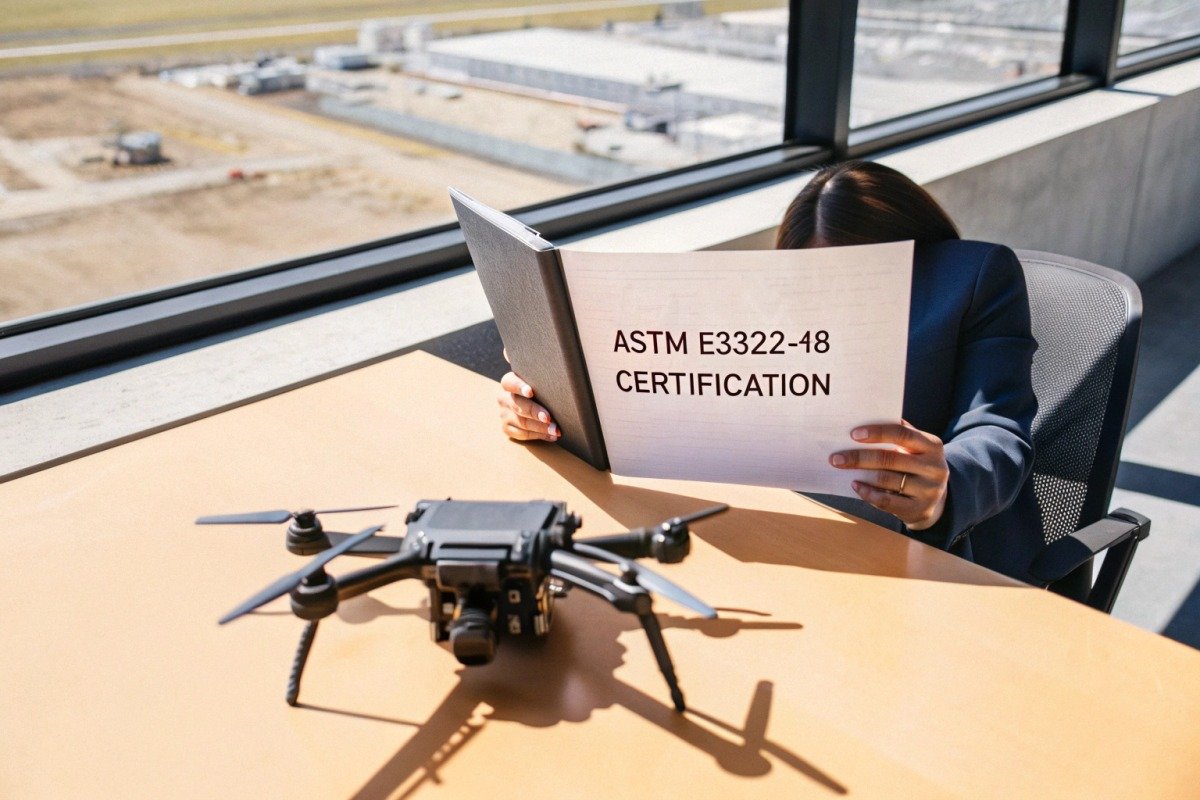
Solicitar la certificación ASTM F3322-18, informes de pruebas de terceros de agencias acreditadas, datos de tasa de éxito de despliegue, mediciones de reducción de energía de impacto, resultados de pruebas de estrés ambiental y especificaciones completas de registro de datos de vuelo para verificar la confiabilidad del sistema de emergencia antes de la adquisición.
Documentos de certificación esenciales
ASTM F3322-18 es el estándar de oro. Esta certificación cubre los sistemas de recuperación de paracaídas para aeronaves pequeñas no tripuladas 4. Más del 90% de los solicitantes de exenciones de la FAA que tuvieron éxito en 2021 utilizaron paracaídas con certificación ASTM. Esta certificación demuestra que el sistema cumple con los estándares de fiabilidad de despliegue establecidos.
La verificación de terceros importa más que las afirmaciones del fabricante. Las agencias de pruebas acreditadas realizan evaluaciones independientes. Verifican los datos de rendimiento sin sesgos. Solicite el nombre de la agencia de pruebas, el estado de acreditación y los informes de pruebas completos.
Lista de verificación de documentación para adquisiciones
| Tipo de documento | Lo que demuestra | Por qué es importante |
|---|---|---|
| Certificado ASTM F3322-18 | Cumple con los estándares de despliegue de la industria | Requerido para la mayoría de las exenciones regulatorias |
| Informe de prueba de terceros | Verificación independiente del rendimiento | Valida las afirmaciones del fabricante |
| Datos de energía de impacto | Métricas de velocidad de descenso y fuerza de aterrizaje | Demuestra protección adecuada para el personal en tierra |
| Resultados de pruebas ambientales | Rendimiento bajo calor, viento, humedad | Crítico para condiciones de lucha contra incendios |
| Especificaciones del registro de datos de vuelo | Capacidades de monitoreo del sistema | Permite la investigación de incidentes |
| Registros de éxito de despliegue | Estadísticas históricas de confiabilidad | Indica el rendimiento en el mundo real |
Comprensión de la documentación de energía de impacto
Reducción de la energía de impacto 5 es una métrica crítica. Un dron de 10 kg que cae desde 50 metros genera aproximadamente 4.900 julios de energía de impacto. Eso es suficiente para causar lesiones graves o la muerte. Con un sistema de paracaídas que funcione correctamente, ese mismo dron debería aterrizar con aproximadamente 80 julios de energía de impacto.
Solicite documentación que demuestre:
- Cálculos de energía de impacto en caída libre
- Tasas de descenso asistidas por paracaídas
- Mediciones finales de energía de impacto
- Rangos de altitud de prueba
Registros de pruebas de estrés ambiental
Las operaciones de extinción de incendios exponen a los drones a condiciones extremas. Calor intenso cerca de las llamas. Fuertes corrientes térmicas ascendentes. Humo que reduce la visibilidad. Su sistema de paracaídas debe funcionar en estos entornos.
Solicite documentación de prueba que cubra:
- Rendimiento a alta temperatura (hasta 60 °C ambiente)
- Resultados de túnel de viento a varias velocidades
- Pruebas de exposición a precipitaciones ligeras
- Escenarios de cambios rápidos de temperatura
Nuestro equipo de control de calidad realiza estas pruebas en cada lote. Los sistemas que pasan las condiciones de laboratorio pero fallan en las pruebas de campo crean riesgos de responsabilidad que no puede permitirse.
Requisitos de registro de datos
Los sistemas de paracaídas modernos deben registrar datos de vuelo críticos. Esta información apoya la investigación de incidentes y la mejora continua. Solicite especificaciones para:
- Parámetros de vuelo previos al despliegue
- Sellos de tiempo de activación del disparador
- Mediciones de la velocidad de descenso
- Registros de fuerza de impacto
- Estado del sistema posterior al despliegue
Estos registros protegen a su organización. Cuando ocurren incidentes, los datos demuestran si el equipo funcionó correctamente. Sin registros, no tiene pruebas para reclamaciones de seguros o investigaciones regulatorias.
¿Puedo personalizar la sensibilidad del gatillo del paracaídas para garantizar que mi dron de extinción de incendios permanezca seguro en entornos de alta temperatura?
Nuestro equipo de soporte de ingeniería recibe esta pregunta con frecuencia de los gerentes de adquisiciones. Los entornos de extinción de incendios crean desafíos únicos. La configuración estándar del disparador diseñada para operaciones normales puede causar problemas cerca de las llamas. La personalización es posible pero requiere una calibración cuidadosa.
Sí, los fabricantes de renombre ofrecen ajustes de sensibilidad del disparador para parámetros como la tasa de pérdida de altitud, los umbrales de ángulo de balanceo y los retrasos en la detección de fallos del motor. La personalización requiere soporte de ingeniería para equilibrar el despliegue rápido frente a disparadores falsos por turbulencia térmica común en entornos de extinción de incendios.

Comprensión de los parámetros del disparador
Los sistemas de paracaídas monitorean múltiples parámetros de vuelo. Cada parámetro tiene valores umbral que activan el despliegue. Estos umbrales se pueden ajustar según los requisitos de la misión.
Los parámetros ajustables comunes incluyen:
| Parámetro | Configuración estándar | Ajuste de extinción de incendios | Razón |
|---|---|---|---|
| Tasa de pérdida de altitud | 5 m/s | 7-8 m/s | Las corrientes térmicas ascendentes provocan cambios rápidos de altitud |
| Umbral de ángulo de alabeo | 60 grados | 70-75 grados | Maniobras agresivas cerca de estructuras |
| Retraso por fallo del motor | 0.5 segundos | 0.3 segundos | Respuesta más rápida en zonas críticas |
| Detección de anomalías de descenso | Sensibilidad estándar | Sensibilidad reducida | El humo y el calor crean ruido en los sensores |
El problema del disparador falso
Los entornos de alta temperatura crean aire turbulento. Las columnas térmicas se elevan rápidamente desde los incendios. Cuando su dron vuela a través de estas columnas, ocurren cambios repentinos de altitud. La sensibilidad estándar del disparador puede interpretar esto como una falla de energía. Los despliegues falsos desperdician tiempo y dinero.
Cuando calibramos sistemas para clientes de departamentos de bomberos, generalmente aumentamos los umbrales de pérdida de altitud. Esto evita disparadores falsos por turbulencia térmica 7 mientras se mantiene la protección contra fallas reales. El equilibrio requiere pruebas de vuelo en condiciones similares.
Requisitos del proceso de calibración
La personalización debe seguir un proceso estructurado:
- Definir los parámetros del entorno operativo
- Revisar la configuración estándar del disparador
- Proponer umbrales ajustados
- Realizar pruebas controladas con la nueva configuración
- Documentar los cambios de rendimiento
- Verificar que el despliegue aún ocurra durante fallas reales
- Finalizar el perfil de calibración
Solicite a su fabricante que brinde soporte de ingeniería para este proceso. Los ajustes genéricos sin pruebas crean brechas peligrosas. Lo que funciona en un entorno térmico puede fallar en otro.
Consideraciones de sensores para operaciones a alta temperatura
El calor afecta la precisión del sensor. Los acelerómetros y giroscopios pueden desviarse a temperaturas elevadas. Los sistemas de calidad incluyen algoritmos de compensación de temperatura. Pregunte a su fabricante sobre:
- Especificaciones del rango de temperatura de funcionamiento
- Métodos de compensación de deriva del sensor
- Blindaje térmico para la electrónica del disparador
- Redundancia de sensores de respaldo
Nuestros sistemas con clasificación térmica incluyen carcasas de sensores aisladas. Esto mantiene la precisión incluso cuando las temperaturas ambiente superan los 50 °C. Los sensores comerciales estándar pueden fallar o proporcionar lecturas falsas en estas condiciones.
Importancia de la anulación manual
Los disparadores automáticos personalizados siempre deben incluir la capacidad de anulación manual. Cuando su piloto reconoce una emergencia genuina, necesita autoridad de despliegue inmediato. Cuando el sistema muestra signos de activación falsa, necesita capacidad de aborto.
Asegúrese de que su sistema personalizado mantenga:
- Despliegue instantáneo iniciado por el piloto
- Aborto de despliegue durante la cuenta regresiva del disparador
- Indicación clara del estado del sistema
- Controles de anulación sencillos accesibles bajo estrés
¿Cómo evalúo la durabilidad a largo plazo del sistema de paracaídas de emergencia antes de realizar un pedido a granel?
Antes de enviar grandes pedidos a los distribuidores, nuestro equipo de control de calidad realiza pruebas de durabilidad exhaustivas. La adquisición a granel magnifica cualquier problema de fiabilidad. Una unidad defectuosa es manejable. Cien unidades defectuosas son una crisis empresarial. La evaluación antes de realizar el pedido protege su inversión.
Evalúe la durabilidad a largo plazo a través de pruebas de ciclo de vida aceleradas, verificación del ciclo de reenvasado, análisis de degradación de materiales, proyecciones de costos de mantenimiento y despliegue de programas piloto con estrés operativo del mundo real antes de comprometerse con pedidos de compra a granel.

Requisitos de pruebas de ciclo de vida
Pruebas de ciclo de vida aceleradas 8 simulan años de uso en plazos comprimidos. Los fabricantes de calidad realizan estas pruebas y documentan los resultados. Solicite datos sobre:
- Calificaciones del ciclo de despliegue (cuántos despliegues antes del reemplazo)
- Límites de duración del almacenamiento con preparación mantenida
- Patrones de desgaste de componentes tras un uso repetido
- Longevidad del sistema electrónico bajo estrés de vibración
Durabilidad del mecanismo de despliegue
Los diferentes mecanismos de despliegue tienen diferentes perfiles de durabilidad. Comprender estas diferencias le ayuda a evaluar los costos a largo plazo.
| Tipo de despliegue | Perfil de durabilidad | Necesidades de mantenimiento | Impacto del costo a largo plazo |
|---|---|---|---|
| Pasivo (Resorte) | Larga vida útil, mecanismo simple | Baja inspección periódica | Menores costos a largo plazo |
| Balístico (Generador de Gas) | Despliegues limitados por cartucho | Reemplazo del cartucho después de cada uso | Mayores costos de consumibles |
| Neumático | Vida útil moderada | Inspección y reemplazo de sellos | Costos de mantenimiento medios |
Los sistemas balísticos ofrecen un despliegue rápido pero requieren el reemplazo del cartucho después de cada activación. Para operaciones de extinción de incendios donde los despliegues pueden ser frecuentes, estos costos de consumibles se acumulan rápidamente. Nuestros cálculos muestran que los sistemas pasivos a menudo brindan mejores costo total de propiedad 9 durante períodos de cinco años a pesar de precios iniciales más altos.
Factores de Degradación de Materiales
Los materiales de los paracaídas se degradan con el tiempo. La exposición al calor acelera esta degradación. La radiación UV debilita la tela. La humedad promueve el crecimiento de moho en las velas plegadas. Solicite información sobre:
- Especificaciones y clasificaciones del material de la vela
- Intervalos de reemplazo recomendados
- Requisitos de condición de almacenamiento
- Protocolos de inspección para la condición del material
Para aplicaciones de extinción de incendios, los materiales resistentes al calor no son opcionales. Las capotas de nailon estándar pueden fallar si se empacan mientras aún están calientes por el despliegue cerca de llamas. Las telas especializadas resistentes al fuego cuestan más pero duran más en entornos exigentes.
Estrategia del programa piloto
Nunca se comprometa con pedidos al por mayor sin la validación del programa piloto. Pida primero una pequeña cantidad. Despliegue estas unidades en operaciones reales. Documente todo.
Un programa piloto adecuado debe incluir:
- Período operativo mínimo de 90 días
- Pruebas en diversas condiciones ambientales
- Múltiples ejercicios de despliegue
- Finalización del ciclo de mantenimiento y reempaque
- Documentación de cualquier falla o problema
- Seguimiento de costos de consumibles y reparaciones
Nuestra experiencia apoyando programas piloto de distribuidores muestra que 90 días revelan la mayoría de los defectos latentes. Los sistemas que sobreviven tres meses de apoyo activo en extinción de incendios suelen proporcionar un servicio confiable a largo plazo.
Proyecciones de costos de mantenimiento
Solicite proyecciones detalladas de costos de mantenimiento a su fabricante. Estas proyecciones deben cubrir:
| Categoría de costos | Qué incluir | Período de proyección |
|---|---|---|
| Inspecciones programadas | Horas de mano de obra, herramientas de inspección | Anual |
| Reemplazo de consumibles | Cartuchos, sellos, baterías | Por despliegue y anual |
| Servicios de reempaque | Costos de técnico certificado | Por despliegue |
| Reemplazo de componentes | Sensores, electrónica, dosel | Ciclo de vida de 5 años |
| Requisitos de capacitación | Capacitación inicial y recurrente | Anual |
Compare estas proyecciones entre varios proveedores. La compra inicial más barata a menudo conlleva la mayor carga de mantenimiento a largo plazo. Nuestra consultoría de adquisiciones muestra que el análisis del costo total de propiedad cambia las clasificaciones de los proveedores en más del 60% de las evaluaciones.
Evaluación de Soporte del Proveedor
La durabilidad a largo plazo depende en parte de las capacidades de soporte del proveedor. Evalúe:
- Disponibilidad de piezas y plazos de entrega
- Acceso a técnicos de reparación certificados
- Disponibilidad de soporte técnico 24/7
- Políticas de actualización de firmware
- Calidad del programa de capacitación
Un sistema duradero sin disponibilidad de piezas se vuelve inútil cuando se necesitan reparaciones. Cuando establecemos asociaciones con distribuidores, nos comprometemos a mantener un inventario de piezas durante un mínimo de diez años después de la descontinuación del producto. Solicite compromisos similares a sus proveedores.
Conclusión
La prueba de los sistemas de paracaídas de emergencia para drones de extinción de incendios requiere una verificación sistemática de la independencia, la documentación, las opciones de personalización y la durabilidad. Siga esta guía antes de la adquisición. Su diligencia debida protege los activos, el personal y el éxito de la misión.
Notas al pie
1. Entrada de Wikipedia que menciona la pérdida de energía como una vulnerabilidad para los UAV. ↩︎
2. Explica la función y la importancia de un sistema de activación independiente para los paracaídas de drones. ↩︎
3. Destaca la necesidad de una fuente de alimentación independiente para los sistemas de paracaídas de emergencia. ↩︎
4. Definición oficial de la FAA de aeronave no tripulada pequeña del Código Electrónico de Regulaciones Federales. ↩︎
5. Explica la importancia de reducir la energía de impacto para la seguridad durante los choques de drones. ↩︎
6. Página oficial del estándar ASTM para F3322-18, ahora accesible. ↩︎
7. Describe las condiciones atmosféricas que pueden afectar el vuelo del dron y el despliegue del paracaídas. ↩︎
8. Entrada de Wikipedia que define y explica las pruebas de vida acelerada para la durabilidad del producto. ↩︎
9. Entrada de Wikipedia que define y explica el concepto de costo total de propiedad. ↩︎
 English
  Español de México
  Deutsch
  Français
  Русский
  العربية
Comments
No comments yet. Be the first to share your thoughts!
Leave a Comment