
En nuestras instalaciones de Chengdu, vemos cómo la falta de comunicación arruina proyectos. Necesita socios confiables, no solo proveedores, para garantizar el éxito de sus misiones de extinción de incendios sin que las barreras del idioma causen fallos críticos.
Para evaluar las habilidades de inglés de un proveedor para una cooperación a largo plazo, evalúe su capacidad para explicar especificaciones técnicas complejas durante entrevistas en video en vivo y ponga a prueba su capacidad de respuesta ante escenarios de resolución de problemas urgentes. Revise sus manuales técnicos para ver si son claros y verifique si su equipo de ingeniería puede comunicarse directamente en inglés sin depender de traductores de ventas.
Exploremos los métodos específicos que recomendamos para verificar las capacidades de comunicación de un socio antes de firmar un contrato.
¿Puede el equipo de ventas explicar especificaciones técnicas complejas claramente en inglés?
Cuando exportamos a los EE. UU., sabemos que un discurso de ventas no es suficiente. Usted teme lagunas técnicas que causen fallas operativas durante misiones críticas de rescate contra incendios debido a especificaciones mal entendidas.
Ponga a prueba al equipo de ventas haciendo preguntas técnicas de varias partes sobre la integración de la carga útil y los algoritmos de vuelo. Si dependen en gran medida de herramientas de traducción o no pueden distinguir entre terminologías aeronáuticas específicas, es probable que carezcan de la precisión lingüística necesaria para respaldar la personalización compleja y la colaboración de ingeniería a largo plazo.
Más allá del guion de ventas
En la industria de drones industriales, particularmente para aplicaciones de alto riesgo como la lucha contra incendios, la "fluidez" no se trata solo de gramática. Se trata de precisión técnica. A menudo vemos representantes de ventas que hablan un excelente inglés conversacional pero fallan al discutir aerodinámica o topología de circuitos. Cuando compra un dron de lucha contra incendios, un malentendido sobre "peso de la carga útil" frente a "peso máximo de despegue" puede ser desastroso.
aerodinámica 1
Debe determinar si el vendedor simplemente está recitando un guion memorizado o si realmente comprende los conceptos de ingeniería que está describiendo. Un equipo de ventas que actúa como una barrera en lugar de un puente es una gran señal de alerta. Si no pueden explicar por qué un sensor térmico específico es mejor para la penetración de humo en inglés, no podrán transmitir sus comentarios a su equipo de I + D más adelante.
La estrategia de entrevista "Deep Dive"
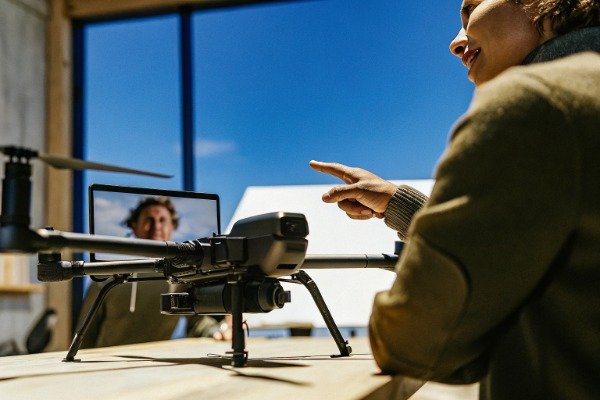
Para probar esto, no pida solo un folleto. Programe una videollamada en vivo. Durante esta llamada, haga preguntas de "Cómo" y "Por qué" en lugar de preguntas de "Sí" o "No". Por ejemplo, pregunte: "¿Cómo maneja el sistema de gestión de la batería la caída de voltaje durante un ascenso de alta carga?" Observe su reacción. ¿Luchan por encontrar las palabras? ¿Escriben en un traductor?
sistema de gestión de baterías 2
Un proveedor capaz de soporte a largo plazo tendrá personal de ventas técnicamente alfabetizado en inglés. Deberían poder explicar las compensaciones entre el tiempo de vuelo y la capacidad de carga útil sin detenerse a buscar cada segunda palabra. Esta fluidez indica que la empresa invierte en capacitación y valora la comunicación internacional clara.
Indicadores de fluidez técnica
Utilice la siguiente tabla para calificar sus interacciones con posibles proveedores. Esto ayuda a separar a los conversadores básicos de los socios técnicos.
| Criterios de evaluación | Baja competencia (señal de alerta) | Alta competencia (señal verde) |
|---|---|---|
| Tiempo de respuesta | Pausas largas, silenciamiento frecuente para discutir en el idioma local. | Respuestas inmediatas y seguras con terminología precisa. |
| Vocabulario | Utiliza términos genéricos como "buena pieza" o "señal fuerte"." | Utiliza términos específicos como "redundancia", "latencia" y "sensibilidad térmica"." |
| Clarificación | Adivina la respuesta para evitar quedar mal. | Hace preguntas aclaratorias para asegurarse de que comprenden su restricción técnica. |
| Documentación | Envía una hoja de datos genérica cuando se le hace una pregunta específica. | Resalta secciones específicas del manual o dibuja un diagrama para explicar. |
El peligro de la ambigüedad
En la lucha contra incendios, la ambigüedad mata. Si un proveedor le dice que el dron es "resistente al agua", ¿qué significa eso? ¿Es IP54 o IP67? ¿Puede volar bajo lluvia ligera o un aguacero? Un equipo de ventas con un sólido inglés técnico especificará estas clasificaciones de inmediato. No utilizarán un lenguaje de marketing vago. Utilizarán estándares de ingeniería. Esta precisión es su primer indicador de que la empresa está lista para una asociación técnica seria y a largo plazo.
IP54 o IP67 3
¿Cómo pruebo su capacidad para comprender mis requisitos de personalización específicos?
En nuestro centro de I+D, a menudo recibimos solicitudes vagas que requieren una discusión profunda. Le preocupa que un proveedor ignore sus necesidades específicas de cargas útiles o software de extinción de incendios personalizados debido a barreras lingüísticas.
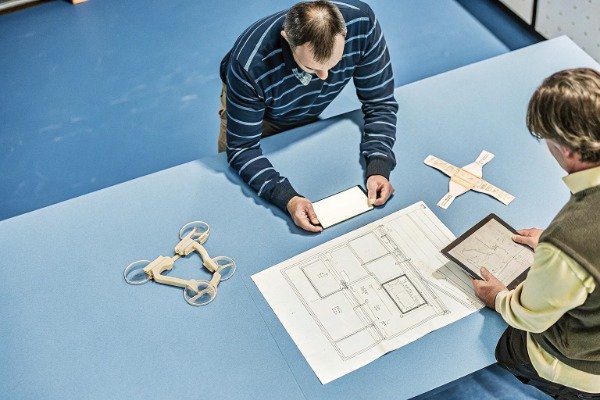
Envíe una solicitud de propuesta (RFP) simulada que contenga requisitos de personalización únicos, como modificaciones específicas de montaje de cardán. Evalúe su propuesta escrita para determinar la precisión con la que refleja estos detalles. Un proveedor capaz de una asociación a largo plazo hará preguntas técnicas aclaratorias en lugar de proporcionar una aceptación genérica y única para todos.
La trampa del "Sí" en la fabricación
Uno de los mayores desafíos culturales y lingüísticos al importar de Asia es la cultura del "Sí". En muchos contextos, los proveedores dicen "sí" para indicar que le escucharon, no necesariamente que entienden o están de acuerdo. Cuando tiene necesidades de personalización complejas, como la integración de un detector de gas específico de terceros en un dron, un simple "sí" es peligroso.
Necesita verificar la comprensión. La mejor manera de hacerlo es introducir un requisito específico y ligeramente complejo en su consulta inicial. Por ejemplo, solicite una modificación del tren de aterrizaje para adaptarlo a un tipo de terreno específico. Luego, espere su propuesta escrita.
tren de aterrizaje 4
Análisis de la propuesta escrita
Cuando llegue la propuesta, busque el "Efecto Eco". Un buen proveedor reformulará su requisito con sus propias palabras para confirmar la comprensión. Si simplemente copian y pegan su texto o, peor aún, ignoran el detalle específico y ofrecen un modelo estándar, su comprensión del inglés (o su atención al detalle) es deficiente.
Aconsejamos a los clientes que busquen "Respuestas de ingeniería". Esto significa que el proveedor responde con restricciones técnicas. Por ejemplo, si solicita una batería más grande, un proveedor comunicativo podría responder: "Podemos agregar la batería más grande, pero esto reducirá la resistencia máxima al viento en un 10%". Este nivel de matiz demuestra que comprenden el requisito en inglés y la implicación de ingeniería.
Pruebas a través de la iteración
La personalización rara vez es un proceso de un solo paso. Requiere comunicación de ida y vuelta. Pruebe este flujo de trabajo temprano. Envíe una revisión de su solicitud inicial. Cambie una dimensión o una característica de software. Vea con qué rapidez y precisión se refleja este cambio en los documentos actualizados.
Si el proveedor tiene dificultades para actualizar la propuesta en inglés con precisión, imagine el caos durante la fase de fabricación real. Malinterpretar una dimensión en unos pocos milímetros debido a un error de traducción puede hacer que un lote de drones sea inútil.
Señales de alerta en propuestas de proyectos
Revise la siguiente tabla para identificar señales de advertencia comunes en las propuestas de personalización escritas.
| Característica | Señal de advertencia | Señal positiva |
|---|---|---|
| Alcance del trabajo | Promesas vagas y generales ("Lo haremos a medida"). | Desglose detallado de los pasos de personalización (Diseño, Prototipado, Pruebas). |
| Cronología | Poco realista o ausente ("Entrega rápida"). | Cronograma por fases con hitos claros descritos en inglés. |
| Viabilidad Técnica | Acepta especificaciones imposibles sin cuestionar. | Señala posibles riesgos o conflictos en el diseño solicitado. |
| Terminología | Utiliza términos incorrectos de la industria (por ejemplo, llamar a una "hélice" un "ventilador"). | Utiliza terminología estándar de aviación e ingeniería de manera consistente. |
La Importancia del "No"
Paradójicamente, escuchar "No" o "Eso es difícil" suele ser una buena señal. Significa que el proveedor tiene suficiente confianza en su inglés y en su ingeniería para oponerse. Demuestra que están pensando críticamente en tu solicitud. Un proveedor que carece de confianza en inglés a menudo simplemente aceptará todo para evitar una conversación compleja que no puede manejar. Valora al socio que debate detalles técnicos contigo en un inglés claro.
¿Tiene el proveedor ingenieros que hablen inglés disponibles para la resolución de problemas?
Nuestros ingenieros a menudo se conectan en llamadas con clientes de EE. UU. para resolver problemas difíciles. Temes el silencio cuando un dron falla y el único hablante de inglés es un vendedor que no entiende el problema.
Solicita una llamada de auditoría técnica directa con el líder de ingeniería del proveedor, evitando al representante de ventas. Evalúa su capacidad para guiarte a través de una falla hipotética de hardware o un error de firmware. El acceso directo a ingenieros que hablan inglés es esencial para resolver problemas urgentes en operaciones de extinción de incendios.

Evitando el Filtro de Ventas
En muchas cadenas de suministro, el equipo de ventas actúa como un guardián. Informas un error, el vendedor lo traduce (a menudo mal) al ingeniero, el ingeniero arregla lo que ellos creen es el problema, y el vendedor te traduce la solución. Este es el "Teléfono descompuesto", y causa retrasos masivos.
Para los drones de extinción de incendios, donde la preparación del equipo es una cuestión de seguridad pública, no puedes permitirte este retraso. Necesitas saber si puedes hablar directamente con las personas que construyeron el dron. Durante tu fase de evaluación, insiste en una reunión con un Ingeniero Principal o un Gerente de Cuenta Técnica.
La simulación de "Prueba de estrés"
No te limites a charlar. Simula una crisis. Presenta un escenario: "El dron no se está armando y el LED parpadea en rojo-azul-rojo. ¿Qué debo hacer?"
Observa cómo maneja esto el ingeniero. ¿Pueden hacer preguntas de diagnóstico en inglés?
- "¿Está conectado el control remoto?"
- "¿Cuál es la lectura de voltaje?"
- "¿Has calibrado la brújula recientemente?"
Si pueden guiarte a través de un árbol de resolución de problemas en inglés, has encontrado un socio sólido. Si necesitan que el vendedor traduzca cada frase, te enfrentarás a tiempos de inactividad graves en el futuro.
Herramientas para la colaboración remota
Evalúa qué herramientas utilizan. Un proveedor moderno y comunicativo utilizará herramientas como TeamViewer, Zoom o canales compartidos de Slack. Deberían sentirse cómodos compartiendo pantallas y señalando problemas en interfaces de software en inglés.
Hemos descubierto que los proveedores que utilizan herramientas de gestión de proyectos basadas en inglés (como Jira o Trello) interna o externamente con los clientes están mucho mejor adaptados para la cooperación a largo plazo. Obliga a su equipo a pensar y documentar en inglés a diario, no solo cuando llama un cliente.
herramientas de gestión de proyectos 5
Impacto de las capas de comunicación
El número de personas entre tú y la solución define tu tiempo de inactividad. Ver la comparación a continuación.
| Estructura de comunicación | Proceso | Tiempo estimado de resolución | Nivel de riesgo |
|---|---|---|---|
| Acceso directo a ingeniería | Tú -> Ingeniero (Inglés) -> Solución | 1 – 4 Horas | Bajo |
| Gerente Técnico de Cuentas | Tú -> Gerente Técnico (Inglés) -> Ingeniero -> Solución | 4 – 24 Horas | Medio |
| Retransmisión de Ventas (Lo normal) | Tú -> Ventas (Inglés) -> Traductor -> Ingeniero (Chino) -> Traductor -> Ventas -> Tú | 3 – 7 días | Alto |
| Sin soporte en inglés | Tú -> Correo electrónico -> Esperar traducción -> Respuesta vaga | Semanas / Nunca | Extremo |
Evaluación de habilidades de documentación técnica
Pídele al ingeniero que te envíe una muestra de un informe de "Análisis de Causa Raíz" de un problema anterior (redactado, por supuesto). Léelo. ¿La lógica es sólida? ¿El inglés es lo suficientemente claro como para ser válido en un tribunal o en una reclamación de seguro?
En la industria de extinción de incendios, si un dron se estrella, necesitas un informe que explique por qué. Si ese informe está en un inglés deficiente, tu responsabilidad aumenta. La capacidad del ingeniero para escribir un informe técnico claro es tan importante como su capacidad para arreglar el cable.
¿Los barreras del idioma retrasarán las actualizaciones críticas de software o las reparaciones?
Desarrollamos software de control de vuelo personalizado para muchos clientes y sabemos que el código debe ser claro. Temes que una mala traducción en las notas de las actualizaciones pueda provocar errores operativos peligrosos o dispositivos inutilizados.
Revise las interfaces de software existentes del proveedor, la documentación de la API y las notas de la versión en cuanto a la calidad de la localización. Los códigos de error mal traducidos o las instrucciones confusas para la actualización del firmware indican una falta de atención al detalle que inevitablemente retrasará las reparaciones críticas y comprometerá la seguridad durante las misiones de extinción de incendios a alta presión.
El riesgo oculto del "Chinglish" en el software
El hardware es visible, pero el software es donde se esconden las barreras del idioma. Hemos visto el software de Estación de Control Terrestre (GCS) de la competencia donde el botón ’Aterrizaje de Emergencia" se tradujo como "Abajo Rápido". Esto no es gracioso; es peligroso.
Estación de Control Terrestre (GCS) 6
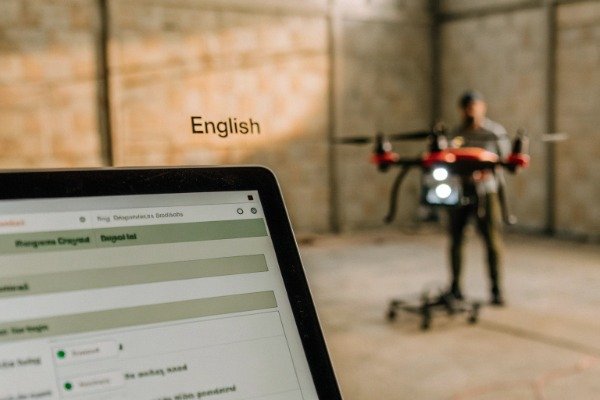
Al evaluar a un proveedor, descargue su software o aplicación. Mire el menú de configuración. Mire los mensajes de error. ¿Están en inglés estándar?
- Bueno: "Interferencia de la brújula. Por favor, reubíquese."
- Mal: "Desorden del campo magnético. Mueva el lugar."
Si la interfaz del software es confusa, sus operadores cometerán errores en el campo. Los bomberos operan bajo alto estrés. No tienen tiempo para descifrar un acertijo en la pantalla.
Auditoría de la documentación de la API y el SDK
Si planea integrar el dron en un sistema de comando más grande, necesitará la documentación del SDK (Kit de Desarrollo de Software) o de la API. Solicite una muestra de esta documentación.
Kit de Desarrollo de Software 7
Entregue esta documentación a su propio equipo de software. Pregúnteles: "¿Pueden crear una función con esto?". Si los nombres de las variables y los comentarios en el código están en chino, o si la documentación en inglés es un galimatías traducido por máquina, no podrá colaborar en el software.
La cooperación a largo plazo a menudo implica actualizaciones de firmware. Necesita saber qué cambió en cada actualización. Lea sus "Notas de la versión" anteriores. ¿Son detalladas? ¿Explican errores corregidos claramente?
- Claro: "Se corrigió un problema por el cual la cámara térmica se congelaba con un zoom de 4x."
- Poco claro: "Optimizar la experiencia de la cámara."
El ciclo de reparación y las piezas de repuesto
Las barreras lingüísticas también destruyen la cadena de suministro de reparaciones. Cuando necesita una pieza de repuesto, necesita la pieza exacta. Si el manual de piezas está mal traducido, podría pedir un "Soporte de motor A" y recibir un "Soporte de motor B"."
Consulte su catálogo de piezas. ¿Es visual? ¿Utiliza números de pieza estándar? Un proveedor que invierte en un catálogo de piezas digital claro y en inglés es un proveedor que comprende la logística de la exportación. Reducen la fricción al solicitar reparaciones.
Lista de verificación de elementos de software críticos
Utilice esta lista de verificación para auditar el entorno de software del proveedor antes de la compra.
- Códigos de Error: Active un error (por ejemplo, retire la tarjeta SD). ¿El mensaje emergente es claro?
- Unidades de medida: ¿Puede el software alternar correctamente entre unidades métricas e imperiales? (Crucial para los mercados de EE. UU. frente a los europeos).
- Archivos de ayuda: ¿Hay una pestaña integrada de "Ayuda" o "Manual"? ¿Abre un PDF en inglés o un sitio web en chino?
- Actualizadores de firmware: ¿La herramienta para actualizar el dron está en inglés? ¿Las advertencias (por ejemplo, "No apagar") son claras?
Responsabilidad y cumplimiento
Finalmente, considere el aspecto legal. Si un dron falla y causa daños, los investigadores examinarán los registros de mantenimiento y los manuales. Si el manual contiene errores de traducción que llevaron a un uso inadecuado, la responsabilidad podría cambiar.
Análisis de Causa Raíz 8
Un proveedor con documentación en inglés de alta calidad lo protege. Asegura que su equipo fue instruido correctamente. Recomendamos tratar la calidad del idioma como una forma de seguro. No cuesta nada adicional por adelantado, pero ahorra grandes dolores de cabeza cuando las cosas van mal.
sensor térmico 9
Conclusión
Evaluar las habilidades de inglés garantiza la seguridad y la eficiencia. Priorizamos la comunicación clara para generar confianza, asegurando que sus drones de extinción de incendios funcionen sin problemas cuando hay vidas en juego.
el peso máximo de despegue 10
Notas al pie
- Explica el estudio de las fuerzas que actúan sobre los objetos en vuelo, fundamental para el rendimiento de los drones. ↩︎
- Explica el sistema que gestiona la electrónica de una batería recargable. ↩︎
- Define el estándar para calificar el grado de protección proporcionado por las carcasas mecánicas. ↩︎
- Describe el tren de aterrizaje de una aeronave utilizado para el soporte de despegue y aterrizaje. ↩︎
- Describe el software utilizado para la planificación de proyectos, la asignación de recursos y la gestión de cambios. ↩︎
- Describe la instalación de control en tierra que se comunica con el dron. ↩︎
- Define la colección de herramientas de desarrollo de software en un paquete instalable. ↩︎
- Explica el método de resolución de problemas utilizado para identificar las causas raíz de las fallas. ↩︎
- Describe el dispositivo utilizado para capturar imágenes térmicas, esencial para la visibilidad en el humo. ↩︎
- Define el peso máximo con el que el piloto puede intentar despegar. ↩︎

 English
  Español de México
  Deutsch
  Français
  Русский
  العربية
