
Cuando probamos nuevos algoritmos de vuelo en nuestras instalaciones de Xi'an, sabemos que un solo fallo en el campo puede detener una misión de rescate. misión de rescate 1 No puedes permitirte el silencio.
Para evaluar la actitud de un proveedor, evalúa su infraestructura de soporte, buscando específicamente disponibilidad 24/7 y acceso a nivel de ingeniería. Debes verificar si ven las quejas como puntos de datos técnicos para mejorar o como cargas administrativas. Los verdaderos socios ofrecen Acuerdos de Nivel de Servicio (SLA) transparentes, análisis rápido de la causa raíz y programas de capacitación preventiva para garantizar el éxito de la misión.
Aquí te explicamos cómo profundizar en la filosofía de soporte de un proveedor antes de firmar el contrato.
¿Cuál es el tiempo de respuesta estándar cuando informo de un problema crítico con un dron de extinción de incendios?
Nuestros registros de soporte muestran que el pánico golpea fuerte cuando un sensor térmico falla a mitad de vuelo. sensor térmico 2 Los minutos se sienten como horas durante una operación de incendio activa.
Los tiempos de respuesta estándar para equipos críticos de seguridad pública deben ser inferiores a cuatro horas, y los proveedores de primer nivel deben ofrecer acceso telefónico inmediato 24/7. Si un proveedor solo promete respuestas por correo electrónico en un plazo de 24 a 48 horas, es probable que esté tratando su hardware de misión crítica como un juguete de consumo en lugar de una herramienta para salvar vidas.
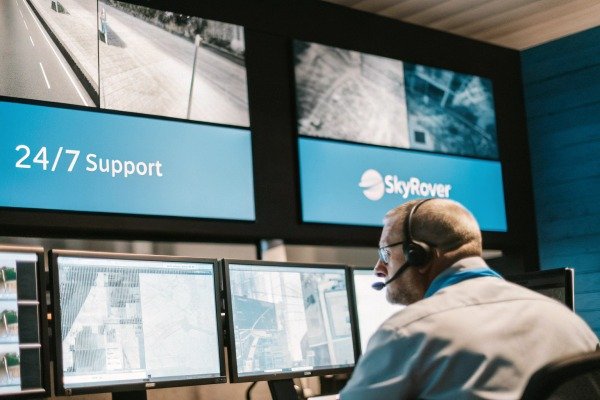
Cuando estás combatiendo un incendio, no existen las "horas hábiles". Un incendio no deja de arder a las 5:00 PM de un viernes. Por lo tanto, la métrica más crítica para evaluar a un proveedor es su tiempo de respuesta documentado. A menudo vemos que los proveedores comerciales generales intentan aplicar políticas de soporte minorista estándar a clientes de seguridad pública. clientes de seguridad pública 3 Esta es una combinación peligrosa.
El Acuerdo de Nivel de Servicio (SLA)
Necesitas ver un Acuerdo de Nivel de Servicio (SLA) por escrito. Acuerdo de Nivel de Servicio 4 Este documento promete velocidades específicas para reconocer y resolver problemas. Si un proveedor se niega a poner estas cifras por escrito, es una gran señal de alerta. Pueden ser amigables durante la demostración de ventas, pero sin un contrato, esa amabilidad puede desaparecer cuando tengas una crisis técnica.
Un SLA sólido distingue entre "consultas menores" y "fallos críticos". Un protector de hélice roto es menor; un error de software que impide el despegue es crítico.
Evaluación de la Matriz de Escalada
¿Tiene el proveedor una vía clara hacia la cima? Debe solicitar ver su "Matriz de Escalada" antes de comprar. Este gráfico muestra quién maneja su queja si la primera persona no puede solucionarla.
- Nivel 1: Soporte general (Tickets).
- Nivel 2: Especialista técnico (Diagnóstico).
- Nivel 3: Líder de ingeniería (Código y Hardware).
Si el proveedor no puede explicar cómo llegar al Nivel 3, podría quedarse atascado en un bucle de preguntas básicas mientras su dron permanece en tierra.
Expectativas de tiempo de respuesta
Utilice esta tabla para comparar proveedores potenciales. Si caen en la categoría "Grado de Consumo", no están listos para contratos industriales de extinción de incendios.
| Nivel de soporte | Tiempo de Respuesta Inicial | Disponibilidad | Método de Contacto |
|---|---|---|---|
| Grado de consumo | 24 – 48 Horas | Lun-Vie, 9am-5pm | Correo electrónico / Formulario web |
| Grado Prosumidor | 12 – 24 horas | Horario comercial extendido | Chat / Correo electrónico |
| Misión Crítica | < 1 Hora | 24/7/365 | Teléfono directo / Portal prioritario |
Construimos nuestros equipos para alinearnos con el estándar de "Misión Crítica" porque sabemos que los retrasos conducen a pérdidas de propiedad. Cuando evalúe a un proveedor, póngalo a prueba. Envíeles una pregunta técnica a altas horas de la noche antes de comprar. Vea cuánto tiempo tardan en responder. Su comportamiento de preventa es el mejor predictor de su actitud de postventa.
¿El proveedor ofrece soporte de ingeniería remoto para solucionar mis quejas técnicas?
A menudo nos conectamos directamente a la estación terrestre de un cliente desde nuestra oficina para diagnosticar la pérdida de señal. Los guiones genéricos no pueden solucionar problemas complejos de aviónica. problemas de aviónica 5
Sí, un proveedor de buena reputación debe proporcionar soporte de ingeniería remoto. Esto incluye analizar registros de vuelo, verificar datos de la caja negra y guiar reversiones de firmware a través de videollamadas. Sin esto, perderá semanas enviando hardware de un lado a otro para fallos de software menores que podrían resolverse al instante.
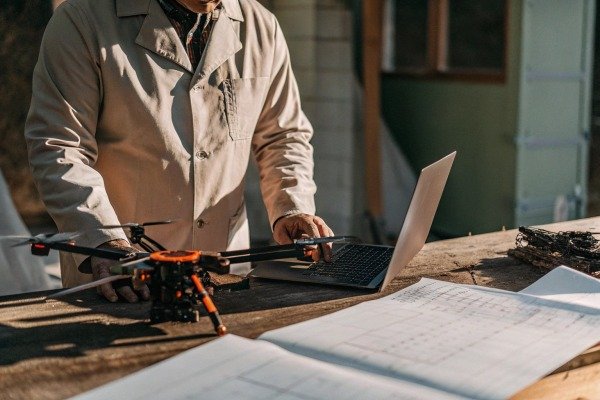
Los drones de extinción de incendios son computadoras complejas con alas. drones contra incendios 6 La mayoría de las quejas de "hardware" son en realidad problemas de software o calibración. Si un proveedor le exige que envíe el dron de vuelta a la fábrica por cada mensaje de error, su flota estará vacía la mitad del tiempo.
La Importancia del Análisis de Causa Raíz (ACR)
Cuando informe de un accidente o mal funcionamiento, observe la reacción inmediata del proveedor. ¿Culpan al piloto? ¿O piden datos? Un proveedor con una actitud positiva hacia las quejas pedirá los "registros de vuelo" o los "datos de la caja negra"." registros de vuelo 7
Tratamos cada queja como una oportunidad para mejorar nuestro producto. Si un motor se sobrecalienta, queremos saber por qué. ¿Fue el firmware? ¿Fue la carga pesada? Un proveedor que se preocupa realizará un Análisis de Causa Raíz (ACR) y compartirá los resultados con usted. Análisis de Causa Raíz 8 Deben tratar la queja como un rompecabezas de ingeniería, no como una amenaza legal.
Capacidades de diagnóstico remoto
Debe preguntar si el proveedor puede brindarle soporte de forma remota. Los drones industriales modernos, como nuestros modelos SkyRover, a menudo permiten conexiones remotas.
- Log Analysis: Can you email them a file, and can they tell you exactly what happened within a few hours?
- Video Walkthroughs: Will an engineer get on a video call to watch you calibrate the compass?
- Firmware Management: If a new update has a bug, can they guide you through a "rollback" to the previous stable version immediately?
Specialized vs. Generic Support
There is a massive difference between a call center agent and a drone engineer. A call center agent follows a script. An engineer understands physics and code.
Comparing Support Types
Here is how to tell if you are talking to the right people.
| Característica | Generic Support | Soporte de ingeniería |
|---|---|---|
| Staff Background | Retail / General Service | Aviation / Electrical Engineering |
| Resolución de problemas | "Have you tried turning it off?" | "Let's review the IMU variance data." |
| Autoridad | No puede desviarse de la política | Puede autorizar reemplazos inmediatos |
| Objetivo | Cierre el ticket rápidamente | Solucione el problema de raíz de forma permanente |
Si el proveedor no tiene ingenieros disponibles para hablar con los clientes, probablemente se enfrentará a la frustración. Debe saber que la persona al otro lado de la línea comprende la diferencia entre una calibración geométrica y un sesgo del acelerómetro. calibración geométrica 9
¿Qué tan claros son los términos de la garantía con respecto a las piezas de repuesto para drones dañados?
Tenemos en stock carcasas naranjas de repuesto y brazos de fibra de carbono porque sabemos que ocurren accidentes. fibra de carbono 10 ¿Pero la documentación protege su presupuesto cuando ocurren?
Los términos de la garantía deben definir claramente quién paga el envío, el diagnóstico y la mano de obra. Busque cláusulas explícitas sobre “unidades de préstamo” para mantener la preparación mientras su dron está en servicio. Los términos vagos a menudo ocultan altos costos de reemplazo, lo que lo obliga a pagar por piezas que deberían estar cubiertas.
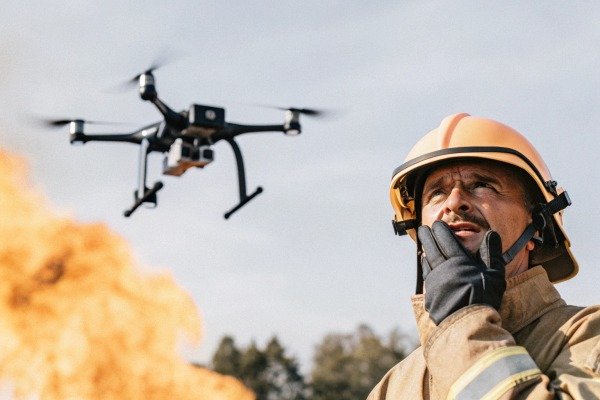
En la industria de la lucha contra incendios, el equipo se daña. Es inevitable. El calor intenso, el rociado de agua y las operaciones nocturnas crean entornos de alto riesgo. La actitud de un proveedor se revela en la letra pequeña de su garantía.
La trampa del "desgaste"
Muchos proveedores excluyen las "piezas consumibles" de las garantías. Esto es normal para baterías o hélices. Sin embargo, algunos proveedores utilizan esta excusa para todo. Si un motor falla después de 50 horas, ¿lo llaman "desgaste normal"?
Debe aclarar la vida útil de los componentes clave. Diseñamos nuestros marcos en forma de X para que sean duraderos, pero también definimos exactamente cuántas horas de vuelo debe durar un motor. Si falla antes, es culpa nuestra, no suya. Un buen proveedor respalda sus afirmaciones de durabilidad con una garantía por escrito.
La política de unidades de préstamo
Este es el servicio más valioso para un departamento de bomberos. Si su dron principal necesita una reparación de dos semanas, ¿se queda indefenso?
- Buena actitud: El proveedor envía una unidad de "préstamo" inmediatamente para que usted permanezca operativo.
- Mala actitud: El proveedor dice: "Espera hasta que arreglemos el tuyo"."
Haz esta pregunta específicamente: "Si mi dron está en reparación de garantía por más de 48 horas, ¿proporcionan un reemplazo temporal?" La respuesta te dirá si les importa la continuidad de tu misión.
¿Quién paga qué?
Las disputas a menudo surgen sobre los costos de envío y las tarifas de diagnóstico. Algunos proveedores cobran una "tarifa de banco" solo por mirar el dron, incluso si resulta ser un defecto de garantía.
- Envío: Idealmente, el proveedor paga ambos sentidos por el trabajo de garantía.
- Evaluación: No debería haber ninguna tarifa si el producto es defectuoso.
- Mano de obra: Las piezas pueden ser gratuitas, pero la mano de obra puede ser costosa. Asegúrese de que la garantía cubra la mano de obra para reparar el dron, no solo el plástico y el metal.
Típicas trampas de garantía
Tenga cuidado con estas exclusiones comunes en los contratos de los proveedores.
| Tipo de Cláusula | Lo que a menudo dice | Lo que significa para usted |
|---|---|---|
| Gastos de envío | "El cliente paga el envío entrante" | Paga $100+ para devolver una unidad defectuosa. |
| Tarifas de diagnóstico | "Tarifa exenta solo si se encuentra un defecto" | Si afirman "no se encontró falla", usted paga una tarifa. |
| Tiempo de Inactividad | "Esfuerzo razonable" | Sin plazo. Podría llevar meses. |
| Modificación | "Anulado si se modifica" | Agregar una luz de terceros podría anular toda la garantía. |
La transparencia aquí es clave. Un proveedor que se esconde detrás de un lenguaje legal vago es un proveedor que planea denegar sus reclamaciones.
¿Puedo solicitar referencias para verificar cómo el fabricante maneja las disputas posteriores a la compra?
Antes de firmar un contrato, animamos a los compradores a hablar con nuestros socios a largo plazo. Una presentación de ventas oculta defectos; una revisión por pares los revela.
Absolutamente puede y debe solicitar referencias específicamente para verificar la resolución de disputas. No pregunte solo si les gusta el dron; pregunte cómo el fabricante manejó una falla específica, si admitieron la culpa y con qué rapidez enviaron una unidad de reemplazo sin discutir.
Los vendedores reciben un pago por ser optimistas. Los clientes anteriores no tienen motivos para mentir. La mejor manera de evaluar la actitud de un proveedor es hablar con alguien que ya haya discutido con ellos.
Encontrar las Referencias Correctas
No se limite a aceptar el folleto "Historias de Éxito". Solicite un contacto en una agencia similar a la suya. Si usted es un departamento de bomberos voluntario rural, una referencia de un departamento de una ciudad grande podría no ser relevante. Podrían recibir un trato VIP que usted no recibirá.
Intente encontrar una referencia que haya estado utilizando el sistema durante al menos un año. Las quejas suelen surgir después de la "fase de luna de miel" de los primeros meses.
Las Preguntas Específicas a Hacer
Cuando obtenga una referencia por teléfono, omita las preguntas genéricas como "¿Está contento?" en su lugar, profundice en los puntos de fricción.
- "¿Alguna vez ha tenido un fallo de hardware? ¿Qué pasó?"
- "¿Intentaron culpar a su piloto por un accidente?"
- "¿Cuánto tiempo esperó por piezas de repuesto la última vez?"
- "Si tiene un problema un domingo, ¿alguien contesta el teléfono?"
Identificando la Mentalidad de Asociación
Está buscando evidencia de una mentalidad de "asociación" frente a una mentalidad "transaccional".
- Transaccional: El proveedor vende la caja y desaparece. Luchan contra cada reclamación de garantía para ahorrar dinero.
- Asociación: El proveedor asume el costo de una pieza de repuesto para mantenerlo feliz. Envían un ingeniero para capacitarlo si tiene dificultades.
Hemos descubierto que nuestras mejores relaciones son con clientes que saben que los apoyaremos incluso cuando las cosas salgan mal. Un proveedor con una mala actitud tendrá un rastro de ex-clientes descontentos. Si un proveedor se niega a darle referencias o dice "la privacidad del cliente lo impide", sea muy sospechoso. La mayoría de las agencias de seguridad pública están felices de compartir sus experiencias con sus colegas.
Verificando Foros en Línea y Grupos de Usuarios
Más allá de las referencias oficiales, mire las comunidades en línea. Los operadores de drones de extinción de incendios a menudo se encuentran en foros especializados o grupos de LinkedIn. Busque el nombre del proveedor allí.
Busque patrones. Una mala reseña es normal. Un patrón de personas que dicen "me ignoraron después de que pagué" es una advertencia.
Preste atención a cómo responde el proveedor a las quejas públicas. ¿Se ponen a la defensiva y discuten? ¿O dicen: "Lo sentimos, contáctenos para que podamos solucionar esto"? El comportamiento público es un reflejo de la cultura privada.
Conclusión
Evaluar a un proveedor de drones de extinción de incendios va más allá de inspeccionar la resolución de la cámara o el tiempo de vuelo. Usted está comprando una relación, no solo una máquina. Un proveedor con una actitud positiva hacia las quejas ofrecerá soporte de ingeniería 24/7, términos de garantía transparentes y voluntad de aprender de los fallos. Si se esconden detrás de acuerdos de nivel de servicio (SLA) vagos o se niegan a proporcionar referencias, es probable que le fallen cuando la situación se ponga difícil. Elija un socio que trate su seguridad como su prioridad.
Notas al pie
1. Guía oficial de la FEMA sobre el uso de drones en misiones de emergencia y rescate. ↩︎
2. Especificaciones técnicas para sensores térmicos utilizados en drones de extinción de incendios industriales. ↩︎
3. La NFPA 2400 proporciona estándares para el uso de sistemas de aeronaves no tripuladas pequeñas en seguridad pública. ↩︎
4. Estándar internacional para la gestión de servicios y acuerdos de nivel de servicio. ↩︎
5. Investigación sobre la fiabilidad y seguridad de los sistemas de aviónica en UAS pequeños. ↩︎
6. Informe de noticias sobre el despliegue de drones en operaciones de extinción de incendios. ↩︎
7. Requisitos oficiales de la FAA para el mantenimiento de registros y registros de vuelo para operadores de drones. ↩︎
8. Resumen de las metodologías de análisis de causa raíz utilizadas en ingeniería y soporte. ↩︎
9. Documento técnico sobre la calibración geométrica de sensores en sistemas no tripulados. ↩︎
10. Detalles técnicos sobre materiales de fibra de carbono utilizados en la construcción aeroespacial y de drones. ↩︎


 English
  Español de México
  Deutsch
  Français
  Русский
  العربية
Comments
No comments yet. Be the first to share your thoughts!
Leave a Comment