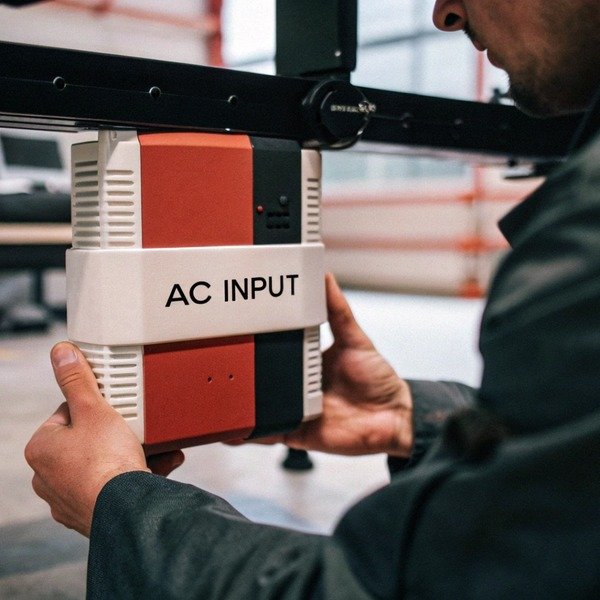
Cuando probamos nuestros sistemas de energía de octocóptero antes del envío sistemas de energía de octocóptero 1, sabemos que una carga confiable es tan crítica como la estabilidad de vuelo. Nada interrumpe una misión de rescate más rápido que un cargador que no se enciende porque fue diseñado para una red eléctrica diferente. Asegurar que su equipo coincida con las fuentes de energía locales es vital para la preparación operativa.
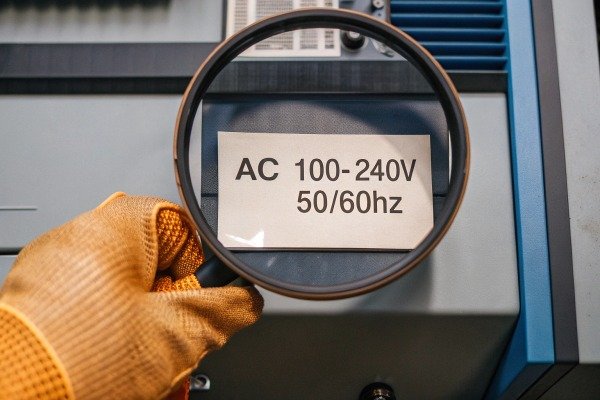
Para confirmar la compatibilidad con los estándares de voltaje de EE. UU., debe verificar que la hoja de datos técnicos del cargador enumere un rango de entrada de CA que cubra de 100 V a 120 V a 60 Hz. Busque una clasificación de “Voltaje Universal” de 100–240 V, que permite que la unidad se conecte directamente a las tomas de corriente de pared estándar estadounidenses sin necesidad de transformadores elevadores o convertidores externos.
Comprender los detalles técnicos en la etiqueta de datos puede prevenir fallas costosas del equipo y garantizar que su flota esté siempre lista para el despliegue.
¿Qué rango de voltaje de entrada específico debo buscar en la hoja de datos técnicos?
Nuestro equipo de ingeniería enfatiza constantemente que la compatibilidad global comienza con la etapa de entrada de la unidad de fuente de alimentación. Hemos visto a muchos compradores pasar por alto este simple detalle, lo que lleva a equipos inutilizables al llegar.
Debe buscar específicamente un rango de entrada de “CA 100–240 V” o un rango dedicado que incluya “110 V–120 V” en la etiqueta del producto. Además, asegúrese de que la especificación de frecuencia liste “60 Hz” o “50/60 Hz”, ya que los equipos clasificados estrictamente para el estándar de 50 Hz común en Asia y Europa pueden sobrecalentarse o funcionar mal en la red de EE. UU.
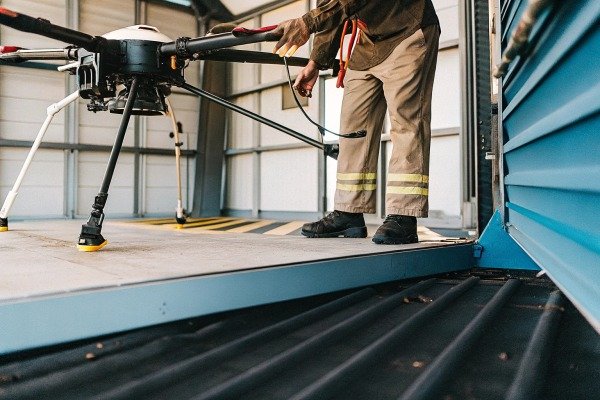
Al revisar la hoja de datos técnicos de un cargador de octocóptero de grado profesional, la sección "Entrada" es el primer lugar donde debe buscar. En los Estados Unidos, el voltaje estándar residencial y comercial es nominalmente de 120 voltios. voltaje estándar residencial y comercial 2 Sin embargo, dado que el voltaje puede fluctuar ligeramente dependiendo de la carga y la distancia del transformador, un rango de operación seguro es esencial.
El estándar de "Entrada Universal"
En nuestra fábrica, priorizamos la instalación de conmutación fuentes de alimentación conmutadas 3 fuentes de alimentación que presentan fuentes de alimentación conmutadas 4 "Entrada Universal". Esto significa que los componentes internos pueden manejar cualquier voltaje de CA entre 100 voltios (común en Japón) y 240 voltios (común en el Reino Unido y China). Si el cargador específico que está evaluando indica "Entrada: 220V ±10%", absolutamente no funcionará en una toma de corriente estándar de EE. UU. Necesitaría un transformador elevador pesado y costoso para usarlo.
La Frecuencia Importa: 50Hz vs. 60Hz
Si bien el voltaje es la principal preocupación, la frecuencia es el asesino silencioso de la electrónica. La red eléctrica de EE. UU. opera a 60 ciclos por segundo (60 Hz). 60 ciclos por segundo 5 Muchos transformadores y componentes magnéticos diseñados estrictamente para 50 Hz (común en nuestro mercado nacional en China) pueden sobrecalentarse cuando se someten a energía de 60 Hz. Esto se debe a que las pérdidas del núcleo magnético aumentan, lo que lleva a una fuga térmica. Siempre asegúrese de que la hoja de especificaciones diga "50/60 Hz" o explícitamente "60 Hz"."
Requisitos industriales de alto voltaje
Para drones de extinción de incendios muy grandes, los paquetes de baterías son masivos, a menudo configuraciones de 12S o 14S. Cargar estos rápidamente requiere alta potencia (2000 W o más). En algunos entornos industriales de EE. UU., es posible que tenga tomas de corriente de 208 V o 240 V disponibles (como las que se usan para secadoras de ropa o soldadores). Si su estación de bomberos utiliza estas tomas de alta potencia, un cargador solo de 220 V podría funcionar, pero primero debe confirmar la configuración del cableado.
Interpretación de la etiqueta
A continuación se presenta una guía para interpretar los datos de entrada que podría ver en una hoja de especificaciones.
| Línea de especificación | Estado de compatibilidad (EE. UU.) | Explicación |
|---|---|---|
| CA 100-240 V, 50/60 Hz | Excelente | Este es el estándar "Universal". Funciona en cualquier toma de corriente estándar de EE. UU. |
| CA 110 V/220 V conmutable | Bien | Requiere un cambio manual de interruptor antes de su uso. Existe riesgo de error del usuario. |
| CA 120V, 60Hz | Bien | Construido específicamente para el mercado norteamericano. No utilizable en Europa. |
| CA 220V, 50Hz | Incompatible | No se encenderá o disparará los interruptores automáticos. Requiere un transformador. |
| CA 200-240V | Condicional | Solo funciona si la estación de bomberos tiene líneas industriales dedicadas de alto voltaje. |
¿Puede el fabricante personalizar el enchufe de alimentación para que se ajuste a las tomas de corriente estándar de EE. UU.?
En nuestra experiencia exportando a América del Norte, encontramos que la conexión física es tan importante como el voltaje interno. A menudo personalizamos la etapa final de ensamblaje para adaptarnos a la infraestructura del país de destino.
Sí, los fabricantes de renombre pueden y deben personalizar el enchufe de alimentación para que se ajuste a las tomas de corriente estándar de EE. UU., típicamente NEMA 5-15 (Tipo B) para cargas estándar. Para cargadores de drones de extinción de incendios de alta potencia que excedan los 15 amperios, debe solicitar enchufes NEMA 5-20 o Twist-Lock para manejar la corriente aumentada de manera segura y prevenir peligros eléctricos.
El enchufe físico es la interfaz entre su costoso equipo de extinción de incendios y la red eléctrica. Una incompatibilidad aquí lo obliga a usar adaptadores de viaje, que son peligrosos para la electrónica industrial de alto consumo.
El problema con los adaptadores de viaje
Desaconsejamos encarecidamente el uso de adaptadores de viaje genéricos para cargadores de drones. La mayoría de los adaptadores están clasificados para dispositivos de baja potencia como secadores de pelo o cargadores de teléfono (típicamente menos de 500 vatios). Un cargador para un octocóptero de extinción de incendios puede consumir entre 1200 y 3000 vatios. Pasar tanta corriente a través de un adaptador de plástico barato crea un punto de alta resistencia que se derretirá, chisporroteará y potencialmente causará un incendio estructural.
Personalización a nivel de fábrica
Cuando realice un pedido, solicite específicamente "Cables de alimentación de EE. UU.". En nuestro proceso de producción, esto significa que cambiamos todo el cable de entrada. No solo cambiamos la cabeza del enchufe; nos aseguramos de que el calibre del cable (AWG) sea suficiente para la amperaje de EE. UU.
- Corriente de 120V vs 220V: Para lograr la misma potencia, un sistema de 120V extrae el doble de corriente (Amperios) que un sistema de 220V.
- Cables más gruesos: Un cable diseñado para China (220V) podría usar cables más delgados. Usar el mismo cable delgado a 120V en los EE. UU. podría hacer que el cable se sobrecaliente. Cambiamos a cables más gruesos de 14 AWG o 12 AWG para clientes de EE. UU.
Identificación de su tipo de toma de corriente
Antes de realizar el pedido, inspeccione la estación de bomberos o el vehículo de mando donde se cargarán estos drones.
- NEMA 5-15 (Estándar): La toma de corriente doméstica típica de tres clavijas. Máximo 15 Amperios. Bueno para cargadores más pequeños.
- NEMA 5-20 (Resistente): Una ranura tiene forma de T. Clasificado para 20 Amperios. Requerido para cargadores rápidos.
- Enchufes de generador: Si carga en el campo usando un generador de gasolina, podría necesitar un enchufe Twist-Lock (L5-30) para evitar que el cable se suelte por vibración. Enchufe Twist-Lock 6
Expectativas de servicio OEM
Un proveedor que ofrezca servicios OEM debe proporcionar un menú de selección para los cables de entrada. Si un proveedor le dice que "simplemente compre un adaptador localmente", considérelo una señal de alerta sobre su comprensión de la seguridad industrial.
| Tipo de Enchufe | Código NEMA | Amperaje máximo | Uso típico para drones |
|---|---|---|---|
| Tipo A | NEMA 1-15 | 15A | Solo accesorios más pequeños sin conexión a tierra. Evitar para cargadores principales. |
| Tipo B | NEMA 5-15 | 15A | Toma de corriente estándar con conexión a tierra. Más común para cargadores de hasta 1500W. |
| Tipo B (ranura en T) | NEMA 5-20 | 20A | Toma de corriente de alta corriente. Requerido para cargadores de 1800W-2400W en 120V. |
| Twist-Lock | NEMA L5-30 | 30A | Uso con generador. Ideal para operaciones de campo y centros de comando móviles. |
¿Vienen los cargadores con certificaciones UL o FCC para garantizar el cumplimiento de seguridad?
Navegar por el cumplimiento es una parte clave de nuestro proceso de exportación, especialmente cuando se trata de contratos gubernamentales. Sabemos que los oficiales de adquisiciones requieren documentación para satisfacer los protocolos de seguro y seguridad.
Los cargadores destinados al uso profesional en EE. UU. deben llevar certificaciones UL (Underwriters Laboratories) o ETL para garantizar la seguridad eléctrica y la resistencia al fuego. Además, la certificación FCC es obligatoria para garantizar que las emisiones electromagnéticas del cargador no interfieran con los sistemas de comunicación por radio del dron u otro equipo de emergencia sensible.
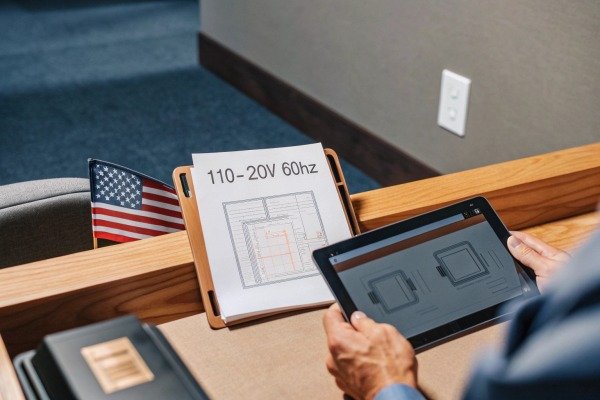
Para un gerente de adquisiciones, las certificaciones no son solo distintivos; son herramientas de gestión de riesgos. Los drones de extinción de incendios operan en entornos críticos, y su equipo de soporte debe ser legal y técnicamente sólido.
UL / ETL: Seguridad Eléctrica
La marca UL (o su equivalente, ETL) indica que el cargador Marca UL 7 ha sido sometido a pruebas rigurosas Marca UL 8 para seguridad contra incendios, resistencia a descargas eléctricas y estabilidad térmica.
- Por qué importa: Si un cargador causa un incendio en un edificio municipal, la investigación del seguro buscará inmediatamente las certificaciones de seguridad. El equipo que carezca de estas marcas puede generar problemas de responsabilidad.
- El Nivel de Componente: A veces, no todo el cargador está certificado, sino la unidad de fuente de alimentación (PSU) interna. Debe solicitar al fabricante el "Número de Archivo UL" de la fuente de alimentación interna si la unidad completa carece de la etiqueta.
FCC: Interferencia Electromagnética (EMI)
Esto es crucial para los drones. Los cargadores conmutan altos voltajes a muy altas velocidades, lo que crea ruido de radio.
- El riesgo: Un cargador no certificado por la FCC actúa efectivamente como un inhibidor de radio. Si está cargando baterías cerca de la estación terrestre del dron, un cargador "ruidoso" puede reducir el alcance de su enlace de video o interferir con las radios portátiles utilizadas por el equipo de bomberos.
- Verificación: Busque el logotipo de la FCC en la etiqueta. Esto certifica que el dispositivo cumple con la Parte 15 de las reglas de la FCC con respecto a los límites de interferencia electromagnética. Parte 15 de las reglas de la FCC 9
El Costo del Cumplimiento
Obtener estas certificaciones es costoso para los fabricantes. Esta es a menudo la razón por la que existe una brecha de precio entre un cargador genérico para aficionados y un cargador industrial profesional.
- Cargadores Baratos: A menudo omiten los componentes de filtrado de EMI para ahorrar dinero.
- Cargadores Profesionales: Incluyen blindaje pesado y condensadores de alta calidad para cumplir con los estándares de la FCC.
Cuando solicite una cotización, pida el documento de "Declaración de Cumplimiento". Un proveedor verificado tendrá estos PDF listos para enviar por correo electrónico. Si dudan o afirman que es "innecesario", proceda con precaución.
¿Dañará el uso de un cargador no compatible las baterías de mi dron de extinción de incendios?
Probamos continuamente los ciclos de vida de la batería en nuestros laboratorios para garantizar que nuestros clientes obtengan el máximo retorno de la inversión. Hemos observado que la mala calidad de la energía de la pared es una causa principal de falla prematura de la batería.
El uso de un cargador no compatible puede dañar gravemente las baterías de drones de extinción de incendios al causar inestabilidad de voltaje, lo que lleva a una carga incompleta o a una sobrecarga peligrosa. Además, la frecuencia incompatible o la energía “sucia” pueden hacer que la regulación interna del cargador falle, entregando una corriente errática que degrada la estructura química de la batería y aumenta los riesgos de incendio.
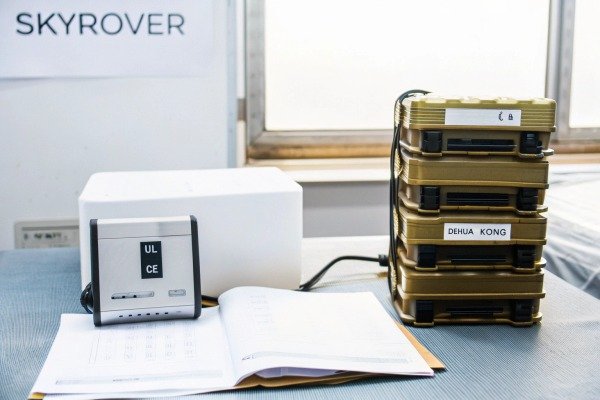
Los drones de extinción de incendios suelen utilizar baterías de polímero de litio (LiPo) o de litio de alto voltaje (LiHV). Polímero de Litio (LiPo) 10 Estas son químicas volátiles que requieren un manejo preciso. El cargador es el guardián de esta energía, y si el guardián se confunde con la energía de entrada, la batería sufre.
La Química de la Falla
Las baterías de drones industriales suelen constar de 12 o 14 celdas en serie. El cargador debe equilibrar estas celdas con una diferencia de 0.01 voltios entre sí.
- Ondulación de Voltaje: Si el cargador tiene problemas con un voltaje de entrada incorrecto (por ejemplo, intenta extraer 120V cuando quiere 220V), puede introducir "rizado" en la salida de CC.
- Resultado: El delicado Sistema de Gestión de Batería (BMS) dentro del paquete de baterías se confunde. Puede dejar de cargar prematuramente (pico falso) o no lograr equilibrar las celdas.
- Daño a Largo Plazo: Un paquete de baterías desequilibrado es peligroso. Si una celda se sobrecarga mientras otras están subcargadas, el paquete puede hincharse (inflarse) o incendiarse durante el próximo vuelo.
El Fenómeno de "Reducción de Potencia"
Algunos cargadores inteligentes no fallarán por completo, sino que se "reducirán" a sí mismos.
- Escenario: Conecta un cargador de 2000W diseñado para 220V a una toma de corriente estadounidense de 110V.
- Comportamiento: El cargador detecta el bajo voltaje y reduce automáticamente su potencia de salida en un 50% para protegerse.
- Impacto Operacional: Tu tiempo de carga se duplica. En lugar de estar listo en 45 minutos, el dron tarda 90 minutos en cargarse. En un escenario de incendio forestal, este retraso es inaceptable.
Generadores de Campo y "Energía Sucia"
Los bomberos a menudo cargan baterías en el campo utilizando generadores de gasolina.
- El Problema: Los generadores pequeños a menudo producen un voltaje inestable con alta Distorsión Armónica Total (THD).
- Compatibilidad: Los cargadores de gama alta tienen "Corrección Activa del Factor de Potencia" (PFC) para manejar esto. Los cargadores baratos y no compatibles suelen carecer de PFC.
- El riesgo: Sin PFC, el cargador puede quemar su fusible interno o dañar el alternador del generador cuando la carga aumenta bruscamente.
Consecuencias de las Incompatibilidades
Aquí hay un desglose de lo que sucede cuando el cargador no coincide perfectamente con el entorno de energía de EE. UU.
| Problema de Compatibilidad | Síntoma Inmediato | Impacto a Largo Plazo en la Batería | Riesgo de Misión |
|---|---|---|---|
| Voltaje de Entrada Incorrecto | El cargador no se enciende o dispara el disyuntor. | Ninguno (si la protección funciona). | Crítico: Dron en tierra. |
| Sin PFC (Corrección del Factor de Potencia) | Generadores suben/se detienen. | Niveles de carga inconsistentes. | Alto: Carga de campo poco fiable. |
| Frecuencia incorrecta (unidad de 50 Hz en 60 Hz) | El cargador se calienta mucho. | La ondulación de voltaje daña las celdas. | Moderado: Reducción de la vida útil de la batería. |
| Poca potencia (reducción de potencia) | La carga tarda el doble. | Ninguno. | Alto: Retrasos operativos. |
Conclusión
Asegurarse de que el cargador de su dron de extinción de incendios sea compatible con los estándares de voltaje de EE. UU. no es solo un ejercicio de cumplimiento; es un requisito crítico de seguridad y operación. Al verificar un rango de entrada de 100-120 V, exigir enchufes estándar NEMA e insistir en certificaciones UL/FCC, protege su valioso inventario de baterías y garantiza que su flota esté lista para emergencias. Siempre priorice las especificaciones sobre el precio para garantizar la fiabilidad cuando más importa.
Notas al pie
1. Proporciona información de fondo sobre las configuraciones multirrotor utilizadas en drones industriales. ↩︎
2. Fuente autorizada que explica los niveles de voltaje estándar en la red eléctrica de EE. UU. ↩︎
3. Definición técnica y explicación de la tecnología de fuentes de alimentación conmutadas. ↩︎
4. Resumen del organismo internacional de normalización de la tecnología y seguridad de las fuentes de alimentación. ↩︎
5. Recurso del Departamento de Energía que explica los estándares de frecuencia de la red en los EE. UU. ↩︎
6. Sitio web oficial de la National Electrical Manufacturers Association, que define los estándares de enchufes. ↩︎
7. Sitio web oficial del fabricante que explica las marcas de certificación de seguridad y las pruebas. ↩︎
8. Sitio oficial de Underwriters Laboratories que explica la marca de certificación de seguridad. ↩︎
9. Código electrónico oficial de regulaciones federales que detalla el cumplimiento de la Parte 15 de la FCC. ↩︎
10. Directrices de seguridad de OSHA sobre los peligros de las baterías de litio en el lugar de trabajo. ↩︎

 English
  Español de México
  Deutsch
  Français
  Русский
  العربية
Comments
No comments yet. Be the first to share your thoughts!
Leave a Comment