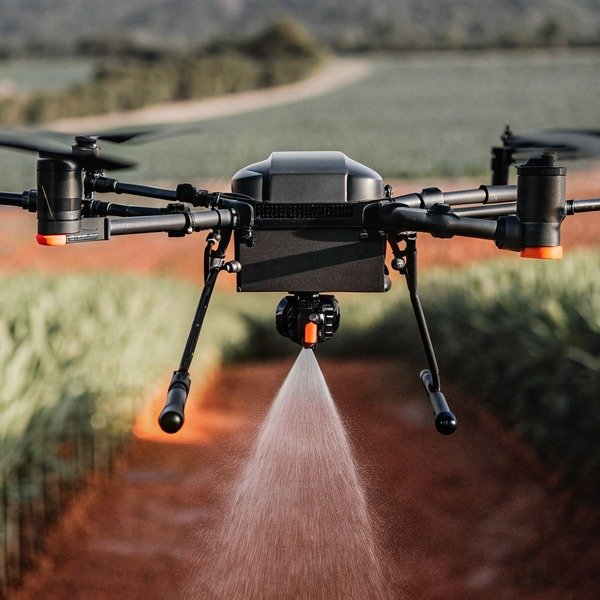
Ver unidades sin vender en su almacén agota el capital y aumenta el estrés Ley de Aviación Civil 1. En nuestra fábrica de Xi’an, sabemos que el inventario estancado perjudica tanto a nuestros distribuidores inventario estancado 2 como a nuestra planificación de producción.
Para negociar políticas efectivas, defina claramente las métricas de “movimiento lento”, como 180 días sin ventas, en su acuerdo OEM inicial. Aproveche sus compromisos de volumen para asegurar una estructura de tarifas de reabastecimiento escalonada entre el 10% y el 25%, lo que le permitirá rotar el stock estancado para obtener crédito hacia modelos más nuevos y conformes.
Examinemos los términos contractuales específicos que protegen su inversión.
¿Qué cláusulas específicas debo incluir en mi acuerdo OEM para cubrir el inventario de drones agrícolas de movimiento lento?
Nuestro departamento legal revisa frecuentemente contratos que carecen de estrategias de salida claras para los importadores Ex Works 3. Sin términos precisos, corre el riesgo de retener tecnología obsoleta mientras las regulaciones cambian.
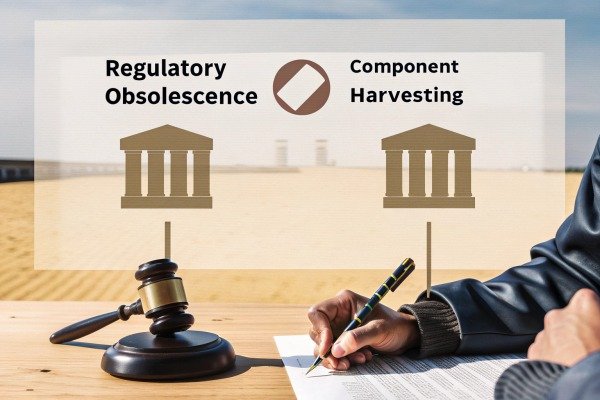
Debe incluir una cláusula de “Obsolescencia Regulatoria” que active los derechos de devolución si cambian las reglas de la FCC o la CAAC. Además, inserte una disposición de “Recolección de Componentes” que le permita desmantelar sensores de alto valor de fuselajes no vendidos para uso de garantía local en lugar de enviar unidades completas de regreso a China.

Definición de los Términos de Compromiso
Cuando nos sentamos a finalizar un acuerdo OEM, los importadores más exitosos no solo hablan de precio; hablan de riesgo. Como fabricante, prefiero la claridad a las disputas. El primer paso es definir matemáticamente el inventario de "movimiento lento". No deje esto abierto a la interpretación. Recomendamos una cláusula que establezca que cualquier SKU específico con cero ventas durante 180 días consecutivos califica para revisión.
La Red de Seguridad Regulatoria
El panorama está cambiando rápidamente. Con la posible prohibición de la FCC sobre nuevos drones de fabricación extranjera FCC 4 y los próximos cambios en la Ley de Aviación Civil de China en julio de 2026, su inventario enfrenta riesgos externos. Una política de devolución estándar no cubre esto. Necesita una cláusula específica de "Fuerza Mayor Regulatoria" Fuerza Mayor 5 o "Obsolescencia". Esto asegura que si una decisión política hace que su stock sea ilegal de vender, usted tenga un camino preacordado para devolverlo o cambiarlo.
Cláusulas Críticas para su Contrato
A continuación, se presenta un desglose de las cláusulas esenciales que debe proponer durante nuestra fase de negociación.
H3 – Cláusulas Esenciales de Protección de Inventario
| Nombre de la Cláusula | Objetivo | Beneficio para el Importador |
|---|---|---|
| Recolección de Componentes | Permite el desmontaje local de unidades no vendidas. | Ahorra costos de envío; convierte el stock obsoleto en valiosas piezas de repuesto. |
| Protección de Precios | Le otorga crédito si el fabricante reduce el precio del mismo modelo. | Protege su margen contra recortes de precios de fábrica en lotes más nuevos. |
| Re-flasheo de Firmware | Permite cambiar los bloqueos de software regionales. | Permite la reventa de inventario a otros países no restringidos. |
| Venta o Devolución (SOR) | Modelo de consignación para lotes de prueba iniciales. | Los riesgos permanecen en la fábrica hasta que la unidad se vende realmente. |
Al incluir estos términos específicos, cambia la conversación de "pedir un favor" a ejecutar un acuerdo comercial. Convierte un conflicto potencial en un procedimiento operativo estándar.
¿Cómo puedo convencer a mi proveedor chino para que acepte una política de rotación de stock o recompra?
Valoramos la estabilidad en nuestras líneas de producción por encima de casi todo lo demás. Si puede demostrar que una política de rotación ayuda a mantener volúmenes de pedidos estables, le escuchamos.
Convencer a los proveedores enmarcando la rotación de existencias como una herramienta para la estabilidad de la asociación a largo plazo en lugar de un reembolso único. Ofrecer convertir los créditos de devolución en “Fondos de Desarrollo de Marketing” (MDF) para subsidiar descuentos locales agresivos, asegurando que el fabricante aún mueva unidades mientras usted recupera liquidez.
Comprensión de la Motivación del Fabricante
Para convencernos, debe comprender nuestros puntos débiles. Los márgenes en la fabricación de hardware son más delgados de lo que muchos imaginan. Cuando solicita una recompra, vemos un impacto directo en nuestro flujo de efectivo y un dolor de cabeza logístico. Sin embargo, también tememos perder un socio confiable en mercados clave como EE. UU. o Europa. La estrategia aquí es alinear su solicitud con nuestra necesidad de pedidos futuros.
La Palanca de "Pedidos Futuros"
No pida devolución de dinero. En su lugar, negocie un plan de "Rotación de Existencias" acreditado contra futuros pedidos. Por ejemplo, por cada 10.000 € de inventario nuevo que compre, usted gana el derecho a devolver 2.000 € de existencias antiguas. Esto mantiene nuestra línea de producción en movimiento y asegura que usted no se quede atascado con unidades antiguas. Demuestra que está comprometido con el largo plazo.
Conversión de Fondos de Marketing
Otra táctica efectiva es la "Conversión de Fondos de Marketing". En lugar de enviar drones de regreso a Chengdu, lo que incurre en costos de aduana y flete para todos, proponga que "recompremos" el inventario en papel al darle un crédito para descontar el producto localmente.
- Escenario: Tiene 10 drones sin vender por un total de 5.000 €.
- Propuesta: La fábrica te da un crédito de $2,000 en tu próximo pedido.
- Acción: Utilizas ese margen para descontar los 10 drones en $200 cada uno para liquidarlos.
H3 – Comparación de Palancas de Negociación
| Estrategia de Negociación | Nivel de Resistencia del Fabricante | Probabilidad de Éxito | Ideal para |
|---|---|---|---|
| Recompra en Efectivo | Muy alto | Bajo | Solo lotes defectuosos. |
| Intercambio 1 por 1 | Alto | Medio | Lanzamientos de nuevos productos. |
| Crédito para Pedidos Futuros | Medio | Alto | Rotación de stock estacional. |
| Conversión de Fondos de Marketing | Bajo | Muy alto | Liquidación de productos al final de su vida útil. |
Este enfoque nos permite mantener los ingresos reconocidos mientras te ayudamos a liquidar tu almacén. Es un ganar-ganar que los importadores inteligentes utilizan a menudo.
¿Puedo negociar el intercambio de drones no vendidos por repuestos o crédito para futuros pedidos?
Nuestros ingenieros a menudo ven drones devueltos que son perfectamente funcionales pero simplemente obsoletos. Preferiríamos verte convertir estos en activos útiles en lugar de desecharlos.
Sí, puedes negociar un sistema de “Crédito de Repuestos” donde desmontas localmente drones de baja rotación. El valor del controlador de vuelo, los motores y los sistemas de pulverización se acredita entonces a tu cuenta. controlador de vuelo 6 para la compra de piezas de mantenimiento de alta demanda, evitando costosos gastos de envío de devolución.

El valor oculto en el stock muerto
Un dron agrícola sin vender es esencialmente una colección de repuestos de alto valor ensamblados de una manera específica. Si la unidad completa no se vende, es probable que las piezas sí lo hagan. Los drones agrícolas sufren mucho; los usuarios finales necesitan constantemente hélices, motores, ESC y boquillas. A menudo animamos a los distribuidores a ver su inventario de baja rotación como un "almacén de piezas"."
Estructurando el Intercambio
Negociar un intercambio de "unidad por piezas" suele ser más fácil que un intercambio de "unidad por unidad". Enviar un dron grande con un tanque de 30L a China es una pesadilla logística que implica declaraciones de mercancías peligrosas declaraciones de mercancías peligrosas 7 (si se incluyen baterías) declaraciones de mercancías peligrosas 8 y cargos por peso volumétrico.
En su lugar, proponga un Protocolo de Desmantelamiento Remoto:
- Verificación: Usted nos envía una prueba en video de las unidades no vendidas y sus números de serie.
- Destrucción/Recolección: Usted extrae la electrónica valiosa (controladores de vuelo, bombas, radares). Destruye el marco o lo vende como chatarra localmente.
- Crédito: Emitimos una nota de crédito por el valor de las piezas recolectadas, que usted utiliza para comprar consumibles de alta rotación como boquillas o baterías.
Gestión de brechas tecnológicas
Esta estrategia es particularmente efectiva dado el rápido avance de la tecnología de drones. Un marco de 2024 podría quedar obsoleto para 2026, pero los motores sin escobillas o el módulo RTK aún podrían ser compatibles Módulo RTK 9 con la nueva generación.
H3 – Tabla de Retención de Valor de Componentes
| Componente del dron | Valor Retenido durante 12 Meses | Reutilización en Nuevos Modelos | Acción recomendada |
|---|---|---|---|
| Controlador de vuelo | Alto (80-90%) | Alto | Cosechar y guardar como repuesto. |
| Motores/ESCs | Medio (60-70%) | Medio | Cosechar para stock de reparación. |
| Marco/Chasis | Bajo (20-30%) | Bajo | Reciclar localmente. |
| Baterías | Se deprecia rápidamente | Alto (si se mantiene) | Vender inmediatamente con descuento. |
Al centrarse en las piezas, resuelve dos problemas: despeja espacio en su almacén y se abastece de las piezas de reparación que sus clientes le solicitan realmente.
¿Quién cubre los gastos de envío y aduanas si necesito devolver el stock de movimiento lento a la fábrica?
Nuestro equipo de logística se ocupa a diario de las normativas de importación/exportación. La dura realidad es que devolver mercancías a China suele ser más caro y complejo que la exportación original.
Normalmente, el importador asume los costes de envío y seguro de la devolución. Sin embargo, puede negociar condiciones “FOB destino” para las devoluciones causadas por fallos normativos, o acordar un modelo de costes compartidos en el que el proveedor cubra los derechos de reimportación a China mientras usted se encarga del transporte de salida.
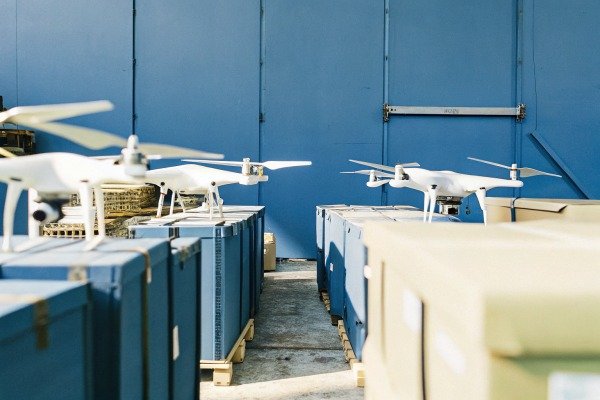
La trampa del coste hundido
Cuando importa nuestros drones, paga el envío, el seguro, los aranceles de EE. UU. y las tasas de procesamiento de mercancías. Si devuelve la mercancía, esos derechos de importación suelen ser "costes hundidos" irrecuperables a menos que pase por un complejo proceso de "reembolso de derechos" Devolución de aranceles 10"con la Aduana de EE. UU., lo que puede llevar años. Además, enviar mercancías de vuelta a China es difícil. La aduana china impone impuestos estrictos sobre las "mercancías devueltas" a menos que podamos demostrar que son defectuosas.
Asignación de los costes
En un acuerdo OEM estándar, la posición por defecto es Ex Works (EXW) para las devoluciones: usted paga todo hasta que llegue a nuestra fábrica. Esto puede anular el valor de la devolución.
Para protegerse, debe negociar excepciones:
- Defectuoso vs. Lento movimiento: Si la devolución se debe a un problema de calidad, deberíamos pagar nosotros. Si se trata simplemente de ventas lentas, normalmente paga usted.
- Disparadores normativos: Si la FCC prohíbe el dispositivo, argumente que esto es un fallo fundamental en la idoneidad para el propósito. Negocie una división 50/50 de los costos logísticos en este escenario específico.
La alternativa de "Reexportación Regional"
Dado que el envío de devolución es tan costoso, a menudo sugerimos Reexportación Regional. En lugar de enviar los drones de regreso a China, le otorgamos el derecho de vender el inventario a otro de nuestros distribuidores en un país diferente (por ejemplo, Brasil o Canadá) donde las regulaciones o las demandas del mercado puedan ser diferentes.
Podemos facilitar esto mediante:
- Proporcionar la información de contacto de otros distribuidores.
- Autorizar un Re-flasheo de Firmware para asegurar que los drones funcionen en la nueva región.
- Renunciar a cualquier penalización por incumplimiento territorial.
Esto generalmente cuesta significativamente menos que el flete marítimo de regreso a Asia y mantiene los productos avanzando en la cadena de suministro, no hacia atrás.
Conclusión
Negociar políticas de devolución para drones agrícolas requiere previsión, no solo reacción. Al definir los términos de "movimiento lento" desde el principio, aprovechar su poder de compra para la rotación de existencias y utilizar soluciones creativas como la recolección de componentes, protege su capital. A medida que las regulaciones se endurecen tanto en EE. UU. como en China, estas cláusulas contractuales se convierten en su red de seguridad.
Notas al pie
1. Antecedentes de la autoridad regulatoria china específica. ↩︎
2. Definición del riesgo de inventario específico mencionado. ↩︎
3. Fuente oficial para las definiciones de Incoterms, incluyendo Ex Works (EXW) y FOB. ↩︎
4. Sitio web oficial del organismo regulador mencionado. ↩︎
5. Definición legal de la cláusula contractual sugerida. ↩︎
6. Antecedentes generales sobre el hardware y software que gestiona la estabilidad de vuelo de los drones. ↩︎
7. Resumen de las regulaciones y documentación requerida para el envío de materiales peligrosos como las baterías de litio. ↩︎
8. Normas de la industria para el envío de baterías por aire. ↩︎
9. Explicación técnica del componente de alto valor mencionado. ↩︎
10. Orientación oficial de la Aduana de EE. UU. sobre el proceso de reembolso. ↩︎
 English
  Español de México
  Deutsch
  Français
  Русский
  العربية
Comments
No comments yet. Be the first to share your thoughts!
Leave a Comment