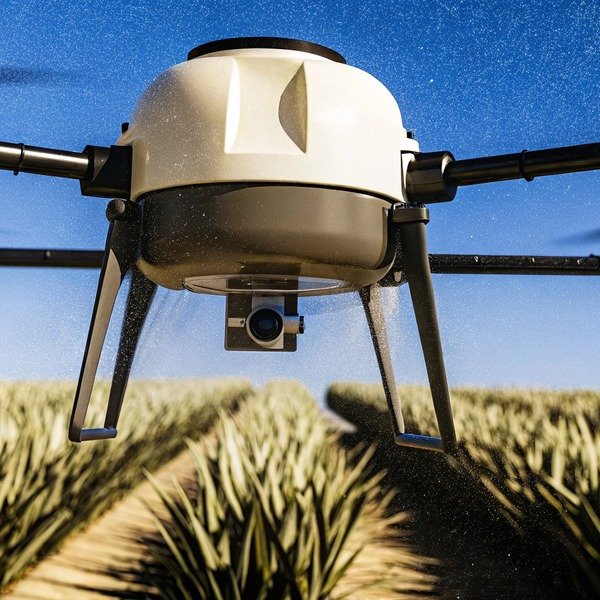
A menudo vemos que los compradores dudan antes de transferir fondos para su primer lote transferir fondos 1 de pulverizadores, temiendo que su capital pueda desaparecer. Le preocupa el retraso en los envíos o la recepción de drones que no puedan manejar el flujo de pulverización que prometimos durante las negociaciones. Estos temores son válidos cuando se trata de productos electrónicos de alto valor a través de fronteras.
Para los pedidos iniciales de drones agrícolas, estructure sus pagos utilizando una división del 30/70. Pague un depósito del 30% al firmar el contrato para cubrir los materiales, y libere el 70% restante solo después de que una inspección previa al envío por parte de un tercero verifique la capacidad de carga útil y la estabilidad de vuelo.
Aquí le explicamos cómo asegurar su capital y garantizar que entregamos la calidad que su flota requiere.
¿Cuál es el porcentaje de depósito estándar para pedir drones agrícolas a un nuevo proveedor?
Cuando configuramos líneas de producción para nuevos clientes, necesitamos capital para asegurar baterías de alta capacidad 2 baterías de alta capacidad y marcos de fibra de carbono de inmediato marcos de fibra de carbono 3. Sin embargo, entregar demasiado efectivo por adelantado pone a su negocio en riesgo si la producción se detiene o no se cumplen las especificaciones.
El depósito estándar de la industria para nuevos pedidos de drones es del 30% del valor total del contrato. Esta cantidad es suficiente para que los fabricantes compren materias primas como motores y controladores de vuelo, mientras mantienen la mayor parte de su capital a salvo hasta que el producto esté listo.
Para una colaboración inicial, el depósito del 30% es la "regla de oro" en nuestra industria. Logra el equilibrio perfecto entre la seguridad del comprador y el compromiso del proveedor. Cuando recibimos un depósito del 30%, demuestra que usted es serio con el pedido. Permite a nuestro equipo de adquisiciones comprar inmediatamente los componentes específicos para su modelo de dron, como motores de alto par y boquillas de pulverización.
Si un proveedor solicita el 50% o el 100% por adelantado para un pedido estándar, debe ser muy cauteloso. Esto a menudo indica problemas de flujo de efectivo de su parte. Por otro lado, ofrecer menos del 30% podría hacer que dudemos en asignar a nuestros mejores ingenieros a su proyecto, ya que conlleva un riesgo financiero para la fábrica.
Dónde va su depósito
Ayuda a entender por qué necesitamos este dinero antes de que comience la producción. Los drones agrícolas utilizan componentes caros cuyos precios fluctúan. No podemos financiar estos completamente por nuestra cuenta para cada nuevo cliente.
Asignación de Fondos Iniciales
| Categoría de componentes | Porcentaje del Depósito | Por qué es importante |
|---|---|---|
| Materias Primas | 60% | Compra de carbono marcos de fibra de carbono 4 fibra, motores y ESC (Controladores Electrónicos de Velocidad). |
| Celdas de la batería | 25% | Asegurar baterías de litio de alto voltaje, que son costosas y peligrosas de almacenar. |
| Espacio de Producción | 15% | Reserva de tiempo y mano de obra en la línea de montaje para su ventana de entrega específica. |
Al adherirse a 30%, limita su exposición financiera. Si el trato sale mal, no ha perdido el valor total del envío. Este apalancamiento es vital para las etapas posteriores del trato. Siempre asegúrese de que este depósito esté vinculado a un contrato firmado que enumere claramente las especificaciones del dron.
¿Debo liberar el saldo final antes o después de la inspección previa al envío?
Siempre invitamos a inspectores externos a nuestras instalaciones de Xi'an antes de embalar los pedidos para asegurar que todo coincida con la hoja de especificaciones. Nunca debe pagar el importe total hasta que verifique que la presión de la boquilla y los sistemas de radar funcionan exactamente como se especifica.
Siempre libere el saldo final después de una Inspección Pre-Embarque (PSI) exitosa. Liberar fondos antes de la inspección elimina su poder de negociación para exigir reparaciones por problemas como boquillas defectuosas o vuelo inestable, dejándole con poco recurso si los drones llegan defectuosos.

El tiempo entre la finalización de la producción y el envío es su ventana de negociación más crítica. Una vez que los drones salen de nuestra fábrica, corregir un defecto se vuelve increíblemente caro para usted. Tendría que enviar la unidad de vuelta a China o esperar semanas por piezas de repuesto. Por lo tanto, el pago del saldo "70%" solo debe realizarse después de una Inspección Pre-Embarque (PSI). Inspección previa al envío 5
No confíe en las fotos enviadas por el equipo de ventas. Las fotos no pueden mostrar si el controlador de vuelo está calibrado correctamente o si el radar de evitación de obstáculos está activo. controlador de vuelo 6 Debe contratar a una agencia externa para que visite nuestra fábrica. Realizarán pruebas dinámicas específicas para drones agrícolas.
Puntos Clave de la PSI
Una inspección general de electrónica no es suficiente. Necesitas verificar las funciones agrícolas. Si estas pruebas fallan, retienes el 70% del saldo hasta que las arreglemos.
Lista de verificación de inspección de drones agrícolas
| Categoría de Inspección | Specific Test | Criterios de aceptación |
|---|---|---|
| Estabilidad de vuelo | Prueba de vuelo estacionario (modo GPS) | El dron mantiene la posición con una precisión de ±10 cm con viento moderado. |
| Sistema de pulverización | Prueba de caudal | La bomba entrega la salida exacta en L/min; no hay fugas en el tanque ni en las mangueras. |
| Características de seguridad | Evitación de obstáculos | El radar detecta objetos a 15 m y frena automáticamente. |
| Endurance | Tiempo de vuelo con carga | El dron vuela durante los minutos acordados (por ejemplo, 15 minutos) con carga útil completa. |
Si pagas antes de este paso, pierdes el poder de forzar correcciones. Hemos visto a compradores omitir esto para ahorrar tiempo, solo para recibir drones con cierres de brazo sueltos o software geolocalizado en la región incorrecta. El PSI es tu red de seguridad final.
¿Cómo cambian los hitos de pago si solicito personalización OEM para mi flota de drones?
A nuestro equipo de ingeniería le encanta trabajar en diseños personalizados de carga pesada, pero estos proyectos requieren moldes específicos y codificación de software. Este trabajo adicional de I+D cambia nuestra estructura de costos y requiere diferentes términos de pago para proceder.
La personalización OEM requiere un hito inicial adicional para los costos de ingeniería no recurrente (NRE). Típicamente, pagas el 100% de las tarifas de herramientas o desarrollo de software por separado antes de que comience la producción, mientras mantienes la división estándar de 30/70 para los costos reales de fabricación de la unidad.
Cuando solicitas un dron SkyRover estándar, ya tenemos los moldes y el firmware listos. Sin embargo, si deseas una forma de tanque personalizada, tu propia marca en la carcasa del control remoto o software de vuelo específico para cultivos únicos, entramos en territorio OEM. Esto cambia la estructura de pago porque tenemos que gastar dinero antes de siquiera pedir los materiales.
Para proyectos OEM, separamos los "Costos de Herramientas" de los "Costos del Producto". Debes esperar pagar por los moldes y la I+D por adelantado. Esto no es negociable porque estos moldes no se pueden utilizar para otros clientes.
La estructura de pago OEM de 3 pasos
- Fase de Muestra y Herramientas: Pagas el 100% del costo del molde/I+D. Esto crea el prototipo.
- Depósito de Producción en Masa: Una vez que apruebes el prototipo, pagas el 30% del valor del pedido para iniciar la producción en masa.
- Pago del Saldo: Pagas el 70% restante después de que la producción en masa pase la inspección.
¿Por qué separar los costos de NRE?
Separar estos costos te protege. Asegura que eres el propietario de los moldes. Si decides cambiar de proveedor más adelante, puedes reclamar legalmente los moldes porque pagaste por ellos por separado.
Comparación de Pagos OEM vs. Estándar
| Hito de Pago | Pedido de Producto Estándar | Pedido OEM/Personalizado |
|---|---|---|
| Tarifa inicial | Ninguno | 100% de Tarifas de Herramientas/NRE |
| Depósito de Producción | 30% del Valor del Pedido | 30% del Valor del Pedido (Después de la Aprobación del Prototipo) |
| Saldo Final | 70% Before Shipment | 70% Before Shipment |
This structure ensures that our engineers get paid for their development time, while you still maintain leverage over the actual manufacturing quality of the fleet.
¿Qué métodos de pago ofrecen la mejor protección para compras de drones internacionales de alto valor?
We accept various payment methods at SkyRover, but we notice smart buyers prioritize security over speed. Choosing the right channel ensures your funds are only released when we meet your strict export documentation requirements.
Letters of Credit (L/C) offer the highest protection for orders exceeding $100,000, as banks only release funds upon proof of shipping. For smaller pilot orders, escrow services like Alibaba Trade Assurance provide security by holding funds until you confirm delivery.

Agricultural drones are expensive. A container load can easily exceed $150,000. Wiring this amount directly via T/T (Telegraphic Transfer) is risky for a first-time collaboration. If we disappear or go bankrupt, your money is gone. Different payment methods offer different levels of protection.
Carta de crédito (L/C)
For large orders, an Irrevocable Letter of Credit is best Carta de Crédito Irrevocable 7. Carta de crédito 8 Your bank holds the money and only pays us when we present shipping documents. These documents usually include the Bill of Lading, Commercial Invoice, and Dangerous Goods Certificate (MSDS) for the batteries. Conocimiento de embarque 9 This ensures we have legally exported the goods before we get a single cent of the balance.
Servicios de depósito en garantía
For smaller orders (e.g., 2-5 test units), an L/C is too expensive and slow. In this case, use a platform with escrow, like Alibaba Trade Assurance. You pay the platform, not us. We see the funds are there, so we start working. But we cannot touch the money until you click "Received" or the shipping carrier confirms delivery.
Payment Method Pros and Cons
| Método | Ideal para | Ventajas | Contras |
|---|---|---|---|
| T/T (transferencia bancaria) | Established Partners | Low fees, fast processing. | No protection for the buyer. |
| Carta de crédito (L/C) | Orders >$100k | High security; funds tied to documents. | High bank fees; complex paperwork. |
| Depósito en garantía (Garantía comercial) | Pedidos piloto <$20k | Garantía de devolución de dinero; fácil de usar. | Tarifas de plataforma (2-3%); retiene fondos por más tiempo. |
Siempre exija la MSDS (Hoja de datos de seguridad de materiales) para las baterías como condición para la liberación del pago. Sin este documento, sus drones podrían quedarse atascados en la aduana de EE. UU. y no podrá importarlos legalmente. importarlos legalmente 10
Conclusión
Estructurar correctamente sus pagos es el primer paso para una estrategia de abastecimiento exitosa. Al insistir en un depósito del 30%, exigir una estricta inspección previa al envío antes de liberar el saldo del 70% y utilizar métodos de pago seguros como L/C o depósito en garantía, minimiza significativamente su riesgo. Este enfoque protege su capital y nos motiva a entregar los drones agrícolas de alto rendimiento de los que depende su negocio.
Notas al pie
1. Explica los riesgos de los pagos por adelantado como las transferencias bancarias en el comercio internacional. ↩︎
2. Directrices de seguridad y manipulación basadas en investigación para baterías de litio de alto voltaje. ↩︎
3. Recurso oficial del Departamento de Energía que explica la fabricación y las propiedades de la fibra de carbono. ↩︎
4. Documentación de un fabricante líder de materiales de fibra de carbono utilizados en marcos de drones. ↩︎
5. Normas ISO relacionadas con la inspección y el control de calidad en la fabricación. ↩︎
6. Especificaciones técnicas para controladores de vuelo de grado profesional utilizados en drones industriales. ↩︎
7. Guía gubernamental autorizada sobre el uso de Cartas de Crédito para transacciones seguras. ↩︎
8. Información general sobre cómo funcionan las cartas de crédito en el comercio internacional. ↩︎
9. Explicación del papel de la Carta de Porte en el envío y pago internacional. ↩︎
10. Guía oficial del gobierno del Reino Unido sobre los requisitos legales para importar mercancías comerciales. ↩︎

 English
  Español de México
  Deutsch
  Français
  Русский
  العربية
