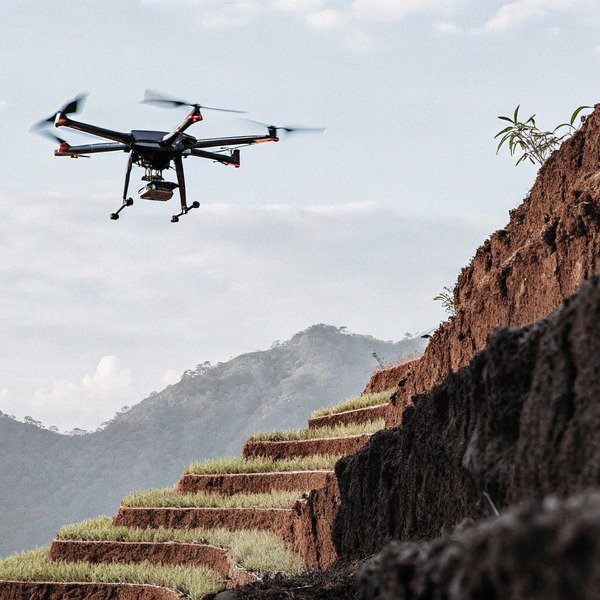
Cuando colaboramos con nuestros socios estadounidenses en sistemas de control de vuelo personalizados, el mayor desafío que escuchamos no son los cultivos en sí, sino la tierra. La agricultura en pendientes pronunciadas y la navegación por valles profundos crean puntos ciegos peligrosos y patrones de viento impredecibles que inutilizan el equipo estándar. Sin las especificaciones adecuadas, corre el riesgo de estrellar hardware costoso contra una cresta o de obtener resultados de pulverización deficientes debido a una altitud inconsistente.
Para tener éxito en este entorno, debe buscar un dron equipado con radar de seguimiento del terreno en tiempo real y sistemas de propulsión de alto par optimizados para la elevación a gran altitud. Las características esenciales también incluyen la evasión omnidireccional de obstáculos para navegar por peligros complejos como árboles, un robusto marco de fibra de carbono para durabilidad en el transporte y transmisión de señal de largo alcance para mantener la conexión en los valles.
Examinemos las tecnologías específicas que convierten estos paisajes escarpados en activos manejables.
¿Cómo garantiza el radar de seguimiento del terreno una cobertura de pulverización uniforme en pendientes pronunciadas?
Durante nuestras pruebas de campo en las regiones montañosas de Sichuan, que reflejan la topografía de muchas granjas del oeste de EE. UU., observamos que la retención de altitud GPS estándar es inútil en las pendientes. Granjas del oeste de EE. UU. 1 Si un dron mantiene una altitud fija a nivel del mar, se estrellará contra el terreno ascendente o volará demasiado alto a medida que el terreno desciende, lo que provocará la deriva de productos químicos y la pérdida de dinero.
El radar de seguimiento del terreno escanea continuamente el suelo debajo del dron, ajustando automáticamente la altitud de vuelo en tiempo real para que coincida con la pendiente cambiante. Esta tecnología garantiza que las boquillas de pulverización permanezcan a una distancia fija y óptima del dosel del cultivo, evitando la deriva de productos químicos y garantizando una cobertura de aplicación uniforme incluso en los gradientes más pronunciados e irregulares.
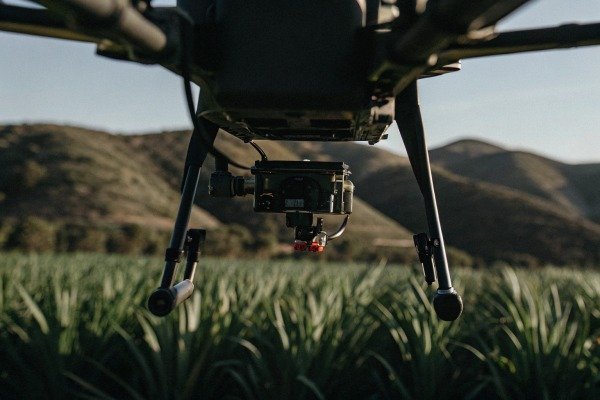
Para comprender por qué esta característica es indispensable para las operaciones en montañas, debemos observar la diferencia entre la altura relativa y la altitud absoluta. En campos planos, un barómetro es suficiente. Sin embargo, en las montañas, el terreno cambia instantáneamente.
La mecánica del radar de onda milimétrica
Nuestro equipo de ingeniería integra radar de onda milimétrica en nuestra serie SkyRover porque proporciona un bucle de retroalimentación rápido. radar de onda milimétrica 2 A diferencia de los sensores ópticos o las cámaras, que pueden ser engañados por las sombras en un valle o la luz solar brillante que se refleja en las hojas mojadas, el radar utiliza ondas de radio. Rebota una señal en el suelo y mide el tiempo que tarda en regresar. Estos datos se introducen en el controlador de vuelo cientos de veces por segundo.
Cuando el dron se acerca a una pendiente, el radar detecta la disminución de la distancia al suelo. El controlador de vuelo ordena entonces a los motores que aumenten el empuje de inmediato, empujando el dron hacia arriba para mantener la altura preestablecida (por ejemplo, 3 metros por encima del cultivo). Esta reacción debe ser instantánea. Si hay un retraso, el dron podría rozar la parte superior de una terraza o una roca repentina.
Radar vs. Mapas precargados (DEM)
Algunos operadores confían únicamente en mapas 3D o Modelos de Elevación Digital (DEM). Modelos de Elevación Digital 3 Modelos de Elevación Digital (DEM) 4 Si bien admitimos esto en nuestro software de planificación de misiones, confiar solo en mapas es arriesgado. Un mapa no sabe si se construyó una nueva valla ayer o si un deslizamiento de tierra cambió el perfil del terreno. El radar en tiempo real es la red de seguridad que reacciona a la realidad física del momento.
Comparación de sensores de altitud
Hemos recopilado una comparación de tipos de sensores comunes para ayudarle a comprender por qué el radar es superior para esta aplicación específica.
| Tipo de Sensor | Mejor Entorno | Debilidad en montañas | Calificación de fiabilidad |
|---|---|---|---|
| Barómetro | Llanuras | Cero conciencia del terreno ascendente; provoca choques. | Bajo |
| GPS (RTK) | Campos abiertos | Mantiene el Nivel Medio del Mar (MSL), no la altura sobre el suelo. | Bajo (para seguimiento del terreno) |
| LiDAR | Estructuras complejas | Puede verse afectado por polvo pesado o niebla densa. | Alto |
| Radar de ondas milimétricas | Todos los terrenos | Fiable en polvo, niebla y condiciones de luz variables. | Muy alto |
Consideraciones críticas para los ángulos de pendiente
No todos los sistemas de seguimiento del terreno son iguales. Al adquirir un dron, debe preguntar por el ángulo máximo de ascenso. Nuestros drones estándar de carga pesada están calibrados para manejar pendientes de hasta 30 o 45 grados. Si su terreno es más pronunciado que el límite del software del dron, este se detendrá y flotará como medida de seguridad.
Además, el "suavizado" es una característica crítica del software. Si el terreno es escalonado (con peldaños) en lugar de una pendiente suave, el dron necesita reaccionar sin sacudidas violentas. Un movimiento brusco agita el tanque de líquido, causando inestabilidad. Un buen software de seguimiento del terreno suaviza estos escalones, creando una trayectoria de vuelo fluida que imita la pendiente promedio de la colina. Esto protege los motores de picos de corriente y asegura que el patrón de pulverización permanezca uniforme, en lugar de concentrar productos químicos en la parte inferior de una elevación.
¿Qué impacto tiene la altitud elevada en la duración de la batería y la capacidad de carga útil de mi dron?
Con frecuencia enviamos hélices de repuesto a clientes que operan en las Montañas Rocosas porque subestiman la física del aire enrarecido. A gran altitud, el aire es menos denso, lo que significa que las hélices deben girar significativamente más rápido el aire es menos denso 5 para generar la misma cantidad de sustentación, lo que ejerce una presión inmensa sobre el sistema de alimentación y crea una acumulación de calor peligrosa.
La altitud elevada reduce la densidad del aire, lo que requiere que las hélices giren a RPM más altas para generar sustentación, lo que aumenta el consumo de la batería y acorta significativamente el tiempo de vuelo. En consecuencia, la capacidad máxima de carga útil efectiva del dron disminuye, lo que a menudo requiere una carga química reducida para garantizar la seguridad y la estabilidad durante ascensos pronunciados y energéticamente exigentes.
La relación entre altitud y rendimiento es lineal e implacable. Cuando probamos nuestros drones en el Tíbet, observamos cambios drásticos en el rendimiento en comparación con nuestras pruebas a nivel del mar en el este de China.
La física del aire enrarecido y la sustentación
Un dron agrícola genera sustentación empujando el aire hacia abajo. En aire denso a nivel del mar, el "agarre" es fuerte. A 6.000 u 8.000 pies, el aire es enrarecido. Para transportar un tanque de 40 litros, los motores deben trabajar un 20% a un 30% más. Esto tiene dos efectos inmediatos:
- Tiempo de vuelo reducido: Una batería que dura 15 minutos a nivel del mar puede durar solo 10 minutos en las montañas.
- Sobrecalentamiento del motor: A pesar de que el aire está más frío, los motores funcionan más calientes porque están consumiendo una corriente más alta de forma continua.
Optimizando su configuración para la altitud
Para combatir esto, a menudo recomendamos "hélices de gran altitud" a nuestros clientes en regiones montañosas. Estas hélices tienen un paso (ángulo) más agresivo y una mayor área de superficie. Muerden el aire delgado de manera más efectiva, lo que permite que los motores giren a RPM más bajas y eficientes. Usar hélices estándar en altitudes elevadas es ineficiente e inseguro.
Calculando reducciones de carga útil
No puede esperar transportar la carga útil nominal completa a gran altitud. Sobrecargar un dron en aire delgado lo deja sin "potencia de reserva". Si una ráfaga de viento golpea el dron, o necesita ascender rápidamente para evitar un árbol, los motores ya estarán al 100% de su capacidad y no podrán reaccionar, lo que provocará un accidente.
Aquí hay una guía general que usamos para ajustes de carga útil basados en la altitud. Tenga en cuenta que estas son estimaciones y varían según la eficiencia del motor.
| Altitud (pies) | Reducción de la densidad del aire | Reducción de carga útil recomendada | Impacto en el tiempo de vuelo |
|---|---|---|---|
| Nivel del mar (0 pies) | 0% | 100% (Carga útil completa) | 100% (Línea de base) |
| 3,000 pies | ~9% | Reducir en 5-10% | ~90% de la línea de base |
| 6,000 pies | ~17% | Reducir en 15-20% | ~80% de la línea base |
| 9,000 pies | ~24% | Reducir en 25-30% | ~65-70% de la línea base |
Gestión de la batería en aire de montaña frío
Los entornos de montaña a menudo implican temperaturas más frías, especialmente por la mañana. Las baterías de polímero de litio dependen de reacciones químicas que se ralentizan con el frío. Baterías de polímero de litio 6 Antes de despegar, la temperatura de la batería debe estar por encima de los 15 °C (59 °F). Diseñamos nuestros sistemas de gestión de baterías (BMS) para que se autocalienten, pero los usuarios deben ser conscientes de ello. Si lanza un dron frío en aire enrarecido con una carga pesada, podría activar una "caída de voltaje". Esto ocurre cuando el voltaje de la batería cae repentinamente bajo carga, engañando al dron haciéndole creer que la batería está vacía y forzando un aterrizaje de emergencia, potencialmente en un barranco.
Por lo tanto, para operaciones en montaña, no solo busca un dron; busca un sistema que incluya hélices de paso alto y baterías inteligentes capaces de manejar el doble estrés de las bajas temperaturas y el alto consumo de corriente.
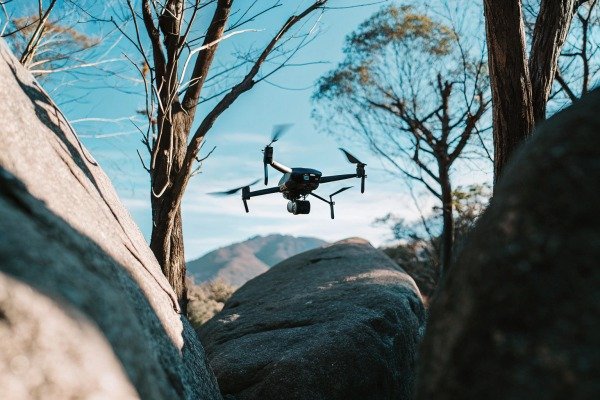
Nuestro equipo de soporte ha analizado registros de vuelo de accidentes en los que los pilotos pensaban que estaban seguros porque tenían una cámara frontal. En las montañas, las amenazas provienen de todas partes: cables eléctricos que cruzan valles, ramas inesperadas y paredes rocosas detrás del dron al girar. Un sensor unidireccional es una receta para el desastre en un entorno tan caótico.
Necesita un sistema de radar omnidireccional combinado con sensores de visión binocular para detectar obstáculos en 360 grados. Esta configuración permite al dron identificar y evitar peligros complejos como cables eléctricos, ramas de árboles y caras de acantilados, incluso en condiciones de poca luz o al volar contra el sol, donde las cámaras podrían fallar.

La navegación en las montañas es fundamentalmente diferente de las llanuras. En las llanuras, los obstáculos suelen ser límites bien definidos como vallas. En las montañas, el entorno no está estructurado.
La Necesidad de Detección Omnidireccional
"Omnidireccional" significa que el dron puede ver hacia adelante, hacia atrás, a izquierda, a derecha, hacia arriba y hacia abajo. ¿Por qué es esto crítico?
- Giro: Los drones agrícolas a menudo vuelan patrones automatizados de "barrido". Cuando el dron llega al final de una fila y gira, la cola se balancea. Si hay un árbol detrás del dron, un sensor frontal no lo verá.
- Ascendente/Descendente: A medida que el dron asciende por una pendiente, podría encontrar ramas colgantes. El radar orientado hacia arriba es esencial aquí.
Radar vs. Visión: El Enfoque Híbrido
Integramos sensores de radar y de visión porque cubren las debilidades del otro. sensores de visión 7
- Sensores de Visión (Cámaras): Son excelentes para identificar formas y texturas. Permiten al piloto ver obstáculos en la pantalla. Sin embargo, tienen dificultades con la "detección de cables" (líneas eléctricas delgadas) y se ven cegados por la luz solar directa o la poca luz al anochecer.
- Sensores de Radar: Estos destacan en la detección de objetos duros, independientemente de la luz. Pueden "ver" un cable eléctrico que es invisible para la cámara.
Comprendiendo los Puntos Ciegos
Incluso con sensores avanzados, existen "puntos ciegos". Trabajamos duro para minimizarlos, pero la ubicación física del tren de aterrizaje o los tanques puede bloquear los sensores.
Planificación Inteligente de Rutas
No es suficiente con detectar un obstáculo; el dron debe saber qué hacer. En nuestro último firmware, implementamos lógica específicamente para terrenos complejos.
- Estrategia de Desvío: En terreno plano, el dron puede rodear un árbol.
- Estrategia de Vuelo Estacionario: En las montañas, volar "alrededor" podría significar volar hacia un acantilado. A menudo, la acción autónoma más segura en un entorno montañoso es detenerse y mantenerse en el aire, alertando al piloto para que tome el control manual.
Matriz de rendimiento de sensores
Esta tabla desglosa cómo los diferentes obstáculos que se encuentran comúnmente en las granjas de montaña de EE. UU. son manejados por los tipos de sensores.
| Tipo de obstáculo | Efectividad del sensor de visión | Efectividad del sensor de radar | Nivel de amenaza |
|---|---|---|---|
| Cara de roca sólida | Alto (Buen contraste) | Alto | Bajo (Fácil de detectar) |
| Dosel de árboles denso | Alto | Alto | Bajo |
| Ramas sin hojas | Medio (Difícil de ver ramitas delgadas) | Alto | Medio |
| Líneas Eléctricas | Bajo (Muy difícil de ver) | Alto (Las ondas milimétricas sobresalen aquí) | Extremo |
| Cables de sujeción | Muy bajo | Medio/Alto | Extremo |
Operaciones nocturnas
Muchos agricultores estadounidenses prefieren rociar por la noche, cuando los vientos son más tranquilos y los polinizadores (abejas) están inactivos. polinizadores (abejas) 8 Los sensores de visión son inútiles por la noche sin potentes focos. El radar omnidireccional permite que el dron opere de forma segura en total oscuridad, manteniendo su distancia de la pendiente y evitando los árboles. Para operaciones en montañas, donde las condiciones de viento a menudo obligan a rociar de noche, la dependencia de la evasión de obstáculos basada en radar es obligatoria.
¿Qué tan duradero debe ser el marco del dron para resistir vientos fuertes y transporte accidentado?
Construimos nuestros chasis sabiendo que no aterrizarán en pistas pavimentadas; rebotarán en la parte trasera de una camioneta que sube por un camino de grava. Si el chasis está hecho de plástico quebradizo o metal de baja calidad, las vibraciones del transporte por sí solas pueden aflojar las conexiones internas antes de que el dron comience su misión.
El chasis del dron debe estar construido de fibra de carbono de grado aeronáutico o aluminio reforzado para resistir los vientos de montaña de alta velocidad y las vibraciones del transporte. Una alta clasificación de Protección de Ingreso (IP) también es fundamental para prevenir daños por agua y polvo debido a cambios climáticos repentinos comunes en elevaciones altas.
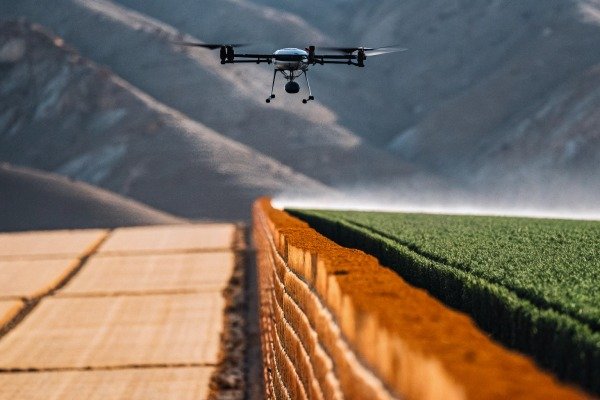
La durabilidad a menudo se pasa por alto en favor de las funciones de software, pero en las montañas, la integridad del hardware es primordial.
Ciencia de Materiales: Fibra de Carbono vs. Aluminio
Utilizamos principalmente fibra de carbono para los brazos y el cuerpo de nuestros drones SkyRover. fibra de carbono 9 fibra de carbono 10 La fibra de carbono tiene una alta relación resistencia-peso.
- Rigidez: Con vientos fuertes (comunes en las montañas), el chasis no debe flexionarse. Si los brazos se flexionan, el controlador de vuelo recibe datos confusos de la Unidad de Medición Inercial (IMU), lo que causa inestabilidad.
- Amortiguación de Vibraciones: La fibra de carbono absorbe naturalmente las vibraciones de alta frecuencia de los motores, protegiendo la electrónica sensible.
Se utiliza aluminio para las juntas plegables. Estos puntos de alto estrés requieren la ductilidad del metal para evitar que se rompan bajo cargas de choque, como un aterrizaje brusco.
La Importancia de los Mecanismos de Plegado
Las granjas de montaña rara vez son contiguas. Es probable que transporte el dron entre múltiples parcelas pequeñas. Esto significa plegar y desplegar los brazos del dron docenas de veces al día. Probamos nuestros cierres plegables para miles de ciclos. Un cierre de plástico barato se desgastará, lo que provocará "juego en el brazo" (oscilación). Incluso un milímetro de movimiento en el brazo puede hacer que el dron se desvíe durante el vuelo.
Clasificaciones IP y Protección contra la Intemperie
El clima de montaña es impredecible. Puedes despegar con sol y aterrizar bajo una llovizna.
- Clasificación IP67: Este es el estándar al que aspiramos. El "6" significa que es hermético al polvo (crítico para las temporadas de cosecha secas y polvorientas), y el "7" significa que puede soportar la inmersión temporal en agua.
- Electrónica Sellada: El controlador de vuelo, los ESC (Controladores Electrónicos de Velocidad) y los módulos de radar deben estar encapsulados (rellenos de resina) o sellados en carcasas impermeables.
- Resistencia a la corrosión: Si estás rociando fertilizantes, pueden ser corrosivos. Utilizamos recubrimientos anticorrosión en todas las partes metálicas expuestas.
Reparabilidad en Campo
Finalmente, los accidentes ocurren. En una zona montañosa remota, no puedes esperar dos semanas para una reparación. Diseñamos nuestros drones con una arquitectura modular.
- Brazos de Intercambio Rápido: Si falla un motor o se rompe un brazo, el usuario debería poder desmontar toda la unidad del brazo y reemplazarla en el campo.
- Tanques Accesibles: Las bombas y los medidores de flujo deben ser de fácil acceso para su limpieza.
Lista de Verificación de Durabilidad para Compradores
Al evaluar un modelo de dron, inspecciona estos aspectos físicos:
| Componente | Qué buscar | Por qué es importante |
|---|---|---|
| Uniones de Brazos | Pestillos metálicos, sin holgura al cerrarse. | Previene vibraciones y fallos en vuelo. |
| Hélices | Compuesto de fibra de carbono (no plástico puro). | Resiste deformaciones con vientos fuertes. |
| Tren de aterrizaje | Pies/almohadillas amortiguadoras. | Protege los sensores de carga útil durante aterrizajes bruscos. |
| Enrutamiento de cables | Enrutamiento interno dentro de los tubos. | Evita engancharse en ramas durante vuelos bajos. |
Al priorizar estas características físicas, aseguras que tu inversión sobreviva a la dura realidad de la agricultura de montaña.
Conclusión
Elegir un dron agrícola para terrenos montañosos requiere mirar más allá de las especificaciones básicas. Necesitas una máquina que gestione activamente la altitud con radar de seguimiento del terreno, compense el aire enrarecido con propulsión de alto par, vea peligros con sensores omnidireccionales, y sobreviva al entorno con una robusta construcción de fibra de carbono. En SkyRover, creemos que cuando el hardware es lo suficientemente resistente para manejar las montañas, el agricultor finalmente puede centrarse en la cosecha en lugar del vuelo.
Notas al pie
1. Estadísticas y datos oficiales sobre operaciones agrícolas en el oeste de Estados Unidos. ↩︎
2. Especificaciones técnicas de los sistemas de radar líderes en la industria utilizados en drones de fumigación agrícola. ↩︎
3. Explica el concepto de mapeo de terreno 3D utilizado en la planificación de misiones. ↩︎
4. El USGS es la fuente oficial del gobierno de EE. UU. para los estándares y productos de datos de elevación. ↩︎
5. El Servicio Meteorológico Nacional explica la altitud de densidad y sus efectos en el rendimiento en terrenos elevados. ↩︎
6. Antecedentes técnicos sobre la química y el rendimiento de las celdas de energía a base de litio. ↩︎
7. Investigación sobre sistemas basados en visión para la detección de obstáculos y la navegación autónoma. ↩︎
8. Proporciona orientación oficial sobre la protección de polinizadores durante las operaciones de fumigación agrícola. ↩︎
9. El Departamento de Energía detalla las propiedades de alta relación resistencia-peso de los compuestos de fibra de carbono. ↩︎
10. Especificaciones de materiales para fibra de carbono de alta resistencia utilizada en marcos aeroespaciales y de drones. ↩︎

 English
  Español de México
  Deutsch
  Français
  Русский
  العربية
