A menudo vemos que los clientes internacionales se frustran por respuestas técnicas vagas antes de que finalmente visiten nuestras instalaciones de producción en Chengdu. Esto crea un riesgo financiero innecesario e incertidumbre operativa para su negocio.
Para determinar si un proveedor es una fábrica de origen, solicite un recorrido en video en tiempo real de sus líneas de producción y verifique el alcance de su licencia comercial para términos de fabricación. Además, verifique si su dirección se encuentra en una zona industrial y exija documentación técnica profunda como SDKs que solo los fabricantes poseen.
Examinemos la evidencia concreta y los pasos de verificación que necesita para distinguir a un verdadero socio de un intermediario.
¿Qué documentos o certificaciones específicas demuestran que mi proveedor de drones es un fabricante real?
Cuando preparamos nuestra documentación de exportación para las aduanas de EE. UU. y Europa documentación de exportación 1, el gran volumen de papeleo de cumplimiento es inmenso. La falta de estos archivos críticos o la presentación de nombres inconsistentes generalmente indica una operación de intermediario.
Los fabricantes auténticos poseen Licencias Comerciales que declaran explícitamente “producción” o “ensamblaje” en su alcance, junto con certificados de gestión de calidad ISO 9001 para la ubicación específica de su fábrica. También poseen certificados de aprobación de tipo de las autoridades de aviación civil emitidos directamente a nombre de su entidad, lo que confirma la propiedad de la línea de producción.

Cuando esté buscando drones agrícolas, los rastros de papel no mienten. Sin embargo, debe saber exactamente qué buscar dentro de esos documentos. Una empresa comercial puede mostrarle fácilmente un certificado, pero una inspección detallada a menudo revela que el certificado pertenece a otra persona.
La Verificación del "Alcance" de la Licencia Comercial
El documento más definitivo es la Licencia Comercial China Licencia Comercial China 2. Cada entidad legal en China debe tener una. No necesita hablar chino para verificar esto; simplemente puede solicitar una copia y usar una aplicación de traducción. Está buscando la sección "Alcance Comercial" (经营范围).
Si somos una fábrica real, esta sección incluirá palabras como "Producción" (生产), "Fabricación" (制造), o "Procesamiento" (加工). Si solo ve palabras como "Venta al por mayor" (批发), "Venta al por menor" (零售) o "Importación y exportación" (进出口), está tratando con una empresa comercial. Un comerciante tiene prohibido legalmente afirmar que fabrica productos si su licencia no se lo permite.
ISO 9001 y Auditorías de Fábrica
Un fabricante genuino implementará un Sistema de Gestión de Calidad (SGC). Quality Management System 3 Nos sometemos a auditorías estrictas para mantener nuestra certificación ISO 9001 Certificación ISO 9001 4. Certificación ISO 9001 5 Al revisar este certificado, observe la dirección que figura. ¿Coincide con la dirección registrada de la empresa?
Las empresas comerciales a menudo muestran un certificado ISO que pertenece a la fábrica real de la que compran, no a su propia empresa. O bien, pueden tener un certificado ISO para "Venta de productos electrónicos", no para fabricación. Siempre verifique el alcance de la certificación.
Certificados de Cumplimiento de Producto (CE, FCC, RoHS)
Para drones agrícolas que ingresan a EE. UU. o Europa, las certificaciones de seguridad son obligatorias las certificaciones de seguridad son obligatorias 6. certificaciones de seguridad 7 Observe los campos "Solicitante" y "Fabricante" en los informes de prueba.
- Fábrica de Origen: El nombre del proveedor con el que está hablando aparece como el "Fabricante"."
- Empresa Comercial: El nombre en el certificado es diferente al de la empresa a la que está pagando, o el certificado los enumera solo como el "Solicitante" mientras que el "Fabricante" no se revela o está redactado.
Tabla 1: Lista de verificación de verificación de documentos
| Tipo de documento | Indicador de Fabricante | Indicador de Empresa Comercial |
|---|---|---|
| Alcance de la Licencia Comercial | Incluye "Producción", "Ensamblaje", "Fabricación"." | Incluye "Venta al por mayor", "Distribución", "Consultoría"." |
| Alcance ISO 9001 | Diseño, Fabricación y Ensamblaje de Drones. | Venta y Comercio de Productos Electrónicos. |
| Informes de prueba (CE/FCC) | Nombre de la empresa listado como "Fabricante"." | Nombre de la empresa listado solo como "Solicitante", o discrepancia en el nombre. |
| Portafolio de Patentes | Posee patentes para el diseño estructural o la utilidad de control de vuelo. | Sin patentes, o solo posee patentes de marcas registradas/apariencia. |
Al exigir estos documentos específicos por adelantado, se filtra el 90% de intermediarios que no pueden proporcionar un rastro documental coherente.
¿Cuáles son las señales de alerta comunes que sugieren que estoy tratando con una empresa comercial en lugar de una fábrica?
Durante nuestras negociaciones con proveedores de componentes para nuestra propia cadena de suministro, notamos patrones de comportamiento específicos que revelan su verdadera naturaleza. Puede aplicar estas mismas observaciones para detectar comerciantes de drones.
Las señales de alerta comunes incluyen un catálogo de productos que enumera productos electrónicos de consumo no relacionados junto con drones, direcciones registradas en rascacielos comerciales del centro en lugar de zonas industriales, y la incapacidad de responder preguntas técnicas de ingeniería sin consultar a un tercero. La alta flexibilidad de precios con bajas cantidades mínimas de pedido también suele indicar una empresa comercial.

Identificar una empresa comercial a menudo se reduce a analizar su lógica y logística. Las fábricas y los comerciantes operan con modelos de negocio fundamentalmente diferentes, lo que crea "señales de alerta" visibles si se es observador.
El catálogo "Comodín"
Nuestras líneas de producción en Chengdu están especializadas. Construimos drones industriales: de extinción de incendios, agrícolas y de carga. No fabricamos fundas de teléfono, palos para selfies ni juguetes genéricos. Esta especialización es necesaria para el control de calidad.
Si navega por la página de Alibaba o el sitio web de un proveedor y ve drones agrícolas junto a cámaras de acción, cables USB y aerodeslizadores, se trata de una empresa comercial. Las fábricas de origen rara vez diluyen su enfoque. La gestión de una línea de producción de drones agrícolas de gran capacidad requiere recursos de ingeniería dedicados que no pueden dividirse entre productos electrónicos de consumo no relacionados.
La comprobación de ubicación en Google Maps
Esta es una herramienta sencilla pero potente. Solicite la dirección específica donde se ensamblan los drones. Luego, introduzca esa dirección en Google Maps o Google Earth. Google Earth 8.
- Ubicación de la fábrica: Debería ver edificios industriales grandes y planos, almacenes y tejados de metal azul típicos de las zonas industriales. Normalmente nos encontramos en las afueras o en parques tecnológicos dedicados.
- Ubicación del comerciante: Si la dirección apunta a un edificio de oficinas de gran altura en medio de un distrito comercial central (CBD) o una zona residencial, es casi seguro que se trata de una oficina comercial. No se pueden probar drones pulverizadores agrícolas de 50 litros dentro de un rascacielos puramente comercial.
La prueba de "videollamada"
Los comerciantes se basan en fotos brillantes proporcionadas por la fábrica. Para evitar esto, solicite una videollamada inmediata (a través de WhatsApp o WeChat) durante su horario de trabajo. Pida al representante de ventas que camine hasta el piso de producción. ahora mismo.
- Nuestra reacción: Cogemos el teléfono, salimos de la oficina y le mostramos la línea de montaje, la jaula de pruebas y las máquinas CNC.
- Reacción del comerciante: Pondrán excusas. "La red es mala en la fábrica", "Hoy no estoy en la fábrica" o "Necesitamos programar una visita con antelación". Esta vacilación confirma que no trabajan en el sitio de producción.
Flexibilidad de precios y MOQ
Irónicamente, las fábricas a veces son menos flexibles que los comerciantes en pedidos pequeños. Tenemos altos costos generales para poner en marcha una producción. Si un proveedor le ofrece una cantidad muy baja (como 1 unidad) a un precio extrañamente negociable, o afirma que puede obtener "cualquier marca que desee", es un comerciante. Las fábricas quieren vender su producto; los comerciantes solo quieren vender cualquier cosa.
Tabla 2: Comportamiento de la fábrica de origen vs. empresa comercial
| Característica | Fábrica de origen | Empresa Comercial |
|---|---|---|
| Enfoque del producto | Nicho estrecho (por ejemplo, solo drones industriales). | Amplia variedad (drones + gadgets + juguetes). |
| Ubicación | Parques industriales, suburbios, grandes instalaciones. | Centro de la ciudad, rascacielos, unidades residenciales. |
| Respuestas Técnicas | Detallado, explica el "por qué" y el "cómo"." | Vago, cita el manual, "déjame comprobar"." |
| Visita al sitio | Da la bienvenida a visitas a la línea de producción. | Reacio, o lo lleva a una fábrica "socia". |
¿Puede un intermediario realmente satisfacer mis necesidades de OEM personalizadas para drones agrícolas?
Nuestro equipo de ingeniería dedica semanas a ajustar los moldes de los tanques y los algoritmos de vuelo para nuestros clientes OEM para garantizar la estabilidad. Un intermediario simplemente no puede replicar este proceso de modificación directa sin retrasos masivos.
Los intermediarios generalmente no pueden satisfacer necesidades complejas de OEM de manera efectiva porque carecen de control directo sobre el proceso de I+D y producción. Si bien pueden ofrecer una simple colocación de logotipos, luchan con modificaciones estructurales o integración de software, lo que genera falta de comunicación, tiempos de entrega prolongados y costos más altos debido a la capa adicional de gestión.
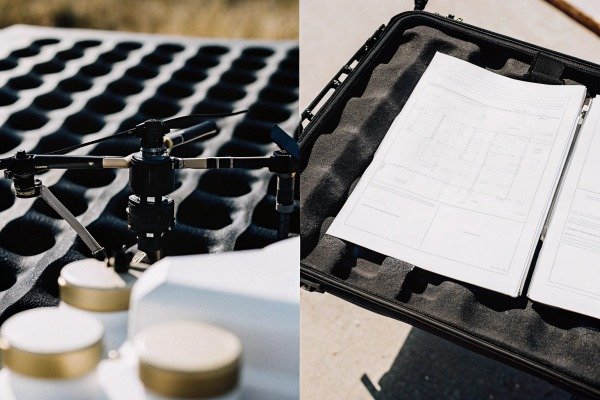
Muchos gerentes de adquisiciones, como usted, necesitan más que un producto estándar. Es posible que necesite un esquema de color específico para que coincida con su marca, un tamaño de tanque personalizado para tipos de cultivos específicos o una interfaz de control remoto modificada. tamaño de tanque personalizado 9 Aquí es donde la distinción entre una fábrica y un comerciante se vuelve dolorosa.
El "Teléfono Descompuesto" de las Especificaciones
Cuando trabaja con una empresa comercial, está jugando al "teléfono descompuesto". Usted le dice al comerciante sus requisitos. El comerciante lo traduce (a menudo mal) y se lo dice a la fábrica. La fábrica hace una pregunta técnica. El comerciante se lo traduce de nuevo a usted.
En este bucle, se pierden detalles de ingeniería críticos. Por ejemplo, si solicita un "brazo más fuerte", un comerciante podría simplemente exigir un tubo más grueso a la fábrica. Sin embargo, nuestros ingenieros sabrían que aumentar el grosor del tubo sin mejorar el material del soporte del motor agrega peso sin resolver el problema de la fractura por estrés. Un intermediario carece de la profundidad de ingeniería para desafiar o refinar su solicitud, lo que lleva a prototipos que fallan.
OEM Verdadero vs. "Pegado de Logotipos"
Las empresas comerciales son excelentes para "Pegar Logotipos", es decir, poner su pegatina en una caja estándar. Pero si necesita cambios estructurales, se topan con un muro.
- Personalización de Software: Si necesita que el dron se integre con su software local de gestión agrícola, debemos modificar el SDK (Kit de Desarrollo de Software). Esto requiere acceso al código fuente del controlador de vuelo. Los comerciantes no tienen este acceso.
- Modificación de Hardware: Cambiar la disposición de las boquillas o la capacidad de presión de la bomba requiere pruebas. Una fábrica puede imprimir en 3D un soporte y probarlo por la tarde. Un comerciante tiene que negociar esto con una fábrica, esperar una cotización, esperar una muestra y enviársela. El ciclo dura semanas en lugar de días.
Acumulación de Costos
Cada capa agrega costo. Si un comerciante está gestionando su proyecto OEM, está agregando un margen sobre el costo de desarrollo cobrado por la fábrica. Además, debido a que carecen de comprensión técnica, a menudo aceptan métodos de fabricación costosos que un ingeniero de fábrica honesto desaconsejaría. Trabajar directamente con nosotros elimina estos márgenes ocultos e ineficiencias.
Tabla 3: Comparación de Capacidades OEM
| Nivel de personalización | Capacidad de la fábrica de origen | Capacidad de la Empresa Comercial |
|---|---|---|
| Marca (Logotipo/Color) | Alto. Integrado en el proceso de pintura. | Alto. Puede aplicar pegatinas o reimprimir cajas. |
| Cambios estructurales | Alto. I+D interno modifica archivos CAD/moldes. | Bajo. Debe subcontratar, alto riesgo de error. |
| Software/SDK | Alto. Acceso al código fuente y API. | Ninguno. Solo puede proporcionar una aplicación estándar. |
| Velocidad de prototipado | Rápido (Días). Talleres internos. | Lento (Semanas/Meses). Retrasos logísticos. |
¿Garantizará la compra directa a la fábrica de origen un mejor soporte técnico y disponibilidad de repuestos?
Almacenamos piezas de repuesto críticas justo al lado de nuestras líneas de montaje para garantizar el envío inmediato a nuestros socios globales. Los comerciantes rara vez tienen este inventario, lo que le deja esperando cuando ocurre una avería.
Comprar directamente a la fábrica de origen mejora significativamente el soporte técnico y la disponibilidad de piezas de repuesto porque el fabricante mantiene el inventario original y los datos de ingeniería. Las fábricas pueden solucionar errores de software de forma remota y enviar componentes de reemplazo específicos de inmediato, mientras que los comerciantes a menudo enfrentan largos retrasos mientras esperan que el fabricante real responda.

Los drones agrícolas son caballos de batalla. Se estrellan, se desgastan y se encuentran con productos químicos agresivos. La pregunta no es si necesitará soporte, sino cuándo. La fuente de su equipo dicta la velocidad de su recuperación.
La cadena de suministro de repuestos
Una empresa comercial intenta mantener un inventario cero para minimizar el riesgo. Cuando necesita un motor de repuesto o un puntal de tren de aterrizaje específico, el comerciante tiene que comprarlo a la fábrica. Si la fábrica ha actualizado el modelo y el comerciante no lo sabía, podría recibir una pieza que no encaja.
En nuestras instalaciones, mantenemos un repositorio de piezas para modelos actuales y pasados. Cuando un cliente en los EE. UU. informa de una bomba rota, podemos identificar el número de lote exacto y enviar el repuesto correcto de inmediato. Entendemos que en temporada de cosecha, un dron inactivo durante dos semanas significa ingresos perdidos.
Solución de problemas: Ingenieros vs. Vendedores
Cuando un dron se comporta de manera impredecible, necesita un ingeniero, no un vendedor.
Si compra a un comerciante, su consulta técnica va a un representante de ventas. Es probable que no tengan idea de por qué falla la calibración de la brújula. Reenviarán su correo electrónico a la fábrica. Si la fábrica está ocupada, el comerciante espera. Usted espera.
Cuando trabaja directamente con un fabricante, a menudo obtiene acceso al equipo de soporte técnico. Podemos analizar sus registros de vuelo. registros de vuelo 10 Podemos examinar los datos de la "caja negra" para ver si fue un error del sensor o un error del piloto. Podemos proporcionar un parche de firmware para corregir un error. Un comerciante simplemente no puede ofrecer este nivel de soporte de diagnóstico porque no comprende la arquitectura del sistema.
Ciclo de vida del producto a largo plazo
Las empresas comerciales siguen las tendencias. Hoy venden drones; mañana podrían cambiar a bicicletas eléctricas si el mercado cambia. Si cambian, usted se queda con una flota de drones huérfanos y sin fuente de repuestos.
Las fábricas han invertido millones en herramientas y líneas de montaje. Estamos comprometidos con la industria. Continuamos dando soporte a modelos años después del lanzamiento porque nuestra reputación depende de la fiabilidad. Asociarse con una fábrica es una póliza de seguro para la longevidad de su flota de equipos.
Conclusión
Verificar a su proveedor garantiza que su negocio se construya sobre una base de fiabilidad y capacidad técnica real. Le invitamos a visitar nuestras instalaciones para ver de primera mano la verdadera calidad de fabricación.
Notas al pie
1. Guía oficial del gobierno de EE. UU. sobre trámites de exportación estándar y cumplimiento. ↩︎
2. Guía del Departamento de Comercio de EE. UU. sobre la verificación de entidades comerciales y documentos chinos. ↩︎
3. Entrada de Wikipedia que define los principios y la implementación de un Sistema de Gestión de Calidad. ↩︎
4. Página oficial de estándares de la Organización Internacional de Normalización. ↩︎
5. Página oficial de estándares ISO para la gestión de calidad, crucial para verificar la legitimidad de la fabricación. ↩︎
6. Página oficial de la Agencia Europea de Seguridad Aérea de la Unión Europea sobre regulaciones de drones. ↩︎
7. Sitio oficial de seguridad aérea de la UE que detalla las certificaciones obligatorias para las operaciones de drones. ↩︎
8. Enlace directo a la herramienta de imágenes satelitales mencionada para la verificación de instalaciones. ↩︎
9. Entrada de Wikipedia que explica el modelo de negocio OEM y su papel en la fabricación industrial. ↩︎
10. Documentación del fabricante sobre el análisis de datos de vuelo para la resolución de problemas y el soporte técnico. ↩︎
 English
  Español de México
  Deutsch
  Français
  Русский
  العربية
Comments
No comments yet. Be the first to share your thoughts!
Leave a Comment