
Ver una carga retenida en aduanas por una cláusula de documentación faltante también quita el sueño a nuestro equipo de exportación. Sabemos que los acuerdos vagos a menudo conducen a inventario varado y presupuestos desperdiciados para nuestros socios en el extranjero.
Para proteger los derechos del comprador, concéntrese en las cláusulas relativas a criterios específicos de aceptación de calidad, cobertura de garantía para repuestos y mano de obra, y plazos de entrega estrictos con mecanismos de penalización. Además, asegúrese de que el contrato enumere explícitamente la documentación aduanera requerida y las certificaciones de cumplimiento para navegar eficazmente por las regulaciones e aranceles de importación.
Analicemos los términos esenciales que convierten un acuerdo estándar en una red de seguridad para su inversión.
¿Cómo establezco criterios claros de aceptación de calidad para drones agrícolas en el acuerdo de compra?
Durante nuestras pruebas de vuelo en fábrica en Chengdu, a veces detectamos pequeñas desviaciones de calibración que una inspección genérica podría pasar por alto. Sin estándares precisos por escrito, corre el riesgo de recibir unidades que vuelan pero no rinden bajo cargas pesadas.
Debe establecer criterios de aceptación basados en métricas cuantificables como la capacidad de carga útil, la consistencia del ancho de pulverización y la vida útil del ciclo de la batería bajo carga. Exija una inspección previa al envío (PSI) o una verificación por video de las pruebas de vuelo antes del pago final para garantizar que cada unidad cumpla con estos puntos de referencia operativos específicos.
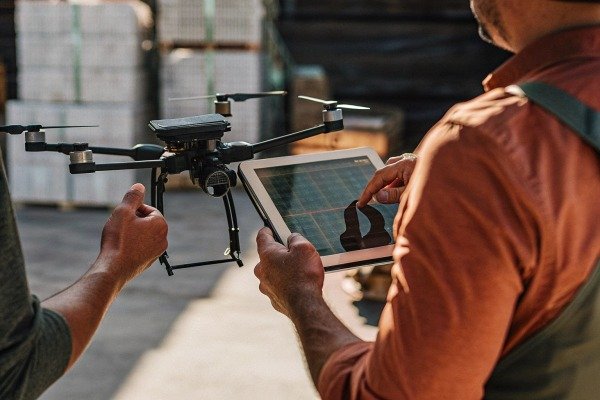
Definiendo "Funcional" vs. "Funcional según especificaciones"
Muchas disputas surgen porque el comprador y el proveedor tienen definiciones diferentes de calidad. Un dron que se enciende y se mantiene en el aire está "funcionando", pero puede no ser adecuado para trabajos agrícolas intensos. En su contrato, debe ir más allá de los términos generales. Debe adjuntar un apéndice técnico que enumere los datos de rendimiento específicos.
Por ejemplo, no diga simplemente "tiempo de vuelo de 20 minutos". En su lugar, especifique "tiempo de vuelo de 20 minutos con una carga útil líquida completa de 30 litros a nivel del mar". Esto evita que el proveedor pruebe el dron vacío para cumplir con el requisito. En nuestras instalaciones, animamos a los clientes a definir el margen de error exacto del caudal de pulverización, generalmente dentro del ±5%. Si la salida de la bomba varía más que eso, la unidad debería fallar la aceptación.
La importancia de la verificación de la batería
Las baterías son el consumible más caro en un sistema de drones agrícolas. Una celda de batería de baja calidad puede parecer idéntica a una de alta calidad. Su contrato debe especificar la tasa de retención de capacidad. Una cláusula sólida requiere que la batería retenga el 80% de su capacidad después de un número específico de ciclos (por ejemplo, 400 ciclos).
También debe exigir un informe de prueba de carga. La caída de voltaje bajo carga pesada es un problema común con las celdas más baratas. Si el voltaje cae demasiado rápido cuando el dron acelera, el sistema podría activar un aterrizaje forzoso. Esto es peligroso en el campo.
Derechos de inspección de terceros
Siempre incluya una cláusula que le otorgue el derecho a contratar una agencia de inspección de terceros. Incluso si no planea usarla, la presencia de esta cláusula indica que se toma en serio la calidad. Para nuestros clientes remotos en EE. UU. o Europa, a menudo realizamos inspecciones por video en vivo. Recorremos una lista de verificación en cámara antes de embalar los productos.
Tabla de Métricas Críticas de Aceptación
Utilice una tabla como esta en su acuerdo técnico para eliminar la ambigüedad:
| Componente | Requisito Vago (Evitar) | Criterios de Aceptación Específicos (Recomendado) |
|---|---|---|
| Tiempo de vuelo | Larga duración | >15 minutos con carga útil completa (30 kg) con velocidad del viento <5 m/s |
| Sistema de rociado | Buen ancho de pulverización | Ancho de pulverización efectivo de 6,5 m ±0,5 m a 2 m de altura |
| Precisión del GPS | Alta precisión | Precisión de posicionamiento RTK: Horizontal ±1 cm, Vertical ±2 cm |
| Batería | Batería duradera | Sin desviación de voltaje de celda >0,05 V después de la carga completa; capacidad del 80% a 400 ciclos |
| Control Remoto | Largo alcance | Transmisión de video estable a 3 km de distancia con línea de visión clara |
¿Qué términos de garantía específicos me protegen con respecto al servicio postventa y las piezas de repuesto?
Nuestro equipo de soporte a menudo recibe noticias de clientes angustiados que compraron en otro lugar y no pueden encontrar motores de reemplazo durante semanas. Enfatizamos el stock de componentes críticos porque el tiempo de inactividad durante la temporada de pulverización cuesta a los agricultores mucho más que el hardware en sí.
Negocie términos de garantía que garanticen la disponibilidad a largo plazo de piezas de repuesto críticas durante al menos cinco años y defina tiempos de respuesta claros para el soporte técnico. Diferencie entre piezas de desgaste y componentes estructurales, e incluya disposiciones para recibir módulos de reemplazo gratuitos o unidades de préstamo durante períodos de reparación prolongados.

La Distinción de "Piezas de Desgaste"
En la industria de los drones, no todo está cubierto por la garantía. Es vital enumerar exactamente qué constituye una "pieza estructural" frente a una "pieza de desgaste". Las piezas estructurales, como el marco de fibra de carbono, el tren de aterrizaje y el controlador de vuelo, deben tener una garantía de al menos 12 a 24 meses. marco de fibra de carbono 1
Las piezas de desgaste, como las hélices, las boquillas y, a veces, los rodamientos, generalmente se excluyen después del primer uso. Sin embargo, debe asegurarse de que los componentes caros como los motores y los ESC (Controladores Electrónicos de Velocidad) no se clasifiquen como piezas de desgaste. Hemos visto contratos en los que los proveedores etiquetan los motores como "consumibles" para evitar reemplazarlos. Esto es una señal de alerta. Asegúrese de que su contrato proteja explícitamente el sistema de propulsión por un número determinado de horas de vuelo o ciclos.
Suministro Garantizado de Piezas de Repuesto
El mayor riesgo para un importador es un modelo descontinuado. Si un fabricante deja de fabricar piezas para su modelo específico el próximo año, su inventario se vuelve inútil. Necesita una cláusula que obligue al proveedor a producir y suministrar piezas de repuesto durante un mínimo de 3 a 5 años después de que el modelo sea descontinuado.
Además, negocie un "kit de piezas de repuesto" para que se envíe con el pedido principal. Es más barato enviar una caja de hélices y trenes de aterrizaje adicionales con el contenedor del dron que enviarlos por avión más tarde. Un buen contrato podría requerir que el proveedor proporcione un X% de piezas de repuesto gratuitas según el valor total del pedido.
Resolviendo el Problema de "Regreso a China"
Enviar un dron agrícola grande de regreso a China para su reparación no es práctico. Los costos de envío y los derechos de aduana a menudo superan el valor de la reparación. En su lugar, su cláusula de garantía debe centrarse en el "diagnóstico remoto y el reemplazo de piezas"."
La cláusula debe indicar: "Previa evidencia en video de un defecto, el Proveedor enviará piezas de repuesto por mensajería aérea exprés dentro de los 3 días hábiles a cargo del Proveedor". Esto permite que sus técnicos locales solucionen el problema sin esperar meses. Para problemas de software complejos, asegúrese de que el contrato garantice soporte de ingeniería remoto dentro de las 24 horas.
Actualizaciones de Software y Firmware
El hardware es inútil sin un software estable. Su garantía debe cubrir los errores de software. Si una actualización de firmware introduce un fallo que paraliza su flota, el proveedor debe estar contractualmente obligado a revertir la actualización o proporcionar un parche de inmediato. Además, aclare si tiene derechos perpetuos sobre el software o si hay una tarifa de licencia anual.
¿Cómo puedo estructurar la cláusula de entrega para evitar pérdidas por retrasos en el envío?
Gestionamos entregas puerta a puerta para muchos clientes de EE. UU., pero hemos visto cómo la congestión portuaria puede arruinar un cronograma ajustado. Una cláusula de envío escrita de forma laxa lo deja vulnerable a perder ventanas de siembra y sin recurso alguno por el tiempo perdido.
Estructure su cláusula de entrega seleccionando Incoterms como DDP para transferir el riesgo al proveedor o FOB para un mayor control. Incluya cláusulas de penalización específicas por envíos tardíos, calculadas como un porcentaje del valor del pedido por día, y exija actualizaciones de estado regulares para monitorear posibles cuellos de botella logísticos.
Eligiendo el Incoterm Correcto
El Incoterm que elija dicta quién es responsable de los bienes en cada etapa. Incoterm que usted elija 2 Incoterm que usted elija 3 Para muchos de nuestros clientes que son nuevos en la importación, recomendamos DDP (Delivered Duty Paid). Bajo DDP, nosotros nos encargamos de todo: exportación desde China, envío, despacho de aduanas en EE. UU. y entrega final en su almacén. Esto reduce significativamente su riesgo.
Sin embargo, si usted es un comprador experimentado con sus propios socios logísticos, FOB (Free On Board) podría ser mejor. Le da control sobre el flete marítimo y le permite elegir un buque más rápido. Evite EXW (Ex Works) a menos que tenga un equipo en China, ya que le transfiere todo el riesgo y el trabajo desde el momento en que los productos salen de nuestra fábrica.
Cláusulas de Penalización por Retrasos
Una fecha de entrega en un contrato no significa nada sin una penalización. Si el contrato simplemente dice "Entrega antes del 1 de mayo", y el proveedor envía el 1 de junio, usted ha perdido un mes de negocio sin compensación.
Necesita una cláusula de daños y perjuicios liquidados. cláusula de daños y perjuicios liquidados 4 Un formato estándar es: "Por cada semana de retraso, el Proveedor pagará una penalización equivalente al 1% del valor total del pedido, hasta un máximo del 10%". Esto motiva al proveedor a priorizar su pedido. Sin embargo, sea justo. Los proveedores insistirán en una cláusula de "Fuerza Mayor". Asegúrese de que esta cláusula solo cubra desastres genuinos (terremotos, guerra) y no "escasez de materias primas" o "horarios de producción ocupados"."
Estándares de Empaque y Envío
Los drones agrícolas son voluminosos y frágiles. Un empaque deficiente provoca daños que las reclamaciones de seguro tardan meses en resolverse. Especifique el estándar de empaque en la cláusula de entrega. Por ejemplo, "Los productos deben empacarse en cajas de madera que cumplan con los estándares ISPM 15, con acolchado interno de espuma suficiente para soportar pruebas de caída". estándares ISPM 15 5"
Comparación de Incoterms para Compradores de Drones
Aquí tiene una referencia rápida para ayudarle a decidir qué término le protege mejor:
| Incoterm | Responsabilidad del Comprador | Responsabilidad del Proveedor | Punto de transferencia de riesgo | Ideal para |
|---|---|---|---|---|
| EXW | Todo (Recogida, Exportación, Carga, Importación) | Solo embalaje de mercancías | En planta de fábrica | Compradores con agentes en China |
| FOB | Flete marítimo, Seguro, Aduanas de importación | Aduanas de exportación, Carga en barco | Una vez cargado en el barco | Compradores que desean control del flete |
| CIF | Aduanas de importación, Transporte interior | Flete al puerto de destino, Seguro | Una vez cargado en el barco | Compradores conscientes del presupuesto |
| DDP | Descarga en destino | Todo (Puerta a Puerta) | En el almacén del comprador | Máxima conveniencia/Bajo riesgo |
¿Qué documentación debo exigir en el contrato para garantizar un despacho de aduana exitoso?
Nuestros especialistas en exportación dedican horas a preparar archivos de cumplimiento porque la falta de un solo certificado de batería puede resultar en la incautación. La importación de equipos de alta tecnología requiere un rastro documental que demuestre seguridad, origen y cumplimiento de las leyes de aviación locales.
Su contrato debe enumerar documentos específicos, incluyendo la Factura Comercial, la Lista de Empaque, el Certificado de Origen y las certificaciones de seguridad de baterías como UN38.3. Además, exija certificados de cumplimiento FCC o CE y prueba de capacidad de Identificación Remota para satisfacer las regulaciones de la autoridad de aviación e inspecciones aduaneras.

El Pasaporte de Seguridad de Baterías: UN38.3
Las baterías de litio se clasifican como mercancías peligrosas (Clase 9). mercancías peligrosas 6 Baterías de litio 7 Sin un resumen de pruebas UN38.3 y una MSDS (Hoja de Datos de Seguridad de Materiales), ninguna aerolínea o compañía naviera tocará su carga. Si faltan estos documentos cuando las mercancías lleguen a su puerto, la aduana detendrá el envío.
Su contrato debe indicar: "El proveedor debe proporcionar informes de pruebas UN38.3 válidos y MSDS para el modelo de batería específico incluido en el envío". No acepte un informe genérico para un modelo de batería diferente. Los datos deben coincidir exactamente con la etiqueta de la batería.
Cumplimiento específico de EE. UU.: FCC e Identificación Remota
Para nuestros clientes de EE. UU., dos cosas son innegociables. Primero, el sistema de transmisión de radio debe estar certificado por la FCC. Si el dron transmite video o telemetría, emite ondas de radio. Los funcionarios de aduanas a menudo verifican la ID de la FCC en la etiqueta del producto. Si falta, las mercancías pueden ser denegadas la entrada o confiscadas.
Segundo, la FAA ahora aplica las reglas de Identificación Remota. Reglas de Identificación Remota 8 El dron debe tener un módulo de Identificación Remota incorporado que transmita datos de identificación y ubicación. Su contrato debe requerir una "Declaración de Conformidad" (DOC) para la Identificación Remota. Esto asegura que pueda registrar y volar legalmente el dron una vez que llegue.
Abordar Aranceles y Origen
Con los aranceles sobre drones chinos que cambian con frecuencia (los aranceles de la Sección 301 pueden ser muy altos), el código del Sistema Armonizado de Designación y Codificación de Mercancías (SA) en la factura es fundamental. Arancel Armonizado 9 Aranceles de la Sección 301 10 El contrato debe acordar el código SA de antemano. Usar el código incorrecto puede parecer evasión de impuestos.
Además, exija un Certificado de Origen. En algunos casos, este documento ayuda a aclarar que las mercancías son efectivamente de China y no se transbordan de un país sancionado, o puede ayudarle a solicitar exclusiones específicas si están disponibles.
Seguridad de Datos y NDAA
Si vende a agencias gubernamentales o proyectos financiados por el gobierno federal en los EE. UU., se enfrenta a reglas estrictas bajo la NDAA (Ley de Autorización de Defensa Nacional) y la Ley de Drones de Seguridad Estadounidense. Si bien los agricultores privados tienen menos restricciones, la seguridad de los datos es una preocupación creciente.
Incluya una cláusula sobre la transmisión de datos. Por ejemplo: "El Proveedor garantiza que el dron no transmite automáticamente registros de vuelo o datos de video a servidores fuera del país del Comprador sin el consentimiento explícito del usuario". Este "Modo de Datos Local" es una característica que implementamos para nuestros modelos de exportación para tranquilizar a los clientes sensibles. Le protege de la responsabilidad con respecto a las leyes de privacidad de datos.
Conclusión
Proteger sus derechos comienza antes de que se realice el primer pago. Al insistir en métricas de calidad específicas, asegurar la disponibilidad de repuestos, definir términos de entrega respaldados por penalizaciones y garantizar que toda la documentación de cumplimiento esté garantizada contractualmente, usted reduce los riesgos del comercio internacional. Un contrato sólido no solo maneja las disputas; las previene.
Notas al pie
1. Documentación técnica de un fabricante líder de materiales de fibra de carbono de alto rendimiento. ↩︎
2. Reglas de la Cámara de Comercio Internacional para el uso de términos comerciales nacionales e internacionales. ↩︎
3. Página oficial de la Cámara de Comercio Internacional que define las reglas Incoterms. ↩︎
4. Definición legal y explicación de las cláusulas de penalización en contratos comerciales. ↩︎
5. Norma internacional para medidas fitosanitarias relativas a materiales de embalaje de madera. ↩︎
6. Directrices oficiales de la IATA para el transporte aéreo de materiales peligrosos. ↩︎
7. Información general sobre la tecnología utilizada en los sistemas de energía de drones agrícolas. ↩︎
8. Regulaciones oficiales de la FAA sobre los requisitos de identificación de drones en el espacio aéreo de EE. UU. ↩︎
9. Base de datos oficial del gobierno de EE. UU. para determinar las tasas de aranceles de importación. ↩︎
10. Documentación oficial de la USTR sobre la aplicación comercial y los aranceles sobre las importaciones chinas. ↩︎

 English
  Español de México
  Deutsch
  Français
  Русский
  العربية
Comments
No comments yet. Be the first to share your thoughts!
Leave a Comment