
When our production line runs final tests on each dron agrícola 1, we think about more than hardware quality. We think about the farmer checking spray coverage at 3 AM during pest season.
A 24-hour technical hotline is highly valuable but not universally essential when purchasing agricultural drones. Its importance depends on your farm scale, operator expertise, time zone differences with suppliers, and the complexity of your spraying operations. For large commercial operations during peak seasons, round-the-clock support can prevent catastrophic yield losses.
This article breaks down exactly when you need 24/7 support and when you can manage without it costly downtime 2. Let’s examine the real factors that affect your decision.
How will a 24-hour hotline help me minimize costly downtime during my peak spraying season?
During our busiest shipping months, we hear the same story from farmers pest damage crops 3. A drone goes down at dawn. Crops need spraying today. Every hour matters.
A 24-hour hotline minimizes costly downtime by providing immediate troubleshooting when your drone fails during time-critical operations. During peak spraying season, even a few hours of equipment failure can result in pest damage, disease spread, or missed weather windows that reduce yields by 5% or more.

Why Peak Season Downtime Hits Harder
Farming operates on nature's clock, not business hours engineering credentials 4. When pests attack or disease spreads, you have a narrow window to respond. Our engineers have tracked support tickets across seasons. The pattern is clear.
Peak season issues differ from off-season problems. Stress on components increases. Flight hours multiply. Software handles more data. Battery cycles accelerate.
| Season Period | Average Daily Flight Hours | Common Failure Points | Downtime Cost Level |
|---|---|---|---|
| Pre-season setup | 1-2 hours | Calibration, software | Bajo |
| Peak spraying | 6-10 hours | Motors, pumps, GPS | Critical |
| Mid-season | 3-5 hours | Battery, sensors | Moderate |
| Post-harvest | 1-2 hours | General wear | Bajo |
The Real Cost of Waiting Until Morning
Consider a scenario we encountered last spring. A customer's hexacopter showed erratic GPS behavior at 5 PM local time. Their supplier offered only 9-5 support. By the time help arrived the next morning, 12 hours had passed.
The drone issue was a simple firmware glitch. A 15-minute phone call could have fixed it. Instead, 40 acres missed their fungicide window. The yield loss far exceeded the drone's purchase price.
What Immediate Support Actually Looks Like
When we staff our support lines around the clock, calls fall into clear categories. About 60% involve software or settings. These resolve quickly with phone guidance. Another 25% relate to hardware that the operator can address with spare parts on hand. Only 15% require physical repair or replacement.
Quick phone access means:
- Remote diagnostics through telemetry data 5
- Step-by-step calibration guidance
- Firmware rollback instructions
- Flight parameter adjustments
Can I trust my supplier to provide the engineering support I need for complex software and hardware issues?
Our development team builds drones with advanced sensors, AI-powered spraying systems 6, and GPS guidance. When something goes wrong, generic tech support falls short.
Trust depends on verifiable engineering credentials, not marketing claims. Reliable suppliers employ trained engineers who understand both hardware mechanics and software architecture. Ask for case studies, request technical certifications, and test response quality before purchase by submitting pre-sale technical questions.

Separating Marketing from Reality
Many suppliers claim technical expertise. Few deliver. When we evaluate our own support standards, we look at specific metrics. Your evaluation should follow similar criteria.
| Trust Indicator | What to Ask For | Red Flag |
|---|---|---|
| Engineering staff credentials | Degrees, certifications, years of drone experience | Vague answers about "trained staff" |
| Response time guarantees | Written SLA with penalties | "We aim to respond quickly" |
| Escalation procedures | Clear path from Level 1 to engineering | Single-tier support only |
| Remote diagnostic capability | Telemetry access, screen sharing tools | Phone-only troubleshooting |
| Firmware update history | Changelog, version documentation | No update records available |
Complex Issues Require Deep Knowledge
Agricultural drones integrate multiple systems. GPS talks to flight controllers. Sensors feed AI algorithms. Spray pumps respond to terrain mapping. When issues arise, the root cause often spans components.
Last month, a distributor contacted us about erratic spray patterns. Basic troubleshooting suggested pump failure. Our engineers dug deeper. The actual problem was a sensor calibration conflict with new firmware. The pump was fine.
This diagnosis required understanding:
- How multispectral sensors process data
- How the AI interprets that data for spray decisions
- How firmware updates can shift data thresholds
- How pump timing responds to spray commands
Building Trust Before You Buy
Test your potential supplier's expertise before signing contracts. Send technical questions about:
- Integration protocols with your existing farm management software
- Battery chemistry and charging optimization for your climate
- Regulatory compliance documentation for your region
- Data security measures for your agricultural information
Quality suppliers welcome these questions. They provide detailed, specific answers. Poor suppliers offer vague assurances or redirect to sales staff.
The Value of Manufacturer-Direct Support
When you buy from distributors or resellers, support often passes through intermediaries. Each layer adds delay and potential miscommunication. Direct manufacturer relationships shorten this chain.
At our facility, the engineers who design the drones also staff escalation support. They know the systems intimately. They can access design documentation instantly. They understand why certain decisions were made.
How do I ensure my team gets immediate help if my drone manufacturer is in a different time zone?
When we export drones to the United States from our base in Xi'an, we face a 13-15 hour time difference. time zone differences 7 Our customers sleep while we work. This gap can cripple support without proper planning.
Ensure immediate help across time zones by selecting suppliers with rotating shift coverage, regional support partners, or AI-assisted diagnostic tools that operate independently of human schedules. Verify actual staffing hours, not just claimed availability, and confirm language capabilities for your team.
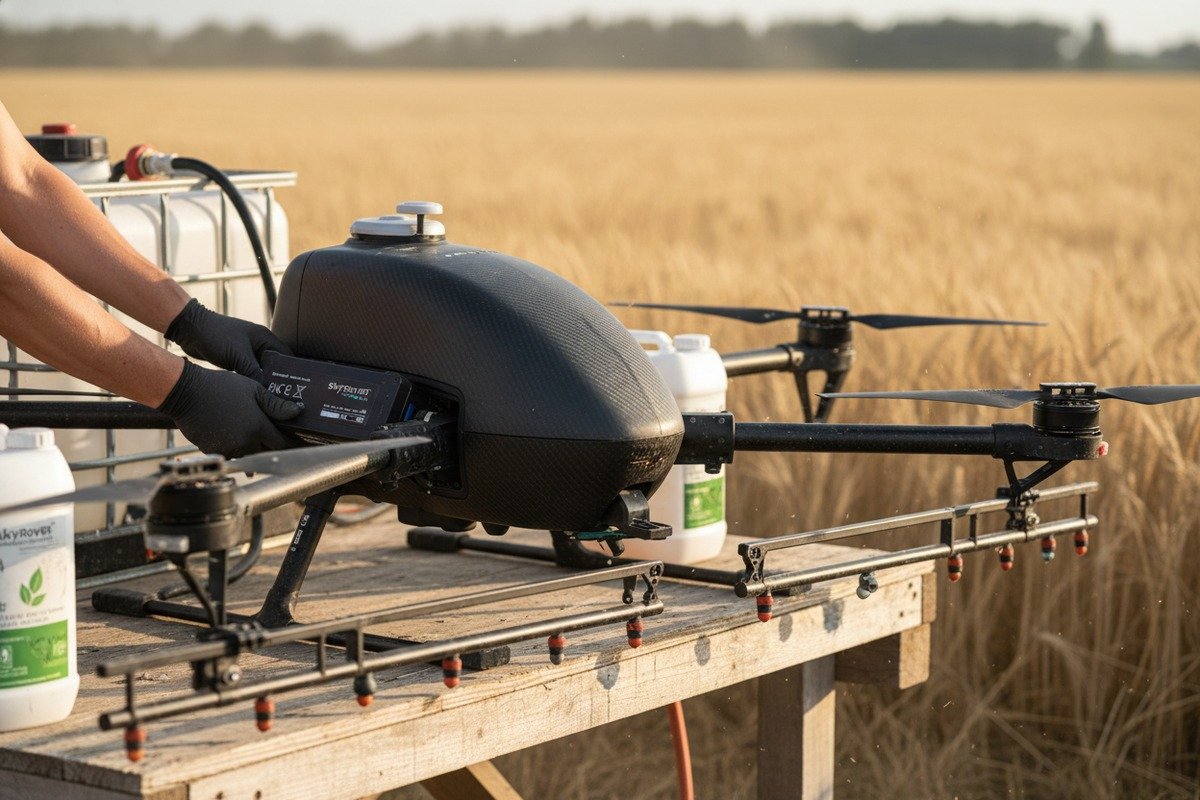
Understanding the Time Zone Challenge
The math is simple but often overlooked. When a farmer in Texas faces a 6 AM emergency, the clock reads 8 PM in China. Most Chinese factories have closed. Standard business hours support leaves American customers waiting until the next Chinese morning—which means late evening in Texas.
| Your Location | China Time When You Need Help | Support Gap Risk |
|---|---|---|
| US East Coast (6 AM local) | 6 PM or 7 PM | Moderate – may catch late staff |
| US West Coast (6 AM local) | 9 PM or 10 PM | High – after business hours |
| US Central (6 AM local) | 7 PM or 8 PM | Moderate to High |
| Europe (6 AM local) | 12 PM or 1 PM | Low – Chinese business hours |
Solutions That Actually Work
True 24-hour coverage requires staffing investment. When we built our support structure, we considered multiple models.
Rotating Shifts at Headquarters
Staff work in three 8-hour shifts. Expensive but ensures native-language experts always available. This model works for high-volume manufacturers who can spread costs across many customers.
Regional Support Partners
Local technicians in major markets handle first-line support. They escalate complex issues to headquarters during overlap hours. This model works well for hardware issues but may struggle with deep software problems.
AI-Assisted Diagnostics
Automated systems analyze telemetry data and suggest solutions without human input. These tools handle common issues around the clock. Complex problems still need human engineers.
Questions to Ask Your Supplier
Before purchasing, request specific information:
- What hours do live engineers staff your support line?
- Where are your support staff physically located?
- Do you have support partners in my country?
- What languages do your support staff speak fluently?
- Can I test call your support line at my typical working hours?
Building Your Own Time Zone Strategy
Even with 24-hour supplier support, prepare backup plans.
Train at least two team members in basic troubleshooting. Stock common spare parts. Document previous issues and their solutions. Create checklists for common problems.
When we ship drones, we include detailed guides for issues that commonly arise during the first 100 flight hours. This documentation lets operators solve simple problems without any support call.
Is the availability of round-the-clock support a deciding factor for my long-term ROI on industrial drones?
When we calculate the total cost of ownership 8 for our customers, support availability emerges as a hidden variable. It rarely appears in purchase quotes. It heavily affects five-year returns.
Round-the-clock support significantly impacts long-term ROI for large-scale operations but may not justify premium costs for smaller farms. Calculate potential downtime losses during your busiest 30 days against the annual cost difference between 24/7 and business-hours support to determine your break-even point.

Calculating the True Support Value
ROI calculations for agricultural drones typically focus on:
- Purchase price
- Fuel/labor savings versus traditional methods
- Yield improvements from precision application
- Maintenance and parts costs
Support availability affects the yield improvement line. Every hour of downtime during critical periods reduces that benefit.
| Farm Size | Peak Season Daily Revenue at Risk | Annual Support Cost Difference (24/7 vs Standard) | Break-Even Downtime Hours |
|---|---|---|---|
| Small (under 500 acres) | $2,000-$5,000 | $1,500-$3,000 | 8-15 hours |
| Medium (500-2,000 acres) | $5,000-$20,000 | $2,000-$5,000 | 3-6 hours |
| Large (over 2,000 acres) | $20,000-$100,000 | $3,000-$8,000 | 1-3 hours |
When 24/7 Support Clearly Pays Off
Certain conditions make round-the-clock support essential for positive ROI:
High-value crops with tight application windows
Grapes, specialty vegetables, and tree fruits often need treatment within specific day-hour windows. Missing these windows doesn't just reduce yields—it can destroy entire harvests.
Remote locations far from repair facilities
If the nearest authorized service center is 200 miles away, every breakdown becomes a multi-day event without phone support.
Limited operator expertise
Teams new to drone technology need more guidance. Problems that experienced operators solve independently require support calls for beginners.
Operations with single-drone fleets
No backup means total operational shutdown during any failure. Multi-drone operations have inherent redundancy.
When Standard Support Suffices
Not every operation needs 24/7 coverage. Consider standard business-hours support if:
- Your peak season spans several months, spreading risk
- Your team includes trained technicians
- You operate multiple drones and can shift workloads
- Your crops tolerate application delays of 24-48 hours
- Your supplier's time zone overlaps significantly with yours
The Hidden ROI Factor: Relationship Quality
Beyond direct downtime calculations, support access affects long-term supplier relationships. When we work closely with customers through issues, we learn about their specific needs. This feedback shapes product improvements.
Customers with strong support relationships often receive:
- Early access to firmware updates
- Input on feature development
- Priority allocation during supply constraints
- Better terms on future purchases
These benefits rarely appear in ROI spreadsheets but compound over equipment lifecycles.
Conclusión
Your need for 24-hour technical support depends on your specific situation. Large operations with tight spray windows benefit most. Smaller farms with experienced operators may manage with standard support. Evaluate time zones, test supplier responsiveness, and calculate your actual downtime risk before deciding.
Notas al pie
1. Provides a comprehensive overview of agricultural drones and their uses. ↩︎
2. Discusses how predictive maintenance in agriculture saves costly downtime. ↩︎
3. Explains the economic impacts of pest damage on agricultural crops. ↩︎
4. Emphasizes the importance of engineering qualifications in a technical industry. ↩︎
5. Explains what drone telemetry data is and its purpose. ↩︎
6. Showcases a real-world example of an AI-powered agricultural spraying drone. ↩︎
7. Provides foundational information about time zones and their global impact. ↩︎
8. Explains how to calculate the total cost of ownership for agricultural equipment. ↩︎

 English
  Spanish
  German
  French
  Dutch
Dutch  Arabic
