
Jede Woche überprüft unser Ingenieurteam das Feedback von Feuerwehren, die Schwierigkeiten haben, Drohnen in beengte Lkw-Fächer einzubauen MIL-STD-Vibrationszertifizierung 1. Der Frust ist real. Platz ist begrenzt, und Zeit während Notfällen ist noch knapper.
Um Faltkonstruktionen von Feuerwehrdrohnen für den Transport in Einsatzfahrzeugen zu bewerten, bewerten Sie die gefalteten Abmessungen anhand der Spezifikationen Ihres Fahrzeugs, überprüfen Sie die Einsatzgeschwindigkeit unter fünf Minuten, prüfen Sie die strukturelle Haltbarkeit für Vibrationen und Hitze, bestätigen Sie die Stabilität der Nutzlast während des Transports und testen Sie die Kompatibilität mit dem Workflow Ihres Teams.
Lassen Sie mich Ihnen den genauen Bewertungsrahmen vorstellen, den wir bei der Zusammenarbeit mit Feuerwehren in den Vereinigten Staaten und Europa anwenden. Dieser Leitfaden behandelt alles von Messprotokollen bis hin zu realen Testmethoden.
Wie überprüfe ich, ob die gefalteten Drohnenabmessungen in meine spezifischen Lagergestelle für Einsatzfahrzeuge passen?
Unser Produktionsteam hat im Laufe der Jahre Hunderte von Feuerwehrwagenfächern vermessen. Die Unterschiede sind überraschend. Was in einem Fahrzeug perfekt passt, passt möglicherweise nicht einmal durch die Tür eines anderen.
Um die Passform zu überprüfen, messen Sie die Innenmaße Ihres Lagerregals (Höhe, Breite, Tiefe) und vergleichen Sie diese mit den gefalteten Spezifikationen der Drohne. Fügen Sie auf allen Seiten einen Spielraum von 5-10 cm hinzu. Fordern Sie ein Zertifikat für gefaltete Abmessungen von Ihrem Lieferanten an und führen Sie einen physischen Passtest durch, bevor Sie Ihren Kauf abschließen.

Beginnen Sie mit genauen Messungen
Bevor Sie sich an einen Lieferanten wenden, schnappen Sie sich ein Maßband und dokumentieren Sie die Platzbeschränkungen Ihres Fahrzeugs. Messen Sie die Fachöffnung separat vom Innenraum. Viele Feuerwehrwagen haben kleinere Türöffnungen als Innenvolumen.
Erfassen Sie diese kritischen Abmessungen:
- Höhe und Breite der Türöffnung
- Innentiefe des Fachs
- Regalabstand, falls zutreffend
- Vorstehende Hardware oder Befestigungen
Faltmechanismen verstehen
Unterschiedliche Faltkonstruktionen ergeben unterschiedliche gefaltete Formen. Horizontale Faltmechanismen erzeugen flache, breite Profile. Vertikale Vier-Achsen-Faltung erzeugt höhere, schmalere Profile. Die beste Wahl hängt von der Form Ihres spezifischen Fachs ab.
| Faltart | Gefaltetes Profil | Am besten für | Typische Abmessungen |
|---|---|---|---|
| Horizontale Faltung | Flach und breit | Flache Fächer | 80cm x 80cm x 35cm |
| Vertikale Vier-Achsen-Faltung | Groß und schmal | Tiefe vertikale Racks | 50cm x 50cm x 90cm |
| Hybride Faltung | Kompakte Würfelform | Universelle Passform | 60cm x 60cm x 60cm |
| Einarmige Faltung | Länglich | Ausziehbare Schubladen | 120cm x 40cm x 40cm |
Gewichtsbeschränkungen für die Rack-Kapazität
Abmessungen allein erzählen nicht die ganze Geschichte. Ihr Lagerregal hat Gewichtsbeschränkungen. Die meisten Notfallfahrzeug-Racks unterstützen 20-30 kg pro Regal. Schwerere Drohnen wie die H300-Serie mit 25 kg nähern sich diesen Grenzen. Berücksichtigen Sie auch das Gewicht der Transportkiste.
Wenn wir Drohnen an Abteilungen in Kalifornien und Texas versenden, legen wir immer eine Checkliste für die Fahrzeugintegration bei. Dieses Dokument listet gefaltete Abmessungen 2, Gewichtsverteilung und empfohlene Montagepunkte auf. Fragen Sie Ihren Lieferanten nach ähnlicher Dokumentation.
Fordern Sie nach Möglichkeit physische Muster an
Spezifikationen auf dem Papier unterscheiden sich manchmal von der Realität. Fertigungstoleranzen existieren. Wenn möglich, fordern Sie ein physisches Muster an oder vereinbaren Sie eine Vorführung in Ihrer Einrichtung. Unser Team versendet regelmäßig Bewertungseinheiten an ernsthafte Käufer. Ein Praxistest eliminiert Rätselraten.
Auf welche Merkmale sollte ich achten, um sicherzustellen, dass der Klappmechanismus auch bei starker Beanspruchung im Feld langlebig bleibt?
Wenn wir neue Faltmechanismen in unserer Produktionslinie testen, simulieren wir jahrelange Abnutzung in nur wenigen Wochen. Die Mechanismen, die versagen, weisen meist gemeinsame Schwächen auf. Das Wissen um diese Schwachstellen hilft Ihnen bei der Bewertung jeder Drohne.
Suchen Sie nach Gelenken aus Aluminium in Luftfahrtqualität oder Kohlefaser, abgedichteten Scharnierlagern, redundanten Verriegelungsmechanismen, MIL-STD-Vibrationszertifizierung, hitzebeständigen Materialien mit einer Nennleistung von über 80 °C und einer dokumentierten Zyklenlebensdauer von über 5.000 Falt-/Entfaltvorgängen. Vermeiden Sie Konstruktionen mit freiliegenden Kabeln, die Faltpunkte kreuzen.
Materialqualität an den Faltstellen
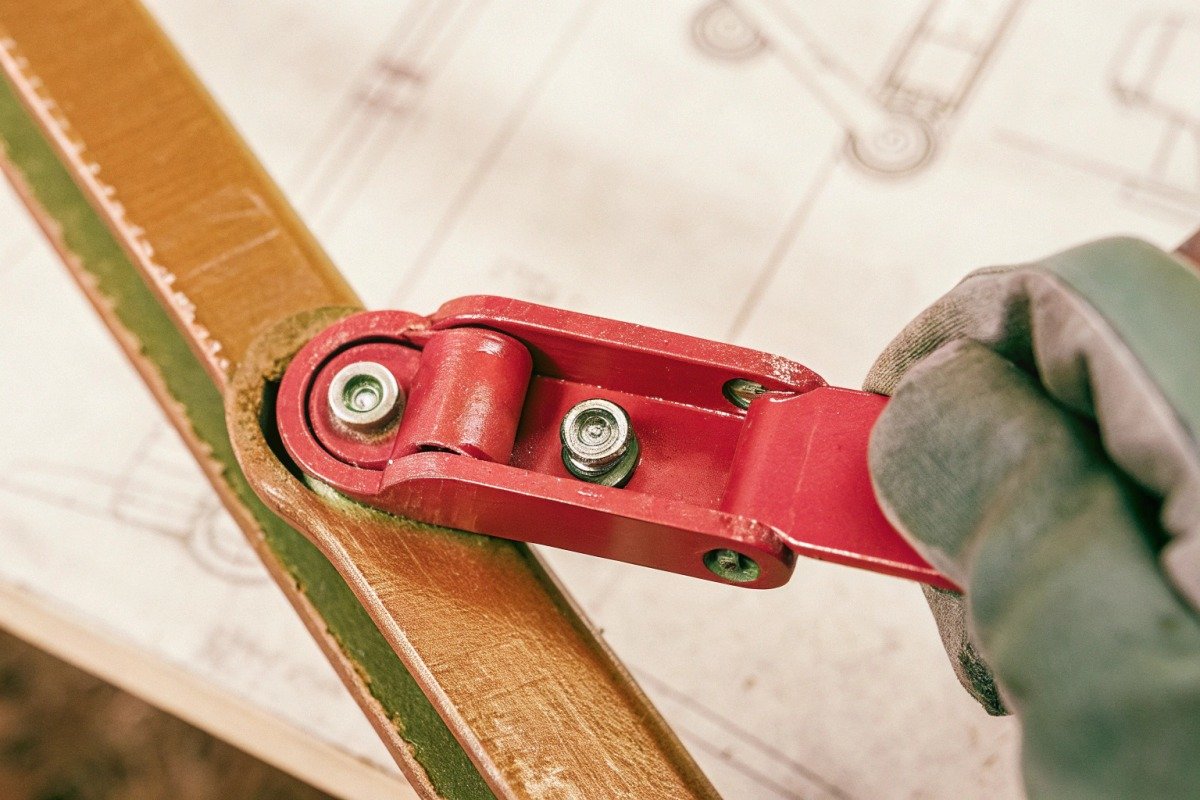
Die Faltstelle erfährt die größte Belastung. Billige Drohnen verwenden Kunststoffbuchsen, die sich schnell abnutzen. Qualitätsdesigns verwenden selbstschmierende Bronzebuchsen oder abgedichtete Kugellager. Kohlefaserverstärkung an Spannungskonzentrationen verlängert die Lebensdauer erheblich.
Während unserer Haltbarkeitsprüfungen durchlaufen wir Klappmechanismen 10.000 Mal unter Last. Komponenten aus minderwertigen Materialien zeigen nach 2.000 Zyklen Spiel und Lockerheit. Premium-Komponenten behalten durchgehend enge Toleranzen.
Umweltschutzklassen
Feuerwehrdrohnen sind Hitze, Rauch, Wasser und Staub ausgesetzt. Der Klappmechanismus muss all dem widerstehen. Achten Sie auf IP67-Bewertungen 3 an den Scharnierbaugruppen. Diese Bewertung bedeutet vollständigen Staubschutz und Widerstandsfähigkeit gegen Wassereintauchen.
| Umweltfaktor | Mindestbewertung | Bevorzugte Bewertung | Test Method |
|---|---|---|---|
| Wasser/Staub | IP65 | IP67 | IEC 60529 |
| Vibration | MIL-STD-810G | MIL-STD-810H | Methode 514.8 |
| Temperatur | -10°C bis 50°C | -20°C bis 80°C | Thermisches Cycling |
| Stoß | 40G | 75G | Falltest |
| Salzsprühnebel | 48 Stunden | 96 Stunden | ASTM B117 |
Zuverlässigkeit des Verriegelungsmechanismus
Ein Klapparm, der sich während des Fluges entriegelt, führt zu einem katastrophalen Ausfall. Eine redundante Verriegelung ist unerlässlich. Die besten Designs verwenden sowohl mechanische Verriegelungen als auch magnetische Halterungen. Einige fortschrittliche Systeme fügen eine elektronische Verriegelungsbestätigung hinzu, die den Motorstart verhindert, bis alle Arme gesichert sind.
Unsere Ingenieure entwickelten ein dreifach redundantes Verriegelungssystem, nachdem sie einen Ausfall eines Konkurrenzprodukts im Feld untersucht hatten. Die primäre Verriegelung ist ein federbelasteter Stift. Die sekundäre ist eine rotierende Nocke. Die tertiäre ist ein Magnetsensor, der die Position verifiziert.
Kabelführung durch Klapppunkte
Die interne Kabelführung ist wichtiger, als die meisten Käufer erkennen. Kabel, die Klapppunkte extern kreuzen, verfangen sich und verschleißen. Interne Führung mit Zugentlastung an jeder Verbindung verhindert Ermüdungsbrüche der Kabel. Strom- und Datenweiterleitung, die in das Scharnier integriert ist, eliminiert externe Kabel vollständig.
Wir haben gesehen, wie Drohnen ausfielen, weil ein einzelnes Kabel nach wiederholtem Klappen ermüdete. Dies ist mit richtigem Design vollständig vermeidbar. Bitten Sie Lieferanten, Ihnen ihre Kabelführungsdiagramme zu zeigen.
Wartungszugang und Teileverfügbarkeit
Haltbarkeit bedeutet auch Reparierbarkeit. Können Sie ein verschlissenes Scharnierlager vor Ort austauschen? Sind Ersatzteile mit angemessenen Lieferzeiten verfügbar? Unsere Standardrichtlinie liefert Ersatzteile für Klappkomponenten innerhalb von 5 Werktagen an US-Kunden. Einige Wettbewerber benötigen 8-12 Wochen für Teile.
Wie kann ich beurteilen, ob das Falt-Design es meinem Team ermöglicht, die Drohne im Notfall schnell einzusetzen?
Geschwindigkeit rettet Leben. Unsere Außendiensttechniker haben Einsatzsequenzen mit Dutzenden von Feuerwehren zeitlich erfasst. Der Unterschied zwischen einer 2-minütigen und einer 10-minütigen Einsatzzeit kann darüber entscheiden, ob die Luftaufklärung vor oder nach kritischen Entscheidungen eintrifft.
Bewerten Sie die Bereitstellungsgeschwindigkeit, indem Sie die vollständige Sequenz von der Ankunft des Fahrzeugs bis zum Flugstatus messen. Ziel ist eine Gesamtzeit von unter 5 Minuten. Bewerten Sie die Entfaltungsschritte (idealerweise unter 30 Sekunden), die Einschaltzeit, die GPS-Erfassungsgeschwindigkeit und die Anforderungen an die Vorflugkontrolle. Bevorzugen Sie Designs mit werkzeugloser Entfaltung und automatisierten Selbstprüfungen.

Aufschlüsselung der Einsatzzeitachse
Jede Sekunde zählt. Ein realistischer Einsatz beinhaltet mehrere Schritte. Das Verständnis jedes Schritts hilft bei der Identifizierung von Engpässen.
| Einsatzphase | Zielzeit | Häufiger Engpass | Lösung |
|---|---|---|---|
| Aus dem Fahrzeug nehmen | 30 Sekunden | Schweres Gewicht, unhandlicher Koffer | Leichte Koffer, Schnellverschlüsse |
| Arme entfalten | 30 Sekunden | Komplizierte Sequenz, Werkzeuge benötigt | Federunterstütztes, werkzeugloses Design |
| Nutzlast anbringen | 60 Sekunden | Ausrichtungsschwierigkeit | Verriegelbare Schnellspannhalterungen |
| Einschalten und Booten | 60 Sekunden | Langsamer Prozessorstart | SSD-Speicher, optimierte Firmware |
| GPS-Verbindung | 60 Sekunden | Schlechte Antennenplatzierung | Multi-Konstellations-GNSS 5 |
| Pre-Flight-Checks | 60 Sekunden | Manuelle Checkliste | Automatisierte Selbstdiagnose |
| Insgesamt | 5 Minuten |
Werkzeuglose Entfaltungsanforderungen
Wenn Ihr Team einen Schraubendreher oder Schraubenschlüssel benötigt, um die Drohne zu entfalten, wird die Bereitstellung langsam und fehleranfällig sein. Werkzeuglose Designs verwenden federbelastete Einrastvorrichtungen, Rändelschrauben oder automatische Entfaltung. Die besten Systeme entfalten sich mit einer einzigen Bewegung.
Als wir letztes Jahr unseren Faltmechanismus neu gestalteten, reduzierten wir die Entfaltung von 8 einzelnen Schritten auf 2. Feld-Feedback trieb diese Änderung voran. Feuerwehrleute, die dicke Handschuhe tragen, können keine kleinen Verriegelungen bedienen.
Schulungszeit und Fehlerreduzierung
Ein komplexes Falt system erfordert mehr Schulung. Neue Bediener machen Fehler unter Stress. Einfache Designs reduzieren Fehler. Wir empfehlen, dass jede Drohne, die mehr als 30 Minuten Schulung für die Bereitstellung erfordert, für den Notfalleinsatz zu kompliziert ist.
Automatisierte und halbautomatische Entfaltungssysteme reduzieren menschliche Fehler weiter. Einige Drohnen verwenden eine motorunterstützte Armentfaltung, die durch einen einzigen Knopf ausgelöst wird. Dieser Ansatz ist teurer, eliminiert aber Bedienerschwankungen.
Tests unter realistischen Bedingungen
Führen Sie Ihre eigenen zeitgesteuerten Tests durch. Verlassen Sie sich nicht ausschließlich auf Herstellerangaben. Testen Sie mit tatsächlichen Teammitgliedern in voller Ausrüstung. Testen Sie nachts. Testen Sie bei kaltem Wetter, wenn die Finger taub sind. Testen Sie, nachdem das Team 12 Stunden wach war.
Unsere Kunden in Colorado stellten fest, dass sich die Einsatzzeiten bei kaltem Wetter verdoppelten, da ihre frühere Drohne steife Verriegelungen hatte. Sie wechselten zu einem Design mit übergroßen, isolierten Auslösemechanismen.
Automatisierung der Vorflugkontrolle
Moderne Flugsteuerungen können die meisten Vorflugkontrollen automatisieren. Motortests, Überprüfung der Sensor-Kalibrierung 6, und Überprüfungen der Kommunikationsverbindung sollten automatisch erfolgen. Manuelle Checklisten verlangsamen den Einsatz und führen zu Inkonsistenzen.
Unsere Flugsteuerung führt 47 automatisierte Prüfungen in 45 Sekunden durch. Wenn eine Prüfung fehlschlägt, identifiziert das System das spezifische Problem. Dieser Ansatz ist schneller und zuverlässiger als die menschliche Inspektion.
Kann mein Lieferant die Faltstruktur anpassen, um meinen einzigartigen Transport- und Einsatzanforderungen besser gerecht zu werden?
Jede Feuerwehr hat unterschiedliche Fahrzeuge, unterschiedliche Protokolle und unterschiedliche Einsatzumgebungen. Standardprodukte passen selten perfekt. Unser Ingenieurteam verbringt erhebliche Zeit mit Anpassungsprojekten, da der Bedarf real und weit verbreitet ist.
Ja, seriöse Lieferanten können Faltstrukturen anpassen. Optionen umfassen modifizierte Armlängen, alternative Faltrichtungen, kundenspezifische Montage-Schnittstellen, verstärkte Gelenke für spezifische Nutzlasten und fahrzeugspezifische Andocksysteme. Fordern Sie detaillierte technische Beratung, Prototypen-Zeitpläne und Mindestbestellmengen an, bevor Sie sich festlegen.

Häufige Anpassungswünsche
In den letzten drei Jahren haben wir zahlreiche Anpassungsprojekte abgeschlossen. Die häufigsten Anfragen fallen in vorhersehbare Kategorien.
Änderungen der Armlänge verändern den gefalteten Fußabdruck. Kürzere Arme reduzieren die gefaltete Größe, können aber die Flugstabilität bei schweren Nutzlasten beeinträchtigen. Längere Arme verbessern die Stabilität, erhöhen aber den Lagerbedarf.
Änderungen der Faltrichtung passen sich spezifischen Fachformen an. Die Umwandlung von horizontalem in vertikales Falten oder umgekehrt erfordert erhebliche Ingenieurleistungen, ist aber machbar.
Kundenspezifische Montage-Schnittstellen ermöglichen die direkte Integration mit vorhandenen Fahrzeugträgern. Anstelle einer generischen Tragetasche wird die Drohne direkt an der Hardware Ihres Fahrzeugs montiert.
Der Anpassungsprozess
Ein erfolgreiches Anpassungsprojekt folgt einem strukturierten Prozess. Überstürzung führt zu enttäuschenden Ergebnissen.
Zuerst führen wir eine Bedarfsanalyse durch. Dies beinhaltet detaillierte Diskussionen über Ihre Fahrzeuge, Nutzlasten, Einsatzprotokolle und Betriebsumgebung. Wir bitten oft um Fotos und Maße.
Zweitens erstellen unsere Ingenieure Konzeptentwürfe. Dies sind vorläufige Zeichnungen, die die vorgeschlagenen Modifikationen zeigen. Sie überprüfen und geben Feedback.
Drittens bauen wir einen Prototyp 7. Dieses physische Gerät ermöglicht Tests, bevor wir uns zur Produktion verpflichten. Die Vorlaufzeiten für Prototypen betragen in der Regel 6-8 Wochen.
Viertens, nach der Prototypgenehmigung beginnt die Produktion. Sonderanfertigungen erfordern in der Regel Mindestmengen von 5-10 Einheiten, um die Werkzeugkosten zu rechtfertigen.
Kosten- und Zeitplanerwartungen
Anpassung kostet Geld und Zeit. Kleinere Modifikationen wie andere Lackfarben oder Aufkleber sind kostengünstig. Strukturelle Änderungen am Klappmechanismus erfordern Ingenieurstunden und neue Werkzeuge.
| Anpassungsstufe | Ingenieurzeit | Prototypkosten | Produktions-MOQ | Vorlaufzeit |
|---|---|---|---|---|
| Nur kosmetisch | 2-4 Stunden | $200-500 | 1 Einheit | 2 Wochen |
| Kleinere mechanische | 20-40 Stunden | $2,000-5,000 | 5 Einheiten | 6 Wochen |
| Große strukturelle | 80-200 Stunden | $10,000-25,000 | 10 Einheiten | 12 Wochen |
| Komplette Neukonstruktion | 400+ Stunden | $50,000+ | 20 Einheiten | 24 Wochen |
Bewertung der Lieferantenfähigkeit
Nicht alle Lieferanten können Qualitätsanpassungen liefern. Stellen Sie diese Fragen:
Haben Sie eigene Ingenieure oder lagern Sie die Designarbeit aus? Eigene Teams reagieren schneller und behalten eine bessere Qualitätskontrolle.
Können Sie Beispiele früherer Anpassungsprojekte zeigen? Erfahrene Lieferanten haben Portfolios und Referenzen.
Welche Zertifizierungen wird das angepasste Produkt tragen? Änderungen können bestehende Zertifizierungen beeinträchtigen.
Welche Garantie gilt für angepasste Komponenten? Einige Lieferanten machen Garantien für modifizierte Produkte ungültig.
Aufrechterhaltung der zukünftigen Kompatibilität
Berücksichtigen Sie langfristige Auswirkungen. Eine stark angepasste Drohne kann schwer zu aktualisieren oder zu reparieren sein. Standardisierte Komponenten gewährleisten die Verfügbarkeit von Teilen. Wir empfehlen, Montageflächen und äußere Merkmale anzupassen, während Kernfaltmechanismen nach Möglichkeit standardmäßig beibehalten werden.
Unser Ansatz gleicht Anpassung und Wartbarkeit aus. Wir verwenden modulare Designs 8 die kundenspezifische Anbringungen ermöglichen, ohne die Kernstruktur zu verändern.
Schlussfolgerung
Die Bewertung von Faltkonstruktionen für Feuerwehrdrohnen erfordert systematische Aufmerksamkeit für Abmessungen, Haltbarkeit, Einsatzgeschwindigkeit und Anpassungspotenzial. Verwenden Sie die Rahmenwerke und Tabellen in diesem Leitfaden, um Optionen objektiv zu vergleichen. Kontaktieren Sie unser Team, wenn Sie Hilfe bei der Anpassung einer Faltkonstruktion an Ihre spezifischen Anforderungen an Einsatzfahrzeuge benötigen.
Fußnoten
1. Erklärt den Zweck und die Verfahren der MIL-STD-810H-Vibrationstests für die Haltbarkeit von Geräten. ︎
2. Bietet Richtlinien für die Messung von Drohnenabmessungen für Transport und Verpackung. ︎
3. Definiert die IP67-Schutzart für Staub- und Wasserschutz in elektronischen Geräten. ︎
4. Erklärt Redundanz in Sicherheitssystemen, einschließlich mehrerer Verriegelungsmechanismen. ︎
5. Beschreibt, wie die Kombination von Signalen mehrerer GNSS-Konstellationen die Positionsgenauigkeit und -zuverlässigkeit verbessert. ︎
6. Erklärt die kritische Bedeutung der Sensor-Kalibrierung für die Sicherheit, Zuverlässigkeit und Präzision von UAVs. ︎
7. Umfassender Leitfaden zur Definition von Prototyping und seiner Bedeutung im Ingenieurwesen. ︎
8. Erklärt die Prinzipien und Vorteile des modularen Designs im Ingenieurwesen. ︎

 English
  Español de México
  Deutsch
  Français
  Русский
  العربية
