
Every week, our production team fields calls from US buyers worried about compliance headaches. The regulatory landscape for agricultural drone accessories has shifted dramatically since late 2025. Many importers now face confusion about which bumpers and covers they can legally purchase.
US recommendations for agricultural drone bumpers and covers center on FCC Covered List restrictions, FAA Part 107/137 compliance, Buy American standards requiring 60% US components, and DoD Blue UAS certifications. Buyers must verify part origin, request proper documentation, and ensure accessories do not obstruct critical sensors or spray systems.
This guide breaks down the specific requirements you need to know. We will cover material safety, customization options, certification requirements, and how to find suppliers with reliable support. Let’s dive into each area step by step.
How do I ensure my agricultural drone bumpers meet US material and safety recommendations?
When our engineering team develops new bumper designs, material selection always comes first. US agricultural operations expose drone components to harsh chemicals, UV radiation, and frequent impacts. Choosing the wrong material means premature failure and potential safety hazards during critical spraying operations.
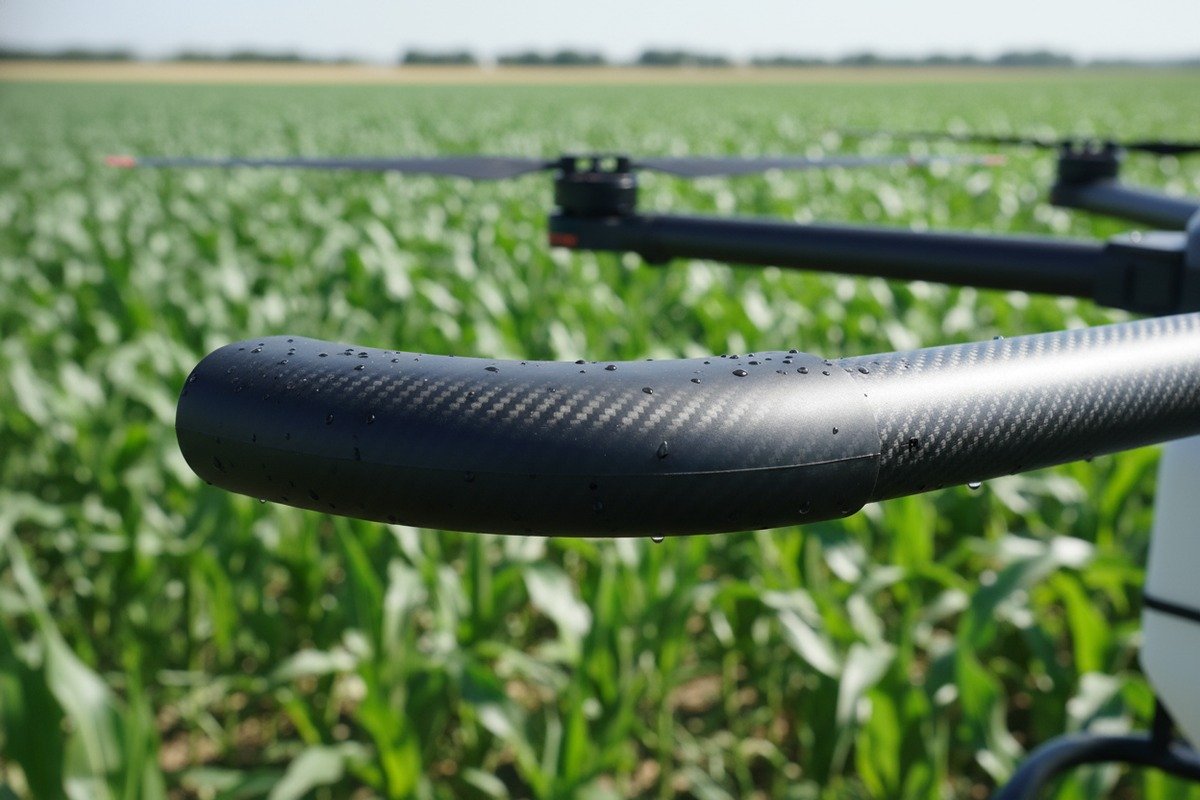
Agricultural drone bumpers must use chemical-resistant materials like carbon fiber or reinforced polymers, withstand UV exposure, and maintain lightweight profiles under 5% of total drone weight. They should not obstruct GPS, RTK, or obstacle avoidance sensors, and must allow easy pre-flight inspections per FAA requirements.
Material Selection Criteria
The right bumper material balances protection with performance. Our testing shows that carbon fiber composite bumpers 1 offer the best strength-to-weight ratio. They resist most agricultural chemicals including glyphosate-based herbicides and nitrogen fertilizers.
Reinforced polymer options cost less but degrade faster under UV exposure. For drones operating in southern US states with intense sunlight, UV-stabilized materials are essential. Without proper UV resistance, bumpers crack within 6-12 months of regular use.
Weight and Aerodynamic Considerations
Every gram matters in agricultural drone operations. Heavy bumpers reduce flight time and spray capacity. Our engineers follow a simple rule: bumper weight should not exceed 5% of the drone's total weight.
| Material Type | Weight Impact | Chemical Resistance | UV Stability | Typical Lifespan |
|---|---|---|---|---|
| Carbon Fiber Composite | Very Low (+2-3%) | Ausgezeichnet | Ausgezeichnet | 3-5 years |
| Reinforced Polymer | Low (+3-5%) | Gut | Mäßig | 1-2 years |
| Aluminum Alloy | Moderate (+5-8%) | Gut | Ausgezeichnet | 2-4 years |
| Basic Plastic | Very Low (+1-2%) | Poor | Poor | 6-12 Monate |
Aerodynamic design prevents turbulence that disrupts spray patterns. Bumpers with smooth contours and integrated mounting points perform better than bolt-on aftermarket solutions.
Sensor Clearance Requirements
FAA Part 107 operations 2 require functional obstacle avoidance systems. Bumpers must not block sensors. Our designs include specific cutouts for forward-facing cameras, downward-facing sensors, and GPS antennas.
RTK positioning systems 3 need clear sky views. Any bumper that covers the RTK antenna reduces positioning accuracy from centimeter-level to meter-level. This ruins precision spraying applications.
Pre-Flight Inspection Compatibility
Regulations require visual inspections before each flight. Bumpers should allow quick access to motors, propellers, and connection points. Modular designs with tool-free removal save time and encourage proper inspection habits.
Our bumper systems use quick-release mechanisms. Pilots can remove sections in under 30 seconds for thorough inspections. This design choice addresses both safety requirements and practical field operations.
Can I customize drone covers to meet my specific OEM and branding requirements for the US market?
Our OEM department handles dozens of customization requests monthly from US distributors. Many want unique branding, specific color schemes, or modified cover designs for their regional markets. The good news is that customization options are extensive. The challenge lies in maintaining compliance while achieving your branding goals.
Yes, drone covers can be fully customized for OEM and branding requirements. Options include custom colors, logo placement, material finishes, and structural modifications. However, all customizations must maintain sensor clearances, meet FCC component requirements, and preserve FAA-compliant inspection access points.

Branding and Visual Customization
Custom covers transform generic drones into branded products. Our capabilities include laser-etched logos, custom paint matching, vinyl wraps, and molded-in branding. Most US distributors choose permanent laser etching because it withstands agricultural chemical exposure.
Color customization follows standard Pantone matching. We can replicate your exact brand colors across production batches. Minimum order quantities for fully custom colors typically start at 50 units. Smaller orders can use our standard agricultural color options: safety orange, high-visibility yellow, or matte black.
Structural Modifications for Regional Needs
Different US regions have different operational requirements. Desert operations need enhanced ventilation for heat management. Coastal operations benefit from additional corrosion-resistant coatings. Our engineering team works with clients to develop region-specific modifications.
| Customization Type | Minimum Order | Lead Time | Cost Premium |
|---|---|---|---|
| Logo Etching | 10 units | 2 weeks | +5-8% |
| Custom Color (Pantone Match) | 50 units | 4 weeks | +10-15% |
| Structural Modification | 100 units | 8-12 weeks | +20-30% |
| Full OEM Design | 200 units | 16-20 weeks | +40-60% |
Maintaining Compliance During Customization
Every custom design goes through our compliance review process. We verify that modifications do not obstruct required sensor windows. Cover ventilation patterns must maintain proper airflow for electronics cooling.
FCC requirements 4 add another layer. Any cover modifications affecting antenna placement or shielding require re-testing. We handle this documentation as part of our OEM service. Clients receive updated compliance certificates for their custom designs.
Documentation and Private Labeling
US distributors often need complete private labeling. This includes custom user manuals, warranty cards, and packaging. Our documentation team creates region-specific materials meeting US consumer protection standards.
All private-label products include proper country-of-origin marking as required by US Customs. We provide certificates of origin and commercial invoices formatted for smooth customs clearance.
What certifications should I request from a Chinese manufacturer to comply with US import regulations?
In our export experience shipping to US ports, documentation issues cause more delays than product defects. US Customs and Border Protection scrutinizes agricultural drone imports closely. Missing certifications trigger inspections, delays, and sometimes seizure. Knowing exactly which documents to request prevents costly problems.
Request FCC certification or authorization documentation, FAA compliance statements, certificates of origin, material safety data sheets for chemical-resistant components, and NDAA Section 889 compliance declarations. For federal projects, verify DoD Blue UAS or Green UAS certification status to ensure components are not on prohibited lists.

FCC Certification Requirements
The FCC regulates all electronic devices sold in the US. Agricultural drones require FCC ID numbers for their radio transmission components. Bumpers and covers themselves do not need separate FCC certification unless they contain electronic elements.
However, post-December 2025 FCC Covered List rules affect component sourcing. Our compliance team tracks which components have current FCC authorizations. We provide detailed documentation showing authorization status for all electronic elements.
| Zertifizierung | Required For | Issuing Body | Validity Period |
|---|---|---|---|
| FCC ID | Radio transmitters | FCC | Ongoing (subject to Covered List) |
| FAA Registration | All drones >0.55 lbs | FAA | 3 years |
| Part 137 Certificate | Pesticide application | FAA | Ongoing with renewal |
| Ursprungszeugnis | All imports | Manufacturer | Per shipment |
| NDAA Compliance | Federal-funded projects | Self-declaration | Per contract |
Buy American Act Documentation
Federal agricultural projects require Buy American compliance 5. The threshold demands over 60% of component costs come from US manufacturing. Chinese manufacturers can support compliance by providing detailed cost breakdowns showing which components qualify.
Our export documentation includes component-level cost analysis. US integrators use this data to calculate their domestic content percentages when adding US-made elements.
DoD Blue UAS and Green UAS Verification
For clients serving government contractors, Blue UAS Cleared List 6 status matters. We maintain updated records of which drone platforms and components have achieved Blue UAS certification. This list updates annually through 2026.
Green UAS certification through AUVSI provides a pathway to Blue UAS status. We can provide test data and security documentation supporting Green UAS applications for our products.
NDAA Section 889 Compliance
NDAA 2023 prohibits federal purchase of drones from certain Chinese manufacturers. This affects agricultural projects using federal funding. Our legal team prepares NDAA compliance declarations 7 confirming our products do not fall under prohibited categories.
Note that private agricultural operations without federal funding have more flexibility. However, many US buyers prefer NDAA-compliant products for future-proofing their fleets.
Import Documentation Package
Complete import packages from our facility include: commercial invoice with HS codes, packing list, certificate of origin, FCC documentation, material certificates 8, and customs declaration forms. We use experienced freight forwarders familiar with US agricultural equipment imports.
How do I find a supplier that offers reliable technical support and spare parts for my drone covers?
Our customer service team understands the frustration of buying equipment without adequate support. Many US operators have purchased drones from suppliers who disappeared after the sale. When covers crack or bumpers break mid-season, finding replacement parts becomes urgent. Choosing the right supplier from the start prevents these headaches.
Evaluate suppliers based on US-based technical support availability, spare parts inventory with documented lead times under two weeks, engineering staff accessibility, warranty terms, and track record with existing US customers. Request references from current agricultural drone operators in similar climate zones.

Evaluating Technical Support Capabilities
Technical support quality varies dramatically between suppliers. Key indicators include response time guarantees, communication channels, and staff expertise. Our support team operates across time zones, offering phone, email, and video consultation to US customers.
Remote diagnostics capabilities matter for agricultural operations. When problems occur during critical spray windows, waiting days for responses costs money. Look for suppliers offering same-day remote troubleshooting.
Spare Parts Availability and Lead Times
Agricultural seasons do not wait for shipping from overseas. Effective suppliers maintain US-based parts inventories or partnerships with domestic distributors. Our network includes fulfillment centers that keep common replacement parts in stock.
| Unterstützungsfunktion | Grundversorger | Premium Supplier | Our Offering |
|---|---|---|---|
| Reaktionszeit | 48-72 hours | 24 Stunden | 4-8 hours |
| Spare Parts Location | Overseas only | US warehouse | US + regional |
| Parts Lead Time | 4-6 weeks | 1-2 weeks | 3-7 days |
| Technical Staff | Sales only | Engineers | Dedicated team |
| Video Support | Keine | By appointment | On-demand |
| Warranty Period | 6 months | 1 year | 2 years |
Modular Design Benefits
Modular bumper and cover systems reduce repair costs significantly. Instead of replacing entire assemblies, operators swap damaged sections. Our designs use standardized connection points across product lines.
This modularity also supports field repairs. Pilots can carry spare sections and perform swaps between flights. No specialized tools required. This approach addresses the pain point of expensive repairs and long downtimes.
Checking Supplier Track Record
References matter more than marketing claims. Ask potential suppliers for contacts at existing US agricultural operations. Speak with operators in similar environments to yours.
Key questions for references include: How quickly does the supplier respond to problems? Have spare parts arrived on time? Has the supplier helped with compliance documentation? Would they purchase again?
Building Long-Term Partnerships
The best supplier relationships extend beyond transactions. Look for suppliers willing to collaborate on product improvements. Our engineering team regularly incorporates feedback from US operators into new designs.
Training support adds value. We provide video tutorials, maintenance guides, and optional on-site training for larger fleet purchases. This investment in customer success builds loyalty and reduces support costs over time.
Schlussfolgerung
Purchasing agricultural drone bumpers and covers for the US market requires attention to FCC regulations, material specifications, certification documentation, and supplier support capabilities. Work with manufacturers who understand these requirements and can provide the documentation, customization, and ongoing support your operations need.
Fußnoten
1. Provides general information on carbon fibers and their composite properties. ︎
2. Replaced with the FAA’s main page for commercial UAS operators, which is an authoritative government source and contains information on Part 107 regulations. ︎
3. Explains Real-Time Kinematic (RTK) technology for precise positioning. ︎
4. Explains FCC rules and the Covered List for UAS components. ︎
5. Details the Build America Buy America Act and its requirements for federal projects. ︎
6. Replaced with the direct link to the official Blue UAS Cleared List, an authoritative government resource for DoD-approved drones. ︎
7. Outlines the official policies and requirements for NDAA Section 889 compliance. ︎
8. Explains the purpose and importance of Material Safety Data Sheets (MSDSs) for chemical safety. ︎

 English
  Spanish
  German
  French
  Dutch
Dutch  Arabic
