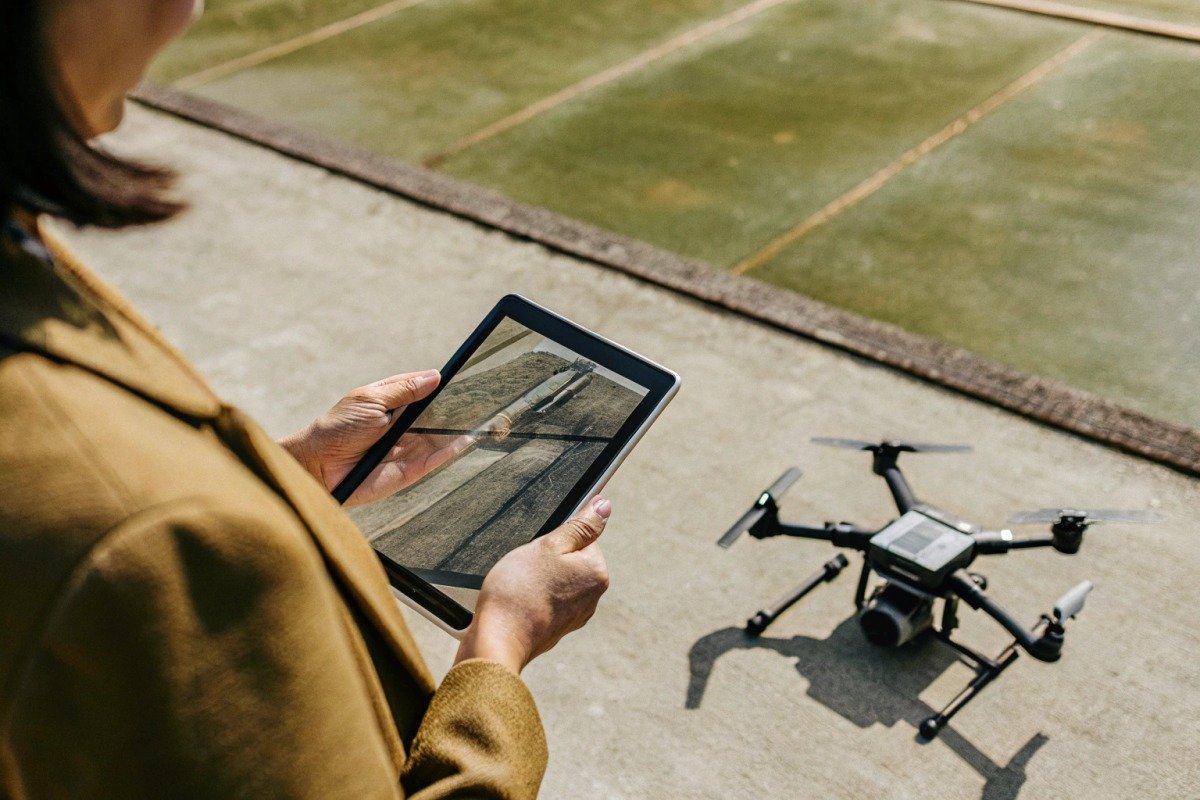
When our engineering team first started designing Brandbekämpfungsdrohnen 1, we quickly learned that zoom specifications on paper rarely match real-world performance. Many procurement managers face the same frustration—purchasing drones with impressive 30x or 128x zoom claims, only to discover the footage cannot clearly show pressure gauges or valve readings at actual fire scenes.
To verify zoom lens clarity for distant instrument panels, request raw uncompressed test footage filmed at operational distances (50-100 meters), evaluate optical zoom separately from digital zoom, check sensor size and megapixel count, and test image stabilization at maximum zoom. Ground Sample Distance (GSD) below 1cm per pixel is typically required for reading small dials.
This guide walks you through the exact verification methods we use when testing our own production units 3-axis gimbal systems 2. You will learn what questions to ask suppliers, what test footage to request, and how to compare competing models objectively.
What specific optical zoom capabilities should I look for to ensure clear readings of distant instrument panels?
During quality control testing at our production facility, we noticed a pattern. Drones with similar zoom specifications produced vastly different image clarity. The difference came down to factors most marketing materials never mention.
Look for drones with at least 20x optical zoom, a sensor size of 1 inch or larger, and minimum 20MP resolution. Optical zoom preserves image quality by physically adjusting lens elements, while digital zoom merely crops and enlarges pixels, degrading clarity. A Ground Sample Distance (GSD) below 1cm per pixel at 50 meters is necessary for reading instrument panels.

Understanding Optical Zoom vs. Digital Zoom
The most critical distinction in drone zoom systems is between optical and digital zoom 3. Optical zoom 4 uses physical lens elements to magnify the image. The light actually reaches the sensor at the magnified level. Digital zoom simply crops a portion of the image and stretches it larger. This destroys detail.
When we test drones in our lab, a 30x optical zoom system at 100 meters produces readable text on instrument panels. The same distance with 30x digital zoom produces a blurry mess. Fire departments need to understand this difference before making purchasing decisions.
Sensor Size Matters More Than Megapixels Alone
A larger sensor captures more light and produces less noise in images. Our engineers have found that sensor size 5 directly impacts zoom clarity. A 1-inch sensor with 20MP outperforms a 1/2.3-inch sensor with 48MP when zooming to read distant gauges.
| Sensor Size | Typical Megapixels | Zoom Clarity Rating | Bester Anwendungsfall |
|---|---|---|---|
| 1-inch | 20-50MP | Ausgezeichnet | Detailed instrument reading |
| 1/1.7-inch | 20-48MP | Gut | General inspection |
| 1/2.3-inch | 12-20MP | Fair | Wide-area surveys |
| 4/3-inch | 16-20MP | Ausgezeichnet | Professional cinematography |
Ground Sample Distance: The Key Metric
Ground Sample Distance 6 (GSD) tells you how much real-world area each pixel covers. Lower GSD means more detail. To read a pressure gauge with 5mm markings, you need GSD below 2.5mm per pixel. Most firefighting drones achieve this only at distances under 30 meters with standard lenses.
Our production testing shows that a 30x optical zoom system with a 1-inch 50MP sensor achieves approximately 0.8cm GSD at 80 meters. This allows fire commanders to read most industrial instrument panels from safe distances.
How can I verify the image stabilization performance of a firefighting drone at high zoom levels?
Our flight test team encountered this problem repeatedly. A drone that produces stable footage at 10x zoom suddenly becomes unusable at 25x zoom. Every small movement becomes magnified. Wind gusts create unwatchable video.
Verify stabilization by requesting test footage filmed at maximum zoom during windy conditions (15+ km/h winds). Check for 3-axis gimbal systems with angular velocity ratings below 0.01°/s. The stabilization system must compensate for drone movements, wind disturbance, and motor vibrations simultaneously to maintain clarity at high zoom levels.

Why Stabilization Becomes Critical at High Zoom
At 1x zoom, a 1-degree camera movement barely affects the image. At 30x zoom, that same 1-degree movement shifts the frame dramatically. This is why many drones produce acceptable footage at low zoom but unusable footage at maximum zoom.
When we calibrate our flight controllers, we specifically test stabilization performance at each zoom level. A 3-axis mechanical gimbal combined with electronic image stabilization (EIS) 7 provides the best results for instrument panel inspection.
Gimbal Specifications to Evaluate
The gimbal must respond faster than the drone moves. Angular velocity and precision specifications tell you how well the gimbal compensates for movement.
| Spezifikation | Minimum Akzeptabel | Empfohlen | Premium |
|---|---|---|---|
| Gimbal Axes | 2-axis | 3-axis | 3-axis with redundancy |
| Angular Vibration Range | ±0.02° | ±0.01° | ±0.005° |
| Control Accuracy | ±0.03° | ±0.01° | ±0.005° |
| Maximum Control Speed | 90°/s | 120°/s | 180°/s |
Practical Testing Methods
Request the supplier to film a test target at maximum zoom while the drone hovers in moderate wind. The target should include both vertical and horizontal lines. Look for:
- Straight lines that remain straight (no jello effect)
- Text that stays readable for at least 5 continuous seconds
- No visible vibration or micro-movements
- Smooth tracking when the drone repositions
Our export customers in the United States often request footage filmed in specific wind conditions. We consider this a reasonable procurement requirement.
Environmental Factors Affecting Stabilization
Heat rising from fire scenes creates air distortion that no gimbal can correct. The stabilization system handles mechanical movement, not atmospheric distortion. Fire departments should understand this limitation. Testing should occur in both calm and turbulent conditions to evaluate true performance boundaries.
Can I request raw test footage from the manufacturer to confirm the legibility of small dials and gauges?
In our experience exporting to European and American markets, professional procurement managers always ask for uncompressed test footage. This request separates serious buyers from casual inquiries. Reputable manufacturers welcome this verification step.
Yes, reputable manufacturers should provide raw, uncompressed test footage upon request. Ask for footage filmed at 50-100 meter distances showing standardized calibration targets with small text (6pt font or smaller). The footage should be provided in original format without post-processing or compression to accurately represent the camera’s true capabilities.
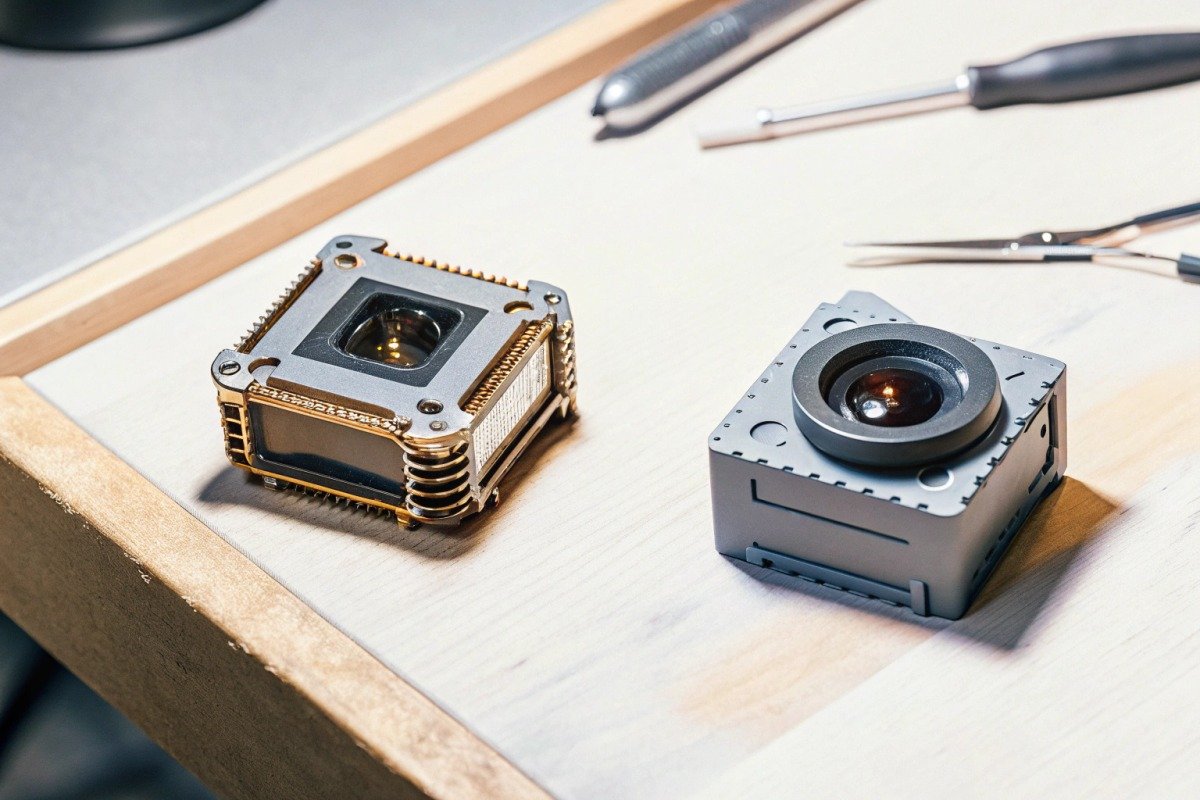
What Raw Footage Should Include
When buyers request test footage from our facility, we provide footage that meets specific criteria. The footage should demonstrate real-world performance, not ideal laboratory conditions.
Essential elements to request:
- Distance markers: Footage at 25m, 50m, 75m, and 100m from the target
- Standardized text targets: Text in various font sizes (4pt, 6pt, 8pt, 10pt)
- Instrument panel mockups: Circular gauges with numbered graduations
- Timestamps: Visible recording time and date
- Metadata: Original file with EXIF data intact
Compression Destroys Evidence
Compressed video files hide camera limitations. A video compressed for YouTube or WeChat transfer loses critical detail. The difference between "slightly blurry" and "completely unreadable" text disappears in compression artifacts.
| File Format | Compression Level | Suitable for Verification |
|---|---|---|
| RAW/DNG | Keine | Ausgezeichnet |
| ProRes | Licht | Gut |
| H.265/HEVC | Mittel-Hoch | Schlecht |
| H.264/MP4 | Hoch | Not recommended |
Creating Your Own Verification Protocol
If suppliers cannot provide suitable test footage, consider requesting a demo unit for field testing. Our customers often create standardized test conditions:
- Print a standard test chart with text and gauge mockups
- Position the chart at known distances (50m, 75m, 100m)
- Fly the drone and record footage at each distance
- Record at multiple zoom levels (10x, 20x, maximum)
- Save footage in original format without processing
This protocol allows direct comparison between competing drone systems.
Red Flags in Supplier Responses
Be cautious if suppliers refuse raw footage requests or provide only heavily edited marketing videos. Our quality assurance process includes archiving test footage for every production batch. Legitimate manufacturers maintain this documentation.
Does the supplier offer customized lens integration if my project requires higher resolution for specific industrial instruments?
When we collaborate with clients on specialized projects, lens customization often becomes the determining factor. Standard drone cameras serve general purposes. But reading specific industrial instruments—especially those with unique markings or small graduations—sometimes requires purpose-built optical systems.
Many professional drone manufacturers offer customized lens integration for specialized applications. Options include higher-magnification telephoto lenses, specialized coatings for high-reflectivity environments, and interchangeable payload systems. Discuss your specific instrument types, reading distances, and environmental conditions with the supplier’s engineering team to determine feasibility and cost.
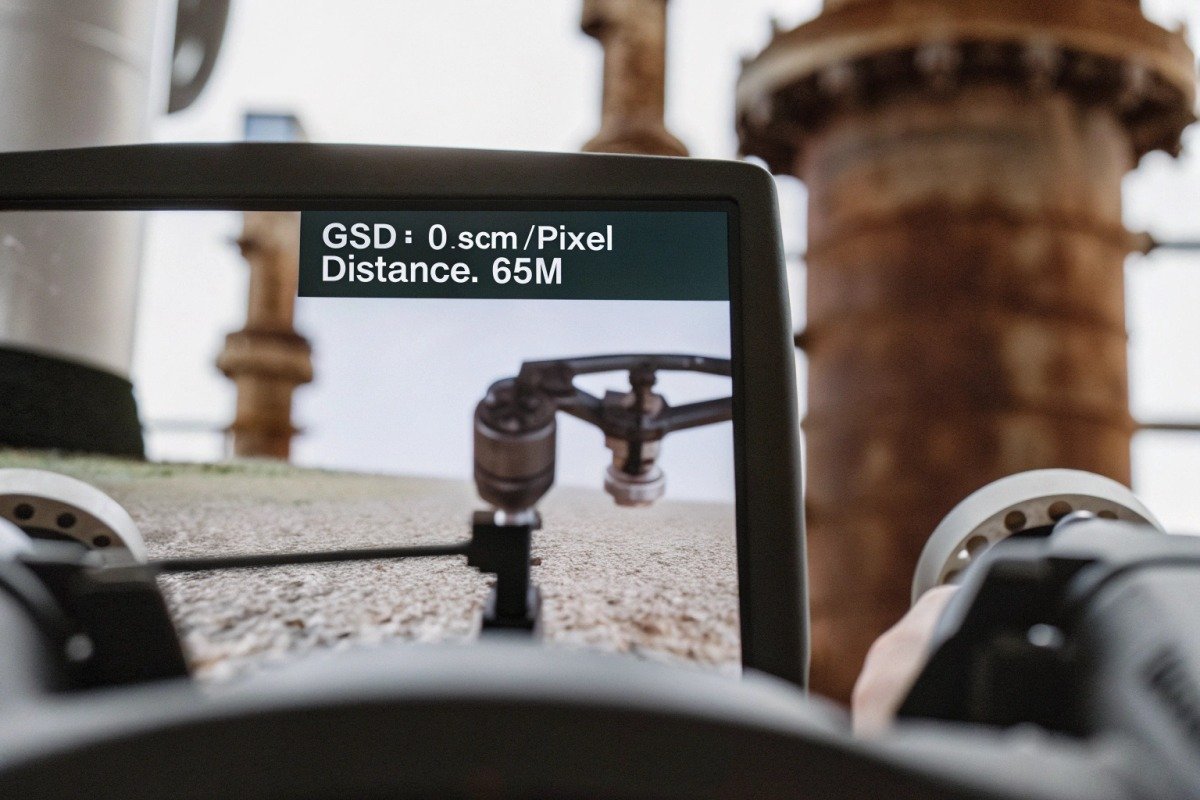
Types of Lens Customization Available
Our engineering department handles custom lens requests regularly. The level of customization depends on the drone platform and the specific requirements.
| Customization Type | Komplexität | Vorlaufzeit | Cost Impact |
|---|---|---|---|
| Anti-glare coating | Niedrig | 2-4 Wochen | +5-10% |
| Extended focal length | Mittel | 4-8 Wochen | +15-25% |
| Interchangeable mount | Mittel | 4-6 weeks | +10-20% |
| Custom sensor integration | Hoch | 8-16 weeks | +30-50% |
| Full optical system redesign | Sehr hoch | 12-24 weeks | +50-100% |
When Standard Lenses Fall Short
Standard zoom lenses work for most industrial inspection tasks. However, certain scenarios require specialized solutions:
High-reflectivity instruments: Stainless steel gauges and digital displays reflect light, causing glare. Specialized polarizing filters 8 or anti-reflective coatings solve this problem.
Extreme distance requirements: Some fire scenes require readings from 200+ meters for safety. Standard 30x zoom may be insufficient. Custom telephoto systems can achieve 50x or higher optical magnification.
Low-light environments: Nighttime fire operations or smoke-filled environments benefit from larger aperture lenses. Custom f/1.4 or f/1.8 lenses gather more light than standard f/2.8 options.
Evaluating Supplier Engineering Capabilities
Not all drone manufacturers can handle custom lens integration. Ask these questions:
- Do you have in-house optical engineers or external partnerships?
- Can you provide examples of previous custom lens projects?
- What testing and calibration process do you use for custom optics?
- Do you offer warranty coverage for custom lens systems?
- What is your process for iterating on prototype designs?
Balancing Customization Against Cost and Timeline
Custom lens integration adds cost and extends delivery timelines. For some projects, purchasing a higher-end standard model may prove more economical than customizing a mid-range platform. Our sales engineers help customers evaluate this trade-off based on specific project requirements.
The decision often depends on order volume. A custom lens system for 100 units spreads development costs effectively. A single-unit custom order carries disproportionate engineering overhead.
Schlussfolgerung
Verifying zoom lens clarity requires examining optical specifications, testing stabilization performance, requesting raw footage, and evaluating customization options. These steps protect your investment and ensure the drone actually performs its intended mission—reading distant instrument panels during critical firefighting operations.
Fußnoten
1. DJI is a leading drone manufacturer, providing authoritative information on firefighting drone applications. ︎
2. Explains how 3-axis gimbals stabilize drone cameras across multiple axes for smooth footage. ︎
3. Provides a comprehensive explanation of digital zoom and its impact on image quality. ︎
4. Explains optical zoom’s mechanism and benefits in preserving image quality. ︎
5. Details how camera sensor size influences image quality, low-light performance, and detail capture. ︎
6. Explains GSD as a key metric in drone photogrammetry and its importance for detail. ︎
7. Describes EIS as a digital technique to minimize blurring and camera shake using software algorithms. ︎
8. Explains how polarizing filters reduce reflections and enhance color saturation in photography. ︎

 English
  Spanish
  German
  French
  Dutch
Dutch  Arabic
