
Every week, our sales team receives inquiries from distributors asking about sample pricing. They want to test our Agrardrohnen 1 before committing to large orders. This is smart business practice. But confusion around sample fees creates hesitation and delays partnerships.
Agricultural drone sample fees typically range from $15,000 to $30,000 for high-performance units. Most manufacturers, including our team at SkyRover, offer 50% to 100% sample fee deductions on qualified bulk orders exceeding minimum quantity thresholds, usually starting at 5-10 units.
Understanding sample fee structures helps you negotiate better deals and plan your budget accurately. Let me walk you through everything you need to know.
How much should I expect to pay for a high-performance agricultural drone sample?
When we ship sample units to new partners in the US and Europe, pricing questions always come first. Buyers want clear numbers before testing begins. The confusion around sample costs often stems from comparing different drone categories and configurations.
High-performance agricultural drone samples typically cost between $18,000 and $35,000, depending on payload capacity, sensor packages, and spray system specifications. Premium units with 30-liter tanks and advanced flight controllers fall at the higher end of this range.

Breaking Down Sample Price Components
Sample pricing reflects more than just hardware costs. Our pricing team considers several factors when quoting samples to potential distributors.
| Komponente | Preisspanne | Anmerkungen |
|---|---|---|
| Base Airframe | $8,000 – $12,000 | Carbon fiber hexacopter frame |
| Flugregler | $2,000 – $4,000 | Includes GPS and RTK modules |
| Sprühsystem | $3,000 – $6,000 | Tank, pumps, and nozzles |
| Battery Set | $2,500 – $5,000 | Usually 2-4 batteries included |
| Shipping & Handling | $800 – $1,500 | Door-to-door delivery |
| Dokumentation | $200 – $500 | Certifications and manuals |
The total sample cost combines all these elements. Some manufacturers charge separately for each component. We prefer bundling everything into one transparent price.
Why Samples Cost More Than Bulk Units
Samples carry premium pricing for valid reasons. Single-unit production runs lack economies of scale. Testing and quality verification take more time per unit. Documentation preparation requires the same effort whether you order one drone or fifty.
Our production line runs most efficiently at batch sizes of 20 units or more. When we produce a single sample, the per-unit overhead increases significantly. This explains the price gap between samples and bulk orders.
Regional Price Variations
Geographic factors influence sample pricing too. Shipping a 25kg drone system to California costs less than sending it to rural Montana. Import duties vary by destination country. Some regions require additional certifications that add to preparation costs.
European buyers typically pay 5-10% more due to CE-Kennzeichnung 2 requirements and longer shipping distances. US buyers benefit from established logistics channels and faster customs clearance.
Can I deduct the initial sample cost from my first bulk order total?
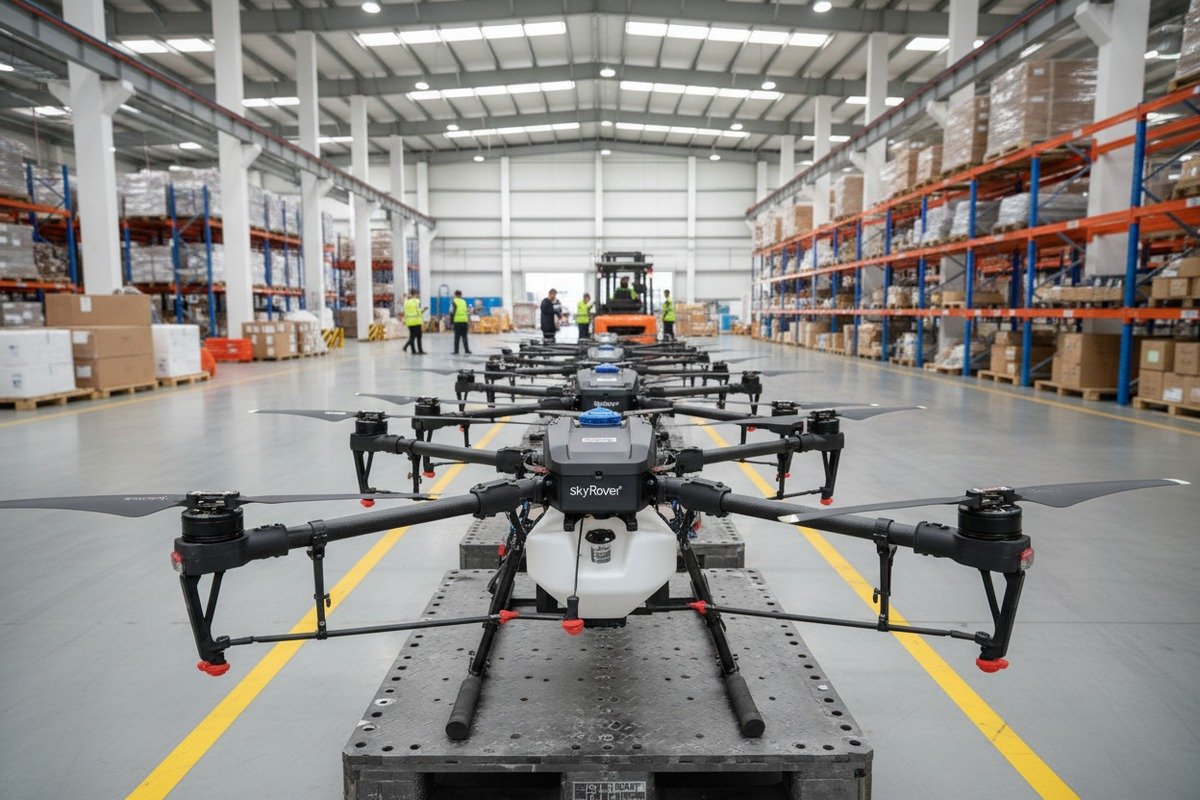
Our distributors in Texas asked this exact question last month. They ordered a $22,000 sample unit for field testing. After successful trials, they placed a 15-unit bulk order. The sample fee deduction saved them significant money.
Yes, most agricultural drone manufacturers offer sample fee deductions ranging from 50% to 100% when buyers place qualifying bulk orders. At SkyRover, we credit 100% of sample costs toward orders of 10 units or more, and 50% for orders between 5-9 units.
Standard Industry Deduction Policies
Sample fee deduction policies vary across manufacturers. Understanding common structures helps you negotiate effectively.
| Order Quantity | Typical Deduction | Time Limit |
|---|---|---|
| 3-4 units | 25-30% | 90 days |
| 5-9 units | 50-75% | 180 days |
| 10-19 units | 75-100% | 12 Monate |
| 20+ units | 100% + bonus discount | 18 Monate |
These percentages represent industry averages. Individual manufacturers may offer better or worse terms based on their business priorities.
How Deductions Actually Work
The mechanics of sample fee deductions are straightforward. When you place your bulk order, the manufacturer subtracts the agreed percentage from your total invoice. You pay the reduced amount.
For example, if you paid $20,000 for a sample and qualify for 100% deduction on a $200,000 bulk order, your final payment becomes $180,000. The sample essentially becomes free.
Some manufacturers apply deductions as credits rather than direct subtractions. This means you might pay full price for the bulk order but receive credit toward future purchases. Always clarify the exact mechanism before ordering samples.
Time Limits and Conditions
Most deduction policies include expiration dates. Our standard policy gives distributors 12 months to convert samples into bulk orders. After this period, deduction eligibility expires.
Why do time limits exist? Market conditions change. Drone technology evolves rapidly. A sample tested 18 months ago may not represent current production specifications. Time limits ensure both parties work with relevant product versions.
Other common conditions include minimum order values, specific product line requirements, and payment term compliance. Some manufacturers require bulk orders to include the same model as the sample. Others allow credit toward any product in their catalog.
Negotiating Better Deduction Terms
Experienced buyers negotiate deduction terms before ordering samples. Here are strategies that work:
Request extended time limits if you have long sales cycles. Government contractors often need 18-24 months to complete procurement processes.
Ask about combining multiple samples into one deduction pool. If you order three different models for testing, negotiate cumulative credit toward your bulk purchase.
Propose lower minimum quantities for full deduction if you represent a strong market opportunity. Manufacturers value strategic partnerships and may adjust terms accordingly.
How do my specific OEM and customization requirements impact the sample price?
When our engineering team works with distributors on custom projects, sample pricing gets more complex. Standard samples come from existing inventory. Custom samples require new production runs with modified specifications.
OEM and customization requirements typically add 15-40% to base sample prices. Simple changes like logo placement cost less, while deep modifications like custom flight controllers or unique spray patterns require engineering time that significantly increases sample investment.

Customization Tiers and Pricing Impact
Not all customizations cost the same. We categorize requests into tiers based on engineering complexity.
| Customization Tier | Beispiele | Price Impact | Lead Time Impact |
|---|---|---|---|
| Tier 1 – Cosmetic | Logo, colors, packaging | +5-10% | +1-2 weeks |
| Tier 2 – Configuration | Battery capacity, tank size | +15-25% | +2-4 weeks |
| Tier 3 – Integration | Software features, sensor additions | +25-35% | +4-8 weeks |
| Tier 4 – Engineering | Frame modifications, new systems | +35-50% | +8-16 weeks |
Tier 1 changes use existing production tooling. Higher tiers require engineering resources, new tooling, and extended testing.
OEM Branding Costs Explained
Basic OEM branding adds minimal cost to samples. Applying your logo to the drone body 3 and packaging requires simple tooling changes. Most manufacturers absorb part of this cost because branding builds your market presence, which benefits everyone.
However, deep branding that includes custom app interfaces 4, branded controller screens, and proprietary documentation increases costs substantially. Each element requires design work, programming time, and verification testing.
Our design team can create complete brand packages for distributors. This includes everything from drone graphics to user manual templates. These packages typically add $2,000-$5,000 to sample costs but save significant money when spread across bulk orders.
Software Customization Considerations
Flight software modifications carry the highest customization premiums. Our engineers spend considerable time testing any code changes before deployment.
Common software requests include:
- Custom flight modes for specific crop types
- Integration with existing farm management systems
- Modified telemetry displays
- Geofencing adjustments for local regulations
Each software change requires development, testing, and documentation. Sample units with custom software typically cost 25-40% more than standard configurations.
Protecting Your Customization Investment
Smart distributors structure customization agreements carefully. Include provisions that protect your investment if the partnership doesn't proceed to bulk orders.
Request documentation of all customizations. This includes design files, software source code access, and modification specifications. If you decide to work with a different manufacturer later, this documentation has value.
Negotiate intellectual property ownership 5 clearly. Custom features you fund should belong to you. Standard features remain with the manufacturer. Gray areas cause disputes.
Consider phased customization approaches. Start with a standard sample to verify base performance. Add customizations after confirming the product meets your fundamental requirements.
What are the terms for getting my sample fee refunded once I become a distributor?
Last quarter, a European distributor asked about full sample refunds rather than bulk order deductions. This approach works differently and requires specific partnership structures.
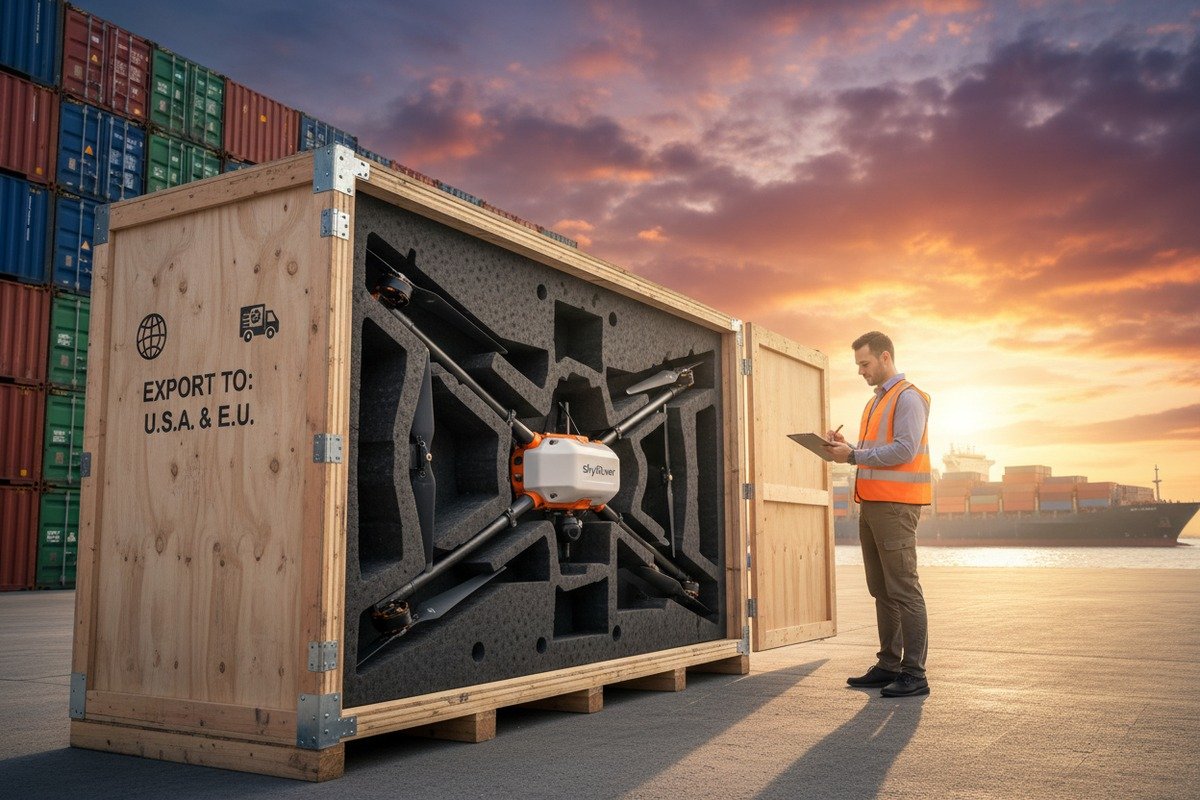
Sample fee refunds for new distributors typically require exclusive territory agreements, minimum annual purchase commitments of $100,000 or more, and formal distributor contracts. Full refunds are processed after distributors meet first-year sales targets, usually within 30-60 days of target achievement.
Refund vs. Deduction: Key Differences
Understanding the distinction between refunds and deductions helps you choose the right approach for your situation.
Deductions reduce your bulk order invoice immediately. The sample fee disappears from your next purchase. This approach works well for one-time transactions or informal buyer relationships.
Refunds return actual money to your account after meeting conditions. This approach suits formal distributor partnerships 6 with ongoing commitments. You receive the full sample fee back as cash rather than purchase credit.
Most distributors prefer deductions because they're simpler. Refunds make sense when you need cash flow flexibility or when partnership terms span multiple years.
Qualifying for Distributor Refund Programs
Manufacturers set qualification standards for refund programs. Meeting these standards demonstrates serious partnership intent.
Common requirements include:
- Signed exclusive or semi-exclusive territory agreement
- Minimum annual purchase commitment ($100,000-$500,000)
- Marketing and sales capability demonstration
- Financial stability verification
- Technical support capacity confirmation
Our distributor program 7 requires applicants to submit business plans showing how they'll develop their territory. We want partners who grow markets, not just buy products.
Refund Processing Timelines
After meeting qualification requirements, refund processing follows established timelines. Typical schedules work like this:
- Application approval: 2-4 weeks
- Contract signing: 1-2 weeks
- First bulk order delivery: 4-8 weeks
- Sales target verification: 12 months
- Refund processing: 30-60 days after verification
The total timeline from sample order to refund often exceeds 18 months. This reflects the serious nature of distributor partnerships and ensures both parties commit fully.
Protecting Yourself in Refund Agreements
Refund agreements should include clear performance metrics 8 and dispute resolution mechanisms. Ambiguous terms create problems later.
Insist on written definitions of sales targets. Does the target measure units sold, revenue generated, or end-user registrations? Each metric produces different outcomes.
Include provisions for market conditions beyond your control. Economic downturns, regulatory changes, or competitor actions may affect your ability to meet targets. Fair agreements acknowledge these factors.
Request progress reviews at 6-month intervals. Early feedback helps you adjust strategies before targets become unreachable. Manufacturers benefit from these reviews too because they identify market development support needs.
Schlussfolgerung
Sample fees represent an investment in partnership potential, not just product evaluation. Understanding pricing structures, deduction policies, customization impacts, and refund programs helps you maximize value from every dollar spent. Contact our team to discuss sample options tailored to your market development goals.
Fußnoten
1. FAO overview of drone technology applications in modern precision agriculture. ︎
2. Official European Commission guidelines on CE marking for products entering the Single Market. ︎
3. Wikipedia entry describing the physical structure and components of unmanned aerial vehicles. ︎
4. Wikipedia background on user interface design and software customization for digital systems. ︎
5. WIPO’s primary resource for understanding global intellectual property rights and legal frameworks. ︎
6. US government resource for establishing international distribution and sales channels. ︎
7. International Trade Administration guidance on developing global export and distributor programs. ︎
8. Wikipedia definition and examples of performance metrics used in business and engineering. ︎

 English
  Spanish
  German
  French
  Dutch
Dutch  Arabic
