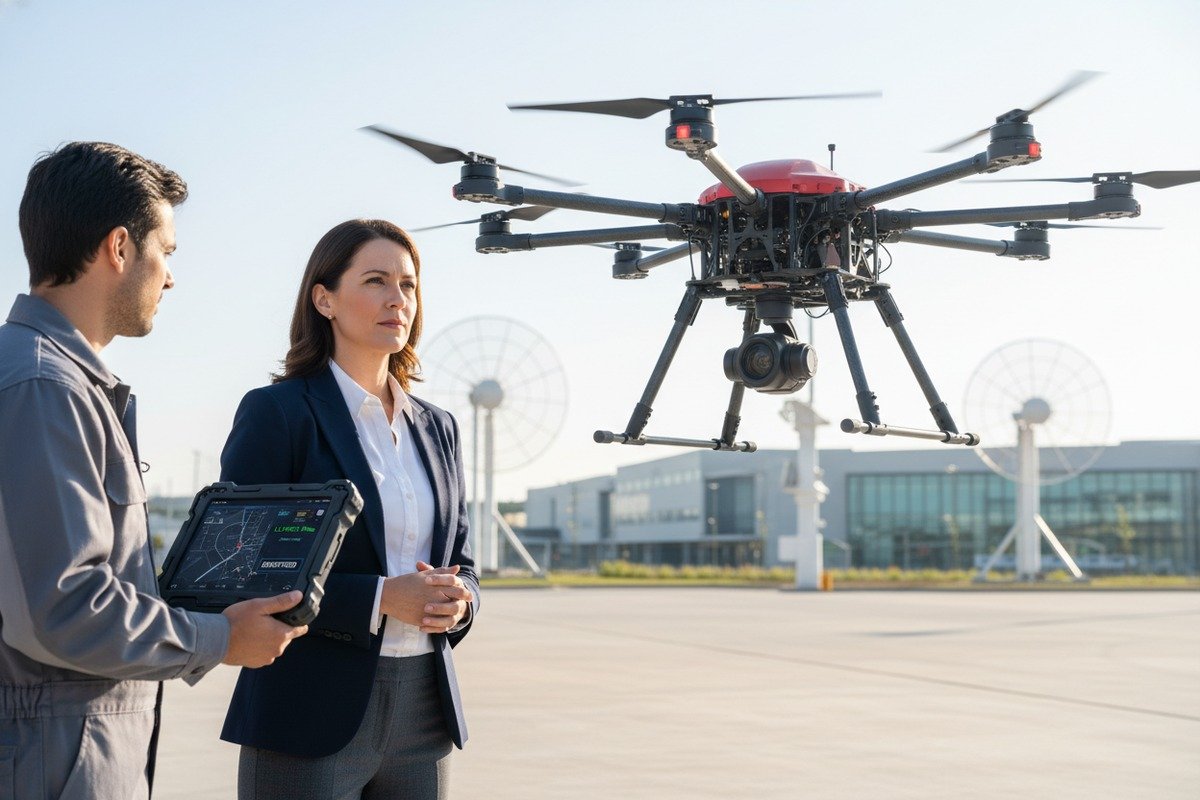
When our engineering team first designed remote takeover systems for Brandbekämpfungsdrohnen 1, we learned that procurement managers rarely ask the right questions. This leads to expensive surprises during actual emergencies.
To inquire effectively about remote takeover and control, ask vendors about signal latency metrics, manual override protocols, cybersecurity encryption standards, integration capabilities with your command software, and failover mechanisms during signal loss. Request live demonstrations simulating emergency conditions before finalizing procurement decisions.
This guide breaks down the essential questions you need to ask cybersecurity encryption standards 2. Each section covers a critical aspect of remote control systems that directly impacts firefighting operations.
How do I verify the stability of a drone's remote takeover system during a high-stakes fire emergency?
During factory testing, we push our flight controllers through extreme interference scenarios. Many buyers assume stability means "it works most of the time." In fire emergencies, that approach fails.
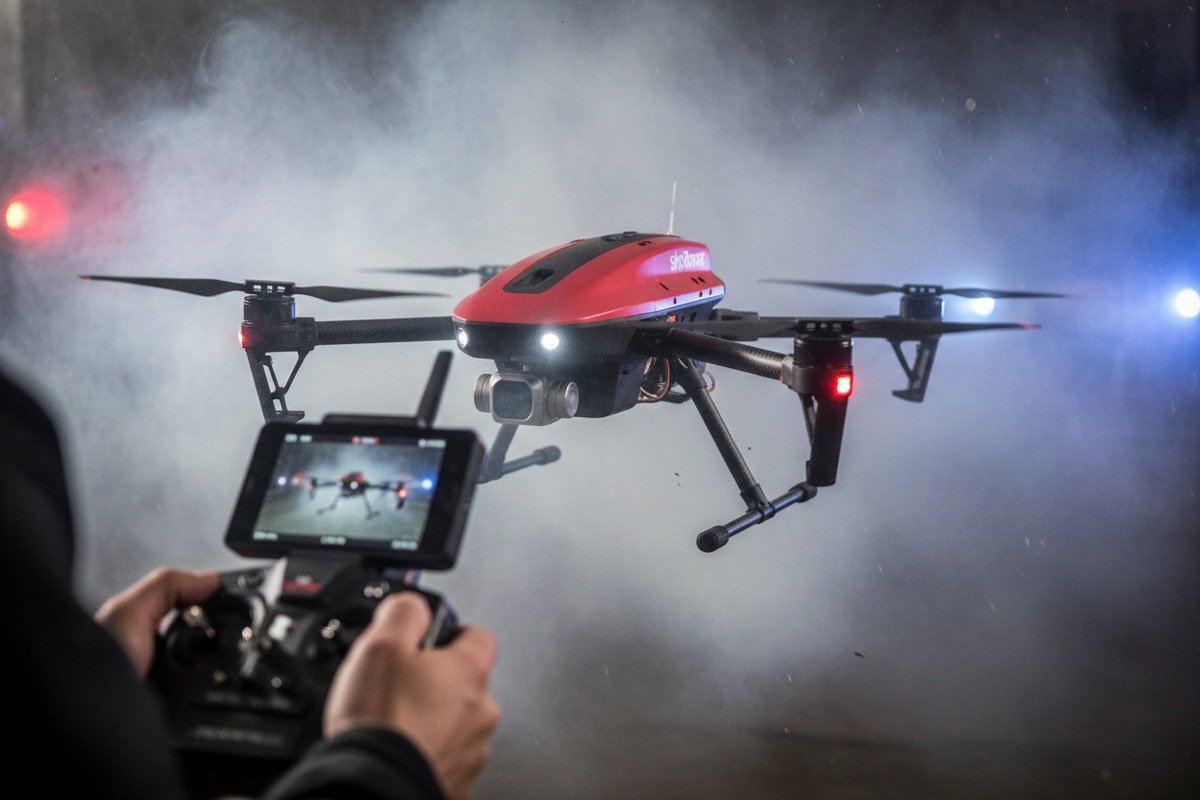
Verify stability by requesting documented latency tests under interference, reviewing failsafe protocols for signal loss, checking redundant communication pathways, and demanding live demonstrations in smoke-simulated environments. Stable systems maintain sub-200ms response times and auto-return functions when connections drop unexpectedly.
Understanding What "Stability" Really Means
Stability in remote takeover systems involves three core elements. First, consistent signal transmission regardless of environmental interference. Second, predictable behavior when connections degrade. Third, smooth transitions between autonomous and manual control modes.
Our quality control team tests every unit against these criteria. But you should verify independently. Ask vendors for third-party test reports. Request access to flight logs from previous deployments.
Key Metrics to Request From Vendors
| Stability Metric | Acceptable Range | Warum es wichtig ist |
|---|---|---|
| Command Latency | Under 200ms | Delayed responses cause crashes during rapid maneuvers |
| Signal Recovery Time | Under 3 seconds | Longer gaps lose situational awareness |
| Failsafe Trigger Time | Under 1 second | Slow triggers risk uncontrolled flight |
| Interference Tolerance | -100 dBm sensitivity | Weak tolerance fails near power lines |
| Handover Completion | Under 500ms | Slow handovers lose critical seconds |
Practical Verification Steps
Start by asking for documented stress test results. Reputable manufacturers like us maintain detailed logs. These show performance under rain, wind, electromagnetic interference, and smoke conditions.
Next, request a live demonstration. Do not accept polished videos. Insist on seeing the actual unit perform manual takeover from autonomous mode. Time the transition yourself.
Finally, check the redundancy architecture. Single-point failures are unacceptable. Our systems use dual communication links. If one fails, the other maintains control. Ask if your potential supplier offers similar protection.
Rote Flaggen, auf die man achten sollte
Be cautious if vendors cannot provide specific latency numbers. Vague answers like "very fast" indicate inadequate testing. Also watch for reluctance to demonstrate failsafe modes. If they won't show you what happens during signal loss, assume the worst.
Can I integrate my own command software into the drone's remote control interface?
Our development team collaborates with fire departments across Europe and North America on custom integrations. Some want their existing dispatch software to control drone fleets. Others need specialized data overlays. Integration flexibility determines long-term value.
Yes, integration is possible if the drone system offers open APIs, SDK access, and standard communication protocols. Ask vendors about MAVLink compatibility, REST API documentation, and whether they support custom ground control station development. Request integration case studies from similar deployments.

Why Integration Matters for Fire Departments
Fire departments rarely operate in isolation. Your drones must communicate with dispatch systems, GIS platforms, incident command software, and multi-agency networks. Closed systems create data silos. Open systems enable seamless information flow.
When we work with clients on custom development, integration planning starts before hardware selection. This prevents costly workarounds later.
Technical Requirements for Successful Integration
| Integration Component | Standard Protocol | Questions to Ask |
|---|---|---|
| Flight Control | MAVLink 2.0 | "Do you support full MAVLink command set?" |
| Video Streaming | RTSP/RTMP | "Can we redirect streams to our servers?" |
| Telemetry Data | JSON/REST API | "Is API documentation publicly available?" |
| Command Handover | Custom SDK | "Do you provide SDK source code access?" |
| Fleet Management | Cloud API | "Can we host the management server locally?" |
Evaluating API and SDK Quality
Not all APIs are equal. Some vendors offer limited read-only access. Others provide full command capabilities. During procurement, request the complete API documentation. Review it with your IT team before signing contracts.
Good SDK packages include sample code, debugging tools, and active developer support forums. Ask how many external developers currently use their SDK. Low numbers suggest poor documentation or limited capabilities.
Integration Case Study Questions
Ask vendors for references from similar integrations. Contact those references directly. Key questions include: How long did integration take? What unexpected challenges arose? Does the vendor provide ongoing support for custom implementations?
Our team maintains dedicated integration engineers for client projects. We recommend confirming similar support structures with any vendor you consider.
Data Ownership and Security Considerations
Integration involves data sharing. Clarify who owns the flight data, video recordings, and telemetry logs. Some vendors claim ownership of data generated through their systems. This creates legal complications for government agencies.
Also verify encryption standards for API communications. Unencrypted data streams during integration create cybersecurity vulnerabilities.
What should I ask my supplier about signal latency and range for remote firefighting operations?
When we calibrate our communication modules, we test against real-world interference patterns from fire scenes. Standard specifications often assume ideal conditions. Firefighting environments are never ideal.
Ask suppliers about effective range under interference, latency measurements in high-EMI environments, frequency hopping capabilities, and whether they support multiple communication bands. Request test data from actual fire deployments, not just laboratory conditions. Confirm ranges account for smoke, heat, and competing radio signals.

Understanding Range Specifications
Manufacturers quote maximum ranges under optimal conditions. These numbers mislead procurement decisions. A drone rated for 5 miles in open fields might only achieve 2 miles near burning structures with metal framing.
Our specification sheets include both optimal and degraded-condition ranges. Ask every vendor to clarify this distinction.
Critical Latency Questions
| Latency Type | Target Value | Impact on Operations |
|---|---|---|
| Video Feed Delay | Under 150ms | Higher delays cause navigation errors |
| Command Response | Under 100ms | Slow responses risk collision during manual control |
| Telemetry Update | Under 200ms | Outdated position data misleads commanders |
| Takeover Transition | Under 300ms | Longer transitions lose situational control |
Frequency and Interference Considerations
Fire scenes contain multiple radio sources. Emergency responders use VHF/UHF radios. Pumper trucks generate electromagnetic noise. Power lines create interference zones.
Ask vendors which frequency bands their systems use. Dual-band systems operating on both 2.4GHz and 5.8GHz offer better interference resistance. Some professional systems add 900MHz links for extended range.
Frequency hopping spread spectrum technology 5 improves reliability. Our controllers cycle through multiple channels automatically. This prevents sustained interference from blocking communications.
Range Extension Options
Some operations require ranges beyond standard specifications. Ask about antenna upgrade options. Directional antennas extend range in specific directions. Omnidirectional antennas maintain coverage flexibility.
Also inquire about relay drone capabilities. For very large wildfires, intermediate drones can extend communication range by acting as signal repeaters.
Documentation to Request
Before finalizing procurement, request these documents: range test reports from independent laboratories, latency measurements under interference conditions, frequency allocation compliance certificates for your operating region, and field deployment case studies showing actual achieved ranges.
How will my team receive technical support if the remote handover functionality fails in the field?
Our support center operates across time zones specifically because firefighting emergencies ignore business hours. When we export to the US, clients need immediate assistance regardless of the time difference with China.
Ensure your vendor provides 24/7 technical support hotlines, remote diagnostic capabilities, on-site service response time guarantees, spare parts availability commitments, and documented troubleshooting procedures. Request support SLA terms in writing with penalty clauses for response failures.

Why Field Support Determines Operational Success
Remote handover failures during active fires create life-threatening situations. Your team cannot wait 48 hours for email responses. They need immediate expert guidance to restore functionality or implement manual workarounds.
Our experience shows that most field failures stem from software glitches or configuration errors. These resolve quickly with proper remote support. Hardware failures require replacement units, making spare parts logistics equally critical.
Support Response Time Benchmarks
| Support Level | Reaktionszeit | Resolution Target | When Needed |
|---|---|---|---|
| Critical Emergency | Under 15 minutes | Same-call guidance | Active fire deployment failure |
| High Priority | Under 2 hours | Same-day resolution | Pre-deployment system errors |
| Standard | Under 24 hours | 3-day resolution | Training or configuration questions |
| Wartung | Under 72 hours | Scheduled service | Routine updates and calibration |
Remote Diagnostic Capabilities
Modern drone systems support remote diagnostics. Our controllers can connect to support servers for real-time troubleshooting. remote diagnostic capabilities 6 Ask vendors if they offer similar capabilities.
Key questions include: Can support engineers access flight controller logs remotely? Can they push firmware updates during support calls? Do they provide screen-sharing for ground station software troubleshooting?
Spare Parts and Replacement Policies
Field repairs require parts availability. Ask vendors about regional spare parts depots. Shipping from China to the US takes time. Pre-positioned inventory in your region enables faster repairs.
Also clarify warranty coverage for field-replaced components. Some vendors void warranties if non-certified technicians perform repairs. Others provide training for your maintenance staff.
Service Level Agreement Essentials
Get support commitments in writing. Verbal promises mean nothing during crises. Your SLA should specify response times, escalation procedures, penalty clauses for missed targets, and coverage hours. Service Level Agreement Essentials 7
Our standard contracts include 24/7 emergency support with 15-minute response guarantees. We recommend requiring similar terms from any vendor you evaluate.
Training and Self-Sufficiency
The best support structure empowers your team to resolve common issues independently. Ask vendors about operator training programs, maintenance certification courses, and troubleshooting documentation quality.
Well-trained teams reduce support dependency. They resolve minor issues immediately and provide better diagnostic information when escalation becomes necessary.
Schlussfolgerung
Remote takeover and control capabilities determine whether your firefighting drones perform reliably during emergencies. Ask detailed questions about stability, integration, latency, range, and support. Demand documented evidence rather than marketing claims. Your procurement decisions today shape operational safety for years ahead.
Fußnoten
1. Provides a comprehensive overview of drone applications in firefighting. ︎
2. Offers authoritative best practices for securing commercial unmanned aircraft systems. ︎
3. Explains the importance of duplicated communication systems for drone reliability. ︎
4. Official documentation detailing the features and benefits of the MAVLink 2.0 protocol. ︎
5. Wikipedia provides a clear and concise explanation of this radio signal transmission method. ︎
6. Highlights a product feature that includes remote diagnostics for drone systems. ︎
7. Defines key elements and types of Service Level Agreements from a major cloud provider. ︎

 English
  Spanish
  German
  French
  Dutch
Dutch  Arabic
