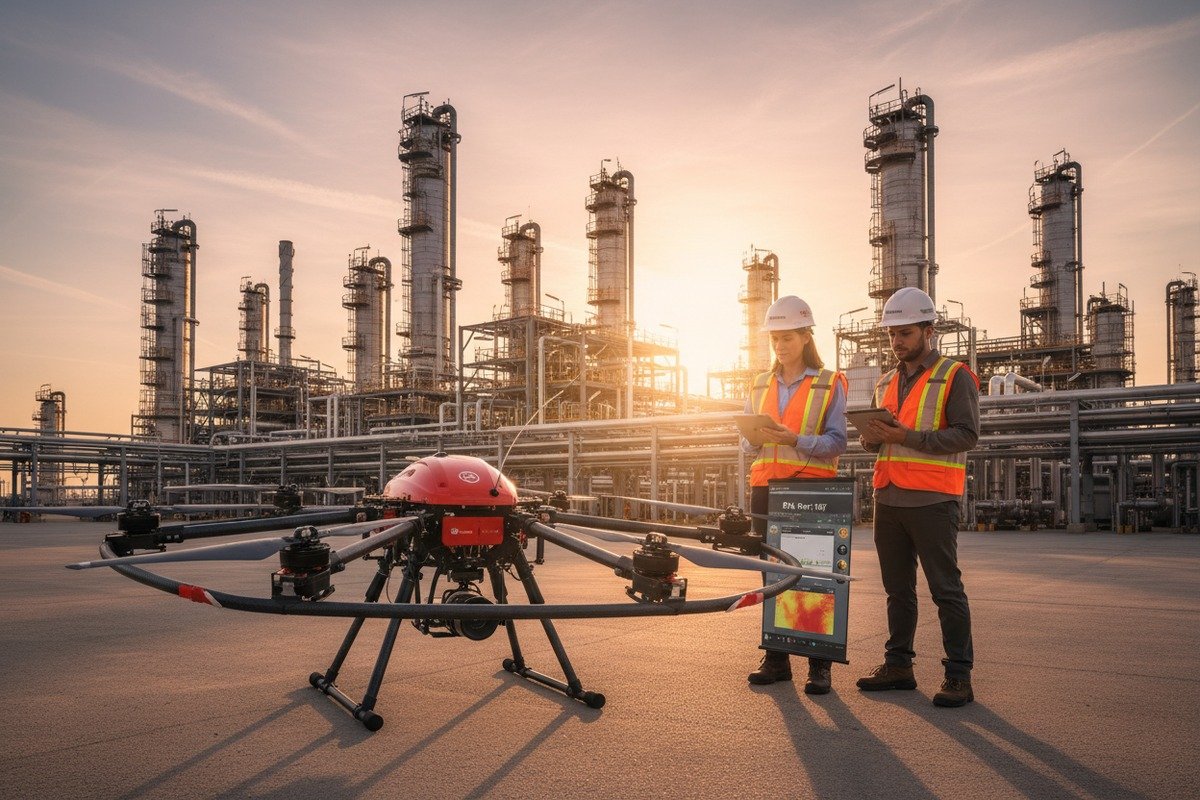
When our engineering team first started developing firefighting drones for international markets, we quickly learned that US energy buyers face a maze of regulations IP54 or higher weather ratings 1. The wrong supplier choice can mean grounded fleets, compliance failures, and serious safety risks at power plants or oil facilities.
To evaluate firefighting drone suppliers for US energy industry safety regulations, verify FAA Part 107 compliance, BVLOS waiver readiness, thermal imaging capabilities, cybersecurity protocols, and documented experience serving utilities or oil/gas clients. Confirm door-to-door export expertise and long-term technical support infrastructure.
This guide walks you through the critical checkpoints Export Administration Regulations 2. We will cover certifications, engineering capabilities, export logistics, and after-sales support. Each section gives you practical questions to ask any supplier before signing a contract.
What certifications should I look for to ensure my firefighting drone supplier complies with US energy safety standards?
Our quality control team spends significant time ensuring every unit leaving our facility meets international standards. But we have seen buyers struggle when suppliers cannot prove their certifications match US requirements. Missing paperwork can delay your entire project.
Look for FAA Part 107 compliance documentation, BVLOS waiver readiness, FCC certification for radio communications, IP54 or higher weather ratings, and any UL or NFPA-related safety certifications. For nuclear facilities, verify the supplier understands NRC drone sighting protocols and no-fly zone requirements.
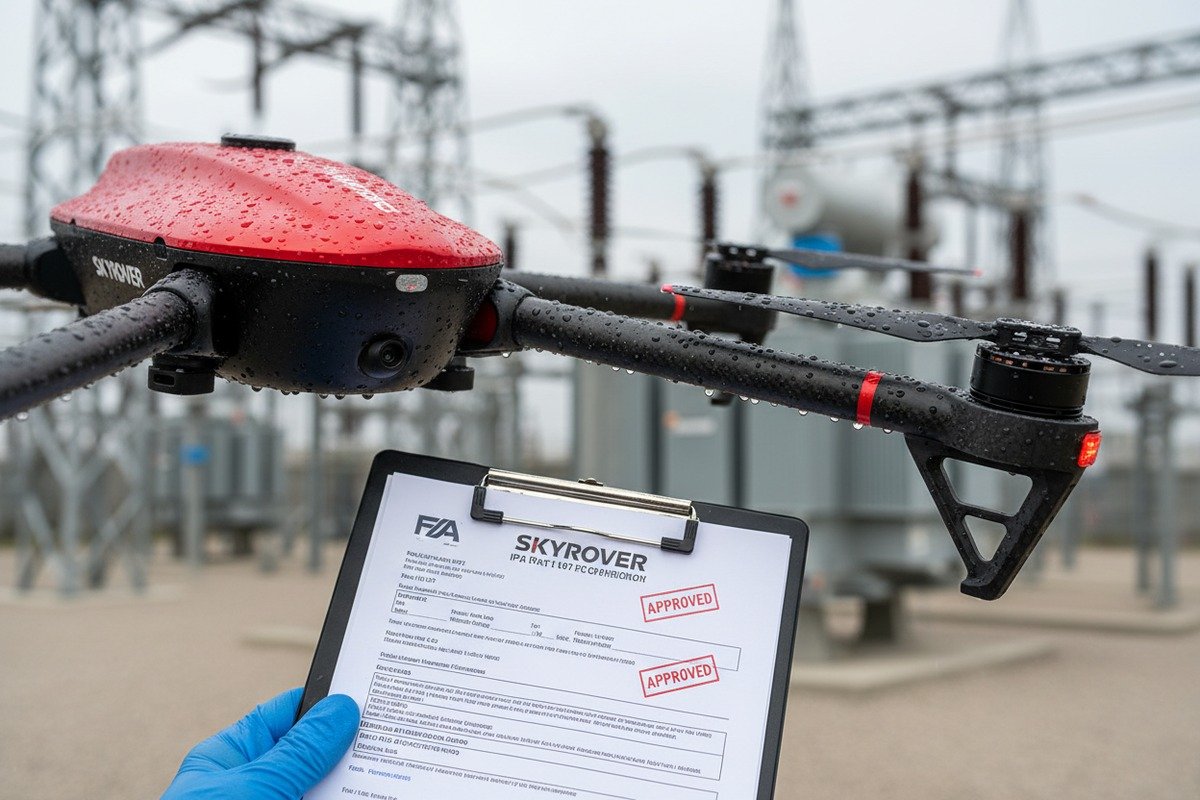
FAA Compliance Is Non-Negotiable
The Federal Aviation Administration governs all drone operations in US airspace. FAA Part 107 compliance 3 Your supplier must design drones that support Part 107 certified pilots. This means clear flight parameter limits, proper weight classification, and built-in geofencing capabilities.
Drones weighing between 0.55 and 55 pounds require FAA registration. Operations are typically limited to 400 feet in Class G airspace. However, energy infrastructure often demands BVLOS operations. BVLOS waiver readiness 4 Ask suppliers directly: "Can your drone system support our BVLOS waiver application with required safety documentation?"
Checkliste für kritische Zertifizierungen
| Zertifizierung | Zweck | Why It Matters for Energy |
|---|---|---|
| FAA Part 107 Support | Legal flight operations | Required for all commercial ops |
| FCC Certification 5 | Einhaltung von Funkfrequenzen | Ensures communication reliability |
| IP54+ Rating | Dust/water resistance | Critical for outdoor fire response |
| CE/FCC Marks | Elektromagnetische Verträglichkeit | Prevents interference with plant systems |
| NDAA Compliance | Security standards | Required by many US government contractors |
Energy-Specific Requirements
Nuclear power plants fall under NRC jurisdiction. Since 2024, facilities must report drone sightings. Your supplier should understand these restrictions. They should provide documentation proving their drones will not trigger security alerts when operating in approved zones.
For oil and gas facilities, intrinsically safe certifications 6 matter. Ask about explosion-proof ratings if operating near flammable materials. Some suppliers offer specialized housings for hazardous environments.
Red Flags to Watch
Avoid suppliers who cannot produce actual certification documents. Verbal assurances are not enough. Request copies of test reports, compliance letters, and third-party audit results. If a supplier hesitates, that tells you something important.
How can I verify if a drone manufacturer has the engineering expertise to customize hardware for my specific industrial safety needs?
When we collaborate with clients on custom development projects, the first conversations always focus on their unique operational challenges. A refinery fire behaves differently than a substation incident. Your drone system should reflect those differences.
Verify engineering expertise by requesting detailed case studies from energy sector projects, reviewing their R&D team credentials, asking for pilot testing in simulated scenarios, and confirming their ability to integrate custom payloads like specialized thermal cameras or fire suppressant delivery systems.
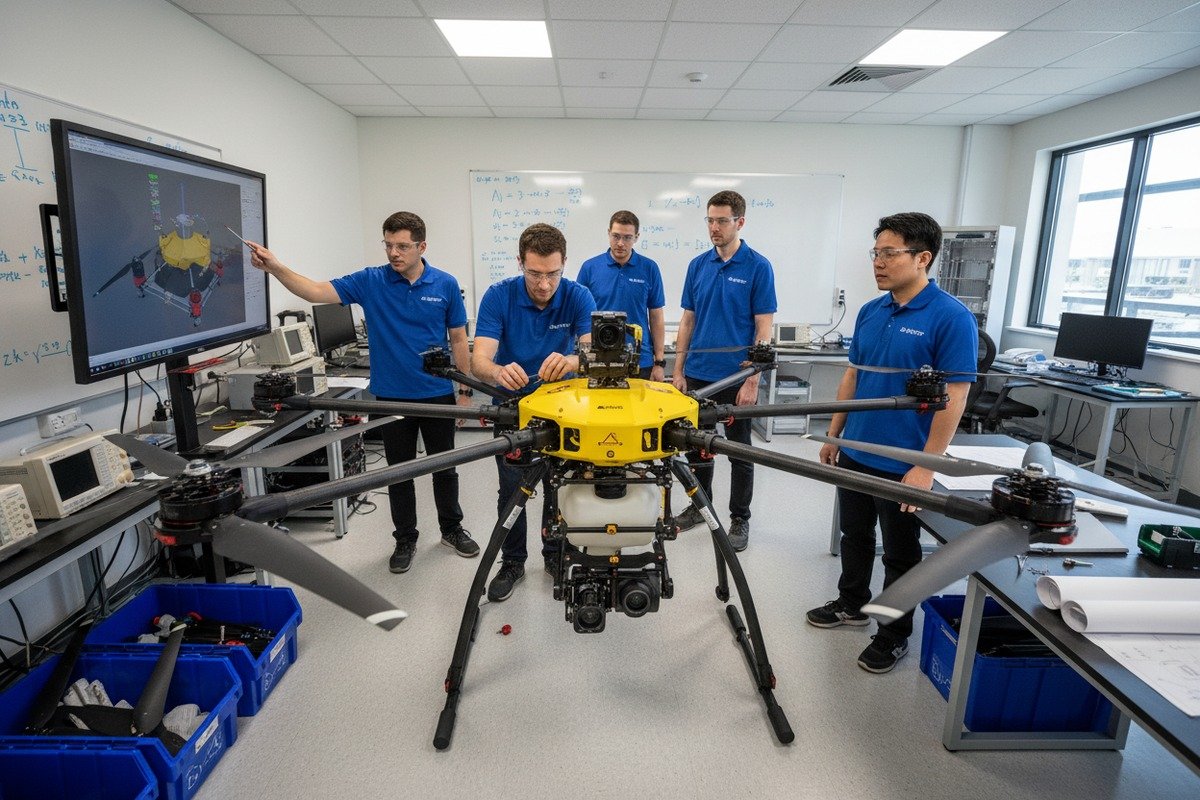
Assessing Technical Capabilities
Start by asking about their engineering team size and qualifications. Our facility employs dedicated firmware developers, mechanical engineers, and flight control specialists. A capable supplier should have similar depth.
Request specific examples of customization work. Have they modified flight controllers for extended hover time? Can they integrate third-party thermal cameras? Do they offer custom mounting solutions for fire suppressant payloads?
Key Technical Specifications to Evaluate
| Spezifikation | Mindeststandard | Premium Standard |
|---|---|---|
| Flugausdauer | 30 minutes | 45+ minutes |
| Nutzlast Kapazität | 5 kg | 15+ kg |
| Thermische Auflösung | 640×512 Pixel | 1280×1024 pixels |
| Windwiderstand | 10 m/s | 15 m/s |
| Operating Temperature | -10°C to 40°C | -20°C to 50°C |
Questions That Reveal True Expertise
Ask these questions during your evaluation:
- "Can you modify the gimbal to accommodate our existing thermal camera system?"
- "What is your process for validating flight controller changes?"
- "Do you have experience integrating with SCADA systems or utility management software?"
- "Can you demonstrate autonomous waypoint missions in GPS-denied environments?"
Suppliers with genuine expertise will answer confidently with specific examples. Vague responses suggest limited capabilities.
Testing Before Commitment
Request pilot testing opportunities. A reliable manufacturer will arrange demonstrations. They should show the drone performing tasks relevant to your operations. If possible, test in conditions similar to your actual work environment.
Our team regularly conducts factory acceptance tests with international clients. We simulate emergency scenarios and verify all systems perform as specified. This approach catches issues before deployment.
Integration With Existing Systems
Energy companies typically use incident command systems like NIMS/ICS. Your drone's data transmission must integrate seamlessly. Ask suppliers about their experience connecting to emergency management software platforms.
Real-time video streaming to incident commanders is essential. Confirm latency specifications. Delays exceeding 500 milliseconds can compromise decision-making during fast-moving fire events.
What questions should I ask about a supplier's export experience to guarantee secure customs clearance and door-to-door delivery to the US?
Our logistics team has handled hundreds of shipments to US ports. We have learned that customs delays often stem from incomplete documentation rather than product issues. The right questions upfront prevent costly holdups.
Ask about their US import experience, required export licenses, documentation packages for lithium battery shipments, familiarity with ITAR/EAR regulations, insurance coverage during transit, and their process for resolving customs holds. Confirm they provide complete HS code documentation and end-user certificates.

Understanding Export Documentation
Drone exports involve complex regulations. Lithium batteries require special handling and documentation. Your supplier should provide:
- Dangerous goods shipping declarations
- Battery test reports (UN38.3-Zertifizierung 7)
- Commercial invoices with accurate HS codes
- Packing lists with serial numbers
- End-user certificates when required
Critical Export Questions
| Frage | Warum es wichtig ist | Akzeptable Antwort |
|---|---|---|
| "How many US shipments have you completed this year?" | Proves active experience | Specific number with documentation |
| "Who handles customs brokerage?" | Identifies responsibility | Named partner with contact info |
| "What happens if customs holds the shipment?" | Tests problem-solving | Clear escalation process |
| "Do you provide tracking visibility?" | Ensures communication | Real-time tracking portal access |
| "What insurance coverage do you offer?" | Protects your investment | All-risk marine cargo insurance |
ITAR and EAR Considerations
Some drone components fall under International Traffic in Arms Regulations 8 or Export Administration Regulations. Sophisticated thermal imaging systems may require export licenses. Ask your supplier directly about their compliance status.
A knowledgeable supplier will already have export classifications for their products. They should explain which components require special handling and what documentation they provide to support your import process.
Delivery Timeline Expectations
Door-to-door delivery typically takes 7-14 days by air freight. Sea freight reduces costs but extends timelines to 30-45 days. Factor customs clearance time into your project schedule.
Our standard practice includes pre-clearance documentation review. We send complete paperwork packages before shipping. This allows your customs broker to prepare entry documents in advance, reducing port delays.
Protecting Your Shipment
Verify insurance coverage limits. Standard carrier liability often covers only a fraction of drone values. Request certificates of insurance showing adequate coverage for your order value.
Ask about packaging standards. Industrial drones require shock-resistant cases with proper cushioning. Moisture barriers protect electronics during ocean transit. Cut-rate packaging leads to damaged goods and warranty disputes.
How do I assess a supplier's long-term technical support and spare parts availability to prevent downtime in my energy operations?
When we design support programs for our clients, we think about the total cost of ownership. A drone that sits grounded waiting for parts costs more than the repair itself. Energy operations cannot afford extended downtime during fire season.
Assess long-term support by verifying spare parts inventory commitments, response time guarantees, remote diagnostic capabilities, firmware update policies, training program availability, and warranty terms. Request references from existing energy sector clients to validate actual support performance.

Building a Support Framework
Technical support extends far beyond answering phone calls. Your supplier should offer multiple support channels:
- 24/7 emergency hotline for critical issues
- Remote diagnostics via telemetry data
- Video-assisted troubleshooting sessions
- On-site technician deployment when needed
- Regular firmware updates with security patches
Spare Parts Strategy
Request a spare parts catalog with pricing. Calculate the cost of maintaining a local inventory versus relying on international shipments. For critical operations, keep common failure items on-site.
| Komponente | Typical Failure Rate | Recommended Stock |
|---|---|---|
| Propeller | High (impact damage) | 8-12 units |
| Motoren | Mittel | 2-4 units |
| Batterien | Medium (lifecycle) | 4-6 units |
| Camera gimbals | Niedrig | 1 unit |
| Flight controllers | Niedrig | 1 unit |
| ESCs | Mittel | 2-4 units |
Warranty and Service Agreements
Standard warranties typically cover 12 months. Energy operations should negotiate extended coverage. Our team offers multi-year service agreements that include preventive maintenance visits and priority parts allocation.
Review warranty exclusions carefully. Damage from unauthorized modifications, improper storage, or operation outside specified parameters usually voids coverage. Understand the boundary between warranty service and billable repairs.
Training and Certification
Comprehensive training prevents many support calls. Your supplier should provide:
- Initial operator certification courses
- Annual refresher training options
- Maintenance technician programs
- Software and mission planning tutorials
- Emergency procedure protocols
We have found that well-trained operators experience 60% fewer equipment issues than untrained users. Investing in training reduces long-term support costs significantly.
Bewertung der Supportqualität
Ask for references from existing energy sector clients. Contact them directly. Questions to ask references:
- "How quickly does the supplier respond to urgent issues?"
- "Have you experienced spare parts delays?"
- "Does the supplier proactively notify you about firmware updates?"
- "Would you purchase from them again?"
Reference checks reveal more than sales presentations ever will.
Cybersecurity in Support
Remote diagnostics require network connections. Verify your supplier's cybersecurity protocols. Data transmission should use encryption. Access controls should limit who can connect to your drone systems.
For energy infrastructure, unauthorized access represents serious risk. Your supplier should document their security practices and undergo regular audits. Ask for their cybersecurity policy documentation before signing contracts.
Schlussfolgerung
Evaluating firefighting drone suppliers for US energy applications requires systematic assessment across certifications, engineering capabilities, export logistics, and support infrastructure. Use this guide as your procurement checklist, and always verify claims with documentation and references before committing to any supplier partnership.
Fußnoten
1. International standard for ingress protection ratings. ︎
2. Official U.S. Department of Commerce regulations for dual-use item exports. ︎
3. Official FAA regulations for commercial drone operations. ︎
4. Official FAA page explaining Part 107 waivers, including Beyond Visual Line of Sight (BVLOS) operations. ︎
5. Official FCC requirements for radio frequency device certification. ︎
6. Wikipedia article providing an overview of intrinsic safety and related certifications, as a direct government source was not found. ︎
7. Reputable testing and certification company explaining UN 38.3 testing for lithium batteries. ︎
8. Official U.S. Department of State page from the Directorate of Defense Trade Controls explaining ITAR. ︎

 English
  Spanish
  German
  French
  Dutch
Dutch  Arabic
