
When our production team ships sample drones overseas, we notice many first-time buyers struggle to judge supplier quality FCC, CE, FAA compliance 1. They focus on hardware specs but overlook communication patterns. This mistake costs time and money.
Beginners should evaluate supplier communication by testing response times, technical depth, problem-solving speed, and transparency about certifications. Request samples, ask detailed questions, and observe how suppliers handle issues. Strong communication during sampling predicts reliable long-term partnerships and smooth bulk orders.
This guide walks you through practical ways to assess supplier communication at each stage. You will learn what questions to ask, what red flags to avoid, and how to build confidence before committing to larger purchases.
How do I know if the supplier's technical team can actually solve my agricultural drone issues?
Many buyers receive samples that work fine initially. Problems appear during field testing. At that point, you discover whether your supplier's technical team can truly help or just send generic replies.
You can verify technical capability by asking specific questions about your farming conditions, requesting remote troubleshooting sessions, and checking if engineers provide calibration guidance. Competent teams offer detailed solutions within 24-48 hours. They understand crop types, spray patterns, and payload adjustments.

Testing Technical Depth Before Purchase
From our experience building Fluglotsen 2, we know buyers should probe beyond surface-level questions. Ask about spray nozzle calibration 3 for specific crop heights. Inquire about battery performance in high temperatures. Request information about sensor accuracy at different altitudes.
Good technical teams respond with data, not marketing language. They mention specific numbers like spray rates, coverage per battery cycle, and maximum wind resistance. Poor teams give vague answers like "our drone works great for all crops."
Key Questions to Ask Technical Support
| Frage Kategorie | Example Question | What Good Answers Include |
|---|---|---|
| Calibration | How do I adjust spray width for cotton vs. corn? | Specific nozzle settings, height recommendations |
| Leistung | What flight time can I expect with 20L payload? | Actual test data, temperature variables |
| Fehlersuche | GPS signal drops in my valley. Solutions? | RTK options, external antenna suggestions |
| Software | Can I integrate with John Deere mapping? | API details, compatible formats |
| Wartung | How often should I replace motor bearings? | Hour intervals, inspection checklist |
Response Time Benchmarks
When our engineers receive technical queries, we aim for same-day responses on urgent matters. Industry standards suggest 24-48 hours for non-emergency questions. If a supplier takes a week to answer basic calibration questions, expect worse delays during actual problems.
Track response times during your sample testing period. Create a simple log noting when you sent questions and when answers arrived. This data helps you compare multiple suppliers objectively.
Remote Troubleshooting Capabilities
Modern suppliers should offer video call support. Screen sharing helps diagnose software issues. Some provide remote access to flight logs for analysis. During sample testing, request at least one remote session to evaluate this capability.
We have found that suppliers who invest in remote support infrastructure typically maintain better trained teams. They use ticketing systems, knowledge bases, and dedicated technical account managers.
Can I rely on the supplier to handle my specific OEM and custom packaging requests?
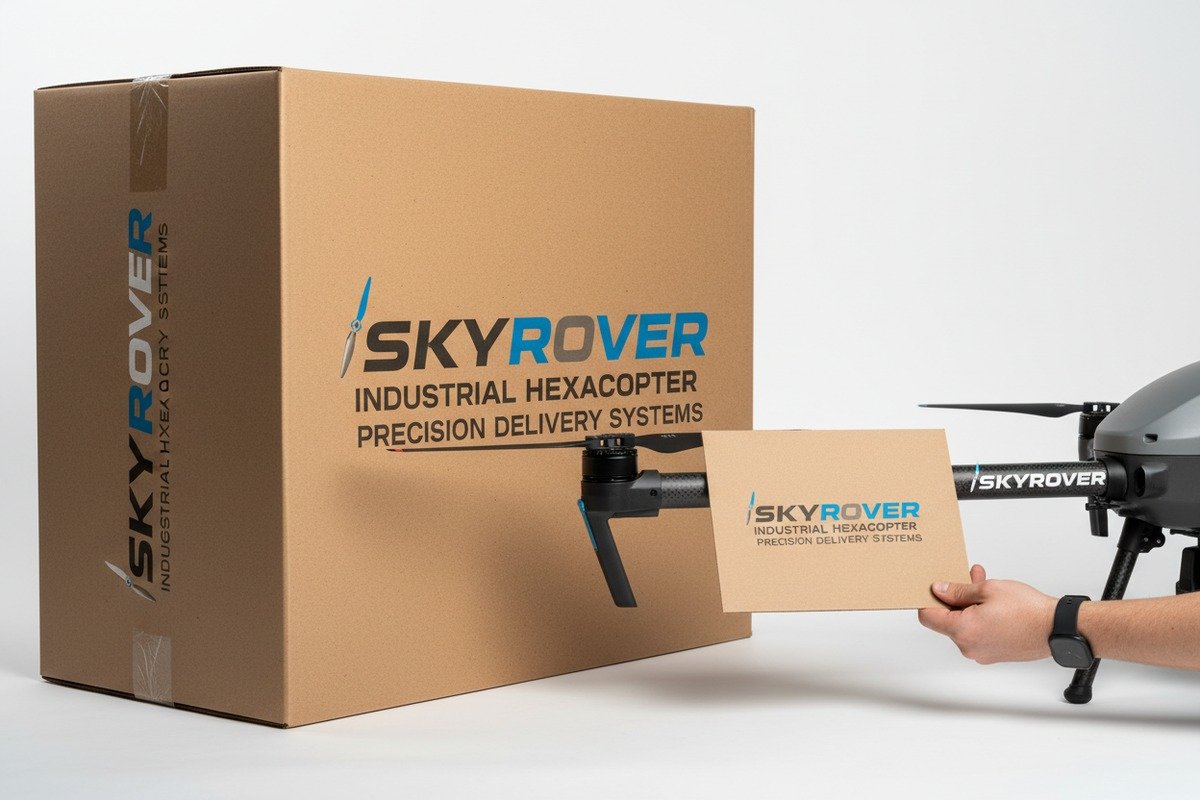
Buyers importing drones for resale need their brand on products. Custom packaging matters for retail presentation. Yet many suppliers promise OEM-Dienste 4 they cannot deliver properly.
Reliable OEM suppliers discuss minimum order quantities upfront, share previous branding examples, provide packaging mockups before production, and communicate clearly about lead times. Test this by requesting sample packaging with your logo. Quality suppliers deliver accurate mockups within two weeks.
Understanding OEM Communication Standards
Our design team handles hundreds of OEM requests yearly. We learned that clear communication prevents costly mistakes. Good suppliers ask detailed questions about your brand guidelines 5, color specifications, and label placement preferences.
Watch for suppliers who accept OEM requests without asking questions. This suggests they will guess rather than verify requirements. You may receive products with wrong colors, misspelled names, or poorly positioned logos.
OEM Evaluation Checklist
| OEM Aspect | Questions to Ask | Rote Fahnen |
|---|---|---|
| Logo placement | Where exactly will my logo appear? Can I see examples? | Vague answers, no photo samples |
| Color matching | Do you use Pantone codes? Can you match RAL colors? | "We will try to match" without specifics |
| Packaging design | Who designs the box? Do I approve before printing? | No approval process mentioned |
| Dokumentation | Will user manuals have my brand name? | Generic manuals only |
| Minimum quantities | What MOQ for OEM vs. standard products? | Unclear or changing requirements |
Timeline Communication
Custom work requires realistic timelines. From first design to finished product, OEM orders typically need 4-6 weeks beyond standard production time. Suppliers who promise faster delivery without explaining how should raise concerns.
Request a detailed timeline breakdown. It should include design approval stages, production phases, quality checks, and shipping preparation. Good suppliers provide milestone updates without you asking.
Sample Packaging Tests
Before bulk orders, request sample packaging with your branding. Pay attention to print quality, material durability, and assembly precision. The sample reveals production capabilities and attention to detail.
Communication during this process matters. Note how quickly they respond to revision requests. Count how many rounds of changes they accept. Professional suppliers expect two to three revision cycles as normal.
Hidden Cost Transparency
Some suppliers quote low OEM prices then add fees for design work, printing plates, or packaging materials. Ask for complete cost breakdowns before agreeing. Transparent suppliers list all charges in initial quotes.
How can I test if the supplier will provide the correct export certifications for my drone sample?
Importing drones involves complex regulations. Without proper documentation, your shipment gets stuck at customs. Worse, you may face fines or product seizures. Testing certification capabilities during sampling prevents these disasters.
Verify certification competence by requesting copies of existing certificates during sample discussions. Ask specifically about FCC, CE, FAA compliance, and agricultural exemptions. Competent suppliers explain which documents apply to your region and provide them without hesitation. Request sample documentation with your sample shipment.

Critical Export Documents to Verify
When we prepare export shipments, documentation takes significant preparation time. Buyers should understand which papers they need and verify suppliers can provide them.
| Dokumenttyp | Zweck | Your Region |
|---|---|---|
| FCC Certification | Einhaltung von Funkfrequenzen | Vereinigte Staaten |
| CE-Kennzeichnung | Safety compliance | European Union |
| FAA Registration | Aircraft identification | Vereinigte Staaten |
| Part 107 Information | Commercial operation requirements | Vereinigte Staaten |
| EPA Compliance | Pesticide application equipment | Vereinigte Staaten |
| Phytosanitary Certificate | Agricultural equipment import | Verschiedene |
| Ursprungszeugnis | Trade agreement benefits | Verschiedene |
Testing Certification Knowledge
Ask your supplier which certifications your purchase needs. Suppliers with export experience name specific documents without hesitation. They explain which certificates they provide versus which you must obtain locally.
Inexperienced suppliers give vague answers like "we have all certifications" or "customs will handle everything." These responses indicate potential problems ahead.
The 2025 FCC Consideration
Recent FCC decisions 6 affect drone imports significantly. New foreign drone authorizations face restrictions. Ask suppliers directly how they address these changes. US-made components or established FCC approvals provide safer paths.
Our export team now includes FCC documentation in standard communication. We explain which models have existing authorizations and discuss compliance strategies for different scenarios.
Sample Shipment as Certification Test
Your sample shipment tests real export capabilities. Request that suppliers include copies of relevant certifications with the sample. Check if customs clearance proceeds smoothly. Delays or additional document requests reveal supplier limitations.
Document every communication about certifications. Note response times and accuracy. This record helps you decide about bulk orders and protects you if disputes arise.
Regional Regulation Awareness
Good suppliers understand destination country requirements without extensive explanation from you. They know European CE requirements differ from American FCC rules. They recognize that Agrardrohnen 7 face additional scrutiny regarding spray equipment compliance.
What signs should I look for to ensure the supplier offers long-term technical support after my purchase?
Sample testing reveals short-term support quality. But agricultural drones operate for years. You need confidence that support continues long after initial purchase excitement fades.
Evaluate long-term support potential by checking spare parts availability, software update policies, warranty terms, and training resources. Ask about support for discontinued models. Request references from customers who purchased two or more years ago. Suppliers committed to long-term relationships maintain parts inventory and update software regularly.

Spare Parts Availability Indicators
Our warehouse maintains parts for models we stopped producing five years ago. This commitment distinguishes manufacturers focused on customer success from those focused only on sales.
Ask suppliers these specific questions about parts:
| Parts Question | What Good Answers Include |
|---|---|
| How long do you stock parts for current models? | Specific year commitment, typically 5-7 years |
| Can I order individual components or only assemblies? | Both options available |
| What are typical parts shipping times? | 3-5 days for common items |
| Do you provide parts pricing lists? | Published prices, not "contact for quote" |
| What happens when a model is discontinued? | Advance notice, transition support |
Software Update Commitments
Agricultural drone software requires regular updates. Crop databases expand. Mapping algorithms improve. Bug fixes address field-discovered issues. Ask suppliers about their update history and future plans. software update policies 8
Request specific information about update frequency, backward compatibility, and fees. Some suppliers provide free updates for two years then charge annual fees. Others include lifetime updates. Know the terms before purchasing.
Training and Documentation Quality
Long-term support includes education resources. Quality suppliers maintain updated manuals, video tutorials, and training programs. Some offer certification courses for technicians.
During sample evaluation, access all available training materials. Assess their clarity, completeness, and currency. Outdated documentation suggests neglected support infrastructure.
Customer Reference Verification
Request contact information for customers who purchased similar products two or more years ago. Suppliers confident in their support provide references readily. Reluctance suggests problems they prefer hiding.
When contacting references, ask about support response times, parts availability, and overall satisfaction. One conversation with an experienced customer reveals more than weeks of supplier communication.
Community and Peer Support
Some manufacturers foster user communities through forums, social media groups, or annual meetings. These communities provide peer support that supplements official channels. Farmers share tips, troubleshoot together, and validate supplier claims.
Ask if such communities exist. Check their activity levels. Active communities indicate engaged customers and responsive manufacturers.
Contractual Support Guarantees
Verbal promises mean little without contractual backing. Request written documentation of support terms before bulk purchases. Include specifics about response times, parts availability guarantees, and software update commitments.
Schlussfolgerung
Evaluating supplier communication during sample sourcing protects your investment and builds successful partnerships. Test technical capabilities, verify OEM competence, confirm certification readiness, and assess long-term support commitment before bulk purchases.
Fußnoten
1. Provides official FAA regulations for commercial small unmanned aircraft systems. ︎
2. Explains the function and importance of flight controllers in drone technology. ︎
3. Provides fundamental principles and methods for agricultural sprayer calibration. ︎
4. Defines OEM services and their role in manufacturing and supply chains. ︎
5. Found a comprehensive resource defining and explaining brand guidelines from an academic-leaning platform. ︎
6. Explains recent FCC updates and exemptions regarding foreign-produced drone imports. ︎
7. Provides a comprehensive overview of agricultural drones and their applications. ︎
8. Highlights the importance of regular software updates for security and functionality. ︎

 English
  Spanish
  German
  French
  Dutch
Dutch  Arabic
