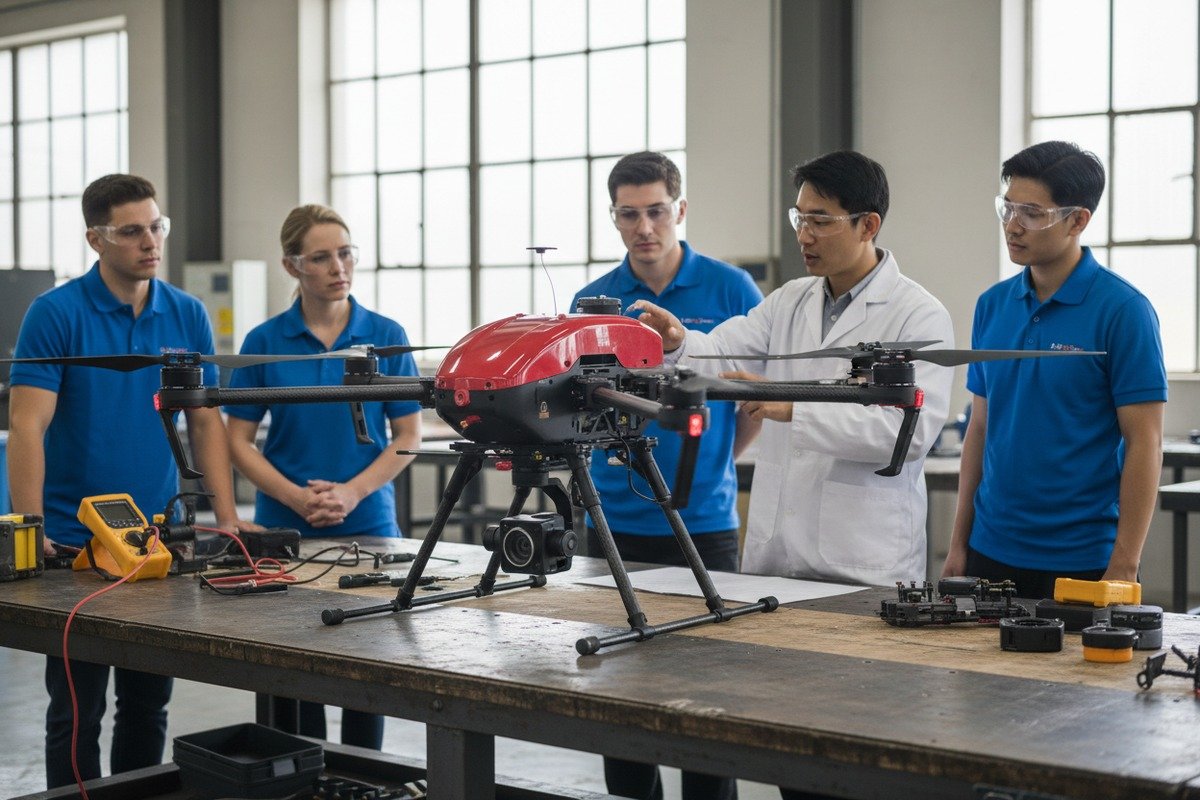
When our engineering team finishes assembling a Feuerlösch-Drohne 1, the job is only half done. US distributors often reach out with the same concern: “My technicians need to repair these units locally, but they lack the knowledge.” This gap between equipment delivery and ongoing maintenance capability creates real operational risks for fire departments relying on drone fleets.
Yes, reputable firefighting drone suppliers do provide comprehensive maintenance training for US distributor technicians. These programs typically include hands-on hardware courses, remote technical support systems, certification documentation, and ongoing access to spare parts with engineering guidance to ensure long-term fleet reliability.
The following sections break down exactly what training options exist, how remote support works, what certifications your team can earn, and how to build sustainable spare parts supply chains remote technical support systems 2. Let’s explore each component in detail.
Can I receive comprehensive maintenance training for my technical team from a Chinese firefighting drone manufacturer?
Every week, our customer service team fields calls from US procurement managers worried about the same issue official technician certifications 3. They invest in high-quality firefighting drones but struggle to keep them operational without factory support.
Yes, leading Chinese firefighting drone manufacturers offer comprehensive maintenance training programs for US distributor technicians. These programs cover mechanical systems, electrical components, firmware updates, and troubleshooting protocols, delivered through on-site sessions, online courses, and factory visits to ensure your team gains full technical competency.
What Training Formats Are Available?
Chinese manufacturers have developed multiple training delivery methods to accommodate different distributor needs. The most common formats include:
On-Site Training Programs
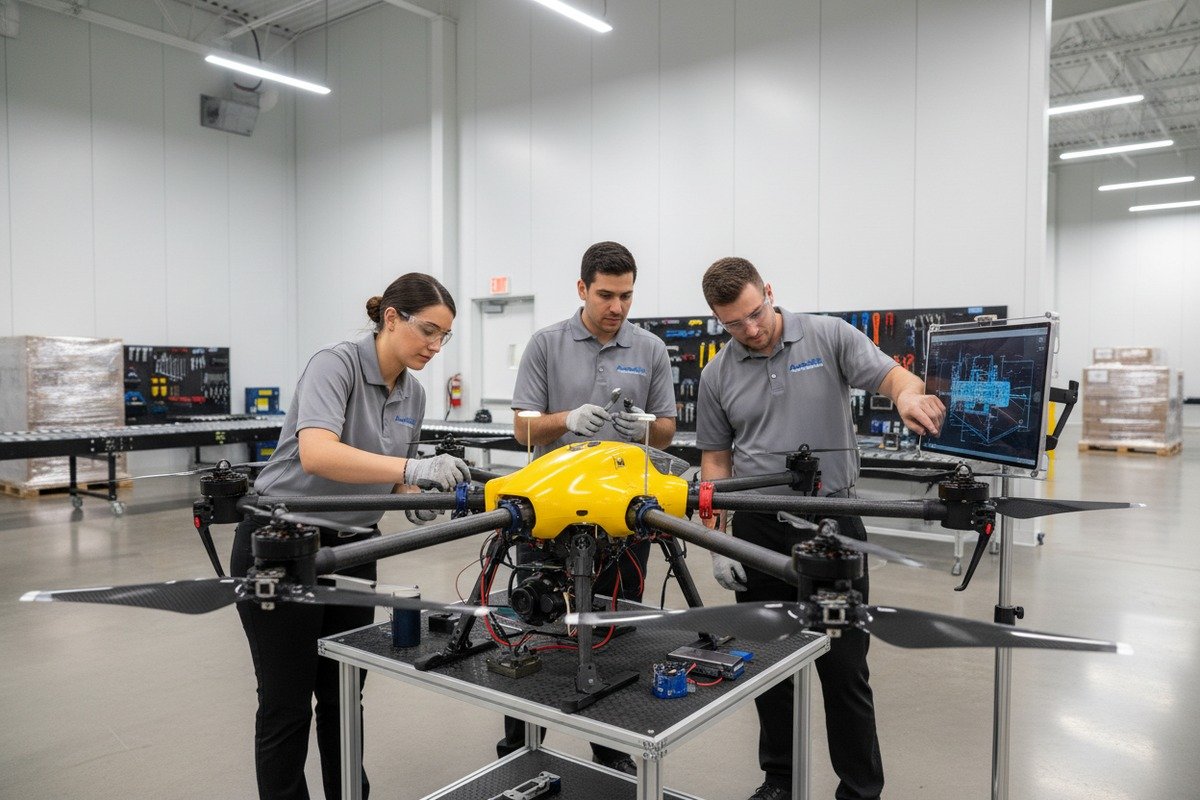
Our engineers travel to US distributor facilities for hands-on instruction. These sessions typically last three to five days. Technicians learn by working directly on actual drone units. They disassemble motors, calibrate sensors, and practice Firmware-Updates 4 under expert supervision.
Factory Training Visits
Some distributors send their senior technicians to China for intensive training. These week-long programs offer access to production lines, quality control labs, and R&D departments. Technicians observe how drones are built from scratch. This knowledge proves invaluable when diagnosing complex issues later.
Online Training Modules
Virtual training has grown significantly. Manufacturers now offer video libraries, live webinars, and interactive troubleshooting guides. These resources let technicians learn at their own pace. They can revisit complex topics whenever needed.
Training Curriculum Components
| Training Module | Dauer | Abgedeckte Fertigkeiten |
|---|---|---|
| Mechanical Systems | 8 hours | Frame inspection, motor replacement, propeller balancing, gimbal calibration |
| Electrical Systems | 10 hours | Wiring harness repair, battery management, ESC diagnostics, power distribution |
| Flugregler 5 | 6 hours | Firmware updates, parameter tuning, sensor calibration, GPS configuration |
| Integration der Nutzlast | 8 hours | Thermal camera setup, fire suppression system maintenance, communication links |
| Safety Protocols | 4 Stunden | Pre-flight checks, emergency procedures, regulatory compliance documentation |
Why This Training Matters
Fire departments cannot afford drone downtime during emergencies. When a unit fails, they need local technicians who can diagnose and fix problems fast. Without proper training, distributors must ship drones back to China for repairs. This process takes weeks. During that time, fire departments lose critical aerial capabilities.
Our training programs eliminate this bottleneck. Trained technicians handle 80% of repairs locally. Only the most complex issues require factory intervention. This approach keeps drones flying and fire departments protected.
What specific remote technical support options are available to help my staff troubleshoot complex drone hardware?
Distance creates challenges. When our drones operate thousands of miles from our factory, troubleshooting becomes complicated. US technicians face unfamiliar error codes and unexpected component failures without immediate expert access.
Remote technical support options include 24/7 video call assistance, screen-sharing diagnostic sessions, dedicated engineering hotlines, cloud-based telemetry analysis, and comprehensive online knowledge bases. These tools enable real-time problem-solving, allowing your technicians to resolve complex hardware issues with direct factory engineer guidance.

Real-Time Video Support
Our engineering team maintains dedicated video call channels for US partners. When technicians encounter problems they cannot solve alone, they connect directly with factory experts. Engineers watch technicians work through cameras. They provide step-by-step guidance in real time.
This method works especially well for visual diagnostics. Engineers can spot issues that technicians might miss. A loose connector, an improperly seated component, or subtle damage becomes visible through video feeds.
Cloud-Based Diagnostic Tools
Modern firefighting drones generate extensive flight data. Our systems capture motor performance, battery health, sensor readings, and flight controller logs. When problems occur, technicians upload this data to our cloud platform.
Our engineers analyze the information remotely. They identify patterns that indicate specific failures. Often, they diagnose problems before technicians even begin physical inspections. This approach saves hours of troubleshooting time.
Remote Support Response Times
| Stufe der Unterstützung | Reaktionszeit | Verfügbarkeit | Communication Method |
|---|---|---|---|
| Emergency Critical | Under 2 hours | 24/7 | Video call with senior engineer |
| High Priority | Under 8 hours | Business hours + on-call | Video call or phone |
| Standard Request | Under 24 hours | Business hours | Email with video attachments |
| General Inquiry | Unter 48 Stunden | Business hours | Email or ticket system |
Knowledge Base and Documentation
Beyond live support, we maintain extensive online resources. Technical manuals cover every drone component in detail. Troubleshooting flowcharts guide technicians through common problems systematically. Video tutorials demonstrate complex procedures visually.
These resources prove invaluable for routine maintenance. Technicians consult documentation before contacting live support. Many issues resolve quickly using self-service tools. This frees our engineers to focus on truly complex cases.
Engineering Escalation Protocols
Some problems exceed field repair capabilities. When this happens, clear escalation paths exist. Technicians document their findings thoroughly. They submit detailed reports with photos, videos, and diagnostic data. Our R&D team reviews cases requiring design-level expertise.
In rare situations, we dispatch engineers to US locations for direct intervention. These visits occur for fleet-wide issues affecting multiple units or problems requiring specialized equipment. The goal remains consistent: minimize downtime and restore operational capability quickly.
Will the supplier provide my technicians with the necessary certifications and documentation to handle local repairs?
When our sales team discusses partnerships with US distributors, certification questions come up immediately. Distributors need proof that their technicians possess legitimate repair qualifications. Fire departments and government agencies demand documentation before approving maintenance providers.
Qualified suppliers provide official technician certifications, manufacturer-authorized repair documentation, and detailed compliance paperwork. These credentials verify that your staff has completed required training, understands safety protocols, and meets manufacturer standards for performing warranty-covered repairs on firefighting drone systems.

Types of Certifications Offered
Our certification program operates on multiple levels. Each level corresponds to increasingly complex repair capabilities. Technicians progress through levels as they complete training modules and demonstrate practical competency.
Level 1: Basic Maintenance Certification
This entry-level credential covers routine maintenance tasks. Technicians learn pre-flight inspections, propeller replacement, basic cleaning procedures, and firmware updates. Most distributors require all service staff to hold Level 1 certification.
Level 2: Component Repair Certification
Advanced technicians earn Level 2 credentials after mastering motor replacement, gimbal calibration, battery system diagnostics, and electrical troubleshooting. This level authorizes technicians to perform warranty repairs on specific components.
Level 3: Systems Integration Certification
Senior technicians pursue Level 3 certification for complex work. This includes flight controller replacement, payload system integration, communication equipment configuration, and full system rebuilds. Level 3 technicians often lead distributor service departments.
Certification Program Structure
| Zertifizierungsstufe | Prerequisites | Training Hours | Practical Exam | Gültigkeitsdauer |
|---|---|---|---|---|
| Level 1 Basic | Keine | 16 hours | Component identification test | 2 Jahre |
| Level 2 Component | Level 1 + 6 months experience | 32 hours | Live repair demonstration | 2 Jahre |
| Level 3 Systems | Level 2 + 1 year experience | 48 Stunden | Complex system rebuild | 3 Jahre |
Documentation Packages
Beyond personal certifications, we provide comprehensive documentation for distributor businesses. These packages include:
Authorized Service Center Agreements
Formal contracts establish distributors as official repair facilities. These agreements specify quality standards, response time requirements, and reporting obligations. Fire departments recognize authorized centers as legitimate maintenance providers.
Technical Documentation Libraries
Complete service manuals, wiring diagrams, exploded-view drawings, and parts catalogs transfer to authorized distributors. These documents enable independent troubleshooting without constant factory consultation.
Warranty Authorization Letters
Official letters confirm that specific technicians may perform warranty repairs. These documents protect distributors legally. They also reassure end customers that repairs meet manufacturer standards.
Regulatory Compliance Support
US drone operations require various regulatory approvals. Our documentation packages include compliance certificates relevant to FAA requirements, NFPA 2400 standards 7, and local fire department policies. We update these documents as regulations change.
Distributors receive templates for common compliance submissions. Our regulatory team answers questions about documentation requirements. This support helps distributors navigate complex approval processes efficiently.
How can I ensure my team has consistent access to spare parts and engineering guidance for long-term maintenance?
Long-term fleet maintenance demands more than initial training. When our drones operate for years in demanding firefighting environments, components wear out. Motors need replacement. Batteries degrade. Camera systems require updates. Without reliable parts supply, even well-trained technicians cannot keep drones flying.
Ensure long-term maintenance success by establishing dedicated spare parts inventory agreements, subscribing to engineering support contracts, and maintaining direct communication channels with manufacturer technical teams. These arrangements guarantee component availability, priority support access, and ongoing knowledge transfer throughout your drone fleet's operational lifespan.
Spare Parts Supply Chain Strategies
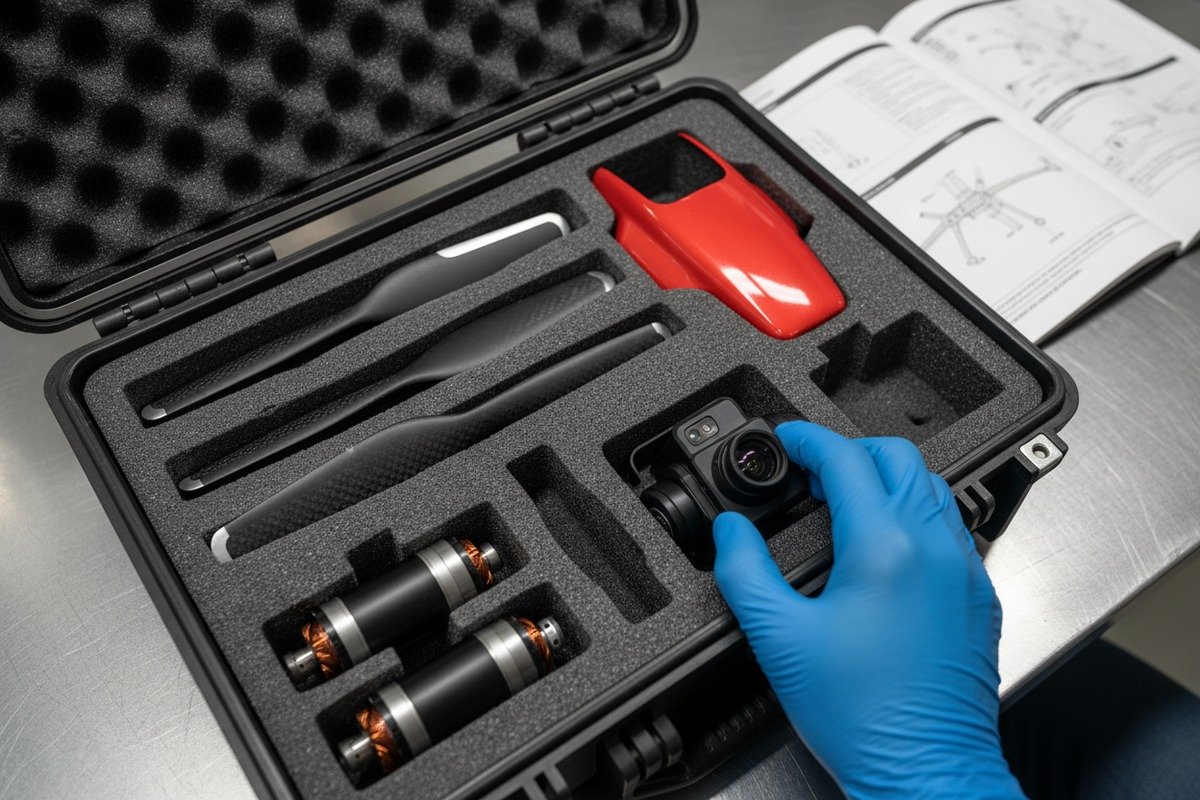
Building reliable parts access requires planning. Our team works with distributors to develop customized inventory strategies based on fleet size, usage intensity, and geographic factors.
Consignment Inventory Programs
For large distributors, we offer consignment arrangements. Critical spare parts ship to US warehouses before they're needed. Distributors pay only when parts are used. This model ensures immediate availability without tying up capital in slow-moving inventory.
Quarterly Replenishment Schedules
Medium-sized distributors benefit from scheduled shipments. We analyze usage patterns and predict component needs. Regular shipments arrive before stock depletes. This approach balances inventory investment against availability requirements.
Emergency Expedited Shipping
Unexpected failures happen. When urgent situations arise, expedited shipping options exist. Parts ship via air freight with customs pre-clearance. Most emergency orders arrive within 72 hours. This capability prevents extended downtime during critical periods.
Empfohlenes Ersatzteilinventar
| Bauteil-Kategorie | Empfohlener Lagerbestand | Typical Replacement Interval | Prioritätsstufe |
|---|---|---|---|
| Propeller | 2 Sätze pro Drohne | 100-200 flight hours | Hoch |
| Motoren | 1 per drone | 500-800 flight hours | Hoch |
| Batterien | 1 per drone | 300-400 charge cycles | Kritisch |
| ESCs | 2 per fleet | 1000+ flight hours | Mittel |
| Camera Gimbals | 1 per 5 drones | As needed | Mittel |
| Fluglotsen | 1 pro 10 Drohnen | Rarely | Niedrig |
| Fahrwerk | 1 set per 5 drones | As needed | Niedrig |
Engineering Support Contracts
Parts alone don't solve maintenance challenges. Ongoing engineering guidance ensures technicians stay current with evolving technology. Our support contracts include:
Annual Technical Updates
Drone technology advances rapidly. New firmware versions improve performance. Updated calibration procedures enhance accuracy. Annual technical briefings keep distributor teams informed about relevant changes.
Priority Access to R&D Team
Contract holders receive direct communication channels to our R&D engineers. Complex questions go straight to the people who designed the systems. This access accelerates problem resolution significantly.
Beta Testing Opportunities
Top-tier partners receive early access to new components and software. They provide feedback that shapes final designs. This collaboration benefits both parties. Distributors gain competitive advantages. We gain valuable field testing data.
Building Long-Term Relationships
Sustainable maintenance capability depends on strong supplier relationships. Regular communication prevents small issues from becoming major problems. Quarterly business reviews assess program effectiveness. Annual strategic planning sessions align future goals.
Our most successful distributor partnerships span many years. These relationships evolve as technology changes. Training programs update. Parts catalogs expand. Support systems improve. The foundation built through initial certification grows stronger over time.
Schlussfolgerung
Firefighting drone maintenance training transforms distributors from simple resellers into capable service providers. The right supplier partnership delivers comprehensive training, responsive remote support, official certifications, and reliable parts access. These elements combine to ensure your technician team can keep critical firefighting drone fleets operational for years to come.
Fußnoten
1. Provides a general overview of drones used in wildfire management and suppression. ︎
2. Defines remote IT support, its functions, and benefits for technical assistance. ︎
3. Highlights the value and importance of professional and technical certifications in various fields. ︎
4. Explains what firmware is and why updates are crucial for device performance and security. ︎
5. Details the core functions and importance of a flight controller in drone operation. ︎
6. Explores drone communication and monitoring using cloud computing for data analysis. ︎
7. Provides information on the standard for small unmanned aircraft systems in public safety operations. ︎
8. Defines consignment inventory and explains how this supply chain model works. ︎

 English
  Spanish
  German
  French
  Dutch
Dutch  Arabic
