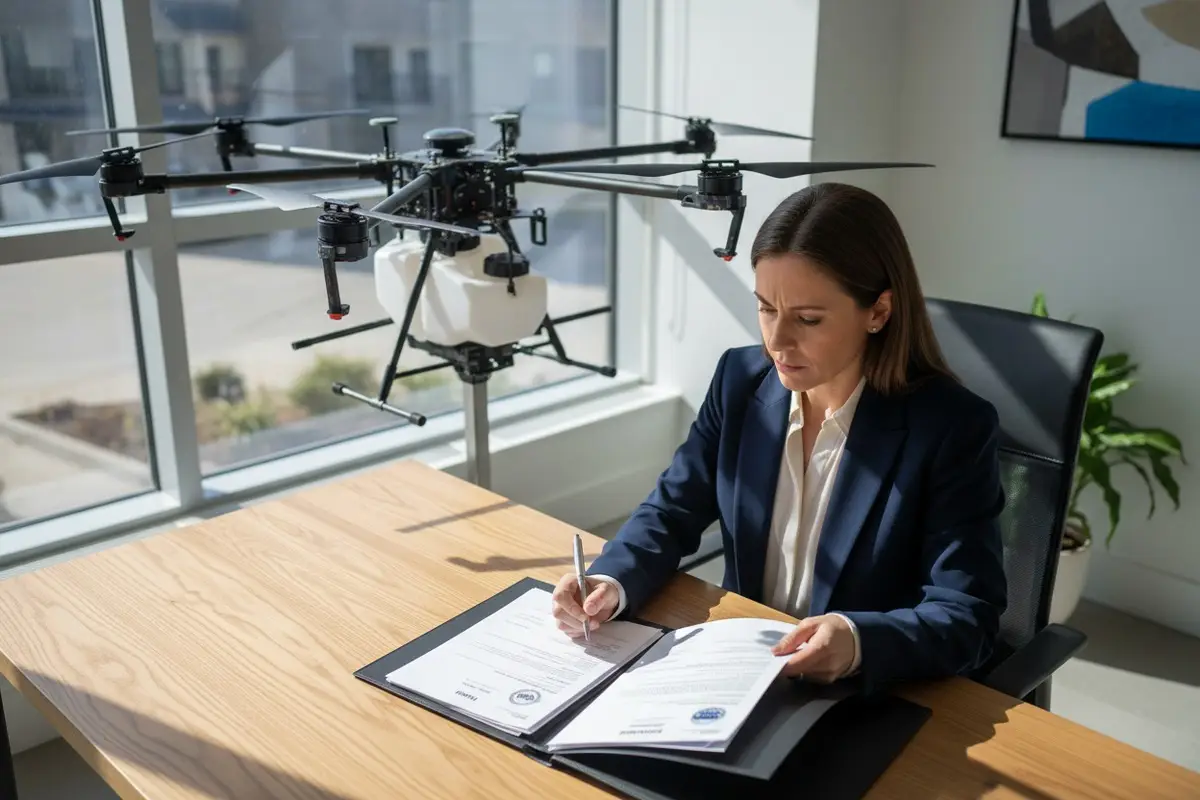
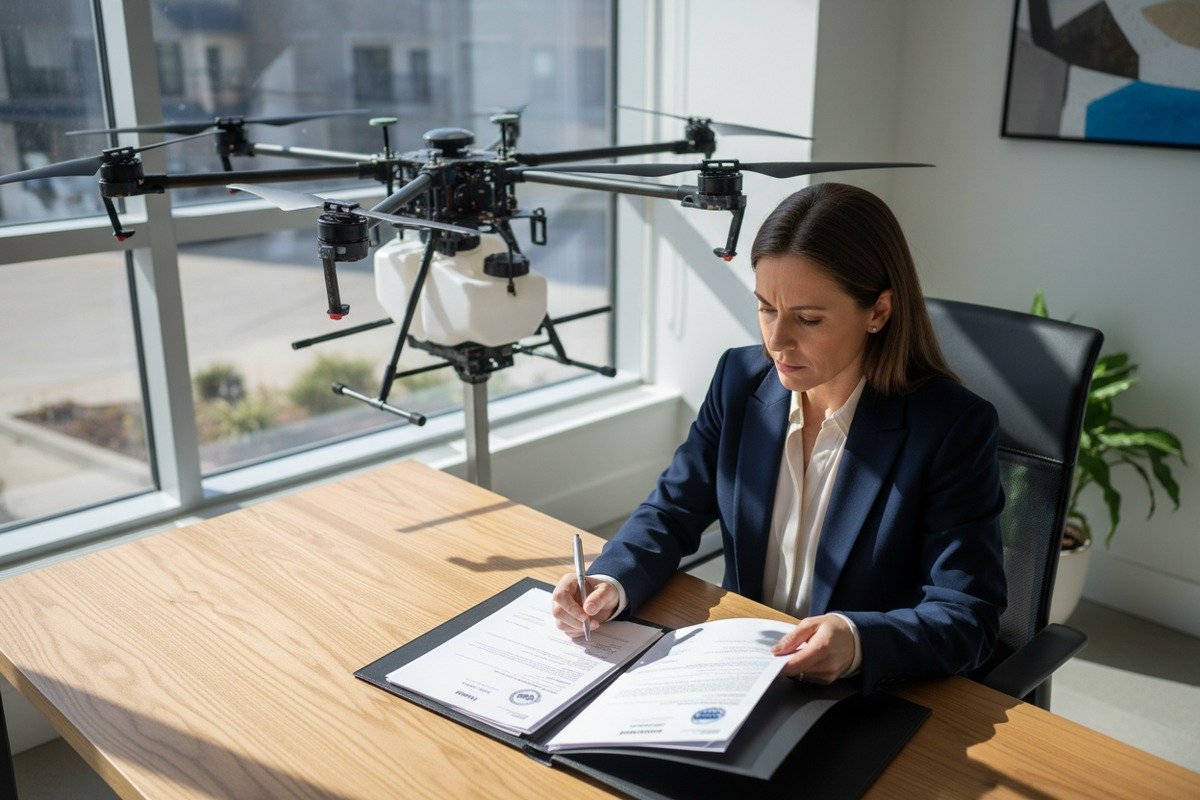
Jede Woche erhält unser Exportteam Anrufe von frustrierten Landwirten und Einkaufsmanagern Einhaltung der FAA-Vorschriften Teil 107 1. Sie kauften Agrardrohnen von unbekannten Lieferanten. Jetzt werden ihre Subventionsanträge abgelehnt. Der Grund? Fehlende Zertifizierungen und unvollständige Dokumentation. Dieses Problem kostet sie Tausende von Dollar und monatelange Verzögerungen.
Um die Qualifikationen von Drohnenlieferanten für landwirtschaftliche Zwecke für lokale Subventionsanträge zu überprüfen, müssen Sie Herstellerzertifizierungen sammeln, einschließlich der Einhaltung von FAA Teil 107, AAOC-Dokumentation, Qualitätszertifikaten, Versicherungsnachweisen und Ausrüstungsspezifikationen. Fordern Sie formelle Angebote von staatlich zugelassenen Verkäufern an und bestätigen Sie die Exportdokumentationsfähigkeiten des Lieferanten.
Der Verifizierungsprozess erscheint zunächst komplex. Aber mit der richtigen Checkliste und dem richtigen Verständnis können Sie zuversichtlich einen qualifizierten Lieferanten auswählen. Lassen Sie mich Sie durch jeden kritischen Schritt führen.
Welche spezifischen Herstellerzertifizierungen muss ich für meinen Antrag auf Subventionen für Agrardrohnen sammeln?
Wenn unser Ingenieurteam neue Agrarsprühdrohnen entwickelt, berücksichtigen wir immer, welche Dokumentation unsere Kunden benötigen werden. Viele Käufer stellen zu spät fest, dass ihr Lieferant nicht die richtigen Unterlagen liefern kann. Dies führt zu abgelehnten Anträgen und verschwendeten Investitionen.
Sie müssen von Ihrem Lieferanten FAA Part 107 Fernpilotenlizenzen, Agricultural Aircraft Operator Certificates (AAOC), Ausnahmegenehmigungen nach Section 44807 für schwere Nutzlasten, Typgenehmigungen für Geräte, medizinische Bescheinigungen für Betreiber und aktuelle Nachweise über eine Betriebshaftpflichtversicherung einholen.
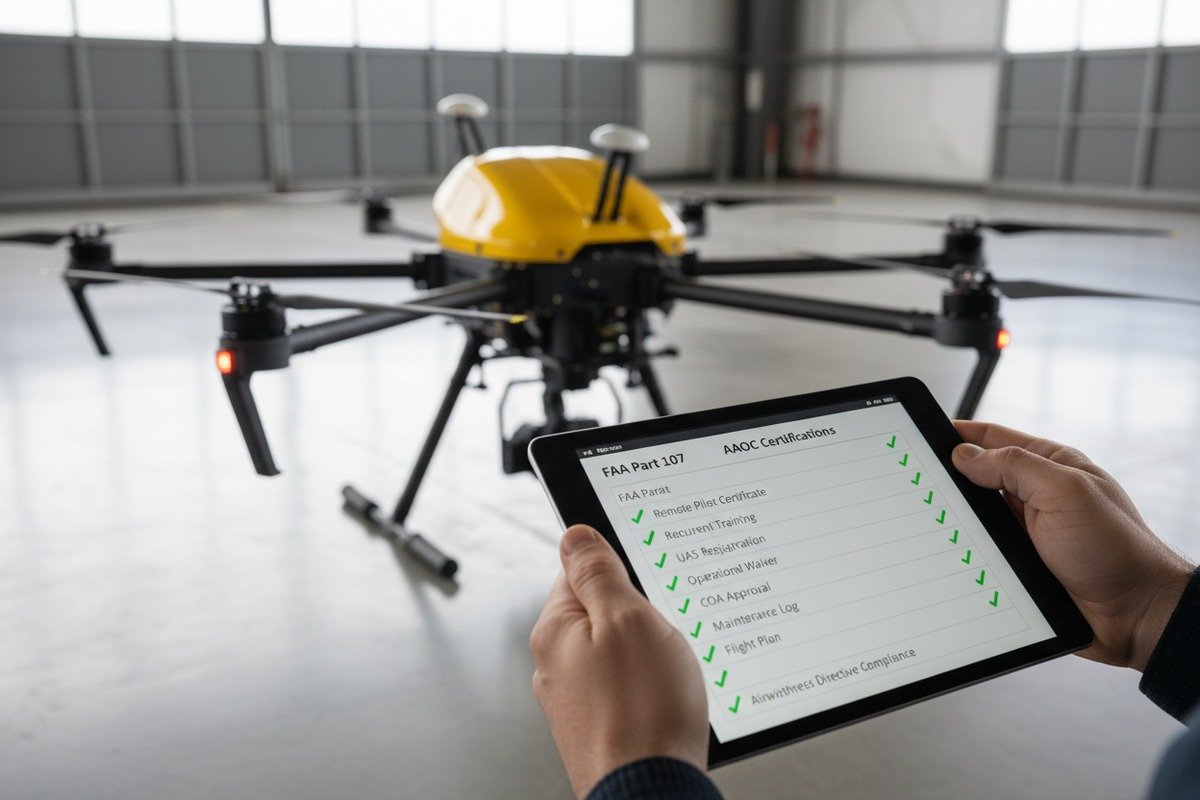
Verständnis der bundesstaatlichen Zertifizierungsanforderungen
Die FAA reguliert alle kommerziellen Agrardrohnenbetriebe in den Vereinigten Staaten. Ihr Lieferant muss die Einhaltung mehrerer Zertifizierungsebenen nachweisen. Dies ist keine Option – es ist gesetzlich vorgeschrieben.
Die Zertifizierung nach Teil 107 bildet die Grundlage. Jeder kommerzielle Drohnenbetreiber muss diese Prüfung bestehen. Wenn wir unsere Vertriebspartner schulen, betonen wir diesen Punkt immer wieder. Ohne Teil 107 kann kein legaler kommerzieller Betrieb stattfinden.
Für den Einsatz von Agrarsprühdrohnen sind zusätzliche Zertifizierungen zwingend erforderlich. Das Agricultural Aircraft Operator Certificate (AAOC) 2 autorisiert speziell die Ausbringung von Chemikalien. Ihr Lieferant sollte auf Anfrage eine Kopie dieses Zertifikats vorlegen.
Die Realität der Sechsmonatsfrist
Hier ist etwas, das viele Käufer nicht erkennen. Die Befreiung nach Abschnitt 44807 3 für Drohnen mit hoher Nutzlast dauert die Bearbeitung etwa sechs Monate. Dies wirkt sich auf die Verfügbarkeit von Lieferanten und Ihren Zeitplan für Subventionsanträge aus.
| Art der Zertifizierung | Bearbeitungszeit | Gültigkeitsdauer | Erneuerung erforderlich |
|---|---|---|---|
| Teil 107 Lizenz | 2-4 Wochen | 24 Monate | Ja |
| AAOC-Zertifikat | 4-8 Wochen | Laufend | Jährliche Überprüfung |
| Befreiung nach Abschnitt 44807 | ~6 Monate | Fallabhängig | Ja |
| Ärztliches Attest | Gleicher Tag | 12-60 Monate | Ja |
| Geschäftsversicherung | 1-2 Wochen | 12 Monate | Jährlich |
Checkliste für Subventionsanträge
Wenn unsere Kunden lokale Subventionen beantragen, stellen wir ihnen ein vollständiges Dokumentenpaket zur Verfügung. Ihr Lieferant sollte das gleiche Maß an Unterstützung bieten.
Fordern Sie diese spezifischen Dokumente an:
- Gültige Kopie des Fernpilotenzeugnisses nach Teil 107
- AAOC-Zertifikat mit aktuellem Status
- Genehmigungsschreiben gemäß Abschnitt 44807
- Ausrüstungsspezifikationen, die den FAA-Anforderungen entsprechen
- Aktuelle Versicherungsbescheinigung
- Firmenregistrierung und Geschäftslizenz
Gewichtsklassifizierungen von Geräten sind wichtig
Drohnen unter 55 Pfund und Drohnen ab 55 Pfund folgen unterschiedlichen regulatorischen Wegen. Unsere Sprühgeräte für die Landwirtschaft fallen voll beladen typischerweise in die schwerere Kategorie. Diese Unterscheidung beeinflusst, welche Zertifizierungen Ihr Lieferant besitzen muss.
Stellen Sie sicher, dass die Zertifizierungen mit der tatsächlich gekauften Ausrüstung übereinstimmen. Ein für leichte Drohnen zertifizierter Lieferant darf keine schweren landwirtschaftlichen Sprühgeräte legal betreiben.
Wie kann ich überprüfen, ob die Qualitätskontrollstandards meines Drohnenlieferanten die Anforderungen meiner lokalen Regierung erfüllen?
In unserer Produktionsstätte durchläuft jede landwirtschaftliche Drohne vor dem Versand 47 separate Qualitätskontrollpunkte. Dennoch überspringen einige Lieferanten diese Schritte vollständig. Käufer können den Unterschied erst erkennen, wenn Probleme bei Subventionsinspektionen oder im Feldbetrieb auftreten.
Überprüfen Sie die Qualitätskontrollstandards, indem Sie ISO-Zertifizierungsdokumente, Auditberichte von Produktionsstätten, Aufzeichnungen über Geräteeinrichtungen, Musterprüfergebnisse und Zertifikate von Inspektionen durch Dritte anfordern. Vergleichen Sie diese mit den veröffentlichten Anforderungen Ihres lokalen Regierungsprogramms für Subventionen.
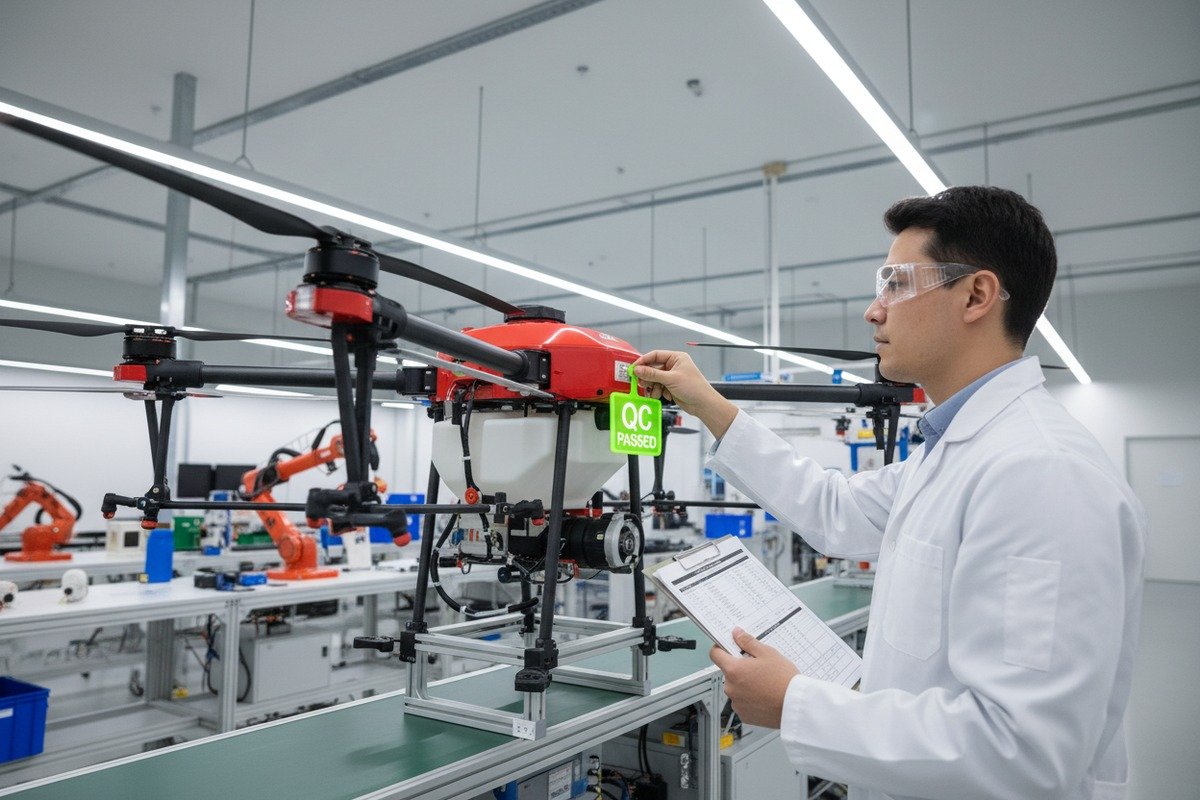
Wichtige Qualitätszertifizierungen, die Sie anfordern sollten
Qualitätskontrolle geht über die Herstellung hinaus. Sie umfasst Design, Tests und laufende Unterstützung. Unser Qualitätsmanagementsystem folgt ISO 9001 Standards 4. Dies bietet einen Rahmen, den Subventionsprogramme anerkennen und dem sie vertrauen.
| Qualitätsstandard | Was wird abgedeckt? | Relevanz für Subventionen |
|---|---|---|
| ISO 9001 | Qualitätsmanagementsysteme | Oft erforderlich für staatliche Programme |
| ISO 14001 | Umweltmanagement | Grüne Landwirtschaftssubventionen |
| CE-Kennzeichnung 5 | Europäische Sicherheitsstandards | Importkonformität |
| FCC-Zertifizierung | Einhaltung von Funkfrequenzen | Erforderlich für den US-Betrieb |
| IP-Bewertung | Staub- und wasserdicht | Nachweis der Haltbarkeit der Ausrüstung |
Musterprüfungs- und Sprüheffektivitätsdokumentation
Seriöse Lieferanten führen vor der Lieferung umfangreiche Musterprüfungen durch. Diese bewerten Sprühbreite, Abdrifteigenschaften und Effektivität unter verschiedenen Bedingungen. Wenn wir unsere Sprühdrohnen testen, dokumentieren wir alles.
Fragen Sie Ihren Lieferanten nach:
- Ergebnissen von Sprühmusterprüfungen unter verschiedenen Windbedingungen
- Daten zur Düsenleistung über mehrere Konfigurationen hinweg
- Berichte zur Abdriftanalyse
- Messungen der Abdeckungsgleichmäßigkeit
Diese Dokumentation demonstriert technische Kompetenz gegenüber den Verwaltern von Förderprogrammen.
Optionen zur Überprüfung durch Dritte
Verlassen Sie sich nicht ausschließlich auf vom Lieferanten bereitgestellte Dokumentationen. Die Überprüfung durch Dritte verleiht Ihrem Förderantrag Glaubwürdigkeit.
Optionen umfassen:
- Berichte über unabhängige Labortests
- Bewertungen der Versicherungsgesellschaften für die Zeichnung von Risiken
- Zertifizierungen von Branchenverbänden
- Überprüfung von Kundenreferenzen
Versicherungsgesellschaften führen ihre eigenen Risikobewertungen durch. Ein Lieferant mit umfassendem Versicherungsschutz hat bereits eine Form der Überprüfung durch Dritte bestanden.
Anpassung an die Anforderungen der lokalen Regierung
Jedes Förderprogramm hat spezifische Anforderungen. Kontaktieren Sie vor dem Kauf Ihr lokales landwirtschaftliches Beratungsbüro. Dort erhalten Sie detaillierte Checklisten für Qualifikationen, die für Ihre Region spezifisch sind.
Unser Exportteam hilft Kunden regelmäßig dabei, diese regionalen Unterschiede zu überwinden. Die Anforderungen in Kalifornien unterscheiden sich von denen in Texas. Europäische Programme haben völlig andere Standards. Kennen Sie zuerst Ihre lokalen Anforderungen und überprüfen Sie dann die Einhaltung durch den Lieferanten.
Hat mein Lieferant die notwendige Exporterfahrung und Dokumentation, um meinen Importprozess zu unterstützen?
Als wir anfingen, landwirtschaftliche Drohnen in die Vereinigten Staaten zu exportieren, waren wir von den Dokumentationsanforderungen überrascht. Zollabfertigung, Einfuhrgenehmigungen und Konformitätszertifikate führten zu unerwarteten Verzögerungen für unsere frühen Kunden. Jetzt bereitet unser Exportteam umfassende Dokumentationspakete vor, die diese Probleme verhindern.
Ihr Lieferant benötigt Exportlizenzen, Zollabfertigungsdokumente, Ursprungszeugnisse, Handelsrechnungen mit harmonisierten Zolltarifnummern, Packlisten und Konformitätserklärungen. Erfahrene Lieferanten bieten eine Lieferung von Tür zu Tür mit vollständiger Importunterstützungsdokumentation.
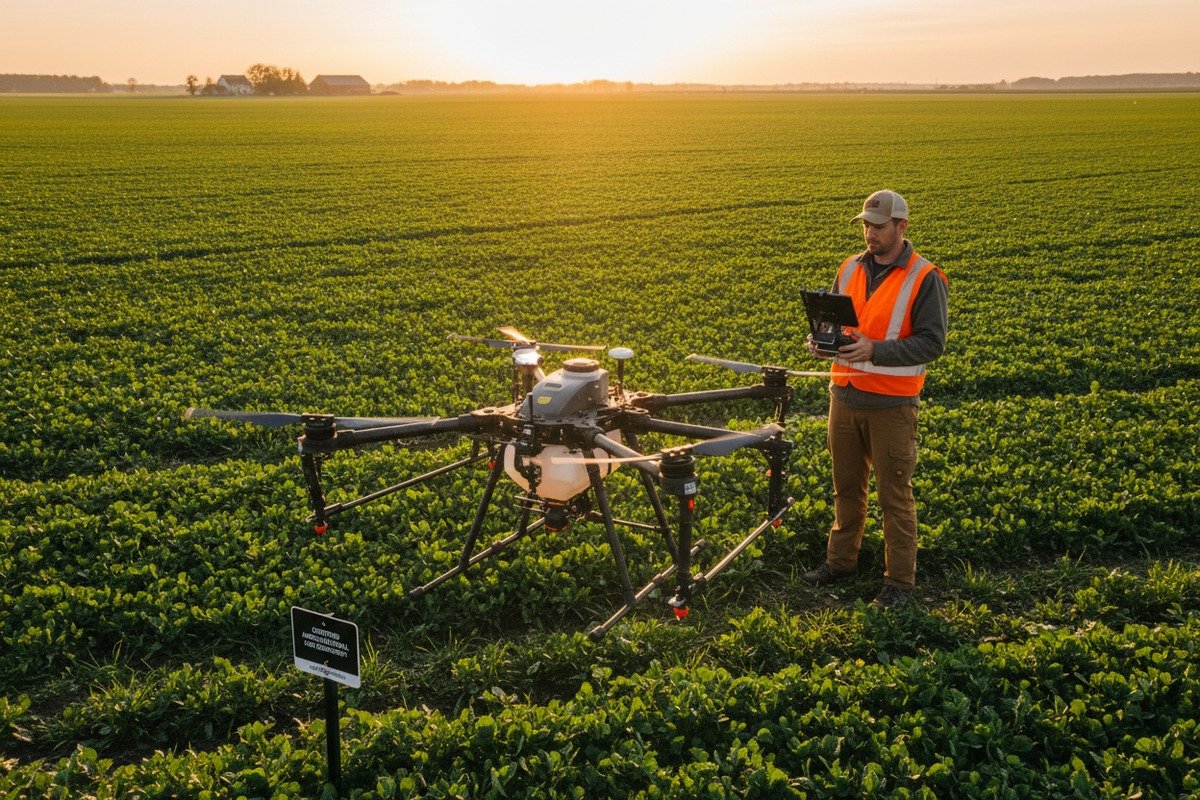
Wesentliches Export-Dokumentationspaket
Importverzögerungen kosten Geld und können dazu führen, dass Sie Fristen für Förderanträge verpassen. Ihr Lieferant sollte ein vollständiges Dokumentationspaket bereitstellen, das von den Zollbehörden ohne Beanstandung akzeptiert wird.
| Dokumenttyp | Zweck | Wer stellt es bereit |
|---|---|---|
| Handelsrechnung | Erklärt Wert und Inhalt | Anbieter |
| Packliste | Details zum Versandinhalt | Anbieter |
| Ursprungszeugnis 6 | Bestätigt den Herstellungsort | Lieferant + Handelskammer |
| Ausfuhrgenehmigung | Genehmigt den Export aus dem Ursprungsland | Lieferant der Regierung |
| Konnossement | Liefervertrag | Frachtführer |
| Zollanmeldung | Importkonformität | Zollagent |
Bewertung der Exporterfahrung
Erfahrung ist im internationalen Handel wichtig. Lieferanten, die erfolgreich in Ihr Land exportiert haben, verstehen die spezifischen Anforderungen. Sie wissen, welche Dokumente die Zollbeamten am sorgfältigsten prüfen.
Fragen Sie potenzielle Lieferanten:
- Wie viele Einheiten haben Sie in mein Land exportiert?
- Was ist Ihre typische Erfolgsquote bei der Zollabfertigung?
- Können Sie Referenzen von früheren Kunden in meiner Region angeben?
- Arbeiten Sie mit etablierten Spediteuren zusammen?
Unser Team hat Hunderte von Exportlieferungen nach Nordamerika und Europa abgewickelt. Diese Erfahrung bedeutet, dass wir Probleme antizipieren, bevor sie auftreten.
Überlegungen zur Tür-zu-Tür-Lieferung
Viele Lieferanten bieten nur FOB-Preise (Free on Board) an. Dies bedeutet, dass Sie für den internationalen Versand, die Zollabfertigung und die Endlieferung verantwortlich sind. Probleme in jeder Phase werden zu Ihren Problemen.
Die Tür-zu-Tür-Lieferung überträgt diese Verantwortung auf den Lieferanten. Wenn wir Tür-zu-Tür-Service anbieten, kümmern wir uns um:
- Internationale Frachtarrangements
- Exportzollabfertigung
- Import-Zollagentur
- Endlieferung an Ihren Standort
Dieser Ansatz vereinfacht Ihren Förderantrag. Sie erhalten eine Rechnung, die die vollständigen Lieferkosten ausweist.
Tarifierung und Compliance
Agrardrohnen haben spezifische harmonisierte Zolltarifnummern 7. Eine falsche Tarifierung führt zu Verzögerungen und möglichen Strafen. Ihr Lieferant sollte die korrekte Zolltarifnummer auf allen Dokumenten klar angeben.
Überprüfen Sie zusätzlich die Einhaltung von Handelsbeschränkungen oder zusätzlichen Anforderungen, die Importe aus dem Land Ihres Lieferanten betreffen. Diese Vorschriften ändern sich regelmäßig. Erfahrene Exporteure bleiben über diese Änderungen auf dem Laufenden.
Kann ich kundenspezifische technische Spezifikationen von meinem Hersteller erhalten, um die spezifischen Förderkriterien meiner Region zu erfüllen?
Unsere Ingenieurabteilung erhält jeden Monat Anpassungswünsche. Ein Kunde benötigte eine spezifische Tankkapazität für die Subventionsanforderungen seines Bundesstaates. Ein anderer benötigte eine modifizierte Flugsteuerungssoftware für seine lokalen Vorschriften. Diese Anpassungen entscheiden oft über Erfolg oder Misserfolg von Anträgen.
Ja, etablierte Hersteller bieten OEM-Dienstleistungen, kundenspezifische Softwareentwicklung, modifizierte Hardware-Spezifikationen und spezielle Dokumentationspakete an. Fordern Sie Spezifikationen an, die den genauen Förderkriterien Ihrer Region entsprechen, einschließlich Tankkapazität, Sprühraten, Flugdauer und Sicherheitsfunktionen.
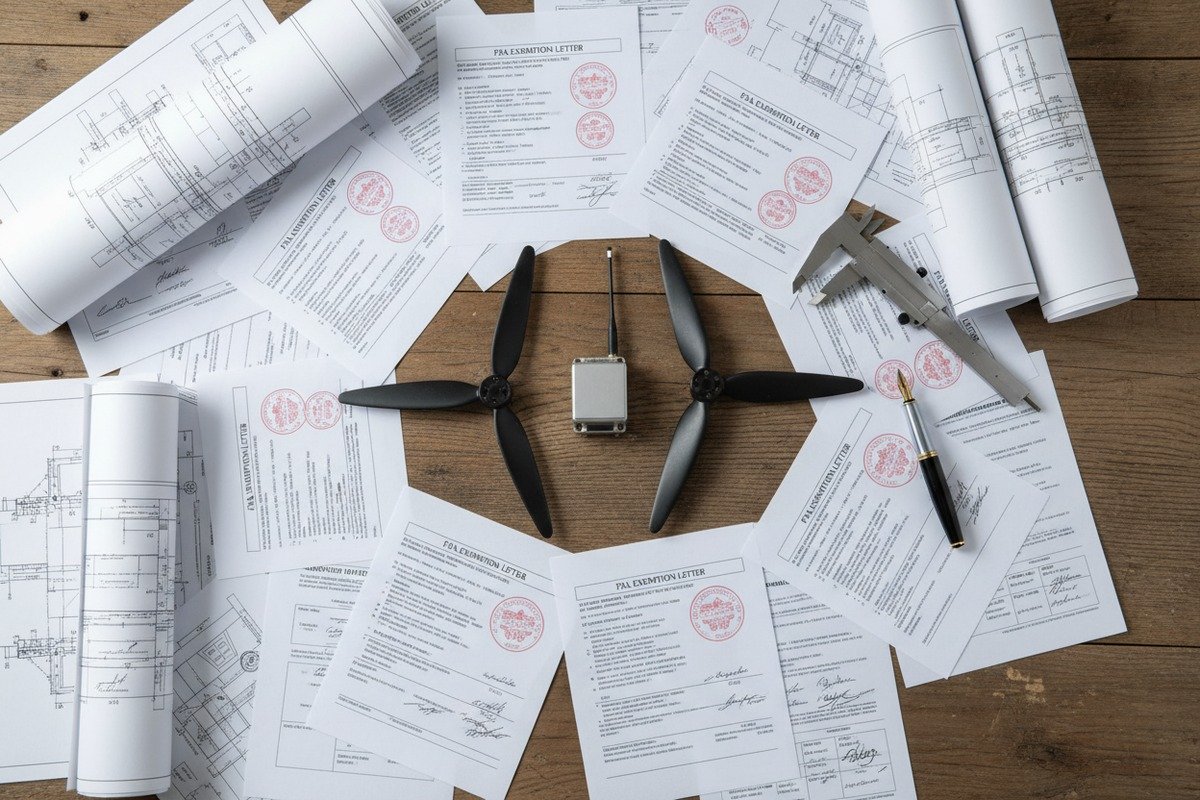
Häufige Anpassungsoptionen
Nicht jeder Lieferant bietet sinnvolle Anpassungen an. Große Hersteller mit eigenen Ingenieurteams bieten mehr Flexibilität. Wenn wir mit Kunden an kundenspezifischen Spezifikationen arbeiten, können wir mehrere Aspekte unserer Agrardrohnen modifizieren.
Verfügbare Anpassungskategorien umfassen:
- Anpassungen der Tankkapazität
- Konfigurationen des Sprühsystems
- Parameter der Flugsteuerungssoftware
- Spezifikationen für Akkukapazität und -dauer
- Hinzufügungen von Sicherheitsfunktionen
- Marken- und Kennzeichnungsanforderungen
Spezifikationsdokumentation für Förderanträge
Förderprogramme erfordern oft detaillierte technische Spezifikationen. Diese Spezifikationen müssen mit der Ausrüstung übereinstimmen, die Sie tatsächlich erhalten. Unser technisches Dokumentationsteam erstellt Datenblätter, die den Anforderungen des Förderantrags entsprechen.
| Spezifikationskategorie | Typische Parameter | Anpassungsbereich |
|---|---|---|
| Tankinhalt | 10-40 Liter | Kundenspezifisch |
| Sprühgeschwindigkeit | 15-30 mph | Einstellbar |
| Sprühbreite | 3-8 Meter | Düsenabhängig |
| Flugausdauer | 10-25 Minuten | Batterieoptionen |
| Nutzlast Kapazität | 10-50 kg | Rahmenabhängig |
| Betriebshöhe | 2-15 Meter | Softwarekonfigurierbar |
Softwareanpassung und Datenkonformität
Viele Regionen haben spezifische Anforderungen an Datensicherheit und Datenschutz. Agrardrohnen sammeln erhebliche Mengen an Felddaten. Ihr Förderprogramm kann die Einhaltung lokaler Datenschutzbestimmungen erfordern.
Die Softwareanpassung adressiert diese Bedenken:
- Optionen für den Speicherort der Daten
- Einhaltung von Verschlüsselungsstandards
- Integration mit genehmigten Farmmanagement-Plattformen
- Spezifikationen für das Berichtsformat
Wenn wir benutzerdefinierte Softwarefunktionen entwickeln, dokumentieren wir alles zu Förderkonformitätszwecken.
Zusammenarbeit mit Ihrem Lieferanten bei kundenspezifischen Anforderungen
Beginnen Sie die Anpassungsgespräche frühzeitig. Benutzerdefinierte Spezifikationen erfordern zusätzliche Vorlaufzeit. Teilen Sie Ihre Förderprogramm-Anforderungen direkt dem Ingenieurteam Ihres Lieferanten mit.
Stellen Sie Ihrem Lieferanten Folgendes zur Verfügung:
- Vollständige technische Anforderungen des Förderprogramms
- Liefertermine für die Ausrüstung
- Obligatorische Zertifizierungs- oder Testanforderungen
- Spezifische Anforderungen an das Dokumentationsformat
Unser kollaborativer Entwicklungsprozess erfordert in der Regel 4-8 Wochen für kundenspezifische Spezifikationen. Planen Sie entsprechend, um Ihre Bewerbungsfristen einzuhalten.
OEM- und Branding-Services
Einige Förderprogramme bevorzugen oder verlangen Ausrüstung von anerkannten Marken. OEM-Dienste 8 ermöglichen es Ihnen, Geräte mit Ihrer Unternehmensidentität zu branden und gleichzeitig die Qualitätsstandards des Herstellers einzuhalten.
OEM-Vereinbarungen umfassen in der Regel:
- Benutzerdefinierte Logo-Platzierung
- Geändertes Verpackungsdesign
- Gebrandete Benutzerdokumentation
- White-Label-Softwareoptionen
Dieser Ansatz eignet sich gut für Distributoren und Händler, die gebrandete Geräte für ihre lokalen Märkte benötigen.
Schlussfolgerung
Die Überprüfung der Qualifikationen von Agrardrohnenanbietern schützt Ihre Subventionsinvestition. Sammeln Sie alle erforderlichen Zertifizierungen, bestätigen Sie Qualitätsstandards, überprüfen Sie Exporterfahrung und fordern Sie bei Bedarf kundenspezifische Spezifikationen an. Diese Schritte vor dem Kauf verhindern Antragsablehnungen und kostspielige Verzögerungen.
Fußnoten
1. Offizielle FAA-Seite, die beschreibt, wie man ein zertifizierter Fernpilot wird, einschließlich der Part 107-Vorschriften. ︎
2. Bietet Details zur spezifischen FAA-Zertifizierung für landwirtschaftliche Sprühaktivitäten. ︎
3. Offizielle FAA-Seite mit Informationen zur Sondergenehmigung Section 44807 für bestimmte unbemannte Luftfahrtsysteme. ︎
4. Offizielle Quelle für den internationalen Standard für Qualitätsmanagementsysteme. ︎
5. Offizielle EU-Informationen zur obligatorischen Konformitätskennzeichnung für Produkte im Europäischen Wirtschaftsraum. ︎
6. Offizielle WCO-Erklärung des Dokuments, das die Ursprungsland von Waren im internationalen Handel bescheinigt. ︎
7. Offizielle Informationen der Welthandelsorganisation über das internationale System zur Klassifizierung gehandelter Produkte. ︎
8. Wikipedia bietet einen umfassenden Überblick über Original Equipment Manufacturer (OEM)-Dienstleistungen und ihre Rolle. ︎
 English
  Español de México
  Deutsch
  Français
  Русский
  العربية
Comments
No comments yet. Be the first to share your thoughts!
Leave a Comment