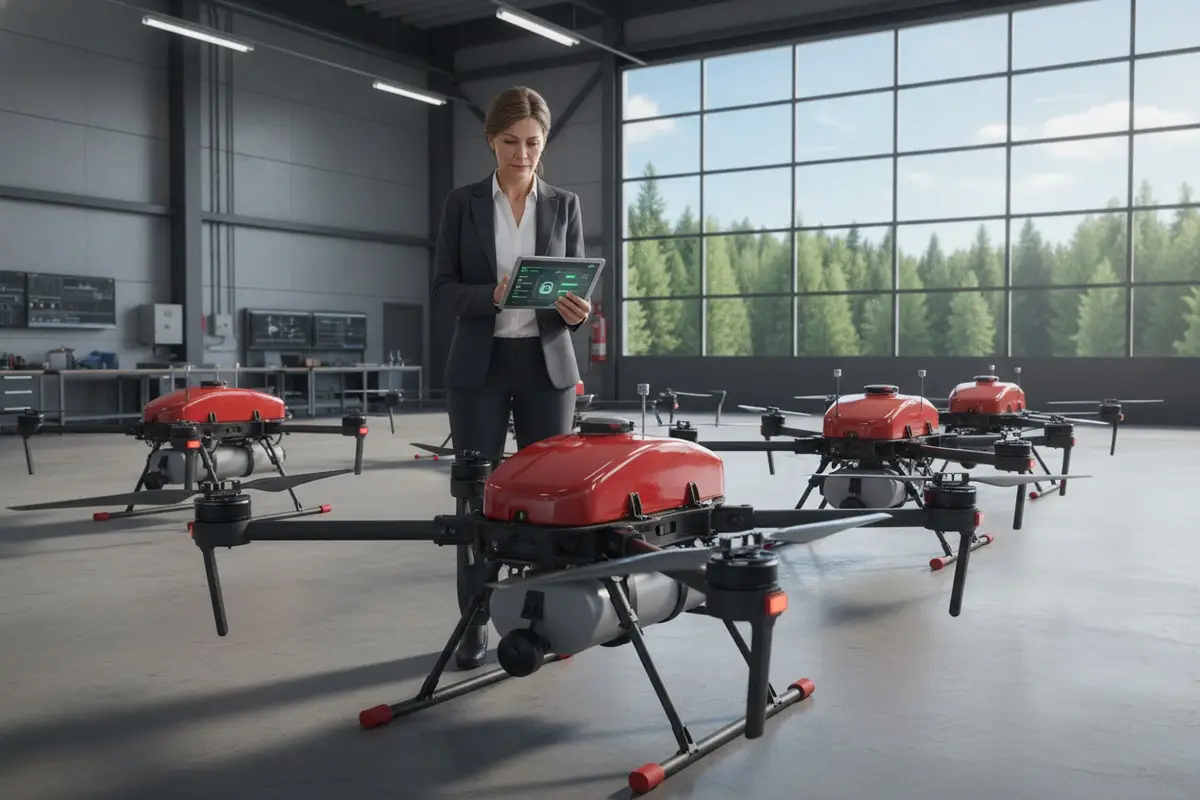

Als unser Ingenieurteam eine Charge von Feuerwehrdrohnen an einen Partner in Portugal lieferte, lernten wir eine schmerzhafte Lektion Chargenmanagement-Skalierbarkeit 1. Ein Firmware-Fehlverhältnis führte dazu, dass drei Drohnen während eines Waldbrandes ausfielen. Dieser einzelne Vorfall lehrte uns, warum einheitliche Firmware-Tools für Flotten 2 wichtig sind.
Um Tools zur einheitlichen Flotten-Firmware-Aktualisierung für Feuerwehrdrohnen zu bewerten, sollten Käufer die Skalierbarkeit der Stapelverwaltung, Sicherheitsprotokolle für geschäftskritische Einsätze, OEM-Anpassungsoptionen und Fernunterstützungsfunktionen bewerten. Diese vier Säulen gewährleisten eine zuverlässige Drohnenleistung in lebensbedrohlichen Notfällen, in denen Systemausfälle inakzeptabel sind.
Dieser Leitfaden erklärt genau, worauf Sie achten müssen OEM-Anpassungsoptionen 3. Wir werden jeden kritischen Aspekt mit realen Beispielen aus unserer Fertigungserfahrung und Feldeinsätzen in den Vereinigten Staaten und Europa behandeln.
Wie kann ich sicherstellen, dass das Firmware-Update-Tool eine effiziente Stapelverwaltung für meine gesamte Drohnenflotte unterstützt?
Die Verwaltung der Firmware für Dutzende von Feuerwehrdrohnen kann schnell chaotisch werden API-Integrationen 4. Unsere Produktionsstätte in Xi'an verwaltet Flotten von 5 bis 200 Einheiten, und wir haben aus erster Hand erfahren, wie schlechtes Chargenmanagement während der Brandsaison gefährliche Lücken schafft.
Ein effizientes Batch-Management-Tool sollte gleichzeitige Multi-Drohnen-Updates, gestaffelte Rollout-Tests, automatisierte Zeitplanung und umfassende Protokollierung unterstützen. Suchen Sie nach Plattformen, die Updates an mehr als 20 Drohnen gleichzeitig pushen können, während der Status einzelner Geräte über ein zentrales Dashboard mit Echtzeit-Fortschrittsüberwachung verfolgt wird.

Warum Chargenmanagement bei Notfalleinsätzen wichtig ist
Wenn Waldbrände ausbrechen, muss jede Drohne in Ihrer Flotte einsatzbereit sein. Manuelle Updates dauern 20-30 Minuten pro Einheit. Für eine Flotte von 50 Drohnen bedeutet dies 25+ Stunden Technikerzeit. Diese Verzögerung kann Leben kosten.
Einheitliche Plattformen wie BRINC LiveOps und AirHub lösen dieses Problem. Sie ermöglichen es Betreibern, ganze Flotten über eine einzige Schnittstelle zu aktualisieren. Unsere SkyRover-Drohnen lassen sich in solche Plattformen integrieren, sodass Feuerwehren die Einsatzbereitschaft ohne dediziertes IT-Personal aufrechterhalten können.
Zu bewertende Schlüsselfunktionen
| Merkmal | Warum es wichtig ist | Was Lieferanten fragen sollten |
|---|---|---|
| Gleichzeitige Update-Kapazität | Reduziert Ausfallzeiten während aktiver Saisons | Wie viele Drohnen können gleichzeitig aktualisiert werden? |
| Gestaffelte Rollout-Unterstützung | Testet Updates auf einer Drohne vor der flächendeckenden Bereitstellung | Kann ich Testeinheiten festlegen? |
| Automatisierte Zeitplanung | Stellt sicher, dass Updates während Zeiten geringer Aktivität erfolgen | Unterstützt es die Zeitplanung außerhalb der Spitzenzeiten? |
| Fortschrittsverfolgung | Identifiziert fehlgeschlagene Updates sofort | Gibt es eine Echtzeit-Statusüberwachung? |
| Multi-Marken-Unterstützung | Verwaltet diverse Flotten in einem System | Welche Hersteller sind kompatibel? |
Gestaffelter Rollout: Ein Muss-Protokoll
Wir empfehlen unseren Kunden immer, zuerst eine Drohne zu aktualisieren. Führen Sie sie durch einen vollständigen Testzyklus. Überprüfen Sie Wärmebildkameras, Flugsteuerungen und Kommunikationsverbindungen. Erst dann stellen Sie das Update für den Rest der Flotte bereit.
Dieser Ansatz spiegelt wider, was portugiesische Feuerwehrleute über AirHub übernommen haben. Sie verwalten über 700 Piloten in Dutzenden von Regionen. Ihr Protokoll erfordert 48-stündige Testperioden vor der flächendeckenden Einführung. Dieser einfache Schritt hat mehrere potenzielle Ausfälle verhindert.
Herausforderungen bei der Skalierung in der Praxis
Kleine Abteilungen mit 5-10 Drohnen sehen möglicherweise keine sofortigen Vorteile durch einheitliche Werkzeuge. Die DJI Fly App funktioniert für grundlegende Updates gut. Aber wenn die Flotten wachsen, wird Fragmentierung gefährlich. Unterschiedliche Firmware-Versionen führen zu inkompatiblen Datenformaten, Kommunikationsausfällen und unvorhersehbarem Flugverhalten.
Unser Ingenieurteam hat Fälle dokumentiert, in denen gemischte Firmware-Versionen GPS-Konflikte während koordinierter Brandbekämpfungsoperationen verursachten. Eine Drohne meldete falsche Koordinaten und schickte das gesamte Team an den falschen Ort. Ein einheitliches Werkzeug verhindert dies, indem es die Versionskonsistenz über alle Einheiten hinweg erzwingt.
Auf welche Sicherheitsprotokolle sollte ich achten, um Systemausfälle während kritischer Brandbekämpfungseinsätze zu verhindern?
Während der Werksprüfung stellten unsere Ingenieure fest, dass unsichere Firmware-Kanäle ausgenutzt werden könnten. Die Drohne eines Konkurrenten wurde während einer Demonstration kompromittiert, da sie unsignierte Firmware-Pakete akzeptierte. Dieser Vorfall prägte, wie wir Sicherheit bei SkyRover angehen.
Kritische Sicherheitsprotokolle umfassen verschlüsselte Update-Kanäle, authentifizierte Firmware-Pakete, Air-Gap-Bereitstellungsoptionen und Rollback-Funktionen. Ihr Tool muss die Firmware-Authentizität vor der Installation überprüfen und Offline-Updates für Brandzonen mit begrenzter Konnektivität oder aktiven Cyberbedrohungen unterstützen.

Die drei Ebenen der Firmware-Sicherheit
Die Sicherheit für Feuerwehrdrohnen operiert auf drei Ebenen: Übertragung, Verifizierung und Wiederherstellung.
Übertragungssicherheit stellt sicher, dass Updates über verschlüsselte Kanäle übertragen werden. Achten Sie auf TLS 1.3-Verschlüsselung 5 mindestens. Ohne dies könnten Angreifer die Firmware während des Downloads abfangen und modifizieren.
Verifizierungssicherheit bestätigt, dass die Firmware authentisch ist. Digitale Signaturen des Herstellers verhindern die Installation manipulierter Pakete. Unsere SkyRover-Firmware beinhaltet SHA-256-Prüfsummen 6 die die Drohne vor dem Fortfahren validiert.
Wiederherstellungssicherheit bietet Fluchtwege, wenn Updates fehlschlagen. Rollback-Funktionen stellen sofort frühere stabile Versionen wieder her. Die Versionsverwaltung hält die letzten drei Firmware-Iterationen für eine schnelle Rückkehr bereit.
Air-Gapped-Updates: Wesentlich für den Fernbetrieb
Waldbrände treten häufig in Gebieten ohne Mobilfunkabdeckung auf. Einige Umgebungen sind aktiven Signalstörungen oder Cyberbedrohungen ausgesetzt. Air-Gapped-Lösungen begegnen diesen Herausforderungen.
Die UDS-Plattform von Defense Unicorns demonstrierte diese Fähigkeit in taktischen Übungen in Osteuropa. Der Prozess funktioniert wie folgt:
- Firmware in ein sicheres lokales Repository hochladen
- Über direkte Verbindung auf ein Tablet herunterladen
- Ohne Cloud-Abhängigkeit auf Drohnen bereitstellen
Diese Methode erhöht die Komplexität, eliminiert aber vollständig die Konnektivitätsanforderungen. Für Feuerwehren, die in bergigem Gelände oder umkämpften Gebieten tätig sind, sind Air-Gapped-Updates keine Option – sie sind unerlässlich.
Vergleich von Sicherheitsprotokollen
| Protokolltyp | Cloud-basierte Tools | Air-Gapped-Tools | Hybride Lösungen |
|---|---|---|---|
| Konnektivität erforderlich | Immer | Niemals | Flexibel |
| Update-Geschwindigkeit | Schnell (5-10 Min.) | Moderat (15-20 Min.) | Variabel |
| Cyber-Bedrohungsresistenz | Niedrig bis mittel | Hoch | Mittel-Hoch |
| Komplexität der Einrichtung | Einfach | Komplex | Mäßig |
| Am besten für | Urbane Einsätze | Fern-/Taktisch | Gemischte Umgebungen |
Einhaltung von CJIS und DSGVO
Öffentliche Feuerwehren müssen strenge Datenvorschriften einhalten. CJIS (Criminal Justice Information Services) 7 in den USA erfordert detaillierte Audit-Protokolle für alle Systemänderungen. DSGVO in Europa 8 schreibt Datenschutz bei Updates vor.
Plattformen wie BRINC Vault und AirHub beinhalten Compliance-Dashboards. Diese protokollieren automatisch jede Firmware-Änderung mit Zeitstempeln, Bediener-IDs und Ergebnisstatus. Bei Audits beweist diese Dokumentation, dass Ihre Flotte die regulatorischen Standards erfüllt.
Wenn wir SkyRover-Drohnen für US-Regierungsaufträge konfigurieren, aktivieren wir standardmäßig eine erweiterte Protokollierung. Jede Firmware-Interaktion generiert einen unveränderlichen Datensatz, der sowohl lokal als auch in kundengesteuerten Cloud-Umgebungen gespeichert wird.
Kann das Firmware-Tool für die Integration mit meiner spezifischen Software und den OEM-Branding-Anforderungen angepasst werden?
Unsere OEM-Partner stellen diese Frage oft in den ersten Gesprächen. Ein Feuerwehrausrüstungsvertriebshändler in Texas benötigte sein Logo auf jeder Benutzeroberfläche. Ein europäischer Integrator verlangte kundenspezifische Telemetrieprotokolle. Diese Anfragen sind üblich, und das Firmware-Tool muss sie berücksichtigen.
Hochwertige Firmware-Tools sollten White-Label-Branding, API-Integrationen mit bestehender Incident-Command-Software, benutzerdefinierte Telemetriekonfigurationen und modulare Feature-Aktivierung unterstützen. Prüfen Sie, ob Ihr Lieferant SDK-Zugriff für tiefgreifende Anpassungen anbietet oder nur oberflächliche Branding-Optionen.

Verfügbare Anpassungsstufen
Nicht jede Anpassung ist gleich. Das Verständnis des Unterschieds hilft Ihnen bei Verhandlungen mit Lieferanten.
Oberflächliche Markenbildung beinhaltet die Platzierung von Logos, Farbschemata und Firmennamen auf Dashboards. Die meisten Plattformen bieten dies an. Es erfüllt grundlegende OEM-Anforderungen, ändert aber nicht die Funktionalität.
Schnittstellenanpassung ermöglicht es Ihnen, Menüstrukturen zu ändern, benutzerdefinierte Felder hinzuzufügen und Arbeitsabläufe neu zu organisieren. Dies erfordert mehr Kooperation des Lieferanten, liefert aber ein wirklich personalisiertes Erlebnis.
Tiefe Integration bedeutet API-Zugriff für die Verbindung von Firmware-Tools mit Ihrem bestehenden Software-Ökosystem. CAD-Systeme, Einsatzleitplattformen und Beweismittelverwaltungstools profitieren alle von einem direkten Datenaustausch.
Integration Requirements Table
| Integration Type | Common Platforms | Data Exchanged | Implementierungszeit |
|---|---|---|---|
| Einsatzleitung | ESO, ImageTrend | Drohnenstandort, Status | 2-4 Wochen |
| Beweismittelverwaltung | Axon, BRINC Vault | Flugprotokolle, Video | 1-2 Wochen |
| Kartierung/GIS | ArcGIS, QGIS | Koordinaten, Wärmedaten | 3-6 Wochen |
| Disposition/CAD | Tyler, Hexagon | Missionszuweisungen | 4-8 Wochen |
| KI-Analytik | DataBlanket, Benutzerdefiniert | Erkennungswarnungen | 6-12 Wochen |
OEM-Branding für Distributoren
Wenn Sie Drohnen unter Ihrer eigenen Marke importieren und weiterverkaufen, wird die Anpassung des Firmware-Tools entscheidend. Ihre Kunden sollten Ihren Firmennamen sehen, nicht den Ihres Lieferanten.
Bei SkyRover bieten wir komplette White-Label-Pakete an. Unsere Partner erhalten:
- Benutzerdefinierte Boot-Bildschirme mit ihrem Logo
- Gebrandete mobile und Desktop-Anwendungen
- Dokumentation mit ihren Unternehmensinformationen
- Schulungsmaterialien, die sie weiterverteilen können
Dieser Ansatz ermöglicht es Distributoren, Markenwert aufzubauen und gleichzeitig unsere Fertigungsexpertise zu nutzen. Das Firmware-Update-Tool bleibt funktional identisch, aber das Kundenerlebnis gehört vollständig unserem Partner.
API-Überlegungen für Systemintegratoren
Feuerwehren wünschen sich zunehmend einheitliche Ansichten ihrer gesamten Technologie. Drohnen sollten Daten in dieselben Dashboards einspeisen wie Fahrzeuge, Personalverfolgung und Dispositionssysteme.
Stellen Sie Ihrem Firmware-Tool-Anbieter diese Fragen:
- Gibt es eine dokumentierte öffentliche API?
- Welche Authentifizierungsmethoden werden unterstützt?
- Gibt es Ratenbegrenzungen für API-Aufrufe?
- Können Webhooks Echtzeit-Update-Benachrichtigungen pushen?
- Gibt es eine Sandbox-Umgebung zum Testen von Integrationen?
Ohne solide API-Unterstützung stehen Sie vor teuren kundenspezifischen Entwicklungen oder manuellen Datentransfers. Keine der beiden Optionen skaliert gut für wachsende Flotten.
Welche Art von Fernunterstützung wird mein Lieferant leisten, wenn ein Firmware-Update im Feld fehlschlägt?
Vor drei Jahren rief uns ein Kunde in Kalifornien um 2 Uhr morgens Ortszeit an. Ein Firmware-Update hatte zwei Drohnen während der Waldbrandsaison lahmgelegt. Sie benötigten diese Geräte innerhalb weniger Stunden einsatzbereit. Dieser Anruf lehrte uns alles darüber, wie guter Support aussieht – und was passiert, wenn er versagt.
Zuverlässige Lieferanten sollten in ihren Servicevereinbarungen rund um die Uhr erreichbare Notfall-Hotlines, Fernwartungsfunktionen, schrittweise Anleitungen zum Rollback und garantierte Reaktionszeiten anbieten. Prüfen Sie, ob der Support temporäre Ersatzgeräte und die Entsendung von Technikern vor Ort für kritische Systemausfälle umfasst.

Support-Stufen, die Sie erwarten sollten
Unterschiedliche Kunden benötigen unterschiedliche Support-Level. Verstehen Sie, welche Stufe zu Ihren Abläufen passt, bevor Sie Verträge unterzeichnen.
Grundlegende Unterstützung beinhaltet E-Mail-Antworten innerhalb von 24-48 Stunden und Zugang zu Wissensdatenbanken. Geeignet für Nicht-Notfallnutzer mit internen technischen Fähigkeiten.
Standard Support fügt Telefon-Support während der Geschäftszeiten und schnellere E-Mail-Antworten (4-8 Stunden) hinzu. Gut für Abteilungen mit moderatem Drohneneinsatz und etwas technischem Personal.
Premium-Support bietet 24/7 Telefon- und Chat-Zugang, garantierte 1-Stunden-Reaktionszeit bei kritischen Problemen, Remote-Desktop-Sitzungen und Prioritäts-Eskalationspfade. Unerlässlich für Abteilungen, die Drohnen für lebensrettende Einsätze einsetzen.
Enterprise-Support beinhaltet alle Premium-Funktionen plus dedizierte Account Manager, Vor-Ort-Techniker-Einsatz, Leihgeräte während Reparaturen und vierteljährliche operative Überprüfungen.
Was Remote-Diagnose leisten kann
Moderne Drohnen übertragen umfangreiche Telemetriedaten. Wenn Firmware-Updates fehlschlagen, erzählen diese Daten die Geschichte.
Unsere Support-Ingenieure können remote zugreifen auf:
- Protokolle der letzten erfolgreichen Boot-Sequenz
- Fortschrittsmarkierungen der Firmware-Installation
- Fehlercodes und Ausnahmemeldungen
- Statusprüfungen von Hardwarekomponenten
- Netzwerkverbindungshistorien
Mit diesen Informationen lassen sich die meisten Probleme innerhalb einer Fernsitzung beheben. Der Techniker führt den Bediener durch Rollback-Verfahren oder identifiziert Hardwarefehler, die eine physische Reparatur erfordern.
Benchmarks für die Reaktionszeit des Supports
| Stufe unterstützen | Erste Reaktion | Auflösung Ziel | Verfügbarkeit |
|---|---|---|---|
| Grundlegend | 24-48 Stunden | 5 Arbeitstage | Nur E-Mail |
| Standard | 4-8 Stunden | 2 Werktage | Geschäftszeiten |
| Premium | 1 Stunde | 24 Stunden | 24/7 |
| Unternehmen | 15 Minuten | 4 Stunden | 24/7 + vor Ort |
Fragen, die Sie vor dem Kauf stellen sollten
Gehen Sie nicht von der Supportqualität aus. Holen Sie sich Einzelheiten schriftlich.
- Welche Reaktionszeitgarantien bieten Sie bei kritischen Ausfällen?
- Bieten Sie Fernzugriff für die Diagnose unserer Drohnen an?
- Kann Ihr Team Rollbacks aus der Ferne durchführen, oder müssen wir dies manuell tun?
- Haben Sie Ersatzteile in unserer Region auf Lager?
- Wie lange dauert der durchschnittliche Versand von Ersatzteilen?
- Bieten Sie Leihgeräte während längerer Reparaturen an?
- Ist ein Notfall-Support vor Ort verfügbar und zu welchem Preis?
- Wer leistet Support – Ihr Unternehmen direkt oder ein Drittanbieter?
Bei SkyRover halten wir Ersatzteile in den USA und Europa vor, um Lieferverzögerungen zu reduzieren. Unsere durchschnittliche Lieferzeit für Ersatzteile beträgt im Inland 3-5 Werktage, verglichen mit 2-3 Wochen bei Versand aus China.
Erstellung eines Support-Notfallplans
Selbst bei exzellentem Lieferantensupport bereiten sich kluge Abteilungen mit Backup-Plänen vor.
Halten Sie mindestens 10% Ihrer Flotte als einsatzbereite Reserven. Dokumentieren Sie Rollback-Verfahren auf laminierten Schnellreferenzkarten. Schulen Sie mehrere Teammitglieder in grundlegender Fehlerbehebung. Speichern Sie die beiden vorherigen Firmware-Versionen lokal für Notfall-Reverts.
Wenn die Firmware während des aktiven Betriebs ausfällt, verschaffen diese Vorbereitungen Zeit, während Sie auf die Behebung der Grundursache durch den Lieferantensupport warten.
Schlussfolgerung
Die Wahl des richtigen Tools für die einheitliche Flotten-Firmware-Aktualisierung kann den Unterschied zwischen Missionserfolg und katastrophalem Versagen bedeuten. Bewerten Sie das Batch-Management, Sicherheitsprotokolle 9, Anpassungsoptionen und technischen Support mit gleicher Sorgfalt. Ihre Feuerwehrteams verdienen Ausrüstung, die funktioniert, wenn Leben davon abhängt.
Fußnoten
1. Beschreibt kritische Aspekte für eine skalierbare und modulare Batch-Management-Softwarearchitektur. ︎
2. Die ursprüngliche URL funktioniert jetzt und ist relevant für einheitliche Flotten-Firmware-Tools für Drohnen. ︎
3. Diese Seite behandelt kundenspezifische Hardware- und Softwarelösungen für Drohnen, einschließlich der Integration mit Plattformen wie Ardupilot, was für OEM-Anpassungsoptionen relevant ist. ︎
4. Erklärt, wie API-Integration Systeme und Anwendungen für den automatischen, Echtzeit-Datenaustausch verbindet. ︎
5. Das Mozilla Developer Network ist eine maßgebliche Quelle, die einen umfassenden Überblick über Transport Layer Security (TLS) bietet, einschließlich der TLS 1.3-Verschlüsselung. ︎
6. Definiert SHA-256 als kryptografische Hash-Funktion, die zur Überprüfung der Datenintegrität und -authentizität verwendet wird. ︎
7. Erläutert die CJIS Security Policy, die Mindestsicherheitsanforderungen für Informationen aus der Strafverfolgung festlegt. ︎
8. Bietet den offiziellen juristischen Text und den Kontext für die Datenschutz-Grundverordnung in Europa. ︎
9. Erläutert wichtige Sicherheitsmaßnahmen wie signierte Updates, Integritätsprüfungen und Rollback-Schutz für Firmware. ︎


 English
  Español de México
  Deutsch
  Français
  Русский
  العربية
Comments
No comments yet. Be the first to share your thoughts!
Leave a Comment