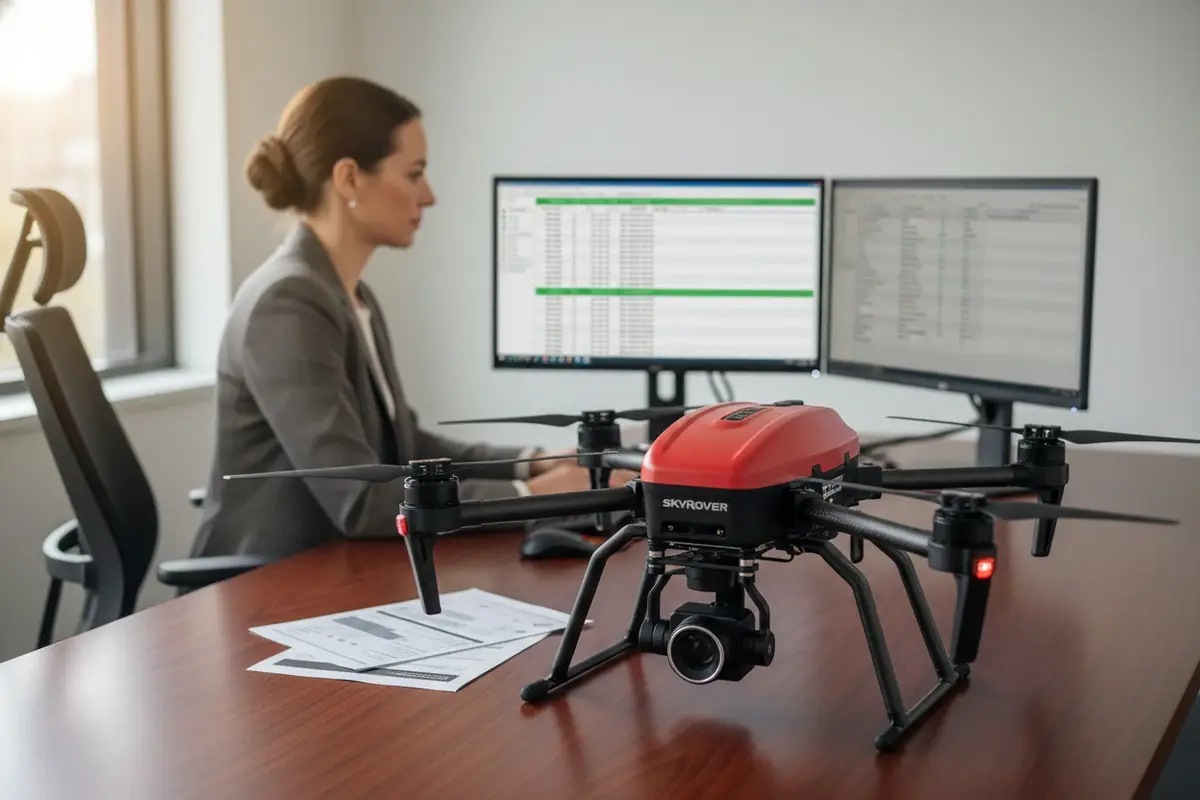

Als unser Ingenieurteam begann, Feuerlöschdrohnen in den US-Markt zu exportieren, stellten wir schnell fest, dass die Einhaltung von Softwarelizenzen 1 mehr Kopfzerbrechen bereitet als Hardwarezertifizierungen. Viele Käufer konzentrieren sich auf Nutzlastkapazität und Flugzeit, während sie das rechtliche Minenfeld unter der Firmware ignorieren.
Um die rechtliche Softwarelizenzierung beim Bezug von Feuerwehrdrohnen aus China sicherzustellen, müssen Käufer die Exportlizenzen des MOFCOM überprüfen, vollständige Software-Stücklisten (SBOMs) anfordern, die Einhaltung von Open-Source- und proprietären Lizenzen bestätigen, ECCN-Klassifizierungen prüfen und sicherstellen, dass die Drohnensoftware die Datenschutzbestimmungen des Ziellandes erfüllt.
Die regulatorische Landschaft hat sich seit Dezember 2024 dramatisch verändert Software-Stücklisten (SBOMs) 2. China setzt nun strenge Exportkontrollen für doppelt verwendbare Güter durch, während die USA die Verbote chinesischer Drohnenkomponenten ausgeweitet haben. Lassen Sie mich Sie durch jeden kritischen Bereich führen, den Sie angehen müssen.
Welche Dokumentation sollte ich anfordern, um die Softwarelizenzen meiner Feuerwehrdrohnen zu überprüfen?
Unser Export-Compliance-Team bearbeitet täglich Dokumentationsanfragen MOFCOM-Exportlizenzen 3. Wir sehen, dass viele Käufer nach grundlegenden Datenblättern fragen, aber die Software-Unterlagen übersehen, die wirklich wichtig sind. Ohne die richtige Dokumentation riskieren Sie eine Zollbeschlagnahme oder rechtliche Probleme nach dem Verkauf ECCN-Klassifizierungen 4.
Fordern Sie von Ihrem chinesischen Lieferanten vor jedem Kauf eine vollständige Software-Stückliste (SBOM), Kopien der MOFCOM-Exportlizenz, Erklärungen zu Open-Source-Lizenzen, kommerzielle Softwarevereinbarungen, Endbenutzerzertifikate und ECCN-Klassifizierungsdokumente an.
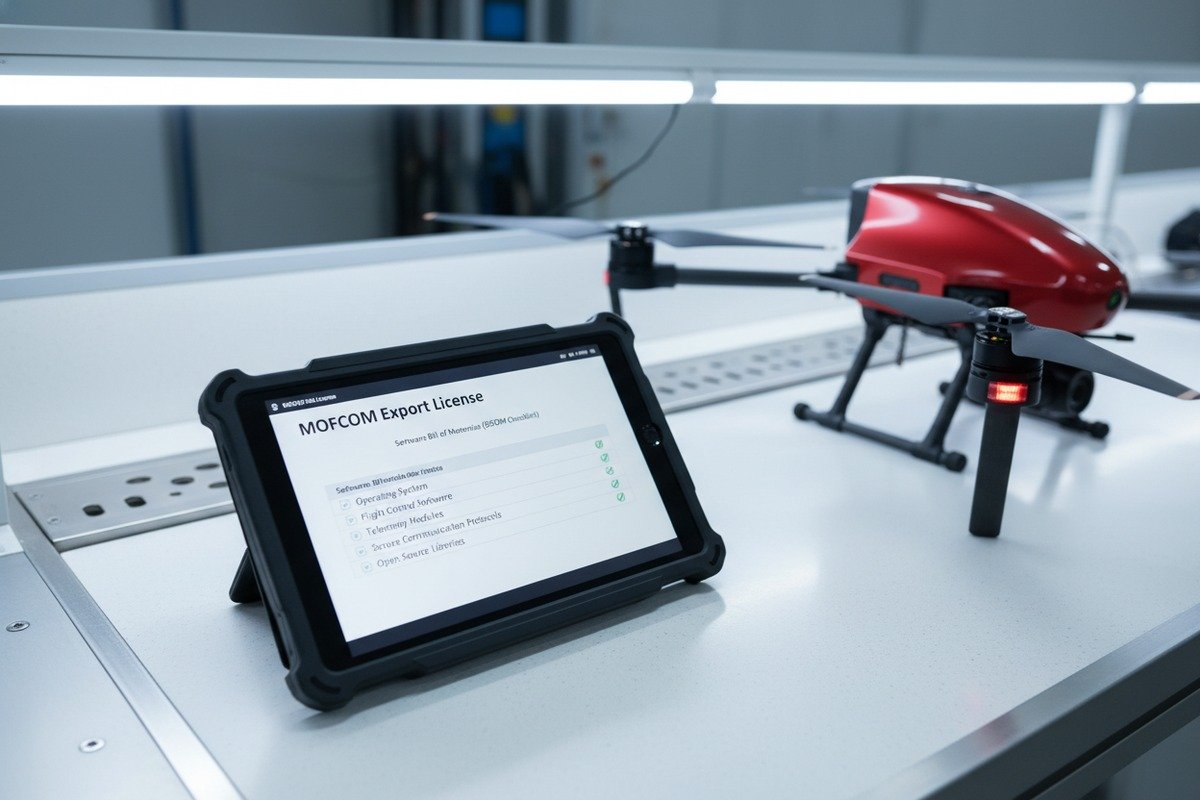
Warum Dokumentation wichtiger ist als je zuvor
Seit Dezember 2024 verlangt das chinesische Handelsministerium (MOFCOM) Exportlizenzen für Drohnen, die als doppelt verwendbare Güter eingestuft werden Exportkontrollen für doppelt verwendbare Güter 5. Dazu gehören UAVs, Motoren, Fernbedienungen und Software mit potenziellen militärischen Anwendungen. Ihr Lieferant muss nachweisen, dass er die richtige Genehmigung erhalten hat.
Die SBOM ist Ihr wichtigstes Dokument. Sie listet jede Softwarekomponente Ihrer Drohne auf – kommerzielle Module, Open-Source-Bibliotheken und benutzerdefinierter Code. Ohne sie können Sie nicht überprüfen, was Sie tatsächlich importieren.
Checkliste für wichtige Dokumente
| Dokumenttyp | Was es beweist | Wer stellt sie aus? |
|---|---|---|
| MOFCOM-Exportlizenz | Gesetzliche Ausfuhrgenehmigung | Chinesisches Handelsministerium |
| Software-Stückliste | Vollständige Softwareinventur | Hersteller |
| Liste der Open-Source-Lizenzen | GPL-, MIT-, Apache-Konformität | Rechtsteam des Herstellers |
| Kommerzielle Lizenzvereinbarungen | Kostenpflichtige Software ist ordnungsgemäß lizenziert | Drittanbieter von Software |
| ECCN-Klassifizierung | US-Importkategorie | Hersteller oder Handelsberater |
| Endbenutzer-Zertifikat | Beabsichtigte zivile Nutzung | Käufer |
Rote Flaggen, auf die man achten sollte
Einige Lieferanten stellen vage Dokumentationen zur Verfügung. Wenn Ihr Lieferant keine SBOM innerhalb einer Woche vorlegen kann, deutet dies auf schlechte interne Kontrollen hin. Wir pflegen Echtzeit-SBOMs für jede Produktlinie, da ernsthafte Käufer diese verlangen.
Achten Sie auf diese Warnzeichen:
- Allgemeine Aussagen wie "jede Software ist lizenziert"
- Weigerung, Drittanbieterkomponenten offenzulegen
- Fehlende Versionsnummern in Softwarelisten
- Keine Kontaktinformationen zur Lizenzüberprüfung
Anforderungen an die Prüfung von Open-Source-Software
Viele Drohnensysteme verwenden Open-Source-Flugsteuerungen 6 wie PX4 oder ArduPilot. Diese verwenden permissive Lizenzen, aber Modifikationen können Offenlegungspflichten auslösen. Fordern Sie Dokumentation an, die zeigt, welche Open-Source-Komponenten modifiziert wurden und wie Ihr Lieferant die Einhaltung sicherstellt.
Unser Firmware-Team dokumentiert jede Open-Source-Modifikation. Dies schützt sowohl uns als auch unsere Käufer vor Lizenzverstößen.
Wie stelle ich sicher, dass die von mir gemeinsam mit meinem Lieferanten entwickelten kundenspezifischen Softwarefunktionen rechtlich geschützt sind?
Wenn wir mit Partnern im Ausland an kundenspezifischen Flugsteuerungsalgorithmen oder der Integration von Wärmebildtechnik zusammenarbeiten, Schutz des geistigen Eigentums 7 wird zum zentralen Anliegen. Wir haben Partnerschaften scheitern sehen, weil die Eigentumsverhältnisse nie klar definiert waren.
Schützen Sie gemeinsam entwickelte Software durch schriftliche IP-Vereinbarungen, die Eigentumsanteile, Treuhandvereinbarungen für Quellcode, Geheimhaltungsvereinbarungen, klare Lizenzbedingungen für Derivate und vertragliche Bestimmungen, die mit den Gesetzen Chinas und des Ziellandes übereinstimmen, festlegen.

Klare Eigentumsverhältnisse von Anfang an schaffen
Bevor Code geschrieben wird, muss Ihr Vertrag eine Frage beantworten: Wem gehört was? Wir empfehlen, die Eigentumsverhältnisse auf der Grundlage des Beitrags aufzuteilen. Wenn Sie das Algorithmuskonzept bereitstellen und wir es implementieren, sollte der Vertrag diese Aufteilung widerspiegeln.
Das chinesische Recht zum geistigen Eigentum wurde erheblich gestärkt. Gerichte setzen Software-IP-Rechte jetzt konsequenter durch. Die Durchsetzung funktioniert jedoch am besten, wenn Verträge explizit und detailliert sind.
Wichtige Vertragsbestimmungen
| Bestimmung | Zweck | Empfohlene Begriffe |
|---|---|---|
| Eigentumsaufteilung | Definiert, wem der Code gehört | Prozentsatz basierend auf dem Beitrag |
| Quellcode-Hinterlegung 8 | Schützt den Käufer, wenn der Lieferant ausfällt | Drittanbieter-Treuhandagent in einem neutralen Land |
| Änderungsrechte | Kontrolliert zukünftige Änderungen | Käufergenehmigung für Änderungen erforderlich |
| Unterlizenzierung | Beschränkt die Wiederverwendung durch den Lieferanten | Schriftliche Zustimmung erforderlich |
| Anwendbares Recht | Legt die rechtliche Zuständigkeit fest | Oft Hongkong oder Singapur |
| Streitbeilegung | Definiert den Konfliktprozess | Schiedsverfahren an einem neutralen Ort |
Schutz vor Risiken des Technologietransfers
Einige Käufer befürchten eine erzwungene Technologieübertragung. Obwohl dieses Risiko unter den jüngsten chinesischen Vorschriften abgenommen hat, verringern praktische Schritte es weiter. Geben Sie niemals vollständige Algorithmen in anfänglichen Diskussionen weiter. Verwenden Sie eine gestaffelte Entwicklung, bei der das Kern-IP bei Ihnen verbleibt, bis Zahlungsmeilensteine erreicht sind.
Unsere Ingenieurverträge enthalten Bestimmungen, dass abgeschlossene kundenspezifische Arbeiten ohne schriftliche Genehmigung nicht für Wettbewerber wiederverwendet werden dürfen. Dies schützt die Wettbewerbsvorteile unserer Kunden.
Quellcode-Hinterlegung erklärt
Source-Code-Escrow platziert Ihre kundenspezifische Software bei einem neutralen Dritten. Wenn wir keine Updates liefern oder den Geschäftsbetrieb einstellen, erhalten Sie Zugang zum Code. Diese Vereinbarung ist mit zusätzlichen Kosten verbunden, bietet aber eine Versicherung für geschäftskritische Systeme.
Für Löschdrohnen, bei denen Softwarefehler Leben gefährden können, sind Escrow-Vereinbarungen sinnvoll. Wir arbeiten mit Escrow-Agenten in Singapur zusammen, die auf grenzüberschreitenden Software-Schutz spezialisiert sind.
Best Practices für die gemeinsame Entwicklung
Wenn unser Team Funktionen wie autonome Branddetektion oder koordinierte Schwarmoperationen gemeinsam entwickelt, befolgen wir diese Praktiken:
- Wöchentliche Dokumentation aller Beiträge
- Versionskontrolle mit Zugriffsprotokollen
- Separate Repositories für proprietären und gemeinsam genutzten Code
- Regelmäßige IP-Prüfungen während der Entwicklung
- Klare Meilensteindefinitionen vor Arbeitsbeginn
Entspricht die Flugsteuerungssoftware meiner importierten Drohnen den Datenschutz- und Lizenzbestimmungen meines Landes?
Unsere US-Kunden fragen zunehmend nach Datensicherheit, seit die FCC Beschränkungen für chinesische Drohnenkomponenten angekündigt hat. Die ab 2026 geltenden Regeln bedeuten, dass diese Frage ernsthafte Aufmerksamkeit erfordert. Datenverarbeitung ist kein rein technisches Problem mehr – sie ist eine gesetzliche Anforderung.
Die Einhaltung der Flugsteuerungssoftware erfordert die Überprüfung, dass Daten lokal bleiben oder über genehmigte Server geleitet werden, die Verschlüsselung den Standards des Ziellandes entspricht, keine unbefugte Datenübertragung stattfindet und die Softwarearchitektur Sicherheitsaudits und die Isolierung sensibler Module ermöglicht.

Verständnis der US-Regulierungsanforderungen
Die FCC wird ab 2026 die Zulassung für in China hergestellte Drohnen und Komponenten verweigern. Dies umfasst Flugsteuerungen, Funkgeräte und Kameras aus "abgedeckten" Ländern. Selbst in den USA montierte Drohnen mit chinesischen internen Komponenten unterliegen Beschränkungen.
Für Brandbekämpfungsanwendungen konzentrieren sich die Bedenken hinsichtlich der Datensicherheit auf:
- Standortdaten kritischer Infrastrukturen
- Wärmebilder von Gebäuden und Einrichtungen
- Flugmuster in der Nähe sensibler Bereiche
- Verwendete Kommunikationsfrequenzen
Checkliste zur Einhaltung der Datensicherheit
| Sicherheitsanforderung | Wie man verifiziert | Warum es wichtig ist |
|---|---|---|
| Lokale Datenspeicherung | Anforderungsarchitekturdokumentation | Verhindert Übertragung an ausländische Server |
| Verschlüsselungsstandards | AES-256 oder Äquivalent verifizieren | Erfüllt die meisten westlichen Sicherheitsanforderungen |
| Telemetriesteuerungen | Im Sandbox-Umfeld testen | Bestätigt keine versteckten Datenströme |
| Firmware-Aktualisierungen | Überprüfen Sie die Update-Serverstandorte | Verhindert die Einführung von Hintertüren |
| API-Sicherheit | Überprüfen Sie die Authentifizierungsmethoden | Blockiert unbefugten Zugriff |
Praktische Verifizierungsschritte
Richten Sie vor dem Import eine Software-Sandboxing-Umgebung ein. Betreiben Sie das Betriebssystem der Drohne in einem isolierten Netzwerk. Überwachen Sie alle ausgehenden Verbindungen. Unser technisches Team kann Netzwerkverkehrsprotokolle bereitstellen, die genau zeigen, welche Daten die Drohne verlassen und wohin sie gehen.
Erwägen Sie für kritische Brandbekämpfungsoperationen Drohnen mit Air-Gap-Betriebsfähigkeit. Diese Systeme funktionieren ohne Netzwerkverbindung und eliminieren so vollständig Risiken für die Datensicherheit aus der Ferne.
Anpassung an die FCC-Regeln von 2026
Die neuen FCC-Regeln zielen speziell auf Drohnen mit chinesischen "Innereien" ab – auch wenn sie anderswo montiert wurden. Zu den Compliance-Optionen gehören:
- Beschaffung von Flugsteuerungen von nicht-chinesischen Herstellern
- Verwendung von Software-Stacks aus den USA oder verbündeten Ländern
- Implementierung von Hardware-Sicherheitsmodulen, die chinesische Komponenten isolieren
- Dokumentation vollständiger Herkunftsketten von Komponenten
Unser Ingenieurteam hat modulare Architekturen entwickelt, die den Austausch von Komponenten ermöglichen. Käufer können nicht-chinesische Flugsteuerungen spezifizieren und gleichzeitig andere Systeme beibehalten, die Kostenvorteile bieten.
Überlegungen zu KI und maschinellem Lernen
Brandbekämpfungsdrohnen nutzen zunehmend KI für die thermische Analyse und autonome Navigation. Überprüfen Sie die Herkunft von KI-Modellen. Die Herkunft der Trainingsdaten ist wichtig – Modelle, die auf sensiblen Daten aus anderen Anwendungen trainiert wurden, können Compliance-Risiken bergen.
Wir trainieren unsere KI-Modelle ausschließlich auf lizenzierten Wärmebilddatensätzen. Die Dokumentation der Trainingsdatenquellen ist für Käufer verfügbar, die eine Compliance-Überprüfung benötigen.
Welche Schritte kann ich unternehmen, um langfristigen Software-Support und Updates für meine Drohnenflotte zu gewährleisten?
Wenn wir eine Flotte von Feuerwehrdrohnen liefern, beginnt unsere Beziehung gerade erst. Software-Updates, Sicherheitspatches und Funktionsverbesserungen bestimmen den langfristigen Betriebswert. Ohne garantierte Unterstützung werden Ihre teuren Drohnen schnell obsolet.
Sichern Sie sich langfristigen Software-Support durch mehrjährige Serviceverträge, garantierte Update-Frequenzen, Zusagen zur Reaktionszeit, Bestimmungen zum Quellcodezugriff, Schulungsprogramme für Ihr technisches Personal und klare Preisgestaltung für zukünftige Entwicklungsarbeiten.

Warum Support-Vereinbarungen wichtig sind
Die Software für Feuerwehrdrohnen erfordert regelmäßige Updates. Flugsteuerungsalgorithmen verbessern sich. Sicherheitslücken treten auf. Regulatorische Anforderungen ändern sich. Ohne engagierten Lieferanten-Support stehen Sie vor drei schlechten Optionen: Betrieb veralteter Systeme, Zahlung von Premium-Preisen für Notfall-Updates oder Ersatz Ihrer gesamten Flotte.
Unsere Standard-Supportverträge laufen drei bis fünf Jahre. Dies entspricht typischen Lebenszyklen von Drohnenflotten und bietet Budgetvorhersehbarkeit.
Komponenten der Support-Vereinbarung
| Komponente | Standardbedingungen | Premium-Bedingungen |
|---|---|---|
| Häufigkeit der Aktualisierung | Vierteljährlich | Monatlich |
| Sicherheits-Patches | Innerhalb von 30 Tagen | Innerhalb von 7 Tagen |
| Fernsupport-Stunden | Geschäftszeiten | 24/7 |
| Vor-Ort-Support | Zusätzliche Gebühr | Eingeschlossen |
| Schulungen | Jährlich | Vierteljährlich |
| Kundenspezifische Entwicklung | Separat angeboten | Rabattierter Satz |
| Hardware-Kompatibilität | Aktuelle Generation | Nächste Generation garantiert |
Aufbau interner Fähigkeiten
Sich vollständig auf Lieferantenunterstützung zu verlassen, birgt Risiken. Wir ermutigen Kunden, interne Expertise zu entwickeln. Unsere Schulungsprogramme umfassen:
- Grundlegende Firmware-Diagnose
- Konfigurationsmanagement
- Protokollanalyse zur Fehlerbehebung
- Sichere Verfahren zur Bereitstellung von Updates
Für größere Flotten sollten Sie die Einstellung oder Schulung eines engagierten Drohnensystemadministrators in Betracht ziehen. Wir bieten Zertifizierungsprogramme an, die Ihre Mitarbeiter qualifizieren, routinemäßige Wartungsarbeiten selbstständig durchzuführen.
Treuhand und Notfallplanung
Was passiert, wenn Ihr Lieferant geschäftliche Schwierigkeiten hat? Die zuvor besprochene Quellcode-Hinterlegung bietet einen Schutz. Fordern Sie zusätzlich ausreichende Dokumentation an, damit ein anderer qualifizierter Entwickler Ihre Systeme warten kann.
Wir bieten umfassende technische Dokumentationspakete an, die Folgendes enthalten:
- Vollständige API-Dokumentation
- Datenbankschemata
- Spezifikationen der Build-Umgebung
- Listen von Drittanbieter-Abhängigkeiten
- Bereitstellungsverfahren aktualisieren
Günstige Konditionen aushandeln
Konzentrieren Sie sich bei der Aushandlung von Support-Vereinbarungen auf diese Punkte:
- Maximale Reaktionszeiten für kritische Probleme
- Garantierte Kompatibilität mit regulatorischen Änderungen
- Preiskappen für zukünftige Updates
- Klare Definitionen, was ein "kritisches" Problem darstellt
- Ausstiegsregelungen, wenn Service-Level nicht eingehalten werden
Unsere Verträge beinhalten Service Level Agreements mit spezifischen Strafen für verpasste Zusagen. Dies richtet unsere Interessen an Ihren aus – wir sind erfolgreich, wenn Ihre Drohnen zuverlässig funktionieren.
Planung für regulatorische Änderungen
Das regulatorische Umfeld für Drohnen ändert sich schnell. Ihre Support-Vereinbarung sollte regeln, wie Updates, die durch neue Vorschriften erforderlich sind, gehandhabt werden. Sind sie in den Standard-Supportgebühren enthalten oder werden sie separat berechnet?
Seit 2024 haben wir mehrere Firmware-Updates veröffentlicht, die chinesische und internationale regulatorische Änderungen betreffen. Kunden mit aktiven Support-Vereinbarungen erhielten diese ohne zusätzliche Kosten.
Schlussfolgerung
Die rechtliche Softwarelizenzierung für Feuerwehrdrohnen erfordert Aufmerksamkeit für Dokumentation, IP-Schutz, Datensicherheit und langfristigen Support. Die regulatorische Landschaft wird immer strenger. Käufer, die heute in die Compliance-Überprüfung investieren, vermeiden morgen kostspielige Probleme. Arbeiten Sie mit Lieferanten zusammen, die diese Anforderungen verstehen und die Dokumentation bereitstellen können, die Ihr Betrieb benötigt.
Fußnoten
1. Erläutert den Prozess und die Bedeutung der Sicherstellung der Einhaltung von Softwarelizenzbestimmungen für Anbieter und Benutzer. ︎
2. Offizielle Regierungsressource, die SBOMs, ihre Mindestbestandteile und ihre Bedeutung für die Transparenz der Lieferkette definiert. ︎
3. Bietet eine juristische Analyse der neuen chinesischen Exportkontrollvorschriften, einschließlich der Lizenzanforderungen des MOFCOM für Güter mit doppeltem Verwendungszweck. ︎
4. Offizieller Leitfaden des U.S. Bureau of Industry and Security (BIS) zum Verständnis und zur Klassifizierung von Gütern mit ECCNs. ︎
5. Erläutert Güter mit doppeltem Verwendungszweck und die Rolle von Exportkontrollen bei der Verhinderung ihrer Abzweigung für militärische Zwecke. ︎
6. Offizielle Website für ArduPilot, ein weit verbreitetes Open-Source-Autopilotsystem für verschiedene unbemannte Fahrzeuge. ︎
7. Offizieller Überblick der Weltorganisation für geistiges Eigentum (WIPO) über geistiges Eigentum und dessen globalen Schutz. ︎
8. Juristische Erklärung von Source-Code-Escrow, seinem Zweck und seinen Vorteilen für Softwarebenutzer und -anbieter. ︎

 English
  Español de México
  Deutsch
  Français
  Русский
  العربية
Comments
No comments yet. Be the first to share your thoughts!
Leave a Comment