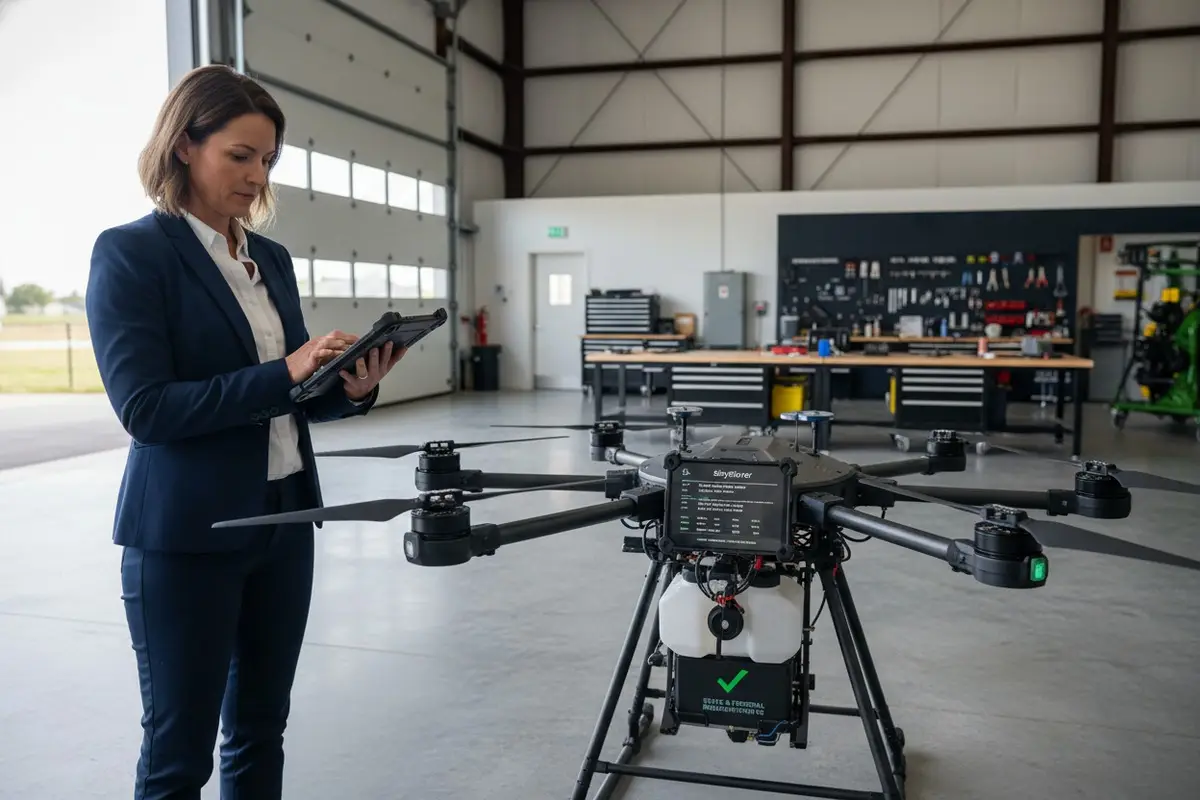
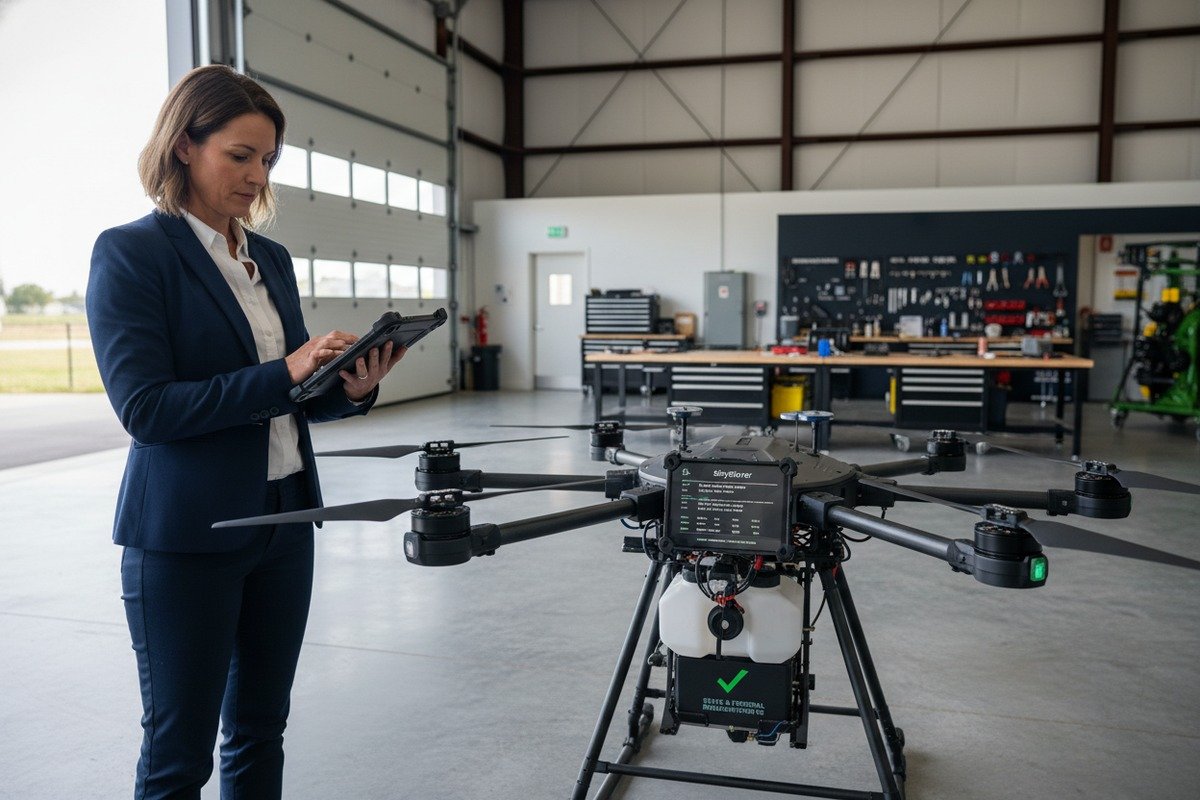
Jede Woche hören wir in unserer Produktionshalle von amerikanischen Käufern, die über Pestizidaufzeichnungen verwirrt sind Nationales Pestizid-Informationszentrum 1. Sie wollen unsere Hexacopter-Drohnen, machen sich aber Sorgen über die Einhaltung staatlicher Vorschriften. Die Regeln variieren stark. Verpassen Sie eine Anforderung, und Sie riskieren Geldstrafen von bis zu $50.000.
Beim Kauf von Agrardrohnen in den USA müssen Sie sowohl die bundesstaatlichen FIFRA-Vorschriften, die neun Datenpunkte für Pestizide der Restricted Use Pesticides erfordern, als auch die spezifischen Gesetze Ihres Bundesstaates für Pestizidanwender befolgen. Die Bundesstaaten schreiben zusätzliche drohnenspezifische Protokolle vor, darunter Flugstunden, GPS-Koordinaten, Wetterbedingungen und Wartungsaufzeichnungen. Erkundigen Sie sich vor dem Kauf bei Ihrer staatlichen Landwirtschaftsbehörde nach den genauen Anforderungen.
Die Compliance-Landschaft verändert sich ständig. Ich werde Ihnen genau erklären, welche Aufzeichnungen Sie benötigen, wie Sie Ihre staatlichen Regeln finden und welche Drohneneigenschaften für die Einhaltung der Gesetze am wichtigsten sind.
Wie finde ich die spezifischen Gesetze zur Aufzeichnung von Pestiziden, die für meine Drohnenbetriebe in meinem Bundesstaat gelten?
Unser Exportteam beantwortet diese Frage täglich von Händlern in ganz Amerika digitale Agronomie-Plattformen 2. Die Antwort scheint einfach, aber viele Betreiber stolpern darüber. Sie müssen mehrere Behörden prüfen. Verpassen Sie eine Quelle, und Ihre Aufzeichnungen können bei einer Prüfung unzureichend sein.
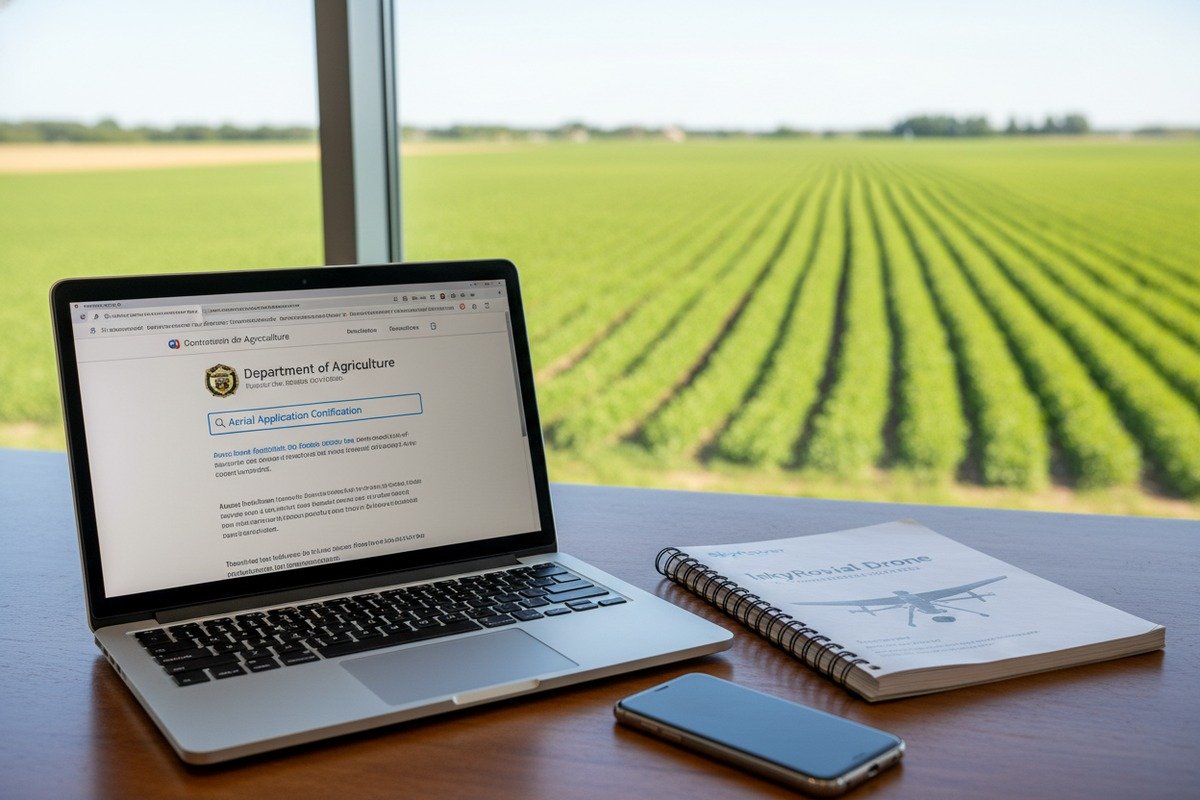
Beginnen Sie mit der Website der Landwirtschaftsbehörde Ihres Bundesstaates und suchen Sie nach "Pestizidanwenderzertifizierung" und "Luftapplikation". Die meisten Bundesstaaten listen drohnenspezifische Anforderungen unter den Regeln für die landwirtschaftliche Luftfahrt auf. Das National Pesticide Information Center unter npic.orst.edu/reg/state_agencies.html bietet direkte Links zu allen 50 staatlichen Pestizid-Regulierungsbehörden.
Die bundesstaatliche Grundlage, die Sie zuerst kennen müssen
Bevor Sie sich mit den staatlichen Regeln befassen, sollten Sie die bundesstaatliche Basis verstehen. Das FIFRA-Gesetz der EPA regelt die gesamte Pestizidanwendung. Für Pestizide der Restricted Use Pesticides 3, die die meisten drohnenapplizierten Chemikalien abdecken, müssen Sie innerhalb von 14 Tagen nach der Anwendung neun spezifische Datenpunkte aufzeichnen.
| Vom Bund geforderte FIFRA-Datenpunkte | Beschreibung |
|---|---|
| Marken-/Produktname | Der genaue Handelsname auf dem Etikett |
| EPA-Registrierungsnummer 4 | Auf jedem Pestizidbehälter zu finden |
| Gesamtmenge angewendet | Gemessen in Gallonen, Pfund oder Unzen |
| Anwendungsdatum | Monats-, Tages- und Jahresformat |
| Standort | Feldidentifikation oder Adresse |
| Kultur/Ware/Standort | Was wurde behandelt |
| Flächengröße | Hektar oder Quadratfuß |
| Name des Anwenders | Person, die die Ausrüstung bedient hat |
| Zertifizierungsnummer | Ihre Pestizidlizenznummer |
Bewahren Sie diese Aufzeichnungen mindestens zwei Jahre lang auf. Es gibt kein bestimmtes Formular. Eine Tabellenkalkulation ist in Ordnung.
Kontaktstrategie für Landesbehörden
Wenn wir Drohnen in verschiedene Bundesstaaten versenden, bieten wir den Käufern einen einfachen Suchprozess. Besuchen Sie zuerst Ihre Landwirtschaftsministerium des Bundesstaates 5'Hauptwebsite. Suchbegriffe, die funktionieren, sind "Pestizidregulierung", "Lizenz für Luftapplikatoren" und "Genehmigung für landwirtschaftliche Drohnen"."
Zweitens rufen Sie direkt die Abteilung für Pestizidregulierung an. Erklären Sie, dass Sie eine Sprühdrohne betreiben. Fragen Sie speziell nach Aufzeichnungen, die über die bundesstaatlichen Anforderungen hinausgehen.
Drittens prüfen Sie, ob Ihr Bundesstaat spezifische Drohnenrichtlinien veröffentlicht hat. North Carolina hat ein detailliertes Dokument "Guidance on Licensed UAV Applicator" veröffentlicht. Andere Bundesstaaten wie Kalifornien und Texas haben ähnliche Veröffentlichungen.
Beispiele für staatliche Unterschiede
Die Regeln der Bundesstaaten unterscheiden sich erheblich. Einige fügen minimale Anforderungen hinzu. Andere verlangen eine umfangreiche Dokumentation.
| Bundesstaat | Zusätzliche Anforderungen über die bundesstaatlichen hinaus |
|---|---|
| North Carolina | Fähigkeitstests, Wartungsprotokolle, $25 jährliche Inspektionsgebühr, Genehmigung für UAV-Betreiber |
| Kalifornien | Genehmigungen für eingeschränkte Materialien, Benachrichtigung des Landkreises, detaillierte Anwendungsberichte |
| Texas | Gewerblicher Anwenderlizenz für jegliche Luftarbeiten, Flugprotokolle |
| Florida | Geschäftslizenz, Versicherungsnachweis, Gerätekalibrierungsaufzeichnungen |
| Iowa | Nachbarbenachrichtigungsprotokolle, Abdriftpufferdokumentation |
Die Unterscheidung zwischen privat und gewerblich verschwimmt. Viele Bundesstaaten verlangen nun von privaten Anwendern auf ihren eigenen Betrieben, dass sie gewerbliche Standards einhalten. North Carolina schreibt dies ab 2025 vor.
Nutzung professioneller Netzwerke
Landesweite Verbände von Pflanzenschutzmittelanwendern haben oft Compliance-Leitfäden. Die National Agricultural Aviation Association 6 verfolgt Regeländerungen. Lokale Beratungsstellen von Land-Grant-Universitäten 7 bieten kostenlose Beratung.
Unsere US-Händler treten oft staatlichen Drohnenbetreiberverbänden bei. Diese Gruppen teilen Compliance-Updates und Vorlagen für Aufzeichnungsformulare. Die Investition zahlt sich zur Auditzeit aus.
Kann meine Agrardrohnen-Software mir helfen, die von meinen lokalen Aufsichtsbehörden geforderten Protokolle für die Pestizidanwendung zu automatisieren?
Wenn wir in unserer Einrichtung Flugsteuerungssoftware entwickeln, steht die Automatisierung der Compliance ganz oben auf unserer Prioritätenliste. Amerikanische Käufer fordern speziell Funktionen, die den Papierkram reduzieren. Gute Nachricht: Moderne Drohnensysteme können die meisten erforderlichen Daten automatisch erfassen.
Ja, landwirtschaftliche Drohnensoftware kann die meisten Protokolle für die Pestizidanwendung automatisieren. Fortschrittliche Systeme erfassen automatisch GPS-Koordinaten, Flugrouten, Sprühraten, Zeitstempel und Wetterdaten. Die Software exportiert diese Informationen zur Speicherung und Berichterstattung an digitale Agronomieplattformen. Sie müssen jedoch weiterhin Produktdetails, EPA-Registrierungsnummern und Informationen zur Zulassung des Anwenders manuell eingeben.
Was moderne Drohnensoftware automatisch erfasst
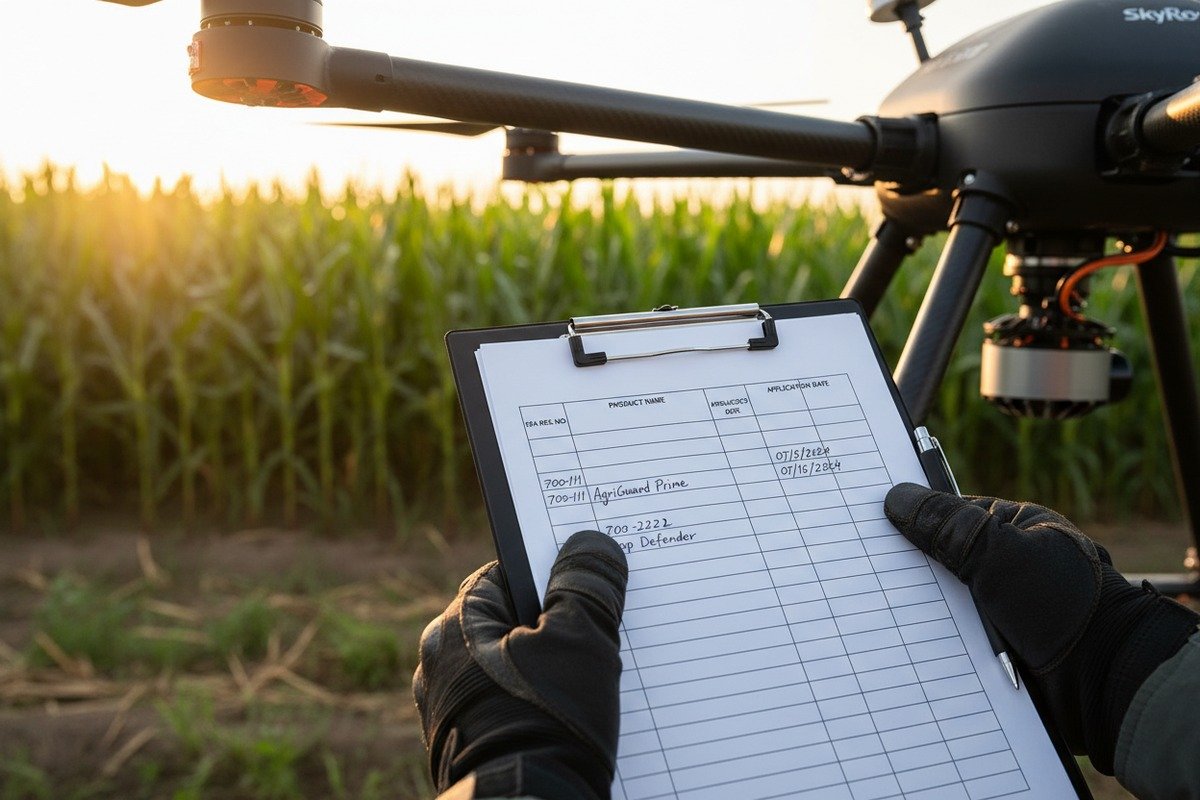
Unsere Hexacopter-Systeme verfügen über eine integrierte Flugprotokollierung. Sobald Sie das Gerät einschalten, beginnt die Datenerfassung. Während Ihrer Sprühmission zeichnet das System alles auf, was die Regulierungsbehörden sehen möchten.
| Datenart | Automatische Erfassung | Manuelle Eingabe erforderlich |
|---|---|---|
| GPS-Flugroute | Ja | Nein |
| Start-/Endzeit der Anwendung | Ja | Nein |
| Sprührate pro Hektar | Ja | Nein |
| Gesamtvolumen abgegeben | Ja | Nein |
| Wetterbedingungen | Ja (mit Sensoren) | Manchmal |
| Windgeschwindigkeit/-richtung | Ja (mit Sensoren) | Manchmal |
| Temperatur/Luftfeuchtigkeit | Ja (mit Sensoren) | Manchmal |
| Name des Pflanzenschutzmittels | Nein | Ja |
| EPA-Registrierungsnummer | Nein | Ja |
| Zertifizierung des Anwenders | Nein | Ja |
| Kulturpflanzenart | Nein | Ja |
Integration mit Farm-Management-Plattformen
Die wahre Stärke liegt in der Softwareintegration. Unsere Drohnen verbinden sich mit Plattformen wie John Deere Operations Center, Climate FieldView und Granular. Nach jedem Flug werden die Aufzeichnungen automatisch in der Cloud synchronisiert.
Diese Integration schafft ein Compliance-Backup. Selbst wenn Ihr lokales Gerät ausfällt, sind die Aufzeichnungen auf sicheren Servern vorhanden. Bei Audits rufen Sie Berichte sofort ab, anstatt Papierakten zu durchsuchen.
Einrichten Ihres Compliance-Workflows
Konfigurieren Sie zunächst Ihre Drohnensoftware mit Ihren Anwenderinformationen. Geben Sie Ihre Zertifizierungsnummer, Ihre Gewerbelizenz und Ihre Betreiberdaten ein. Diese Daten werden automatisch in jedes Protokoll übernommen.
Erstellen Sie als Nächstes Profile für Pflanzenschutzmittel. Geben Sie die EPA-Registrierungsnummer, den Produktnamen und die Kennzeichnungspflichten für Chemikalien ein, die Sie regelmäßig verwenden. Wählen Sie das Profil vor jeder Anwendung aus.
Aktivieren Sie als Drittes die Protokollierung von Wettersensoren. Wenn Ihre Drohne keine integrierten Wettersensoren hat, verbinden Sie sich mit einer nahegelegenen Wetterstations-API. Unsere Systeme unterstützen diese Integration.
Planen Sie als Viertes automatische Cloud-Backups. Stellen Sie die Software so ein, dass Protokolle innerhalb von 24 Stunden nach jeder Anwendung hochgeladen werden. Dies erfüllt die 14-tägige bundesstaatliche Frist mit Spielraum.
Cybersicherheitsüberlegungen
Digitale Aufzeichnungen schaffen neue Verantwortlichkeiten. Als unser Ingenieurteam Konnektivitätsfunktionen für die Cloud entwickelte, haben wir Verschlüsselung in jede Datenübertragung integriert. Ihre Pflanzenschutzmittelaufzeichnungen enthalten sensible Geschäftsinformationen.
Verwenden Sie starke Passwörter für Farm-Management-Konten. Aktivieren Sie die Zwei-Faktor-Authentifizierung 9 , wenn verfügbar. Wenn Sie Cloud-Speicher von Drittanbietern nutzen, überprüfen Sie deren Datenschutzrichtlinien. Fragen Sie gezielt, wer auf Ihre Anwendungsaufzeichnungen zugreifen kann.
Einige Bundesstaaten können im Rahmen von Audits Zugang zu Ihren digitalen Aufzeichnungen verlangen. Verstehen Sie Ihre Rechte, bevor Sie den Systemzugang gewähren. Bewahren Sie lokale Backups für den Fall von Serviceunterbrechungen auf.
Welche Datenpunkte muss ich in meinen Drohnensprühprotokollen angeben, um die Umweltvorschriften auf Landesebene einzuhalten?
Nach unserer Erfahrung beim Export auf den US-Markt unterschätzen Käufer oft die staatlichen Umweltanforderungen. Bundesvorschriften decken grundlegende Anwendungsdaten ab. Staatliche Umweltbehörden wollen den Nachweis, dass Sie angrenzende Gebiete geschützt haben. Das Fehlen dieser Details lädt zu Abdriftklagen und dem Widerruf von Genehmigungen ein.
Ihre Drohnensprühprotokolle müssen die neun bundesstaatlichen FIFRA-Datenpunkte sowie die vom Bundesstaat vorgeschriebenen Umweltdaten enthalten: GPS-Koordinaten der Sprühgrenzen, Abstände von Pufferzonen zu Gewässern und empfindlichen Gebieten, Windgeschwindigkeit und -richtung während der Anwendung, Temperatur- und Luftfeuchtigkeitsmesswerte, Aufzeichnungen über die Benachrichtigung von Nachbarn und Notizen zur Feldüberwachung nach der Anwendung. Die Einhaltung von Umweltvorschriften variiert je nach Bundesstaat und Pestizidart.
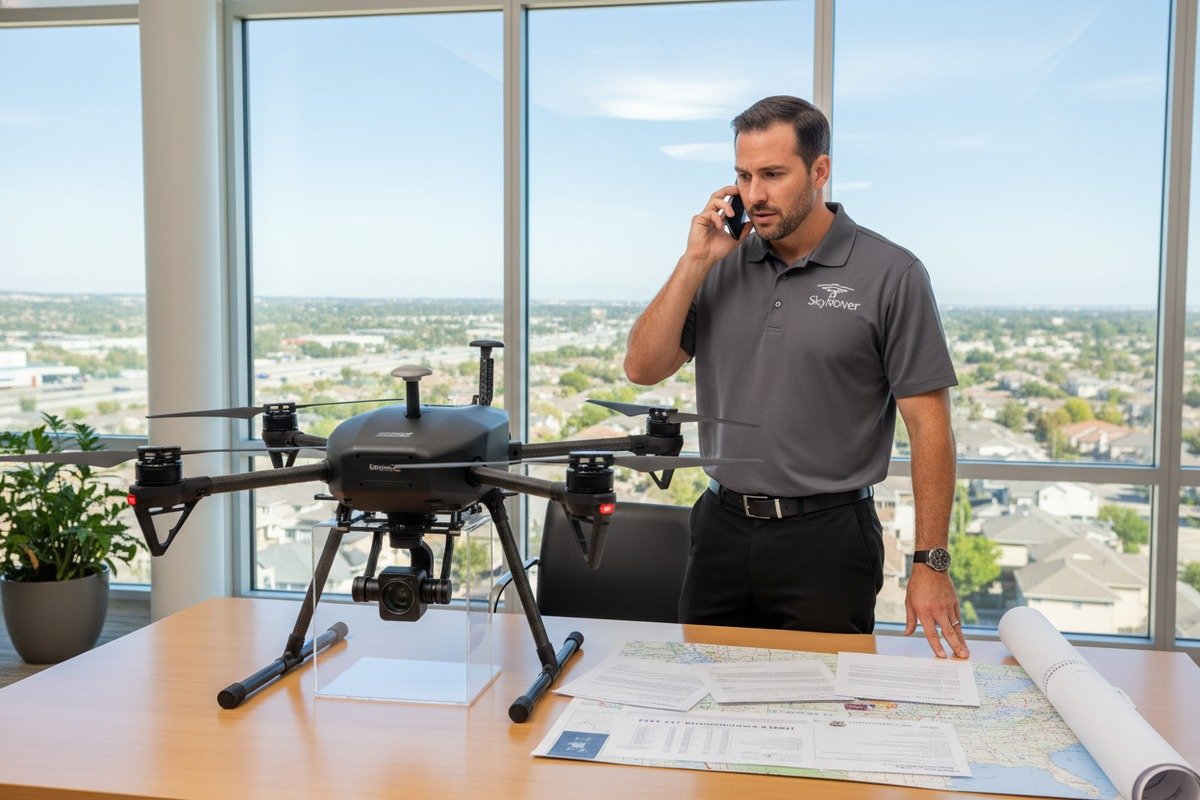
Kernpunkte der Umweltdaten
Über grundlegende Anwendungsaufzeichnungen hinaus erfordert die Einhaltung von Umweltvorschriften spezifische Messungen. Wenn wir unsere Sprühsysteme kalibrieren, konfigurieren wir Sensoren, um diese Daten kontinuierlich zu erfassen.
| Umweltdatenpunkt | Warum Regulierungsbehörden es verlangen |
|---|---|
| Windgeschwindigkeit | Beweist, dass das Abdrift-Risiko akzeptabel war |
| Windrichtung | Zeigt, dass die Sprühung von empfindlichen Bereichen weggeführt wurde |
| Temperatur | Bestätigt die Anwendung gemäß den Etikettenanforderungen |
| Luftfeuchtigkeit | Beeinflusst die Verflüchtigung von Pestiziden |
| Pufferabstände | Dokumentenschutz für Wasser und Lebensräume |
| Sprühnebelgröße | Beweist die Verwendung von abdriftmindernden Düsen |
| Anwendungsflughöhe | Bestätigt die richtige Ausbringungshöhe |
Pufferzonendokumentation
Die meisten Bundesstaaten verlangen dokumentierte Abstände zu sensiblen Bereichen. Dazu gehören Gewässer, Schulen, Wohngebiete und Lebensräume gefährdeter Arten. Ihre Aufzeichnungen müssen belegen, dass Sie die richtigen Abstände eingehalten haben.
Unsere GPS-Protokollierungssysteme erstellen Anwendungskarten, die genaue Sprühgrenzen zeigen. Diese Karten werden mit Grundstücksgrenzen, Wasserwegen und ausgewiesenen Schutzgebieten überlagert. Bei Audits liefern Sie visuelle Nachweise der Einhaltung.
Berechnen Sie Pufferabstände vor dem Flug. Geben Sie diese in Ihre Flugplanungssoftware ein. Das System verhindert die Freisetzung von Sprühnebel, wenn Sie sich eingeschränkten Zonen nähern. Dies schafft sowohl Prävention als auch Dokumentation.
Best Practices für Wetteraufzeichnungen
Kennzeichnungsvorschriften legen die Wetterbedingungen für die Anwendung fest. Die meisten Pestizide verbieten die Anwendung bei Windgeschwindigkeiten über 10 mph. Temperaturgrenzen schützen vor Verdunstung und Abdrift.
Zeichnen Sie das Wetter zu Beginn der Anwendung und alle 15-30 Minuten während längerer Einsätze auf. Unsere Drohnen mit Wettersensoren protokollieren kontinuierlich. Exportieren Sie diese Daten mit Zeitstempeln, die Ihrer Sprühtätigkeit entsprechen.
Wenn sich die Bedingungen während der Anwendung ändern, notieren Sie, wann Sie aufgehört haben und warum. Dies zeigt verantwortungsvolles Handeln. Es schützt Sie auch, wenn es trotz Befolgung der Protokolle zu Abdrift kommt.
Aufzeichnungen über Nachbarbenachrichtigungen
Einige Bundesstaaten verlangen eine Vorabbenachrichtigung von angrenzenden Grundstückseigentümern vor der Anwendung von Pestiziden aus der Luft. Bewahren Sie Kopien schriftlicher Benachrichtigungen mit Versanddatum auf. Notieren Sie alle erhaltenen Antworten.
| Elemente der Benachrichtigungsaufzeichnung | Zweck |
|---|---|
| Nachname und Adresse des Nachbarn | Identifiziert, wer benachrichtigt wurde |
| Datum der Benachrichtigung | Belegt den Zeitrahmen der Vorabinformation |
| Methode der Benachrichtigung | Post, E-Mail oder persönlich |
| Datum der Antragsstellung | Bestätigt die Weitergabe korrekter Informationen |
| Eingegangene Antwort | Dokumentiert alle aufgeworfenen Bedenken |
| Ergriffene Maßnahmen | Zeigt, wie Sie Bedenken berücksichtigt haben |
Überlegungen zu gefährdeten Arten
Die EPA unterhält Merkblätter zur Pestizidanwendung in der Nähe von Lebensräumen gefährdeter Arten. Einige Bundesstaaten fügen Anforderungen hinzu, die über den bundesstaatlichen Schutz hinausgehen. Ihre Aufzeichnungen sollten dokumentieren, dass Sie diese Merkblätter vor der Anwendung geprüft haben.
Vermerken Sie das Datum der Merkblattkonsultation in Ihren Aufzeichnungen. Machen Sie Screenshots relevanter Abschnitte, die zeigen, dass Ihr Gebiet keine Einschränkungen hatte oder dass Sie die angegebenen Schutzmaßnahmen befolgt haben. Diese Dokumentation wird entscheidend, wenn Umweltgruppen Ihre Tätigkeiten anfechten.
Wie kann ich sicherstellen, dass die von mir gekauften Drohnen die notwendigen Telemetriedaten für die Pestizidberichterstattung meines Bundesstaates liefern?
Wenn wir unsere Agrardrohnen vor dem Versand testen, ist die Vollständigkeit der Telemetriedaten ein wichtiger Kontrollpunkt. Amerikanische Käufer, die in professionelle Sprühgeräte investieren, benötigen eine prüfungsbereite Datenausgabe. Die falsche Drohne hinterlässt Compliance-Lücken, die Sie später nicht schließen können.
Fordern Sie vor dem Kauf detaillierte Spezifikationen zu den Datenprotokollierungsfunktionen der Drohne an. Stellen Sie sicher, dass das System GPS-Koordinaten, Flughöhe, Zeitstempel der Sprühaktivierung, Durchflussraten und Wetterdaten von Sensoren aufzeichnet. Überprüfen Sie, ob die Software in gängige Formate wie CSV oder PDF exportiert. Bestätigen Sie, dass der Hersteller die Integration mit Ihrer bestehenden Farmmanagement-Plattform anbietet und technischen Support für die Konfiguration der Compliance leistet.
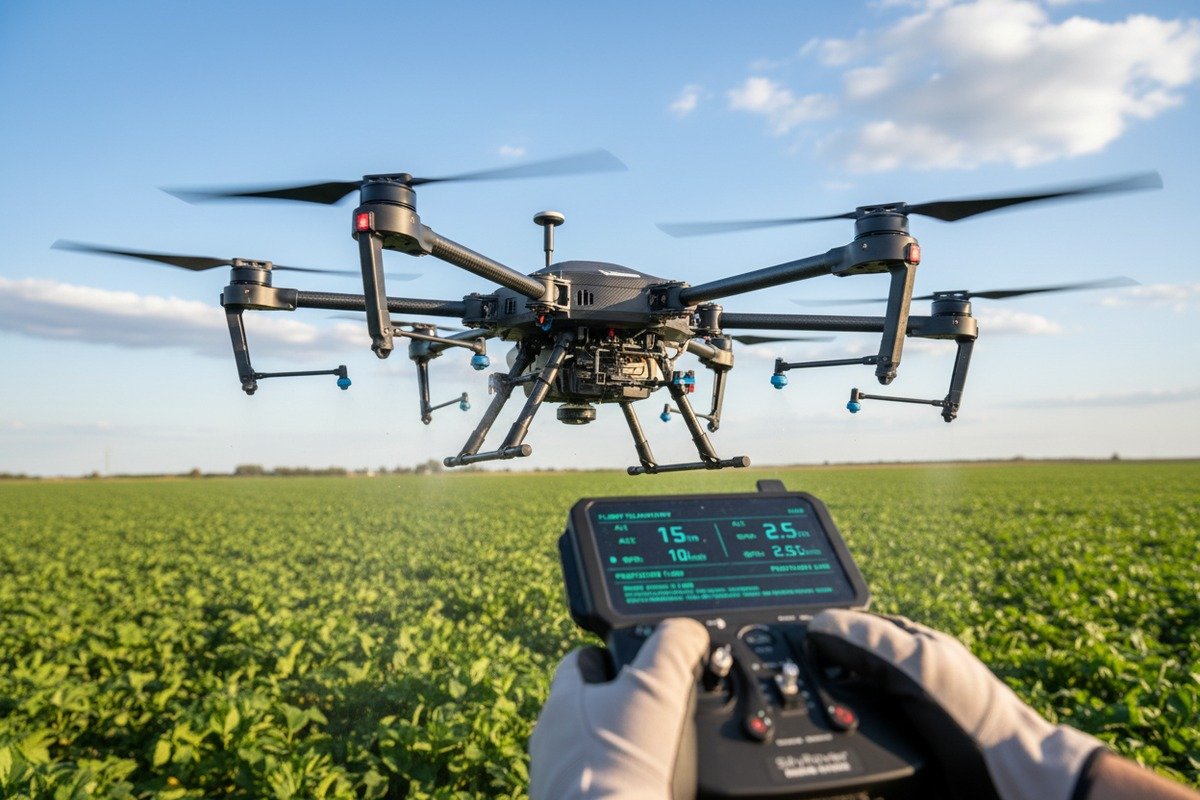
Wichtige Telemetriefunktionen zur Überprüfung
Nicht alle Agrardrohnen erfassen die gleichen Daten. Erstellen Sie bei der Bewertung von Optionen eine Checkliste mit unverzichtbaren Funktionen. Unser Ingenieurteam hat unsere Systeme speziell für regulatorische Umgebungen entwickelt.
| Telemetriefunktion | Warum es für Audits wichtig ist |
|---|---|
| GPS-Protokollierungsfrequenz | Höhere Frequenz (1 Hz+) erstellt detaillierte Sprühkarten |
| Höhenaufzeichnung | Beweist, dass die richtige Anwendungshöhe eingehalten wurde |
| Zeitstempel des Sprühsystems | Zeigt genau an, wann Chemikalien freigesetzt wurden |
| Durchflussmengenprotokollierung | Berechnet genaue Aufbringungsraten |
| Tankfüllstandsüberwachung | Verifies total volume applied |
| Weather Sensor Integration | Documents conditions during application |
| Flight Duration Recording | Supports accurate record completion |
| Remote ID Compliance | Required for FAA regulations |
Questions to Ask Drone Sellers
Before committing to a purchase, get written answers to these questions:
First, what data formats does the system export? You need formats compatible with both state reporting portals and your record-keeping software. CSV files work universally. PDF reports help during audits.
Second, how long does onboard storage retain flight data? Some systems overwrite old data after limited storage fills. You need at least 30 days of local storage as backup to cloud systems.
Third, can the software generate compliance reports automatically? The best systems produce formatted documents ready for submission. Manual data compilation wastes hours.
Fourth, what happens if the telemetry system fails mid-flight? Understand backup recording options. Our drones include redundant logging to SD cards.
Drone Weight Class Considerations
FAA requirements 10 change based on drone weight. This affects what telemetry systems you need. Heavier drones face stricter rules with more documentation requirements.
| Gewichtsklasse | FAA Requirement | Typische Telemetrieanforderungen |
|---|---|---|
| Unter 25 lbs | Part 107 Zertifizierung | Standard-GPS und Flugprotokollierung |
| Über 25 lbs | Part 137 + Ausnahmen | Erweitertes Betriebs- und Wartungsprotokoll |
| Über 25 lbs mit RUPs | Part 137 + staatliche Lizenz | Vollständige Antragsdaten plus Ausrüstungsaufzeichnungen |
Unsere größeren Hexacopter-Modelle verfügen über eine erweiterte Telemetrie, die speziell für die Einhaltung von Part 137 entwickelt wurde. Die Systeme protokollieren Wartungsintervalle, Kalibrierungsdaten und Inspektionsaufzeichnungen neben den Flugdaten.
Konfigurationsunterstützung nach dem Kauf
Der Kauf geeigneter Hardware ist nur der erste Schritt. Die richtige Konfiguration bestimmt, ob die Daten tatsächlich Ihren Compliance-Anforderungen dienen. Wenn unsere amerikanischen Händler Lieferungen erhalten, bieten wir Fernunterstützung bei der Konfiguration.
Stellen Sie sicher, dass Ihr Verkäufer Einrichtungsunterstützung für die Compliance-Protokollierung anbietet. Fragen Sie nach Schulungsressourcen für die Softwareoberfläche. Überprüfen Sie die Verfügbarkeit technischer Unterstützung, wenn Prüfungsfragen auftreten.
Einige Hersteller bieten Compliance-Vorlagen an, die für verschiedene Bundesstaaten spezifisch sind. Diese vorkonfigurierten Einstellungen stellen sicher, dass Sie alle erforderlichen Daten ohne manuelle Einrichtungsfehler erfassen. Wir pflegen Vorlagen für Bundesstaaten mit den detailliertesten Anforderungen.
Testen Sie Ihr System, bevor der Betrieb beginnt
Führen Sie nach dem Kauf Testflüge durch, bevor Sie Pestizide anwenden. Überprüfen Sie die generierten Protokolle gründlich. Stellen Sie sicher, dass alle erforderlichen Datenpunkte korrekt angezeigt werden.
Exportieren Sie Beispielberichte und vergleichen Sie diese mit den Aufzeichnungsvorschriften Ihres Bundesstaates. Identifizieren Sie Lücken, solange Sie noch Einstellungen anpassen oder den Hersteller-Support anfordern können. Diese Vorbereitung verhindert Compliance-Verstöße bei tatsächlichen Audits.
Schlussfolgerung
Die staatlichen Vorschriften zur Pestizidaufzeichnung erfordern sowohl die Einhaltung der Bundesvorschriften als auch die Beachtung der spezifischen Anforderungen Ihres Bundesstaates. Investieren Sie in Drohnen mit robuster Telemetrie, konfigurieren Sie die Software ordnungsgemäß und pflegen Sie detaillierte Dokumentationen. Ihre Compliance-Bemühungen schützen Ihr Unternehmen vor Bußgeldern und unterstützen nachhaltige Agrardrohnenbetriebe.
Fußnoten
1. Bietet objektive, wissenschaftsbasierte Informationen über Pestizide und verwandte Themen. ︎
2. Beschreibt, wie digitale Plattformen die Produktivität steigern und das Ressourcenmanagement in der Landwirtschaft optimieren. ︎
3. Definiert Restricted Use Pesticides (RUPs) und deren Regulierung durch die EPA. ︎
4. Erklärt den Zweck und die Form von EPA-Pestizidregistrierungsnummern auf Produktetiketten. ︎
5. Bietet direkte Links zu allen 50 staatlichen Pestizidaufsichtsbehörden. ︎
6. Offizielle Website des Verbandes zur Unterstützung der Agrarfliegerbranche. ︎
7. Überblick über das Cooperative Extension System, das von Land-Grant-Universitäten verwaltet wird. ︎
8. Fasst den Federal Insecticide, Fungicide, and Rodenticide Act (FIFRA) und die Aufsichtsbehörde der EPA zusammen. ︎
9. Beschreibt die Zwei-Faktor-Authentifizierung (2FA) als Sicherheitsmethode zur Identitätsprüfung. ︎
10. Umrisse der FAA-Vorschriften für den Betrieb von Drohnen im landwirtschaftlichen Flugbetrieb (Teil 137). ︎
 English
  Español de México
  Deutsch
  Français
  Русский
  العربية
Comments
No comments yet. Be the first to share your thoughts!
Leave a Comment