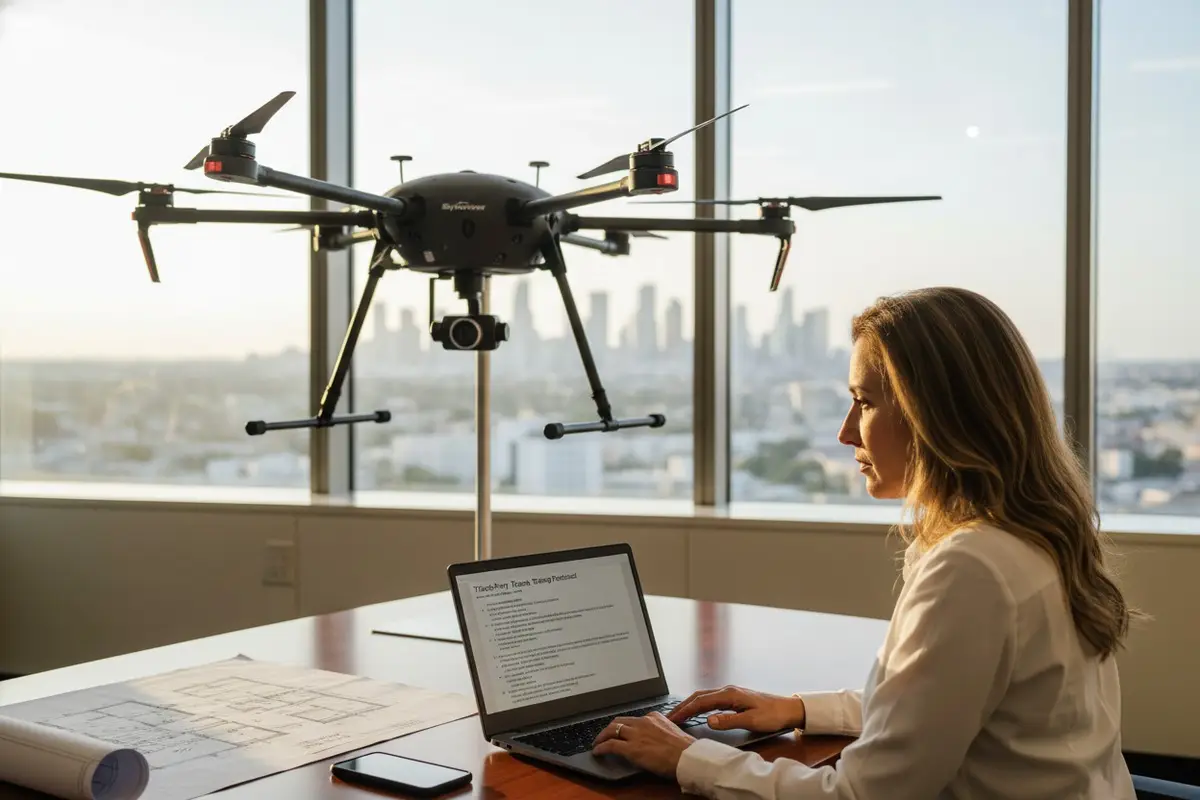

Wenn unser Produktionsteam eine Charge von landwirtschaftlichen Hexacopter-Drohnen fertiggestellt hat, stehen wir vor einer kritischen Frage von Überseekäufern: Wie können sie die Qualität vor dem Versand überprüfen? akkreditierte Prüfstellen 1? Diese Sorge hält viele Importeure nachts wach. Defekte Drohnen bedeuten verschwendetes Geld, beschädigte Reputation und verärgerte Endkunden.
Um die Leistung von Agrardrohnen aus China durch Dritte testen zu lassen, sollten Sie akkreditierte Prüfstellen wie SGS, TÜV oder Bureau Veritas identifizieren, Testprotokolle für Flugstabilität, Sprühsysteme und Batteriezustand festlegen und dann die Logistik mit Ihrem Lieferanten koordinieren, um die Geräte vor dem Export ins Labor zu versenden.
Dieser Leitfaden führt Sie Schritt für Schritt durch den Prozess. Wir behandeln vertrauenswürdige Agenturen, wichtige Leistungsindikatoren, Versandlogistik und Haltbarkeitsprüfung. Tauchen wir in die Details ein.
Welchen zertifizierten Prüfstellen in China kann ich vertrauen, um meine Agrardrohnen zu bewerten?
Unser Ingenieurteam arbeitet eng mit mehreren Inspektionsagenturen in ganz China zusammen. Wir verstehen die Verwirrung, mit der Käufer bei der Auswahl eines zuverlässigen Partners konfrontiert sind. Nicht alle Agenturen verfügen über die gleiche Expertise oder Ausrüstung für spezialisierte landwirtschaftliche Drohnentests.
Vertrauenswürdige Prüfstellen für Agrardrohnen in China sind SGS, TÜV Rheinland, Bureau Veritas, Intertek und CCIC. Diese Organisationen verfügen über internationale Akkreditierungen und bieten umfassende Drohnenbewertungsdienste an, die Flugleistung, Sprühsysteme, Batteriesicherheit und Konformitätszertifizierungen abdecken.

Verständnis von Agenturakkreditierungen
Bevor Sie eine Agentur auswählen, müssen Sie verstehen, welche Akkreditierungen wichtig sind. Achten Sie auf ISO 17025 Akkreditierung 2, was bestätigt, dass das Labor internationale Prüfnormen einhält. Viele Käufer verlangen auch Agenturen mit CNAS (China National Accreditation Service) Zertifizierung 3.
Hier ist ein Vergleich der wichtigsten Prüfstellen, die in China tätig sind:
| Behörde | Hauptsitz | Wichtige Akkreditierungen | Drohnentestdienste | Ungefähre Kosten pro Tag |
|---|---|---|---|---|
| SGS | Schweiz | ISO 17025, CNAS | Flugtests, Batteriesicherheit, CE-Kennzeichnung | $400-$600 |
| TÜV Rheinland | Deutschland | ISO 17025, CNAS | Leistungsvalidierung, Sicherheitszertifizierung | $500-$700 |
| Büro Veritas | Frankreich | ISO 17025, CNAS | Qualitätsprüfung, Konformitätsprüfung | $350-$550 |
| Intertek | UK | ISO 17025, CNAS | Produkttests, Lieferkettenaudits | $400-$600 |
| CCIC | China | CNAS, CMA | Inspektion vor dem Versand, Werksaudits | $300-$450 |
Welche Dienstleistungen sollten Sie anfordern?
Wenn Sie eine Agentur kontaktieren, seien Sie spezifisch bezüglich Ihrer Bedürfnisse. Fragen Sie nach funktionalen Flugtests 4, die Schwebestabilität, GPS-Genauigkeit und Rückkehr-zum-Start-Funktionen abdecken. Fordern Sie eine Bewertung des Sprühsystems an, wenn Ihre Drohnen Flüssiglasten tragen. Die Batteriebewertung ist entscheidend für Lithium-Ionen-Akkus, einschließlich Zellabweichung und Ladesicherheit.
Einige Käufer machen den Fehler, nur eine Sichtprüfung anzufordern. Dieser Ansatz übersieht versteckte Probleme. Unsere Erfahrung zeigt, dass Drohnen perfekt aussehen können, aber fehlerhafte Flugsteuerungen oder unausgeglichene Motoren haben. Funktionstests fangen diese Probleme auf.
Zertifikate unabhängig überprüfen
Gehen Sie niemals davon aus, dass ein Zertifikat echt ist. Wir empfehlen Käufern immer, sich direkt an das ausstellende Labor zu wenden. Bitten Sie sie, die Zertifikatsnummer, das Testdatum und die Produktdetails zu bestätigen. In dieser Branche gibt es gefälschte Zertifikate. Ein fünfminütiges Verifizierungsgespräch kann Ihnen Tausende von Dollar sparen.
Für CE, FCC und UN38.3-Zertifizierung 5s, fordern Sie den vollständigen Testbericht an und nicht nur das Zertifikat. Der Bericht zeigt genau, welche Tests durchgeführt wurden und welche Ergebnisse erzielt wurden. Diese Transparenz schützt Sie vor Lieferanten, die möglicherweise Abstriche machen.
Welche Schlüsselkennzahlen sollte ich bei der Fremdfachprüfung meiner Drohne priorisieren?
Wenn wir Drohnen für die Inspektion durch Dritte in unserer Einrichtung vorbereiten, wissen wir genau, welche Tests am wichtigsten sind. Käufer fragen uns oft, welche Spezifikationen sie überprüfen sollen. Die Antwort hängt davon ab, wie die Drohne verwendet wird, aber bestimmte KPIs gelten universell.
Zu den wichtigsten Leistungskennzahlen (KPIs) für die Inspektion von Agrardrohnen gehören die Flugdauer unter Last, die Schwebestabilität und Abweichung, die Konsistenz des Sprühmusters, der Ladezustand und die Gesundheit der Batteriezellen, die Genauigkeit der GPS-Positionierung und die Zuverlässigkeit der Rückkehr zum Ausgangspunkt. Diese Indikatoren wirken sich direkt auf die Feldleistung und die Betriebssicherheit aus.

Flugleistungsmetriken
Flugausdauer 6 ist die wichtigste Metrik für landwirtschaftliche Anwendungen. Ihre Inspektion sollte messen, wie lange die Drohne mit ihrer Nennnutzlast fliegt. Eine für 25 Minuten ausgelegte Drohne sollte unter Testbedingungen mindestens 22-23 Minuten liefern.
Schwebestabilität 7 Tests enthüllen Motorbalance und Flugreglerqualität. Die Drohne sollte ihre Position ohne Piloteingabe innerhalb eines kleinen Radius halten. Übermäßiges Abdriften deutet auf Probleme mit Sensoren, Motoren oder Softwarekalibrierung hin.
| Test Kategorie | Wichtige Messungen | Zulässiger Bereich | Rote Fahnen |
|---|---|---|---|
| Flugausdauer | Minuten unter Volllast | 90-100% der Nennzeit | Unter 85% deutet auf Batterie- oder Motorprobleme hin |
| Schwebe-Stabilität | Driftentfernung über 60 Sekunden | Weniger als 1 Meter | Mehr als 2 Meter deutet auf Kalibrierungsprobleme hin |
| GPS-Genauigkeit | Positions-Fehlertoleranz | Innerhalb von 50 Zentimetern | Mehr als 1 Meter deutet auf Probleme mit dem GPS-Modul hin |
| Rückkehr nach Hause | Landegenauigkeit ab 100 m | Innerhalb von 1,5 Metern | Mehr als 3 Meter zeigt Navigationsprobleme an |
| Sprührate | Liter pro Minute Konsistenz | Innerhalb von 5% der Einstellung | Mehr als 10% Abweichung deutet auf Pumpenprobleme hin |
Sprühsystem-Bewertung
Bei landwirtschaftlichen Sprühgeräten erfordert das Sprühsystem dedizierte Tests. Inspektoren sollten alle Verbindungsstellen auf Lecks überprüfen. Sie sollten die Durchflussrate bei verschiedenen Druckeinstellungen messen. Die Gleichmäßigkeit des Sprühmusters ist für eine gleichmäßige Chemikalienverteilung wichtig.
Unsere Produktionslinie testet jede Sprühdüse einzeln. Wir empfehlen Käufern, vom selben Detailgrad von Drittanbieter-Inspektoren zu verlangen. Eine einzige verstopfte oder beschädigte Düse kann Streifenmuster auf Feldern erzeugen, was Chemikalien verschwendet und die Ernteerträge reduziert.
Akku-Gesundheitsbewertung
Batterietests gehen über die einfache Kapazitätsmessung hinaus. Inspektoren sollten die Spannungen der einzelnen Zellen überprüfen, um unausgeglichene Packs zu identifizieren. Sie sollten überprüfen, ob der Verriegelungsmechanismus der Batterie richtig einrastet. Sie sollten das Ladeverhalten und das Wärmemanagement testen.
Die UN38.3-Zertifizierung bestätigt, dass die Batterie Sicherheitstests für den Lufttransport bestanden hat. Diese Zertifizierung garantiert jedoch keine langfristige Leistung. Fordern Sie Zyklustestdaten an, falls verfügbar, die zeigen, wie die Kapazität über mehrere Lade-Entlade-Zyklen abnimmt.
Software- und Sensorüberprüfung
Moderne Agrardrohnen sind stark auf Software angewiesen. Ihre Inspektion sollte überprüfen, ob das GPS schnell Satelliten erfasst und während des Fluges die Verbindung hält. Testen Sie die Geofencing-Funktionen, um sicherzustellen, dass die Sperrzonen für Flugverbotszonen korrekt funktionieren. Überprüfen Sie, ob die Spracheinstellungen Ihren Marktanforderungen entsprechen.
Für Drohnen mit Multispektralsensoren 8, ist die Kalibrierungsprüfung unerlässlich. Der Sensor sollte genaue Vegetationsindizes wie NDVI liefern. Eine falsche Kalibrierung führt zu falschen Verschreibungskarten und schlechten landwirtschaftlichen Entscheidungen.
How do I manage the logistics of sending my drones to a third-party lab before export?
Die Verwaltung der Inspektionslogistik aus dem Ausland kann überwältigend sein. Wir haben vielen Käufern geholfen, diesen Prozess zu koordinieren. Der Schlüssel ist eine klare Kommunikation zwischen Ihnen, Ihrem Lieferanten und der Prüfstelle. Das Timing ist hier von großer Bedeutung.
Um die Logistik für Drohnentests zu verwalten, koordinieren Sie sich mit Ihrem Lieferanten, um Mustergeräte 2-3 Wochen vor Ihrem Produktionsabgabetermin an das Labor zu versenden. Stellen Sie detaillierte Testspezifikationen schriftlich zur Verfügung. Veranlassen Sie, dass der Lieferant den nationalen Versand übernimmt, während Sie die Agentur direkt bezahlen, um die Unabhängigkeit zu gewährleisten.

Timing Ihrer Inspektion
Planen Sie Ihre Inspektion zum richtigen Zeitpunkt im Produktionszyklus. Eine zu frühe Prüfung bedeutet, Prototypen zu inspizieren, die von den Serienprodukten abweichen können. Eine zu späte Prüfung lässt keine Zeit, Probleme vor Ihrer Versandfrist zu beheben.
Wir empfehlen, die Inspektion zu veranlassen, wenn 30-50% Ihrer Bestellung abgeschlossen sind. Dieses Timing ermöglicht es Ihnen, Qualitätsprobleme zu erkennen, während noch Zeit bleibt, diese zu beheben. Wenn Probleme auftreten, kann die Fabrik die Prozesse für die verbleibende Produktion anpassen.
| Inspektionszeitpunkt | Vorteile | Nachteile | Am besten für |
|---|---|---|---|
| Vorproduktion | Erkennt Designprobleme frühzeitig | Spiegelt möglicherweise nicht die endgültige Qualität wider | Produkteinführungen |
| Während der Produktion (30-50%) | Gleicht Früherkennung mit realistischen Mustern ab | Erfordert Produktionsstopp | Große Bestellungen |
| Vorversand (100%) | Testet tatsächliche Versandeinheiten | Keine Zeit für Korrekturen | Wiederholte Bestellungen bei vertrauenswürdigen Lieferanten |
| Mehrere Inspektionen | Umfassende Qualitätskontrolle | Höhere Kosten | Bestellungen mit hohem Wert oder neue Lieferanten |
Koordination mit Ihrem Lieferanten
Bitten Sie Ihren Lieferanten, Muster für die Inspektion vorzubereiten. Geben Sie genau an, wie viele Drohnen getestet werden sollen. Fügen Sie sämtliches Zubehör, Batterien, Ladegeräte und Dokumentationen in die Lieferung ein.
Ihr Lieferant sollte die Drohnen mit Inlandslogistik an die Testeinrichtung versenden. Dieser Ansatz ist schneller und günstiger als der internationale Versand. Geben Sie dem Lieferanten die Adresse der Agentur, den Ansprechpartner und alle besonderen Handhabungsanweisungen an.
Aufrechterhaltung der Unabhängigkeit des Inspektors
Bezahlen Sie die Testagentur direkt. Lassen Sie nicht Ihren Lieferanten die Zahlung abwickeln. Diese Praxis stellt sicher, dass der Inspektor für Sie und nicht für die Fabrik arbeitet. Sie beseitigt jeden finanziellen Druck, der die Testergebnisse beeinflussen könnte.
Fordern Sie, dass die Inspektoren nach Möglichkeit unangekündigt eintreffen. Einige Agenturen bieten diesen Service an. Überraschungsinspektionen verhindern, dass Fabriken nur ihre besten Einheiten für Tests vorbereiten.
Umgang mit Testfehlern
Legen Sie klare Verfahren fest, bevor die Prüfung beginnt. Was passiert, wenn Drohnen die Inspektion nicht bestehen? Wird der Lieferant korrigierte Einheiten erneut versenden? Wer bezahlt die Nachprüfung? Dokumentieren Sie diese Vereinbarungen schriftlich.
Unsere Standardpraxis ist es, eine kostenlose Nachprüfung anzubieten, wenn die ersten Tests behebliche Probleme aufzeigen. Wir beheben die Probleme und laden den Inspektor zurück. Dieser Ansatz schützt sowohl Käufer als auch Verkäufer und stellt gleichzeitig sicher, dass die Qualitätsstandards erfüllt werden.
Kann mir unabhängige Tests helfen, die langfristige Haltbarkeit und Flugdauer meiner Drohnen zu überprüfen?
Käufer fragen uns häufig nach der Haltbarkeit. Sie möchten wissen, ob Drohnen mehrere Saisons landwirtschaftlicher Arbeit überstehen. Eine Standardinspektion liefert eine Momentaufnahme, aber was ist mit der langfristigen Leistung? Diese Frage verdient sorgfältige Überlegung.
Drittanbieter-Tests können die Haltbarkeit durch Belastungstests, Komponentenanalysen und beschleunigte Alterungsprotokolle teilweise überprüfen. Die wahre Langzeitausdauer erfordert jedoch ausgedehnte Feldtests über Monate oder Jahre. Kombinieren Sie Labortests mit Garantiebedingungen und Erfolgsbilanzen von Lieferanten für eine vollständige Haltbarkeitsbewertung.

Was Labortests aufzeigen können
Labortests liefern wertvolle Haltbarkeitsindikatoren, auch ohne jahrelange Felddaten. Inspektoren können die Komponentenqualität, Materialspezifikationen und Konstruktionsmethoden untersuchen. Sie können Schwachstellen identifizieren, die unter Belastung versagen könnten.
Beschleunigte Tests unterziehen Drohnen extremen Bedingungen. Temperaturwechsel zeigen, ob sich Komponenten unterschiedlich ausdehnen und zusammenziehen, was zu vorzeitigem Verschleiß führt. Vibrationstests simulieren Hunderte von Flugstunden in wenigen Tagen. Diese Methoden sagen die Zuverlässigkeit voraus, ohne auf Ausfälle in der realen Welt warten zu müssen.
Ausdauertestprotokolle
Insbesondere für die Flugausdauer sollte der Test standardisierten Protokollen folgen. Die Drohne sollte wiederholt unter kontrollierten Bedingungen fliegen, bis die Batterie erschöpft ist. Inspektoren zeichnen Flugzeit, Motortemperaturen und Batteriespannungskurven auf.
| Art des Ausdauertests | Dauer | Was es misst | Einschränkungen |
|---|---|---|---|
| Maximaler Einzel-Flug | 1 Flug | Spitzenausdauer unter idealen Bedingungen | Zeigt keine Konsistenz |
| Wiederholter Flugzyklus | 5-10 Flüge | Konsistenz und Wärmemanagement | Kurzer Zeitrahmen |
| Erweiterter Betrieb | 50+ Stunden | Motorverschleiß und Batteriedegradation | Teuer und zeitaufwendig |
| Umweltbelastung | Variabel | Leistung unter extremen Temperaturen | Passt möglicherweise nicht zu Ihrem Klima |
Testbeschränkungen verstehen
Seien Sie realistisch, was Tests beweisen können und was nicht. Eine Drohne, die im Labor perfekt funktioniert, kann auf staubigen Feldern oder in feuchten Klimazonen immer noch versagen. Laborbedingungen sind kontrolliert. Echte Bauernhöfe sind es nicht.
Unser Ingenieurteam entwickelt für Worst-Case-Bedingungen. Wir testen bei hohen Temperaturen, bei simuliertem Regen und bei chemischer Exposition. Aber wir können immer noch nicht jeden Ausfallmodus vorhersagen. Tests von Drittanbietern erhöhen die Zuversicht, aber sie eliminieren nicht alle Risiken.
Tests mit anderen Schutzmaßnahmen ergänzen
Kluge Käufer kombinieren Tests mit anderen Strategien zur Risikominderung. Fordern Sie Garantiebedingungen an, die Komponentenfehler für mindestens ein Jahr abdecken. Fragen Sie nach Preisen und Verfügbarkeit von Ersatzteilen. Stellen Sie sicher, dass der Lieferant kritische Komponenten auf Lager hat.
Überprüfen Sie die Erfolgsbilanz des Lieferanten bei bestehenden Kunden. Bitten Sie um Referenzen und kontaktieren Sie diese direkt. Ein Lieferant mit jahrelanger erfolgreicher Exporttätigkeit bietet mehr Vertrauen als jeder einzelne Inspektionsbericht.
Aufkommende Testtechnologien
Die Branche entwickelt neue Ansätze zur Beurteilung der Haltbarkeit. Einige Agenturen bieten jetzt KI-gestützte vorausschauende Wartungsanalysen 9. an. Sie untersuchen Komponenten-Spezifikationen und Betriebsdaten, um Ausfallmuster vorherzusagen. Diese Technologie reift noch, zeigt aber vielversprechende Ergebnisse.
Blockchain-Dokumentation ist ein weiterer aufkommender Trend. Einige Lieferanten zeichnen nun Produktionsdaten, Komponentenquellen und Testergebnisse auf unveränderlichen Ledgern auf. Diese Transparenz hilft Käufern, Qualitätsaussagen zu überprüfen und die Produktgeschichte in der gesamten Lieferkette zu verfolgen.
Schlussfolgerung
Leistungstests durch Dritte sind unerlässlich, um Agrardrohnen sicher aus China zu importieren. Wählen Sie akkreditierte Agenturen, legen Sie umfassende Testprotokolle fest und wahren Sie die Unabhängigkeit des Prüfers. Diese Investition schützt Ihr Unternehmen und Ihre Kunden.
Fußnoten
1. Ersetzt durch die offizielle Suchfunktion der International Laboratory Accreditation Cooperation (ILAC), ein maßgebliches globales Verzeichnis akkreditierter Stellen. ︎
2. Bietet eine klare Definition und Bedeutung von ISO/IEC 17025 für Prüflabore. ︎
3. Ersetzt durch die offizielle englischsprachige Website der China National Accreditation Service for Conformity Assessment (CNAS), der maßgeblichsten Quelle. ︎
4. Beschreibt die Notwendigkeit und die Verfahren von Funktionstests für unbemannte Flugsysteme. ︎
5. Ersetzt durch die Seite von Intertek zu UN 38.3 Tests für Lithiumbatterien, eine maßgebliche Quelle für Batterie-Zertifizierungen. ︎
6. Erklärt, was die Flugdauer von Drohnen bedeutet und welche Faktoren sie beeinflussen. ︎
7. Diskutiert die Technologie und Sensoren, die es Drohnen ermöglichen, stabil zu schweben. ︎
8. Beschreibt, wie Multispektralsensoren in Drohnen für die Präzisionslandwirtschaft eingesetzt werden. ︎
9. Erklärt, wie KI-gesteuerte Drohnen die vorausschauende Wartung in verschiedenen Branchen revolutionieren. ︎
 English
  Español de México
  Deutsch
  Français
  Русский
  العربية
Comments
No comments yet. Be the first to share your thoughts!
Leave a Comment