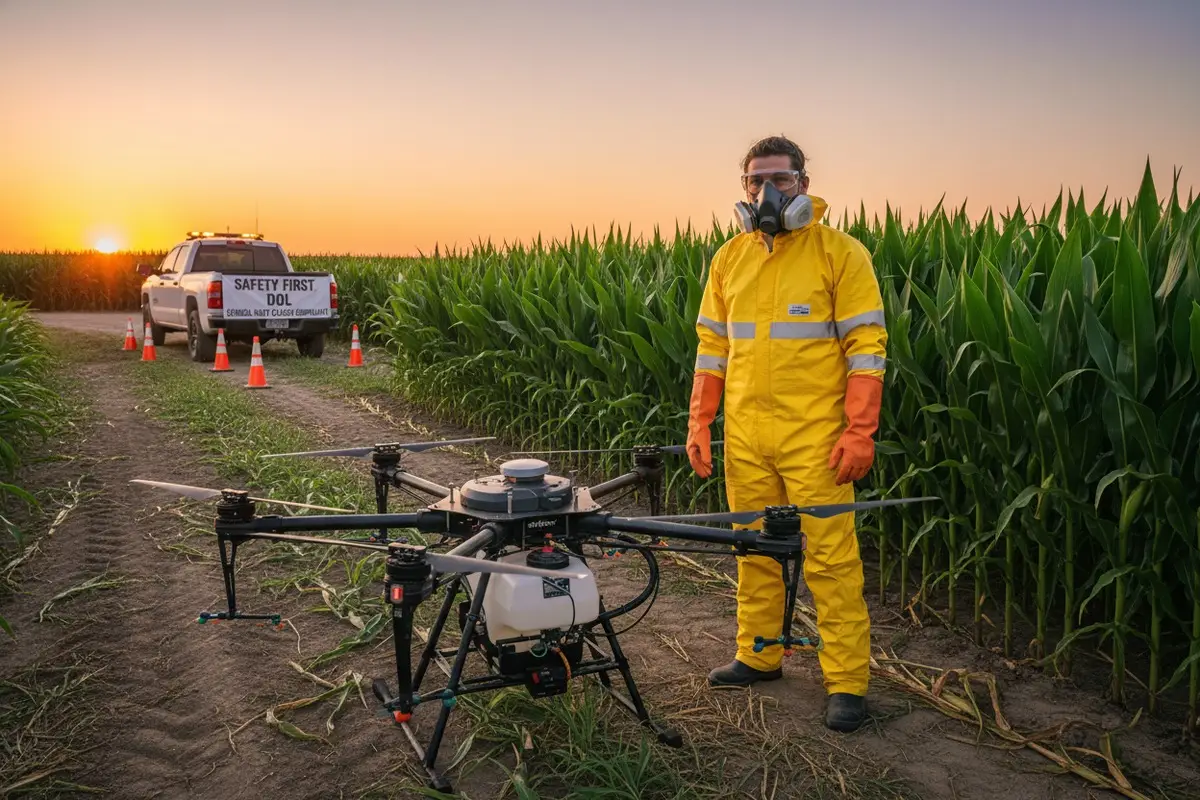

Wenn unser Ingenieurteam schwere landwirtschaftliche Sprühdrohnen entwickelt, steht die Sicherheit des Bedieners bei jeder Entscheidung im Mittelpunkt. Sie stehen vor einem echten Problem: Sie müssen sich mit den komplexen US-Arbeitsvorschriften auseinandersetzen und gleichzeitig die richtige Drohne für Ihre landwirtschaftlichen Betriebe auswählen. US-Arbeitsministerium 1
Das US-Arbeitsministerium schützt landwirtschaftliche Drohnenbetreiber hauptsächlich durch die General Duty Clause der OSHA, die Arbeitgeber verpflichtet, erkannte Gefahren wie Chemikalienexposition zu beseitigen, geeignete PSA bereitzustellen und eine umfassende Schulung zu gewährleisten. Es gibt keine drohnenspezifischen DOL-Regeln, aber die Hazard Communication Standard (29 CFR 1910.1200) der OSHA und die Anforderungen an den Umgang mit Pestiziden gelten direkt für Sprühvorgänge.
Dieser Leitfaden erläutert genau, was Sie wissen müssen, bevor Sie landwirtschaftliche Drohnen für Ihre US-Betriebe kaufen. Lassen Sie uns die spezifischen Anforderungen, Schulungsprotokolle und Sicherheitsdokumentationen untersuchen, die Ihre Mitarbeiter schützen und Ihr Unternehmen konform halten.
Wie stelle ich sicher, dass meine Drohnenflotte den OSHA-Arbeitssicherheitsstandards entspricht?
Unsere Produktionsstätte versendet jedes Jahr Hunderte von landwirtschaftlichen Drohnen an amerikanische Bauernhöfe. Wir sehen aus erster Hand, wie Käufer Schwierigkeiten haben, leistungsstarke Sprühgeräte mit strengen Arbeitssicherheitsregeln in Einklang zu bringen. Die Einsätze sind hoch – OSHA-Bußgelder können Tausende von Dollar pro Verstoß betragen.
Um die Einhaltung der OSHA-Vorschriften zu gewährleisten, muss Ihre Drohnenflotte die Anforderungen der General Duty Clause erfüllen, indem sie erkannte Gefahren beseitigt, geeignete PSA für den Umgang mit Chemikalien bereitstellt, Sicherheitsdatenblätter für alle Pestizide pflegt, Programme zur Gefahrenkommunikation implementiert und alle Sicherheitsschulungen dokumentiert. Die Ausrüstung muss diese betrieblichen Sicherheitsprotokolle unterstützen.

Verständnis der General Duty Clause
OSHA's General Duty Clause 2 gemäß Section 5(a)(1) des OSH Act verpflichtet Sie, einen Arbeitsplatz frei von erkannten Gefahren bereitzustellen. Für landwirtschaftliche Drohnenbetriebe bedeutet dies, die Gefahren von chemischem Abdriften, Inhalationsrisiken und Hautkontakt während des Sprühens zu berücksichtigen.
Wenn wir unsere Sprühsysteme im Werk kalibrieren, testen wir Abdriftmuster und Tröpfchengröße. Aber die Verantwortung liegt bei Ihnen, sichere Betriebsabstände und Windgeschwindigkeitsgrenzen festzulegen. Ihr schriftliches Sicherheitsprogramm sollte diese Parameter festlegen.
Wichtige OSHA-Standards für Drohnen-Sprühvorgänge
| OSHA-Standard | Anforderung | Anwendung auf Drohnen |
|---|---|---|
| 29 CFR 1910.1200 | Gefahrenkommunikation | Etiketten, Sicherheitsdatenblätter, Schulung für alle Chemikalien |
| 29 CFR 1910.132 | Allgemeine PSA-Anforderungen | Handschuhe, Atemschutzgeräte, Augenschutz |
| 29 CFR 1910.134 | Atemschutz | Programm für chemische Exposition erforderlich |
| 29 CFR 1928 | Landwirtschaftliche Betriebe | Feldhygiene, Pestizidstandards |
Erstellen Sie Ihre Compliance-Checkliste
Beginnen Sie mit einer Gefährdungsbeurteilung. Identifizieren Sie jede Chemikalie, die Ihre Drohnen anwenden werden. Beschaffen Sie Sicherheitsdatenblätter 3 von den Herstellern. Diese Dokumente geben Ihnen genau an, welche Schutzausrüstung die Arbeiter benötigen.
Richten Sie als Nächstes Sperrzonen während des Sprühens ein. Unsere Kunden in Texas berichten, dass 100-Fuß-Pufferzonen von bewohnten Strukturen die meisten staatlichen Anforderungen erfüllen. Überprüfen Sie Ihre lokalen Vorschriften auf spezifische Abstände.
Dokumentieren Sie alles. OSHA-Inspektoren wünschen Papiernachweise. Bewahren Sie Aufzeichnungen über Schulungsdaten, Inspektionen von Geräten und Unfallberichte auf. Wir liefern mit jeder Drohnenlieferung Wartungsprotokolle, die Sie für diesen Zweck anpassen können.
Ausstattungsmerkmale, die die Einhaltung unterstützen
Moderne Agrardrohnen sollten über Funktionen verfügen, die die Einhaltung von OSHA erleichtern. Achten Sie auf abgedichtete Batteriefächer, die das Eindringen von Chemikalien verhindern. Unsere Hexacopter-Modelle verfügen über geschlossene Motorsysteme, die das Kontaminationsrisiko während der Wartung verringern.
GPS-Geofencing verhindert, dass Drohnen in Sperrgebiete eindringen. Diese Technologie schafft unsichtbare Grenzen um Schulen, Krankenhäuser und Wohngebiete. Notfall-Rückkehrfunktionen werden aktiviert, wenn das Signal verloren geht, und reduzieren Absturzrisiken, die Arbeiter Chemikalienspritzern aussetzen könnten.
Welche spezifische Schulung für Bediener muss ich anbieten, um die Anforderungen des Arbeitsministeriums zu erfüllen?
Nach unserer Erfahrung beim Export auf den US-Markt seit 2018 verursachen Schulungslücken die meisten Compliance-Probleme. Käufer erwerben leistungsfähige Geräte, bereiten ihre Teams aber nicht richtig vor. Dies schafft eine Haftungsexposition, die keine Versicherungspolice vollständig abdecken kann.
Die Anforderungen des Arbeitsministeriums schreiben Schulungen zur Gefahrenerkennung, zum Umgang mit Chemikalien, zur Verwendung von PSA und zur Notfallreaktion vor. Betreiber benötigen dokumentierte Anweisungen zu Sicherheitsdatenblättern, Symptomen einer Exposition und Erste-Hilfe-Protokollen. Die Schulung muss vor Arbeitsbeginn erfolgen und jährlich oder bei Einführung neuer Gefahren aktualisiert werden.
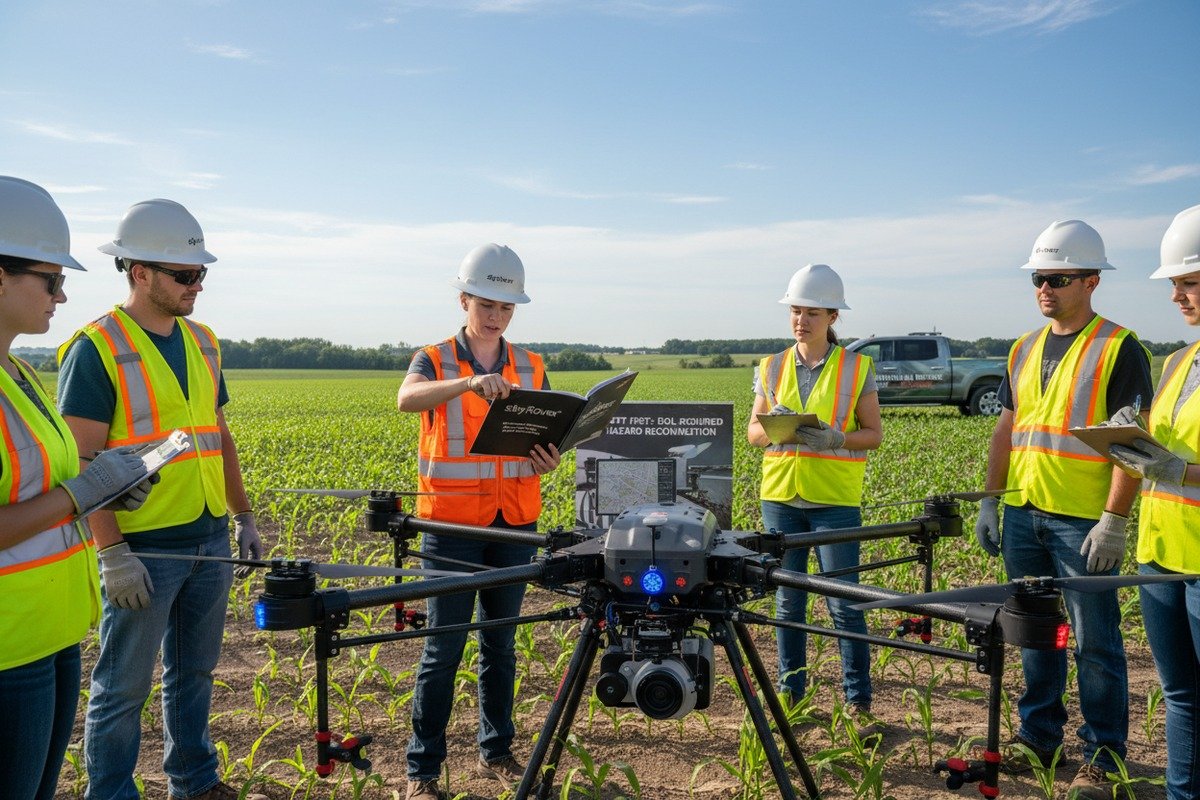
Kernschulungskomponenten unter OSHA
Der Hazard Communication Standard verlangt spezifische Schulungselemente. Die Arbeiter müssen die physikalischen und gesundheitlichen Gefahren der Chemikalien verstehen, mit denen sie umgehen. Sie müssen wissen, wo die Sicherheitsdatenblätter zu finden sind und wie man sie liest. Die Schulung muss Schutzmaßnahmen und Notfallverfahren abdecken.
Unser technisches Support-Team bietet Video-Tutorials zu den Grundlagen des Drohnenbetriebs an. Die Schulung im Umgang mit Chemikalien erfordert jedoch zusätzliche Ressourcen. Arbeiten Sie für diese Komponente mit Ihrem Pestizidlieferanten oder einem zertifizierten Schulungsanbieter zusammen.
Schulungsdokumentationsanforderungen
| Schulungselement | Frequenz | Benötigte Dokumentation |
|---|---|---|
| Gefahrenkommunikation | Erstmalig + jährlich | Unterzeichnete Anwesenheit, Testergebnisse |
| PSA-Richtige Verwendung | Erstmalig + bei Geräteänderungen | Dichtsitzprüfungsaufzeichnungen, Demonstrationsprotokolle |
| Notfallmaßnahmen | Erstmalig + jährliche Übungen | Übungstermine, Teilnehmerlisten |
| Gerätebedienung | Erstmalig + Einführung neuer Modelle | Kompetenznachweis |
| Chemikalienhandhabung | Erstmalig + neue Produkte | Bestätigung der SDS-Überprüfung |
Aufbau eines effektiven Schulungsprogramms
Beginnen Sie mit Präsenzunterricht. Behandeln Sie die Grundlagen der OSHA-Anforderungen und die Sicherheitspolitik Ihres Unternehmens. Erklären Sie die spezifischen Gefahren jeder Chemikalie, die Ihr Betrieb verwendet. Zeigen Sie den Arbeitnehmern, wie sie Behälteretiketten und Sicherheitsdatenblätter lesen.
Gehen Sie zur praktischen Übung über. Die Arbeitnehmer sollten die richtigen Verfahren zum An- und Ablegen von PSA demonstrieren. Sie benötigen beaufsichtigte Übungen zum Mischen von Chemikalien in den richtigen Konzentrationen. Führen Sie Notfallübungen für die Reaktion auf Verschüttungen und medizinische Notfälle durch.
Integration der Fernpiloten-Zertifizierung
FAA Part 107-Zertifizierung 5 vermittelt grundlegendes Wissen, befasst sich aber nicht mit chemischen Gefahren. Ihr Schulungsprogramm muss diese Lücke schließen. Die Betreiber benötigen sowohl das FAA Remote Pilot Certificate als auch die Sicherheitsschulung Ihres Unternehmens, bevor sie selbstständig arbeiten.
Für Sprühvorgänge gemäß FAA Teil 137 gelten zusätzliche Anforderungen. Piloten müssen Kenntnisse über landwirtschaftliche Praktiken, Wetterauswirkungen auf Sprühmuster und Notfallverfahren nachweisen. Wir empfehlen, zu dokumentieren, wie Ihr Schulungsprogramm sowohl die Erwartungen der FAA als auch der OSHA erfüllt.
Besondere Überlegungen zu H-2A-Arbeitskräften
Wenn Sie temporäre H-2A-Landwirtschaftsarbeitskräfte 6, beschäftigen, legt das DOL zusätzliche Schulungspflichten auf. Diese Arbeitskräfte müssen in einer Sprache unterwiesen werden, die sie verstehen. Stellen Sie übersetzte Materialien für spanischsprachige Besatzungsmitglieder bereit.
Die Schulung muss während der bezahlten Arbeitszeit erfolgen. Sie dürfen von den Arbeitnehmern nicht verlangen, dass sie ihre Freizeit für Sitzungen aufwenden. Führen Sie Aufzeichnungen über die Nutzung von Dolmetschern, falls erforderlich. Audits zur Einhaltung der Einwanderungsbestimmungen prüfen häufig die Schulungsdokumentation.
Wie kann ich meine Mitarbeiter beim Umgang mit schweren landwirtschaftlichen Drohnen vor Gefahren schützen?
Wenn wir unsere Hexacopter-Rahmen aus Kohlefaserverbundwerkstoffen entwickeln, bestimmen die Gewichtsverteilung und die Hubkapazität die technischen Entscheidungen. Unsere landwirtschaftlichen Modelle können voll beladen über 100 Pfund wiegen. Dies birgt Handhabungsgefahren, die viele Käufer unterschätzen.
Schützen Sie Mitarbeiter durch die Implementierung richtiger Hebetechniken, die Anforderung von Zweipersonenhandling für Drohnen über 50 Pfund, die Bereitstellung mechanischer Hebehilfen, die Festlegung von Sicherheitsprotokollen für Batterien und die Schaffung ausgewiesener Wartungsbereiche mit Auffangwannen. Regelmäßige Inspektionen der Ausrüstung und ergonomische Bewertungen verhindern Verletzungen durch repetitive Aufgaben.
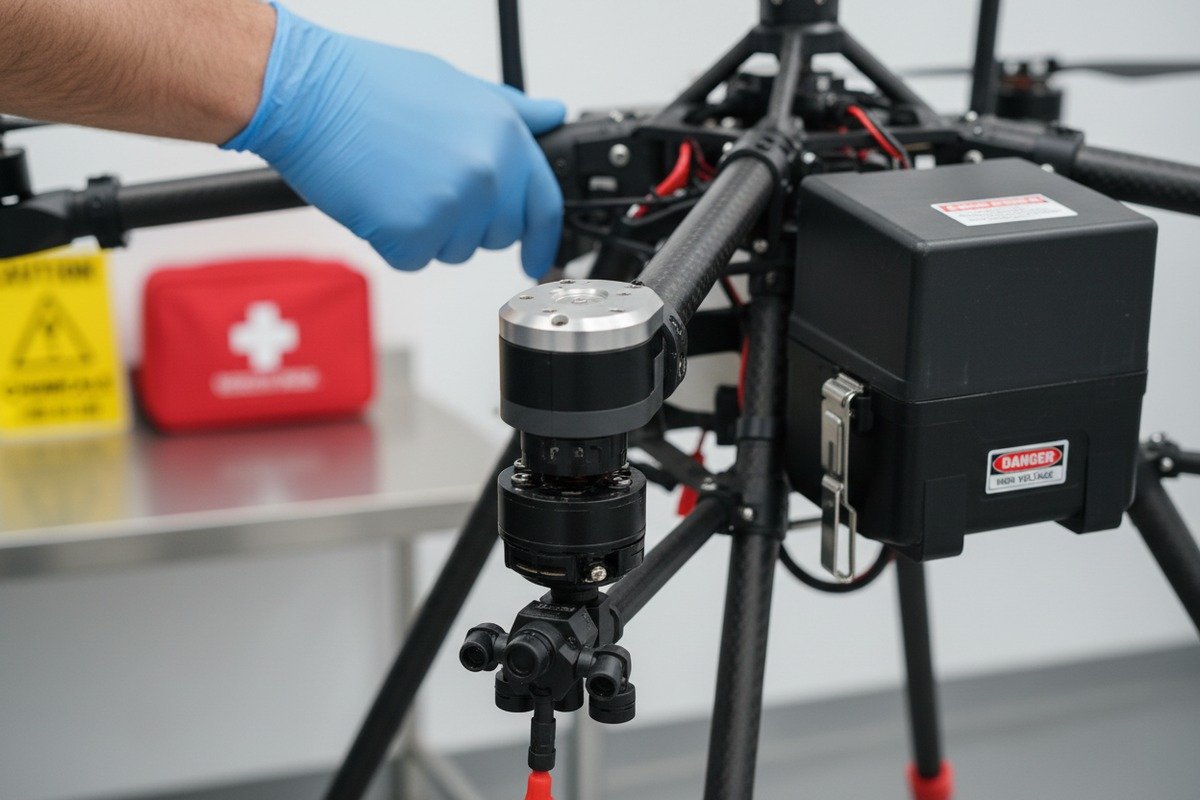
Gefahren bei der physischen Handhabung
Schwere landwirtschaftliche Drohnen stellen Risiken für Muskel-Skelett-Erkrankungen 7. dar. Das Verladen einer 120-Pfund-Sprühdrohne auf die Ladefläche eines Lastwagens belastet Rücken, Schultern und Knie. Wiederholtes Heben während des Batteriewechsels führt im Laufe der Zeit zu Schäden.
Unsere Kunden berichten von den besten Ergebnissen bei der Verwendung von tragbaren Rampen und Sackkarren. Ein $200 teurer Ausrüstungswagen verhindert einen $20.000 teuren Arbeitsunfallschaden. Schulen Sie die Arbeitnehmer in der richtigen Hebetechnik – beugen Sie die Knie, halten Sie Lasten nah am Körper und vermeiden Sie Verdrehungen beim Tragen.
Chemikalienschutz
| Gefahrenart | Schutzmaßnahme | Benötigte Ausrüstung |
|---|---|---|
| Hautkontakt | Chemikalienbeständige Handschuhe | Nitril oder Neopren, für spezifische Chemikalien zugelassen |
| Inhalation | Atemschutz | Mindestens N95; Halbmasken-Atemschutzgerät für konzentrierte Mischungen |
| Augenspritzer | Schutzbrillen | Chemikalienspritzschutzbrillen, nicht nur Schutzbrillen |
| Kleidungskontamination | Schutzanzüge | Einweg-Tyvek- oder waschbare chemikalienbeständige Anzüge |
| Driftbelastung | Pufferzonen | GPS-Geofencing, Windgeschwindigkeitsüberwachung |
Batteriesicherheitsprotokolle
Lithium-Polymer-Akkus 8 treiben die meisten Agrardrohnen an. Diese Akkus können Feuer fangen, wenn sie beschädigt, überladen oder unsachgemäß gelagert werden. Unser Qualitätskontrollprozess umfasst die Prüfung einzelner Zellen, aber Feldschäden treten dennoch auf.
Richten Sie einen speziellen Ladebereich ein, der von brennbaren Materialien entfernt ist. Verwenden Sie feuerfeste Ladebeutel oder Metallbehälter. Laden Sie Akkus niemals unbeaufsichtigt auf. Überprüfen Sie die Akkus vor jedem Gebrauch auf Schwellungen, Beschädigungen oder ungewöhnliche Wärme.
Beschädigte Akkus erfordern eine spezielle Entsorgung. Werfen Sie Lithium-Akkus niemals in den Hausmüll. Viele Elektronikhändler nehmen sie zur Wiederverwertung an. Dokumentieren Sie Ihre Entsorgungsverfahren für Umweltkonformitätsaufzeichnungen.
Schaffung sicherer Wartungsbereiche
Legen Sie bestimmte Orte für die Wartung von Drohnen fest. Diese Bereiche benötigen eine ausreichende Belüftung, wenn Sie Sprühgeräte reinigen. Installieren Sie chemikalienbeständige Böden oder verwenden Sie Auffangmatten, um Tropfen während der Tankreinigung aufzufangen.
Halten Sie für die von Ihnen verwendeten Chemikalien geeignete Spill-Kits bereit. Schulen Sie die Mitarbeiter in Verfahren zur Reaktion auf Verschüttungen. Hängen Sie Notfallkontaktnummern und Standorte von Sicherheitsdatenblättern gut sichtbar aus. Unsere Montagetechniker befolgen ähnliche Protokolle – es schützt sowohl die Mitarbeiter als auch die Ausrüstung.
Lärm- und ergonomische Überlegungen
Agrardrohnen erzeugen während des Betriebs erheblichen Lärm. Eine längere Exposition über 85 Dezibel erfordert Gehörschutz gemäß den OSHA-Standards. Unsere Hexacopter-Modelle erzeugen in typischen Betriebsabständen etwa 80-90 Dezibel.
Die Ergonomie des Controllers ist bei wiederholter Verwendung wichtig. Achten Sie auf Controller mit angenehmen Griffwinkeln und reaktionsschnellen Bedienelementen. Ungünstige Handhaltungen bei langen Sprühvorgängen verursachen Zerrungen. Erwägen Sie sitzmontierte Controllersysteme für längere Einsätze.
Stellt mein Drohnenhersteller die Sicherheitsdokumentation bereit, die ich für die Einhaltung der US-Arbeitsvorschriften benötige?
Our export documentation team prepares hundreds of shipment packages annually for American importers. We understand that customs clearance is only the first hurdle. Your real challenge begins when you need to prove regulatory compliance to OSHA inspectors and insurance auditors.
Seriöse Hersteller stellen Bedienungsanleitungen, Wartungspläne, Sicherheitshinweise und technische Spezifikationen zur Verfügung. Sicherheitsdatenblätter für Chemikalien, standortspezifische Gefährdungsbeurteilungen, Schulungspläne und OSHA-Compliance-Programme bleiben jedoch Ihre Verantwortung. Fordern Sie Herstellerdokumentationen in englischer Sprache an und vergewissern Sie sich, dass diese den US-amerikanischen regulatorischen Standards entsprechen.

What Manufacturers Should Provide
| Dokumenttyp | Verantwortung des Herstellers | Buyer Responsibility |
|---|---|---|
| Operating Manual | Full provision required | Translation verification |
| Maintenance Schedule | Provide intervals and procedures | Implementation and records |
| Safety Warnings | List known hazards | Post in workplace, train staff |
| Technical Specs | Weight, battery type, spray capacity | In Risikobewertungen einbeziehen |
| Chemisches Sicherheitsdatenblatt (SDB) | Nicht anwendbar | Vom Chemikalienlieferanten beziehen |
| Schulungsprogramm | Kann grundlegende Betriebsschulungen anbieten | Umfassendes OSHA-Programm entwickeln |
| Gefährdungsbeurteilung | Nicht anwendbar | Standortspezifisches Dokument erstellen |
Bewertung der Qualität der Herstellerdokumentation
Fordern Sie vor dem Kauf Beispieldokumentationen an. Lesen Sie die Bedienungsanleitung sorgfältig durch. Werden darin Sicherheitsvorkehrungen klar angesprochen? Sind Warnhinweise auffällig und spezifisch? Unsere Handbücher enthalten spezielle Sicherheitsteile mit Gefahrenpiktogrammen, die internationalen Standards entsprechen.
Prüfen Sie auf Verfügbarkeit in englischer Sprache. Maschinell übersetzte Dokumente enthalten oft Fehler, die zu Haftungsrisiken führen. Fragen Sie, ob der Hersteller technische Redakteure beschäftigt, die fließend Englisch sprechen. Wir unterhalten ein Dokumentationsteam speziell für unsere Exportmärkte.
Die Herausforderung bei FCC- und regulatorischer Dokumentation
Aktuell FCC-Beschränkungen für Drohnen ausländischer Herstellung 9 erschweren die Dokumentationsanforderungen. Neue DJI-Modelle sind nach Dezember 2025 von Autorisierungsblockaden betroffen. Wenn Sie von Herstellern aus Übersee kaufen, überprüfen Sie, ob die Ausrüstung Firmware-Updates und technischen Support erhalten kann.
Unser Ansatz geht direkt auf diese Bedenken ein. Wir bieten vollständige technische Spezifikationen, die FAA-Anträge nach Teil 137 unterstützen. Unsere Dokumentationspakete enthalten Informationen zur Beschaffung von Komponenten für Kunden, die die Konformitätswege "Buy American" verfolgen.
Erstellen Sie Ihr vollständiges Konformitätspaket
Die Dokumentation des Herstellers ist ein Teil Ihres Konformitätspuzzles. Sie müssen mehrere Elemente hinzufügen, um die Anforderungen des DOL zu erfüllen. Erstellen Sie ein schriftliches Gefahrenkommunikationsprogramm, das auf Ihren Betrieb zugeschnitten ist. Entwickeln Sie Schulungslehrpläne, die sowohl auf Gerätehandbücher als auch auf Sicherheitsdatenblätter für Chemikalien verweisen.
Dokumentieren Sie Ihren Prozess zur Auswahl der persönlichen Schutzausrüstung (PSA). OSHA-Inspektoren möchten sehen, dass Sie Gefahren bewertet und geeignete Schutzausrüstung ausgewählt haben. Verweisen Sie auf Herstellerwarnungen bezüglich der chemischen Verträglichkeit mit Drohnenkomponenten. Einige Pestizide beschädigen Dichtungen und Schläuche, wenn sie nicht richtig spezifiziert sind.
Anforderung zusätzlicher Unterstützung
Gute Hersteller bieten mehr als nur Papierdokumentation. Fragen Sie nach der Verfügbarkeit von technischem Support. Wenn unsere Kunden operative Fragen haben, bietet unser Ingenieurteam innerhalb von 24 Stunden Unterstützung. Diese Unterstützung hilft Ihnen, Sicherheitsverfahren korrekt zu implementieren.
Erkundigen Sie sich nach Schulungsressourcen. Video-Tutorials, Webinare und Vor-Ort-Inbetriebnahme-Services helfen Ihrem Team, Geräte sicher zu bedienen. Wir bieten Fernschulungen an, die sowohl die Bedienung der Geräte als auch Sicherheitsprotokolle für die Wartung abdecken.
Einige Hersteller bieten Verbindungen zur Compliance-Beratung an. Obwohl wir keine Rechtsberatung geben können, können wir Branchenverbände wie die NAAA empfehlen, die regulatorische Leitlinien anbieten. Der Aufbau dieser Beziehungen, bevor Sie sie benötigen, verhindert Compliance-Engpässe während Audits.
Schlussfolgerung
Der Schutz Ihrer landwirtschaftlichen Drohnenbetreiber erfordert die Kombination von Herstellerdokumentation mit Ihren eigenen OSHA-Konformitätsprogrammen. Schulen Sie die Mitarbeiter gründlich, stellen Sie die richtige PSA zur Verfügung und dokumentieren Sie alles. Ihre Investition in Sicherheit schützt sowohl die Mitarbeiter als auch Ihr Unternehmen.
Fußnoten
1. Offizielle Website des US-Arbeitsministeriums, die Informationen über bundesstaatliche Arbeitsgesetze bereitstellt. ︎
2. Direkter Link zu Abschnitt 5(a)(1) des OSH Act, der die Verantwortung des Arbeitgebers für die Sicherheit am Arbeitsplatz darlegt. ︎
3. Ersetzt durch die offizielle OSHA-Seite zur Gefahrenkommunikationsnorm, die Sicherheitsdatenblätter abdeckt. ︎
4. Offizielle OSHA-Seite mit Details zum Hazard Communication Standard (29 CFR 1910.1200) für chemische Sicherheit. ︎
5. Offizielle FAA-Seite zu den Anforderungen für die Zertifizierung von kommerziellen Drohnenpiloten (Teil 107). ︎
6. Offizielle DOL-Seite, die das H-2A-Programm für die vorübergehende landwirtschaftliche Beschäftigung ausländischer Arbeitskräfte erklärt. ︎
7. OSHA-Seite zum Thema Ergonomie, die die Prävention von Muskel-Skelett-Erkrankungen am Arbeitsplatz behandelt. ︎
8. Leitlinien der National Fire Protection Association zur Sicherheit von Lithium-Ionen-Batterien. ︎
9. FCC-Seite zur Sicherung von Kommunikationslieferketten, relevant für Beschränkungen ausländischer Ausrüstung. ︎
 English
  Español de México
  Deutsch
  Français
  Русский
  العربية
Comments
No comments yet. Be the first to share your thoughts!
Leave a Comment