

Als unser Ingenieurteam zum ersten Mal eine Präzisionssprühsysteme 1, haben wir schnell gelernt, dass Käufer am meisten mit einer Frage kämpfen: Wird sich diese Drohne tatsächlich amortisieren? Die Frustration ist real. Sie sehen beeindruckende ROI-Prozentsätze auf den Websites der Lieferanten, aber die Mathematik passt selten zu Ihrem spezifischen Betrieb.
Um Lieferanten-ROI-Modelle effektiv zu bewerten, vergleichen Sie die Gesamtkosten des Eigentums mit quantifizierbaren Vorteilen wie Arbeitsersparnissen, Ertragssteigerungen und Inputreduzierungen. Fordern Sie transparente Aufschlüsselungen der Hardwarekosten, Wartungsgebühren, Schulungskosten und realistische Amortisationszeiten basierend auf Ihrer Anbaufläche und Ihrem Ertragstyp an.
Dieser Leitfaden führt Sie durch den genauen Bewertungsrahmen, den wir mit unseren Vertriebspartnern teilen. Sie lernen, übertriebene Behauptungen zu erkennen, die wahren Eigentumskosten zu berechnen und die Drohnenfähigkeiten an Ihre Geschäftsanforderungen anzupassen.
Wie berechne ich die Gesamtkosten des Eigentums beim Vergleich von mittel- bis hochpreisigen Anbaudrohnenanbietern?
Viele Käufer konzentrieren sich nur auf den Kaufpreis und verpassen das Gesamtbild. Unsere Produktionsmanager sehen oft Kunden, die von Kosten überrascht sind, die sechs Monate nach der Lieferung auftreten. Der Aufkleberpreis erzählt nur einen Teil der Geschichte.
Die Gesamtbetriebskosten umfassen den anfänglichen Kaufpreis, die Schulung des Bedieners, Zertifizierungsgebühren, Wartung, Batterien, Softwareabonnements, Versicherungen und Ersatzteilbestände. Für mittel- bis hochpreisige Agrardrohnen im Preisbereich von 20.000 bis 50.000 € können die Gesamtbetriebskosten über drei Jahre um 40–60 % über dem Kaufpreis liegen.

Aufschlüsselung der Anfangsinvestition
Die Vorabkosten beinhalten mehr als nur die Drohne selbst. Wenn wir Einheiten an US-Distributoren versenden, fügen wir immer ein vollständiges Kostenblatt bei. Hier ist, was Sie von jedem Lieferanten anfordern sollten:
| Kostenkategorie | Typischer Bereich | Anmerkungen |
|---|---|---|
| Drohnenhardware | $19.999–$50.000 | Beinhaltet Flugzeug, Controller, Ladegerät |
| Batteriesätze | $3.000–$8.000 | Die meisten Betriebe benötigen 4–6 Batterien |
| Schulung/Zertifizierung | $2.000–$5.000 | FAA Teil 137 für kommerzielle Sprühanwendungen |
| Erstes Ersatzteilkit | $1.500–$3.000 | Stützen, Arme, Pumpen, Düsen |
| Softwarelizenzen | $500–$2.000/Jahr | Flugplanung, Datenmanagement |
| Versicherung | $1.200–$3.500/Jahr | Haftpflicht- und Kaskoversicherung |
Laufende Betriebskosten
Nach dem ersten Kauf fallen weiterhin Kosten an. Batterien verschlechtern sich nach 300–400 Zyklen. Motoren müssen alle 500–800 Flugstunden ausgetauscht werden. Unsere Service-Daten zeigen, dass die durchschnittliche jährliche Wartung 8–12% der Hardwarekosten beträgt.
Berechnen Sie Ihre Betriebskosten pro Hektar mit dieser Formel:
Betriebskosten pro Hektar = (Jährliche Wartung + Verbrauchsmaterialien + Arbeitskosten) ÷ Behandelte Gesamtfläche in Hektar
Für eine Drohne, die jährlich 3.000 Hektar behandelt, rechnen Sie mit Betriebskosten zwischen $1,50–$3,00 pro Hektar. Vergleichen Sie dies mit den Kosten für die herkömmliche Bodenanwendung von $8–$15 pro Hektar.
Versteckte Kosten, die viele Lieferanten weglassen
Achten Sie auf diese häufig übersehenen Ausgaben:
- Ausfallzeiten während Reparaturen in der Hauptsaison
- Wetterbedingte Verzögerungen, die die jährlichen Flugtage reduzieren
- Aktualisierungen zur Einhaltung gesetzlicher Vorschriften
- Datenspeicherung und Sicherheitssysteme
- Transportfahrzeuge für Feldeinsätze
Fragen Sie die Lieferanten direkt: "Welche Kosten fallen in den Jahren zwei und drei an, die nicht in Ihrem Angebot enthalten sind?" Ihre Antwort zeigt, wie transparent sie zu sein bereit sind.
Auf welche spezifischen Leistungskennzahlen sollte ich achten, um sicherzustellen, dass meine Drohneninvestition die maximale Feldeffizienz erzielt?
Unsere Testpiloten bewerten Dutzende von Metriken während jedes Prototyplaufs. Dennoch erhalten die Händler oft Datenblätter, die mit beeindruckenden Zahlen gefüllt sind, die aber für reale Gewinne wenig bedeuten. Sie benötigen Metriken, die sich direkt in Umsatz umwandeln lassen.
Konzentrieren Sie sich auf die Abdeckung (Acres pro Stunde), die Nutzlastkapazität, die Flugzeit pro Akku, die Sprühpräzision (Steuerung der Tropfengröße) und die Anwendunggenauigkeit. Eine Drohne, die 40–52 Acres pro Stunde abdeckt und eine variable Tropfengrößensteuerung von 50–500 μm bietet, liefert einen messbar höheren ROI als langsamere, weniger präzise Systeme.
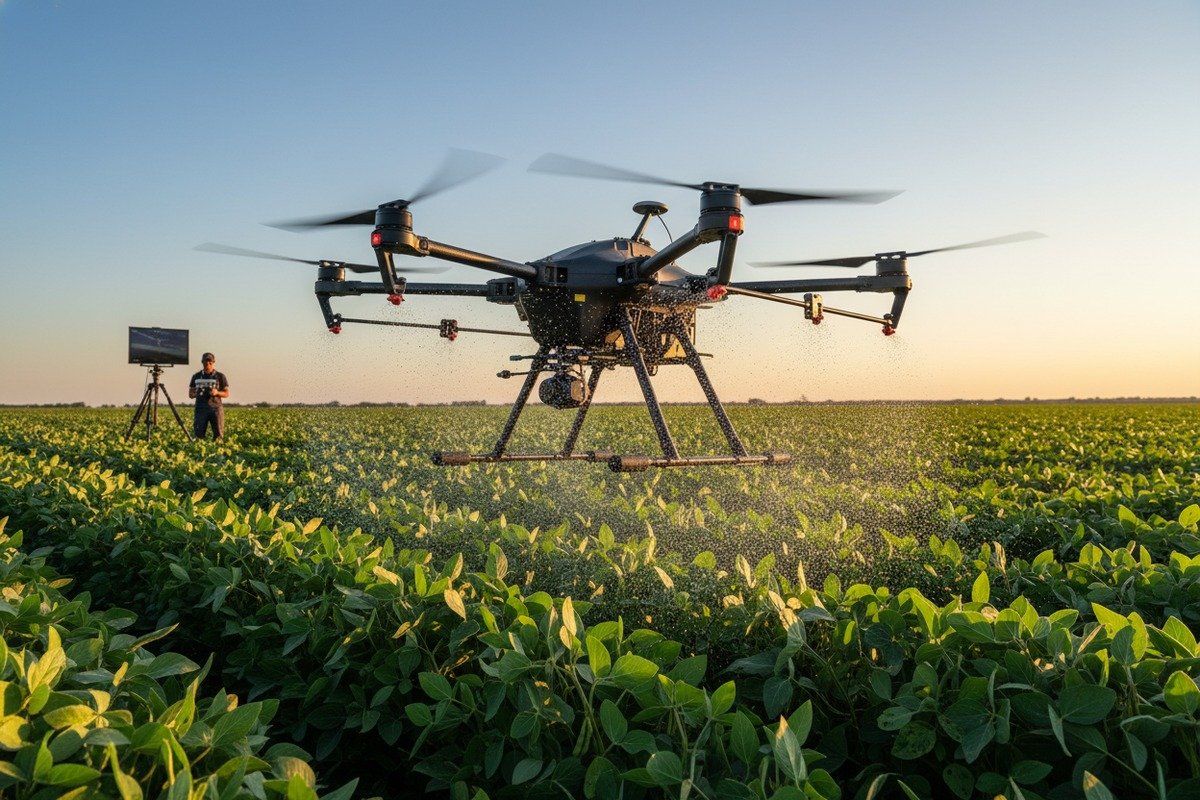
Die Abdeckungsrate bestimmt Ihr Verdienstpotenzial
Wenn Sie 15 € pro Hektar für Sprühdienste berechnen, Abdeckungsrate 4 wirkt sich direkt auf den täglichen Umsatz aus. Hier ist ein Vergleich verschiedener Drohnenklassen:
| Drohnenklasse | Abdeckungsrate | Tägliches Umsatzpotenzial (8-Stunden-Tag) | Jährliche Kapazität (20 Tage) |
|---|---|---|---|
| Einstiegsklasse | 15–20 Hektar/Stunde | $1.800–$2.400 | 2.400–3.200 Hektar |
| Mittelklasse | 30–40 Hektar/Stunde | $3.600–$4.800 | 4.800–6.400 Hektar |
| High-End | 45–52 Hektar/Stunde | $5.400–$6.240 | 7.200–8.320 Hektar |
Unsere High-End-Modelle erreichen auf flachem Gelände konstant 48–52 Hektar pro Stunde. Diese Leistungsdifferenz erklärt, warum sich Investitionen im mittleren bis oberen Segment trotz höherer Anschaffungskosten oft schneller amortisieren.
Präzisionsmetriken, die Input-Einsparungen beeinflussen
Sprühpräzision ist wichtiger, als viele Käufer erkennen. Die Variable-Droplet-Technologie ermöglicht Anpassungen zwischen 50 µm für feine Abdeckung und 500 µm für die Durchdringung dichter Baumkronen. Diese Flexibilität reduziert den Chemikalienverbrauch um 10–28% im Vergleich zu Systemen mit festen Düsen.
Wichtige Präzisionsmetriken zur Überprüfung:
- GPS-Genauigkeit: RTK-Systeme 5 erreichen ±2,5 cm Positionierung
- Konsistenz der Sprühbreite: Sollte ±5% über Durchgänge hinweg beibehalten
- Durchflussregelung: Echtzeit-Anpassung verhindert Überdosierung
- Geländefolgung: Behält konstante Höhe auf Hängen bis zu 50° bei
Zuverlässigkeitsmetriken für langfristigen Wert
Eine Drohne, die während kritischer Anwendungsfenster ausfällt, kostet mehr als Reparaturen. Sie kostet verpasste Gelegenheiten. Fragen Sie Lieferanten nach:
- Mittlere Betriebsdauer zwischen Ausfällen (MTBF) 6
- Durchschnittliche Reparaturdurchlaufzeit
- Prozentsatz der feldersetzbaren Komponenten
- Spezifikationen redundanter Systeme (Dual-GPS, Backup-Flugsteuerungen)
Wenn wir unsere Flugsteuerungen entwickeln, bauen wir Redundanzen ein, die Flugzeuge auch dann betriebsbereit halten, wenn ein Sensor ausfällt. Diese technische Entscheidung ist in der Produktion teurer, spart unseren Partnern aber erheblich Ausfallzeiten.
Wie kann ich technischen Support und die Verfügbarkeit von Ersatzteilen in meine langfristigen ROI-Prognosen einbeziehen?
Unser Exportteam hört diese Sorge immer wieder von amerikanischen Händlern: "Was passiert, wenn während der Pflanzsaison etwas kaputt geht?" Die Angst ist berechtigt. Eine Drohne, die zwei Wochen lang untätig auf Ersatzteile wartet, kann die Gewinnspanne einer ganzen Saison zunichtemachen.
Berücksichtigen Sie den technischen Support bei der ROI-Berechnung, indem Sie potenzielle Ausfallzeiten, Lieferzeiten für Ersatzteile und Garantien für Support-Reaktionszeiten ermitteln. Lieferanten, die eine Ersatzteillieferung innerhalb von 24–48 Stunden und Fernwartungsunterstützung anbieten, können die jährlichen Ausfallverluste um 5.000–15.000 € im Vergleich zu denen mit Lieferzeiten von 2–3 Wochen reduzieren.

Quantifizierung von Ausfallzeitenkosten
Jeder Tag, an dem Ihre Drohne nicht fliegen kann, bedeutet entgangene Einnahmen. Für einen kommerziellen Betrieb, der 15 $/Morgen berechnet und 40 Morgen/Stunde behandelt:
| Dauer der Ausfallzeit | Entgangene Einnahmen | Auswirkungen der Reparaturkosten |
|---|---|---|
| 1 Tag | $4,800 | Geringfügig, wenn Teile verfügbar sind |
| 1 Woche | $33,600 | Bedeutend, wenn saisonkritisch |
| 2 Wochen | $67,200 | Potenziell katastrophal |
Als wir unser US-Ersatzteillager einrichteten, sanken die Lieferzeiten von 14 Tagen auf 48 Stunden. Unsere Vertriebspartner meldeten sofort eine höhere Kundenzufriedenheit und höhere Wiederbestellquoten.
Bewertung der Support-Infrastruktur des Lieferanten
Fordern Sie spezifische Details zu den Support-Fähigkeiten an:
Fragen zur Teileverfügbarkeit:
- Wo befindet sich Ihr nächstgelegenes Ersatzteillager in meiner Nähe?
- Was ist Ihre garantierte Lieferzeit für kritische Komponenten?
- Haben Sie komplette Motorbaugruppen auf Lager oder nur Einzelteile?
- Was ist Ihre Mindestlageranforderung für Ersatzteile für Händler?
Fragen zum technischen Support:
- Bieten Sie Fernwartungswerkzeuge 7?
- Was sind Ihre Support-Zeiten in meiner Zeitzone?
- Können Ihre Techniker Video-gestützte Reparaturen durchführen?
- Bieten Sie Vor-Ort-Support für größere Probleme an?
Berücksichtigung von Support-Kosten in ROI-Modellen
Fügen Sie diese Posten zu Ihren ROI-Berechnungen hinzu:
- Jährliche Supportvertragskosten (typischerweise 5–10 % der Hardwarekosten)
- Zuschläge für den Versand von Ersatzteilen im Notfall
- Reisekosten für Techniker, falls Vor-Ort-Support benötigt wird
- Auffrischungskurse für neue Software-Updates
Eine umfassende Supportvereinbarung von einem zuverlässigen Lieferanten zahlt sich oft aus, indem sie ein einziges, längeres Ausfallereignis verhindert. Wir strukturieren unsere Supportpakete so, dass sie Fernwartungsdiagnosen und bevorzugten Versand von Ersatzteilen beinhalten, da wir gesehen haben, wie schnell Probleme ohne diese Ressourcen eskalieren.
Warnsignale bei den Support-Aussagen von Lieferanten
Seien Sie vorsichtig, wenn Lieferanten:
- Ihre Lagerstandorte für Ersatzteile nicht nennen können
- Nur E-Mail-Support mit Antwortzeiten von 48+ Stunden anbieten
- Alle Reparaturen an ausländische Einrichtungen versenden müssen
- Keine zertifizierten Servicepartner in Ihrer Region haben
Diese Einschränkungen kosten Sie Geld. Berücksichtigen Sie realistische Support-Szenarien in Ihren ROI-Prognosen, anstatt von Best-Case-Verfügbarkeit auszugehen.
Bietet die Investition in eine anpassbare OEM-Drohnenplattform eine bessere Rendite für mein spezifisches Distributionsgeschäft?
Distributoren fragen unser Vertriebsteam oft, ob kundenspezifische Plattformen ihre höheren Entwicklungskosten rechtfertigen. Die Antwort hängt vollständig von Ihrer Marktposition ab. Einige Distributoren gedeihen mit Standardprodukten. Andere benötigen Differenzierung, um konkurrieren zu können.
OEM-Anpassung liefert eine bessere Rentabilität, wenn Sie spezialisierte Märkte bedienen, proprietäre Softwareintegration benötigen oder Markendifferenzierung wünschen. Erwarten Sie 15–25% höhere Anfangskosten, aber potenzielle Margenverbesserungen von 30–50% durch exklusive Funktionen, die Wettbewerber nicht anbieten können.

Wann Standardprodukte Sinn ergeben
Standard-Drohnen funktionieren gut, wenn:
- Ihr Markt konkurriert hauptsächlich über den Preis
- Kunden bestimmte Marken bereits kennen und ihnen vertrauen
- Ihnen das technische Personal für kundenspezifischen Support fehlt
- Ihr Volumen unter 50 Einheiten pro Jahr liegt
Standardprodukte bieten eine schnellere Markteinführung und geringeres Risiko. Sie profitieren von der Herstellervermarktung und dem etablierten Ruf.
Wann OEM-Anpassung Wert schafft
Kundenspezifische Plattformen glänzen, wenn:
- Sie Nischenanwendungen bedienen (spezifische Kulturen, Geländetypen)
- Ihre Kunden proprietäre Softwareintegration benötigen
- Markendifferenzierung für Ihre Marktposition unerlässlich ist
- Sie Volumenverpflichtungen von über 100 Einheiten pro Jahr haben
Unsere OEM-Partner fordern typischerweise Anpassungen in diesen Bereichen:
| Anpassungsart | Entwicklungskosten | Typischer ROI-Nutzen |
|---|---|---|
| Gebrandete Hülle/Farben | $5.000–$15.000 | Markenbekanntheit, Kundenbindung |
| Benutzerdefinierte Softwareschnittstelle | $15.000–$40.000 | Differenzierung, höhere Margen |
| Spezialisierte Nutzlastsysteme | $20.000–$50.000 | Zugang zu unterversorgten Märkten |
| Integration mit bestehenden Plattformen | $10.000–$30.000 | Kundenbindung, reduzierter Wettbewerb |
Berechnung des OEM-ROI
Vergleichen Sie diese Szenarien:
Standard-Produktvertrieb:
- Einkaufskosten: $22.000
- Ihr Verkaufspreis: $28.000
- Marge: $6.000 (27%)
- Jährliches Volumen: 75 Einheiten
- Jährlicher Gewinn: $450.000
OEM-Plattform:
- Entwicklungsinvestition: $35.000 (einmalig)
- Einkaufskosten: $25.000
- Ihr Verkaufspreis: $38.000
- Marge: $13.000 (52%)
- Jährliches Volumen: 60 Einheiten
- Jährlicher Gewinn: $780.000
- Gewinn im 1. Jahr (abzüglich Entwicklung): $745.000
Selbst bei 20% geringerem Volumen erzielt die benutzerdefinierte Plattform einen deutlich höheren Gewinn. Diese Mathematik erklärt, warum ernsthafte Distributoren oft OEM-Partnerschaften wählen.
Fragen, die Sie vor der Verpflichtung gegenüber einem OEM stellen sollten
Klären Sie vor der Investition in kundenspezifische Anpassungen:
- Was ist die Mindestbestellmenge für die kundenspezifische Produktion?
- Wem gehören die geistigen Eigentumsrechte für kundenspezifische Funktionen?
- Wie lange dauert die kundenspezifische Entwicklung?
- Was passiert, wenn ich das Design später ändern muss?
- Kann ich Standard-Produktaktualisierungen für meine kundenspezifische Plattform erhalten?
Wenn wir mit OEM-Partnern zusammenarbeiten, pflegen wir eine klare Dokumentation zu all diesen Punkten. Mehrdeutigkeiten in OEM-Vereinbarungen führen zu Problemen, die Jahre später auftreten.
Schutz Ihrer OEM-Investition
Stellen Sie sicher, dass Ihr Vertrag Folgendes enthält:
- Exklusivitätsklauseln für Ihr Gebiet
- Qualitätsgarantien, die Standardprodukten entsprechen
- Verpflichtungen zur Verfügbarkeit von Teilen
- Gleichwertiger technischer Support
- Bestimmungen für den Upgrade-Pfad
Eine gut strukturierte OEM-Beziehung kann Ihr Unternehmen verändern. Eine schlecht strukturierte kann Sie mit nicht unterstützten Produkten gefangen halten.
Schlussfolgerung
Die Bewertung von Lieferanten-ROI-Modellen erfordert einen Blick über die Schlagzeilen hinaus. Berechnen Sie die tatsächlichen Eigentumskosten, überprüfen Sie Leistungsansprüche anhand Ihrer spezifischen Bedürfnisse, bewerten Sie die Support-Infrastruktur und ermitteln Sie, ob die Anpassung zu Ihrer Strategie passt. Die Lieferanten, die transparente Daten liefern und schwierige Fragen ehrlich beantworten, sind die Partner, die es wert sind, gehalten zu werden.
Fußnoten
1. Erklärt das Konzept und die Vorteile des Präzisionssprühens in der Landwirtschaft. ︎
2. Bietet eine umfassende Definition der Gesamtkosten des Eigentums. ︎
3. Definiert die Komponenten, die typischerweise in eine Erstinvestition für ein Unternehmen einfließen. ︎
4. Erklärt, wie die Abdeckungsrate eine wichtige Leistungskennzahl für landwirtschaftliche Drohnen ist. ︎
5. Erklärt die hohe Präzision, die RTK-GPS in landwirtschaftlichen Anwendungen bietet. ︎
6. Definiert MTBF als eine wichtige Zuverlässigkeitskennzahl für Geräte. ︎
7. Erklärt die Funktion und die Vorteile von Fernwartungswerkzeugen bei der Geräteinstandhaltung. ︎
8. Fand einen funktionierenden Artikel, der OEM und seine Anpassungsaspekte von einem autoritativen Softwareunternehmen erklärt. ︎

 English
  Español de México
  Deutsch
  Français
  Русский
  العربية
Comments
No comments yet. Be the first to share your thoughts!
Leave a Comment