Wenn unser Ingenieurteam neue Feuerlöschdrohnenmodelle entwickelt 1, verbringen wir Wochen mit der Analyse der Spezifikationen der Konkurrenz. Doch viele Käufer überspringen diesen Schritt bei der Bewertung von Lieferanten Nutzlastkapazität 2. Dieser Fehler kostet sie teuer. Mangelndes Wissen über den Lieferanten bedeutet versteckte Leistungslücken, verpasste Zertifizierungen und Drohnen, die bei wütenden Bränden versagen.
Um das Wissen der Lieferanten über Konkurrenzprodukte zu bewerten, stellen Sie gezielte Fragen zu spezifischen Konkurrenzmodellen wie Skydio X10, FLIR SIRAS und DJI Matrice 350 RTK. Fordern Sie detaillierte Wettbewerbsmatrizen an, erkundigen Sie sich nach deren Kenntnis von Leistungsbenchmarks und verifizieren Sie, dass sie die regulatorischen Unterschiede zwischen den Märkten verstehen. Lieferanten, die die Konkurrenz kennen, bauen bessere Drohnen.
Dieser Leitfaden führt Sie durch praktische Methoden, um zu testen, ob Ihr potenzieller Lieferant den Markt für Feuerlöschdrohnen wirklich versteht. Wir behandeln technische Bewertungen, Fragen zur Nutzlast, Software-Benchmarking und Zertifizierungsvergleiche.
Wie beurteile ich, ob ein Lieferant die technischen Leistungsunterschiede zwischen seinen Feuerlöschdrohnen und den weltweit führenden Marken versteht?
Unsere Fabrik erhält monatlich Dutzende von Anfragen von Feuerwehren und Händlern. Die klügsten Käufer fragen immer, wie sich unsere Drohnen im Vergleich zu Marktführern schlagen. Diese Frage trennt ernsthafte Lieferanten von denen, die Designs einfach kopieren, ohne zu verstehen, warum sie funktionieren.
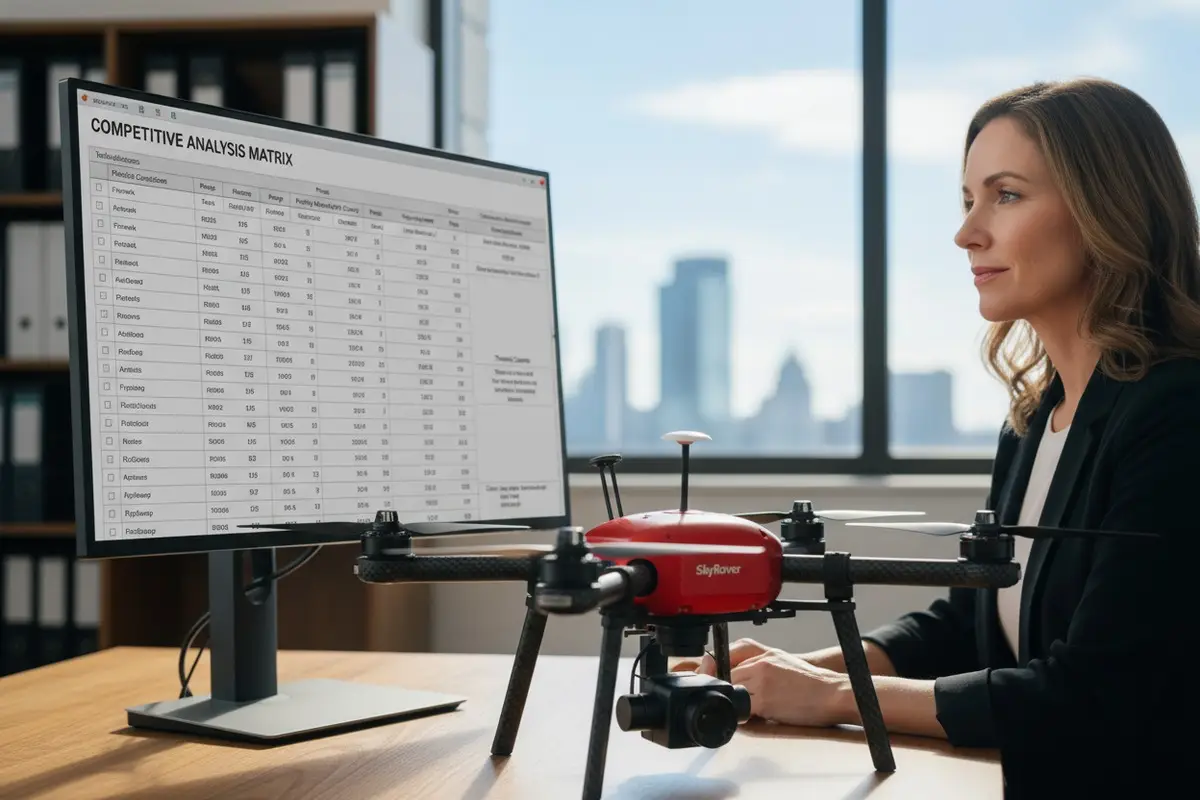
Bewerten Sie das Wissen des Lieferanten, indem Sie eine Vergleichsmatrix nebeneinander mit mindestens drei Top-Wettbewerbern anfordern. Achten Sie auf spezifische Daten zu Flugzeit, Windbeständigkeit, thermischer Auflösung und Nutzlastkapazität. Lieferanten, die genaue Zahlen angeben und Leistungskompromisse erläutern, zeigen echtes Marktverständnis und technische Tiefe.
Warum technisches Benchmarking wichtig ist
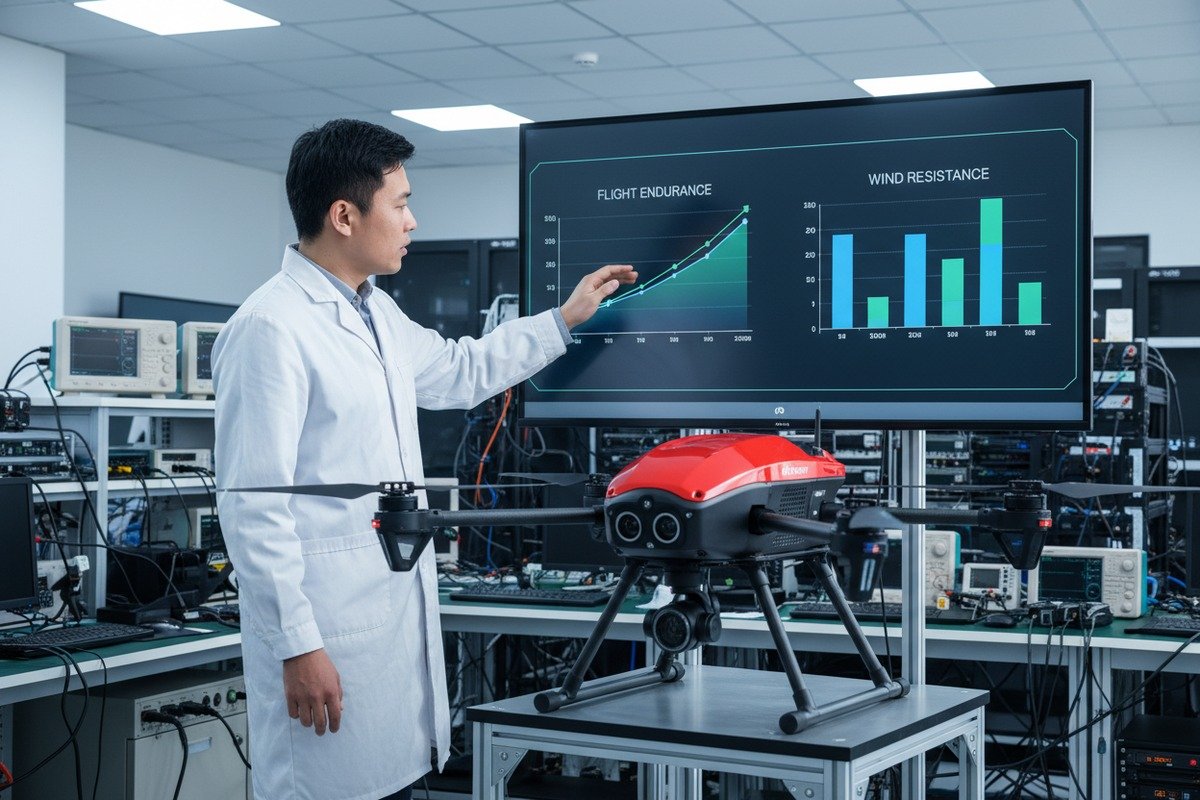
Feuerwehren benötigen Drohnen, die unter extremen Bedingungen funktionieren. Rauch, Hitze und starker Wind stellen jedes System auf die Probe. Ein Lieferant, der nicht erklären kann, wie seine Drohne mit diesen Bedingungen im Vergleich zu einer DJI Matrice 350 RTK 3 oder FLIR SkyRanger R70 umgeht, hat wahrscheinlich nicht rigoros getestet.
Wenn wir unsere Flugsteuerungen kalibrieren, beziehen wir uns auf die Spezifikationen der Konkurrenz. Zum Beispiel erreicht die FLIR SkyRanger R70 Flugzeiten von 50 Minuten. Unsere Ingenieure haben diesen Benchmark studiert, um unsere Batteriemanagementsysteme zu optimieren. Dieses Wissen prägt bessere Produkte.
Zu prüfende Schlüsselkennzahlen
Fragen Sie Ihren Lieferanten nach diesen spezifischen Benchmarks:
| Leistungsmetrik | Benchmark des Branchenführers | Reaktion auf rote Flaggen |
|---|---|---|
| Flugzeit | 50 Minuten (FLIR SkyRanger R70) | "Etwa 30-40 Minuten" ohne Spezifikationen |
| Windwiderstand | 12 m/s sustained | Genaue Bewertung kann nicht angegeben werden |
| Thermische Auflösung 4 | 640×512 radiometrisch | Vage Behauptungen von "hoher Auflösung" |
| Betriebstemperatur | -20°C bis 50°C | Kein Temperaturbereich angegeben |
| IP-Bewertung | IP45 oder höher | Unbekannt oder nicht bewertet |
Fragen, die echtes Wissen offenbaren
Beginnen Sie mit offenen Fragen. Fragen Sie: "Welches Konkurrenzmodell betrachten Sie als Ihren engsten Konkurrenten und warum?" Lieferanten mit tiefem Marktkenntnis werden spezifische Modelle nennen und Funktionsunterschiede erklären.
Folgen Sie mit technischen Sonden. Fordern Sie Windkanal-Testdaten an. Fragen Sie nach Partnerschaften mit Wärmebildkameras. Erkundigen Sie sich nach Redundanzsystemen. Lieferanten, die mit führenden Wärmebildanbietern wie FLIR oder DJI zusammenarbeiten, verstehen, was Feuerwehrleute brauchen.
Achten Sie auf Warnsignale. Vage Antworten wie "unsere Drohne ist besser als chinesische Konkurrenten" zeigen schwaches Marktbewusstsein. Veraltete Verweise auf eingestellte Modelle deuten darauf hin, dass der Lieferant den Markt seit Jahren nicht mehr verfolgt hat.
Der Wettbewerbsmatrix-Test
Fordern Sie ein formelles Wettbewerbsmatrix-Dokument an. Dieses sollte mindestens drei spezifische Konkurrenten anhand von zehn oder mehr Metriken vergleichen. Lieferanten, die dieses Dokument nicht erstellen können, haben den Markt wahrscheinlich nicht systematisch studiert.
Unser Verkaufsteam pflegt aktualisierte Matrizen für jeden wichtigen Konkurrenten. Wir teilen diese mit ernsthaften Käufern, da Transparenz Vertrauen schafft. Lieferanten, die Vergleiche verbergen, haben möglicherweise etwas zu verbergen.
Welche spezifischen Fragen sollte ich stellen, um die Kenntnis eines Herstellers über die Nutzlast- und Flugdauer-Spezifikationen der Konkurrenz zu überprüfen?
Nach unserer Erfahrung im Export in die US-amerikanischen und europäischen Märkte geben Fragen zu Nutzlast und Ausdauer am meisten über die Expertise des Lieferanten Aufschluss. Diese Spezifikationen wirken sich direkt auf Brandbekämpfungsmissionen aus. Eine Drohne, die Wärmebildkameras nicht lange genug tragen kann, um einen Waldbrand zu überblicken, ist nutzlos.
Bitten Sie Lieferanten, ihre Nutzlastkapazität und Flugdauer mit der DJI Matrice 350 RTK (2,7 kg Nutzlast, 55 Minuten) und der Skydio X10 (45 Minuten) zu vergleichen. Fordern Sie Daten darüber an, wie sich das Nutzlastgewicht auf die Flugzeit auswirkt. Sachkundige Lieferanten werden Nutzlast-Ausdauer-Kurven bereitstellen und Kompromisse für verschiedene Missionsprofile erläutern.
Verständnis von Nutzlastkompromissen
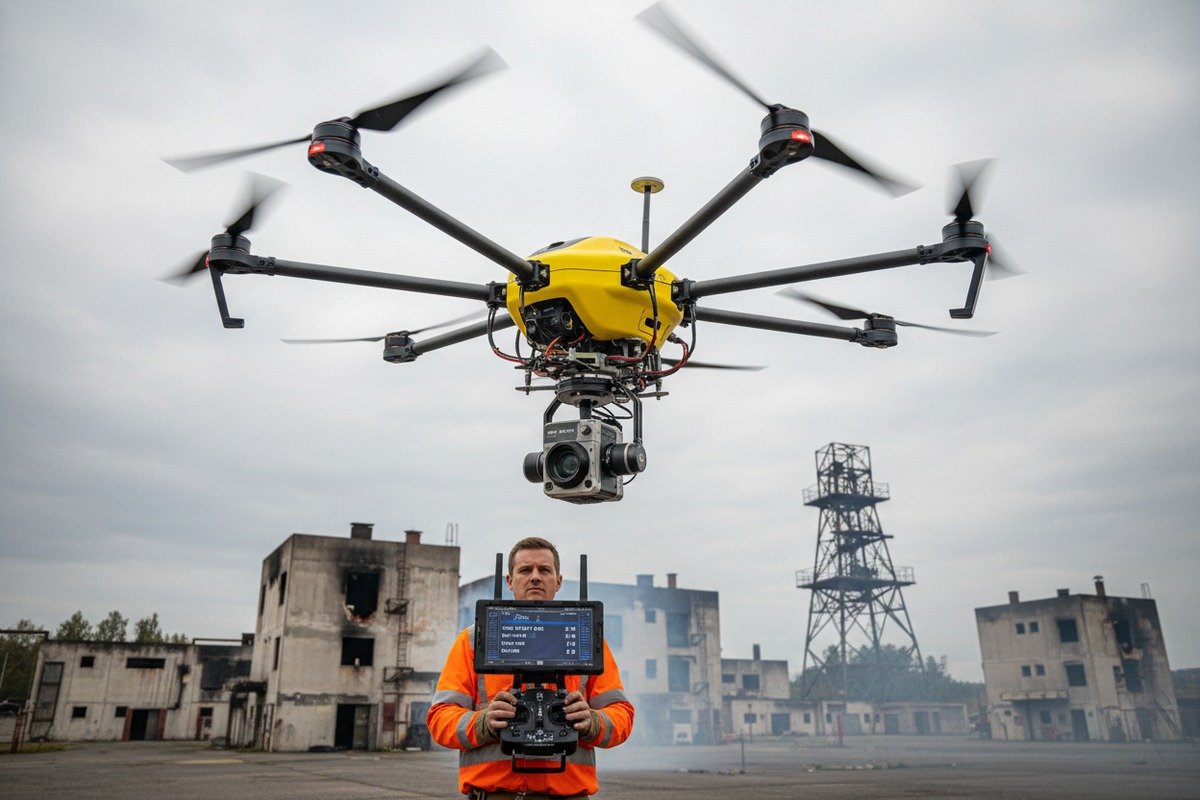
Jedes Gramm Nutzlast reduziert die Flugzeit. Diese Beziehung ist nichtlinear. Ein Lieferant, der die Produkte von Wettbewerbern versteht, wird diesen Kompromiss klar erklären.
Zum Beispiel tragen unsere Oktokopter-Modelle Nutzlasten von bis zu 5 kg. Aber die maximale Nutzlast reduziert die Flugzeit auf 25 Minuten. Mit einer 2 kg schweren Wärmebildkamera erreichen wir 42 Minuten. Dies entspricht dem, was Top-Wettbewerber anbieten.
Fragen Sie Ihren Lieferanten: "Wenn ich eine 1,5 kg schwere Wärmebildkamera hinzufüge, wie viel Flugzeit verliere ich?" Spezifische Antworten deuten auf reale Tests hin. Vage Antworten deuten auf Rätselraten hin.
Vergleichstabelle der Nutzlasten von Wettbewerbern
| Drohnenmodell | Maximale Nutzlast | Flugzeit (ohne Nutzlast) | Flugzeit (Max. Nutzlast) |
|---|---|---|---|
| DJI Matrice 350 RTK | 2,7 kg | 55 min | 35 min |
| FLIR SkyRanger R70 | 1,5 kg | 50 min | 38 min |
| Skydio X10 5 | 1,2 kg | 45 min | 32 min |
| Parrot ANAFI Thermal | 0,5 kg | 32 min | 26 Min. |
Missionspezifische Ausdauerfragen
Unterschiedliche Brandbekämpfungseinsätze erfordern unterschiedliche Ausdauerprofile. Urbane Strukturbrände erfordern kurze, intensive Flüge. Waldbrandüberwachung erfordert eine längere Verweilzeit.
Fragen Sie Ihren Lieferanten: "Wie schneidet Ihre Drohne im Vergleich zur FLIR SkyRanger R70 für Waldbrandkartierungseinsätze von über 40 Minuten ab?" Dies zwingt sie, über reale Anwendungen nachzudenken, nicht nur über Datenblätter.
Unser Ingenieurteam entwickelt unterschiedliche Batteriekonfigurationen für unterschiedliche Missionen. Wir bieten Schnellwechselsysteme an, die mit denen von Skydio vergleichbar sind. Lieferanten, die keine Hot-Swap-Akkus erwähnen, verstehen möglicherweise die betrieblichen Anforderungen nicht.
Nachfragen nach realen Daten
Labordaten unterscheiden sich von der Feldleistung. Hitze reduziert die Batterieleffizienz. Höhe beeinflusst den Auftrieb. Rauch kann Kühlsysteme verstopfen.
Fordern Sie Felddaten von tatsächlichen Brandbekämpfungseinsätzen an. Fragen Sie, wie sich die Leistung bei einer Umgebungstemperatur von 40 °C verändert hat. Vergleichen Sie die Antworten mit veröffentlichten Konkurrenzdaten.
Als wir unsere Brandbekämpfungsdrohnen unter sommerlichen Wüstenbedingungen testeten, sank die Flugzeit im Vergleich zu Laborergebnissen um 18%. Konkurrenten erleben ähnliche Rückgänge. Lieferanten, die identische Labor- und Feldleistungen beanspruchen, lügen entweder oder haben nicht richtig getestet.
Woran erkenne ich, ob ein Lieferant seine Software und Flugsteuerungssysteme mit anderen führenden Anbietern von Industriedrohnen verglichen hat?
Bei der Entwicklung unserer Flugsteuerungssoftware untersuchen wir, wie Skydio damit umgeht autonome Hindernisvermeidung 6 und wie DJI die RTK-Positionierung verwaltet. Software unterscheidet moderne Brandbekämpfungsdrohnen mehr als Hardware. Dennoch übersehen viele Käufer diesen kritischen Bewertungsbereich.
Testen Sie das Wissen der Lieferanten über Software, indem Sie nach spezifischen Funktionen von Wettbewerbern fragen, wie z. B. Skydios KI-Hinderniserkennung, D J Is RTK-Zentimeterpositionierung und FLIRs Integration von Wärmebildanalysen. Lieferanten sollten ihre eigenen autonomen Fähigkeiten, Notfallprotokolle und den Vergleich ihrer Bodenkontrollsoftware mit Industriestandards erläutern.
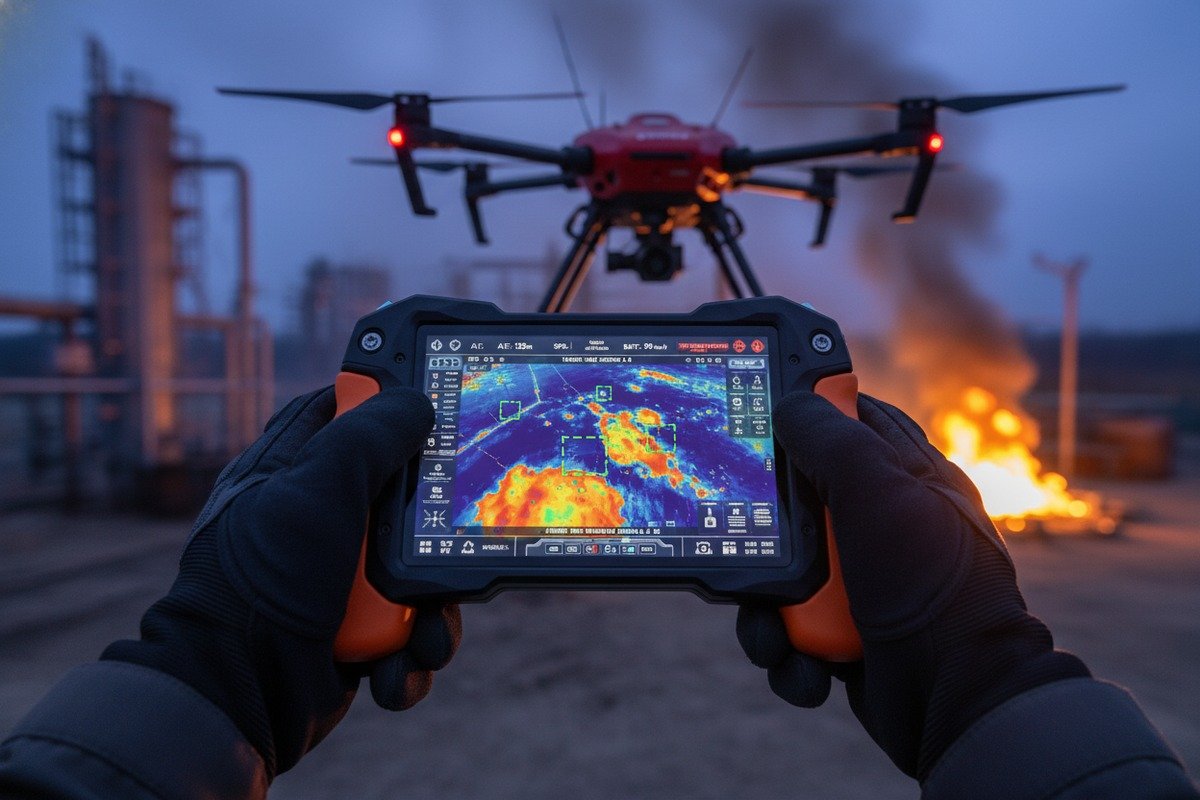
Kritische Softwarefunktionen für die Brandbekämpfung
Drohnen für die Brandbekämpfung benötigen spezialisierte Softwarefähigkeiten. Algorithmen zur Rauchinfiltration helfen Wärmebildkameras, durch Dunst zu sehen. Automatisierte Suchmuster decken große Waldbrandgebiete effizient ab. Echtzeit-Video-Streaming erreicht Einsatzleiter sofort.
Fragen Sie Ihren Lieferanten: "Wie schneidet Ihre autonome Flugsoftware im Vergleich zur Hindernisvermeidung von Skydio in rauchgefüllten Umgebungen ab?" Diese Frage testet sowohl das Wissen über Wettbewerber als auch die technische Tiefe.
Vergleich von Flugsteuerungssystemen
| Merkmal | Skydio X10 | DJI Matrice 350 | Industriestandard |
|---|---|---|---|
| Hindernisvermeidung | 360° KI-gestützt | 360° Sensor-basiert | Nur vorne/hinten |
| RTK-Positionierung 7 | Optional | Integriert | Nur GPS |
| BVLOS-Fähigkeit | Zertifiziert | Zertifiziert | Begrenzt |
| Autonome Kartierung | Fortgeschrittene | Fortgeschrittene | Grundlegend |
| Failsafe-Modi | 6+ Protokolle | 5+ Protokolle | 2-3 Protokolle |
Bewertung autonomer Fähigkeiten
Moderne Feuerlöschdrohnen operieren zunehmend außerhalb der Sichtlinie. Dies erfordert hochentwickelte autonome Systeme. Die FAA Part 135-Zertifizierung und die EASA-Standards setzen hohe Hürden für BVLOS-Operationen.
Fragen Sie Ihren Lieferanten, ob er BVLOS-Zertifizierungen in irgendeinem Markt erreicht hat. Erkundigen Sie sich nach seiner autonomen Rückkehr-nach-Hause-Logik. Fordern Sie Demonstrationen von automatisierten Suchmustern an.
Unser Softwareteam hat drei Jahre lang autonome Algorithmen zur Kartierung von Waldbränden entwickelt. Wir haben veröffentlichte Forschungsergebnisse von Wettbewerbern und akademischen Einrichtungen studiert. Diese Investition zeigt sich in unseren Produktfähigkeiten.
Integration von Bodenkontrollsoftware
Einsatzleiter von Feuerwehren benötigen intuitive Bodenkontrollschnittstellen. Sie können es sich nicht leisten, in Notfällen wertvolle Minuten mit dem Erlernen komplexer Software zu verbringen.
Bitten Sie Ihren Lieferanten, seine Bodenkontrollsoftware zu demonstrieren. Vergleichen Sie sie mit DJI Pilot 2 oder der Cloud-Plattform von Skydio. Achten Sie auf Funktionen für thermische Überlagerung, Tools zur Teamkoordination und Möglichkeiten zum Datenexport.
Fordern Sie Informationen zur SDK-Verfügbarkeit an. Benutzerdefinierte Integrationen mit bestehenden Systemen von Feuerwehren bieten einen enormen Mehrwert. Lieferanten, die offene APIs anbieten, verstehen die Bedürfnisse von Unternehmen.
Warnsignale bei Softwareansprüchen
Seien Sie vorsichtig bei Lieferanten, die "besser als DJI" behaupten, ohne spezifische Angaben zu machen. Fragen Sie nach Latenzmessungen, Bildraten und Daten zur Verbindungsreichweite. Fordern Sie Videodemonstrationen zur Hindernisvermeidung unter schwierigen Bedingungen an.
Lieferanten, die ihre Softwarearchitektur nicht erklären können, verwenden wahrscheinlich Standard-Systeme ohne Anpassung. Diese generischen Lösungen erfüllen selten die Anforderungen der Brandbekämpfung.
Warum ist es für meinen Lieferanten entscheidend zu erklären, wie die Haltbarkeit und die Zertifizierungen ihrer Drohne im Vergleich zu anderen High-End-Modellen auf dem Markt abschneiden?
Unsere Produktionslinien führen umfangreiche Haltbarkeitstests an jeder Einheit durch. Wir unterziehen Drohnen Temperaturwechsel-, Vibrations- und Wassersprühprüfungen. Dies ist wichtig, da Umgebungen der Brandbekämpfung empfindliche Geräte zerstören. Lieferanten, die ihre Haltbarkeitstests im Vergleich zu Wettbewerbern nicht erklären können, überspringen diese Schritte wahrscheinlich.
Die Kenntnisse des Lieferanten über die Haltbarkeit sind entscheidend, da Drohnen für die Brandbekämpfung extremer Hitze, Wassereinwirkung und Rauchpartikeln ausgesetzt sind, die ungetestete Geräte zerstören. Fordern Sie Vergleiche der IP-Schutzarten, Betriebstemperaturbereiche und relevanter Zertifizierungen (NDAA, C-Class, RoHS) mit Modellen wie FLIR SIRAS und Skydio X10 an, um die Betriebssicherheit zu gewährleisten.
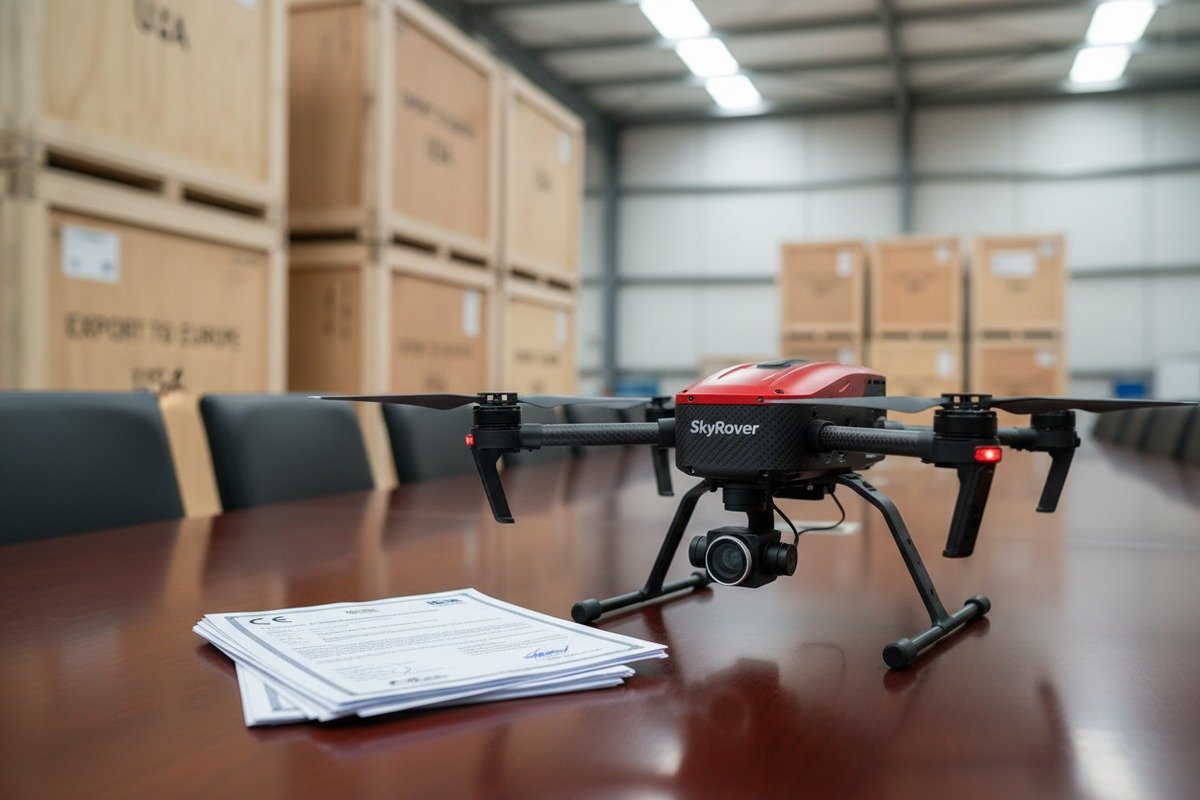
Standards für Umweltdauerhaftigkeit
Brandszenen setzen Drohnen Bedingungen aus, die Unterhaltungselektronik zerstören. Wasser aus Schläuchen, Rauchpartikel und Strahlungswärme greifen jede Komponente an. Industrielle Drohnen müssen strenge Haltbarkeitsstandards erfüllen.
IP-Schutzarten geben den Schutz vor Wasser und Staub an. IP45 stellt den minimal akzeptablen Schutz für die Brandbekämpfung dar. Einige Wettbewerber erreichen IP54 oder höher. Bitten Sie Ihren Lieferanten, seine IP-Schutzart mit der FLIR SIRAS 8 zu vergleichen und zu erklären, welche Tests sie durchgeführt haben.
Vergleichstabelle der Haltbarkeitszertifizierungen
| Zertifizierung/Standard | Zweck | Wichtige Wettbewerber | Mindestanforderung |
|---|---|---|---|
| IP-Schutzart (IP45+) | Wasser-/Staubschutz | FLIR SIRAS (IP54) | IP45 |
| MIL-STD-810 | Stoß-/Vibrationsfestigkeit | Skydio X10 | Optional, aber geschätzt |
| Betriebstemperaturbereich | Extreme Bedingungen | -20°C bis 50°C typisch | -10°C bis 45°C Minimum |
| NDAA-Konformität 9 | US-Regierungsverkäufe | Skydio, FLIR, Parrot | Erforderlich für die US-Regierung |
| C-Klasse (EU) | Europäische Operationen | Parrot ANAFI | Erforderlich für die EU |
Die Frage der NDAA-Konformität
US-Feuerwehren fordern zunehmend NDAA-konforme Drohnen. Diese Verordnung schließt Produkte mit bestimmten chinesischen Komponenten von der staatlichen Beschaffung aus. Die Regel hat erhebliche Auswirkungen auf die Wettbewerbslandschaft.
Skydio, FLIR und Parrot profitieren von der NDAA-Konformität. DJI-Produkte stoßen trotz überlegener Funktionen in einigen Bereichen auf Beschaffungsbeschränkungen. Ihr Lieferant sollte diese Dynamik verstehen und seinen Compliance-Status klar erläutern.
Fragen Sie: "Sind Ihre Drohnen NDAA-konform und welche Komponenten müssten für den Verkauf an die US-Regierung ersetzt werden?" Sachkundige Lieferanten geben spezifische Antworten zur Komponentenbeschaffung.
Vergleiche von Materialien und Konstruktion
Hochwertige Feuerwehrdrohnen verwenden Carbonfaserrahmen, verstärkte Motorhalterungen und abgedichtete Elektronikgehäuse. Budgetmodelle verwenden Kunststoff und verfügen nicht über Umweltschutz.
Unsere Oktokopter-Modelle verfügen über Arme aus gewebter Carbonfaser mit redundanten Motorkonfigurationen. Dies entspricht den Konstruktionsansätzen von Skydio und FLIR für ihre Premium-Angebote. Wir können genau erklären, wie unsere Materialien im Vergleich abschneiden, da wir Wettbewerber-Teardowns studiert haben.
Fragen Sie Ihren Lieferanten nach Rahmenmaterialien, Motorredundanz und Fallschirmsystemen. Fordern Sie Vergleichsdaten zu spezifischen Wettbewerbsmodellen an. Lieferanten, die diese Informationen nicht liefern können, haben keine Wettbewerbsanalyse durchgeführt.
Zertifizierungsdokumentation
Seriöse Lieferanten führen eine umfassende Zertifizierungsdokumentation. Dazu gehören Testberichte, behördliche Zulassungen und Qualitätsmanagementzertifikate.
Fordern Sie Kopien von IP-Schutzart-Testberichten an. Fragen Sie nach CE-, FCC- oder anderen relevanten behördlichen Dokumentationen. Erkundigen Sie sich nach Qualitätsmanagementzertifizierungen wie ISO 9001.
Vergleichen Sie den Umfang der Dokumentation mit dem, was Wettbewerber anbieten. Skydio und FLIR veröffentlichen umfangreiche Compliance-Informationen. Ihr Lieferant sollte dieses Transparenzniveau erreichen.
Gesamtbetriebskosten-Perspektive
Haltbarkeit wirkt sich erheblich auf die langfristigen Kosten aus. Eine günstigere Drohne, die nach 50 Flügen ausfällt, kostet mehr als ein Premium-Gerät, das 500 Flüge hält.
Bitten Sie Ihren Lieferanten, die Gesamtkosten über die gesamte Lebensdauer im Vergleich zu Konkurrenzmodellen zu berechnen. Berücksichtigen Sie Wartungskosten, Ersatzteilpreise und die erwartete Lebensdauer. Lieferanten, die die Preise der Konkurrenz verstehen, können ihr Wertversprechen genau positionieren.
Schlussfolgerung
Die Bewertung des Wissens eines Lieferanten über Konkurrenzprodukte schützt Ihre Investition in Brandbekämpfungsdrohnen. Lieferanten, die den Markt verstehen, bauen bessere Produkte, bieten besseren Support und liefern einen besseren Wert. Nutzen Sie die Fragen und Rahmenbedingungen in diesem Leitfaden, um Partner zu identifizieren, die ihre Konkurrenz wirklich kennen.
Fußnoten
1. Bietet einen Überblick über verschiedene Brandbekämpfungsdrohnenmodelle und ihre Anwendungen. ︎
2. Definiert die Nutzlastkapazität von Drohnen und die Faktoren, die sie für verschiedene Anwendungen beeinflussen. ︎
3. Offizielle Spezifikationen für die industrielle Drohne DJI Matrice 350 RTK. ︎
4. Erklärt die thermische Auflösung und ihre Bedeutung bei der Drohnen-Wärmebildgebung. ︎
5. Offizielle Produktseite für die autonome Drohne Skydio X10. ︎
6. Erklärt das Konzept und die Bedeutung der autonomen Hindernisvermeidung bei Drohnen. ︎
7. Beschreibt die RTK-Positionierungstechnologie und ihre Anwendung in Drohnen für verbesserte Genauigkeit. ︎
8. Offizielle Produktseite für die professionelle Wärmebilddrohne FLIR SIRAS. ︎
9. Erklärt die NDAA-Konformität für Drohnen und ihre Auswirkungen auf die staatliche Beschaffung. ︎
 English
  Español de México
  Deutsch
  Français
  Русский
  العربية
Comments
No comments yet. Be the first to share your thoughts!
Leave a Comment