
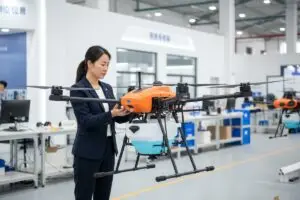
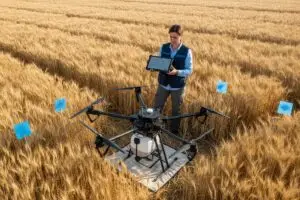
Wenn unsere Produktionslinie liefert Agrardrohnen 1 auf globale Märkte, sehen wir aus erster Hand die Streitigkeiten, die zwischen Lieferanten und Käufern entstehen. Fehlende Liefertermine, fehlerhafte Sensoren und fehlender technischer Support verursachen echte Probleme für Landwirte, die während kritischer Spritzfenster auf diese Maschinen angewiesen sind.
Um die Haftung für Vertragsverletzungen bei Anbietern von Agrardrohnen zu bestätigen, müssen Sie die spezifischen Vertragsbedingungen, die verletzt wurden, dokumentieren, Beweise für die Nichterfüllung sammeln, beurteilen, ob die Verletzung wesentlich ist, und tatsächliche Schäden nachweisen. Schlüsselelemente sind Lieferzeiten, Drohnenspezifikationen, Qualitätsstandards und zugesicherte Dienstleistungen.
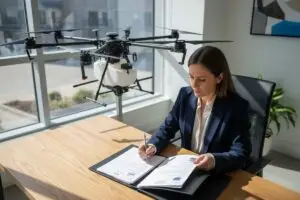
Dieser Leitfaden führt Sie durch die praktischen Schritte, um Lieferanten zur Rechenschaft zu ziehen Vertragsbruchhaftung 2. Wir behandeln Qualitätsmängel, Lieferverzögerungen, fehlenden technischen Support und fehlende Exportzertifizierungen. Tauchen wir mit umsetzbaren Ratschlägen in jedes Szenario ein.
Wie kann ich meinen Lieferanten zur Rechenschaft ziehen, wenn die Agrardrohnen Qualitätsmängel aufweisen?
Unsere Ingenieure testen jeden Flugcontroller vor dem Versand, weil wir wissen, dass defekte Drohnen die Arbeit einer ganzen Saison zerstören können Service Level Agreements (SLAs) 3. Dennoch bleiben Qualitätsstreitigkeiten in dieser Branche häufig. Wenn Ihre Drohnen mit fehlerhaften Sensoren oder schwacher Akkuleistung ankommen, benötigen Sie einen klaren Weg zur Rechenschaftspflicht CE-Kennzeichnung für Europa 4.
Um Ihren Lieferanten für Qualitätsmängel zur Rechenschaft zu ziehen, dokumentieren Sie die Mängel sofort nach Erhalt, vergleichen Sie die tatsächliche Leistung mit den Vertragsspezifikationen, bewahren Sie alle Beweise einschließlich Flugprotokollen und Fotos auf und senden Sie eine formelle schriftliche Mitteilung innerhalb der vertraglich festgelegten Frist für die Mängelrüge. Materialmängel, die normale landwirtschaftliche Tätigkeiten verhindern, rechtfertigen in der Regel vertragliche Abhilfemaßnahmen, einschließlich Ersatz, Reparatur oder Schadensersatz.

Was als Qualitätsmangel gilt, verstehen
Nicht jedes Problem gilt als Vertragsbruch. Sie müssen nachweisen, dass die Drohne die vereinbarten Spezifikationen nicht erfüllt. Diese Spezifikationen umfassen in der Regel:
- Nutzlastkapazität für Spritzvorgänge
- Akkulaufzeit und Flugdauer
- Sensorgenauigkeit für die Feldüberwachung
- Rahmenhaltbarkeit unter Feldbedingungen
- Softwarefunktionalität für Präzisionslandwirtschaft
Wenn wir unsere NDVI-Bildgebungssysteme kalibrieren, testen wir gegen spezifische Genauigkeitsschwellenwerte. Wenn Ihr Vertrag besagt, dass die Drohne eine Sensorgenauigkeit von 95% erreichen muss und nur 80% erreicht, ist dies ein klarer Mangel.
Dokumentationsschritte, die Sie unternehmen müssen
Handeln Sie schnell, wenn Mängel auftreten. Gerichte bevorzugen Käufer, die umgehend dokumentieren.
| Schritt | Aktion | Zeitleiste |
|---|---|---|
| 1 | Fotografieren Sie alle sichtbaren Schäden | Innerhalb von 24 Stunden nach Erhalt |
| 2 | Zeichnen Sie Videos von fehlgeschlagenen Operationen auf | Innerhalb von 48 Stunden |
| 3 | Laden Sie Flugdatenprotokolle herunter und speichern Sie sie | Vor allen Reparaturversuchen |
| 4 | Holen Sie eine unabhängige Experteninspektion ein | Innerhalb von 7 Tagen |
| 5 | Senden Sie eine formelle schriftliche Mitteilung an den Lieferanten | Gemäß den Vertragsbedingungen (normalerweise 7-14 Tage) |
Wesentliche vs. unwesentliche Mängel
Der Fall Prioria Robotics gegen Condor Aerial zeigt, wie Gerichte zwischen Vertragsverletzungen unterscheiden. Eine wesentliche Vertragsverletzung vereitelt den Vertragszweck erheblich. Wenn Ihre Sprühdrohne ihre Pestizidladung nicht halten kann, ist das wesentlich. Wenn die Lackfarbe geringfügig abweicht, ist das nicht der Fall.
Wesentliche Mängel bei Agrardrohnen umfassen typischerweise:
- Sensoren, die keine Anzeichen für die Pflanzengesundheit erkennen können
- Batterien, die nicht in der Lage sind, einen einzigen Felddurchgang abzuschließen
- Rahmen, die unter normalen Pestizidlasten reißen
- Software, das Anwendungsmengen falsch berechnet
Vertrags- vs. Produkthaftungsansprüche
Sie haben zwei mögliche Rechtswege. Vertragsansprüche konzentrieren sich darauf, was der Lieferant versprochen hat. Produkthaftungsansprüche 5 konzentrieren sich auf Mängel unabhängig von Versprechungen.
| Anspruchsart | Grundlage | Erforderlicher Nachweis | Typische Abhilfe |
|---|---|---|---|
| Vertragsbruch | Lieferant hat Vertragsbedingungen nicht erfüllt | Vertrag + Nachweis der Nichtkonformität | Ersatz, Reparatur oder Schadensersatz |
| Produkthaftung | Fehlerhaftes Design, Herstellung oder Warnhinweise | Mangel hat Schaden verursacht, auch ohne Vertrag | Schadensersatz für verursachten Schaden |
Viele Streitigkeiten über Agrardrohnen vermischen beide Theorien. Die Restatement (Third) of Torts 6 definiert Mängel beim Verkauf, die gelten, wenn ein Verstoß mit Produktproblemen zusammenfällt.
Welche Schritte sollte ich unternehmen, wenn sich die Lieferung meiner Drohne verzögert und meinem Unternehmen finanzielle Verluste verursacht?
Aus unserer Erfahrung im Export in die USA wissen wir, dass der landwirtschaftliche Zeitplan alles ist. Eine zweimonatige Verzögerung während der Pflanzzeit kann Landwirte ihr gesamtes Sprühfenster kosten. Der Fall Prioria Robotics zeigte, wie ein 30-tägiger Lieferausfall Möglichkeiten für Demonstrationen des FBI und der NASA zunichte machte.
Wenn sich die Lieferung Ihrer Drohne verzögert und finanzielle Verluste verursacht, überprüfen Sie zunächst die Lieferbedingungen und Strafklauseln Ihres Vertrags. Dokumentieren Sie dann alle Verluste mit Quittungen, Verträgen mit Ihren eigenen Kunden und Nachweisen für Feldschäden. Senden Sie umgehend eine schriftliche Mitteilung an den Lieferanten. Berechnen Sie Folgeschäden, einschließlich entgangener Einnahmen, verschobener Betriebsabläufe und Ertragsminderungen. Bewerten Sie schließlich, ob höhere Gewalt als Entschuldigung gilt, bevor Sie Rechtsmittel einlegen.

Nachweis eines Lieferverzugs
Ihr Vertrag sollte genaue Liefertermine festlegen. Vage Begriffe wie "ungefähr 4-6 Wochen" verursachen Probleme. Der Fall Johnson Breeders zeigte, dass Lieferanten sich nicht hinter diskretionärer Sprache verstecken können, um eine Leistung zu vermeiden.
Starke Verträge beinhalten:
- Feste Liefertermine mit spezifischen Strafen
- Meilensteinzahlungen, die an Versandbestätigungen gebunden sind
- Pauschalschadensklauseln für jeden Tag der Verzögerung
- Klare Definitionen von "Lieferung" (Versand vs. Erhalt)
Berechnung Ihrer finanziellen Verluste
Landwirtschaftliche Verzögerungen verursachen kaskadierende Schäden. Verfolgen Sie jeden Verlust sorgfältig.
| Verlustkategorie | Beispiele | Benötigte Beweise |
|---|---|---|
| Direkte Verluste | Kosten für Notfall-Mietgeräte | Rechnungen, Quittungen |
| Indirekte Verluste | Verpasste Sprühfenster, Ernteschäden | Berichte von Agronomen, Ertragsdaten |
| Entgangene Gewinne | Gekündigte Verträge mit Landwirten | Kundenverträge, Korrespondenz |
| Schadensminderungskosten | Expressversand für Ersatz | Versandunterlagen, Zahlungen |
Der Fall Whitlock Aerial Spraying führte zu einem Schaden von $2,45 Millionen für Ernte- und Bodenschäden durch fehlerhafte Anwendung. Ähnliche Prinzipien gelten für Ausfälle bei der Drohnenlieferung, die zu verpassten landwirtschaftlichen Fenstern führen.
Höhere Gewalt-Einwände
Lieferanten können geltend machen höhere Gewalt 7 für Verzögerungen, die durch Chipknappheit, Lieferunterbrechungen oder behördliche Auflagen verursacht werden. Diese Einwände haben Grenzen.
Um höhere Gewalt geltend zu machen, zeigen Sie:
- Die Verzögerung begann vor dem Ereignis höherer Gewalt
- Der Lieferant hat es versäumt, das Problem zu mildern
- Die Klausel über höhere Gewalt im Vertrag deckt das spezifische Ereignis nicht ab
- Alternative Lieferanten hätten die Bestellung erfüllen können
Schiedsverfahren als schnellerer Weg
Viele Drohnenverträge enthalten inzwischen Schiedsklauseln nach den Regeln der ICC oder UNCITRAL. Grenzüberschreitende Streitigkeiten mit chinesischen Lieferanten werden durch Schiedsverfahren oft schneller als durch Gerichte beigelegt.
Vorteile des Schiedsverfahrens sind:
- Vertrauliche Verfahren
- Schnellere Lösung (typischerweise 6-12 Monate im Vergleich zu Jahren)
- Vollstreckbare Schiedssprüche gemäß internationalen Verträgen
- Branchenexperten als Schiedsrichter, die die Drohnentechnologie verstehen
Wie definiere ich die Haftung, wenn der Lieferant den versprochenen technischen Support oder Ersatzteile nicht liefert?
Unser Team bietet technischen Remote-Support, da wir wissen, dass eine am Boden stehende Drohne während der Ernte Umsatzeinbußen bedeutet. Wenn Lieferanten Support versprechen und nicht liefern, stehen Käufer vor operativen Krisen. Dieser Verstoß ist oft schwerer nachzuweisen als Liefer- oder Qualitätsprobleme.
Um die Haftung des Lieferanten für fehlenden technischen Support oder Ersatzteile zu definieren, muss Ihr Vertrag spezifische Service Level Agreements (SLAs) mit Reaktionszeiten, Garantien für die Teileverfügbarkeit und Laufzeiten für den Support enthalten. Dokumentieren Sie jede Supportanfrage und Reaktionszeit. Weisen Sie Schäden nach, indem Sie Ausfallzeiten des Betriebs mit spezifischen Supportfehlern verknüpfen. Gerichte verlangen klare Beweise dafür, dass der Ausfall des Lieferanten messbare Geschäftsverluste verursacht hat.

Wesentliche Vertragsbedingungen für Support-Verpflichtungen
Vage Versprechungen wie "laufender Support" führen zu Durchsetzungsproblemen. Ihr Vertrag benötigt Spezifikationen.
| Element unterstützen | Schwache Sprache | Starke Sprache |
|---|---|---|
| Reaktionszeit | "Rechtzeitige Antwort" | "Antwort innerhalb von 24 Stunden bei kritischen Problemen" |
| Teileverfügbarkeit | "Ersatzteile verfügbar" | "Lagerbestand der aufgeführten Teile wird 5 Jahre lang vorgehalten" |
| Support-Dauer | "Laufender Support" | "Technischer Support für 36 Monate ab Lieferung" |
| Support-Kanäle | "Support geleistet" | "Telefon-, E-Mail- und Video-Support von 8 bis 20 Uhr EST" |
Nachverfolgung von Support-Ausfällen
Bauen Sie Ihren Fall auf, indem Sie jede Interaktion dokumentieren.
Bewahren Sie Aufzeichnungen auf über:
- Datum und Uhrzeit jeder Support-Anfrage
- Kontaktmethode (E-Mail, Telefon, Ticketsystem)
- Reaktionszeit und Qualität der Antwort
- Lösungsstatus und Lösungszeit
- Betriebliche Auswirkungen während Wartezeiten
Verbindung von Support-Ausfällen zu Schäden
Der schwierigste Teil ist der Nachweis der Kausalität. Sie müssen nachweisen, dass der Ausfall des Lieferanten direkt Ihren Verlust verursacht hat.
Beispielhafte Beweiskette:
- Motor ausgefallen am 15. Mai
- Support-Ticket eingereicht am 15. Mai um 9 Uhr morgens
- Vertrag erfordert eine Antwort innerhalb von 24 Stunden
- Erste Antwort erhalten am 20. Mai
- Drohne für 5 Tage während der Spitzenzeit der Sprühung am Boden
- Verlorene Verträge im Wert von $15.000 während der Ausfallzeit
- Konkurrenz-Mietkosten $3.000
Der Aufstieg von Software-Support-Streitigkeiten
Moderne Agrardrohnen verlassen sich auf KI zur Unkrauterkennung, variablen Ausbringung und autonomen Flugsteuerung. Softwarefehler lösen hybride Vertragsbruch- und Produkthaftungsansprüche aus.
Gerichte verlangen nun:
- Betriebsprotokolle, die Softwarefehler aufzeigen
- Sachverständigengutachten zur erwarteten vs. tatsächlichen Leistung
- Nachweis zugesagter Softwarefähigkeiten
- Nachweis, dass Updates oder Korrekturen nicht bereitgestellt wurden
Cyber-Risiken erhöhen die Komplexität. Wenn gehackte Drohnen-Feeds proprietäre Farmdaten preisgeben, können Fahrlässigkeitsansprüche Klagen wegen Vertragsbruch ergänzen. Unsere Firmware-Entwicklung umfasst Sicherheitsprotokolle, aber nicht alle Lieferanten priorisieren Cybersicherheit.
Welche Klauseln sollte ich in meinen Vertrag aufnehmen, um mein Unternehmen vor fehlenden Exportzertifizierungen zu schützen?
Wenn wir Exportdokumente für den US-amerikanischen und europäischen Markt vorbereiten, navigieren wir FAA Teil 107 8, Teil 137 der Regeln für die Pestizidanwendung und länderspezifische Importanforderungen. Fehlende Zertifizierungen können Ihre Drohnen auf unbestimmte Zeit am Zoll festhalten.
Um vor fehlenden Exportzertifizierungen zu schützen, fügen Sie Klauseln hinzu, die den Lieferanten verpflichten, die Einhaltung von Vorschriften zu gewährleisten, alle erforderlichen Unterlagen vor dem Versand bereitzustellen und die Haftung für Zollverzögerungen zu übernehmen, die durch Zertifizierungsfehler verursacht werden. Wichtige Zertifizierungen sind die Einhaltung von FAA Teil 107, die CE-Kennzeichnung für Europa, die FCC-Funkzertifizierung und alle Genehmigungen für die Anwendung von Pestiziden. Der Vertrag sollte festlegen, dass die Lieferung erst dann als abgeschlossen gilt, wenn alle Zertifizierungen vorliegen und überprüft wurden.

Kritische Zertifizierungen für landwirtschaftliche Drohnen
Unterschiedliche Märkte erfordern unterschiedliche Zertifizierungen. Wissen Sie, was Sie brauchen, bevor Sie unterschreiben.
| Markt | Erforderliche Zertifizierungen | Zweck |
|---|---|---|
| USA | FAA Teil 107, Teil 137 (für Sprühanwendungen), FCC | Flugbetrieb, Anwendung von Pestiziden, Funkfrequenz |
| Europäische Union | CE-Kennzeichnung, EASA-Konformität | Sicherheitsstandards, Lufttüchtigkeit |
| International | ITAR-Konformität (falls zutreffend) | Exportkontrolle für bestimmte Technologien |
| Versicherung | Lufttüchtigkeitszeugnis | Erforderlich für $1M+ Haftpflichtversicherungen |
Vertragssprache, die Sie schützt
Standard-Lieferantenverträge schließen oft die Verantwortung für Zertifizierungen aus. Drängen Sie mit diesen Klauseln zurück:
Zertifizierungsgarantie-Klausel:
"Der Lieferant garantiert, dass alle im Rahmen dieses Vertrags gelieferten Drohnen den Anforderungen des FAA Teil 107 entsprechen und alle für den rechtmäßigen kommerziellen Betrieb in den Vereinigten Staaten erforderlichen Dokumentationen enthalten."
Klausel zur Vorversandprüfung:
"Die Lieferung gilt erst dann als abgeschlossen, wenn der Käufer alle erforderlichen Zertifizierungen, einschließlich [spezifische Liste], erhalten und verifiziert hat. Der Lieferant trägt alle Kosten für Zollverzögerungen, die sich aus fehlenden oder falschen Dokumenten ergeben."
Klausel zur behördlichen Aktualisierung:
"Der Lieferant benachrichtigt den Käufer innerhalb von 30 Tagen über alle regulatorischen Änderungen, die den Drohnenbetrieb betreffen, und stellt während der Garantiezeit notwendige Modifikationen oder Dokumentationen ohne zusätzliche Kosten zur Verfügung."
FAA-Compliance-Komplexitäten
Die FAA-Vorschriften für kommerzielle landwirtschaftliche Betriebe werden immer umfangreicher. Jüngste Änderungen ermöglichen mehr kommerzielle Betriebe, erhöhen aber die Compliance-Anforderungen.
Ihr Vertrag sollte Folgendes regeln:
- Remote-ID-Anforderungen
- Dokumentation der Luftraumberechtigung
- Anforderungen an die Pilotenqualifikation (Lieferant muss Schulungsmaterialien bereitstellen)
- Unterstützung bei der Genehmigung für Flüge außerhalb der Sichtweite (BVLOS)
- Koordination der Lizenzen für die Anwendung von Pestiziden
Versicherungsanforderungen
Viele landwirtschaftliche Verträge verlangen jetzt Haftungshöchstgrenzen von 1 Million US-Dollar. Versicherungsgesellschaften verlangen spezifische Zertifizierungen, bevor sie Policen ausstellen.
Stellen Sie sicher, dass Ihr Vertrag Folgendes enthält:
- Der Lieferant stellt die für die Versicherungsgenehmigung erforderlichen Dokumente zur Verfügung
- Der Lieferant stellt den Käufer von Ansprüchen frei, die sich aus Zertifizierungsfehlern ergeben
- Der Lieferant unterhält eine Produkthaftpflichtversicherung, die den Käufer als zusätzlichen Versicherungsnehmer benennt
Strategien zur Streitvermeidung
Die besten Verträge verhindern Streitigkeiten, anstatt sie nur zu gewinnen. Fügen Sie Qualitätssicherungsmechanismen hinzu:
- Flugtests vor dem Versand mit Videoaufzeichnungen
- Inspektion durch Dritte im Werk des Lieferanten
- Inventurprüfungen für laufende Bestellungen
- Klare Abnahmetestverfahren bei Erhalt
Schlussfolgerung
Vertragsstreitigkeiten mit Lieferanten von Agrardrohnen sind komplex, aber beherrschbar. Dokumentieren Sie alles, verstehen Sie den Unterschied zwischen wesentlichen und unwesentlichen Vertragsverletzungen und erstellen Sie Verträge mit spezifischen, durchsetzbaren Bedingungen. Wenn Probleme auftreten, handeln Sie schnell und konsultieren Sie einen Spezialisten für Agrarrecht, der sowohl Drohnentechnologie als auch internationalen Handel versteht.
Fußnoten
1. Bietet Markteinblicke und Trends für Agrardrohnen. ︎
2. Definiert die rechtliche Verantwortung für die Nichterfüllung vertraglicher Verpflichtungen. ︎
3. Erklärt Verträge, die Servicequalität und Leistungserwartungen definieren. ︎
4. Ersetzt durch die offizielle Seite der Europäischen Agentur für Flugsicherheit (EASA) für die delegierte Verordnung (EU) 2019/945 der Kommission, die Anforderungen für die CE-Kennzeichnung von Drohnen festlegt. ︎
5. Erklärt den Rechtsbereich, in dem Hersteller für Produktmängel haftbar sind. ︎
6. Umreißt den rechtlichen Rahmen für die Haftung, die durch fehlerhafte Produkte verursacht wird. ︎
7. Definiert eine vertragliche Bestimmung, die die Leistung aufgrund unvorhergesehener Ereignisse entschuldigt. ︎
8. Bietet offizielle Vorschriften für den kommerziellen Drohnenbetrieb in den Vereinigten Staaten. ︎
 English
  Español de México
  Deutsch
  Français
  Русский
  العربية
Comments
No comments yet. Be the first to share your thoughts!
Leave a Comment