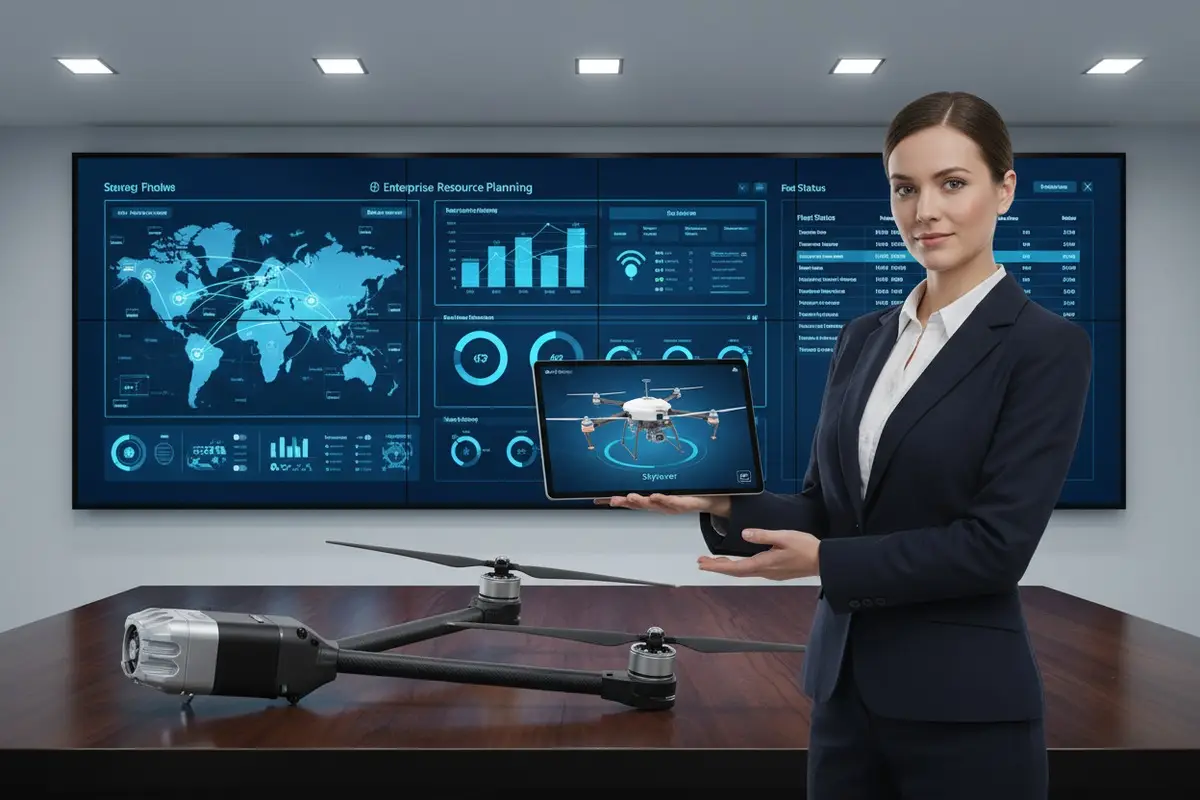

Als unser Ingenieurteam zum ersten Mal Telemetriesysteme in unsere landwirtschaftlichen Hexacopter integrierte, standen wir vor einer häufigen Frustration multispektrale Sensorwerte 1. Landwirte liebten die Drohnendaten, hassten aber die manuelle Übertragung in ihre Geschäftssysteme. Die Trennung zwischen Feldoperationen und Backoffice-Software kostete sie jede Woche Stunden.
Die Integration von Telemetriedaten von Agrardrohnen in ERP-Systeme erfordert drei Kernschnittstellenebenen: Cloud-Konnektivitätsmodule für Echtzeit-Datenstreaming, RESTful-APIs oder Middleware für standardisierte Datenübersetzung und anpassbare ERP-Module, die für landwirtschaftliche Arbeitsabläufe entwickelt wurden. Diese Schnittstellen ermöglichen einen automatisierten Datenfluss von Drohnensensoren direkt in Geschäftssysteme ohne manuelles Eingreifen.
Das Verständnis dieser Schnittstellen ist wichtig für Ihr Endergebnis Cloud-Konnektivitätsmodule 2. Die richtige Einrichtung eliminiert Datensilos und verwandelt Ihre Drohnen von eigenständigen Werkzeugen in vernetzte Knotenpunkte in Ihrem Farmmanagement-Ökosystem. Lassen Sie mich Ihnen genau erklären, was Sie brauchen.
Welche spezifischen API-Protokolle benötige ich, um meine Agrardrohnen-Daten mit meinem ERP-System zu synchronisieren?
Unsere Kunden stellen diese Frage oft während des ersten Beratungsgesprächs. Sie haben Geld für leistungsfähige Drohnen ausgegeben, können die Daten aber nicht dorthin bringen, wo sie hingehören. Das Problem ist nicht die Drohnenhardware. Es ist die fehlende Brücke zwischen Flugdaten und Geschäftssoftware.
Um Agrardrohnen-Daten mit Ihrem ERP-System zu synchronisieren, benötigen Sie RESTful APIs für den HTTP-basierten Datenaustausch, MQTT-Protokolle für leichtgewichtige Echtzeit-Telemetrie-Streams und Webhook-Integrationen für ereignisgesteuerte Benachrichtigungen. Diese Protokolle müssen JSON- oder XML-Datenformate und OAuth 2.0-Authentifizierung für eine sichere, automatisierte Datenübertragung unterstützen.

Verständnis des Protokollstapels
Bei der Frage nach dem API-Protokoll geht es wirklich darum, Ihre Datenflussanforderungen mit dem richtigen technischen Ansatz abzugleichen. Nicht jeder landwirtschaftliche Betrieb benötigt die gleiche Einrichtung.
RESTful APIs 3 eignen sich am besten für die Stapeldatenübertragung. Wenn Ihre Drohne landet und Flugprotokolle, Bilder und Sensorwerte hochlädt, kann REST dies gut handhaben. Die Daten werden in strukturierten Paketen übertragen. Ihr ERP-System empfängt saubere, organisierte Informationen, die es sofort verarbeiten kann.
MQTT dient einem anderen Zweck. Dieses Protokoll glänzt, wenn Sie kontinuierliches, leichtgewichtiges Datenstreaming benötigen. Batteriestände, GPS-Koordinaten und Flugstatus-Updates werden in Echtzeit übertragen. MQTT verwendet minimale Bandbreite. Dies ist wichtig, wenn Ihre Drohnen in Gebieten mit eingeschränkter Konnektivität betrieben werden.
Webhooks vervollständigen das Bild. Wenn Ihre Drohne eine Anomalie in der Ernte erkennt, kann ein Webhook Ihr ERP-System sofort benachrichtigen. Das ERP löst dann den entsprechenden Workflow aus. Kein Abfragen. Keine Verzögerungen. Das Ereignis treibt die Aktion an.
Protokollauswahl nach Anwendungsfall
| Anwendungsfall | Empfohlenes Protokoll | Datenart | Latenzzeit |
|---|---|---|---|
| Hochladen von Flugdaten nach dem Flug | RESTful API | Bildmaterial, Flugprotokolle, Sensordaten | Sekunden bis Minuten |
| Live-Flottenüberwachung | MQTT | GPS, Batterie, Höhe, Geschwindigkeit | Millisekunden |
| Anomalie-Warnungen | Webhooks | Vorfallauslöser, Schwellenwertüberschreitungen | Nahezu Echtzeit |
| Bidirektionale Befehle | WebSocket | Missionsaktualisierungen, Fernsteuerung | Echtzeit |
Authentifizierungs- und Sicherheitsanforderungen
Ihre API-Integrationen müssen über geeignete Sicherheitsebenen verfügen. OAuth 2.0 bietet eine tokenbasierte Authentifizierung, die automatisch abläuft und aktualisiert wird. OAuth 2.0-Authentifizierung 4 Dies verhindert unbefugten Zugriff auf Ihre Drohnenflotte und Ihre ERP-Daten.
Wir konfigurieren unsere Drohnen-Firmware zur Unterstützung von TLS 1.3-Verschlüsselung 5 für alle Datenübertragungen. Ihr Einkaufsteam sollte diese Fähigkeit vor dem Kauf überprüfen. Daten, die zwischen Feld-Drohnen und Cloud-Servern übertragen werden, müssen geschützt werden.
API-Ratenbegrenzung ist ebenfalls wichtig. Ihr ERP-System sollte Datenstöße verarbeiten, wenn mehrere Drohnen gleichzeitig landen. Arbeiten Sie mit Ihrem IT-Team zusammen, um geeignete Limits festzulegen, die eine Überlastung des Systems verhindern und gleichzeitig sicherstellen, dass keine Daten verloren gehen.
Welche Echtzeit-Telemetriedaten sind für mein automatisiertes Flottenmanagement und Reporting am kritischsten?
Während unserer Qualitätsprüfungsphase verfolgen wir bei jedem Flug Dutzende von Telemetrieparametern. Wir haben jedoch gelernt, dass unsere Agrarkunden sich am meisten für spezifische Kennzahlen interessieren, die sich direkt auf ihre Betriebsabläufe und ihre Rentabilität auswirken.
Die kritischsten Echtzeit-Telemetriekennzahlen für das Management von Agrarflotten umfassen GPS-Position und Flugbahn, Batteriespannung und verbleibende Kapazität, Status des Sprühsystems und Aufbringungsraten, multispektrale Sensormesswerte zur Beurteilung der Pflanzengesundheit sowie Umweltparameter wie Windgeschwindigkeit und Temperatur, die die Betriebssicherheit und -wirksamkeit beeinflussen.

Kennzahlen für den Flugbetrieb
Ihr ERP-System benötigt kontinuierliche Transparenz darüber, wo sich Ihre Drohnen befinden und wie sie funktionieren. GPS-Koordinaten werden während des Fluges jede Sekunde aktualisiert. Höhenmessungen stellen die Einhaltung von Vorschriften sicher. Geschwindigkeitsdaten helfen bei der Optimierung von Abdeckungsmustern.
Die Batterietelegrafie verhindert kostspielige Zwischenfälle. Spannungspegel, Stromaufnahme und geschätzte verbleibende Flugzeit ermöglichen es Ihrem System, Drohnen automatisch zurückzurufen, bevor kritische Schwellenwerte erreicht werden. Unsere Flugsteuerungen senden Warnungen bei 30%, 20% und 10% Batteriestand.
Die Flugdauerverfolgung fließt in Ihre operativen Berichte ein. Die gesamten Flugstunden pro Drohne, pro Bediener und pro Feld bilden die Datengrundlage für die Wartungsplanung und Kostenallokation.
Sensor- und Nutzlastmetriken
Agrardrohnen generieren wertvolle Sensordaten, die Ihr ERP automatisch erfassen sollte.
| Sensor-Typ | Datenausgabe | ERP-Anwendung |
|---|---|---|
| RGB-Kamera | Hochauflösende Bilder | Feldkartierung, visuelle Inspektionsberichte |
| Multispektral | NDVI-, NDRE-Indizes 7 | Überwachung der Pflanzengesundheit, Ertragsprognose |
| Thermische | Temperaturkarten | Bewässerungseffizienz, Stresserkennung |
| LiDAR | Höhenmodelle | Topographische Analyse, Entwässerungsplanung |
| Durchflussmesser | Sprühanwendungsraten | Eingabekostenverfolgung, Compliance-Aufzeichnungen |
NDVI-Messwerte von multispektralen Sensoren verdienen besondere Aufmerksamkeit. Diese Werte zeigen die Pflanzengesundheit an, indem sie die Lichtreflexion messen. Ihr ERP kann diese Daten im Laufe der Zeit verfolgen, um Problembereiche zu identifizieren, bevor sie für das menschliche Auge sichtbar werden.
Sprühsystem-Telemetrie erfasst genau, was, wo und wann aufgetragen wurde. Durchflussraten, Tankfüllstände und Anwendungspläne erstellen die Rückverfolgbarkeitsaufzeichnungen, die die behördliche Einhaltung erfordert.
Umgebungsbezogene Metriken
Wetterbedingungen beeinflussen jeden landwirtschaftlichen Drohneneinsatz. Windgeschwindigkeiten über 15 mph legen Flüge normalerweise lahm. Extreme Temperaturen beeinträchtigen die Batterieleistung. Luftfeuchtigkeit beeinflusst die Sprühdrift.
Ihre Telemetrieschnittstelle sollte Umgebungsbedingungen neben Betriebsdaten erfassen. Dieser Kontext hilft Ihrem ERP-System, bessere automatisierte Entscheidungen zu treffen. Beispielsweise können hohe Windmesswerte geplante Missionen automatisch verschieben.
Bodenfeuchtigkeitsdaten von Bodensensoren können mit der Drohnentelemetrie integriert werden. Wenn Ihre Drohne zur Bewässerungsüberwachung trockene Stellen erkennt, erzählt der kombinierte Datensatz eine vollständige Geschichte.
Metriken zur Erkennung von Vorfällen und Anomalien
Die automatisierte Anomalieerkennung wandelt Rohdaten der Telemetrie in umsetzbare Intelligenz um. Wenn Sensorwerte Schwellenwerte überschreiten, sollte das System automatisch Vorfälle protokollieren.
Dole Asia Holdings demonstrierte diesen Ansatz auf 24.000 Hektar. Ihre Drohnen erkannten Pflanzenanomalien, die automatische Vorfallprotokolle in Zoho Creator ERP-Modulen auslösten. Keine manuelle Dateneingabe erforderlich. Feldteams erhielten mobile Benachrichtigungen und reagierten schneller.
Ihre Telemetrieschnittstelle sollte konfigurierbare Schwellenwertalarme unterstützen. Unterschiedliche Pflanzen und Wachstumsstadien erfordern unterschiedliche Empfindlichkeitseinstellungen.
Kann ich eine angepasste Telemetrieschnittstelle anfordern, um eine nahtlose Integration mit meiner proprietären Geschäftssoftware zu gewährleisten?
Diese Frage erhalten wir häufig von Unternehmenskunden. Sie haben stark in kundenspezifische ERP-Systeme investiert, die auf ihre spezifischen Arbeitsabläufe zugeschnitten sind. Standard-Integrationsoptionen passen nicht in ihre Architektur.
Ja, angepasste Telemetrieschnittstellen sind verfügbar und oft notwendig für die proprietäre ERP-Integration. Dies erfordert die Zusammenarbeit mit Drohnenherstellern, die SDK-Zugang, API-Dokumentation und kollaborative Entwicklungsmöglichkeiten anbieten. Benutzerdefinierte Schnittstellen können spezifische Datenformate, eindeutige Authentifizierungsmethoden, Unterstützung proprietärer Protokolle und die Entwicklung dedizierter ERP-Module umfassen.

Bewertung der Anpassungsfähigkeiten
Nicht jeder Drohnenhersteller kann die Entwicklung benutzerdefinierter Schnittstellen unterstützen. Überprüfen Sie diese Fähigkeiten bei potenziellen Lieferanten, bevor Sie einen Kauf tätigen.
Fragen Sie nach der Verfügbarkeit von SDKs. Software Development Kits 8 bieten die Bausteine für benutzerdefinierte Integrationen. Unser Ingenieurteam stellt SDKs zur Verfügung, die Flugsteuerungsdaten, Sensorausgaben und Befehlsschnittstellen bereitstellen.
Überprüfen Sie die Qualität der API-Dokumentation. Eine umfassende Dokumentation reduziert Entwicklungszeit und -kosten. Schlechte Dokumentation bedeutet, dass Ihr IT-Team mehr Stunden mit der Fehlerbehebung verbringt.
Bewerten Sie die Kapazität des technischen Supports. Projekte zur benutzerdefinierten Integration erfordern eine kontinuierliche Zusammenarbeit. Ihr Lieferant sollte während der Entwicklung und nach der Bereitstellung technischen Support anbieten.
Prozess der Entwicklung benutzerdefinierter Schnittstellen
Das typische Anpassungsprojekt folgt einem strukturierten Ansatz.
| Phase | Aktivitäten | Dauer |
|---|---|---|
| Entdeckung | Anforderungserhebung, Überprüfung der Systemarchitektur | 2-4 Wochen |
| Entwurf | Schnittstellenspezifikation, Datenmapping, Sicherheitsplanung | 3-6 Wochen |
| Entwicklung | SDK-Integration, API-Konfiguration, Einrichtung der Testumgebung | 6-12 Wochen |
| Prüfung | Integrationstests, Leistungsvalidierung, Sicherheitsprüfung | 4-8 Wochen |
| Bereitstellung | Produktions-Rollout, Einrichtung der Überwachung, Dokumentation | 2-4 Wochen |
Ihr Einkaufsteam sollte dieses Zeitfenster bei der Planung von Implementierungsplänen berücksichtigen.
Datenformat-Anpassung
Benutzerdefinierte Schnittstellen erfordern oft eine spezifische Datenformatierung, die Ihrem ERP-Schema entspricht. Standard-Drohnen-Telemetrieausgaben stimmen möglicherweise nicht mit Ihrer Datenbankstruktur überein.
Feldnamenskonventionen sind wichtig. Wenn Ihr ERP "latitude" erwartet, die Drohne aber "lat" ausgibt, muss die Schnittstelle übersetzen. Datentypkonvertierungen zwischen Ganzzahlen, Gleitkommazahlen und Zeichenfolgen müssen präzise spezifiziert werden.
Zeitstempelformate verursachen häufig Probleme. Einige Systeme verwenden die Unix-Epoche. Andere erwarten ISO 8601-Zeichenfolgen 9. Ihre benutzerdefinierte Schnittstelle übernimmt diese Übersetzungen automatisch.
Einheitenumrechnungen erfordern ebenfalls Aufmerksamkeit. Die Drohnenhöhe kann in Metern ausgegeben werden, während Ihr ERP Fuß erwartet. Temperaturmessungen in Celsius müssen möglicherweise für Ihre Berichte in Fahrenheit umgerechnet werden.
Unterstützung proprietärer Protokolle
Einige Unternehmenssysteme verwenden proprietäre Kommunikationsprotokolle. Ihre benutzerdefinierte Schnittstelle kann zwischen Standard-Drohnenprotokollen und Ihren spezifischen Anforderungen vermitteln.
Dies kann die Unterstützung von Altsystemen umfassen. Ältere ERP-Plattformen unterstützen möglicherweise keine modernen REST-APIs. Benutzerdefinierte Middleware kann Protokolle übersetzen und so die Lebensdauer bestehender Infrastrukturinvestitionen verlängern.
Sicherheitsanforderungen schreiben manchmal proprietäre Authentifizierung vor. Regierungsauftragnehmer und regulierte Branchen haben oft spezifische Compliance-Anforderungen, die Standard-Schnittstellen nicht erfüllen können.
Überlegungen zur laufenden Wartung
Benutzerdefinierte Schnittstellen erfordern Wartung, da sich sowohl die Drohnen-Firmware als auch die ERP-Systeme weiterentwickeln. Berücksichtigen Sie dies bei Ihren Gesamtkostenberechnungen.
Legen Sie klare Verantwortlichkeiten mit Ihrem Lieferanten fest. Wer aktualisiert die Schnittstelle, wenn sich die Drohnen-Firmware ändert? Wer kümmert sich um die Kompatibilität von ERP-Upgrades? Dokumentieren Sie diese Vereinbarungen in Ihren Beschaffungsverträgen.
Wie überprüfe ich, ob die Datenausgabe der Drohne vollständig mit meiner aktuellen ERP-Infrastruktur kompatibel ist?
Bevor unser Produktionsteam eine Bestellung versendet, führen wir umfassende Kompatibilitätstests durch. Wir haben zu viele Situationen erlebt, in denen Käufer eine Kompatibilität annahmen, die nicht bestand. Das Ergebnis sind Frustration und Projektverzögerungen.
Um die Kompatibilität von Drohnendaten mit Ihrer ERP-Infrastruktur zu überprüfen, fordern Sie Beispieldaten in allen Formaten an, die die Drohne produziert, testen Sie API-Verbindungen in einer Staging-Umgebung vor dem Kauf, bestätigen Sie die Übereinstimmung des Datenschemas mit Ihrer Datenbankstruktur, validieren Sie Netzwerk- und Sicherheitsanforderungen anhand Ihrer IT-Richtlinien und führen Sie Pilotprojekte mit begrenztem Umfang vor der vollständigen Einführung durch.

Kompatibilitätsprüfung vor dem Kauf
Beginnen Sie mit der Überprüfung, bevor Sie die Bestellung unterschreiben. Fordern Sie technische Dokumentationen an, die jedes Datenformat detailliert beschreiben.
| Datenkategorie | Gängige Formate | Kompatibilitätsprüfung |
|---|---|---|
| Bilder | GeoTIFF, JPEG, PNG | Kann Ihre Bildverarbeitungssoftware diese Dateien öffnen? |
| Vektordaten | KML, SHP, DXF | Unterstützt Ihr GIS-System diese Formate? |
| Punktwolken | LAS, OBJ | Welche Software verarbeitet 3D-Daten? |
| Telemetrieprotokolle | JSON, CSV, XML | Kann Ihr ERP diese Strukturen aufnehmen? |
| Berichte | PDF, HTML | Wo werden generierte Berichte gespeichert? |
Bitten Sie Lieferanten um Beispieldateien. Laden Sie diese in Ihre Systeme. Identifizieren Sie Formatinkongruenzen, bevor sie zu kostspieligen Problemen werden.
Staging-Umgebungstests
Testen Sie die Integration niemals in Ihrem Produktions-ERP. Erstellen Sie eine isolierte Staging-Umgebung, die Ihre Produktionsumgebung widerspiegelt.
Verbinden Sie die Cloud-Plattform der Drohne mit Ihrem Staging-System. Führen Sie simulierte Flüge durch. Überprüfen Sie, ob die Daten korrekt über jeden Schnittstellenpunkt fließen.
Testen Sie Grenzfälle. Was passiert, wenn eine Drohne während des Fluges die Verbindung verliert? Wie geht Ihr ERP mit unvollständigen Datensätzen um? Welche Fehlermeldungen werden angezeigt, wenn die Authentifizierung fehlschlägt?
Dokumentieren Sie jedes Problem, das während der Staging-Tests entdeckt wurde. Arbeiten Sie mit Ihrem Lieferanten zusammen, um Probleme vor der Produktionsbereitstellung zu lösen.
Datenbankschema-Validierung
Ihre ERP-Datenbank erwartet Daten in bestimmten Formaten. Drohnentelemetrie muss diesen Erwartungen entsprechen oder Transformationslogik muss die Lücke schließen.
Ordnen Sie jedes Drohnendatenfeld seinem entsprechenden ERP-Feld zu. Identifizieren Sie Lücken, wo Drohnendaten kein ERP-Ziel haben. Entscheiden Sie, wie mit nicht zugeordneten Daten umgegangen werden soll. Einige Felder erfordern möglicherweise neue ERP-Spalten. Andere können verworfen werden.
Validieren Sie Datentypen rigoros. Ein Zeichenfolgenfeld kann keine numerischen Daten ohne Konvertierung empfangen. Datumsformate müssen exakt übereinstimmen. Die Behandlung von Nullwerten muss explizit definiert werden.
Netzwerk- und Sicherheitsüberprüfung
Ihr IT-Sicherheitsteam muss alle neuen Datenverbindungen genehmigen. Drohnentelemetrie-Schnittstellen berühren sensible operative Daten.
Überprüfen Sie, ob Firewall-Regeln den erforderlichen Datenverkehr zulassen. Cloud-basierte Drohnenplattformen benötigen ausgehende Verbindungen von Ihren Drohnen und eingehende Verbindungen zu Ihrem ERP. Dokumentieren Sie spezifische Ports und IP-Bereiche.
Bestätigen Sie, dass die Verschlüsselungsstandards Ihren Richtlinien entsprechen. TLS 1.3 sollte das Minimum sein. Einige Branchen erfordern zusätzliche Verschlüsselungsebenen.
Testen Sie Authentifizierungsflüsse. API-Schlüssel, OAuth-Token und Zertifikate haben alle Ablaufdaten. Ihr Betriebsteam benötigt Verfahren für die Rotation von Anmeldeinformationen.
Pilotbereitstellungsstrategie
Selbst nach gründlichen Tests beginnen Sie mit einer begrenzten Produktionsbereitstellung. Wählen Sie ein einzelnes Feld oder eine kleine Drohnenflotte für den anfänglichen Betrieb aus.
Überwachen Sie den Piloten genau. Vergleichen Sie die Drohnentelemetrie mit manuellen Aufzeichnungen. Identifizieren Sie frühzeitig Diskrepanzen. Passen Sie Konfigurationen basierend auf realen Ergebnissen an.
Erweitern Sie die Bereitstellung schrittweise. Fügen Sie Felder und Drohnen hinzu, wenn das Vertrauen wächst. Dieser phasenweise Ansatz begrenzt das Risiko und baut gleichzeitig die organisatorische Kompetenz auf.
Schlussfolgerung
Eine erfolgreiche Integration von Telemetriedaten für Agrardrohnen erfordert das Verständnis von API-Protokollen, die Identifizierung kritischer Metriken, die Erkundung von Anpassungsoptionen und die systematische Überprüfung der Kompatibilität. Die Investition in eine ordnungsgemäße Schnittstellenplanung zahlt sich durch automatisierte Arbeitsabläufe und eliminierte manuelle Dateneingabe aus.
Fußnoten
1. Erklärt, wie multispektrale Sensoren funktionieren und ihre Anwendung in der Landwirtschaft. ︎
2. Definiert Cloud-Konnektivität und ihre Rolle bei der Verknüpfung von Netzwerken mit Cloud-Diensten. ︎
3. Erklärt REST-APIs, ihre Prinzipien und wie sie für den Datenaustausch funktionieren. ︎
4. Offizielle IETF RFC für das OAuth 2.0-Autorisierungsframework. ︎
5. Wikipedia bietet einen klaren Überblick über TLS 1.3 und seine wichtigsten Merkmale. ︎
6. Offizielle Website für MQTT, ein OASIS-Standard-Messaging-Protokoll für IoT. ︎
7. Erklärt NDVI- und NDRE-Indizes, ihre Berechnung und Anwendungsfälle in der Landwirtschaft. ︎
8. Wikipedia bietet eine umfassende Definition und Beispiele für SDKs. ︎
9. Erklärt den ISO 8601-Standard für die Darstellung von Datum und Uhrzeit. ︎
 English
  Español de México
  Deutsch
  Français
  Русский
  العربية
Comments
No comments yet. Be the first to share your thoughts!
Leave a Comment