
Wenn unsere Produktionslinien unter Volllast laufen, um dringende Bestellungen zu erfüllen, frustriert uns nichts mehr, als zuzusehen, wie diese Drohnen wochenlang in einem überlasteten Hafen liegen bleiben Lieferkettenmanagement 1. Feuerwehrleute brauchen schnell Ausrüstung. Leben hängen davon ab. Doch globale Schifffahrtsengpässe verzögern weiterhin kritische Lieferungen.
Um Risiken durch Hafenstauverzögerungen bei der Beschaffung von Feuerwehrdrohnen zu managen, sollten Käufer verschiedene Schifffahrtsrouten nutzen, mit Herstellern zusammenarbeiten, die über Logistikerfahrung verfügen, Beschaffungspläne mit Pufferzeiten erstellen und Tür-zu-Tür-Lieferdienste nutzen, die Zollabfertigung und alternative Routenoptionen beinhalten.
Hafenüberlastung 2 ist zu einer ernsten Herausforderung in der Lieferkette für Feuerwehrdrohnen geworden. Dieser Leitfaden führt Sie durch praktische Strategien, um Ihren Beschaffungszeitplan zu schützen und sicherzustellen, dass Ihre Abteilung die benötigte Ausrüstung rechtzeitig erhält.
Wie kann ich die besten Versandrouten wählen, um Hafenstaus für meine Bestellung von Feuerlöschdrohnen zu vermeiden?
Aus unserer Erfahrung im Versand an Feuerwehrleute in ganz Nordamerika und Europa haben wir aus erster Hand erfahren, wie ein einziger überlasteter Hafen einen gesamten Beschaffungsplan zum Scheitern bringen kann. Eine einzige verspätete Lieferung kann dazu führen, dass eine Feuerwehr monatelang auf kritische Wärmebildausrüstung 3. warten muss. Die Lösung liegt in der strategischen Routenauswahl.
Wählen Sie Versandrouten, indem Sie Echtzeitdaten zur Hafenauslastung analysieren, Zugangspunkte auf mehrere Häfen verteilen, multimodale Transportoptionen berücksichtigen und mit Herstellern zusammenarbeiten, die Beziehungen zu Spediteuren an verschiedenen Knotenpunkten unterhalten, um Flexibilität bei Engpässen zu gewährleisten.

Verständnis von Hafenüberlastungsmustern
Hafenüberlastung folgt vorhersagbaren Mustern. Große Knotenpunkte wie Los Angeles, Long Beach und Rotterdam erleben oft Spitzenverzögerungen während der Feiertagszeiten und der Erholungsphasen nach der Pandemie. Unser Logistikteam überwacht diese Muster ständig.
Feuerwehrleute sollten vor der endgültigen Vereinbarung von Versandregelungen Überlastungsberichte von ihren Lieferanten anfordern. Fragen Sie Ihren Hersteller, welche Häfen er typischerweise nutzt und welche Alternativen es gibt. Ein guter Lieferant hat Beziehungen zu Spediteuren an mehreren Einreisepunkten.
Multimodale Transportoptionen
Verlassen Sie sich nicht allein auf Seefracht 4 . Wenn wir Feuerwehrdrohnen an zeitkritische Kunden versenden, empfehlen wir oft einen hybriden Ansatz.
| Transportmodus | Geschwindigkeit | Kosten | Am besten für |
|---|---|---|---|
| Seefracht | 25-40 Tage | Niedrig | Standardbestellungen mit flexiblen Zeitplänen |
| Luftfracht 5 | 5-10 Tage | Hoch | Dringende Einsätze, kritische Komponenten |
| See + Bahn | 20-30 Tage | Mittel | Binnenländische Ziele, Vermeidung von Küstenüberlastung |
| See + LKW | 22-35 Tage | Mittel | Flexible Zustellung auf der letzten Meile |
Luftfracht ist teurer, kann aber Ihre Beschaffungszeit verlängern, wenn Hafengebühren drohen. Für eine einzelne, hochwertige Brandbekämpfungsdrohne mit Wärmebildkamera ist die zusätzliche Versandkosten oft die Zuverlässigkeit wert.
Auswahl alternativer Hafentore
Intelligente Einkaufsmanager fragen ihre Lieferanten nach Backup-Häfen. Anstatt alles über Los Angeles zu leiten, sollten Sie Oakland, Seattle oder sogar Häfen an der Ostküste wie Savannah oder Charleston für Ziele im Landesinneren in Betracht ziehen.
Unser Team hat Sendungen erfolgreich umgeleitet, als Stauberichte auf Probleme hinwiesen. Diese Flexibilität erfordert einen Lieferanten, der aktiv die Versandbedingungen überwacht und Beziehungen zu Spediteuren an mehreren Häfen unterhält.
Welche Logistikexpertise sollte ich bei einem Drohnenhersteller suchen, um meine Versandrisiken zu minimieren?
Wenn unsere Ingenieure mit der Kalibrierung der Wärmesensoren und GPS-Systeme einer Löschdrohne fertig sind, ist unsere Arbeit erst zur Hälfte erledigt. Diese Drohne sicher zu Ihrer Feuerwache zu bringen, erfordert ernsthafte Logistikfähigkeiten. Nicht jeder Hersteller verfügt über dieses Fachwissen. Treffen Sie die falsche Wahl, und Sie werden mit Verzögerungen, beschädigter Ausrüstung oder Zoll-Alpträumen konfrontiert sein.
Suchen Sie nach Drohnenherstellern mit nachgewiesener Exporterfahrung, etablierten Partnerschaften mit Spediteuren, internen Teams für Zollabwicklung, Echtzeit-Sendungsverfolgungssystemen und einer Erfolgsbilanz bei der Bewältigung komplexer internationaler Versandbestimmungen für sensible Luftfahrtausrüstung.

Exportdokumentationsfähigkeiten
Löschdrohnen sind keine einfachen Konsumgüter. Sie enthalten Lithiumbatterien, empfindliche Elektronik und manchmal eingeschränkte Technologiekomponenten. Richtige Exportdokumente 6 ist unerlässlich.
Unser Dokumentationsteam kümmert sich täglich um diese Anforderungen:
- Handelsrechnungen mit genauen HS-Codes 7
- Packlisten mit detaillierten Komponentenaufschlüsselungen
- Ursprungszeugnisse für die Handelskonformität
- Erklärungen zum Versand von Lithiumbatterien
- Technische Spezifikationen für die Zollklassifizierung
Bitten Sie potenzielle Lieferanten, Ihnen Musterdokumente von früheren Exporten zu zeigen. Ein Hersteller, der zögert, hat wahrscheinlich keine Erfahrung.
Beziehungen zu Spediteuren
Starke Beziehungen zu Spediteuren machen einen großen Unterschied. Unser Unternehmen arbeitet mit mehreren Spediteuren zusammen, die auf Luftfahrtausrüstung spezialisiert sind. Sie verstehen die besonderen Handhabungsanforderungen für Drohnen und können überlastete Häfen effektiver navigieren.
| Logistikfähigkeiten | Warum es wichtig ist | Fragen, die Sie stellen sollten |
|---|---|---|
| Beziehungen zu mehreren Spediteuren | Bietet Alternativen bei Störungen | Mit wie vielen Spediteuren arbeiten Sie zusammen? |
| Zugang zu Zolllagern | Ermöglicht schnellere Zollabfertigung | Nutzen Sie Zolllager? |
| Echtzeit-Tracking | Ermöglicht proaktive Problemlösung | Kann ich meine Sendung online verfolgen? |
| Versicherungsschutz | Schützt vor Verlust oder Beschädigung | Welche Versicherung bieten Sie an? |
| Zollabfertigung | Beschleunigt die Abfertigung am Bestimmungsort | Erledigen Sie die Zollabfertigung? |
Technologie für Sendungstransparenz
Moderne Logistik erfordert Technologie. Wenn wir eine Brandbekämpfungsdrohne versenden, können Kunden sie in jeder Phase verfolgen. Diese Transparenz ermöglicht es Einkaufsmanagern, Verzögerungen vorherzusehen und ihre Planung anzupassen.
Fragen Sie Hersteller nach ihren Tracking-Fähigkeiten. Können sie Echtzeit-Updates bereitstellen? Informieren sie Sie proaktiv über Probleme? Ein Hersteller, der Sie erst nach Eintritt von Verzögerungen informiert, managt Ihre Risiken nicht effektiv.
Erfahrung mit Luftfahrtausrüstung
Drohnen stellen einzigartige Versandherausforderungen dar. Batteriebeschränkungen schränken einige Transportoptionen ein. Zerbrechliche Komponenten erfordern sorgfältige Verpackung. Zollbeamte prüfen oft Importe von Luftfahrttechnologie.
Unser Team hat spezielle Verpackungen entwickelt, die Propeller, Gimbals und Wärmebildkameras während des Transports schützen. Wir wissen, welche Fluggesellschaften Lithiumbatterie-Sendungen akzeptieren und welche Routen problematische Umschlagpunkte vermeiden. Diese Erfahrung verhindert Überraschungen, die unerfahrenere Versender verzögern.
Wie plane ich meinen Beschaffungszeitplan, um mögliche Verzögerungen im Hafen zu berücksichtigen?
Unser Produktionsteam kann eine Feuerwehrdrohne in Wochen bauen, aber der Versand kann Monate dauern, wenn etwas schiefgeht. Jeder Beschaffungsmanager einer Feuerwehr muss diese Realität verstehen. Die Planung Ihres Zeitplans mit realistischen Puffern ist kein Pessimismus. Es ist professionelles Risikomanagement.
Planen Sie Ihren Beschaffungszeitplan, indem Sie 30-50% Pufferzeit über die angegebenen Lieferzeiten hinaus einplanen, Bestellungen nach Möglichkeit während Zeiten geringer Auslastung auslösen, Meilensteinprüfpunkte während des gesamten Prozesses einrichten und die Kommunikation mit Ihrem Lieferanten über Echtzeit-Versandbedingungen aufrechterhalten.

Realistische Zeitpläne erstellen
Standard-Seefracht von China in die Vereinigten Staaten dauert unter normalen Bedingungen 20-35 Tage. Hafenüberlastung kann 2-6 Wochen hinzufügen. Zollabfertigung fügt weitere Zeit hinzu. Kluge Einkaufsmanager planen für Worst-Case-Szenarien.
So empfehlen wir, Ihren Zeitplan zu strukturieren:
| Beschaffungsphase | Typische Dauer | Puffer empfohlen | Gesamt mit Puffer |
|---|---|---|---|
| Auftragsbearbeitung und Produktion | 2-4 Wochen | 1 Woche | 3-5 Wochen |
| Exportdokumentation | 3-5 Tage | 3 Tage | 6-8 Tage |
| Seefracht | 20-35 Tage | 14-21 Tage | 34-56 Tage |
| Hafenabfertigung und Zoll | 3-7 Tage | 7 Tage | 10-14 Tage |
| Endgültige Lieferung | 2-5 Tage | 2 Tage | 4-7 Tage |
Die gesamte Beschaffungszeit kann unter idealen Bedingungen von 8 Wochen bis zu 14 Wochen bei Verzögerungen reichen. Planen Sie entsprechend.
Saisonale Überlegungen
Versandengpässe folgen saisonalen Mustern. Die Zeit zwischen August und November verzeichnet die höchsten Volumina aufgrund des Feiertagsbestandsverkehrs. Das chinesische Neujahrsfest im Januar/Februar stört Produktionspläne.
Ziehen Sie für die Beschaffung von Feuerlöschdrohnen in Betracht, Bestellungen im März-Mai oder September-Oktober aufzugeben, um Spitzenengpässe zu vermeiden. Die Vorbereitung auf die Waldbrandsaison sollte Monate früher beginnen, als Sie vielleicht erwarten.
Meilenstein-Tracking-Systeme
Warten Sie nicht bis zum erwarteten Liefertermin, um Ihre Bestellung zu überprüfen. Legen Sie Meilenstein-Kontrollpunkte während des gesamten Prozesses fest.
Wenn wir an Feuerwehren liefern, geben wir Updates in diesen Phasen:
- Bestätigung des Produktionsabschlusses
- Qualitätskontrollfreigabe
- Einreichung der Exportdokumentation
- Benachrichtigung über den Abgang des Schiffes
- Transshipment-Updates (falls zutreffend)
- Ankunft im Zielhafen
- Zollabfertigungsstatus
- Terminplanung für die endgültige Lieferung
Jeder Meilenstein bietet Ihnen die Möglichkeit, Probleme frühzeitig zu erkennen und Pläne bei Bedarf anzupassen.
Planung für Notfälle
Was passiert, wenn Ihre Drohne während der Waldbrandsaison in einem überlasteten Hafen festsitzt? Feuerwehrleute brauchen Notfallpläne.
Berücksichtigen Sie diese Eventualitäten:
- Optionen für Notfall-Luftfracht-Upgrades (Preise im Voraus mit Ihrem Lieferanten aushandeln)
- Vereinbarungen über Miet- oder Leihgeräte
- Zugang zu regionalen Lagerbeständen durch Kooperationsvereinbarungen
- Priorisierungsvereinbarungen mit Lieferanten für die beschleunigte Produktion von Ersatzbestellungen
Unser Team bietet beschleunigte Versandoptionen für Kunden, die echte Notfälle haben. Wenn diese Vereinbarungen getroffen werden, bevor Probleme auftreten, ist die Reaktion viel schneller.
Kann mir der Tür-zu-Tür-Lieferdienst meines Lieferanten helfen, die Unsicherheit des internationalen Versands zu bewältigen?
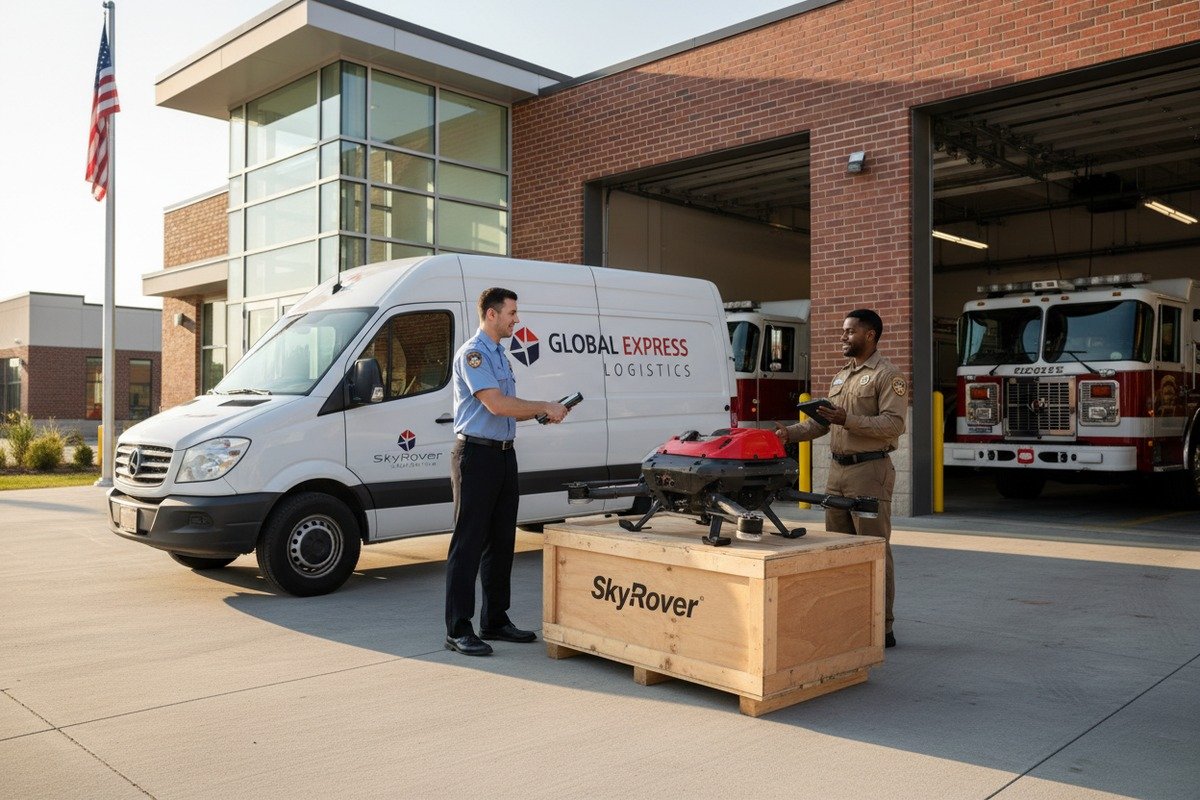
Als wir anfingen anzubieten Lieferung von Tür zu Tür 8 für unsere Feuerwehrdrohnen fragten Kunden, warum sie mehr als den grundlegenden FOB-Versand bezahlen sollten. Die Antwort wurde nach mehreren Albtraumszenarien von Kunden mit teilweise gestrandeten Sendungen in Häfen klar. Tür-zu-Tür-Service überträgt Komplexität und Risiko auf Experten, die sich täglich damit befassen.
Ja, Tür-zu-Tür-Lieferdienste reduzieren die Versandunsicherheit erheblich, indem sie die logistische Verantwortung erfahrenen Fachleuten übertragen, eine zentrale Verantwortlichkeit bieten, einschließlich der Abwicklung der Zollabfertigung, und Problemlösungsfähigkeiten bei Störungen an jedem Punkt der Lieferkette bieten.
Was der Tür-zu-Tür-Service beinhaltet
Die Tür-zu-Tür-Lieferung ist mehr als nur Versand. Es ist ein umfassendes Logistikmanagement. Wenn Feuerwehren unseren Tür-zu-Tür-Service nutzen, kümmern wir uns um alles, von unserem Werk bis zur Laderampe Ihrer Feuerwache.
Typischerweise enthaltene Leistungen:
- Exportverpackung und -kennzeichnung
- Frachtbuchung und Speditionskoordination
- Exportzollabfertigung
- See- oder Luftfrachtmanagement
- Importzollabfertigung und -zölle
- Koordination der Zustellung auf der letzten Meile
- Versicherungsschutz für die gesamte Reise
Ein Ansprechpartner
Bei traditionellen Versandbedingungen wie FOB oder CIF geht die Verantwortung an bestimmten Punkten auf den Käufer über. Wenn an einem Hafen etwas schiefgeht, müssen Sie möglicherweise zwischen mehreren Parteien koordinieren, die sich gegenseitig die Schuld geben.
Tür-zu-Tür-Service bedeutet, dass eine Partei für die gesamte Reise verantwortlich ist. Wenn es zu Verzögerungen kommt, tätigen Sie einen Anruf. Ihr Lieferant löst das Problem, anstatt mit dem Finger auf Spediteure oder Zollagenten zu zeigen.
Zollkompetenz
Die Importzollabfertigung ist der Punkt, an dem viele Lieferungen von Feuerlöschdrohnen stecken bleiben. Falsche HS-Codes, fehlende Dokumente oder unsachgemäße Batterieerklärungen können Inspektionen und Verzögerungen auslösen.
Unser Tür-zu-Tür-Service beinhaltet Zollkompetenz. Wir wissen, welche Dokumente die Zollbeamten sehen möchten. Wir klassifizieren Produkte korrekt. Wir erledigen die Papierarbeit, die Erstimporteure verwirrt.
Kosten-Nutzen-Analyse
Tür-zu-Tür-Service kostet mehr als grundlegende Versandbedingungen. Lohnt es sich?
| Faktor | FOB-Versand | Tür-zu-Tür-Service |
|---|---|---|
| Vorabkosten | Unter | Höher |
| Versteckte Kosten | Gebühren für Zollagenten, Koordinierung der Lieferung, Zeit für die Problemlösung | Eingeschlossen |
| Risikobereitschaft | Käufer übernimmt das meiste Risiko | Lieferant managt das Risiko |
| Zeitaufwand | Hoch (Sie koordinieren alles) | Niedrig (Lieferantenkoordinaten) |
| Problemlösung | Sie verwalten mehrere Parteien | Einzelner Ansprechpartner |
| Vorhersehbarkeit | Variabel | Konsistenter |
Für Feuerwehren mit begrenztem Beschaffungspersonal spart der Tür-zu-Tür-Service oft Geld, wenn man die Personalzeit und die reduzierten Verzögerungsrisiken berücksichtigt.
Wahl der richtigen Service-Stufe
Nicht jede Sendung benötigt den vollständigen Tür-zu-Tür-Service. Berücksichtigen Sie Ihre Situation:
- Erstmalige Importeure: Tür-zu-Tür-Service dringend empfohlen
- Erfahrene Beschaffungsteams: Bevorzugen möglicherweise mehr Kontrolle mit Teildiensten
- Eilige Bestellungen: Tür-zu-Tür mit beschleunigten Optionen bietet die beste Zuverlässigkeit
- Budgetbeschränkte Bestellungen: Grundlegender Versand akzeptabel, wenn Sie über interne Zollkompetenz verfügen
Wir bieten flexible Servicelevel, da unterschiedliche Kunden unterschiedliche Bedürfnisse haben. Entscheidend ist die Abstimmung Ihrer Fähigkeiten mit dem entsprechenden Servicelevel.
Schlussfolgerung
Hafenstauverzögerungen sind reale Risiken für die Beschaffung von Löschdrohnen, aber es sind beherrschbare Risiken. Durch die Diversifizierung von Routen, die Auswahl logistikfähiger Lieferanten, den Aufbau von Zeitpuffern und die Nutzung von Tür-zu-Tür-Diensten können Feuerwehren ihre Ausrüstungszeitpläne schützen und die Einsatzbereitschaft aufrechterhalten.
Fußnoten
1. Definiert Supply Chain Management und skizziert seine Schlüsselprozesse und seine Bedeutung in globalen Volkswirtschaften. ︎
2. Erklärt die Ursachen, Auswirkungen und Lösungen für Hafenstaus im globalen Versand. ︎
3. Ersetzt durch einen Wikipedia-Artikel über Wärmebildkameras, der für die im Artikel erwähnten Brandbekämpfungsanwendungen relevant ist. ︎
4. Erklärt den Prozess des Seefrachtversands, die Arten von Fracht und seine Rolle im internationalen Handel. ︎
5. Beschreibt den Prozess der Luftfrachtabfertigung, die IATA-Vorschriften und seine Bedeutung im globalen Handel. ︎
6. Skizziert die wesentlichen Dokumente und Verfahren, die für den Export von Waren aus den USA erforderlich sind. ︎
7. Erklärt die Harmonized System (HS)-Codes, ihre Struktur und ihre Rolle bei der Klassifizierung im internationalen Handel. ︎
8. Definiert Tür-zu-Tür-Versand, seine Inklusivleistungen und Vorteile für ein umfassendes Logistikmanagement. ︎

 English
  Español de México
  Deutsch
  Français
  Русский
  العربية
