
Als unser Ingenieurteam zum ersten Mal eine Feuerwehr-Drohnensysteme 1, stellten wir fest, dass viele Feuerwehren mit unklaren Preisen zu kämpfen hatten. Sie wünschten sich professionelle Ausrüstung, fühlten sich aber in einem Meer von verwirrenden Angeboten und versteckten Kosten verloren.
Ein professionelles Einstiegs-Drohnensystem für die Brandbekämpfung kostet in der Regel zwischen 25.000 und 50.000 US-Dollar. Dieses Budget umfasst den Drohnenrahmen, Wärmebildkameras, Flugsteuerungen, Batterien, Bodenkontrollstationen und grundlegende Nutzlastabwurfsysteme, die für Feuerwehren geeignet sind, die ihre Drohnenprogramme starten.
Lassen Sie mich Sie durch jede Kostenkomponente führen, damit Sie Ihr Budget mit Zuversicht planen können Wärmebildkameras 2. Wir werden realistische Preisspannen, Anpassungskosten, Lieferkosten und langfristige Wartungsinvestitionen behandeln.
Welchen realistischen Preisrahmen sollte ich für eine hochwertige Einsteiger-Drohne für die Brandbekämpfung erwarten?
Feuerwehren rufen unser Verkaufsteam oft mit genau dieser Frage an. Sie haben Preise zwischen $5.000 und $150.000 gehört und sind völlig verwirrt darüber, was sie wirklich brauchen.
Für eine hochwertige Einstiegsdrohne für die Brandbekämpfung mit Komponenten in Profiqualität sollten Sie mit 25.000 bis 50.000 US-Dollar rechnen. Diese Preisspanne umfasst Wärmebildkameras, GPS/RTK-Navigation, Hinderniserkennungssensoren, robuste Fluggestelle für raue Umgebungen und grundlegende Nutzlastsysteme für die Wasser- oder Schaumlieferung bis zu 30 Litern.

Verständnis der Marktsegmente
Der Markt für Feuerwehrdrohnen gliedert sich in klare Segmente. Zu wissen, wo Ihre Bedürfnisse liegen, hilft Ihnen, Überausgaben oder den Kauf unzureichender Ausrüstung zu vermeiden.
| Segment | Preisspanne | Hauptmerkmale | Am besten für |
|---|---|---|---|
| Basis-Thermografie | $5.000 – $10.000 | RGB-Kamera, Basis-Thermografie, begrenzte Reichweite | Hobby-Nutzung, nicht empfohlen für Feuerwehren |
| Mittelklasse | $10.000 – $20.000 | Bessere thermische Auflösung, längere Flugzeit | Kleine Abteilungen, die nur thermische Aufklärung betreiben |
| Professioneller Einstieg | $25.000 – $50.000 | Fortschrittliche Sensoren, Nutzlasttransport, robustes Design | Feuerwehrleute starten ernsthafte Drohnenprogramme |
| Fortschrittlicher Schwerlasttransport | $50.000 – $150.000 | 50L+ Kapazität, angebundene Optionen, KI-Systeme | Große Abteilungen, spezialisierte Einsätze |
Unsere Produktionslinie konzentriert sich auf die professionelle Einstiegsklasse. Wir haben festgestellt, dass dieser Sweet Spot Feuerwehren den besten Wert bietet. Sie erhalten fortschrittliche Sensoren und echte Nutzlastkapazität ohne die Kosten von Schwerlast-Industriesystemen.
Aufschlüsselung der Kosten für Komponenten
Wenn wir ein professionelles Einstiegssystem bauen, trägt jede Komponente zum Endpreis bei. Das Verständnis dieser Aufschlüsselung hilft Ihnen, Angebote von verschiedenen Anbietern zu bewerten.
Allein der Rahmen kostet $3.000 bis $8.000 für eine hochwertige Carbon-Konstruktion. Unsere Rahmen verwenden mattschwarzes Carbon mit verstärkten Gelenken. Dieses Material hält Hitzeeinwirkung und turbulenten Bedingungen in der Nähe von aktiven Bränden stand.
Motoren und Antriebssysteme kosten zusätzlich $2.000 bis $5.000. Eine professionelle Feuerwehrdrohne benötigt acht Motoren in einer Oktokopter-Konfiguration 3. Dies bietet Redundanz. Wenn ein Motor ausfällt, kann die Drohne immer noch sicher landen.
| Komponente | Kostenbereich | Anmerkungen |
|---|---|---|
| Carbon-Rahmen | $3.000 – $8.000 | Hitzebeständig, stoßfest |
| Motoren/Propeller (8) | $2.000 – $5.000 | Redundante Konfiguration erforderlich |
| Flugsteuerung mit GPS/RTK | $1.500 – $4.000 | RTK bietet Zentimetergenauigkeit |
| Wärmebildkamera | $8.000 – $15.000 | Entscheidend für die Hotspot-Erkennung |
| Batterie-System | $1.500 – $3.000 | Mehrere Batterien erforderlich |
| Bodenkontrollstation | $2.000 – $5.000 | Tablet mit spezialisierter Software |
| Nutzlastsystem (5-30L) | $3.000 – $8.000 | Wasser-/Schaumliefermechanismus |
Vergleich des ROI mit traditionellen Methoden
Einige Einkaufsmanager stellen in Frage, ob Drohnen die Investition rechtfertigen. Lassen Sie mich Daten teilen, die viele Gemüter verändert haben.
USDA-Forschung zeigt, dass Drohnenbetriebe etwa $1.800 pro Tag kosten. Hubschrauberbetriebe für ähnliche Brandunterstützung kosten $16.000 pro Tag. Dieser Unterschied summiert sich schnell während verlängerter Brandperioden.
Feuerwehren, die Drohnen einsetzen, berichten von 70% schnelleren Einsatzzeiten. Sie verzeichnen auch 45% niedrigere Kosten für Einsätze in Gefahrenzonen. Unsere Kunden in Kalifornien berichten uns, dass sich ihre Drohnen innerhalb von zwei Feuersaisonen amortisieren.
Wie viel zusätzliches Budget sollte ich für OEM-Anpassung und proprietäre Softwareentwicklung einplanen?
Wenn Distributoren unser Ingenieurteam kontaktieren, wünschen sie sich oft einzigartige Funktionen. Sie möchten ihre Marke auf den Produkten haben. Sie wünschen sich benutzerdefinierte Software, die sich in bestehende Systeme von Feuerwehren integriert.
Budgetieren Sie zusätzlich 15 % bis 35 % Ihrer Basisdrohnenkosten für OEM-Anpassung und Softwareentwicklung. Für ein System im Wert von 40.000 € bedeutet dies zusätzliche 6.000 € bis 14.000 €. Einfache Markenanpassungen und Farbänderungen kosten weniger, während proprietäre Flugmodi und benutzerdefinierte Bodenkontrollsoftware größere Investitionen erfordern.

Arten der Anpassung und ihre Kosten
Unsere Fabrik bearbeitet täglich Anpassungswünsche. Wir haben sie in Kategorien eingeteilt, damit Sie die Kosten genau abschätzen können.
Visuelle Anpassung ist am einfachsten. Dazu gehören Ihr Logo auf dem Drohnenkörper, individuelle Farben und eine gebrandete Verpackung. Wir berechnen für diese Änderungen etwa 5% bis 10% des Basisgerätekosten.
Hardware-Modifikationen erfordern mehr Investitionen. Einige Kunden wünschen sich spezielle Kamerahalterungen, erweiterte Akkufächer oder kundenspezifische Nutzlastfreigabemechanismen. Diese Änderungen kosten 10% bis 20% der Basiskosten.
Softwareentwicklung erfordert das größte Budget. Das Schreiben proprietärer Flugmodi, die Integration in bestehende Einsatzleitsoftware oder die Erstellung benutzerdefinierter Datenanalyse-Dashboards erfordert erheblichen Ingenieuraufwand.
| Anpassungsart | Kostensteigerung | Zeitleiste |
|---|---|---|
| Visuelles Branding (Logo, Farben, Verpackung) | 5% – 10% | 2-3 Wochen |
| Hardware-Änderungen | 10% – 20% | 4-8 Wochen |
| Grundlegende Softwareanpassung | 15% – 25% | 6-10 Wochen |
| Vollständige proprietäre Softwareentwicklung | 25% – 35% | 12-20 Wochen |
Überlegungen zur Softwareintegration
Feuerwehren benötigen zunehmend Drohnendaten-Feeds, die in ihre Einsatzleitsysteme integriert sind 5. Wenn wir kundenspezifische Software entwickeln, berücksichtigen wir mehrere Faktoren.
Live-Video-Streaming erfordert stabile Protokolle. Unsere Ingenieure bauen Systeme, die mit Standard-Feuerwehrnetzwerken funktionieren. Wir stellen sicher, dass thermische und RGB-Feeds auf vorhandenen Monitoren korrekt angezeigt werden.
Kartenintegration ist ebenfalls wichtig. Viele Abteilungen verwenden spezifische GIS software 6. Unser Entwicklungsteam erstellt Exportformate, die mit diesen Systemen kompatibel sind. Dies verhindert Datensilos und verbessert die Situationswahrnehmung.
KI-basierte Funktionen stellen die Spitze dar. Start-ups wie Seneca haben $60 Millionen gesammelt, um autonome Branddetektion zu entwickeln. Wir können ähnliche Funktionen integrieren, aber dies verursacht erhebliche Kosten. Planen Sie $15.000 bis $30.000 für fortschrittliche KI-Funktionen ein.
Schutz Ihrer Investition in kundenspezifische Entwicklung
Ich rate Kunden immer, die Bedingungen für geistiges Eigentum sorgfältig auszuhandeln. Wenn Sie für kundenspezifische Software bezahlen, klären Sie, wer den Code besitzt.
Einige Hersteller behalten das Eigentum und lizenzieren es an Sie zurück. Andere übertragen die vollen Rechte. Unsere Richtlinie gibt Kunden das vollständige Eigentum an der Software, die sie finanzieren. Dies schützt Ihre Investition und verhindert Vendor Lock-in.
Dokumentation ist ebenso wichtig. Stellen Sie sicher, dass Ihr Vertrag technische Dokumentation, Zugriff auf den Quellcode und Schulungsmaterialien enthält. Ohne diese können Sie Ihre kundenspezifischen Funktionen nicht unabhängig warten oder aktualisieren.
Welche Gesamtkosten muss ich für eine sichere Tür-zu-Tür-Lieferung und Importdokumentation berücksichtigen?
Nach unserer Erfahrung mit Exporten in die USA und nach Europa überrascht die Logistik oft Erstimporteure. Die Drohne selbst mag 40.000 € kosten, aber sie in Ihr Lager zu bringen, verursacht erhebliche Kosten.
Planen Sie 8% bis 15% Ihres Bestellwerts für die sichere Lieferung von Tür zu Tür und die Importdokumentation ein. Für ein $40.000 Drohnensystem sollten Sie $3.200 bis $6.000 budgetieren. Dies beinhaltet internationalen Versand, Zollabfertigung, Einfuhrzölle, Versicherung und alle erforderlichen Export-/Importzertifizierungen.

Aufschlüsselung der Versand- und Bearbeitungskosten
Bei der Kalibrierung unserer Versandangebote berücksichtigen wir mehrere Faktoren. Die Entfernung spielt eine geringere Rolle, als Sie vielleicht denken. Dokumentation und Handhabung treiben die meisten Kosten.
Luftfracht für ein komplettes Drohnensystem kostet typischerweise 800 € bis 2.000 €, abhängig von Gewicht und Zielort. Unsere Feuerwehrdrohnen wiegen 15 bis 35 Kilogramm mit allem Zubehör. Batterien erfordern eine spezielle Handhabung als Gefahrgut, was Zuschläge mit sich bringt.
Seefracht ist günstiger, dauert aber 4 bis 6 Wochen. Luftfracht kommt in 5 bis 10 Tagen an. Für dringende Einsätze rechtfertigt die Geschwindigkeitsprämie den Luftversand.
| Kostenkategorie | Typischer Bereich | Anmerkungen |
|---|---|---|
| Internationale Fracht (Luft) | $800 – $2.000 | Beinhaltet Gefahrgutbehandlung für Batterien |
| Versicherung (All-Risk) | 1 % – 2 % des Wertes | Unerlässlich für hochwertige Elektronik |
| Zollabfertigung | 200 € – 500 € | Professionelle Handhabung empfohlen |
| Einfuhrzölle (USA) | 0% – 5% | Je nach Klassifizierung unterschiedlich |
| Dokumentation/Zertifizierung | $500 – $1.500 | Ausfuhrgenehmigungen, Konformitätszertifikate |
| Zustellung auf der letzten Meile | $200 - $400 | Vom Hafen/Flughafen zu Ihrem Standort |
Anforderungen an die Dokumentation
Feuerwehrleute und staatliche Auftragnehmer sehen sich strengen Importanforderungen gegenüber. Fehlende Unterlagen verursachen Verzögerungen und zusätzliche Lagergebühren.
Ausfuhrgenehmigungen aus China 7 umfassen kontrollierte Technologie. Unser Compliance-Team kümmert sich automatisch darum. Wir pflegen alle notwendigen Zertifizierungen für den Drohnenexport.
Die Importdokumentation für die USA umfasst Handelsrechnung, Packliste, Frachtbrief oder Luftfrachtbrief und Ursprungszeugnis. Für Drohnen mit Kameras benötigen Sie möglicherweise zusätzliche FCC-Konformitätsdokumentation.
Wir bereiten alle Dokumente vor dem Versand vor. Unser Tür-zu-Tür-Service bedeutet, dass Sie die Drohne flugbereit erhalten. Keine Zollprobleme. Keine überraschenden Gebühren.
Häufige Fallstricke vermeiden
Einige Importeure versuchen, Geld zu sparen, indem sie den Zoll selbst abwickeln. Dies schlägt oft fehl. Falsche Zolltarifklassifizierungen lösen Prüfungen aus. Fehlende Dokumente verursachen Lagergebühren im Hafen, die jede Einsparung übersteigen.
Der Versand von Batterien verdient besondere Aufmerksamkeit. Lithium-Batterien 8 unterliegen strengen Vorschriften. Falsch verpackte Batterien werden abgelehnt. Schlimmer noch, sie verursachen Haftungsprobleme, wenn während des Transports Schäden auftreten.
Unser Logistikteam hat über 500 Drohnensysteme nach Nordamerika versandt. Wir kennen jede Anforderung. Wir verwenden spezielle Kisten mit stoßdämpfendem Schaumstoff. Wir fügen Feuchtigkeitsindikatoren und GPS-Tracker hinzu. Jede Sendung kommt dokumentiert und geschützt an.
Wie kann ich meine langfristigen Ausgaben für technischen Support und Ersatzteile abschätzen, um die Haltbarkeit des Produkts zu gewährleisten?
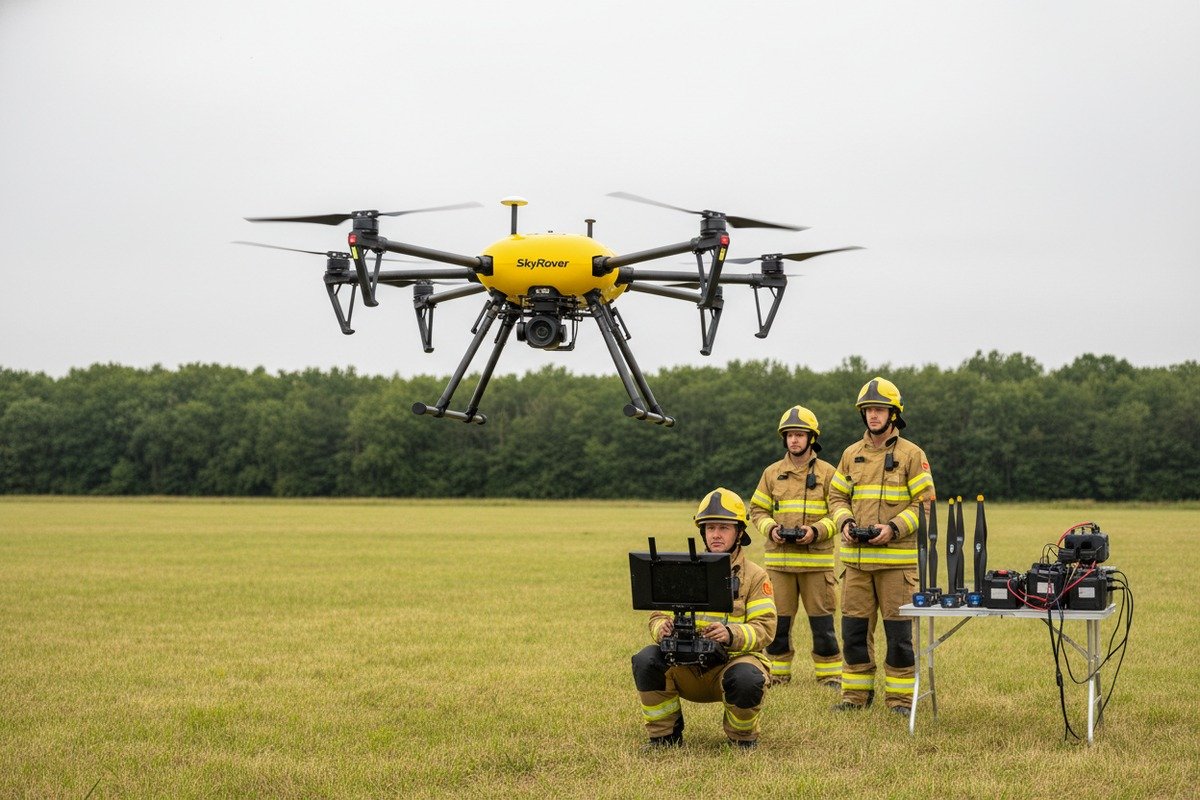
Wenn wir unsere Feuerwehrdrohnen entwickeln, leitet die Haltbarkeit jede Entscheidung. Aber selbst die beste Ausrüstung benötigt Wartung. Die Planung dieser Kosten verhindert Budgetüberraschungen.
Jährliche technische Unterstützung und Ersatzteile kosten in der Regel 10% bis 20% Ihrer anfänglichen Drohneninvestition. Für ein $40.000 System sollten Sie jährlich $4.000 bis $8.000 budgetieren. Dies deckt routinemäßige Wartung, Batteriewechsel, Propellersätze, Software-Updates, Firmware-Support und Zugang zu technischer Hilfe bei auftretenden Problemen ab.
Berechnung Ihres jährlichen Wartungsbudgets
Unser Serviceteam verfolgt Wartungsmuster bei Hunderten von eingesetzten Einheiten. Diese Daten helfen Kunden bei der genauen Planung.
Batterien verschlechtern sich am schnellsten. Rechnen Sie bei regelmäßiger Nutzung mit einem Austausch Ihrer primären Flugbatterien alle 12 bis 18 Monate. Ein hochwertiger Batteriesatz kostet $1.000 bis $2.000. Planen Sie bei häufigen Flügen zwei Sätze pro Jahr ein.
Propeller müssen nach Beschädigung oder alle 200 Flugstunden ausgetauscht werden. Ein kompletter Propellersatz für einen Oktokopter kostet $300 bis $600. Halten Sie zwei Ersatzsets auf Lager.
Motoren fallen selten komplett aus, verlieren aber mit der Zeit an Effizienz. Planen Sie einen jährlichen Motoraustausch für $200 bis $400 pro Einheit ein.
| Artikel | Austauschhäufigkeit | Jährliche Kosten |
|---|---|---|
| Batteriesätze | 12-18 Monate | $1.000 – $2.500 |
| Propellersätze | 200 Stunden oder Beschädigung | $400 – $800 |
| Motoren | Nach Bedarf | $200 - $600 |
| Kamerakalibrierung | Jährlich | $200 - $400 |
| Software-Abonnements | Jährlich | $500 – $1.500 |
| Technischer Supportplan | Jährlich | $1.500 – $3.000 |
| Notfallfonds | Laufend | $500 – $1.000 |
Der Wert von technischen Supportplänen
Manche Kunden überspringen den technischen Support, um Geld zu sparen. Diese Strategie kostet langfristig oft mehr.
Unser 24/7-Techniksupport beinhaltet Fernwartungsdiagnosen. Wenn etwas unerwartet auftritt, verbinden sich unsere Ingenieure per Fernzugriff, um Flugprotokolle zu analysieren. Sie identifizieren Probleme, bevor sie zu Ausfällen führen. Dies verhindert teure Abstürze.
Firmware-Updates sind wichtig für Sicherheit und Leistung. Brandbedingungen entwickeln sich weiter. Vorschriften ändern sich. Unser Ingenieurteam veröffentlicht Updates, die die Flugstabilität bei turbulenten Bedingungen verbessern und Algorithmen für Wärmebildkameras optimieren.
Auffrischungsschulungen halten die Fähigkeiten scharf. Drohnenpiloten benötigen wiederkehrende Schulungen, um ihre Kompetenz aufrechtzuerhalten. Unsere Supportpläne beinhalten jährliche Schulungen zu neuen Funktionen und Best Practices.
Planung für das Unerwartete
Selbst bei perfekter Wartung kommt es zu Notfällen. Eine Drohne kann bei der Brandbekämpfung beschädigt werden. Ein Sensor kann im ungünstigsten Moment ausfallen.
Wir empfehlen, 15% als Rücklage in Ihrem Jahresbudget einzuplanen. Dieser Fonds deckt unerwartete Reparaturen ab, ohne Ihr Programm zu unterbrechen.
Die Verfügbarkeit von Ersatzteilen ist ebenfalls wichtig. Bestätigen Sie vor dem Kauf, dass Ihr Lieferant kritische Komponenten auf Lager hat. Erkundigen Sie sich nach Lieferzeiten für Hauptteile. Unser Lagerbestand umfasst alle gängigen Ersatzteile. Die meisten werden innerhalb von 48 Stunden versandt.
Erweiterte Garantien bieten zusätzlichen Schutz. Unsere Standardgarantie deckt Herstellungsfehler für zwei Jahre ab. Erweiterte Garantien fügen weitere drei Jahre für etwa 5% der Gerätekosten pro Jahr hinzu.
Schlussfolgerung
Die Budgetierung für ein professionelles Einstiegs-Brandbekämpfungsdrohnensystem erfordert eine Planung über den ursprünglichen Kauf hinaus. Berücksichtigen Sie Anpassung, Versand, Dokumentation und langfristigen Support. Mit der richtigen Planung wird Ihre Investition Ihre Feuerwehr jahrelang zuverlässig unterstützen.
Fußnoten
1. Diskutiert den wachsenden Einsatz und die Vorteile von Drohnen im Feuerwehrdienst. ︎
2. Erklärt, wie Wärmebildkameras Hotspots erkennen und bei der Brandbekämpfung helfen. ︎
3. Erklärt das Design von Oktokoptern und hebt Stabilität, Nutzlastkapazität und Redundanz für anspruchsvolle Anwendungen hervor. ︎
4. Erklärt, wie RTK-Technologie zentimetergenaue Genauigkeit für die Drohnenpositionierung und Kartierung bietet. ︎
5. Definiert das Incident Command System (ICS) als ein standardisiertes Managementsystem für eine effektive Einsatzreaktion. ︎
6. Erklärt GIS als eine Technologie zur Erstellung, Verwaltung, Analyse und Kartierung aller Arten von Daten. ︎
7. Beschreibt Chinas Exportkontrollen für UAVs und verwandte Artikel zur nationalen Sicherheit. ︎
8. Bietet IATA-Richtlinien für den sicheren Lufttransport von Lithiumbatterien, einschließlich Beschränkungen und Verpackung. ︎

 English
  Español de México
  Deutsch
  Français
  Русский
  العربية
