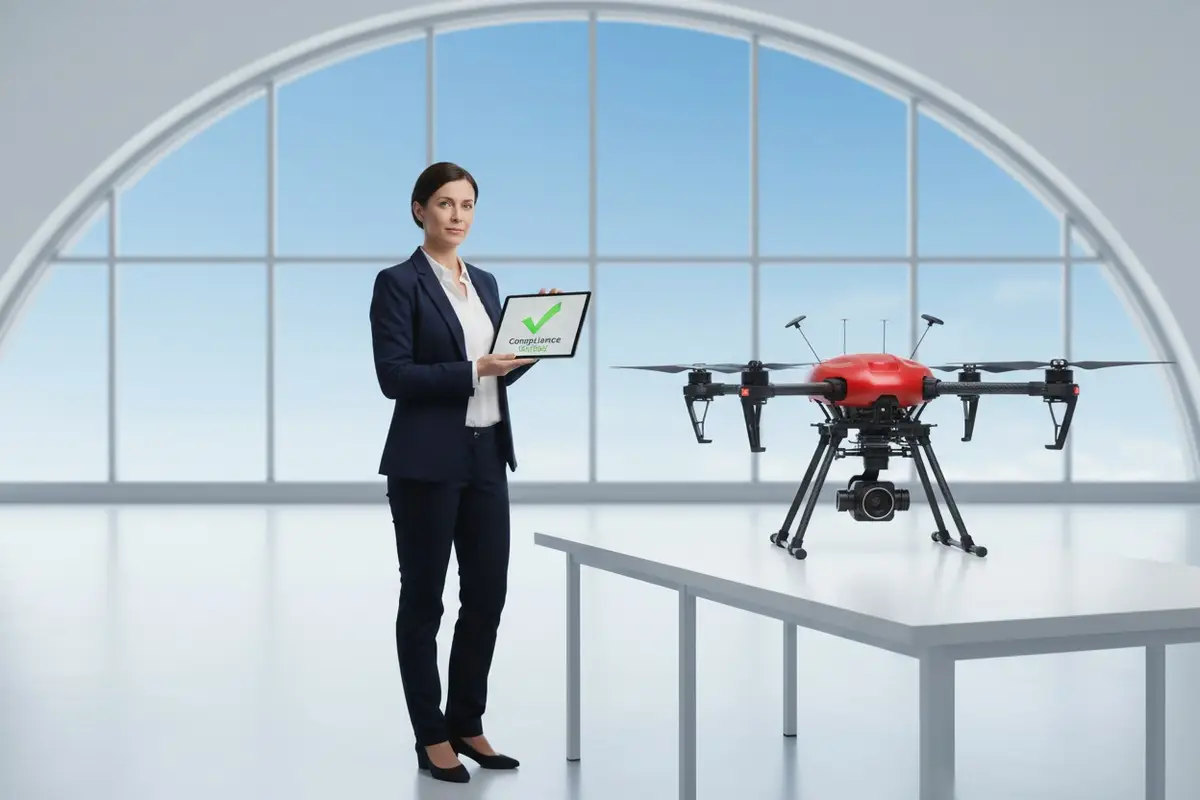

Stellen Sie sich dieses Szenario vor: Ein Waldbrand wütet auf Bundesland. Ihr Team ist bereit, Drohnen einzusetzen. Dann fragt ein Prüfer nach der Herkunft Ihrer Flotte. Dieser Moment hält viele Auftragnehmer nachts wach. In unserer Produktionshalle sehen wir diese Angst täglich von US-Partnern.
US-Regierungsauftragnehmer stellen die Einhaltung des NDAA für Löschdrohnen sicher, indem sie nur von nicht abgedeckten ausländischen Unternehmen beziehen, Komponenten über die Blue UAS Cleared List verifizieren, Lieferketten auf inländische Inhaltsgrenzwerte prüfen und Dokumentationen pflegen, die belegen, dass die Protokolle für die sichere Datenübertragung den bundesstaatlichen Sicherheitsstandards entsprechen.
Die Regeln sind komplex, aber nicht unmöglich zu navigieren. Dieser Leitfaden erläutert die wichtigsten Schritte, Verifizierungsmethoden und Dokumentationsanforderungen. Lassen Sie uns jeden kritischen Bereich gemeinsam durchgehen.
Wie überprüfe ich, ob die Komponenten und der Ursprung meiner Feuerwehrdrohne die NDAA-Anforderungen erfüllen?
Wenn wir Drohnen an Auftragnehmer der US-Regierung versenden, ist die erste Frage immer die nach der Rückverfolgbarkeit der Komponenten. Viele Käufer fühlen sich vom Verifizierungsprozess überfordert. Die Einsätze sind hoch – ein nicht konformes Teil kann eine ganze Flotte disqualifizieren.
Um die Einhaltung des NDAA zu überprüfen, müssen Auftragnehmer das Herkunftsland jeder Komponente prüfen, mit der FCC Covered List und abgedeckten ausländischen Unternehmen (DJI, Autel usw.) abgleichen, den Genehmigungsstatus von Blue UAS oder Green UAS prüfen und die Schwellenwerte für inländische Inhalte gemäß dem Buy American Act bestätigen.

Verständnis von "Covered Foreign Entities" (Abgedeckte ausländische Unternehmen)"
Die NDAA FY2026 verbietet Drohnen ausdrücklich von "abgedeckten ausländischen Unternehmen 1." Dazu gehören Hersteller mit Sitz in China, Russland, Iran und Nordkorea. DJI und Autel sind die am häufigsten genannten Namen.
Aber die Einschränkung geht tiefer als Markennamen. Sie umfasst:
- Flugsteuerungen
- Kommunikationsmodule
- Kameras und Sensoren
- Batteriemanagementsysteme
- Bodenkontrollsoftware
Jede Komponente muss auf ihre Herkunft zurückgeführt werden. Eine in den USA montierte Drohne mit einem chinesischen Flugcontroller erfüllt die Compliance immer noch nicht.
Der Komponentenprüfungsprozess
Unser Ingenieurteam entwickelte einen systematischen Ansatz für US-Partner:
| Schritt | Aktion | Erforderliche Dokumentation |
|---|---|---|
| 1 | Alle Drohnenkomponenten auflisten | Stückliste vervollständigen |
| 2 | Hersteller für jedes Teil identifizieren | Anbieter Ursprungszeugnisse 2 |
| 3 | Abgleich mit der Covered List | FCC-Autorisierungsaufzeichnungen |
| 4 | Montageort verifizieren | Werksauditsberichte |
| 5 | Herkunft der Software bestätigen | Quellcode-Dokumentation |
Unter Verwendung der Blue UAS Cleared List
Die Defense Innovation Unit 3 pflegt die Blue UAS Cleared List 4. Drohnen auf dieser Liste haben Sicherheitsüberprüfungen bestanden. Sie sind für den Bundesgebrauch vorab genehmigt.
Die Liste wird jedoch regelmäßig aktualisiert. Eine im letzten Jahr genehmigte Drohne erscheint möglicherweise nicht in der aktuellen Version. Auftragnehmer müssen dies vor jedem Beschaffungszyklus überprüfen.
Inländische Inhaltsgrenzwerte
Unter dem Buy American Act 5 (48 CFR §25.101) qualifiziert sich eine Drohne als "inländisches Endprodukt", wenn:
- Die Endmontage erfolgt in den USA.
- Mehr als 55% der Komponentenkosten stammen aus US-Quellen
Diese Schwelle schafft Möglichkeiten. Wir arbeiten mit US-Partnern zusammen, um eine Produktion zu strukturieren, die diese Anforderungen erfüllt. Der Schlüssel liegt in der frühzeitigen Planung in der Designphase.
Kann ich mit einem Hersteller zusammenarbeiten, um eine kundenspezifische Drohne zu entwerfen, die meine spezifischen Bundesvertragsstandards erfüllt?
Nach unserer Erfahrung mit US-Regierungsdienstleistern ist kundenspezifisches Design oft der schnellste Weg zur Konformität. Standardlösungen erfüllen selten alle Kriterien. Aber viele Auftragnehmer zögern, weil sie nicht wissen, wo sie anfangen sollen.
Ja, Auftragnehmer können mit Herstellern zusammenarbeiten, um kundenspezifische NDAA-konforme Feuerlöschdrohnen zu entwickeln, indem sie die Herkunft der Komponenten festlegen, Blue UAS-zugelassene Subsysteme auswählen, regierungsgeprüfte Verschlüsselung integrieren und die Produktion so strukturieren, dass die Buy American-Schwellenwerte für inländische Inhalte für Bundesaufträge erfüllt werden.

Warum kundenspezifisches Design sinnvoll ist
Standard-Gewerbedrohnen sind für breite Märkte konzipiert. Bundesverträge haben spezifische Anforderungen, die kommerzielle Produkte nicht erfüllen:
- Verschlüsselte Datenübertragung
- Spezifische Nutzlastkapazitäten für Flammschutzmittel
- Verlängerte Flugzeiten für die Waldbrandkartierung
- Robuste Konstruktion für raue Umgebungen
- Integration in Einsatzleitungssysteme
Wenn wir uns mit einem US-Partner zusammensetzen, beginnen wir mit der Erfassung seiner vertraglichen Anforderungen. Dann arbeiten wir rückwärts, um konforme Lösungen für jede Spezifikation zu identifizieren.
Der kollaborative Designprozess
| Phase | Aktivitäten | Zeitleiste |
|---|---|---|
| Entdeckung | Vertragspezifikationen prüfen, Compliance-Lücken identifizieren | 2-4 Wochen |
| Komponentenauswahl | NDAA-konforme Alternativen beschaffen | 4-6 weeks |
| Prototypenentwicklung | Ersten Entwurf erstellen und testen | 8-12 weeks |
| Compliance-Dokumentation | Ursprungszeugnisse, Audit-Protokolle vorbereiten | 2-3 Wochen |
| Produktion | Konforme Einheiten herstellen | 6-10 Wochen |
Strategien für den Komponentenaustausch
Viele Hochleistungs-Drohnenkomponenten stammen aus eingeschränkten Quellen. Unsere Ingenieure haben Alternativen entwickelt:
Fluglotsen: Anstelle von DJI-basierten Systemen integrieren wir Steuerungen von Herstellern aus den USA oder verbündeten Ländern. Die Leistung ist vergleichbar. Die Dokumentation ist übersichtlicher.
Kameras: Wärmebildkameras für die Brandbekämpfung kamen typischerweise von chinesischen Lieferanten. Jetzt beziehen wir sie von US-Unternehmen oder genehmigten Verbündeten wie Japan und Südkorea.
Kommunikationsmodule: Dies ist der sensibelste Bereich. Wir verwenden Module mit US-zugelassener Verschlüsselung. Daten werden niemals über ausländische Server geleitet.
Strukturierung für heimische Inhalte
Für Auftragnehmer, die die Qualifikation "Buy American" benötigen, bieten wir eine geteilte Fertigung an:
- Wir produzieren Flugzeugzellen und mechanische Komponenten
- US-Partner integrieren Elektronik und Software im Inland
- Die Endmontage erfolgt in den Vereinigten Staaten
- Die Dokumentation zeigt konforme Inhaltsanteile
Dieser Ansatz erfüllt sowohl die NDAA-Beschränkungen als auch die Buy-American-Schwellenwerte. Er baut auch die US-amerikanische technische Kapazität auf.
Software-Anpassung
Feuerlöschdrohnen benötigen spezielle Software für:
- Kartierung von Waldbrandumfängen
- Erkennung von Wärmespots
- Koordination des Abwurfs von Nutzlasten
- Schwarmoperationen mit mehreren Drohnen
Unser Entwicklungsteam baut auf Open-Source-Plattformen auf. Der Quellcode wird US-Partnern zur Verfügung gestellt. Sie können überprüfen, ob keine versteckten Verbindungen zu ausländischen Servern bestehen. Sie können auch Anpassungen für behördenspezifische Bedürfnisse vornehmen.
Welche Dokumentation sollte ich von meinem Lieferanten anfordern, um nachzuweisen, dass meine Drohnenflotte sicher und konform ist?
Wir haben gesehen, dass Auftragnehmer Gebote verloren haben, weil sie keine ordnungsgemäßen Unterlagen vorlegen konnten. Die Drohne selbst war konform. Das Papierwerk nicht. Dieses Problem ist mit den richtigen Anfragen im Voraus vollständig vermeidbar.
Auftragnehmer sollten Ursprungszeugnisse für alle Komponenten, FCC-Autorisierungsaufzeichnungen, den Status der Blue UAS-Zertifizierung, Cybersicherheitserklärungen, Berichte über Lieferkettenprüfungen, Dokumentation des Quellcodes der Software und Konformitätszertifikate des Buy American Act von ihren Drohnenlieferanten anfordern.
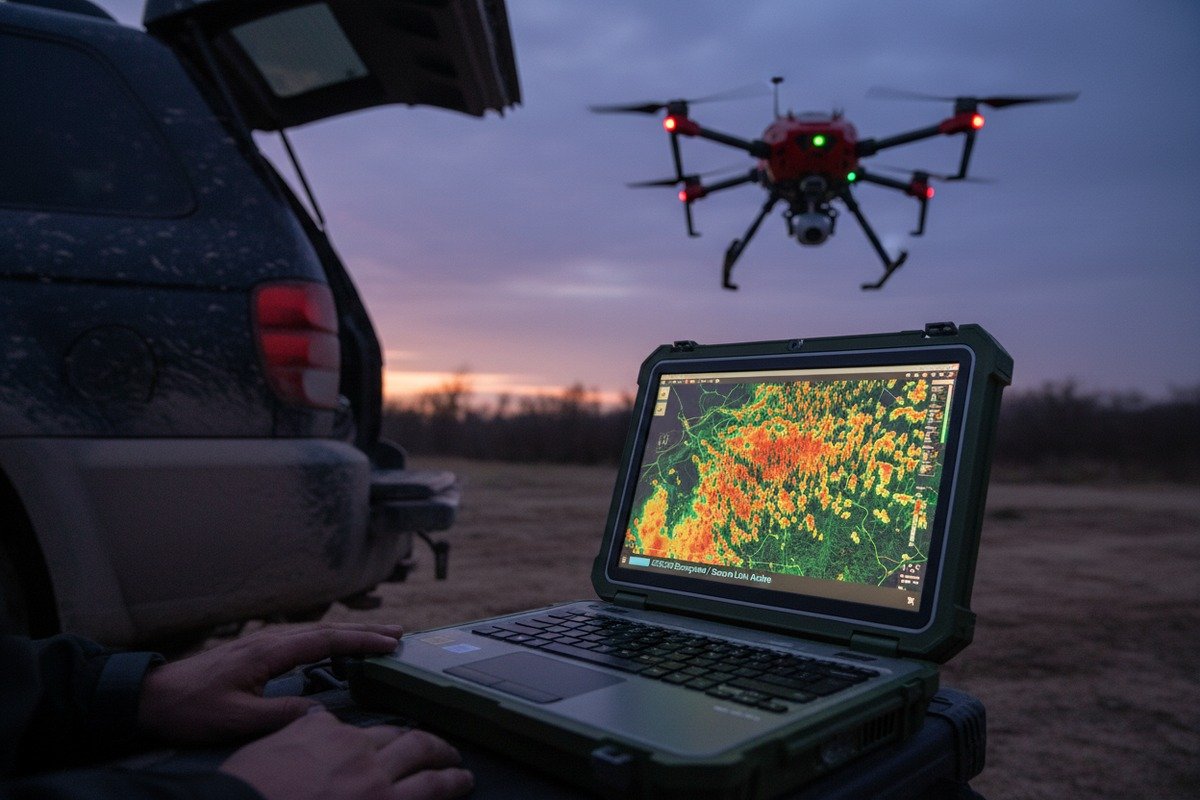
Wesentliche Dokumentationskategorien
Dokumentation fällt in drei Hauptkategorien. Jede dient einem anderen Compliance-Zweck:
| Kategorie | Dokumente | Zweck |
|---|---|---|
| Herkunftsnachweis | Ursprungszeugnisse, Werksaudits, Stücklisten | Weist nach, dass Komponenten nicht von abgedeckten Unternehmen stammen |
| Sicherheitszertifizierung | FCC-Aufzeichnungen, Blue UAS-Status, Verschlüsselungszertifikate | Demonstriert Kommunikationssicherheit |
| Regulatorische Compliance | Buy American-Zertifikate, ITAR-Dokumentation | Erfüllt die Regeln für die Bundesbeschaffung |
Ursprungszeugnis-Anforderungen
Jede Komponente benötigt Herkunftsdokumentation. Ein ordnungsgemäßes Zertifikat enthält:
- Name und Adresse des Herstellers
- Herstellungsland
- Teilenummer und Beschreibung
- Herstellungsdatum
- Genehmigte Unterschrift
Allgemeine Zertifikate sind nicht ausreichend. Jedes muss einer bestimmten Produktionscharge zuordenbar sein.
FCC-Autorisierungsaufzeichnungen
Die FCC Covered List umfasst nun Drohnen mit Kommunikationskomponenten von bestimmten ausländischen Herstellern. Ihre Dokumentation sollte Folgendes enthalten:
- FCC-ID für Kommunikationsmodule
- Datum der Autorisierung
- Bestätigung, dass das Gerät nicht auf der Covered List steht
- Alle zutreffenden Ausnahmen
Hinweis: Vor den Beschränkungen im Dezember 2025 autorisierte Drohnen bleiben legal. Neue Einkäufe müssen jedoch die aktuellen Regeln erfüllen.
Blue UAS und Green UAS Dokumentation
Wenn Ihr Lieferant den Blue UAS-Status beansprucht, überprüfen Sie ihn direkt. Die DIU-Website führt die aktuelle Liste. Die Dokumentation sollte Folgendes enthalten:
- Offizielles Blue UAS-Freigabeschreiben
- Datum der Freigabe
- Alle Bedingungen oder Einschränkungen
- Abgedeckte Konfigurationen
Cybersicherheitserklärungen
Bundesweite Feuerwehreinsätze sammeln sensible Daten. Waldbrandorte, Infrastrukturpositionen und Einsatzmuster haben alle Sicherheitsimplikationen. Ihr Lieferant sollte Folgendes bereitstellen:
- Spezifikationen für die Datenverschlüsselung
- Dokumentation des Serverstandorts
- Richtlinien zur Datenspeicherung
- Ergebnisse von Sicherheitsprüfungen durch Dritte
Unser Standardpaket beinhaltet ein Schreiben zur Cybersicherheitserklärung. Es bestätigt, dass Daten niemals über ausländische Server geleitet werden. Alle Verschlüsselungen entsprechen den Standards der US-Regierung.
Berichte über Lieferkettenprüfungen
Prüfungen durch Dritte erhöhen die Glaubwürdigkeit. Sie zeigen eine unabhängige Überprüfung von Compliance-Ansprüchen. Achten Sie auf:
- Qualifikationen des Prüfers
- Umfang der Prüfung
- Ergebnisse und Lösungen
- Datum der letzten Prüfung
Wir pflegen aktuelle Prüfberichte von anerkannten US-amerikanischen und europäischen Prüfungsgesellschaften. Diese sind für qualifizierte Regierungsauftragnehmer verfügbar.
Software-Dokumentation
Für Drohnen mit autonomen Funktionen oder KI-gestützten Operationen ist die Software-Dokumentation entscheidend. Anfrage:
- Verfügbarkeit des Quellcodes
- Entwicklungsstandort
- Protokolle für Updates und Patches
- Beschreibungen der Datenerfassung
Der NDAA FY2026 betont die Softwaresicherheit. Auftragnehmer, die KI/ML für Brandbekämpfungsoperationen einsetzen, müssen sicherstellen, dass Algorithmen dokumentiert und prüfbar sind.
Wie kann ich sicherstellen, dass die Software und die Datenübertragungsprotokolle meiner Drohne mit den Sicherheitsprotokollen der US-Regierung übereinstimmen?
Auf unserer Entwicklungsseite erhält die Softwaresicherheit genauso viel Aufmerksamkeit wie die Hardware. Doch viele Auftragnehmer konzentrieren sich nur auf physische Komponenten. Eine konforme Flugzelle mit unsicherer Software erfüllt immer noch nicht die bundesstaatlichen Anforderungen. Diese Lücke kostet Verträge.
Auftragnehmer gewährleisten die Sicherheit von Software und Daten, indem sie Ende-zu-Ende-Verschlüsselung gemäß Bundesstandards (AES-256 oder höher) verlangen, die Speicherung von Daten auf Servern in den USA überprüfen, bestätigen, dass keine Weiterleitung über ausländische Server erfolgt, sichere Update-Protokolle implementieren und Cybersicherheitszertifizierungen von qualifizierten Gutachtern einholen.
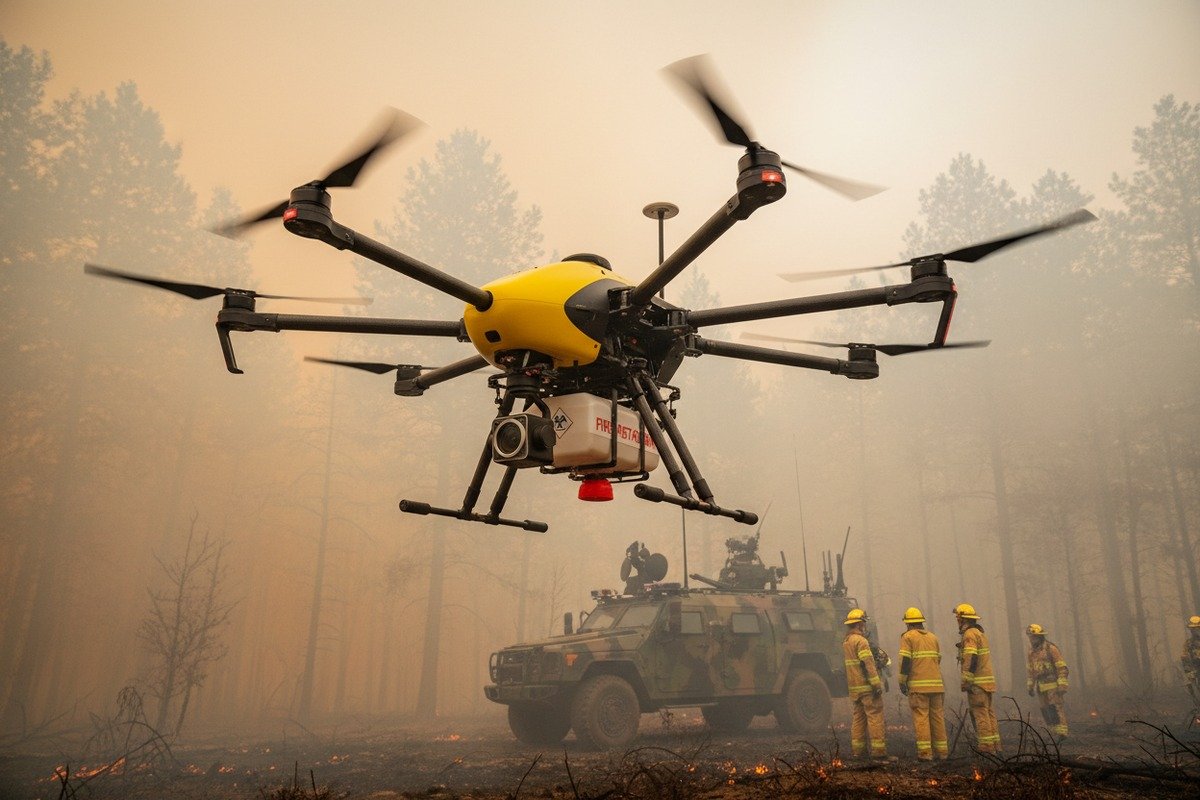
Anforderungen an die Sicherheit der Datenübertragung
Brandbekämpfungsdrohnen übertragen mehrere Datentypen:
- Echtzeit-Video-Feeds
- Thermische Bilder
- GPS-Koordinaten
- Flugtelemetrie
- Nutzlaststatus
Jeder Übertragungsweg muss gesichert sein. Die NDAA FY2026 erweiterte Counter-UAS-Befugnisse 7 teilweise aufgrund von Bedenken hinsichtlich der Datensicherheit. Die Kommunikation Ihres Drohnen darf nicht abfangbar sein oder über ausländische Infrastruktur geleitet werden.
Verschlüsselungsstandards
| Datenart | Mindeststandard | Empfohlen |
|---|---|---|
| Videoübertragung | AES-128 | AES-256 8 |
| Befehl und Steuerung | AES-256 | AES-256 mit Schlüsselrotation |
| Gespeicherte Daten | AES-256 | Hardware-Verschlüsselungsmodul |
| Bodenstationsverbindung | TLS 1.3 | TLS 1.3 mit Zertifikat-Pinning |
Unsere Standardkonfiguration übertrifft diese Mindestanforderungen. Wir implementieren AES-256 für alle Übertragungsarten. Die Schlüsselverwaltung folgt den NIST-Richtlinien.
Server und Datenspeicherung
Wohin die Daten Ihrer Drohne fließen, ist ebenso wichtig wie deren Verschlüsselung. Bundesvorschriften verbieten in der Regel:
- Datenrouting über Server in abgedeckten Ländern
- Cloud-Speicherung auf ausländischen Plattformen
- Telemetriesammlung durch ausländische Einheiten
Wir konfigurieren unsere Systeme für die Datenspeicherung in den USA. Die Bodenkontrollsoftware verbindet sich nur mit vom Kunden angegebenen Servern. Es werden keine Daten an unsere Einrichtungen zurückgesendet, es sei denn, dies wird ausdrücklich für technischen Support angefordert.
Sichere Update-Protokolle
Software-Updates sind ein Schwachpunkt. Angreifer können bösartigen Code über kompromittierte Update-Kanäle einschleusen. Sichere Protokolle umfassen:
Code-Signierung: Alle Updates kryptografisch signiert. Drohnen lehnen unsignierten Code ab.
Verifizierte Quellen: Updates nur von authentifizierten Servern. Keine Repositories von Drittanbietern.
Rollback-Fähigkeit: Wenn ein Update Probleme verursacht, Rückkehr zur vorherigen Version.
Audit-Protokollierung: Vollständige Aufzeichnung aller Update-Aktivitäten.
Integration mit föderalen Systemen
Bundesweite Feuerwehreinsätze erfordern zunehmend Interoperabilität. Ihre Drohne muss möglicherweise Daten austauschen mit:
- USFS-Einsatzleitungssystemen
- FEMA-Koordinierungsplattformen
- Staatlichen Notfallmanagement-Netzwerken
- Multi-Agentur-Brandbekämpfungsteams
Unsere Software unterstützt Standarddatenformate und sichere API-Verbindungen. Integrationsdokumentation wird für jede Bereitstellung bereitgestellt.
Überlegungen zu Counter-UAS
Der NDAA FY2026 erweiterte die Befugnisse für Counter-UAS an sensiblen Standorten. Ihre Feuerlöschdrohne darf keine Abwehrsysteme auslösen oder geschützte Anlagen stören. Das bedeutet:
- Korrekte Identifikations-Transponder
- Einhaltung von Geofencing-Anforderungen
- Dokumentation autorisierter Betriebsbereiche
Wir arbeiten mit Auftragnehmern zusammen, um eine angemessene Identifizierung und Geofencing zu konfigurieren. Dies verhindert operative Konflikte während Einsätzen mit mehreren Agenturen.
Laufende Sicherheitswartung
Compliance ist keine einmalige Errungenschaft. Softwaresicherheit erfordert ständige Aufmerksamkeit:
- Regelmäßige Schwachstellenbewertungen
- Rechtzeitige Sicherheitspatches
- Regelmäßige Penetrationstests
- Aktualisierte Verschlüsselungszertifikate
Unsere Supportverträge beinhalten Sicherheitswartung. US-Partner erhalten Patches und Updates von unserem Ingenieurteam. Alle Updates werden für Compliance-Aufzeichnungen dokumentiert.
Schlussfolgerung
Die NDAA-Konformität für Brandbekämpfungsdrohnen erfordert Aufmerksamkeit für die Herkunft der Komponenten, ordnungsgemäße Dokumentation, kundenspezifische Designüberlegungen und robuste Softwaresicherheit. Die Anforderungen entwickeln sich ständig weiter, aber die Grundlagen bleiben bestehen: Überprüfen Sie alles, dokumentieren Sie gründlich und arbeiten Sie mit Herstellern zusammen, die die bundesweiten Standards verstehen. Ihre Fähigkeit zur Reaktion auf Waldbrände hängt davon ab, dass Sie dies richtig machen.
Fußnoten
1. Definiert spezifische ausländische Entitäten, die durch das NDAA für die Drohnenbeschaffung eingeschränkt sind. ︎
2. Beschreibt wesentliche Dokumentationen zur Überprüfung des Herkunftslandes der Komponenten. ︎
3. Identifiziert die Regierungsbehörde, die für das Blue UAS-Programm zuständig ist. ︎
4. Bietet offizielle Informationen über die Liste der zugelassenen Drohnen für den Bundesgebrauch. ︎
5. Ersetzt durch einen autoritativen .gov-Link der General Services Administration, der einen Überblick über den Buy American Act gibt. ︎
6. Erläutert die Anforderungen des National Defense Authorization Act für die Drohnenbeschaffung. ︎
7. Bietet Kontext zu den bundesweiten Befugnissen zur Erkennung und Abwehr unautorisierter Drohnen. ︎
8. Erklärt den Advanced Encryption Standard, eine bundesstaatliche Sicherheitsanforderung. ︎
 English
  Español de México
  Deutsch
  Français
  Русский
  العربية
Comments
No comments yet. Be the first to share your thoughts!
Leave a Comment